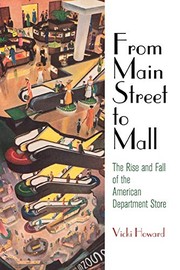
From Main Street to Mall
The rise and fall of the American department store, with Sears throughout.
The rise and fall of the American department store, Sears throughout.
Summary
Howard, a historian, writes the first national study of the American department store industry. The first luxurious department stores of nineteenth-century cities brought light, colour and music to dry-goods selling and turned shopping into pleasure and spectacle; into the early twentieth century they remained centres of social life in their communities.
After the Second World War, suburban growth and the spread of the car moved economic activity to malls and shopping centres. The rise of discount big-box stores and electronic shopping then sped up the closing of local department stores or their absorption by national chains such as Macy's and J. C. Penney. Drawing on primary sources and examples including Marshall Field's in Chicago and Wanamaker's in Philadelphia, Howard shows how the decisions of consumers, government policy makers and industry leaders together produced the era of Wal-Mart. She argues that department stores were tied to American political, cultural and economic identity and were more than places to shop.
Key takeaways 4
- Nineteenth-century department stores turned shopping into a social spectacle.
- Suburbs and cars moved retail from downtown to malls after the Second World War.
- Discount stores and electronic shopping closed or absorbed local department stores.
- Policy makers and industry leaders shaped the shift as much as consumers did.
Who should read it
Investors in retail and real estate who want the history of how the department store rose and declined.
Similar books 6
Chosen by shared topics, the entries that hold them, and the people who recommended both.

The scholarly history of Sears, Roebuck, from mail order to department stores.
How DuPont, GM, Standard Oil and Sears built the multidivisional firm.

How tobacco chemists engineered cigarettes, drawn from the industry's own documents.
How Star Wars merchandise came to outgrow the films that created it.
How Kodak's advertising taught Americans what to photograph.
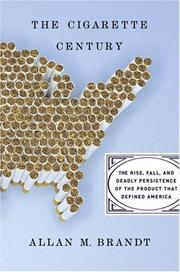
How the cigarette rose in 20th-century America, and how its harm was proved.