Updates

  1. 137 new fund letters and reports, each with its own page: Kayne Anderson Rudnick (48 market briefings, KayneCast episodes and TV commentaries), Shelton Capital Management (48 shareholder reports and a commentary), Lakehouse Capital (10 Small Companies Fund letters), Smead (5 newsletters), RIT Capital Partners (5 monthly commentaries), Kovitz, Legal & General, Generation, Hosking, Marram, Munro, Oldfield and others.
  2. 200 new fund letters and reports, each with its own page: Spheria (41 monthly reports), Peapack Private (41 weekly recaps and planning newsletters), Fort Washington (23), Polen Capital (15), Aristotle Pacific (14), Riverwater (13), Chou (10), Apollo Asia Fund (8, back to 1998), Personal Asset Trust, Rockwood Strategic, J Capital Research, I/O Fund, Penn Davis McFarland, Pomona and others.
  3. Investor pages have one Investments tab with shares, changes, % owned, class, market cap and Market cap and Status filters, a Funds tab listing each fund the firm runs, and assets under management from Form ADV. The Investors table shows AUM and current investments, and its search finds investors by what they hold.
  4. Filters, search and sort stay as you left them when you come back to a section. Person cards look like book cards. Company pages name their Investors tab Ownership. Kind and Sector filters use four kinds and GICS sectors with industries. Dead links left the Links tabs.
  5. 190 more investors from fiscal.ai's list, with their sites, letters, partners and 13F holdings; 556 more partner descriptions. Experts now lists only people.
  6. Fund letters lists 144 new documents from 23 firms, each with its own page: a summary, key insights and quotes. Among them: 37 BlackRock articles, 21 Value Partners monthly notes, eight Baron Capital letters, six Stone Sentinel letters to partners, seven Value Line portfolio manager Q&As, BNY's 2026 earnings releases and Starboard Value's 2026 conference presentations.
  7. 584 more investors, with their websites, 6,776 letters from their own sites, 1,385 partners with pages and the 13F holdings of 213 firms. New letters arrive daily from 290 more archives.
  8. Media and Companies filter by GICS sector and industry group, taken from the companies an episode or page names. 1,860 more company pages show a logo, the SEC's list included.
  9. The home page counts what the platform holds and lists features such as the document reader, the player and saved marks. Settings sits at the foot of the rail. Book cards are a quarter wider, so rows hold fewer. Companies drops the Named in filter, and the Role list in your account runs A to Z.
  10. Investor pages of 13 firms show their newsroom's latest posts. New 13F filings are read as the SEC publishes them.
  11. Investor pages have an Investments tab: 13,975 holdings for 105 investors, from their 13F filings with the SEC and their own portfolio pages, with status and sector. 7,338 more companies have a page of their own.
  12. A podcast or YouTube episode keeps playing while you move around the site, in a bar with skip, speed and volume. Media tables show each episode's length and description.
  13. Press releases come from each company's own newsroom (167 companies); SEC filings sit on the Filings tab. Tickers name their exchange, and a company's Experts tab includes guests whose episode description names it.
  14. Letter types now include Market commentary, Fact sheet, Interim report, Annual report, Proxy circular and Governance document. The reader opens over the whole window.
  15. Partners of investment firms have 2,836 appearances and 580 pieces of writing on their pages; Derek Sivers's page lists every book he rates, with his rating.
  16. Fund letters lists three Akre Focus shareholder reports: the ETF's annual report for the year to July 2026, its semi-annual report to January 2026 and the fund's semi-annual report to January 2025, each with its own page: a summary, key insights and quotes.
  17. 837 partners of 73 investment firms now have their own pages, with title, description, photograph and social accounts; Andreessen Horowitz partners' pages also list their writing on a16z.com.
  18. Company pages have a Press releases tab: 8,229 releases for 203 companies, from SEC filings and company newsrooms. Companies filter by For-profit or Non-profit. Own media is a table with filters. Media filters by sector and industry. Publication pages link their publisher in the description.
  19. The Unilever page's Letters tab shows what each fund letter says about Unilever, word for word with its page, and whether the letter is bullish, bearish, mixed or neutral. Filter by sentiment, and see 10 letters at a time.
  20. 492 more fund letters and 3,183 more articles show the day they were published, read from each letter's first page or each article's own page.
  21. The PDF reader has a search box: type words to see every match in the document and step through them. About 540 letters that were web pages, among them Oakmark's commentaries, Bill Miller's letters and Howard Marks's memos, now open in the reader.
  22. Person pages: recommendations open with tier 1 books; one button per organisation; transcripts sit on their episodes; the books on 129 reading lists joined the Recommends tabs.
  23. Companies lists every company with a ticker on the SEC's list, with a Source filter. A quote on a company page opens the letter at that page with the words marked. A company's Media tab lists only episodes that name it, and a new Own media tab lists its podcasts, publications and YouTube channel. Show pages link their publisher. A page opened from a table no longer shows that table's filters beside it.
  24. Company, investor and person pages show more of their social accounts: Facebook, TikTok, Bluesky, Medium, GitHub, Discord and podcast shows. Investor pages list every partner the firm's own team page names: 965 people across 73 investors, 98 for Andreessen Horowitz.
  25. About 170 more letters and papers open in the reader: Mohnish Pabrai's letters and transcripts from his site's new folder, and free copies of papers by Asness, Harvey, Altman, Lo and others from their own or their schools' sites.
  26. Every company a fund letter names has a page, with the letters and quotes that name it: 47 new pages, among them Atom Computing, Hugging Face, Rolls-Royce Holdings and Westinghouse Electric. Company pages have a Quotes tab.
  27. A person's Writing tab has a Type column and filter (Article, Essay, Transcript, Speech, Foreword, Interview and the rest), and Publication names only the publication that published each piece.
  28. Fund letters opens on the newest published letter, and a letter or paper found by search opens its own page here instead of the publisher's site.
  29. A letter or paper with a copy on the site opens its PDF over its page, with a button to open it in a new tab. Select text to highlight or underline it; signed-in readers keep their marks in their account. Each quote opens the PDF at its page with its words marked, and a Source link leads to the publisher's original.
  30. Fund letters lists 61 more documents, each with its own page: Fairfax's 2025 and 2026 interim reports, proxy circulars and 2025 annual report (with their French editions), 26 Charlie Munger meeting transcripts, talks and essays, Third Point's 2026 monthly reports and Malibu Life's interim results, and a Seth Klarman interview. Papers adds Richard Thaler's two 2020 editorials on nudges.
  31. Fund letters lists Lux Capital's letters for Q2 and Q3 2026, by Josh Wolfe, each with its own page: a summary, key insights and quotes.
  32. Fund letters lists Brookfield's letter to shareholders for Q3 2026, by Bruce Flatt, with its own page: a summary, key insights and quotes.
  33. Fund letters lists Howard Marks's memo of 11 November 2026, A Layman Thinks About AI, with its own page: a summary, key insights and quotes.
  34. Fund letters lists 118 more letters, each with its own page: 44 weekly commentaries by Jeremy Siegel from 2026, 31 issues of Van Tharp's newsletter from 2018, 23 Pabrai Investment Funds letters from 2021 to Q3 2026, 13 Efficient Frontier essays by William Bernstein, Oakmark's three 3Q 2026 commentaries, two Lindsell Train reports, a John Hussman comment and Third Point's Q3 2026 letter.
  35. 2,027 more books carry a one-line description in the Books table and on their pages; 7,067 of 7,715 have one, every tier 1, 2 and 3 book among them.
  36. Fund letters lists 187 more letters from 19 firms, among them Permanent Equity, Social Capital, Lux Capital, Square Peg, Bestinver, Cobas, Sequoia Fund, Marketfield and EquityCompass; each shows on its investor's page and has a page of its own.
  37. 2,928 more books carry a one-line description in the Books table and on their pages, so every tier 1, 2 and 3 book has one; 5,040 in all.
  38. Every publication on Newsletters has its own page: its writing, its writers, its staff and who recommends it. Investor pages have a Management tab; a company's Experts tab now leaves out its own people, who list under Management. Tabs on a phone move sideways only.
  39. Every fund letter and research paper has its own page: the thesis, the PDF, the companies and books it names, and for 176 letters and 24 papers so far a summary, key insights and quotes with their page.
  40. 99 books that no page listed now sit under their topics in Books, among them Caste, American Prometheus and Pale Blue Dot.
  41. Newsletters lists every newspaper, magazine, investment newsletter, journal and blog the reference holds, 442 in all, with the people who write there. The search box keeps your last 20 searches. You can create an account.
  42. 283 books that fund managers recommend in their letters are on the shelf, each with the letter's own words and page; investor pages have a Recommends tab.
  43. Person, company, investor and show pages link their own accounts on X, Threads, Instagram, LinkedIn, YouTube and Substack: 275 people, 552 companies and organisations, 88 investors and 478 shows.
  44. 716 more book recommendations name their source: the person's own reading list, letter, blog post, speech or interview, or an article that reports it. 232 of them quote the person's own words about the book, on the book card and on the book's page.
  45. Every US-listed company has a page with its SEC filings. Company pages list their experts and their management, past and present. Fund managers sit under Investors. Each show has a page of its episodes, and an episode page names its guests and hosts. Biographies lists groups, then people. Breadcrumbs show where a page sits.
  46. Media lists every podcast episode, video, interview and talk, over 10,000, by person, company, publisher and event; each filter searches its own choices. Books opens on its table, then Browse, then Authors and Recommenders. A filter's count no longer covers its arrow.
  47. A book that no company, country or subject page lists shows its topics under Where it sits in the reference. On a phone, a page's tabs scroll sideways only. Descriptions read the same on every page. See them in the Experts tab lists every expert the page names.
  48. Every podcast episode, video and interview has its own page with a video or audio player and a link to the source. Investor pages show each company's sector and market cap; firms such as Berkshire Hathaway have one page that holds their letters and their company tabs. Letters tabs filter by company and search the theses. Companies filter by Public, Private and Defunct and link each company's website.
  49. Every tab, view and search has its own address, such as /books/table/asset or /letters/companies, so Back works and a link opens the same place. Page addresses no longer end in .html. Fund letters, Investors, Companies and Papers load about a fifth of the data they did.
  50. Fund letters has a Companies tab: every company the letters name, with its market cap, sector, country, and how many letters and investors name it. Investor pages link each investor's website. Lists in table cells end with “… and N more” at every width.
  51. 1,120 more book summaries; descriptions for 373 papers; pages for 137 more companies, each with the fund letters that discuss it; 215 official photographs; search has its own page.
  52. 411 more books have a summary; person pages list 930 more of the books they wrote; 147 people show their official photograph.
  53. Every investor has a page with its letters and the companies they discuss; company pages list the investors whose letters name them.
  54. A Companies section at the top of the rail lists every company the books, experts and fund letters name.
  55. Person pages list letters, writing, profiles and links as sortable tables with filters, and show each person's companies as links; Fund letters show each letter's description in its own column.
  56. Experts show a checked job title and a short description of each person; 30 more people have photographs.
  57. Every company, fund, university and publication the experts work for has a page listing the people there.
  58. Fund letters show each letter's thesis and filter by it; 225 person pages list the essays, columns and newsletter issues the person wrote.
  59. Person pages list every essay and newsletter issue a person wrote, and their own books as a table in List view.
  60. Recommends shows the five largest kinds of book and the rest under More; browse pictures load sooner.
  61. Podcasts and talks link the original episode, filter by Audio and video or Press, and list each publisher once.
  62. Pages are wider, Recommends has List and Grid, and a filter clicked again turns off.
  63. Book cards sit in a ruled grid with Open Library and Goodreads links and each book's one-line note.
  64. Funds is now Investors; each investor's styles are buttons that filter the table.
  65. Podcasts and talks on a person's page filter by year and publisher and show as a list or a grid of pictures.
  66. Quotes show only people's own words: 472 summaries written by list sites are gone.
  67. Country pages open from Browse again, and every link on the shelf lands on a page.
  68. Subject and person pages show their sections as tabs, and each book appears once on a person's page.
  69. Book cards show the quote, who said it and the source; grids show five cards to a row.
  70. On a phone, a menu holds the sections, search, Updates, Feedback and dark mode.
  71. Feedback takes a screenshot of the page with no browser prompt, opens a screenshot full size when you click it, and clears itself once sent.
  72. Book cards are centred, search names the topic each book sits in, and any text cut short shows whole on hover.
  73. Search groups its results by kind: people, companies, geographies, subjects, topics, books, funds, fund letters and papers.
  74. The Books table lists who recommended each book by name, and the browser tab names the section you are in.
  75. Feedback can take a screenshot of the page, or one you paste or choose, and opens in the corner beside Updates.
  76. Each rail button reopens its section where you left it, and Browse, Table and People show on every book and subject page.
  77. Filters grey out choices that hold nothing instead of hiding them, and Books › People filters by authors or recommenders.
  78. Feedback takes a subject line and up to three screenshots.
  79. Biographies are grouped by the person they are about: 41 new pages, from Abraham Lincoln to Lee Kuan Yew.
  80. Sport splits into 23 sports, and Religion into one topic per faith.
  81. Book lists show as cards: the cover, one recommendation quote and every recommender by name.
  82. Seventeen subjects that had two or three pages under different names now have one page each.
  83. Every page lists its Experts as authors and recommenders, with a link to them on the Experts tab.
  84. Economics, Financial history, Financial panics and Accounting are subjects of their own, with one page per financial crisis.
  85. Book, person and subject pages open inside the app, so the tabs stay in view.
  86. 996 more book covers, and photographs or logos for 227 more people and companies.
  87. Books › Browse shows every subject as cards, and the rail holds Fund letters, Papers, Experts, Books and Funds.
  88. Every topic over 150 books splits into narrower topics, each with a page of its own.

Send feedback

What is it?
Screenshots, up to 3 (optional)
or paste one with Ctrl+V

We use your email only to reply to you.

CC

Consumer culture and cultural criticism

Holds essays and criticism on American and Western culture, from Orwell, Didion and Tom Wolfe to Lasch, plus reporting on brands, fast food, luxury, sport, music and the industries that sell to consumers.

Start here

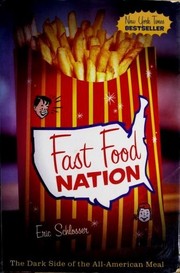
  1. Fast Food NationEric Schlosser, 2001
  2. Addiction by DesignNatasha Dow Schüll, 2012
  3. Dopesick: Dealers, Doctors, and the Drug Company That Addicted AmericaBeth Macy, 2018
  4. The Big ChangeFrederick Lewis Allen, 1952
  5. No LogoNaomi Klein, 1999
Eric Schlosser · 2001

How fast food reshaped farming, meatpacking, food science and low-wage work.

Natasha Dow Schüll · 2012

How slot machines are designed to keep gamblers playing longer.

Recommended by: Nir Eyal, Tristan Harris

Beth Macy · 2018

America's opioid crisis from OxyContin's 1996 launch through Central Appalachia.
Frederick Lewis Allen · 1952

How American life changed between 1900 and 1950.

Recommended by: Morgan Housel, Paul Graham

Naomi Klein · 1999

Arguments for consumers to question and take on the corporate superbrands.

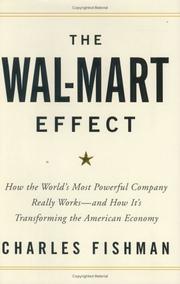
Charles Fishman · 2006

What Wal-Mart's scale does to its suppliers, its towns and prices everywhere.
Dana Thomas · 2007

How family luxury houses became conglomerates selling to the mass affluent.
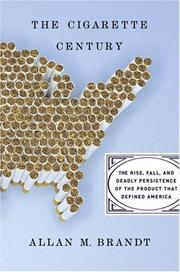
Allan M. Brandt · 2007

How the cigarette rose in 20th-century America, and how its harm was proved.
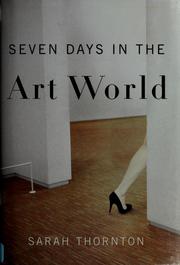
Sarah Thornton · 2008

An inside look at the art world's auctions, fairs and studios.
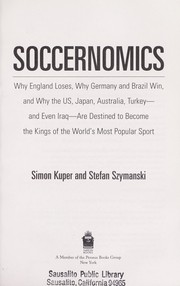
Simon Kuper, Stefan Szymanski · 2009

Why football clubs make poor businesses but survive as assets.
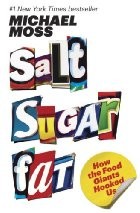
Michael Moss · 2013

How processed-food makers engineer salt, sugar and fat to make people eat more.

Sam Quinones · 2015

America's opiate epidemic, seen from the demand side of the OxyContin market.

Recommended by: Chris Sacca
Vicki Howard · 2015

The rise and fall of the American department store, with Sears throughout.
Joshua Robinson, Jonathan Clegg · 2018

How the Premier League turned English football clubs into global media assets.

Recommended by: Nat Eliason
Greg Lukianoff, Jonathan Haidt · 2018

Three false beliefs taught to young Americans, and how they harm their minds.

“A good companion read to "Winner Takes All".” — Vinod Khosla

Source: 2019 Book Recommendations — Vinod Khosla, Medium

Recommended by: Vinod Khosla, Eric Weinstein, Julian Shapiro and 1 other
Alan B. Krueger · 2019

The economics of the music industry, where superstar markets show up in pure form.
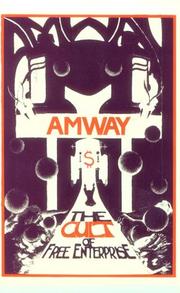
Stephen Butterfield · 1985

A former distributor argues that Amway earns through recruitment, not product sales.
George Ritzer · 1993

How the fast-food restaurant's principles of rationalisation spread across society.

Robert L. FitzPatrick, Joyce K. Reynolds · 1996

A critical look at the arithmetic behind multi-level marketing pay plans.
Robert H. Frank · 1999

How positional spending on status goods drives American consumption.
Teri Agins · 1999

How fashion became a business of brands once designers stopped dictating trends.
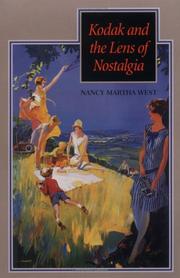
Nancy Martha West · 2000

How Kodak's advertising taught Americans what to photograph.
Pete Earley · 2000

How Las Vegas grew from the Rat Pack era into a family holiday city.
Anthony Bianco · 2006

The costs Wal-Mart imposes on its workers, suppliers, rivals and towns.
Ellen Ruppel Shell · 2009

The economic, political and personal costs of making and buying everything cheaply.
Bryant Simon · 2009

What Starbucks sells besides coffee, from visits to hundreds of its stores.

Peter H. Gleick · 2010

How free tap water became bottled water, one of the most profitable products sold.

Robert N. Proctor · 2011

How tobacco chemists engineered cigarettes, drawn from the industry's own documents.
Chris Taylor · 2014

How Star Wars merchandise came to outgrow the films that created it.
Peter Hellman · 2017

How Rudy Kurniawan faked rare Burgundy wines, and how he was caught.
T3 Boom
Michael Shnayerson · 2019

The rise of the mega-galleries and the money in the contemporary art market.

Eric Eyre · 2020

How a West Virginia town of 382 people got 12 million opioid pills in three years.

Robert L. FitzPatrick · 2020

Why multi-level marketing's economics need constant recruitment to survive.
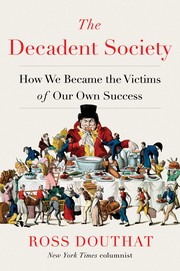
Ross Douthat · 2020

Why rich societies have settled into stagnation, repetition and sterility.

Recommended by: Peter Thiel
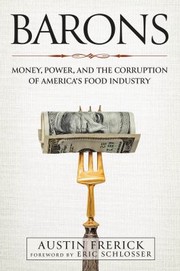
Austin Frerick · 2024

How ownership of American agriculture came to sit with a few families and firms.

Joseph Addison · 1711

Recommended by: Paul Graham

John Cowper Powys · 1929

How each reader can build and defend an inner self through culture.

Recommended by: Tim O’Reilly
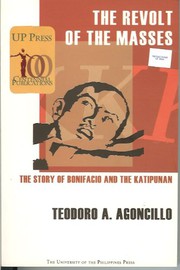
José Ortega y Gasset · 1930

A philosopher's view of Western culture sinking to its lowest common denominator.

Recommended by: Patrick Collison
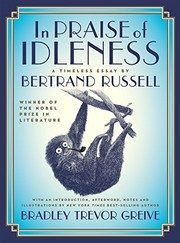
Bertrand Russell · 1935

Essays for reflection and free enquiry, from fascism's roots to "useless" knowledge.

Erich Fromm · 1941

Why people flee from freedom into totalitarianism: a psychoanalyst's account.

Recommended by: Nat Eliason

E.B. White · 1941

Essays on farm life in Maine, written after leaving New York City.

Recommended by: Ann Handley

Joan Didion · 1967

Twenty essays on the mood of America in the 1960s, most of all in California.

“I think anything by Joan Didion in the early years; Slouching Towards Bethlehem, The White Album are two of my favorite books.” — Kara Swisher

Source: The Tim Ferriss Show Transcripts: Kara Swisher (#218)

Recommended by: Kara Swisher, Audrey Gelman
Tom Wolfe · 1968

Following Ken Kesey and the Merry Pranksters through the 1960s counterculture.

Nora Ephron · 1970

Profiles of 1960s and 1970s pop-culture figures, from Julia Child to Ayn Rand.

Recommended by: Audrey Gelman

John Murray Cuddihy · 1974

Freud, Marx and Lévi-Strauss as cases of the Jewish struggle with Gentile civility.

Recommended by: Marc Andreessen

Michael Foucault · 1975

How Western punishment changed and the prison became its main form.

Recommended by: Nat Eliason

E. B. White · 1977

A collection of the writer's essays.

Recommended by: Patrick Collison

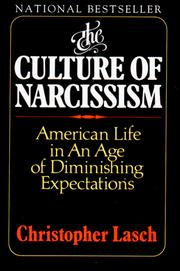
Christopher Lasch · 1978

A critique of the narcissistic personality that modern American culture produces.

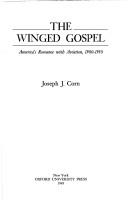
Joseph J. Corn · 1983

How Americans from Kitty Hawk to the Second World War invested great hope in flight.

Recommended by: Patrick Collison
H. G. Bissinger · 1990

A season with Odessa's Permian Panthers, a Texas high-school football power.

Recommended by: Jim Collins, Brian Grazer
Janet Malcolm · 1990

An inquiry into the psychopathology of journalism.

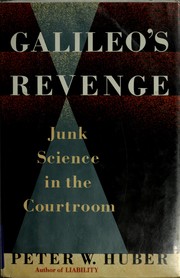
Peter Huber · 1991

How junk science is used by expert witnesses in American courts.

Recommended by: Mohnish Pabrai
P.J. O'Rourke · 1992

A collection of satirical reporting on war and politics.

Recommended by: Eric Weinstein
Greg Weston · 1992

The true story of a polite, fast and carefully planned gang of bank robbers.

Recommended by: Mohnish Pabrai

Fran Lebowitz · 1994

Two collections of comic essays on the fads and absurdities of city life.

Recommended by: Audrey Gelman

Jonathan Harr · 1995

A water contamination case in Woburn, Massachusetts, and the lawsuit it led to.

Recommended by: Mohnish Pabrai

P.J. O'Rourke · 1995

Collected journalism of a satirist who went from student radical to conservative.

Recommended by: Eric Weinstein
Peter Thiel, David O. Sacks · 1995

Multiculturalism and political intolerance on campus.

Christopher Lasch · 1995

How America's professional and managerial elites threaten democracy.

Recommended by: Nat Eliason
Thomas Sowell · 1995

Why failed social policies follow from the vision of a self-appointed elite.

Recommended by: Marc Andreessen, Keith Rabois
Faith Popcorn, Lys Marigold · 1996

Sixteen major trends, from Pleasure Revenge to Icon Toppling, and how to use them.

Recommended by: Mohnish Pabrai

Bill Bryson · 1997

A comic attempt to walk the Appalachian Trail with a friend.

“I am going to throw one more hat in the ring, and that is Bill Bryson, and for people who want a place to start, A Walk in the Woods, which is Rediscovering America on the Appalachian Trail, is just an outstanding, outstanding book, also very, very good with timing.” — Tim Ferriss

Source: The Tim Ferriss Show Transcripts: Cal Newport — The Eternal Pursuit of Craftsmanship, the Deep Life, Slow Productivity, and a 30-Day Digital Minimalism Challenge (#568)

Recommended by: Tim Ferriss

David Sedaris · 1997

Comic essays on a life from a Raleigh childhood to drink- and drug-filled college.

Recommended by: Sophie Bakalar

Michael Dorris · 1997

Writers on the first books they loved and how they became readers.

Recommended by: Mohnish Pabrai
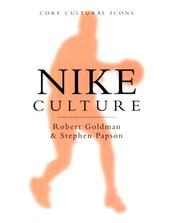
Robert Goldman, Stephen Papson · 1998

An analysis of Nike's brand-marketing machine at its peak, built on the swoosh.
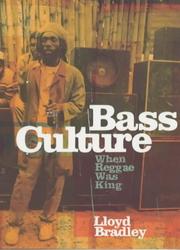
Lloyd Bradley · 2000

A history of reggae music and the Jamaicans who made it.

Recommended by: Daniel Ek
Tom Wolfe · 2000

Essays and fiction on American life, from teenagers' manners to new technology.

Recommended by: Mohnish Pabrai
David Sedaris · 2000

Comic essays, among them a humorist's attempt to learn French after moving to Paris.

Recommended by: Ev Williams

George Orwell · 2002

More than 240 literary and political essays.

Recommended by: Ryan Holiday, Guy Spier

Jonathan Franzen · 2002

A collection of essays, including the one known as the Harper's essay.

Recommended by: Patrick Collison
Gregg Eaterbrook · 2003

Why Western life has improved so much while people feel less happy.

Recommended by: Mohnish Pabrai

Joan Didion · 2003

An essayist probes her family, California's settlers and the myth of self-reliance.

Recommended by: Ann Handley

Alain de Botton · 2004

Where the worry about others' judgement of us comes from, and how people overcome it.

Recommended by: Andrew Wilkinson, Garry Tan
Peter C. Whybrow · 2005

A doctor on why affluent Americans are overworked, stressed and never satisfied.

Recommended by: Simon Sinek

Clive Hamilton, Richard Denniss · 2006

How overconsumption harms quality of life, work and family.

Recommended by: The Barefoot Investor
Michael Lewis · 2006

A boy from a poor, broken home discovers football and rises to the NFL.

Recommended by: Jim Collins, Ev Williams
Clive James · 2007

Over one hundred essays on twentieth-century thinkers, artists and musicians.

“It's a book by a writer called Clive James and it is called Cultural Amnesia. And, first off, he is so learned that you just want to read what he has to say, and I assume he's not making this up, but he says, well, I wanted to read Proust, but I didn't know French so I started with [inaudible] and start learning French.” — Frank Blake

Source: The Tim Ferriss Show Transcripts: Frank Blake (#303)

Recommended by: Frank Blake, Patrick Collison
Matt Mason · 2008

How open-source and pirate culture are changing control of information.

Recommended by: Ryan Holiday

Lenore Skenazy · 2009

The case for letting children do more on their own.

Recommended by: Paul Graham

Thomas Sowell · 2009

Intellectuals as idea workers, and how their ideas shape society and its policies.

Recommended by: Marc Andreessen

Mark Ebner · 2009

A Los Angeles gangster who spent six years inside young Hollywood's circles.

Recommended by: Cynthia Johnson
Bill Bryson · 2010

How commerce, architecture and technology shaped the modern home.

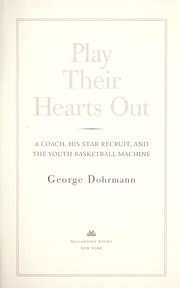
George Dohrmann · 2010

The gritty reality behind the hoop dreams of America's young basketball prodigies.

Recommended by: Jeff Jordan
Ben Okri · 2011

Essays and poetry on dreams, art and the times.

Recommended by: Richard Branson

Wolfgang Palaver · 2013

An introduction to Girard's theory: mimetic desire, the scapegoat and the Bible.

Recommended by: Naval Ravikant
Jonathan Franzen · 2013

New translations of an Austrian satirist's essays, with extensive annotations.

Recommended by: Patrick Collison
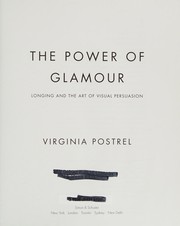
Virginia Postrel · 2013

Glamour as a cultural force that shapes where people live, work, invest and vote.

Recommended by: Diana Kimball

William J. Birnes · 2013

A team of investigators examines UFO cases around the world.

Recommended by: Balaji S. Srinivasan
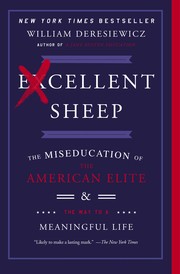
William Deresiewicz · 2014

Why elite American colleges turn out bright conformists without direction.

Recommended by: Mohnish Pabrai, Nat Eliason

Chris Lehmann, Thomas Frank · 2014

Essays on carnival hokum, magical thinking and Washington's cult of expertise.

Recommended by: Patrick Collison

Eula Biss · 2014

A new mother looks at the fears around vaccinating children.

Recommended by: Bill Gates, Mark Zuckerberg

Sheila Heti et al. · 2014

More than 600 women on the questions they ask themselves while getting dressed.

Recommended by: Audrey Gelman

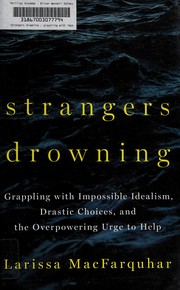
Larissa Macfarquhar · 2015

Portraits of people living lives of extreme ethical commitment to helping strangers.

“The year before, I gave a book by Larissa MacFarquhar called Strangers Drowning which is a story about people who make extraordinary moral choices like the choice to adopt 23 children and bring them into your lives, who just make crazy choices and why they make those choices.” — Nick Thompson

Source: The Tim Ferriss Show Transcripts: Nick Thompson (#311)

Recommended by: Nick Thompson, Patrick Collison

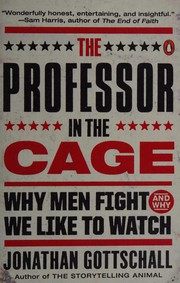
Jonathan Gottschall · 2015

An out-of-shape English professor trains at an MMA gym across from his office.

Recommended by: Patrick O'Shaughnessy

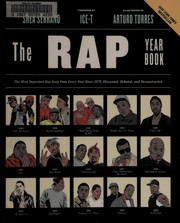
Shea Serrano · 2015

The most important rap song of each year since rap first won recognition.

Recommended by: Balaji S. Srinivasan
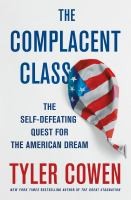
Tyler Cowen · 2017

How Americans became less willing to move, take risks and adapt.

“America’s dynamic ever-changing past is slowing into a complacent stagnation. People don’t move as much or expect change. This hurts class mobility, and eventually needs to change. Inspired by his visit to China, which has grown 10% every year for 30 years, meaning every 7 years it’s like a whole new country is built. America is relatively halted.” — Derek Sivers

Source: Derek Sivers book notes (primary, rated list) · Rating: 7/10

Recommended by: David Perell, Derek Sivers, Patrick Collison
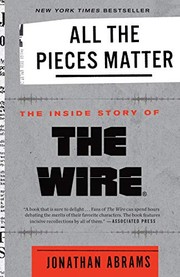
Jonathan Abrams · 2018

An oral history of the TV show The Wire, told by its actors, writers and directors.

Recommended by: Nick Crocker
Susan Orlean · 2018

The fire at the Los Angeles Central Library, and a history of the library.

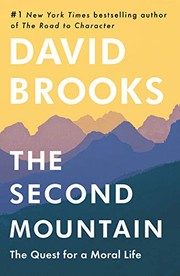
David Brooks · 2019

The four commitments to family, vocation, faith and community that give life meaning.

Recommended by: Ryan Holiday
Jia Tolentino · 2019

Essays on the internet, the self, feminism and politics.

Recommended by: Sophie Bakalar
Bret Easton Ellis · 2019

A novelist's polemic on this century's failings and a defence of freedom.

Recommended by: Keith Rabois
Rory Sutherland, Pete Dyson · 2021

Applying behavioural science to make transport better for people.
Various Authors

Recommended by: Richard Branson

Tom Wolfe

Two satirical essays on class, status and race in America around 1970.

Recommended by: Marc Andreessen

More society and culture