At Home: A Short History of Private Life
How commerce, architecture and technology shaped the modern home.
Who recommended it 3 · 2 direct
Similar books 6
Chosen by shared topics, the entries that hold them, and the people who recommended both.
Over one hundred essays on twentieth-century thinkers, artists and musicians.
“It's a book by a writer called Clive James and it is called Cultural Amnesia. And, first off, he is so learned that you just want to read what he has to say, and I assume he's not making this up, but he says, well, I wanted to read Proust, but I didn't know French so I started with [inaudible] and start learning French.” — Frank Blake
Source: The Tim Ferriss Show Transcripts: Frank Blake (#303)
Recommended by: Frank Blake, Patrick Collison
The genetic basis of race and its role in human history, from genome mapping.
Recommended by: Mohnish Pabrai
How food supply and environment shaped the origins of human cultures.
Recommended by: Mohnish Pabrai
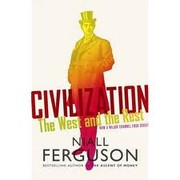
Six advantages, from competition to the work ethic, that let the West pull ahead.
Recommended by: Mohnish Pabrai, Li Lu
Why customs that look irrational come from concrete social and economic conditions.
“Mind-blowing anthropology. Great argument that the reasons that religions worship cows or hate pigs, that tribes wage wars, or Europe's 200 years of witch hunts, are all very practical economic reasons usually unknown to the participants or washed out of history. But they're revealed here in zoomed-out hindsight. My notes here can't describe it. You have to read the whole book. Riveting.” — Derek Sivers
Source: Derek Sivers book notes (primary, rated list) · Rating: 9/10
Recommended by: Derek Sivers, Mohnish Pabrai
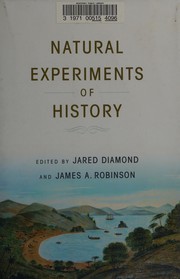
How comparing natural experiments of history answers questions labs cannot.
Recommended by: Mohnish Pabrai