Updates

  1. 137 new fund letters and reports, each with its own page: Kayne Anderson Rudnick (48 market briefings, KayneCast episodes and TV commentaries), Shelton Capital Management (48 shareholder reports and a commentary), Lakehouse Capital (10 Small Companies Fund letters), Smead (5 newsletters), RIT Capital Partners (5 monthly commentaries), Kovitz, Legal & General, Generation, Hosking, Marram, Munro, Oldfield and others.
  2. 200 new fund letters and reports, each with its own page: Spheria (41 monthly reports), Peapack Private (41 weekly recaps and planning newsletters), Fort Washington (23), Polen Capital (15), Aristotle Pacific (14), Riverwater (13), Chou (10), Apollo Asia Fund (8, back to 1998), Personal Asset Trust, Rockwood Strategic, J Capital Research, I/O Fund, Penn Davis McFarland, Pomona and others.
  3. Investor pages have one Investments tab with shares, changes, % owned, class, market cap and Market cap and Status filters, a Funds tab listing each fund the firm runs, and assets under management from Form ADV. The Investors table shows AUM and current investments, and its search finds investors by what they hold.
  4. Filters, search and sort stay as you left them when you come back to a section. Person cards look like book cards. Company pages name their Investors tab Ownership. Kind and Sector filters use four kinds and GICS sectors with industries. Dead links left the Links tabs.
  5. 190 more investors from fiscal.ai's list, with their sites, letters, partners and 13F holdings; 556 more partner descriptions. Experts now lists only people.
  6. Fund letters lists 144 new documents from 23 firms, each with its own page: a summary, key insights and quotes. Among them: 37 BlackRock articles, 21 Value Partners monthly notes, eight Baron Capital letters, six Stone Sentinel letters to partners, seven Value Line portfolio manager Q&As, BNY's 2026 earnings releases and Starboard Value's 2026 conference presentations.
  7. 584 more investors, with their websites, 6,776 letters from their own sites, 1,385 partners with pages and the 13F holdings of 213 firms. New letters arrive daily from 290 more archives.
  8. Media and Companies filter by GICS sector and industry group, taken from the companies an episode or page names. 1,860 more company pages show a logo, the SEC's list included.
  9. The home page counts what the platform holds and lists features such as the document reader, the player and saved marks. Settings sits at the foot of the rail. Book cards are a quarter wider, so rows hold fewer. Companies drops the Named in filter, and the Role list in your account runs A to Z.
  10. Investor pages of 13 firms show their newsroom's latest posts. New 13F filings are read as the SEC publishes them.
  11. Investor pages have an Investments tab: 13,975 holdings for 105 investors, from their 13F filings with the SEC and their own portfolio pages, with status and sector. 7,338 more companies have a page of their own.
  12. A podcast or YouTube episode keeps playing while you move around the site, in a bar with skip, speed and volume. Media tables show each episode's length and description.
  13. Press releases come from each company's own newsroom (167 companies); SEC filings sit on the Filings tab. Tickers name their exchange, and a company's Experts tab includes guests whose episode description names it.
  14. Letter types now include Market commentary, Fact sheet, Interim report, Annual report, Proxy circular and Governance document. The reader opens over the whole window.
  15. Partners of investment firms have 2,836 appearances and 580 pieces of writing on their pages; Derek Sivers's page lists every book he rates, with his rating.
  16. Fund letters lists three Akre Focus shareholder reports: the ETF's annual report for the year to July 2026, its semi-annual report to January 2026 and the fund's semi-annual report to January 2025, each with its own page: a summary, key insights and quotes.
  17. 837 partners of 73 investment firms now have their own pages, with title, description, photograph and social accounts; Andreessen Horowitz partners' pages also list their writing on a16z.com.
  18. Company pages have a Press releases tab: 8,229 releases for 203 companies, from SEC filings and company newsrooms. Companies filter by For-profit or Non-profit. Own media is a table with filters. Media filters by sector and industry. Publication pages link their publisher in the description.
  19. The Unilever page's Letters tab shows what each fund letter says about Unilever, word for word with its page, and whether the letter is bullish, bearish, mixed or neutral. Filter by sentiment, and see 10 letters at a time.
  20. 492 more fund letters and 3,183 more articles show the day they were published, read from each letter's first page or each article's own page.
  21. The PDF reader has a search box: type words to see every match in the document and step through them. About 540 letters that were web pages, among them Oakmark's commentaries, Bill Miller's letters and Howard Marks's memos, now open in the reader.
  22. Person pages: recommendations open with tier 1 books; one button per organisation; transcripts sit on their episodes; the books on 129 reading lists joined the Recommends tabs.
  23. Companies lists every company with a ticker on the SEC's list, with a Source filter. A quote on a company page opens the letter at that page with the words marked. A company's Media tab lists only episodes that name it, and a new Own media tab lists its podcasts, publications and YouTube channel. Show pages link their publisher. A page opened from a table no longer shows that table's filters beside it.
  24. Company, investor and person pages show more of their social accounts: Facebook, TikTok, Bluesky, Medium, GitHub, Discord and podcast shows. Investor pages list every partner the firm's own team page names: 965 people across 73 investors, 98 for Andreessen Horowitz.
  25. About 170 more letters and papers open in the reader: Mohnish Pabrai's letters and transcripts from his site's new folder, and free copies of papers by Asness, Harvey, Altman, Lo and others from their own or their schools' sites.
  26. Every company a fund letter names has a page, with the letters and quotes that name it: 47 new pages, among them Atom Computing, Hugging Face, Rolls-Royce Holdings and Westinghouse Electric. Company pages have a Quotes tab.
  27. A person's Writing tab has a Type column and filter (Article, Essay, Transcript, Speech, Foreword, Interview and the rest), and Publication names only the publication that published each piece.
  28. Fund letters opens on the newest published letter, and a letter or paper found by search opens its own page here instead of the publisher's site.
  29. A letter or paper with a copy on the site opens its PDF over its page, with a button to open it in a new tab. Select text to highlight or underline it; signed-in readers keep their marks in their account. Each quote opens the PDF at its page with its words marked, and a Source link leads to the publisher's original.
  30. Fund letters lists 61 more documents, each with its own page: Fairfax's 2025 and 2026 interim reports, proxy circulars and 2025 annual report (with their French editions), 26 Charlie Munger meeting transcripts, talks and essays, Third Point's 2026 monthly reports and Malibu Life's interim results, and a Seth Klarman interview. Papers adds Richard Thaler's two 2020 editorials on nudges.
  31. Fund letters lists Lux Capital's letters for Q2 and Q3 2026, by Josh Wolfe, each with its own page: a summary, key insights and quotes.
  32. Fund letters lists Brookfield's letter to shareholders for Q3 2026, by Bruce Flatt, with its own page: a summary, key insights and quotes.
  33. Fund letters lists Howard Marks's memo of 11 November 2026, A Layman Thinks About AI, with its own page: a summary, key insights and quotes.
  34. Fund letters lists 118 more letters, each with its own page: 44 weekly commentaries by Jeremy Siegel from 2026, 31 issues of Van Tharp's newsletter from 2018, 23 Pabrai Investment Funds letters from 2021 to Q3 2026, 13 Efficient Frontier essays by William Bernstein, Oakmark's three 3Q 2026 commentaries, two Lindsell Train reports, a John Hussman comment and Third Point's Q3 2026 letter.
  35. 2,027 more books carry a one-line description in the Books table and on their pages; 7,067 of 7,715 have one, every tier 1, 2 and 3 book among them.
  36. Fund letters lists 187 more letters from 19 firms, among them Permanent Equity, Social Capital, Lux Capital, Square Peg, Bestinver, Cobas, Sequoia Fund, Marketfield and EquityCompass; each shows on its investor's page and has a page of its own.
  37. 2,928 more books carry a one-line description in the Books table and on their pages, so every tier 1, 2 and 3 book has one; 5,040 in all.
  38. Every publication on Newsletters has its own page: its writing, its writers, its staff and who recommends it. Investor pages have a Management tab; a company's Experts tab now leaves out its own people, who list under Management. Tabs on a phone move sideways only.
  39. Every fund letter and research paper has its own page: the thesis, the PDF, the companies and books it names, and for 176 letters and 24 papers so far a summary, key insights and quotes with their page.
  40. 99 books that no page listed now sit under their topics in Books, among them Caste, American Prometheus and Pale Blue Dot.
  41. Newsletters lists every newspaper, magazine, investment newsletter, journal and blog the reference holds, 442 in all, with the people who write there. The search box keeps your last 20 searches. You can create an account.
  42. 283 books that fund managers recommend in their letters are on the shelf, each with the letter's own words and page; investor pages have a Recommends tab.
  43. Person, company, investor and show pages link their own accounts on X, Threads, Instagram, LinkedIn, YouTube and Substack: 275 people, 552 companies and organisations, 88 investors and 478 shows.
  44. 716 more book recommendations name their source: the person's own reading list, letter, blog post, speech or interview, or an article that reports it. 232 of them quote the person's own words about the book, on the book card and on the book's page.
  45. Every US-listed company has a page with its SEC filings. Company pages list their experts and their management, past and present. Fund managers sit under Investors. Each show has a page of its episodes, and an episode page names its guests and hosts. Biographies lists groups, then people. Breadcrumbs show where a page sits.
  46. Media lists every podcast episode, video, interview and talk, over 10,000, by person, company, publisher and event; each filter searches its own choices. Books opens on its table, then Browse, then Authors and Recommenders. A filter's count no longer covers its arrow.
  47. A book that no company, country or subject page lists shows its topics under Where it sits in the reference. On a phone, a page's tabs scroll sideways only. Descriptions read the same on every page. See them in the Experts tab lists every expert the page names.
  48. Every podcast episode, video and interview has its own page with a video or audio player and a link to the source. Investor pages show each company's sector and market cap; firms such as Berkshire Hathaway have one page that holds their letters and their company tabs. Letters tabs filter by company and search the theses. Companies filter by Public, Private and Defunct and link each company's website.
  49. Every tab, view and search has its own address, such as /books/table/asset or /letters/companies, so Back works and a link opens the same place. Page addresses no longer end in .html. Fund letters, Investors, Companies and Papers load about a fifth of the data they did.
  50. Fund letters has a Companies tab: every company the letters name, with its market cap, sector, country, and how many letters and investors name it. Investor pages link each investor's website. Lists in table cells end with “… and N more” at every width.
  51. 1,120 more book summaries; descriptions for 373 papers; pages for 137 more companies, each with the fund letters that discuss it; 215 official photographs; search has its own page.
  52. 411 more books have a summary; person pages list 930 more of the books they wrote; 147 people show their official photograph.
  53. Every investor has a page with its letters and the companies they discuss; company pages list the investors whose letters name them.
  54. A Companies section at the top of the rail lists every company the books, experts and fund letters name.
  55. Person pages list letters, writing, profiles and links as sortable tables with filters, and show each person's companies as links; Fund letters show each letter's description in its own column.
  56. Experts show a checked job title and a short description of each person; 30 more people have photographs.
  57. Every company, fund, university and publication the experts work for has a page listing the people there.
  58. Fund letters show each letter's thesis and filter by it; 225 person pages list the essays, columns and newsletter issues the person wrote.
  59. Person pages list every essay and newsletter issue a person wrote, and their own books as a table in List view.
  60. Recommends shows the five largest kinds of book and the rest under More; browse pictures load sooner.
  61. Podcasts and talks link the original episode, filter by Audio and video or Press, and list each publisher once.
  62. Pages are wider, Recommends has List and Grid, and a filter clicked again turns off.
  63. Book cards sit in a ruled grid with Open Library and Goodreads links and each book's one-line note.
  64. Funds is now Investors; each investor's styles are buttons that filter the table.
  65. Podcasts and talks on a person's page filter by year and publisher and show as a list or a grid of pictures.
  66. Quotes show only people's own words: 472 summaries written by list sites are gone.
  67. Country pages open from Browse again, and every link on the shelf lands on a page.
  68. Subject and person pages show their sections as tabs, and each book appears once on a person's page.
  69. Book cards show the quote, who said it and the source; grids show five cards to a row.
  70. On a phone, a menu holds the sections, search, Updates, Feedback and dark mode.
  71. Feedback takes a screenshot of the page with no browser prompt, opens a screenshot full size when you click it, and clears itself once sent.
  72. Book cards are centred, search names the topic each book sits in, and any text cut short shows whole on hover.
  73. Search groups its results by kind: people, companies, geographies, subjects, topics, books, funds, fund letters and papers.
  74. The Books table lists who recommended each book by name, and the browser tab names the section you are in.
  75. Feedback can take a screenshot of the page, or one you paste or choose, and opens in the corner beside Updates.
  76. Each rail button reopens its section where you left it, and Browse, Table and People show on every book and subject page.
  77. Filters grey out choices that hold nothing instead of hiding them, and Books › People filters by authors or recommenders.
  78. Feedback takes a subject line and up to three screenshots.
  79. Biographies are grouped by the person they are about: 41 new pages, from Abraham Lincoln to Lee Kuan Yew.
  80. Sport splits into 23 sports, and Religion into one topic per faith.
  81. Book lists show as cards: the cover, one recommendation quote and every recommender by name.
  82. Seventeen subjects that had two or three pages under different names now have one page each.
  83. Every page lists its Experts as authors and recommenders, with a link to them on the Experts tab.
  84. Economics, Financial history, Financial panics and Accounting are subjects of their own, with one page per financial crisis.
  85. Book, person and subject pages open inside the app, so the tabs stay in view.
  86. 996 more book covers, and photographs or logos for 227 more people and companies.
  87. Books › Browse shows every subject as cards, and the rail holds Fund letters, Papers, Experts, Books and Funds.
  88. Every topic over 150 books splits into narrower topics, each with a page of its own.

Send feedback

What is it?
Screenshots, up to 3 (optional)
or paste one with Ctrl+V

We use your email only to reply to you.

WA

World and Big History

Holds surveys of human history across continents and millennia, histories of ideas, religion and culture, and books that look for patterns in history as a whole.

Start here

  1. The MuqaddimahIbn Khaldun, 1858
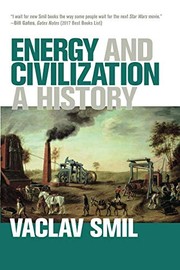
  2. Energy and CivilizationVaclav Smil, 2017
  3. Why Don't We Learn from History?B. H. Liddell Hart, 1944
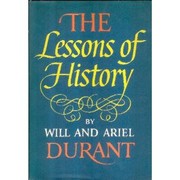
  4. The Lessons of HistoryWill Durant, Ariel Durant, 1968
  5. The DiscoverersDaniel J. Boorstin, 1983
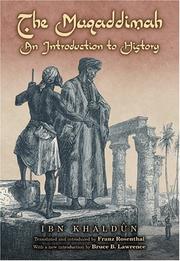
Ibn Khaldun · 1858

Why states rise and fall, explained through asabiyyah, the cohesion of a group.

Vaclav Smil · 2017

History told through energy, from muscle and fire to coal, oil and electricity.

B. H. Liddell Hart · 1944

A military historian's reflections on what history teaches and why we ignore it.

Will Durant, Ariel Durant · 1968

Recurring patterns drawn from world history: biology, morals, religion, economics.

“…books I've recommended, highlighted to death, or forced on friends.” — Andrew Wilkinson

Source: Andrew Wilkinson's Bookshelf, neverenough.com

Recommended by: Andrew Wilkinson, Balaji S. Srinivasan and 14 others
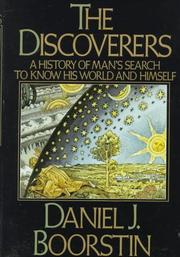
Daniel J. Boorstin · 1983

A history of discovery: time and the clock, the earth and seas, nature and society.

Recommended by: Jim Collins, Stewart Brand
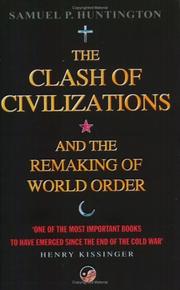
Samuel P. Huntington · 1996

After the Cold War, conflict will follow cultural and religious fault lines.

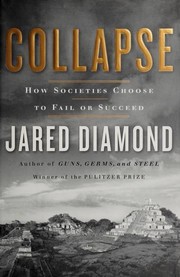
Jared Diamond · 2005

Why past societies from Easter Island to the Maya collapsed, and what that teaches.

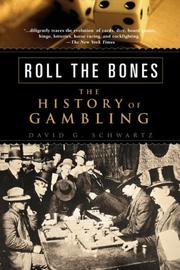
David G. Schwartz · 2006

A general history of gambling and the games people bet on.
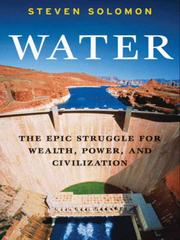
Steven Solomon · 2010

A world history showing how control of water shaped political and economic power.

Recommended by: Mohnish Pabrai
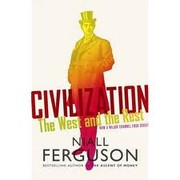
Niall Ferguson · 2011

Six advantages, from competition to the work ethic, that let the West pull ahead.

Recommended by: Mohnish Pabrai, Li Lu
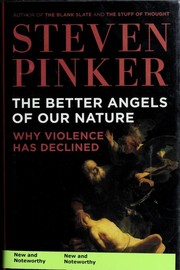
Steven Pinker · 2011

Evidence that violence of nearly every kind has declined over history, and why.

“I think the one that has had the biggest impact on me and the one that I've given the most number of people has been [The Better Angels of Our Nature].” — Eric Schmidt

Source: The Tim Ferriss Show Transcripts: Eric Schmidt (#367)

Recommended by: Bill Gates, Eric Schmidt, Mohnish Pabrai and 7 others

Henry Kissinger · 2014

Competing regional ideas of legitimate order and the balance of power.

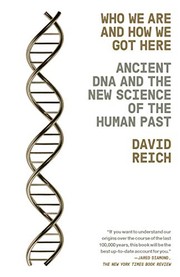
David Reich · 2018

How ancient DNA has rewritten the story of human prehistory and migration.

T2 Land
Simon Winchester · 2021

How land ownership shaped history: how people fight over, keep and share land.

Charles Van Doren · 1991

A survey of what humans have known, era by era.

Recommended by: Jamie Dimon, Li Lu
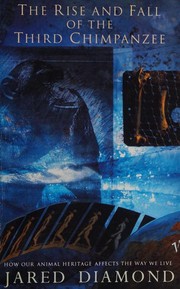
Jared Diamond · 1991

What in the few genes that separate us from apes made humans different.

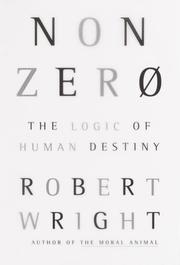
Robert Wright · 2000

History as a growing web of non-zero-sum games, in which both sides can gain.

“His book Nonzero is among my five favorite books of all time. So, that book came out recently, and I gave that to my closest friend and my family.” — Nick Thompson

Source: The Tim Ferriss Show Transcripts: Nick Thompson (#311)

Recommended by: Mohnish Pabrai, Nick Thompson, Ev Williams and 1 other
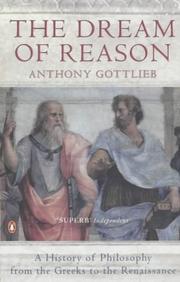
Anthony Gottlieb · 2000

A history of Western philosophy from the Greeks to the Renaissance.

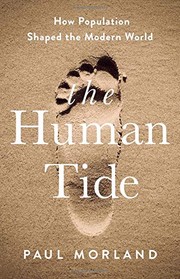
Paul Morland · 2019

How population change and migration made and unmade nations over two centuries.
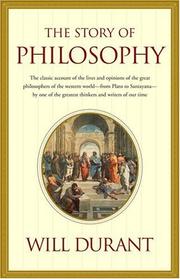
Will Durant · 1926

The lives and ideas of great philosophers, from Plato to Nietzsche.

“Profiles of some top philosophers: Plato, Aristotle, Bacon, Voltaire, Kant, Schopenhauer, Nietzsche. But wow - Durant’s writing steals the show. A hundred various thoughts to digest.” — Derek Sivers

Source: Derek Sivers book notes (primary, rated list) · Rating: 8/10

Recommended by: Derek Sivers, Nat Eliason, Naval Ravikant
William Bolitho · 1929

Lives of twelve figures, from Alexander the Great and Casanova to Woodrow Wilson.

Recommended by: Elon Musk
Carl Lotus Becker · 1932

Why the Age of Reason was far less modern in temper than it is thought.

Recommended by: Patrick Collison
Georgi Plekhanov · 1940

A defence of the Marxist theory of social development and the individual's place.

Recommended by: Ray Dalio
Lewis Copeland, Lawrence W. Lamm, Stephen J. McKenna · 1942

292 great speeches from nearly every era and nation, from Pericles to Mandela.

Recommended by: Mohnish Pabrai
Lewis Mumford · 1961

How cities developed, from Egypt and Mesopotamia through Greece and Rome to today.

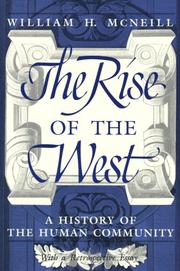
William H. Mcneill · 1963

A history of the world arguing that human cultures interacted at every stage.

Recommended by: Stewart Brand
Carroll Quigley · 1966

The world's shift from European dominance to three power blocs in the 20th century.

Recommended by: Patrick O'Shaughnessy
Kenneth Clark · 1969

A history of Western civilisation through its art, buildings, books and people.

“Here are the most exciting ones I can think of: Clark, Civilisation” — Paul Graham

Source: Rarely-Asked Questions — paulgraham.com

Recommended by: Patrick Collison, Paul Graham

Alfred Crosby · 1972

The movement of plants, animals, diseases and people between the Old and New Worlds.

“Alfred Crosby's The Columbian Exchange, which is basically what Jared Diamond ripped off when he wrote his book.” — Nick Szabo

Source: The Tim Ferriss Show Transcripts: Nick Szabo (#244)

Recommended by: Nick Szabo
Jacob Bronowski · 1973

How science developed, and the discoveries that set humans apart from other species.

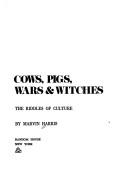
Marvin Harris · 1974

Why customs that look irrational come from concrete social and economic conditions.

“Mind-blowing anthropology. Great argument that the reasons that religions worship cows or hate pigs, that tribes wage wars, or Europe's 200 years of witch hunts, are all very practical economic reasons usually unknown to the participants or washed out of history. But they're revealed here in zoomed-out hindsight. My notes here can't describe it. You have to read the whole book. Riveting.” — Derek Sivers

Source: Derek Sivers book notes (primary, rated list) · Rating: 9/10

Recommended by: Derek Sivers, Mohnish Pabrai
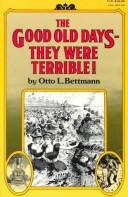
Otto Bettmann · 1974

Old illustrations showing the corruption, crime and filth of the "good old days".

Recommended by: Patrick Collison

Jm Roberts · 1976

A history of the world and its civilisations.

Recommended by: Paul Graham

Marvin Harris · 1977

How food supply and environment shaped the origins of human cultures.

Recommended by: Mohnish Pabrai
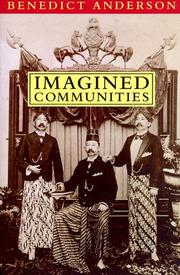
Benedict Anderson · 1983

Nations as imagined communities: where nationalism came from and how it spread.

Recommended by: Balaji S. Srinivasan
Paul Johnson · 1983

A conservative world history of the twentieth century after the First World War.

Recommended by: Mohnish Pabrai, David Sacks
Richard E. Neustadt · 1986

Case studies of how policymakers can use history to make better decisions.

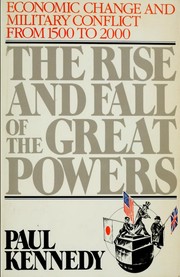
Paul Kennedy · 1987

Why great powers decline when military spending outruns their economic base.

“The River Out of Eden by Richard Dawkins, The Rise and Fall of the Great Powers by Paul Kennedy” — Ray Dalio

Source: Ray Dalio Reddit AMA, r/IAmA (u/RayTDalio)

Recommended by: Jim Collins, Ray Dalio, William J. Bernstein and 3 others

Eric Hobsbawm · 1990

An enquiry into nationalism since 1780: its programme, its myths and its reality.

Recommended by: Patrick Collison

Charles VanDoren · 1992

A history of human knowledge, learning and intellectual life.

Recommended by: Mohnish Pabrai
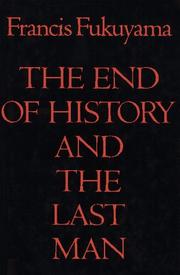
Francis Fukuyama · 1992

Why liberal democracy may be the end state of political change, and how people react.

Recommended by: Marc Andreessen, Peter Thiel
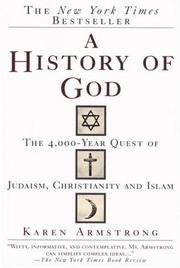
Karen Armstrong · 1993

How the idea of God developed across human history.

Recommended by: Daniel Petre, Li Lu
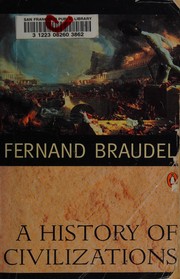
Fernand Braudel · 1995

A history of the world's civilizations.

Recommended by: Stewart Brand

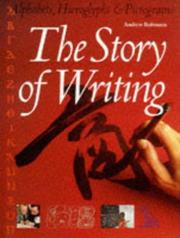
Andrew Robinson · 1995

How writing systems began and work, explained for the general reader.

Recommended by: Stewart Brand
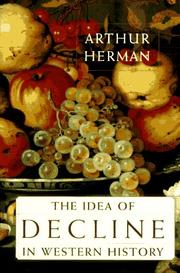
Arthur Herman · 1997

How thinkers built declinism into an ideology of cultural pessimism in the West.

Recommended by: Stewart Brand
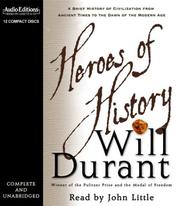
Will Durant · 2001

A survey of world history through its great figures.

Recommended by: Andrew Wilkinson
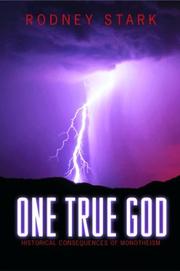
Rodney Stark · 2001

How belief in one god shaped Western history, from religious wars to commandments.

Recommended by: Stewart Brand

Jerome Charyn · 2001

A novelist's portrait of table tennis and its great players.

Recommended by: Brian Koppelman
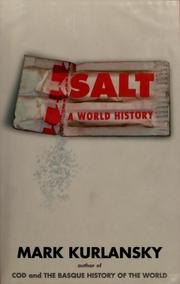
T4 Salt
Mark Kurlansky · 2002

A world history of salt and how it shaped civilization.

Recommended by: Sophie Bakalar

Tim Flannery · 2002

An ecological history of North America from the asteroid that killed the dinosaurs.

Recommended by: Stewart Brand

Charles C. Mann · 2005

What the Americas were like before Europeans arrived, against the old view.

Recommended by: Mohnish Pabrai
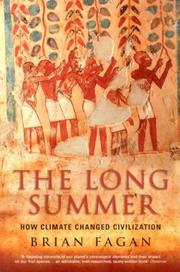
Brian Fagan · 2005

How climate change since the last ice age shaped human civilization.

Recommended by: Stewart Brand
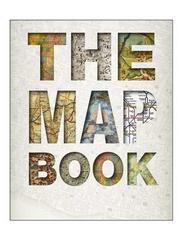
Peter Barber · 2005

About 175 maps over four thousand years, showing how knowledge of the world grew.

Recommended by: Stewart Brand
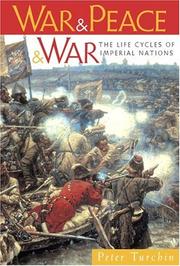
Peter Turchin · 2005

An evolutionary biologist's theory of how empires rise and fall.

Recommended by: Balaji S. Srinivasan
Cynthia Stokes Brown · 2007

The history of the universe, the Earth and humanity told as one account.

Recommended by: Bill Gates, Ryan Peterson
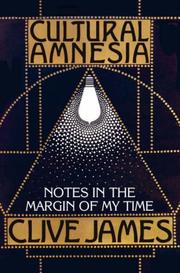
Clive James · 2007

Over one hundred essays on twentieth-century thinkers, artists and musicians.

“It's a book by a writer called Clive James and it is called Cultural Amnesia. And, first off, he is so learned that you just want to read what he has to say, and I assume he's not making this up, but he says, well, I wanted to read Proust, but I didn't know French so I started with [inaudible] and start learning French.” — Frank Blake

Source: The Tim Ferriss Show Transcripts: Frank Blake (#303)

Recommended by: Frank Blake, Patrick Collison
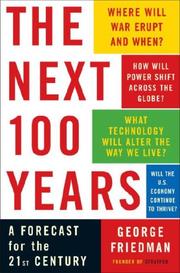
George Friedman · 2008

A forecast of the long-term geopolitical shifts of the coming century.

Recommended by: Sophie Bakalar
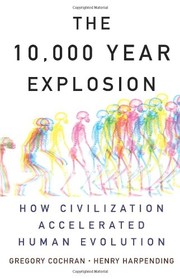
Gregory Cochran, Henry Harpending · 2009

How lactose tolerance, malaria resistance and blue eyes evolved in 10,000 years.

Recommended by: Mohnish Pabrai, Nick Szabo
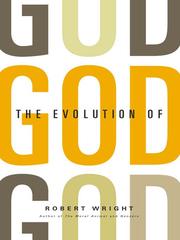
Robert Wright · 2009

The hidden pattern the monotheistic faiths followed as they evolved.

Recommended by: Reid Hoffman

Douglass C. North · 2009

How states control violence, and how that shapes the social order.

Recommended by: Emmett Shear
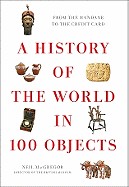
Neil MacGregor · 2010

Two million years of human history, told through 100 objects in the British Museum.

Recommended by: Mohnish Pabrai, Stewart Brand
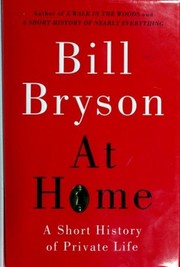
Bill Bryson · 2010

How commerce, architecture and technology shaped the modern home.

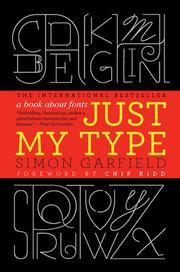
Simon Garfield · 2010

A personal tour of fonts, past and present: how they are designed and used.

Recommended by: Jeremiah Shoaf
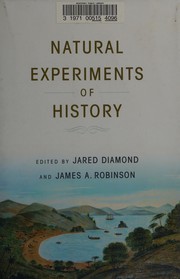
Jared Diamond, James A. Robinson · 2010

How comparing natural experiments of history answers questions labs cannot.

Recommended by: Mohnish Pabrai
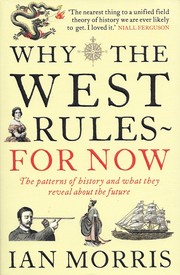
Ian Morris · 2010

The patterns of history behind the West's rise, and what they say about the future.

Recommended by: Stewart Brand
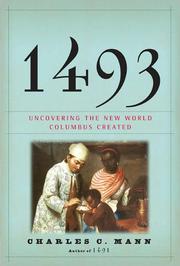
Charles C. Mann · 2011

The biological upheaval that followed Columbus's voyages, and the world it made.

Recommended by: Mohnish Pabrai

Francis Fukuyama · 2011

How different societies reached their forms of political order.

Recommended by: Balaji S. Srinivasan

Harry Ostrer · 2012

Population genetics as a new way to answer who the Jewish people are.

Recommended by: Patrick Collison

UNESCO · 2012

Documentary treasures on the Memory of the World Register, with their photographs.

Recommended by: Stewart Brand
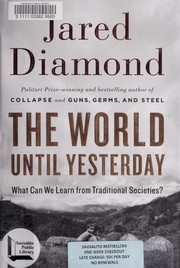
Jared Diamond · 2012

What traditional societies can teach modern ones about living.

Recommended by: Bill Gates, Mohnish Pabrai
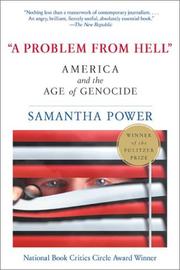
Samantha Power · 2013

Why American leaders who vowed never again failed to stop modern genocides.

Recommended by: Patrick Collison
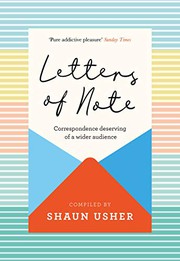
Shaun Usher · 2013

Letters from across the centuries, by the famous and the not-so-famous.

“There's another really wonderful book that I've also given out to a lot of people called Letters of Note.” — Caterina Fake

Source: The Tim Ferriss Show Transcripts: Caterina Fake (#360)

Recommended by: Caterina Fake, Zoë Foster Blake and 1 other
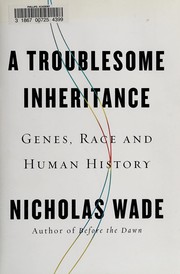
Nicholas Wade · 2014

The genetic basis of race and its role in human history, from genome mapping.

Recommended by: Mohnish Pabrai
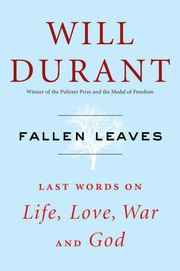
Will Durant · 2014

A historian's last reflections on the meaning of life, found after his death.

“a book that historian Will Durant wrote in his 90s, a summation of his thoughts on the meaning of life at the end of his” — Andrew Wilkinson

Source: Newsletter

Recommended by: Andrew Wilkinson, Derek Sivers and 2 others

Bob Blaisdell · 2014

A collection of great speeches of the twentieth century.

Recommended by: Mohnish Pabrai
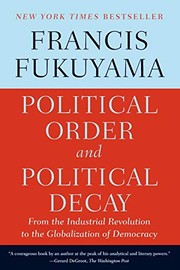
Francis Fukuyama · 2014

A history of the modern state: how political order develops and how it decays.

Recommended by: Ray Dalio

Shaun Usher · 2015

A second collection of notable letters, correspondence deserving a wider audience.

Recommended by: Zoë Foster Blake
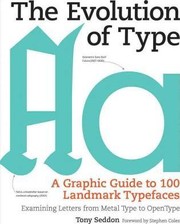
Tony Seddon · 2015

100 landmark typefaces, from Gutenberg's Bible type to digital fonts.

Recommended by: Jeremiah Shoaf
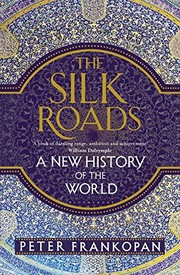
Peter Frankopan · 2015

World history told from the trade routes between East and West.

“A children’s illustrated book that I started reading to my boy, but enjoyed it more myself. I’m so curious about the subject, but was glad to have the succinct entertaining version, which was just enough. Taught me so much history I’d never heard before.” — Derek Sivers

Source: Derek Sivers book notes (primary, rated list) · Rating: 8/10

Recommended by: Derek Sivers, Ray Dalio
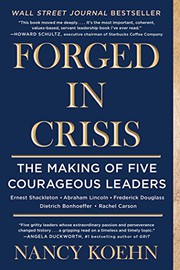
Nancy Koehn · 2017

Courageous leadership in crisis, from Shackleton, Lincoln, Douglass and others.

Recommended by: Satya Nadella
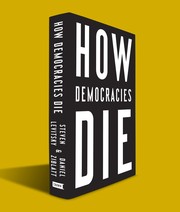
Steven Levitsky · 2017

How elected leaders subvert democracy step by step, and the norms that guard it.

Recommended by: Barack Obama, Julian Shapiro

Paul McNeil · 2017

A chronological survey of more than 320 typefaces since movable type.

Recommended by: Jeremiah Shoaf

Mary Beard · 2017

The ancient roots of misogyny and how history has silenced powerful women.

Recommended by: Catriona Wallace
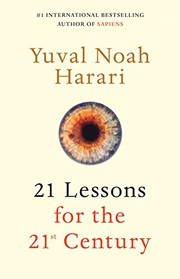
Yuval Noah Harari · 2018

Twenty-one essays on today's challenges, from technology and politics to truth.

“His book “Sapiens” was amazing, so I read this new one. It’s just some thoughts on our present and near future. Not so different from what you find in every-day articles. I’m personally averse to news commentaries, so I shouldn’t have read this. Still, some interesting ideas, and the last chapter was great.” — Derek Sivers

Source: Derek Sivers book notes (primary, rated list) · Rating: 2/10

Recommended by: Bill Gates, Derek Sivers, Matt Mullenweg and 5 others
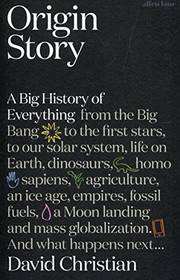
David Christian · 2018

The whole of history, from the big bang through the present and into the far future.

Recommended by: Bill Gates
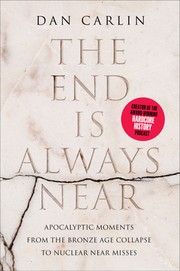
Dan Carlin · 2019

A podcaster's look at catastrophes in history, what happened and what might have.

Recommended by: Morgan Housel
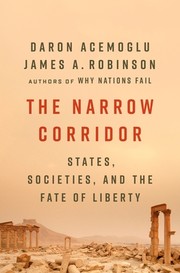
Daron Acemoglu, James A. Robinson · 2019

Why liberty is hard to win and keep, and how it can survive new threats.

Recommended by: Satya Nadella
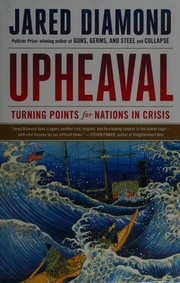
Jared Diamond · 2019

How nations cope with devastating crises and change.

Recommended by: Bill Gates

Li Lu · 2020

Essays and speeches by Himalaya Capital's founder on value investing and China.
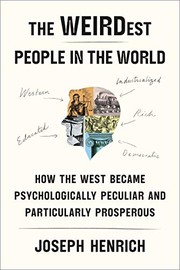
Joseph Henrich · 2020

How the West became psychologically peculiar and particularly prosperous.

Recommended by: Marc Andreessen

Benjamin Teitelbaum · 2020

Inside Steve Bannon's circle of far-right global powerbrokers and their alliances.

Recommended by: Marc Andreessen
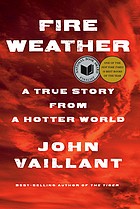
John Vaillant · 2023

The Fort McMurray wildfire and the changing relationship between fire and people.

Recommended by: Andrew Wilkinson
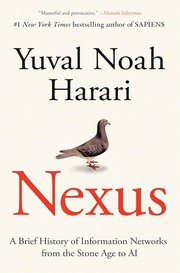
Yuval Noah Harari · 2024

How information networks, from the Stone Age to AI, have made and unmade societies.

Recommended by: Andrew Wilkinson

Philip B. Meggs, Alston W. Purvis · 2025

A comprehensive history of graphic design.

Recommended by: Bret Victor
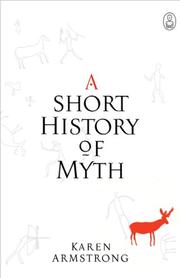
Karen Armstrong

What myth is, how it has evolved from the Paleolithic on, and why we still need it.

Recommended by: Patrick O'Shaughnessy
The cyclical patterns behind the rise and fall of major empires over 500 years.

Recommended by: Balaji S. Srinivasan

More general history