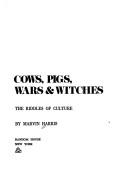
Cows, Pigs, Wars & Witches: The Riddles of Culture
Why customs that look irrational come from concrete social and economic conditions.
Summary
The reference has not verified this book in detail; the summary states only what the title, author and subject establish.
Harris argues that customs that look bizarre or irrational, the riddles of the title, always stem from concrete social and economic conditions. The title names his cases: practices concerning cows, pigs, war and witches. In each he sets out to isolate the material conditions behind the practice, and he argues that the same method can explain apparently senseless habits in modern life.
The book is also an attack on what Harris calls the shamans of the counterculture, those who hold that the world can be changed by changing the way people think. Against them he argues for a return to objective consciousness and a rational set of political commitments. It appeared in 1974. The only source read in this pass is the publisher's description, so the details of each case are not recorded here.
Key takeaways 3
- Customs that seem irrational usually serve concrete economic or ecological ends.
- Explaining a practice means identifying the material conditions that produce it, not the beliefs people state.
- Changing how people think does not change the world unless the underlying conditions change.
Who should read it
Readers interested in cultural materialism, the argument that economics and ecology explain religious taboos and social customs.
Who recommended it 2 · 2 direct
“Mind-blowing anthropology. Great argument that the reasons that religions worship cows or hate pigs, that tribes wage wars, or Europe's 200 years of witch hunts, are all very practical economic reasons usually unknown to the participants or washed out of history. But they're revealed here in zoomed-out hindsight. My notes here can't describe it. You have to read the whole book. Riveting.”
Similar books 6
Chosen by shared topics, the entries that hold them, and the people who recommended both.
The genetic basis of race and its role in human history, from genome mapping.
Recommended by: Mohnish Pabrai
How food supply and environment shaped the origins of human cultures.
Recommended by: Mohnish Pabrai
How comparing natural experiments of history answers questions labs cannot.
Recommended by: Mohnish Pabrai
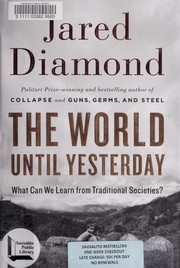
What traditional societies can teach modern ones about living.
Recommended by: Bill Gates, Mohnish Pabrai
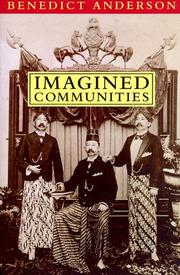
Nations as imagined communities: where nationalism came from and how it spread.
Recommended by: Balaji S. Srinivasan

A podcaster's look at catastrophes in history, what happened and what might have.
Recommended by: Morgan Housel