Political philosophy and ideology
Classic and modern works on justice, democracy, power, the state, mass movements and the ideologies of left and right.
Start here
- The True BelieverEric Hoffer, 1951
- Capitalism and FreedomMilton Friedman, 1962
- Free to Choose: A Personal StatementMilton Friedman, 1980
- Seeing Like a StateJames C. Scott, 1998
- Expert Political JudgmentPhilip E. Tetlock, 2005
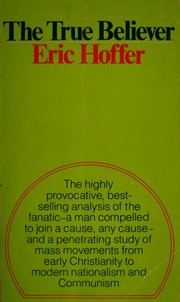
Why mass movements of every kind draw the same frustrated people and use one method.
“And here the best book is called the True Believer, which is the Eric Hoffer book.” — Marc Andreessen
Recommended by: Joe Rosenberg, Marc Andreessen and 6 others
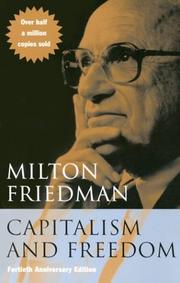
Economic freedom as a condition of political freedom, applied to policy questions.
“During the quarter, I reread three volumes authored by great economists: The General Theory of Employment, Interest and Money by John Maynard Keynes, The Road to Serfdom by F. A. Hayek, and Capitalism and Freedom by Milton Friedman.” — Martin J. Whitman
Source: Third Avenue Funds Q4 2005 Shareholder Letters (Chairman's letter by Martin J. Whitman)
Recommended by: Martin J. Whitman, Marc Andreessen
The case for free markets and limited government, policy area by policy area.
Recommended by: Brian Armstrong, Jim Collins, Mohnish Pabrai and 2 others
Why large state plans fail when they override local, practical knowledge.
Recommended by: Balaji S. Srinivasan, Nat Eliason and 1 other
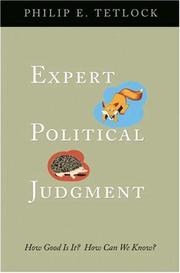
A 20-year test of 28,000 expert forecasts: foxes with many models beat hedgehogs.
“All pundits and commentators should publish their prediction track records, yet don't. What to pay attention to and what to ignore.” — Marc Andreessen
Source: @pmarca, 'Thread: Books I've recently read and recommend'
Recommended by: Marc Andreessen, Michael Mauboussin and 2 others
Preference falsification: why people hide their views and how that hides change.
“So this is one of the all time great books. Incredible.” — Marc Andreessen
Source: Lex Fridman Podcast #458 transcript — Marc Andreessen
Recommended by: Marc Andreessen
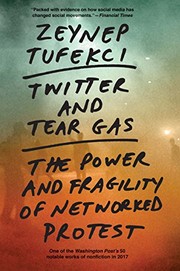
How social media gave protest movements power, and what it cost them.

Elite theory: who rules, and why stated political aims mislead.
“The book that I always recommend on this topic is called "The Machiavellians," which is this sort of a famous book from the 1940s” — Marc Andreessen
Source: The a16z Show — Marc Andreessen with David Senra (transcript)
Recommended by: Marc Andreessen
A forecast that information technology will erode the nation state's power to tax.
“This is the best book I've read since Sapiens (far less mainstream, though).” — Naval Ravikant
Source: Naval's Recommended Reading — The Almanack of Naval Ravikant
Recommended by: Balaji S. Srinivasan, Nat Eliason and 11 others
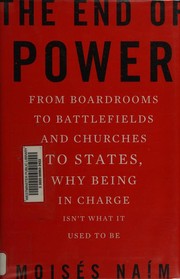
Why today's leaders in states, firms and armies hold less power than before.
Recommended by: Mark Zuckerberg
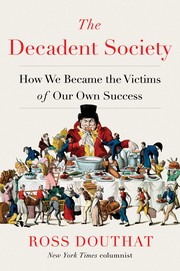
Why rich societies have settled into stagnation, repetition and sterility.
Recommended by: Peter Thiel
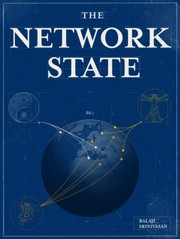
How an online community could buy territory and become a sovereign state.
“It’s a great thought experiment: how to start a new country. Good core idea: God → State → Network. I was intrigued until it descended into long rants against America, like it was written only for Americans. I gave up after 100 more pages of that. I hope this idea is made vivid by a great movie/show.” — Derek Sivers
Source: Derek Sivers book notes (primary, rated list) · Rating: 2/10
Recommended by: Balaji S. Srinivasan, Derek Sivers and 5 others
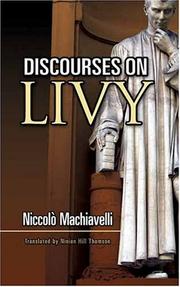
Politics drawn from the history of the Roman Republic in 142 discourses.
Recommended by: Peter Thiel

A tract to the English Parliament against licensing and censorship of the press.
Recommended by: Antonio García Martínez
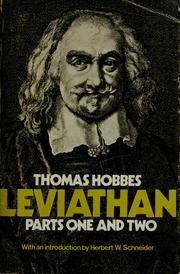
An early argument for the social contract and strong, absolute government.
Recommended by: Li Lu, Peter Thiel
The essay on resisting a government that acts unjustly.
Recommended by: Nat Eliason
A critique of political economy from thirty years' study of capitalism in England.
Recommended by: Ray Dalio

Why capitalism runs on the exploitation of labour, the source of surplus value.
“Karl Marx, Das Kapital, A Critique of Political Economy (Washington, DC: Regnery Publishing, 1996): 347” — Michael Mauboussin
Source: A Piece of the Action: Employee Stock Options in the New Economy, page 44
Recommended by: Michael Mauboussin, Elon Musk
A philosopher's view of Western culture sinking to its lowest common denominator.
Recommended by: Patrick Collison
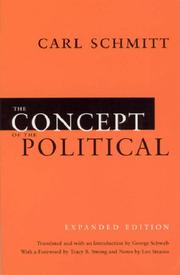
The political defined by the distinction between friend and enemy.
“One of his books was The Concept of the Political - what defines politics. It's some of this division of friends and enemies that somehow is really foundational, and you shouldn't get sidetracked with all these other things.” — Peter Thiel
Source: Peter Thiel on Political Theology (Ep. 210) | Conversations with Tyler
Recommended by: Peter Thiel
Fascism and Nazism explained as fundamental revolutions.
Recommended by: Jim Collins
Why managers and technocrats would replace capitalists as society's ruling class.
Recommended by: Marc Andreessen
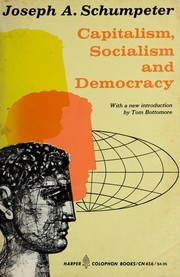
Capitalism runs on creative destruction, and its success may lead it to socialism.
“Joseph A Schumpeter, Capitalism, Socialism and Democracy (New York: Harper & Row, 1942)” — Michael Mauboussin
Source: Why Corporate Longevity Matters: What Index Turnover Tells Us about Corporate Results, page 14
Recommended by: Jim Collins, Michael Mauboussin, Li Lu

A basic social theory of what makes a society legitimate, applied to industry.
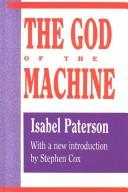
An inquiry into the nature of freedom and the uses of power.
Recommended by: Marc Andreessen

How growing equality of conditions shaped American democracy and society.
Recommended by: Jim Collins, Patrick Collison, Li Lu
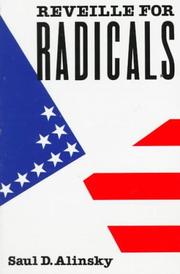
A study of radical thought and the methods of community organising.
Recommended by: Ryan Holiday
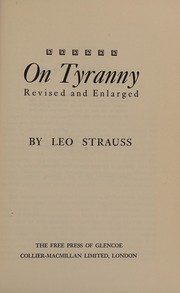
A reading of Xenophon's Hiero, where a tyrant and a poet weigh the uses of tyranny.
Recommended by: Peter Thiel
Six writers on their conversion to communism and their disillusionment with it.
Recommended by: Marc Andreessen
Ways to end humanity's conflicts with nature, with other people and within the self.
Recommended by: Patrick Collison

A theologian on the challenges and illusions of American democracy in the Cold War.
Recommended by: Patrick Collison
Argues that ethics and politics rest on a real distinction between right and wrong.
Recommended by: Peter Thiel
A poet who defected from Stalinist Poland on intellectuals under its regime.
“The definitive work on intellectual life under totalitarianism: The Captive Mind by Czeslaw Milosz” — Marc Andreessen
Source: What I've Been Up To Lately — Marc Andreessen, a16z.com
Recommended by: Marc Andreessen

His last full account of his ethical and political views.
Recommended by: Patrick Collison
A restatement, from Harvard lectures, of the theory of justice as fairness.
Recommended by: Patrick Collison
A philosopher on human survival in the nuclear age.
Recommended by: Patrick Collison
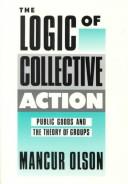
Why people with a shared interest often fail to act together for it.
“The answer lies in the work of an obscure thinker, the late Mancur Olson, best known among economists for a thin, insightful book, The Logic of Collective Action.” — William J. Bernstein
Source: Efficient Frontier, issue 704 (2004)
Recommended by: Nat Eliason, William J. Bernstein
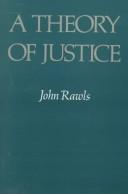
The principles of justice that free people would accept in a position of equality.
Recommended by: Ann Miura-Ko, Peter Thiel
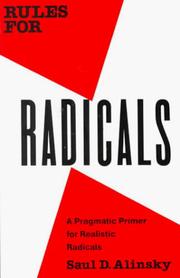
A community organiser's practical guide to running a movement for change.
Recommended by: Ryan Holiday, Balaji S. Srinivasan
The case for anarcho-capitalism, a society run on markets without a state.
Recommended by: Marc Andreessen

The case for a minimal state limited to protection, and against anything larger.
Recommended by: Marc Andreessen, Peter Thiel
Nations as imagined communities: where nationalism came from and how it spread.
Recommended by: Balaji S. Srinivasan
An essay on life under a communist regime and how dissent can arise within it.
“But then there's also the famous parable of the real life example, but the thing that Vaclav Havel talks about in the other good book on this topic, which is The Power of the Powerless, who is an anti-communist resistance fighter who ultimately became the president of Czechoslovakia after the fall of the wall.” — Marc Andreessen
Recommended by: Marc Andreessen
Why lasting political conflicts trace to two opposed visions of human nature.
“Two of Thomas Sowell's many brilliant books on how our current politics and culture came to be: A Conflict of Visions: Ideological Origins of Political Struggles by Thomas Sowell” — Marc Andreessen
Source: What I've Been Up To Lately — Marc Andreessen, a16z.com
Recommended by: Marc Andreessen
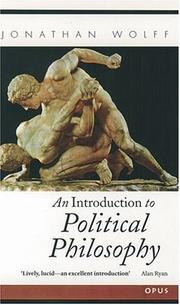
Ten essays introducing political philosophy and its history.
Recommended by: Patrick Collison
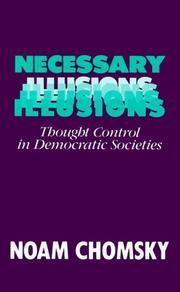
How media in democracies serve state and corporate power while claiming independence.
Recommended by: Eric Weinstein
The new limits of government, political leadership and the transnational economy.

How communities manage shared resources without either the state or the market.
Recommended by: Patrick Collison, Stewart Brand

An enquiry into nationalism since 1780: its programme, its myths and its reality.
Recommended by: Patrick Collison
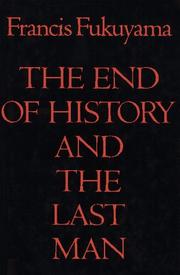
Why liberal democracy may be the end state of political change, and how people react.
Recommended by: Marc Andreessen, Peter Thiel
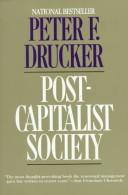
How developed economies moved from capitalism to a knowledge society.
Alternating fiction and essay, a rewrite of Nineteen Eighty-Four with a new ending.
Recommended by: Mark Zuckerberg
How America's professional and managerial elites threaten democracy.
Recommended by: Nat Eliason
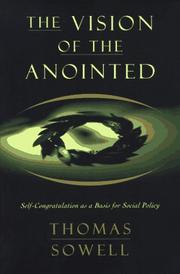
Why failed social policies follow from the vision of a self-appointed elite.
Recommended by: Marc Andreessen, Keith Rabois
The political repression of communist states, documented country by country.
Recommended by: Nick Szabo
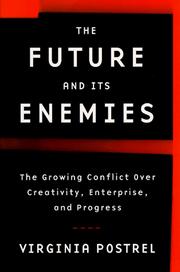
A defence of technology, enterprise and progress against those who lament them.
Recommended by: Patrick Collison

Advice to future radicals, dissidents and rebels on living as a contrarian.
Recommended by: Patrick Collison
Essays from five decades on community, society and how they function.
Why the policies of the war on terror fall short on democracy and human rights.
Voters hold systematic biases about economics, so democracies choose bad policies.
“A critical look at democracy. I love the way he thinks so it’s fun to hear his thought process even though I’m not that interested in this subject.” — Derek Sivers
Source: Derek Sivers book notes (primary, rated list) · Rating: 7/10
Recommended by: Derek Sivers, Marc Andreessen and 1 other
Critical essays from the forties on Dickens, Kipling, Eliot, Dali and others.
Recommended by: Patrick Collison
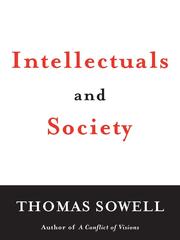
Intellectuals as idea workers, and how their ideas shape society and its policies.
Recommended by: Marc Andreessen
A simple model for living a good life, built on the principles of yoga.
Recommended by: Mohnish Pabrai
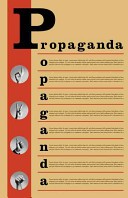
The techniques of public persuasion, drawn from social science and psychology.
Recommended by: Cynthia Johnson, Jérôme Jarre

How states control violence, and how that shapes the social order.
Recommended by: Emmett Shear
What mathematics, beyond numbers and formulas, can say about politics.
“I've got a book called Mathematics of Politics, because I'm interested in both politics, and also the math behind elections, and that stuff.” — Kevin Systrom
Source: The Tim Ferriss Show Transcripts: Kevin Systrom (#369)
Recommended by: Kevin Systrom
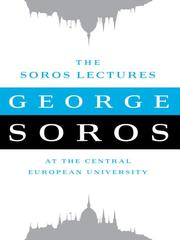
Five lectures giving a compact overview of his thinking on economics and markets.

A collection of essays on politics and culture.
Recommended by: Patrick Collison
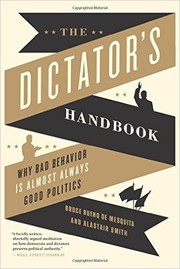
How leaders of dictatorships and democracies gain and keep power.
Recommended by: Nat Eliason, Andrew Chen, Marc Andreessen

How different societies reached their forms of political order.
Recommended by: Balaji S. Srinivasan
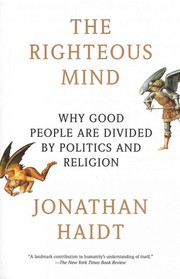
The origins of morality, and how they explain religion, politics and culture wars.
“Brilliant insights into human nature. Moral reasoning, inventing victims, emotional reactions, the elephant (emotions) and its rider (explanations). Intuition reacts then logic confabulates a reason. Survival of the fittest applied to groups. Understanding religion and tradition. Great from start to finish.” — Derek Sivers
Source: Derek Sivers book notes (primary, rated list) · Rating: 9/10
Recommended by: Derek Sivers, Ali Abdaal, Jackie Vullinghs and 3 others
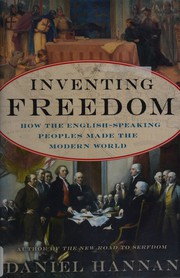
How English-speaking peoples spread representative government and personal freedom.
Recommended by: Patrick Collison
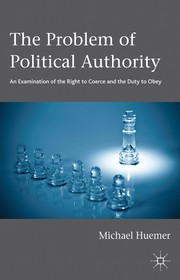
What, if anything, entitles the state to coerce and obliges citizens to obey.
Recommended by: Patrick Collison
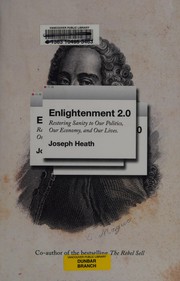
Why Western politics split between crazy and sane, and how to restore reason.
Recommended by: Patrick Collison
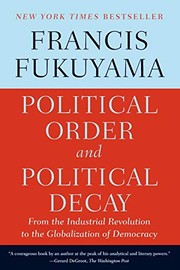
A history of the modern state: how political order develops and how it decays.
Recommended by: Ray Dalio
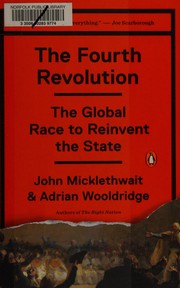
The crisis of government as the fourth great change in the history of the state.
Recommended by: Patrick O'Shaughnessy
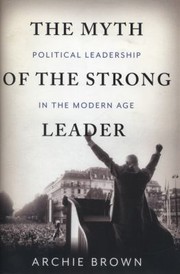
A century of political leadership against the belief that strong leaders are best.
Recommended by: Bill Gates
A manifesto for redesigning politics, government and the economy around human scale.
Recommended by: Reid Hoffman
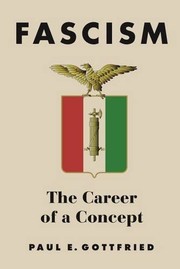
What fascism was, against its use as a synonym for Nazism.
Recommended by: Marc Andreessen
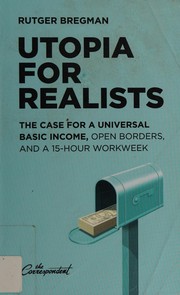
The case for a basic income, a 15-hour week and open borders.
Recommended by: Daniel Petre, Matej Latin
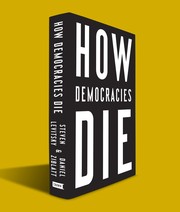
How elected leaders subvert democracy step by step, and the norms that guard it.
Recommended by: Barack Obama, Julian Shapiro
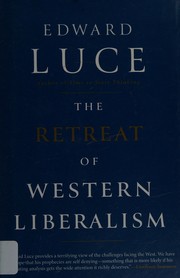
Why Western liberal democracy is in retreat and what may follow.
Recommended by: Antonio García Martínez
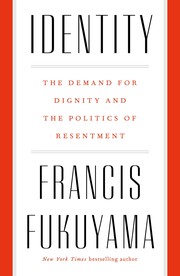
Where modern identity politics came from and what it does at home and abroad.
Recommended by: Bill Gates
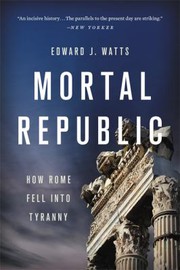
How Rome's republican institutions broke down and the Republic fell into tyranny.
Recommended by: Evan Spiegel
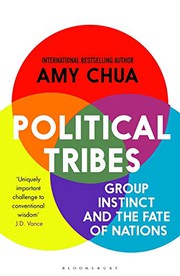
How group identities drive politics at home and abroad, and how elites missed it.
Recommended by: Mark Cuban
How leaders in business and politics should respond to disruptive change.
Recommended by: Andrew Wilkinson
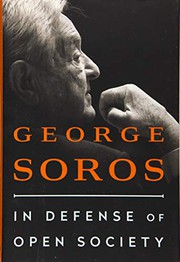
A financier and philanthropist's essays in defence of open society and democracy.
Thirteen legal systems, from Imperial China on, and how each worked.
Recommended by: Emmett Shear
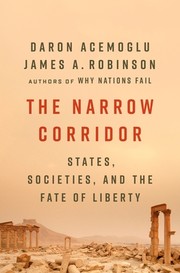
Why liberty is hard to win and keep, and how it can survive new threats.
Recommended by: Satya Nadella
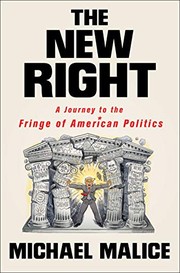
A first-hand account of the movement that broke America's political consensus.
Recommended by: Marc Andreessen
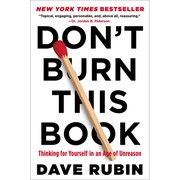
A case for free speech against censorship and ideology.
Recommended by: Eric Weinstein

Inside Steve Bannon's circle of far-right global powerbrokers and their alliances.
Recommended by: Marc Andreessen
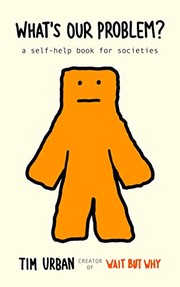
Why modern society became so tribal, from history, psychology and political theory.
Recommended by: Ev Williams, Elon Musk, Julian Shapiro
A conservative history of antifascism, from early twentieth-century Europe to the US.
Recommended by: Marc Andreessen
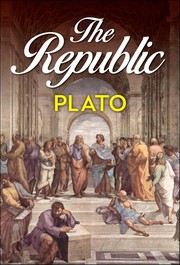
What justice is, answered by building an ideal city in dialogue.
“My theme goes back to the words of two ancient Greek philosophers: a few fragments of the writings of Archilocus, set down around 670 BC; and a portion of Plato’s enduring classic, The Republic, written in about 370 BC.” — John C. Bogle
Source: The Fox, The Hedgehog, and The Cave, page 2
Recommended by: John C. Bogle, Patrick Collison, Li Lu and 5 others
A blog arguing that American democracy has failed and needs an accountable monarch.
Recommended by: Balaji S. Srinivasan

 Marc Andreessenrecommends 27 books here
 Patrick Collisonrecommends 23 books here
 Peter Thielrecommends 11 books here
 Balaji S. Srinivasanrecommends 7 books here
 Nat Eliasonrecommends 6 books here
 Jim Collinsrecommends 4 books here
 Michael Mauboussinrecommends 3 books here
 Mohnish Pabrairecommends 3 books here
 Antonio García Martínezrecommends 3 books here
 Brian Armstrongrecommends 3 books here
 Derek Siversrecommends 3 books here
Show all 58
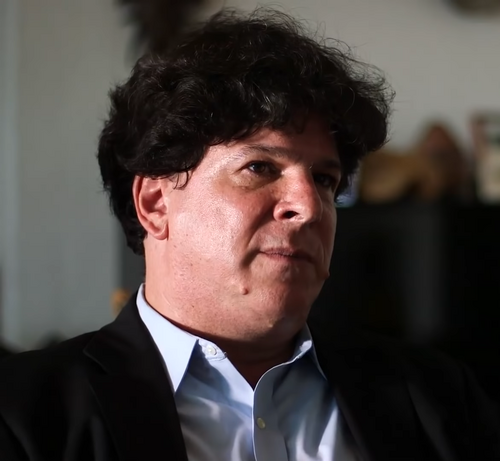 Eric Weinsteinrecommends 3 books here
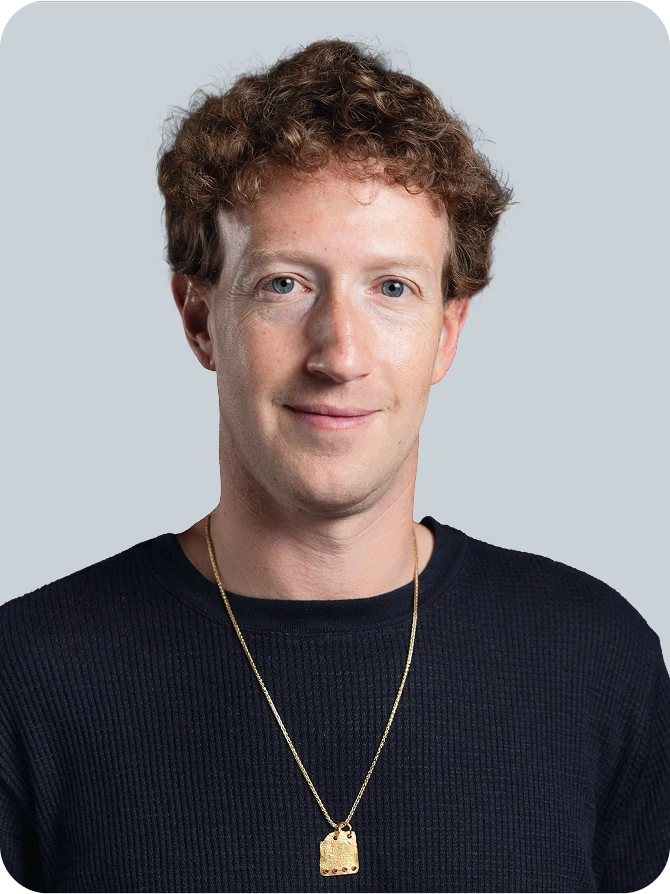 Mark Zuckerbergrecommends 3 books here
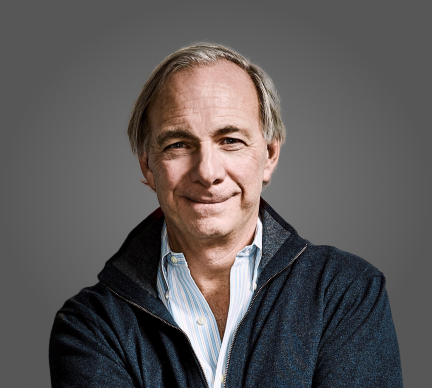 Ray Daliorecommends 2 books here
 Reid Hoffmanrecommends 2 books here
 Ryan Holidayrecommends 2 books here
 Bill Gatesrecommends 2 books here
 Elon Muskrecommends 2 books here
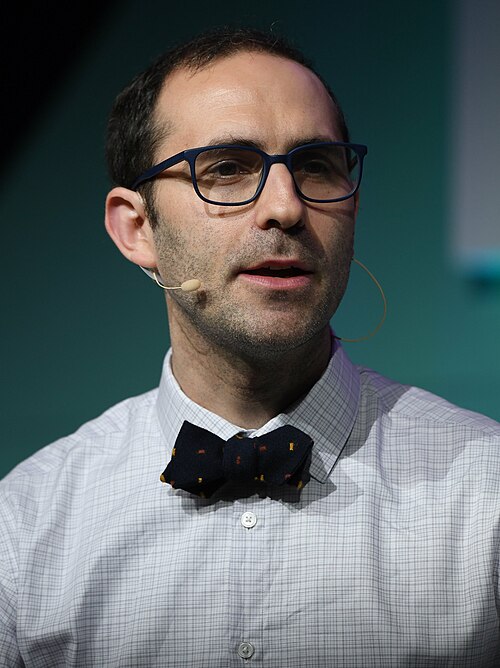 Emmett Shearrecommends 2 books here
 Naval Ravikantrecommends 2 books here
 Susan J. Fowlerrecommends 2 books here
 Vitalik Buterinrecommends 2 books here
 John C. Boglerecommends 1 book here
 Tyler Cowenrecommends 1 book here
 Andrew Chenrecommends 1 book here
 Ann Miura-Korecommends 1 book here
 Barack Obamarecommends 1 book here
 Cynthia Johnsonrecommends 1 book here
 Daniel Petrerecommends 1 book here
 Ev Williamsrecommends 1 book here
 Evan Spiegelrecommends 1 book here
 Jackie Vullinghsrecommends 1 book here
 Keith Raboisrecommends 1 book here
 Kevin Systromrecommends 1 book here
 Mark Cubanrecommends 1 book here
 Matej Latinrecommends 1 book here
 Sam Altmanrecommends 1 book here
 Satya Nadellarecommends 1 book here
 Stewart Brandrecommends 1 book here
 Tristan Harrisrecommends 1 book here
 Vinod Khoslarecommends 1 book here
 Vlad Tenevrecommends 1 book here