Updates

  1. 137 new fund letters and reports, each with its own page: Kayne Anderson Rudnick (48 market briefings, KayneCast episodes and TV commentaries), Shelton Capital Management (48 shareholder reports and a commentary), Lakehouse Capital (10 Small Companies Fund letters), Smead (5 newsletters), RIT Capital Partners (5 monthly commentaries), Kovitz, Legal & General, Generation, Hosking, Marram, Munro, Oldfield and others.
  2. 200 new fund letters and reports, each with its own page: Spheria (41 monthly reports), Peapack Private (41 weekly recaps and planning newsletters), Fort Washington (23), Polen Capital (15), Aristotle Pacific (14), Riverwater (13), Chou (10), Apollo Asia Fund (8, back to 1998), Personal Asset Trust, Rockwood Strategic, J Capital Research, I/O Fund, Penn Davis McFarland, Pomona and others.
  3. Investor pages have one Investments tab with shares, changes, % owned, class, market cap and Market cap and Status filters, a Funds tab listing each fund the firm runs, and assets under management from Form ADV. The Investors table shows AUM and current investments, and its search finds investors by what they hold.
  4. Filters, search and sort stay as you left them when you come back to a section. Person cards look like book cards. Company pages name their Investors tab Ownership. Kind and Sector filters use four kinds and GICS sectors with industries. Dead links left the Links tabs.
  5. 190 more investors from fiscal.ai's list, with their sites, letters, partners and 13F holdings; 556 more partner descriptions. Experts now lists only people.
  6. Fund letters lists 144 new documents from 23 firms, each with its own page: a summary, key insights and quotes. Among them: 37 BlackRock articles, 21 Value Partners monthly notes, eight Baron Capital letters, six Stone Sentinel letters to partners, seven Value Line portfolio manager Q&As, BNY's 2026 earnings releases and Starboard Value's 2026 conference presentations.
  7. 584 more investors, with their websites, 6,776 letters from their own sites, 1,385 partners with pages and the 13F holdings of 213 firms. New letters arrive daily from 290 more archives.
  8. Media and Companies filter by GICS sector and industry group, taken from the companies an episode or page names. 1,860 more company pages show a logo, the SEC's list included.
  9. The home page counts what the platform holds and lists features such as the document reader, the player and saved marks. Settings sits at the foot of the rail. Book cards are a quarter wider, so rows hold fewer. Companies drops the Named in filter, and the Role list in your account runs A to Z.
  10. Investor pages of 13 firms show their newsroom's latest posts. New 13F filings are read as the SEC publishes them.
  11. Investor pages have an Investments tab: 13,975 holdings for 105 investors, from their 13F filings with the SEC and their own portfolio pages, with status and sector. 7,338 more companies have a page of their own.
  12. A podcast or YouTube episode keeps playing while you move around the site, in a bar with skip, speed and volume. Media tables show each episode's length and description.
  13. Press releases come from each company's own newsroom (167 companies); SEC filings sit on the Filings tab. Tickers name their exchange, and a company's Experts tab includes guests whose episode description names it.
  14. Letter types now include Market commentary, Fact sheet, Interim report, Annual report, Proxy circular and Governance document. The reader opens over the whole window.
  15. Partners of investment firms have 2,836 appearances and 580 pieces of writing on their pages; Derek Sivers's page lists every book he rates, with his rating.
  16. Fund letters lists three Akre Focus shareholder reports: the ETF's annual report for the year to July 2026, its semi-annual report to January 2026 and the fund's semi-annual report to January 2025, each with its own page: a summary, key insights and quotes.
  17. 837 partners of 73 investment firms now have their own pages, with title, description, photograph and social accounts; Andreessen Horowitz partners' pages also list their writing on a16z.com.
  18. Company pages have a Press releases tab: 8,229 releases for 203 companies, from SEC filings and company newsrooms. Companies filter by For-profit or Non-profit. Own media is a table with filters. Media filters by sector and industry. Publication pages link their publisher in the description.
  19. The Unilever page's Letters tab shows what each fund letter says about Unilever, word for word with its page, and whether the letter is bullish, bearish, mixed or neutral. Filter by sentiment, and see 10 letters at a time.
  20. 492 more fund letters and 3,183 more articles show the day they were published, read from each letter's first page or each article's own page.
  21. The PDF reader has a search box: type words to see every match in the document and step through them. About 540 letters that were web pages, among them Oakmark's commentaries, Bill Miller's letters and Howard Marks's memos, now open in the reader.
  22. Person pages: recommendations open with tier 1 books; one button per organisation; transcripts sit on their episodes; the books on 129 reading lists joined the Recommends tabs.
  23. Companies lists every company with a ticker on the SEC's list, with a Source filter. A quote on a company page opens the letter at that page with the words marked. A company's Media tab lists only episodes that name it, and a new Own media tab lists its podcasts, publications and YouTube channel. Show pages link their publisher. A page opened from a table no longer shows that table's filters beside it.
  24. Company, investor and person pages show more of their social accounts: Facebook, TikTok, Bluesky, Medium, GitHub, Discord and podcast shows. Investor pages list every partner the firm's own team page names: 965 people across 73 investors, 98 for Andreessen Horowitz.
  25. About 170 more letters and papers open in the reader: Mohnish Pabrai's letters and transcripts from his site's new folder, and free copies of papers by Asness, Harvey, Altman, Lo and others from their own or their schools' sites.
  26. Every company a fund letter names has a page, with the letters and quotes that name it: 47 new pages, among them Atom Computing, Hugging Face, Rolls-Royce Holdings and Westinghouse Electric. Company pages have a Quotes tab.
  27. A person's Writing tab has a Type column and filter (Article, Essay, Transcript, Speech, Foreword, Interview and the rest), and Publication names only the publication that published each piece.
  28. Fund letters opens on the newest published letter, and a letter or paper found by search opens its own page here instead of the publisher's site.
  29. A letter or paper with a copy on the site opens its PDF over its page, with a button to open it in a new tab. Select text to highlight or underline it; signed-in readers keep their marks in their account. Each quote opens the PDF at its page with its words marked, and a Source link leads to the publisher's original.
  30. Fund letters lists 61 more documents, each with its own page: Fairfax's 2025 and 2026 interim reports, proxy circulars and 2025 annual report (with their French editions), 26 Charlie Munger meeting transcripts, talks and essays, Third Point's 2026 monthly reports and Malibu Life's interim results, and a Seth Klarman interview. Papers adds Richard Thaler's two 2020 editorials on nudges.
  31. Fund letters lists Lux Capital's letters for Q2 and Q3 2026, by Josh Wolfe, each with its own page: a summary, key insights and quotes.
  32. Fund letters lists Brookfield's letter to shareholders for Q3 2026, by Bruce Flatt, with its own page: a summary, key insights and quotes.
  33. Fund letters lists Howard Marks's memo of 11 November 2026, A Layman Thinks About AI, with its own page: a summary, key insights and quotes.
  34. Fund letters lists 118 more letters, each with its own page: 44 weekly commentaries by Jeremy Siegel from 2026, 31 issues of Van Tharp's newsletter from 2018, 23 Pabrai Investment Funds letters from 2021 to Q3 2026, 13 Efficient Frontier essays by William Bernstein, Oakmark's three 3Q 2026 commentaries, two Lindsell Train reports, a John Hussman comment and Third Point's Q3 2026 letter.
  35. 2,027 more books carry a one-line description in the Books table and on their pages; 7,067 of 7,715 have one, every tier 1, 2 and 3 book among them.
  36. Fund letters lists 187 more letters from 19 firms, among them Permanent Equity, Social Capital, Lux Capital, Square Peg, Bestinver, Cobas, Sequoia Fund, Marketfield and EquityCompass; each shows on its investor's page and has a page of its own.
  37. 2,928 more books carry a one-line description in the Books table and on their pages, so every tier 1, 2 and 3 book has one; 5,040 in all.
  38. Every publication on Newsletters has its own page: its writing, its writers, its staff and who recommends it. Investor pages have a Management tab; a company's Experts tab now leaves out its own people, who list under Management. Tabs on a phone move sideways only.
  39. Every fund letter and research paper has its own page: the thesis, the PDF, the companies and books it names, and for 176 letters and 24 papers so far a summary, key insights and quotes with their page.
  40. 99 books that no page listed now sit under their topics in Books, among them Caste, American Prometheus and Pale Blue Dot.
  41. Newsletters lists every newspaper, magazine, investment newsletter, journal and blog the reference holds, 442 in all, with the people who write there. The search box keeps your last 20 searches. You can create an account.
  42. 283 books that fund managers recommend in their letters are on the shelf, each with the letter's own words and page; investor pages have a Recommends tab.
  43. Person, company, investor and show pages link their own accounts on X, Threads, Instagram, LinkedIn, YouTube and Substack: 275 people, 552 companies and organisations, 88 investors and 478 shows.
  44. 716 more book recommendations name their source: the person's own reading list, letter, blog post, speech or interview, or an article that reports it. 232 of them quote the person's own words about the book, on the book card and on the book's page.
  45. Every US-listed company has a page with its SEC filings. Company pages list their experts and their management, past and present. Fund managers sit under Investors. Each show has a page of its episodes, and an episode page names its guests and hosts. Biographies lists groups, then people. Breadcrumbs show where a page sits.
  46. Media lists every podcast episode, video, interview and talk, over 10,000, by person, company, publisher and event; each filter searches its own choices. Books opens on its table, then Browse, then Authors and Recommenders. A filter's count no longer covers its arrow.
  47. A book that no company, country or subject page lists shows its topics under Where it sits in the reference. On a phone, a page's tabs scroll sideways only. Descriptions read the same on every page. See them in the Experts tab lists every expert the page names.
  48. Every podcast episode, video and interview has its own page with a video or audio player and a link to the source. Investor pages show each company's sector and market cap; firms such as Berkshire Hathaway have one page that holds their letters and their company tabs. Letters tabs filter by company and search the theses. Companies filter by Public, Private and Defunct and link each company's website.
  49. Every tab, view and search has its own address, such as /books/table/asset or /letters/companies, so Back works and a link opens the same place. Page addresses no longer end in .html. Fund letters, Investors, Companies and Papers load about a fifth of the data they did.
  50. Fund letters has a Companies tab: every company the letters name, with its market cap, sector, country, and how many letters and investors name it. Investor pages link each investor's website. Lists in table cells end with “… and N more” at every width.
  51. 1,120 more book summaries; descriptions for 373 papers; pages for 137 more companies, each with the fund letters that discuss it; 215 official photographs; search has its own page.
  52. 411 more books have a summary; person pages list 930 more of the books they wrote; 147 people show their official photograph.
  53. Every investor has a page with its letters and the companies they discuss; company pages list the investors whose letters name them.
  54. A Companies section at the top of the rail lists every company the books, experts and fund letters name.
  55. Person pages list letters, writing, profiles and links as sortable tables with filters, and show each person's companies as links; Fund letters show each letter's description in its own column.
  56. Experts show a checked job title and a short description of each person; 30 more people have photographs.
  57. Every company, fund, university and publication the experts work for has a page listing the people there.
  58. Fund letters show each letter's thesis and filter by it; 225 person pages list the essays, columns and newsletter issues the person wrote.
  59. Person pages list every essay and newsletter issue a person wrote, and their own books as a table in List view.
  60. Recommends shows the five largest kinds of book and the rest under More; browse pictures load sooner.
  61. Podcasts and talks link the original episode, filter by Audio and video or Press, and list each publisher once.
  62. Pages are wider, Recommends has List and Grid, and a filter clicked again turns off.
  63. Book cards sit in a ruled grid with Open Library and Goodreads links and each book's one-line note.
  64. Funds is now Investors; each investor's styles are buttons that filter the table.
  65. Podcasts and talks on a person's page filter by year and publisher and show as a list or a grid of pictures.
  66. Quotes show only people's own words: 472 summaries written by list sites are gone.
  67. Country pages open from Browse again, and every link on the shelf lands on a page.
  68. Subject and person pages show their sections as tabs, and each book appears once on a person's page.
  69. Book cards show the quote, who said it and the source; grids show five cards to a row.
  70. On a phone, a menu holds the sections, search, Updates, Feedback and dark mode.
  71. Feedback takes a screenshot of the page with no browser prompt, opens a screenshot full size when you click it, and clears itself once sent.
  72. Book cards are centred, search names the topic each book sits in, and any text cut short shows whole on hover.
  73. Search groups its results by kind: people, companies, geographies, subjects, topics, books, funds, fund letters and papers.
  74. The Books table lists who recommended each book by name, and the browser tab names the section you are in.
  75. Feedback can take a screenshot of the page, or one you paste or choose, and opens in the corner beside Updates.
  76. Each rail button reopens its section where you left it, and Browse, Table and People show on every book and subject page.
  77. Filters grey out choices that hold nothing instead of hiding them, and Books › People filters by authors or recommenders.
  78. Feedback takes a subject line and up to three screenshots.
  79. Biographies are grouped by the person they are about: 41 new pages, from Abraham Lincoln to Lee Kuan Yew.
  80. Sport splits into 23 sports, and Religion into one topic per faith.
  81. Book lists show as cards: the cover, one recommendation quote and every recommender by name.
  82. Seventeen subjects that had two or three pages under different names now have one page each.
  83. Every page lists its Experts as authors and recommenders, with a link to them on the Experts tab.
  84. Economics, Financial history, Financial panics and Accounting are subjects of their own, with one page per financial crisis.
  85. Book, person and subject pages open inside the app, so the tabs stay in view.
  86. 996 more book covers, and photographs or logos for 227 more people and companies.
  87. Books › Browse shows every subject as cards, and the rail holds Fund letters, Papers, Experts, Books and Funds.
  88. Every topic over 150 books splits into narrower topics, each with a page of its own.

Send feedback

What is it?
Screenshots, up to 3 (optional)
or paste one with Ctrl+V

We use your email only to reply to you.

MA

Moral and political philosophy

Holds works on justice, ethics, liberty and the state, from Adam Smith, Mill and Rawls to Hayek, Soros, Havel and Ayn Rand.

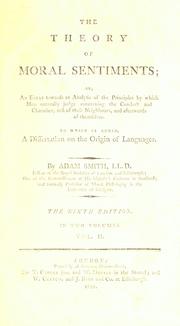
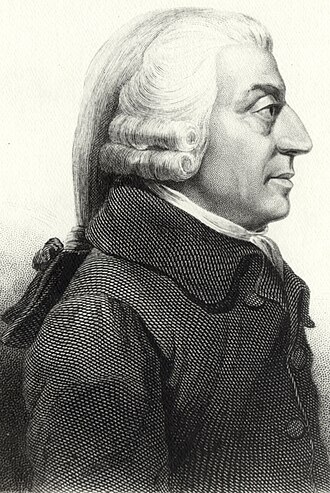
Adam Smith · 1759

How moral judgement grows from sympathy and an imagined impartial spectator.

“Years before he wrote The Wealth of Nations, extolling the virtues of the invisible hand of competition and the essential nature of personal advantage and self-love in making the world’s economic system work, Adam Smith wrote The Theory of Moral Sentiments.” — John C. Bogle

Source: Business as a Calling, page 4

Recommended by: John C. Bogle, Mohnish Pabrai
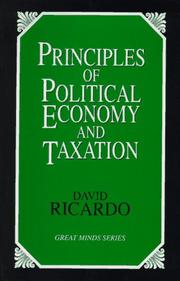
David Ricardo · 1817

Rent, wages, profit and comparative advantage, reasoned from first assumptions.

Adam Smith · 2015

Books One to Three: division of labour, money, prices, wages, profit and capital.

“Adam Smith, An Inquiry into the Nature and Causes of the Wealth of Nations (London: W. Strahan and T. Cadell, 1776)” — Michael Mauboussin

Source: Increasing Returns: Identifying Forms of Increasing Returns and What Drives Them, page 15

Recommended by: Michael Mauboussin, Mohnish Pabrai and 1 other

Adam Smith · 2015

Books Four and Five: the case against mercantilism, and the role of the state.

Recommended by: Mohnish Pabrai
Matt Ridley · 1996

How cooperation and morality evolved from self-interest, via the prisoner's dilemma.

“I really highly, highly recommend picking up Genome, The Red Queen, Origins of Virtue, The Rational Optimist, and The Evolution of Everything.” — Naval Ravikant

Source: The Tim Ferriss Show — Naval Ravikant Q&A, full transcript

Recommended by: Mohnish Pabrai, Naval Ravikant, Ryan Holiday

Tyler Cowen · 2018

Why societies should put sustainable long-run growth almost above all else.

“Subtitle “A Vision for a Society of Free, Prosperous, and Responsible Individuals” gives a hint of its contents. I love these kinds of books: full of well-considered, smart, rational and surprising ideas from an economist.” — Derek Sivers

Source: Derek Sivers book notes (primary, rated list) · Rating: 8/10

Recommended by: Derek Sivers, Jackie Vullinghs and 1 other

James Burnham · 1943

Elite theory: who rules, and why stated political aims mislead.

“The book that I always recommend on this topic is called "The Machiavellians," which is this sort of a famous book from the 1940s” — Marc Andreessen

Source: The a16z Show — Marc Andreessen with David Senra (transcript)

Recommended by: Marc Andreessen
Niccolò Machiavelli · 1531

Politics drawn from the history of the Roman Republic in 142 discourses.

Recommended by: Peter Thiel

John Milton · 1644

A tract to the English Parliament against licensing and censorship of the press.

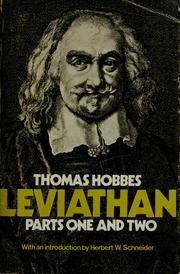
Thomas Hobbes · 1651

An early argument for the social contract and strong, absolute government.

Recommended by: Li Lu, Peter Thiel

Henry David Thoreau · 1849

The essay on resisting a government that acts unjustly.

Recommended by: Nat Eliason
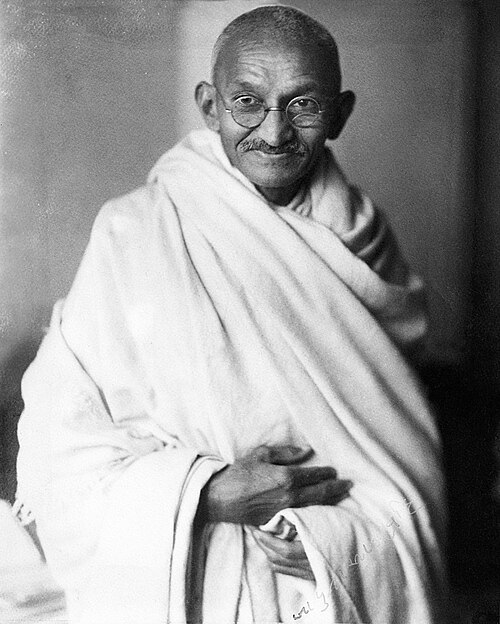
M.K. Gandhi · 1927

A life of non-violent struggle against racism and colonial rule, told by its subject.

Recommended by: Mohnish Pabrai, Tim Cook
José Ortega y Gasset · 1930

A philosopher's view of Western culture sinking to its lowest common denominator.

Recommended by: Patrick Collison
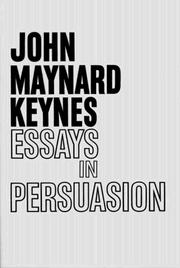
John Maynard Keynes · 1931

Essays on the Versailles treaty, the gold standard and Britain's currency.

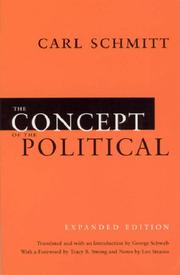
Carl Schmitt · 1932

The political defined by the distinction between friend and enemy.

“One of his books was The Concept of the Political - what defines politics. It's some of this division of friends and enemies that somehow is really foundational, and you shouldn't get sidetracked with all these other things.” — Peter Thiel

Source: Peter Thiel on Political Theology (Ep. 210) | Conversations with Tyler

Recommended by: Peter Thiel

Ayn Rand · 1936

A novel in which industrialists vanish from an economy run by government directives.

“Ayn Rand had it about right when she wrote John Galt’s famous speech in Atlas Shrugged that “no substitute can do your thinking”.” — Nick Sleep

Source: Nomad Investment Partnership - Letters to Partners, complete collection 2001-2013, page 47

Recommended by: Brian Armstrong, Jim Collins, Mohnish Pabrai and 21 others
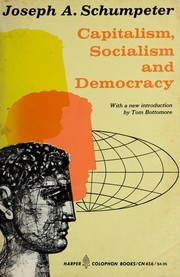
Joseph A. Schumpeter · 1942

Capitalism runs on creative destruction, and its success may lead it to socialism.

“Joseph A Schumpeter, Capitalism, Socialism and Democracy (New York: Harper & Row, 1942)” — Michael Mauboussin

Source: Why Corporate Longevity Matters: What Index Turnover Tells Us about Corporate Results, page 14

Recommended by: Jim Collins, Michael Mauboussin, Li Lu
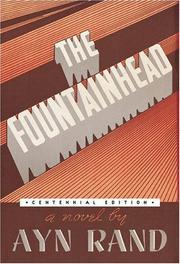
Ayn Rand · 1943

A novel of an architect who will build only by his own judgment, whatever it costs.

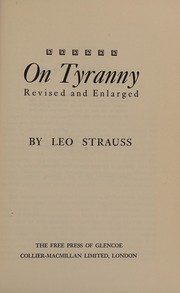
Leo Strauss · 1948

A reading of Xenophon's Hiero, where a tyrant and a poet weigh the uses of tyranny.

Recommended by: Peter Thiel
Ludwig von Mises · 1949

The first full Austrian school treatise on economics, built from individual action.

Recommended by: Charles Koch
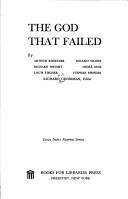
Richard Crossman · 1949

Six writers on their conversion to communism and their disillusionment with it.

Recommended by: Marc Andreessen
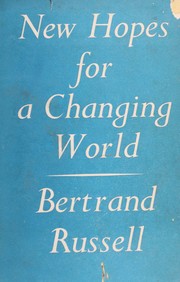
Bertrand Russell · 1951

Ways to end humanity's conflicts with nature, with other people and within the self.

Recommended by: Patrick Collison

Reinhold Niebuhr · 1952

A theologian on the challenges and illusions of American democracy in the Cold War.

Recommended by: Patrick Collison
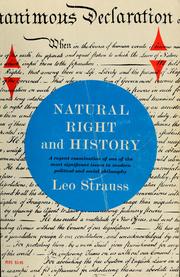
Leo Strauss · 1953

Argues that ethics and politics rest on a real distinction between right and wrong.

Recommended by: Peter Thiel

Czeslaw Milosz · 1953

A poet who defected from Stalinist Poland on intellectuals under its regime.

“The definitive work on intellectual life under totalitarianism: The Captive Mind by Czeslaw Milosz” — Marc Andreessen

Source: What I've Been Up To Lately — Marc Andreessen, a16z.com

Recommended by: Marc Andreessen

Bertrand Russell · 1954

His last full account of his ethical and political views.

Recommended by: Patrick Collison
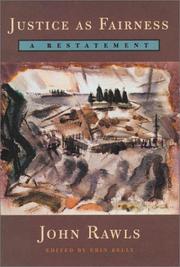
John Rawls · 1958

A restatement, from Harvard lectures, of the theory of justice as fairness.

Recommended by: Patrick Collison

Bertrand Russell · 1961

A philosopher on human survival in the nuclear age.

Recommended by: Patrick Collison

Ivan Illich · 1970

The argument that universal schooling fails and that schools should be abolished.

Recommended by: Ana Fabrega
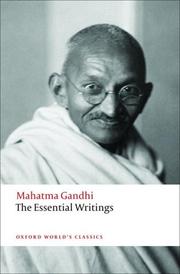
Mahatma Gandhi · 1970

A selection of letters, articles and books across the whole of the writer's thought.

Recommended by: Naval Ravikant
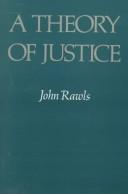
John Rawls · 1971

The principles of justice that free people would accept in a position of equality.

Recommended by: Ann Miura-Ko, Peter Thiel

Robert Nozick · 1974

The case for a minimal state limited to protection, and against anything larger.

Recommended by: Marc Andreessen, Peter Thiel
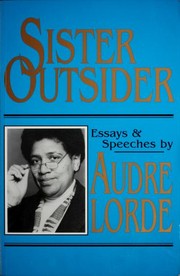
Audre Lorde · 1984

Fifteen essays and speeches on difference by sex, race and sexuality, and on power.

Recommended by: Audrey Gelman

Vaclav Havel · 1985

An essay on life under a communist regime and how dissent can arise within it.

“But then there's also the famous parable of the real life example, but the thing that Vaclav Havel talks about in the other good book on this topic, which is The Power of the Powerless, who is an anti-communist resistance fighter who ultimately became the president of Czechoslovakia after the fall of the wall.” — Marc Andreessen

Source: Transcript for Marc Andreessen: Trump, Power, Tech, AI, Immigration & Future of America | Lex Fridman Podcast #458 - Lex Fridman

Recommended by: Marc Andreessen

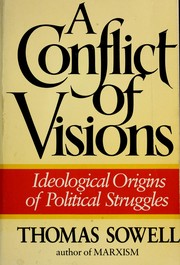
Thomas Sowell · 1987

Why lasting political conflicts trace to two opposed visions of human nature.

“Two of Thomas Sowell's many brilliant books on how our current politics and culture came to be: A Conflict of Visions: Ideological Origins of Political Struggles by Thomas Sowell” — Marc Andreessen

Source: What I've Been Up To Lately — Marc Andreessen, a16z.com

Recommended by: Marc Andreessen

F.A. Hayek · 1988

A critique of socialism: why morality and markets are not products of reason.

Recommended by: Nick Szabo
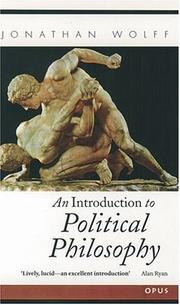
Leo Strauss · 1989

Ten essays introducing political philosophy and its history.

Recommended by: Patrick Collison
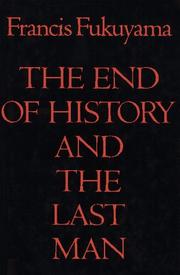
Francis Fukuyama · 1992

Why liberal democracy may be the end state of political change, and how people react.

Recommended by: Marc Andreessen, Peter Thiel

Rebecca Walker · 1995

Essays by 21 young activists who recast feminism from their own lives.

Recommended by: Audrey Gelman
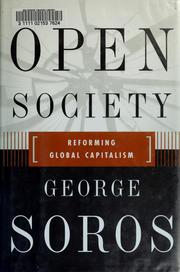
George Soros · 2000

The causes of instability in the global economy and the open society as a remedy.

Christopher Hitchens · 2001

Advice to future radicals, dissidents and rebels on living as a contrarian.

Recommended by: Patrick Collison
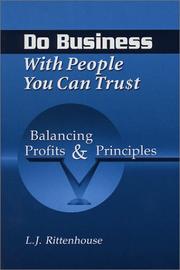
L.J. Rittenhouse · 2002

Reading company reports and accounts for ethics as well as profit.

Recommended by: Mohnish Pabrai
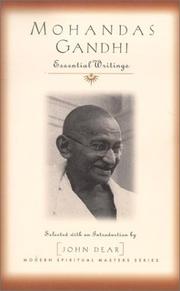
Mahatma Gandhi, John Dear · 2002

Writings by the leader of India's independence movement on practising nonviolence.

Recommended by: Mohnish Pabrai
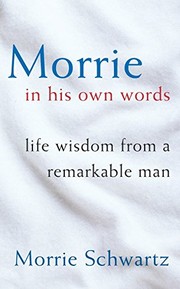
Morrie Schwartz · 2005

A professor living with ALS sets out his philosophy of living and of letting go.

Recommended by: Mohnish Pabrai

Harry G. Frankfurt · 2005

A philosopher defines bullshit by setting it apart from lying and humbug.

“I must have a fascination with books with the word bullshit in the title, as On Bullshit by Harry Frankfurt is the second I’ve read in the last twelve months (the other one was Another Bullshit Night in Suck City). Frankfurt, a Professor of Philosophy Emeritus at Princeton University, has written a delightful half-book (half-book =< 100 pages).” — Brad Feld

Source: Book Review: On Bullshit — Feld Thoughts

Recommended by: Brad Feld, Paul Graham
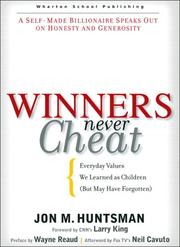
Jon M. Huntsman · 2005

The case that business can be done ethically, without cutting corners.

Recommended by: Mohnish Pabrai

George Soros · 2006

Why the policies of the war on terror fall short on democracy and human rights.
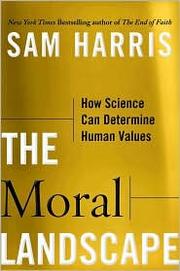
Sam Harris · 2010

How science can determine human values and answer questions of morality.

Recommended by: Sophie Bakalar

George Soros · 2010

Five lectures giving a compact overview of his thinking on economics and markets.
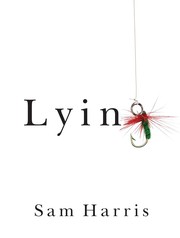
Sam Harris · 2013

A short case against all lying, white lies included.

“A tiny booklet, like a long article, about why lying is bad. Not as many insights as I expected.” — Derek Sivers

Source: Derek Sivers book notes (primary, rated list) · Rating: 3/10

Recommended by: Derek Sivers, Nat Eliason, Naval Ravikant and 4 others

Michael Huemer · 2013

What, if anything, entitles the state to coerce and obliges citizens to obey.

Recommended by: Patrick Collison

Kuan Yew Lee · 2013

Sayings of the leader who took Singapore from colony to powerful city-state.

Recommended by: Mohnish Pabrai
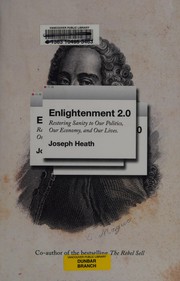
Heath, Joseph · 2014

Why Western politics split between crazy and sane, and how to restore reason.

Recommended by: Patrick Collison
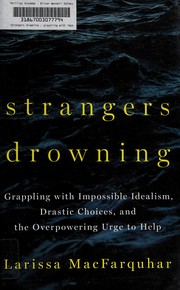
Larissa Macfarquhar · 2015

Portraits of people living lives of extreme ethical commitment to helping strangers.

“The year before, I gave a book by Larissa MacFarquhar called Strangers Drowning which is a story about people who make extraordinary moral choices like the choice to adopt 23 children and bring them into your lives, who just make crazy choices and why they make those choices.” — Nick Thompson

Source: The Tim Ferriss Show Transcripts: Nick Thompson (#311)

Recommended by: Nick Thompson, Patrick Collison
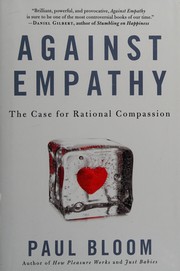
Paul Bloom · 2016

Why empathy is a poor guide to doing good.

Recommended by: Vinod Khosla

Carlo Rovelli · 2017

Why we remember the past and not the future, and what time is in physics.

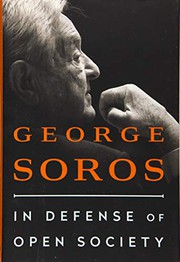
George Soros · 2019

A financier and philanthropist's essays in defence of open society and democracy.

Alison Jaggar

Controversies in feminist social ethics, and how rich and complex the field is.

Recommended by: Diana Kimball

A blog arguing that American democracy has failed and needs an accountable monarch.

Recommended by: Balaji S. Srinivasan

More philosophy