William J. Bernstein
Neurologist and financial theorist who writes on modern portfolio theory for investors managing their own portfolios; also wrote the histories The Birth of Plenty and A Splendid Exchange. Serious, widely cited writing on asset allocation plus economic histories that outlived their news cycle, though he has no public money-management record.
 Efficient Frontier Advisors
Start here
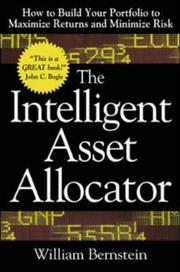
Modern portfolio theory for individual investors, explained without heavy maths.
Recommended by: The Barefoot Investor
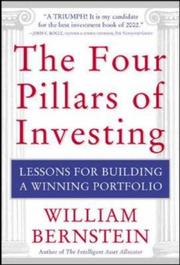
Market history, theory and behavioural finance for building a portfolio on your own.
“If you've already read and loved The Smartest Investment Book You'll Ever Read, above, then read this more in-depth book next.” — Derek Sivers
Source: Derek Sivers book notes (primary, rated list) · Rating: 6/10
Recommended by: Derek Sivers
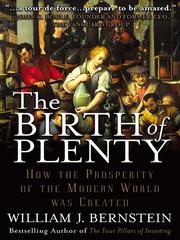
The four institutions modern growth needed, from property rights to capital markets.
“This is morally and ethically unacceptable,” the essay concluded, “but also a corruption of capitalism itself.” 3 For a marvelous exposition of this great era—as well as a compelling and delightful experience—I urge you to read William Bernstein’s fine new book, The Birth of Plenty. 3” — John C. Bogle
Source: Creating Sound Governance: The Shareholder’s Perspective, page 3
Recommended by: John C. Bogle, Mohnish Pabrai, Morgan Housel
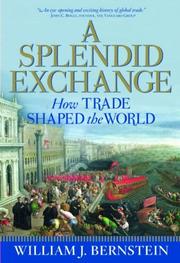
Long-distance trade from Mesopotamia and the spice routes to modern globalisation.
Recommended by: Patrick Collison, Mohnish Pabrai, Nick Szabo
How to plan a lifetime of investing in stocks and bonds, in good times and bad.
“Absolutely my favorite author and advisor on the subject of investing. Anyone with any money to invest (or already invested) please read this book. Such clear thinking, using only facts, and using numbers not guesses. Modern portfolio theory: use passive indexes of the entire market, no speculation, no stock picking, and avoid the entire fee-sucking financial industry.” — Derek Sivers
Source: Derek Sivers book notes (primary, rated list) · Rating: 6/10
Recommended by: Derek Sivers
How an investor's needs and portfolio change across the stages of life.
Why no magic mix of high-return, low-correlation asset classes exists.
Financial history used to treat investment risk as a problem of insurance.
How each new technology of communication, from writing on, changed who held power.
Recommended by: David Perell, Nick Szabo
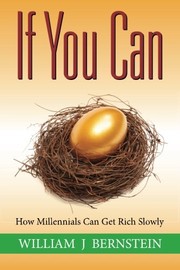
A short booklet to start people in their twenties investing for retirement.
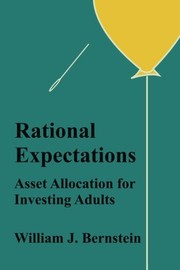
Quantitative asset allocation for small investors, built from a clean sheet of paper.
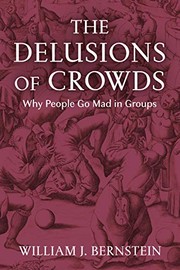
Five centuries of financial and religious manias, and why people go mad in groups.
“Narratives, says William Bernstein, author of The Delusions of Crowds: Why People Go Mad in Groups (2021), are “the pathogens that spread the bubble disease throughout a society.” — Jeremy Grantham
Source: Valuing AI: Extreme Bubble, New Golden Era - or Both?, page 4
Recommended by: Jeremy Grantham, Michael Mauboussin
 The Intelligent Asset Allocator | Modern portfolio theory for individual investors, explained without heavy maths. | 2000 | T4 | The Barefoot Investor |
 The Four Pillars of Investing | Market history, theory and behavioural finance for building a portfolio on your own. | 2002 | Derek Sivers | |
 The Birth of Plenty | The four institutions modern growth needed, from property rights to capital markets. | 2004 | T4 | John C. Bogle, Mohnish Pabrai, Morgan Housel |
 A Splendid Exchange: How Trade Shaped the World | Long-distance trade from Mesopotamia and the spice routes to modern globalisation. | 2008 | T2 | Patrick Collison, Mohnish Pabrai, Nick Szabo |
 The Investor's Manifesto | How to plan a lifetime of investing in stocks and bonds, in good times and bad. | 2009 | Derek Sivers | |
 The Ages of the Investor | How an investor's needs and portfolio change across the stages of life. | 2012 | – | |
| Skating Where the Puck Was | Why no magic mix of high-return, low-correlation asset classes exists. | 2012 | – | |
 Deep Risk | Financial history used to treat investment risk as a problem of insurance. | 2013 | – | |
 Masters of the Word | How each new technology of communication, from writing on, changed who held power. | 2013 | David Perell, Nick Szabo | |
 If You Can: How Millennials Can Get Rich Slowly | A short booklet to start people in their twenties investing for retirement. | 2014 | – | |
 Rational Expectations: Asset Allocation for Investing Adults | Quantitative asset allocation for small investors, built from a clean sheet of paper. | 2014 | – | |
 The Delusions of Crowds | Five centuries of financial and religious manias, and why people go mad in groups. | 2021 | Jeremy Grantham, Michael Mauboussin |
More 9
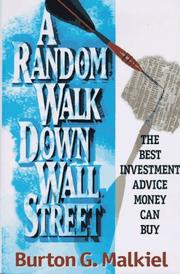
Stock prices follow a random walk, so a low-cost index fund beats stock picking.
“The short answer is "not much." Burton Malkiel, who has extensively researched the problem, concludes in A Random Walk Down Wall Street that yes, the funds with the best past returns will outperform their peers by a slight amount, but will not beat an index fund.” — William J. Bernstein
Source: Efficient Frontier, issue 997 (1997)
Also recommended by: Jason Zweig, John C. Bogle and 4 others

How psychology, not fundamentals, drove the stock and housing booms of 2000 and 2005.
“In Irrational Exuberance he takes the reader on a scholarly tour of the excesses of the millennial capital markets.” — William J. Bernstein
Source: Efficient Frontier, issue 700 (2000)
Also recommended by: Mohnish Pabrai, Andrew Lokenauth and 1 other

How to read financial statements sceptically and value bonds and stocks.
“This lighter, more colloquial version of Graham’s massive classic, Security Analysis, was aimed at the small investor and had the added advantage of a more current perspective’the heretofore most recent (fourth) edition was written in 1970-1971 and published just before the old master died in 1976.” — William J. Bernstein
Source: Efficient Frontier, issue 703 (2003)
Also recommended by: Bill Miller, Christopher Bloomstran and 17 others
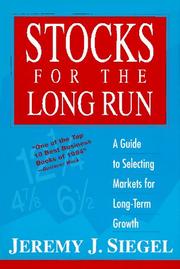
US returns since 1802 show stocks beat bonds and cash over every long period.
“Wharton finance professor Jeremy Siegel, author of the classic Stocks for the Long Run, is largely responsible for this agreeable state of affairs.” — William J. Bernstein
Source: Efficient Frontier, issue 402 (2002)
Also recommended by: Howard Marks, John C. Bogle and 3 others
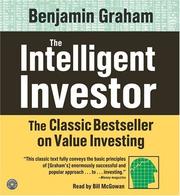
Treat stocks as parts of businesses and buy only with a margin of safety.
“Bernstein Margin of Safety in the Asset-Class Era Earlier in the year, editorial duties led me to reread Benjamin Graham’s The Intelligent Investor.” — William J. Bernstein
Source: Efficient Frontier, issue 703 (2003)
Also recommended by: Benjamin Graham, Christopher Bloomstran and 31 others
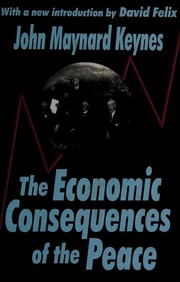
Why Germany could not pay the 1919 reparations, and what they would do to Europe.
“Consider the following quote from John Maynard Keynes in The Economic Consequences of the Peace: The inhabitant of London could order by telephone, sipping his morning tea in bed, the various products of the whole earth, in such quantity as he might see fit, and reasonably expect their early delivery upon his doorstep; he could at the same moment and by the same means adventure his wealth in the natural resources and new …” — William J. Bernstein
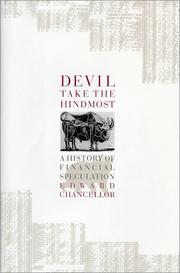
Speculation from ancient Rome and tulip mania to the 1990s, and its recurring traits.
“I used to recommend that folks start with Charles Mackay’s Memoirs of Extraordinary Popular Delusions and the Madness of Crowds, but recently it’s been superceded by Edward Chancellor’s Devil Take the Hindmost: A History of Financial Speculation.” — William J. Bernstein
Source: Efficient Frontier, issue 401 (2001)
Also recommended by: Howard Marks, Jeremy Grantham, John C. Bogle and 2 others
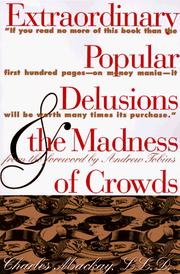
Crowd manias from the Mississippi scheme and South Sea Bubble to witch trials.
“I used to recommend that folks start with Charles Mackay’s Memoirs of Extraordinary Popular Delusions and the Madness of Crowds, but recently it’s been superceded by Edward Chancellor’s Devil Take the Hindmost: A History of Financial Speculation.” — William J. Bernstein
Source: Efficient Frontier, issue 401 (2001)
Also recommended by: Barton Biggs, Bernard Baruch and 5 others
Interest rates from Babylonian lending through Rome and Europe to modern bonds.
“Courtesy of Homer and Sylla’s A History of Interest Rates, I’ve plotted the market price of the 5% prestiti in the 14th and 15th centuries: Even taking these stumbles into account, investors in medieval and Renaissance Europe earned healthy returns on their capital.” — William J. Bernstein
Source: Efficient Frontier, issue 901 (2001)
Also recommended by: Mohnish Pabrai
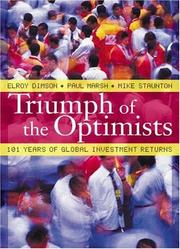
Stock, bond and bill returns for sixteen countries from 1900 to 2000.
“Recently Dimson, Marsh, and Staunton, in their wonderful monograph, The Triumph of the Optimists, have examined the real dividend-growth rates in 16 nations over the entire 20th century.” — William J. Bernstein
Source: Efficient Frontier, issue 702 (2002)
Also recommended by: Jason Zweig, Mohnish Pabrai

Books One to Three: division of labour, money, prices, wages, profit and capital.
“Adam Smith, An Inquiry into the Nature and Causes of the Wealth of Nations (Chicago: University of Chicago Press, 1976), II: 436” — William J. Bernstein
Source: Efficient Frontier, issue 404 (2004)
Also recommended by: Michael Mauboussin, Mohnish Pabrai
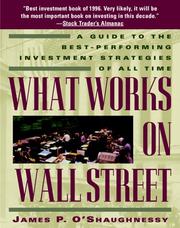
Decades of US stock data testing which selection rules have beaten the market.
“O'Shaughnessy published What Works on Wall Street, which rapidly became an investment bestseller and classic.” — William J. Bernstein
Source: Efficient Frontier, issue 999 (1999)
Also recommended by: Mohnish Pabrai, Patrick O'Shaughnessy and 1 other
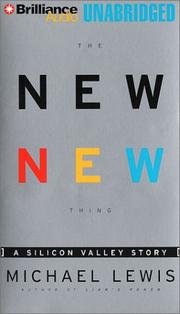
Jim Clark, founder of Silicon Graphics and Netscape, starts a third company in 1999.
“(If you want to be both entertained by and informed about the internet IPO scene, I highly recommend Michael Lewis' The New New Thing.)” — William J. Bernstein
Source: Efficient Frontier, issue 700 (2000)
Also recommended by: Austen Allred, Howard Marks, Jim Collins and 3 others
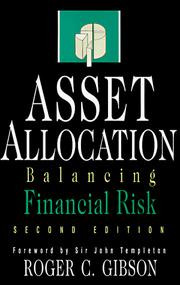
How to divide a client's portfolio across asset classes to balance long-term risk.
“Asset Allocation, Roger Gibson, Business One Irwin (about $35). 3.” — William J. Bernstein
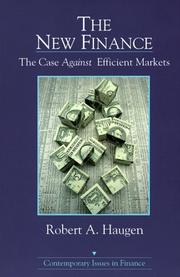
The case against efficient markets, with the evidence on mispriced stocks.
“In fact, Robert Haugen, in The New Finance, identifies this as the source of the value premium.” — William J. Bernstein
Source: Efficient Frontier, issue 999 (1999)
Also recommended by: Mohnish Pabrai, Joel Greenblatt
“Barbara Tuchman, A Distant Mirror (New York: Alfred A. Knopf, 1978), 5’6” — William J. Bernstein
“William Manchester, A World Lit Only by Fire (Boston: Back Bay Books, 1992), 6” — William J. Bernstein
Source: Efficient Frontier, issue 404 (2004)
Also recommended by: Jim Collins
“Angus Maddison, Explaining the Economic Performance of Nations (Cheltenham, England: Edward Elgar Publishing, 1995), 433” — William J. Bernstein
“E. L. Jones, Growth Recurring (Ann Arbor, Michigan: University of Michigan Press, 1988), 29’31” — William J. Bernstein
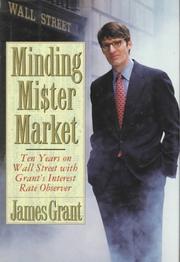
A decade of pieces from a newsletter on interest rates and credit markets.
“To give you a small taste of how devastating his prose can be, consider his treatment of the efficient matket hypothesis in the Introduction of his book, Minding Mr. Market: To suppose that the value of a common stock is determined by a corporation's earnings discounted by the relevant interest rate and adjusted for the marginal tax rate is to forget that people have burned witches, gone to war on a whim, risen to the defense …” — William J. Bernstein
Source: Efficient Frontier, issue 197 (1997)
Also recommended by: Mohnish Pabrai, Seth Klarman
“Douglass C. North, Structure and Change in Economic History (New York: W. W. Norton, 1981), 14” — William J. Bernstein
“Paul Johnson, The Birth of the Modern (New York: HarperCollins, 1991), 865” — William J. Bernstein
“Walt W. Rostow, The Stages of Economic Growth (Cambridge: Cambridge University Press, 1961)” — William J. Bernstein
Interest as set by impatience to spend income and the opportunity to invest it.
“Several years ago, my brother-in-law tossed in my direction a well-thumbed tome entitled The Theory of Interest. Grinning like a man relieved of no small burden, he said, "Hey Bill, you’re gonna love this one." Written by Irving Fisher in 1930, the text has been the bane of generations of B-school grads: it’s formidable but quite well written, repetitious enough that you’re not going to miss his basic points.” — William J. Bernstein
Source: Efficient Frontier, issue 401 (2001)
Also recommended by: Michael Mauboussin
Why long good times erode the memory of losses and set up the reversal.
“Market," and "The Trouble with Prosperity." If you ever have the opportunity to hear this man speak, you should avail yourself.” — William J. Bernstein
Source: Efficient Frontier, issue 401 (2001)
Also recommended by: Mohnish Pabrai, Seth Klarman

An asset's risk depends on how it moves with the rest of the portfolio.
“If you wish a lucid explanation of the mathematics of mean variance optimization, try Harrry Markowitz' Portfolio Selection.” — William J. Bernstein
Source: Efficient Frontier, issue 996 (1996)
Also recommended by: Michael Mauboussin
US fiscal promises far exceed future revenue, which official debt figures hide.
“A New Book by Kotlikoff and Burns I normally don't go in for doom and gloom, but The Coming Generational Storm by economist Larry Kotlikoff and finance writer Scott Burns should be on every citizen’s bookshelf.” — William J. Bernstein
Why people with a shared interest often fail to act together for it.
“The answer lies in the work of an obscure thinker, the late Mancur Olson, best known among economists for a thin, insightful book, The Logic of Collective Action.” — William J. Bernstein
Source: Efficient Frontier, issue 704 (2004)
Also recommended by: Nat Eliason
How American lending standards loosen in long cycles as the memory of losses fades.
“It’s much more contemporary and is pure "mind candy." Lastly, I highly recommend Jim Grant’s trilogy of vignettes from Grant’s Interest Rate Observer: "Money of the Mind," "Minding Mr. Market," and "The Trouble with Prosperity." If you ever have the opportunity to hear this man speak, you should avail yourself.” — William J. Bernstein
Source: Efficient Frontier, issue 401 (2001)
Also recommended by: John C. Bogle, Mohnish Pabrai, Seth Klarman
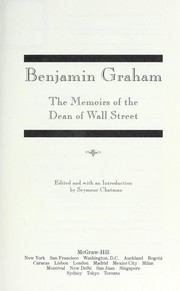
The memoirs of the investor who laid the foundation of security analysis.
“Those whose appetites have been whetted can proceed to The Intelligent Investor (Harper and Row) by Benjamin Graham.” — William J. Bernstein
Source: Efficient Frontier, issue 996 (1996)
Also recommended by: Guy Spier, Jason Zweig, Mohnish Pabrai and 7 others

Why people mistake luck for skill, above all in markets.
“Recently, I came across a much more facile explanation of the risk-aversion-myopia phenomenon in Nassim Nicholas Taleb's Fooled by Randomness.” — William J. Bernstein
Source: Efficient Frontier, issue 102 (2002)
Also recommended by: Barton Biggs, Brad Feld, Derek Sivers and 14 others
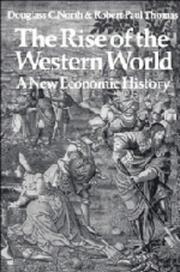
A new economic history of how Western Europe grew rich.
“Douglass C. North and Robert P. Thomas, The Rise of the Western World (Cambridge: Cambridge University Press, 1981), 102’119” — William J. Bernstein
Source: Efficient Frontier, issue 404 (2004)
Also recommended by: Mohnish Pabrai
The statistical tools of empirical finance and the questions they test.
“The Historical Data A nice summation of the autocorrelation data for US stocks is found in Campbell, Lo, and MacKinlay’s ("CLM") The Econometrics of Financial Markets.” — William J. Bernstein
Source: Efficient Frontier, issue 199 (1999)
Also recommended by: Michael Mauboussin
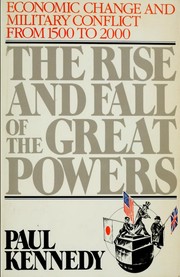
Why great powers decline when military spending outruns their economic base.
“But for my nickel, the Seer of the Century Award goes to Yale soccer coach (and history professor) Paul Kennedy for his prognostications in The Rise and Fall of the Great Powers.” — William J. Bernstein
Source: Efficient Frontier, issue 902 (2002)
Also recommended by: Jim Collins, Ray Dalio, Li Lu and 2 others
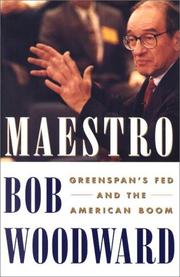
Alan Greenspan's Federal Reserve and its monetary policy through the American boom.
“Robert Woodward, Maestro: Greenspan’s Fed and the Economic Boom (New York: Simon and Schuster, 2000), 126” — William J. Bernstein
Source: Efficient Frontier, issue 404 (2004)
Also recommended by: Mohnish Pabrai
| March 2009: An Open Letter to Joe Nocera | William Bernstein answers Joe Nocera's claim that Madoff's victims failed to diversify: diversification means owning many securities, and finance needs the training and practice standards other professions have. | 1 2009 | ||
| February 2008: Fifty Years From Now | William Bernstein predicts which investing rules will last 50 years: bubbles, the equity premium and diversification, while mutual funds and ETFs shrink and China and India disappoint shareholders. | 1 2008 | ||
| March 2008: The Dark Side of the Moon | William Bernstein argues that in March 2008 credit risk paid more than equity risk: mid-rated junk bonds offered an expected real 4% against about 3.5% for stocks, which cannot last. | 1 2008 | ||
| June 2007: Comin' Around Again? | William Bernstein weighs Jeremy Grantham's claim of a bubble everywhere: stocks at 20-25 times earnings are overvalued, and a flood of narrow ETFs could supply Minsky's displacement for a new bubble. | 2 2007 | ||
| April 2007: The Executioner of Excellence | William Bernstein argues that high pay destroys investment skill: endowments beat other private equity investors by 21%, and investors should pick fund companies driven by craft rather than marketing. | 2 2007 | Illinois Tool Works | |
| August 2006: Thick as a BRIC | William Bernstein argues BRIC funds rest on a false premise: economic growth and stock returns are negatively related, and share dilution of up to 30% a year in Asian markets eats the growth. | 3 2006 | ||
| May 2006: Fundamental Indexing | William Bernstein's three-factor regressions show that slightly under two-thirds of the RAFI's 197 basis-point lead over the S&P 500 from 1962 to 2004 came from value exposure. | 2 2006 | ||
| September 2006: On Stuff | William Bernstein argues the 11.18% historical return on commodity futures came from producers hedging against deflation; with funds now buying inflation insurance, that premium has turned to contango. | 3 2006 | ||
| March 2006: A Mean-Variance Society? | William Bernstein applies Markowitz's mean-variance analysis to politics: libertarians care only about mean wealth, the left only about its dispersion, and policy needs the trade-off an investment committee makes. | 1 2006 | ||
| Efficient Frontier, issue 105 (2005) | William Bernstein argues the 2004 election makes partial privatisation of Social Security near-certain, and examines what it would mean. | 2005 | ||
| Efficient Frontier, issue 405 (2005) | William Bernstein announces Efficient Frontier's last quarterly issue after eight and a half years. | 2005 | ||
| November 2005: Too Much Capital | William Bernstein argues the cost of capital and investment returns have fallen for millennia as societies grow richer and intermediation gets cheaper, leaving single-digit expected returns. | 4 2005 | ||
| July 2005: The Estate Tax — Does It Really Matter? | William Bernstein argues repeal of the estate tax matters little, because low returns, expenses, heirs multiplying, spending and rising living standards cut a family's relative wealth by about 6% a year. | 3 2005 | ||
| December 2005: The Longest Discipline | William Bernstein shows precious metals equity returned 9.21% a year from 1963 to 2004 with a 0.29 correlation to the S&P, earning a 5% rebalancing bonus but with 24 years of zero real return. | 4 2005 | ||
| September 2005: Mea Culpa | William Bernstein concedes two errors: the January effect in small stocks persists, and Barclays' country iShares, which all lagged their MSCI indexes in 1999, now track them with an average 0.79% gain. | 3 2005 | Barclays | |
| Efficient Frontier, issue 104 (2004) | William Bernstein responds to critics of his books. | 2004 | ||
| Efficient Frontier, issue 404 (2004) | William Bernstein writes on collecting risk premiums, patience and spreading your bets, and on markets that are efficient but not rational. | 2004 | ||
| Efficient Frontier, issue 704 (2004) | William Bernstein applies the logic of collective action to the mutual fund industry, quoting Madison. | 2004 | ||
| Efficient Frontier, issue 904 (2004) | William Bernstein examines how human institutions shape economic outcomes, drawing on the U.S. founders. | 2004 | ||
| Efficient Frontier, issue 103 (2003) | William Bernstein writes an open letter to the new SEC chairman, William Donaldson, in 2003. | 2003 | ||
| Efficient Frontier, issue 403 (2003) | William Bernstein announces Efficient Frontier will publish less often. | 2003 | ||
| Efficient Frontier, issue 703 (2003) | William Bernstein rereads Benjamin Graham's The Intelligent Investor and draws lessons for small investors. | 2003 | ||
| Efficient Frontier, issue 903 (2003) | William Bernstein applies Keynes's paradox of thrift to the advice finance writers give. | 2003 | ||
| Efficient Frontier, issue 102 (2002) | William Bernstein imagines explaining the world's economic players to Thomas Friedman. | 2002 | ||
| Efficient Frontier, issue 402 (2002) | William Bernstein shows that securities markets are old: European bond prices go back to the 13th century. | 2002 | ||
| Efficient Frontier, issue 702 (2002) | William Bernstein examines the equity risk premium, with U.S. stocks, bonds and bills returning 8.42%, 4.88% and 4.21% from 1802 to 2001. | 2002 | ||
| Efficient Frontier, issue 902 (2002) | William Bernstein continues his series on how GDP growth relates to security returns. | 2002 | ||
| Efficient Frontier, issue 101 (2001) | William Bernstein rebuts the claim that indexing works only in efficient U.S. large-cap markets. | 2001 | ||
| Efficient Frontier, issue 401 (2001) | William Bernstein draws on Irving Fisher's The Theory of Interest. | 2001 | ||
| Efficient Frontier, issue 701 (2001) | William Bernstein examines value investors' long wait in the wilderness through the late 1990s. | 2001 | ||
| Efficient Frontier, issue 901 (2001) | William Bernstein reconsiders his doubts about exchange-traded funds. | 2001 | ||
| Efficient Frontier, issue 100 (2000) | William Bernstein reviews Richard Thaler's behavioural Undiscovered Managers funds. | 2000 | ||
| Efficient Frontier, issue 400 (2000) | William Bernstein draws lessons from Nova's documentary The Trillion Dollar Bet on Long-Term Capital Management. | 2000 | ||
| Efficient Frontier, issue 700 (2000) | William Bernstein argues technological progress does not translate into high stock returns for shareholders. | 2000 | ||
| Efficient Frontier, issue 900 (2000) | William Bernstein explains why he dislikes midcap stocks as an asset class. | 2000 | ||
| Efficient Frontier, issue 199 (1999) | William Bernstein admits his addiction to market indicators and warns against relying on them. | 1999 | ||
| Efficient Frontier, issue 499 (1999) | William Bernstein explains the interplay between return and risk. | 1999 | ||
| Efficient Frontier, issue 799 (1999) | William Bernstein warns against the romantic delusions of investors in 1999's internet chat rooms. | 1999 | ||
| Efficient Frontier, issue 999 (1999) | William Bernstein examines the relationship between return and risk, from Treasury bills upward. | 1999 | ||
| Efficient Frontier, issue 198 (1998) | William Bernstein visits the Bearded Ladies investment club to test its famous results. | 1998 | ||
| Efficient Frontier, issue 498 (1998) | William Bernstein explains why investors should understand the cost of capital as corporate treasurers do. | 1998 | ||
| Efficient Frontier, issue 998 (1998) | William Bernstein quotes Tweedy Browne's "We don't invest where we can't drink the water" on foreign investing. | 1998 | ||
| Efficient Frontier, issue 197 (1997) | William Bernstein introduces Efficient Frontier and examines precious metals as an asset class. | 1997 | ||
| Efficient Frontier, issue 497 (1997) | William Bernstein warns that portfolio optimisers mislead investors. | 1997 | ||
| Efficient Frontier, issue 797 (1997) | William Bernstein warns against relying on library fund ratings to pick managers. | 1997 | ||
| Efficient Frontier, issue 997 (1997) | William Bernstein shows that top-performing fund managers and global assets tend to revert to the mean. | 1997 | ||
| Efficient Frontier, issue 996 (1996) | William Bernstein recommends readings in finance and portfolio theory for Efficient Frontier readers. | 1996 |
| Is the AI Boom Another Dot-Com Bubble? — William Bernstein | The Money Matters MD Show | 2026-09-26 | 52 min | Dr. William Bernstein joins Money Matters MD for a wide-ranging discussion on AI bubble risk, market valuations, inflation, TIPS, asset allocation, factor investing, commodities, and the true meaning of investment risk. He also shares lessons from the Dot-Com Era and explains why the goal isn't to maximize returns—but to avoid dying poor. #WilliamBernstein #Investing #PersonalFinance #AIBubble #StockMarket #AssetAllocation #RetirementPlanning #MoneyMattersMD |
| Bill Bernstein | EP103 | Coffee with Creators | Coffee with Creators by Adorama | 2026-09-23 | 1:01 | 🔘 Photographer: Bill Bernstein Bill Bernstein is a New York-based photographer whose career spans more than five decades. Beginning at The Village Voice, he created an enduring photographic record of New York's late-1970s nightlife, documenting communities and dance floors at Studio 54, Paradise Garage, Xenon, and other iconic venues. He later spent nearly twenty years as Paul McCartney's tour photographer. Today, Bernstein is deeply involved in preserving and interpreting his archive, working with museums, galleries, publishers, and cultural institutions around the world. Through exhibitions, books, lectures, and presentations, he shares both the photographs and the stories behind them, speaking to audiences about his career in photography, the creative process, and the people and communities he has documented. His work continues to connect new generations with a remarkable period of cultural history.🔘 Host, Seth Miranda Seth Miranda is a New York City photographer known for commercial, editorial portrait, and SFX makeup photography. His work has been featured in MakeUp Artist Magazine and IMATS, as well as billboard and print ads for agencies like Deutsch. |
| Remembering the Life and Work of Jonathan Clements | Masters in Business | 2026-05-29 | 1:03 | Barry sits down with Jason Zweig and William Bernstein. They discuss "Money and Me" the last book of author and journalist Jonathan Clements. Jason and William also examine Clements's approach to personal finance and impact to financial journalism. See omnystudio.com/listener for privacy information. |
| Bill Bernstein: 50 Years of Investing Wisdom | Sound Investing | 2026-05-20 | 1:11 | In this interview from the 2026 Bainbridge Community Foundation Annual Financial Education Series, Paul sits down with Bill Bernstein — neurologist, financial historian, and author of The Four Pillars of Investing and If You Can — for a wide-ranging conversation drawn from 50-plus years of investing experience. Bill explains why you're only rewarded for taking risk in well-regulated markets (and why crypto doesn't qualify), how today's market echoes the late 1990s, why the "reverse glide path" makes sense the older you get, and what the Bessembinder research really tells us about the cost of trying to pick winners. Paul and Bill also debate withdrawal strategies, the case against long bonds, and whether tilted small-value investing still works once "the bozos know about it." A masterclass in evidence-based investing from one of the most respected voices in the field. CHAPTERS 00:00 Intro from Matt Longmire, Bainbridge Community Foundation 02:50 Welcoming Bill Bernstein 03:50 Why The Four Pillars of Investing belongs on every DIY investor's shelf 05:50 Risk vs. reward — and why Bitcoin doesn't qualify 08:30 How many asset classes do you really need? 11:50 Where today's market resembles the late 1990s 13:40 Are REITs still worth holding? 15:50 The case for automating everything 19:45 Why retirees need to fear sequence-of-returns risk 21:30 Paul's 5% rule vs. |
| When You Win the Game, Stop Playing with Bill Bernstein - WCI Podcast #450 #WhiteCoatInvestor | White Coat Investor Podcast | 2025-12-18 | 58 min | Today we're thrilled to welcome back our friend and financial expert Bill Bernstein for a thoughtful conversation about what it really means to "stop playing when you win the game." We dig into the idea of "enough," how to know when you've reached it, and what changes—financially and emotionally—once you have. This episode offers a candid look at life after reaching your goals and how to invest, plan, and live with greater intention once the game is won. Today's episode is brought to us by SoFi , the folks who help you get your money right. Paying off student debt quickly and getting your finances back on track isn't easy, but that's where SoFi can help — they have exclusive, low rates designed to help medical residents refinance student loans—and that could end up saving you thousands of dollars, helping you get out of student debt sooner. SoFi also offers the ability to lower your payments to just $100 a month* while you're still in residency. And if you're already out of residency, SoFi's got you covered there too. For more information, go to https://www.whitecoatinvestor.com/Sofi SoFi Student Loans are originated by SoFi Bank, N.A. Member FDIC. Additional terms and conditions apply. NMLS 696891. The White Coat Investor has been helping doctors, dentists, and other high-income professionals with their money since 2011. |
| The $1,000 Gift From Jonathan Clements To 18-Year-Olds | Bill Bernstein & Christine Benz | 160 | Catching Up to FI | 2025-08-03 | 1:24 | Morningstar's Christine Benz and investing-history legend Dr. William Bernstein announces the Jonathan Clements "Getting Going on Savings" Initiative. In 2024, Jonathan was diagnosed with a terminal illness and decided to use the proceeds from a final book to kick-start a new program that will directly help fund Roth IRAs for young adults (especially from low-income households) to the tune of $1,000 each. The John C. Bogle Center for Financial Literacy, a 501(c)(3) non-profit, is assisting with the project and 'Catching Up to FI' is proud to spread the word by replaying this conversation that originally aired on the 'Bogleheads on Investing' podcast (5/27/25). === VOTE FOR US: PLUTUS AWARDS === We need your vote for the 2025 Plutus Awards! You can now vote for your hosts behind "Catching Up to FI" - Bill Yount & Jackie Cummings Koski. ✅ WHAT IS THE PLUTUS AWARDS? The Plutus Awards recognize excellence in independent financial content. That's the best podcasts, books, video channels, blogs, and more. ✅ VOTE If you've gotten value from our content and think we are worthy of recognition, please support by casting your votes here > >> https://plutus.awardsplatform.com/ . There's a short registration needed to vote and you'll be in and out in just a few minutes. ✅ DEADLINE The deadline to vote is August 30th, 2025. Winners will be announced in October. ✅ CATEGORIES Below are the categories we have been nominated for and we'd love your vote in each of them. |
| Managing Investment Risk When You've Already Won The Game with William Bernstein | Retire With Purpose - The Retirement Podcast | 2025-07-14 | 54 min | Today, I'm speaking with William Bernstein. Bill is a renowned investment advisor, author, and retired neurologist. He's the co-founder of Efficient Frontier Advisors, a leading voice in the world of personal finance, and the author of several acclaimed books, including The Four Pillars of Investing, The Investor's Manifesto, and The Intelligent Asset Allocator . With a unique background in neurology and finance, Bill brings a practical and evidence-based perspective to long-term investing, risk management, and financial behavior—especially for retirees and those nearing retirement. You'll hear why Bill believes the purpose of money isn't to buy things—it's to purchase autonomy, time, and peace of mind. In our conversation, we explore what it really means to "win the game" of investing—and why continuing to play after you've won could jeopardize your retirement security. Bill breaks down the risks investors often overlook, including deep risk versus shallow risk, the need versus capacity and tolerance framework, and why having a basic understanding of financial history is an underrated skill set. They also discuss how aging affects investment decisions, how burn rate should influence equity allocation, and why a purposeful retirement plan extends far beyond growing net worth. GET FREE ACCESS TO WILLIAM BERNSTEIN'S BOOK TITLED, THE FOUR PILLARS OF INVESTING Here's all you have to do... Step 1.) Subscribe to the podcast and leave an honest rating & review over on iTunes. |
| Efficient Frontier Advisors Co-Founder & Neurologist Bill Bernstein | Masters in Business | Masters in Business | 2025-06-13 | 1:04 | Barry speaks with Bill Bernstein, neurologist, investor, author and co-founder of Efficient Frontier Advisors about his unique career path from science to finance and how he uses lessons learned in neurology and applies them to investing. Bill also shares his thoughts on the current economic and political environment and his thoughts on how to navigate uncertainty in markets. See omnystudio.com/listener for privacy information. |
| 214. William Bernstein: The 4 Pillars of Investing and how to manage Risk and Uncertainty | The Bull - Il tuo podcast di finanza personale | 2025-05-18 | 49 min | The Four Pillars of Investing is one of the absolute masterpieces of financial literature, and its author, Dr. William Bernstein, has become a global authority in the world of personal finance. We spoke with him about the Four Pillars, asset allocation, managing real investment risks, and much more. The Best of Jonathan Clements =============================================== Investi con Fineco , 60 trade gratis nei primi tre mesi con il codice TRD060-TB Investi con Scalable , 3,5% di interessi sulla liquidità (*) (#adv) Naviga in totale sicurezza con NordVPN Prova gratis la newsletter di DataTrek per 15 giorni. 4Books premium gratis fino al 31/05/2025 I link sono sponsorizzati e l'Autore potrebbe percepire una commissione. (*) fino al 31/12/2025, offerta valida per i nuovi clienti. Si applicano termini e condizioni. =============================================== ATTENZIONE: I contenuti di questo canale hanno esclusivamente finalità di informare e intrattenere. Le informazioni fornite sul canale hanno valore indicativo e non sono complete circa le caratteristiche dei prodotti menzionati. Chiunque ne faccia uso per fini diversi da quelli puramente informativi cui sono destinati, se ne assume la piena responsabilità. |
| At the Money: Doctor's Orders - How to Change Careers | Masters in Business | 2025-05-07 | 18 min | What does it take to undertake a significant career change? How can you shift from a safe but unsatisfying job into one that you love? William Bernstein, founder of Efficient Frontier Advisors, is both a neurologist and a professional investor. He is also the author of numerous books on investing and economic history, including “The Four Pillars of Investing” and “The Delusions of Crowds.” Each week, “At the Money” discusses an important topic in money management. From portfolio construction to taxes and cutting down on fees, join Barry Ritholtz to learn the best ways to put your money to work. See omnystudio.com/listener for privacy information. |
| The Four Pillars of Investing ft William Bernstein | The Long Term Investor | 2023-11-01 | 32 min | William Bernstein, author of The Four Pillars of Investing , joins the show to talk about the most recent edition of his highly influential work. Listen now and learn: What are the four pillars of investing The history of risk and common traits of a bubble Potentially attractive segments of the market Visit www.TheLongTermInvestor.com for show notes, free resources, and a place to submit questions. |
| The Four Pillars of Investing with William Bernstein | Motley Fool Hidden Gems Investing | 2023-09-10 | 32 min | “The essence of investing is not maximizing returns, but rather maximizing odds of success.” William Bernstein is a financial theorist, neurologist, and the best-selling author of “The Four Pillars of Investing: Lessons for Building a Winning Portfolio,” now in its second edition. Motley Fool Senior Advisor Robert Brokamp caught up with Bernstein to discuss: - Why a 2% real return is “quite spectacular” - The math and Shakespeare of investing - Why value stocks may have fallen out of fashion - What the history of the stock market reveals about modern bubbles Host: Robert Brokamp Guest: William Bernstein Producer: Ricky Mulvey Engineer: Rick Engdahl Learn more about your ad choices. Visit megaphone.fm/adchoices |
| Deadline Looming: Gaming the Odds of a Bitcoin ETF 8/7/23 | ETF Edge | 2023-08-07 | 34 min | CNBC’s Bob Pisani spoke with Matt Hougan, CIO of Bitwise Investments, and William Bernstein, legendary author of The Four Pillars of Investing . With a key deadline looming ahead for the crypto community this week, our panel of experts discussed the odds of a spot bitcoin ETF being approved, and all the pitfalls and regulatory hurdles to come. Plus, Bill Bernstein broke down the second edition of his timeless investing classic.In the “Markets 102” portion, Bob continued the conversation with Matt Hougan from Bitwise Investments. Hosted by Simplecast, an AdsWizz company. See pcm.adswizz.com for information about our collection and use of personal data for advertising. |
| Bill Bernstein on the Four Essentials to Investing Successfully MHC | 175 | Macro Hive Conversations With Bilal Hafeez | 2023-08-04 | 37 min | Bill Bernstein is a neurologist turned investment advisor. He is also the author of several books, including The Intelligent Asset Allocator, The Four Pillars of Investing, If You Can: How Millennials Can Get Rich Slowly, and The Delusion of Crowds. Bill has just come out with a new edition of The Four Pillars of Investing. In this podcast we discuss understanding the business of investing, how to set up your portfolio at different ages, knowing your history, and much more. Follow us here for more amazing insights: https://macrohive.com/home-prime/ https://twitter.com/Macro_Hive https://www.linkedin.com/company/macro-hive |
| William Bernstein: Most Investors Are Chasing the Wrong Stocks | The Meb Faber Show - Better Investing | 2023-07-19 | 51 min | Today’s returning guest is Dr. William Bernstein, a neurologist turned investment advisor. Bill’s an author of several books and just released an updated edition of The Four Pillars of Investing , which came out over 20 years ago. In today’s episode, Dr. Bernstein shares two key updates since the first edition. Then we walk through some his best quotes and tie them to both timeless topics and current events like the AI craze and the media’s love for star managers. Click here to listen to Dr. Bernstein’s last appearance on the podcast. ----- Follow Meb on Twitter , LinkedIn and YouTube For detailed show notes, click here To learn more about our funds and follow us, subscribe to our mailing list or visit us at cambriainvestments.com ----- Today’s episode is sponsored by The Idea Farm . The Idea Farm gives you access to over $100,000 worth of investing research, the kind usually read by only the world’s largest institutions, funds, and money managers. Subscribe for free here . Follow The Idea Farm: Twitter | LinkedIn | Instagram | Tik Tok ----- Interested in sponsoring the show? Email us at Feedback@TheMebFaberShow.com ----- Past guests include Ed Thorp , Richard Thaler , Jeremy Grantham , Joel Greenblatt , Campbell Harvey , Ivy Zelman , Kathryn Kaminski , Jason Calacanis , Whitney Baker, Aswath Damodaran , Howard Marks , Tom Barton , and many more. ----- Meb's invested in some awesome startups that have passed along discounts to our listeners. Check them out here ! |
| Bill Bernstein: Revisiting The Four Pillars of Investing | The Long View | 2023-07-11 | 46 min | On today’s episode of The Long View podcast, we welcome back William Bernstein. This is Bill’s third appearance on the podcast. In fact, he was our very first guest back when we started The Long View in 2019. Bill is a neurologist turned investment advisor. He is also the author of several books, including The Intelligent Asset Allocator , The Four Pillars of Investing , If You Can: How Millennials Can Get Rich Slowly , and The Delusion of Crowds . Bill has just come out with a new edition of The Four Pillars of Investing . So, we wanted to have him on to discuss the new book and what’s changed since that book’s original publication more than 20 years ago. Background Bio The Four Pillars of Investing, Second Edition The Intelligent Asset Allocator: How to Build Your Portfolio to Maximize Returns and Minimize Risk If You Can: How Millennials Can Get Rich Slowly The Delusion of Crowds: Why People Go Mad in Groups “ Bernstein: ‘I Don’t Think the System Needs Nudges. I Think the System Needs Dynamite,’” The Long View podcast, Morningstar.com , May 7, 2019. “ Bill Bernstein: We’re Starting to See all of the Signs of a Bubble ,” The Long View podcast, Morningstar.com , March 10, 2021. The Four Pillars of Investing Robert Kaplan Who Is Charlie Munger? |
| 275. The Madness of Crowds feat. William Bernstein | unSILOed with Greg LaBlanc | 2023-04-28 | 51 min | What do financial bubbles and religious millenarianism have in common? They both involve collective delusion. When Charles Mackey wrote a book on the Madness of Crowds in the 19th century, he could not have imagined that religious and financial bubbles will continue to reappear, but as Willam Bernstein points out, the world has not gotten any saner. William Bernstein is an investment manager and the author of a number of books including, The Delusions Of Crowds: Why People Go Mad in Groups and The Birth of Plenty: How the Prosperity of the Modern World was Created . And before his work in finance, he spent more than 30 years practicing medicine. William and Greg discuss the difference between intelligence and rationality, how human nature is rooted in imitation and mimicry, and the end of the world. *unSILOed Podcast is produced by University FM.* Episode Quotes: When it comes to pattern recognition, who are the right people to listen to? 47:23: When I'm listening to an analyst or a commentator, what I'm listening for is not how eloquent they are or how smart they sound, because it turns out that the most eloquent people tend to be people who can get away with a lot of analytical sloppiness. What I'm looking for is nuance. I'm looking for someone who can see both sides of an argument and argue something from both sides. Who are the people you want to make decisions for you? 06:37: Rationality and intelligence are entirely orthogonal. |
| Bill Bernstein (#165) | Teach and Retire Rich | 2021-05-21 | 51 min | Award winning author of A Splendid Exchange and the Four Pillars of Investing talks with Scott and Dan about this new book: The Delusions of Crowds: Why People Go Mad in Groups . The Delusions of Crowds: Why People Go Mad in Groups. If You Can 403bwise On Demand Learning Meridian Wealth Management 403bwise.org The opinions expressed in this program are for general informational purposes only and are not intended to provide specific advice or recommendations for any individual or on any specific security. Full disclosure |
| WCI Podcast #207 - The Delusions of Crowds with Bill Bernstein | White Coat Investor Podcast | 2021-04-22 | 59 min | Bill Bernstein is one of the smartest people we know in the investing world. Listen to this interview with Dr. Bernstein about his new book, The Delusions of Crowds and you will see why. The book is about religion and finance and is Bill's attempt to explain to a secular audience the current polarization of American politics and culture. We really like his focus on financial history. It is important to understand what has happened in the past and to carry those lessons into your current investing. We discuss past manias, mass delusions, and bubbles while comparing them to today's world. Bill emphasized that we need to treat investing as a serious subject with fundamental textbooks and peer reviewed literature. See full show notes here https://www.whitecoatinvestor.com/the-delusions-of-crowds-with-bill-bernstein-podcast-207 At some point in our financial lives, it will be time to buy a home. A physician mortgage can be a good vehicle for a young doctor who's just out of school and has a more effective place to use their money than on a big down payment. These loans allow doctors to secure a mortgage with fewer restrictions and a lower down payment than a conventional mortgage. But if you're further advanced in your career or deeper into your journey to financial freedom, buying a home with a conventional mortgage and then, later on, potentially refinancing that loan to a better rate with a shorter time frame could be a great move. |
| Bill Bernstein: We're Starting to See all of the Signs of a Bubble | The Long View | 2021-03-10 | 40 min | Our guest this week is noted author and advisor, William Bernstein. Bill’s background and entree to finance is unique--a neurologist by training, Bill taught himself the principles of investing and asset allocation, eventually parlaying that knowledge into a successful financial advisory practice and a series of influential, critically acclaimed books such as The Intelligent Asset Allocator , The Four Pillars of Investing , If You Can: How Millennials Can Get Rich Slowly , and his latest, The Delusions of Crowds . Background Bio Books “ Bernstein: ‘I Don’t Think the System Needs Nudges. I Think the System Needs Dynamite ,’”The Long View Podcast, May 7, 2019. Current Market Environment The Wisdom of Crowds , by James Surowiecki “ A Stock Market Bubble Is Forming ,” by John Rekanthaler, Morningstar.com, Oct. 20, 2020. “ From 1720 to Tesla, FOMO Never Sleeps ,” by Jason Zweig, wsj.com, July 17, 2020. “ The 4 Pillars of Investing ,” by Larissa Fernand, Morningstar.com, June 19, 2020. “ 4 Ways Today’s Stock Market Resembles That of the Late 1990s ,” by John Rekenthaler, Morningstar.com, March 4, 2021. Inflation, Bonds, and Other Asset Classes “ The Case for Minimizing Risk in Your Bond Holdings ,” by William Bernstein, wsj.com, Oct. 18, 2015. Inflation, Deflation, Confiscation & Devastation--The Four Horsemen of Risk ,” by Wade Pfau, forbes.com, March 4, 2020. “ What if Inflation Isn’t Dead? ” by John Rekenthaler, Morningstar.com, Aug. 11, 2020. |
| William J. Bernstein on Crowd Behavior (Podcast) | Masters in Business | 2021-03-05 | 1:04 | Bloomberg Opinion columnist Barry Ritholtz speaks with the financial theorist and retired neurologist William J. Bernstein, who co-founded the investment management firm Efficient Frontier Advisors and has written several books on finance and economic history. His titles include “The Birth of Plenty: How the Prosperity of the Modern World Was Created,” “A Splendid Exchange: How Trade Shaped the World,” and “Masters of the Word: How Media Shaped History.” He was also the 2017 winner of the James R. Vertin Award from CFA Institute. His latest book is “The Delusions of Crowds: Why People Go Mad in Groups.” See omnystudio.com/listener for privacy information. |
| The Only Black Swans with William Bernstein | The Compound and Friends | 2020-04-06 | 32 min | On this week's episode, Ben sits down with investor, author, and market historian William Bernstein to put the current crash into perspective with history's worst crises. Hosted on Acast. See acast.com/privacy for more information. Learn more about your ad choices. Visit megaphone.fm/adchoices |
| Podcast #107- The Four Pillars of Investing- Interview with Dr. William (Bill) Bernstein | White Coat Investor Podcast | 2019-05-23 | 55 min | I first met Bill Bernstein at the Bogleheads Conference in 2008. I was a Bernsteinhead before I was ever a Boglehead. The Four Pillars of Investing was certainly one of the first good books on investing I ever read and had a huge influence on my financial outlook. This interview with Dr. Bernstein is chalk full of so much financial wisdom that every investor should know. I estimate that 80% of doctors need, want, and should use a financial advisor and/or an investment manager. Some investment gurus such as Dr. William Bernstein think my estimate is way too low. At any rate, if you want to use an advisor temporarily or for your entire life, there is no reason to feel guilty about it—just make sure you are getting good advice at a fair price. If you need help updating your financial plan or just getting one in place, check out our list of recommended financial advisors at https://www.whitecoatinvestor.com/financial-advisors . You can do this and The White Coat Investor can help. The White Coat Investor has been helping doctors with their money since 2011. Our free financial planning resource covers a variety of topics from doctor mortgage loans and refinancing medical school loans to physician disability insurance and malpractice insurance. Learn about loan refinancing or consolidation, explore new investment strategies, and discover loan programs specifically aimed at helping doctors. |
| William Bernstein: If You've Won the Game, Stop Playing | The Long View | 2019-05-01 | 55 min | Our guest this week is noted author and advisor, William Bernstein. Bill’s background and entree to finance is unique—a neurologist by training, Bill self-taught himself the principles of investing and asset allocation, eventually parlaying that knowledge into a successful financial advisory practice and a series of influential, critically acclaimed books such as "The Intelligent Asset Allocator." In this conversation, we explore Bill’s background and how it shaped his development and thinking as an investor and how he applies those lessons in working with clients who are trying to meet goals like a comfortable, secure retirement. |
| William Bernstein, MD -- Lessons from an investment guru | Doctor Money Matters | 2018-05-14 | 48 min | Episode 29. On this episode, I interviewed a physician investing legend, Dr. William Bernstein. He is a neurologist turned financial author and investment advisor. Now most of us will not be able to reach the asset threshold need for him to manage our money, but the good news is we don't have to. He provides great advice for the rest of us also. I have admired Dr. Bernstein's approach to investing for many years and want to acknowledge him as one of the pioneers of index investing. His books are a must read for those who want to learn about financial history. Despite his tremendous expertise, he is very accessible and approachable and above all a teacher. In this episode we discuss His basic advice to young physicians. What he recommends you do before investing. How you can construct a very simple yet effective portfolio His thoughts on cryptocurrency How does the FIRE movement affect asset allocation/savings rate? Whether or not most physicians need a financial advisor Dr. Bernstein's website is efficientfrontier.com On it there are great resources for beginning your financial education from beginner to more advanced levels. Join our email list or private facebook group and I will let you know how to get a copy of his book If you can for free for kindle. Although even if you listen to this podcast later and it is no longer free, this book is high value advice for very nominal amount. |
| William Bernstein - "The More Comfortable You Are Buying Something, in General, the Worse the | The Meb Faber Show - Better Investing | 2017-07-05 | 57 min | In Episode 60, we welcome the great William (Bill) Bernstein. Bill starts by giving us some background on how he evolved from medicine to finance. In short, faced with his own retirement, he knew he had to learn to invest. So he studied, which shaped own thoughts on the matter, which led to him writing investing books, which resulted in interest from the press and retail investors, which steered him into money management. After this background info, Meb jumps in, using one of Bill's books " If You Can" as a framework. Meb chose this as it starts with a quote Meb loves: "Would you believe me if I told you that there's an investment strategy that a seven-year-old could understand, will take you fifteen minutes of work per year, outperform 90 percent of financial professionals in the long run, and make you a millionaire over time?" The challenge is the "If" in the title. Of course, there are several hurdles to "if" which Meb uses as the backbone of the interview. Hurdle 1: "People spend too much money." Bill gives us his thoughts on how it's very hard for a large portion of the population to save. We live in a consumerist, debt-ridden culture that makes savings challenging. Meb and Bill discuss debt, the "latte theory," and the stat about how roughly half of the population couldn't get their hands on $500 for an emergency. Hurdle 2: "You need an adequate understanding of what finance is all about." |
| 16: William Bernstein: Lump Sum Investing vs. Dollar Cost Average | Invest Like a Boss | 2016-08-10 | 40 min | William Bernstein is a financial theorist, neurologist and Best Selling author of several books, including one of our favorites, The Intelligent Asset Allocator. He shows independent investors how to build a diversified portfolio without the help of a financial advisor. In this episode we talk the possible risk tolerance of an all stock portfolio and what age you should be when investing. We discuss major advantages and disadvantages of lump sum investing over a dollar cost average approach especially over a 12-month period. Lastly the importance of knowing financial history to choose the best time to buy stocks and how it correlates with GDP. Listen to the end to hear Williams advice he would like to give to his younger self and other inspiring investors. |
| William Bernstein on Communication, Power and the Masters of the Word 05/06/2013 | EconTalk | 2013-05-06 | 1:02 | William Bernstein talks with EconTalk host Russ Roberts about his latest book, Masters of the Word. Bernstein traces the history of language, writing, and communication and its impact on freedom. The discussion begins with the evolution of language and the written word and continues up through radio and the internet. A particular focus of the conversation is how tyrants use information technology to oppress their people but at the same time, technology can be used to liberate people from oppression. |
| William Bernstein on the History of Trade 04/28/2008 | EconTalk | 2008-04-28 | 1:10 | William Bernstein talks with EconTalk host Russ Roberts about the history of trade. Drawing on the insights from his recent book, A Splendid Exchange: How Trade Shaped the World , Bernstein talks about the magic of spices, how trade in sugar explain why Jews ended up in Manhattan, the real political economy of the Boston Tea Party and the demise of the Corn Laws in England. The discussion closes with the political economy of trade today and the interaction between trade and income inequality. |
| Interview with Bill Bernstein | Live Q&A | Rob Berger | |||
| Bill Bernstein: The Money Decisions That Actually Matter | Rational Reminder 422 | The Rational Reminder Podcast | |||
| Dr. William Bernstein and John Rekenthaler in Conversation | Bogleheads | |||
| William Bernstein: Have the past ten years been a lost decade for investors? | Sensible Investing | |||
| Bogleheads® on Investing Podcast 063: William Bernstein on TIPS, asset allocation, four deep risks | Bogleheads |
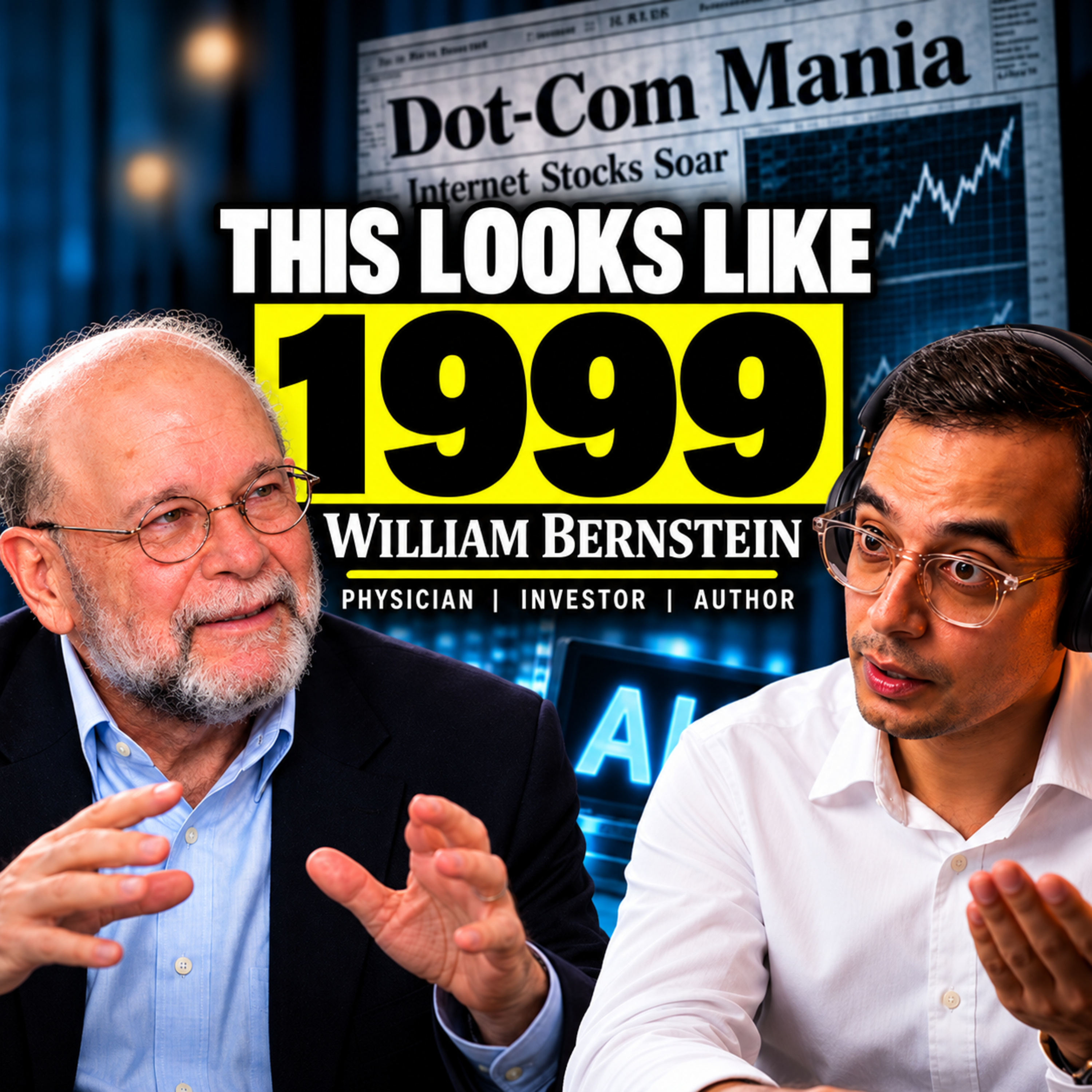 TIs the AI Boom Another Dot-Com Bubble? — William BernsteinThe Money Matters MD Show · 2026-09-26
 CBill Bernstein | EP103 | Coffee with CreatorsCoffee with Creators by Adorama · 2026-09-23
 MRemembering the Life and Work of Jonathan ClementsMasters in Business · 2026-05-29
 SBill Bernstein: 50 Years of Investing WisdomSound Investing · 2026-05-20
 WWhen You Win the Game, Stop Playing with Bill Bernstein - WCI Podcast #450 #WhiteCoatInvestorWhite Coat Investor Podcast · 2025-12-18
 CThe $1,000 Gift From Jonathan Clements To 18-Year-Olds | Bill Bernstein & Christine Benz | 160Catching Up to FI · 2025-08-03
 RManaging Investment Risk When You've Already Won The Game with William BernsteinRetire With Purpose - The Retirement Podcast · 2025-07-14
 MEfficient Frontier Advisors Co-Founder & Neurologist Bill Bernstein | Masters in BusinessMasters in Business · 2025-06-13
 T214. William Bernstein: The 4 Pillars of Investing and how to manage Risk and UncertaintyThe Bull - Il tuo podcast di finanza personale · 2025-05-18
 MAt the Money: Doctor's Orders - How to Change CareersMasters in Business · 2025-05-07
 TThe Four Pillars of Investing ft William BernsteinThe Long Term Investor · 2023-11-01
 MThe Four Pillars of Investing with William BernsteinMotley Fool Hidden Gems Investing · 2023-09-10
 EDeadline Looming: Gaming the Odds of a Bitcoin ETF 8/7/23ETF Edge · 2023-08-07
 MBill Bernstein on the Four Essentials to Investing Successfully MHC | 175Macro Hive Conversations With Bilal Hafeez · 2023-08-04
 TWilliam Bernstein: Most Investors Are Chasing the Wrong StocksThe Meb Faber Show - Better Investing · 2023-07-19
 TBill Bernstein: Revisiting The Four Pillars of InvestingThe Long View · 2023-07-11
 u275. The Madness of Crowds feat. William BernsteinunSILOed with Greg LaBlanc · 2023-04-28
 TBill Bernstein (#165)Teach and Retire Rich · 2021-05-21
 WWCI Podcast #207 - The Delusions of Crowds with Bill BernsteinWhite Coat Investor Podcast · 2021-04-22TBill Bernstein: We're Starting to See all of the Signs of a BubbleThe Long View · 2021-03-10MWilliam J. Bernstein on Crowd Behavior (Podcast)Masters in Business · 2021-03-05
 TThe Only Black Swans with William BernsteinThe Compound and Friends · 2020-04-06
 WPodcast #107- The Four Pillars of Investing- Interview with Dr. William (Bill) BernsteinWhite Coat Investor Podcast · 2019-05-23TWilliam Bernstein: If You've Won the Game, Stop PlayingThe Long View · 2019-05-01
 DWilliam Bernstein, MD -- Lessons from an investment guruDoctor Money Matters · 2018-05-14
 TWilliam Bernstein - "The More Comfortable You Are Buying Something, in General, the Worse theThe Meb Faber Show - Better Investing · 2017-07-05
 I16: William Bernstein: Lump Sum Investing vs. Dollar Cost AverageInvest Like a Boss · 2016-08-10
 EWilliam Bernstein on Communication, Power and the Masters of the Word 05/06/2013EconTalk · 2013-05-06
 EWilliam Bernstein on the History of Trade 04/28/2008EconTalk · 2008-04-28
 RInterview with Bill Bernstein | Live Q&ARob Berger
 TBill Bernstein: The Money Decisions That Actually Matter | Rational Reminder 422The Rational Reminder Podcast
 BDr. William Bernstein and John Rekenthaler in ConversationBogleheads
 SWilliam Bernstein: Have the past ten years been a lost decade for investors?Sensible Investing
 BBogleheads® on Investing Podcast 063: William Bernstein on TIPS, asset allocation, four deep risksBogleheads