Classic economic thought and economists
The founding texts of economics by Smith, Ricardo, Malthus, Marx, Keynes, Hayek, Mises and Schumpeter, with histories of economic ideas and biographies of economists.
Start here
- On the Principles of Political Economy and TaxationDavid Ricardo, 1817
- Marginal Revolutionaries: How Austrian Economists Fought the War of IdeasJanek Wasserman, 2019
- The Road to SerfdomF. A. Hayek
- The Wealth of NationsAdam Smith
- The Theory of Moral SentimentsAdam Smith, 1759
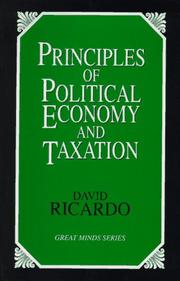
Rent, wages, profit and comparative advantage, reasoned from first assumptions.
The Austrian School of economics, from Viennese coffeehouses to the Tea Party.

Why central economic planning erodes political freedom.
“During the quarter, I reread three volumes authored by great economists: The General Theory of Employment, Interest and Money by John Maynard Keynes, The Road to Serfdom by F. A. Hayek, and Capitalism and Freedom by Milton Friedman.” — Martin J. Whitman
Source: Third Avenue Funds Q4 2005 Shareholder Letters (Chairman's letter by Martin J. Whitman)
Recommended by: Li Lu, Martin J. Whitman, Marc Andreessen and 1 other
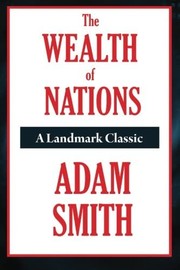
How the division of labour and free markets make a nation rich.
“In The Wealth of Nations (published in 1776) Smith noted that land prices had risen in recent decades, as interest rates declined.” — Howard Marks
Source: Easy Money
Recommended by: Howard Marks, John C. Bogle and 11 others
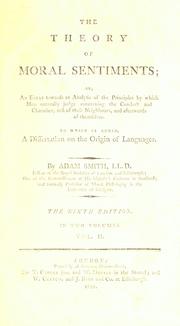
How moral judgement grows from sympathy and an imagined impartial spectator.
“Years before he wrote The Wealth of Nations, extolling the virtues of the invisible hand of competition and the essential nature of personal advantage and self-love in making the world’s economic system work, Adam Smith wrote The Theory of Moral Sentiments.” — John C. Bogle
Source: Business as a Calling, page 4
Recommended by: John C. Bogle, Mohnish Pabrai

Why population growth always presses against the food supply.
Recommended by: Mohnish Pabrai
Why capitalism runs on the exploitation of labour, the source of surplus value.
“Karl Marx, Das Kapital, A Critique of Political Economy (Washington, DC: Regnery Publishing, 1996): 347” — Michael Mauboussin
Source: A Piece of the Action: Employee Stock Options in the New Economy, page 44
Recommended by: Michael Mauboussin, Elon Musk
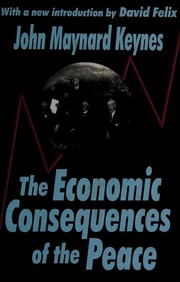
Why Germany could not pay the 1919 reparations, and what they would do to Europe.
“Consider the following quote from John Maynard Keynes in The Economic Consequences of the Peace: The inhabitant of London could order by telephone, sipping his morning tea in bed, the various products of the whole earth, in such quantity as he might see fit, and reasonably expect their early delivery upon his doorstep; he could at the same moment and by the same means adventure his wealth in the natural resources and new …” — William J. Bernstein
Source: Efficient Frontier, issue 901 (2001)
Recommended by: William J. Bernstein
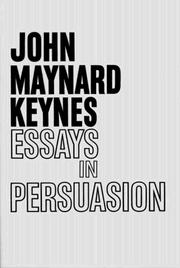
Essays on the Versailles treaty, the gold standard and Britain's currency.
Recommended by: Mohnish Pabrai, Warren Buffett
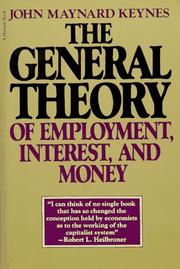
How employment, interest and money interact across a whole economy.
“In 1936, the economist John Maynard Keynes wrote in The General Theory of Employment, Interest and Money, “Worldly wisdom teaches that it is better for reputation to fail conventionally than to succeed unconventionally” [italics added].” — Howard Marks
Source: Dare to Be Great II, page 7
Recommended by: Howard Marks, John C. Bogle and 6 others
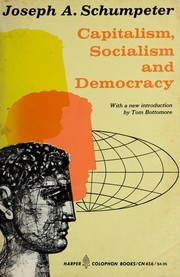
Capitalism runs on creative destruction, and its success may lead it to socialism.
“Joseph A Schumpeter, Capitalism, Socialism and Democracy (New York: Harper & Row, 1942)” — Michael Mauboussin
Source: Why Corporate Longevity Matters: What Index Turnover Tells Us about Corporate Results, page 14
Recommended by: Jim Collins, Michael Mauboussin, Li Lu
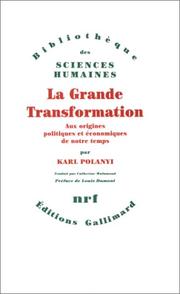
How the Industrial Revolution's self-regulating market upended society.
Recommended by: Satya Nadella
The first full Austrian school treatise on economics, built from individual action.
Recommended by: Charles Koch
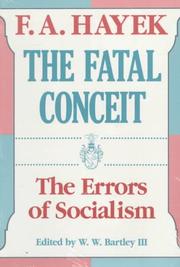
A critique of socialism: why morality and markets are not products of reason.
Recommended by: Nick Szabo
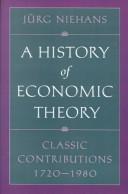
A history of economic theory and the economists who built it.
Recommended by: Eric Weinstein

How economics copied the maths of 19th-century physics, and what that cost it.
“Mirowski, Philip, More Heat than Light: Economics as Social Physics, Physics as Nature’s Economics (Cambridge: Cambridge University Press, 1989)” — Michael Mauboussin
Source: Size Matters: The Kelly Criterion and the Importance of Money Management, page 12
Recommended by: Michael Mauboussin, Eric Weinstein
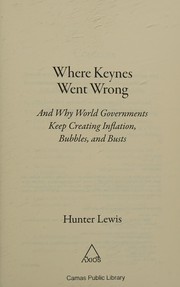
A polemic against Keynesian policy from an Austrian-leaning investor.
“This is another timely classic given the present condition. The outline structure of the book is brilliant.” — Christopher Bloomstran
Source: Semper Augustus 2020 Letter to Clients, 'To Read or Not to Read', p. 57
Recommended by: Christopher Bloomstran
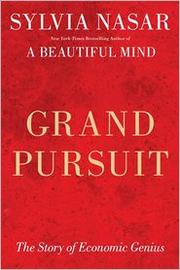
How modern economics came to be, through the people who made it.
Recommended by: Mohnish Pabrai
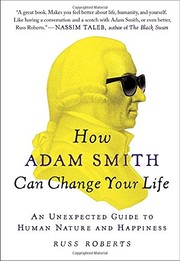
What Adam Smith's other book teaches about happiness, virtue and human nature.
“Adam Smith wrote “Theory of Moral Sentiments” in the 1700s. Now Russ puts it into modern language and times. Main point is that our morality comes from imagining being judged by our fellow man.” — Derek Sivers
Source: Derek Sivers book notes (primary, rated list) · Rating: 5/10
Recommended by: Derek Sivers, Tim O’Reilly
Books One to Three: division of labour, money, prices, wages, profit and capital.
“Adam Smith, An Inquiry into the Nature and Causes of the Wealth of Nations (London: W. Strahan and T. Cadell, 1776)” — Michael Mauboussin
Source: Increasing Returns: Identifying Forms of Increasing Returns and What Drives Them, page 15
Recommended by: Michael Mauboussin, Mohnish Pabrai and 1 other
Books Four and Five: the case against mercantilism, and the role of the state.
Recommended by: Mohnish Pabrai
The many lives of John Maynard Keynes, the century's most influential economist.
Recommended by: Mohnish Pabrai
An early argument on building, the construction trade, taxes and population.
Recommended by: Marc Andreessen
The life of the economist and statesman, abridged from three volumes into one.
Recommended by: Patrick Collison
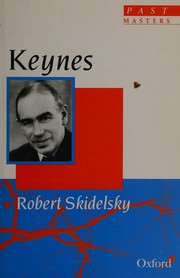
Keynes's economics and philosophy, and why they matter after the financial crisis.
Recommended by: Mohnish Pabrai
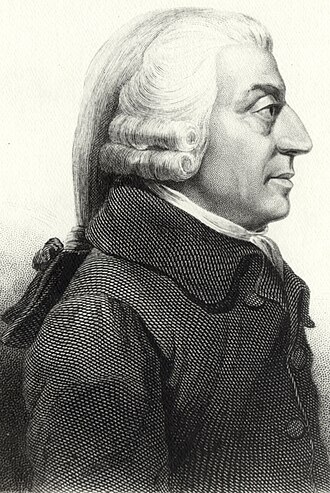
 Mohnish Pabrairecommends 10 books here
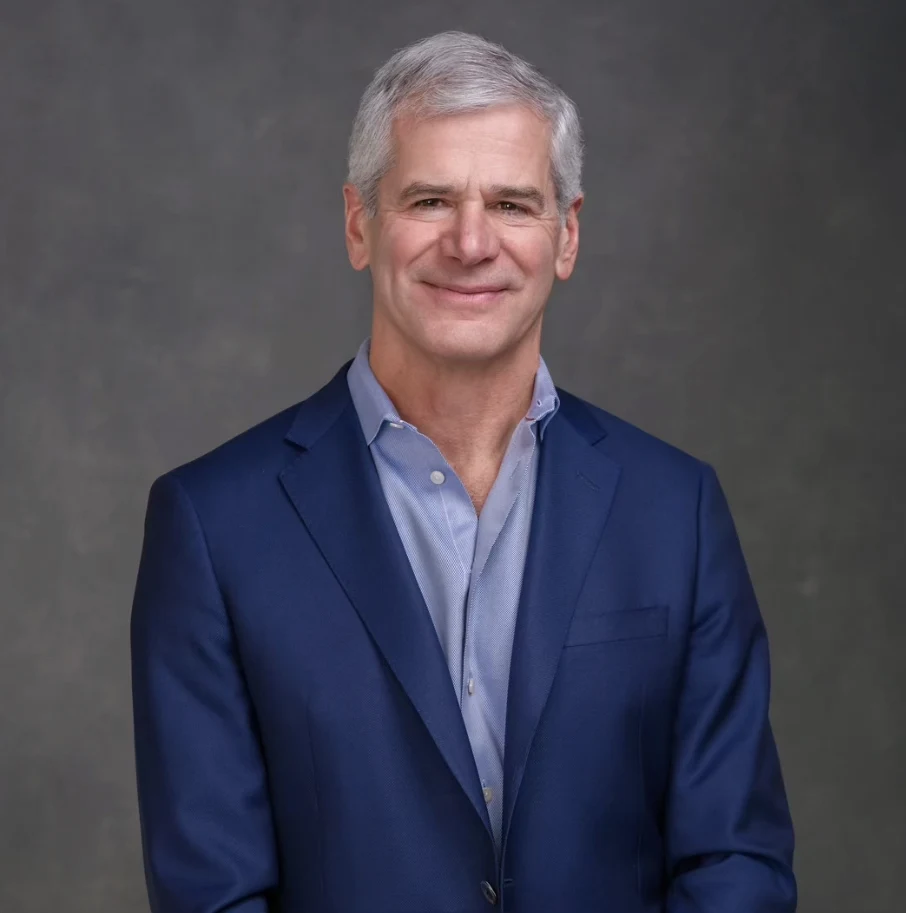 Michael Mauboussinrecommends 6 books here
 John C. Boglerecommends 3 books here
 Marc Andreessenrecommends 3 books here
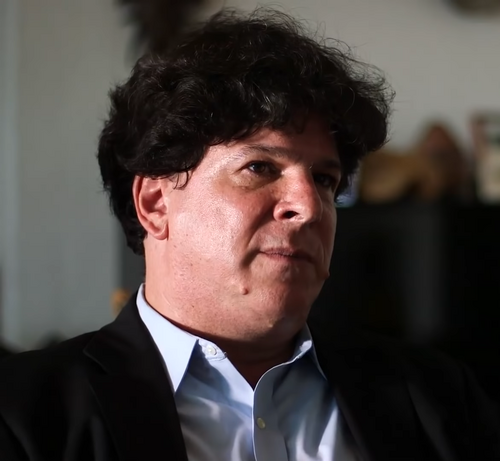 Eric Weinsteinrecommends 3 books here
 Howard Marksrecommends 2 books here
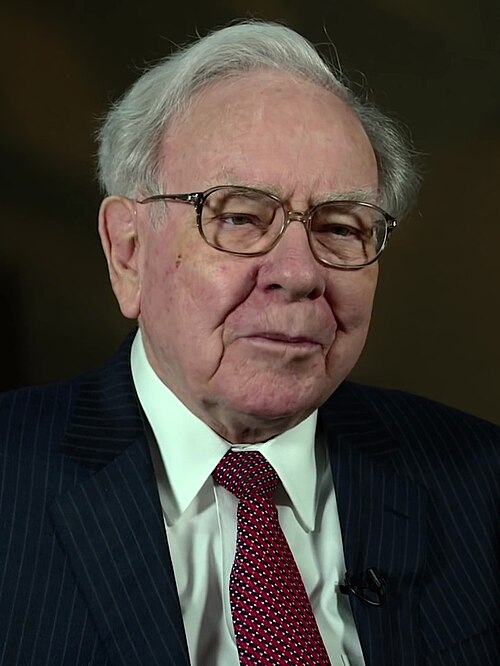 Warren Buffettrecommends 2 books here
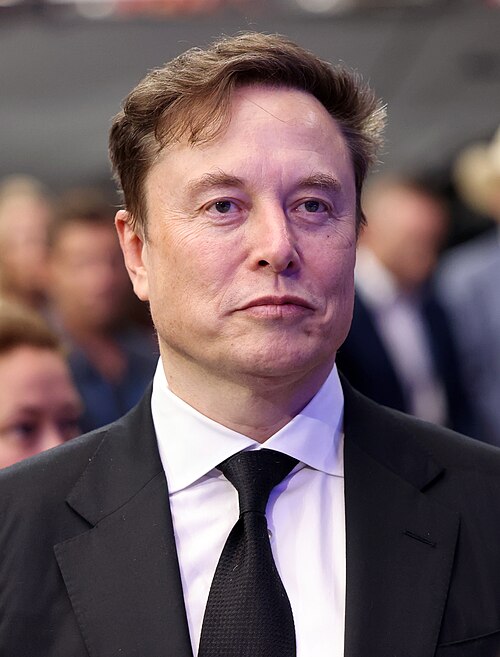 Elon Muskrecommends 2 books here
Show all 25
 Patrick Collisonrecommends 2 books here
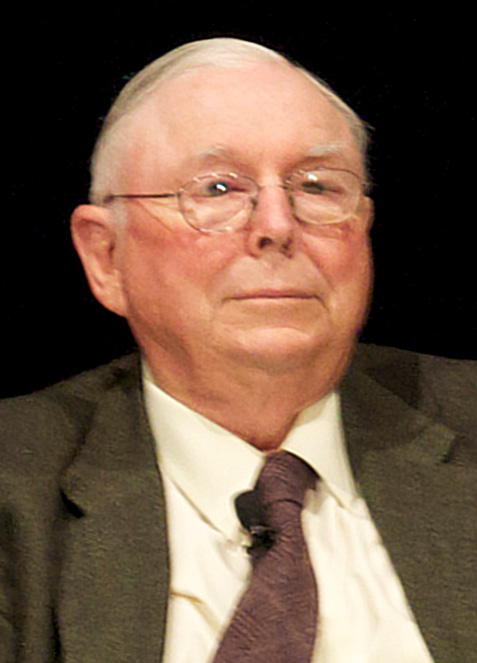 Charlie Mungerrecommends 1 book here
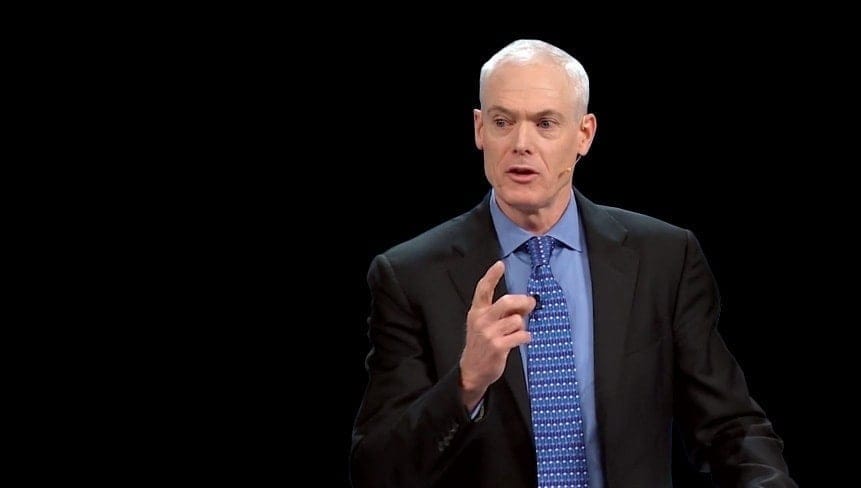 Jim Collinsrecommends 1 book here
 Peter Thielrecommends 1 book here
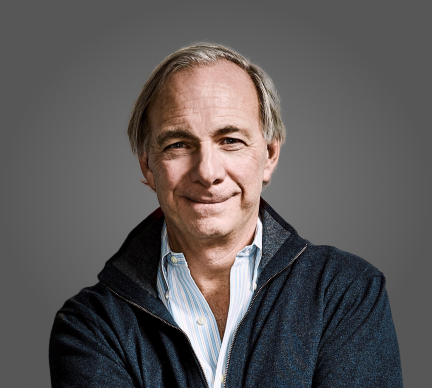 Ray Daliorecommends 1 book here
 Tyler Cowenrecommends 1 book here
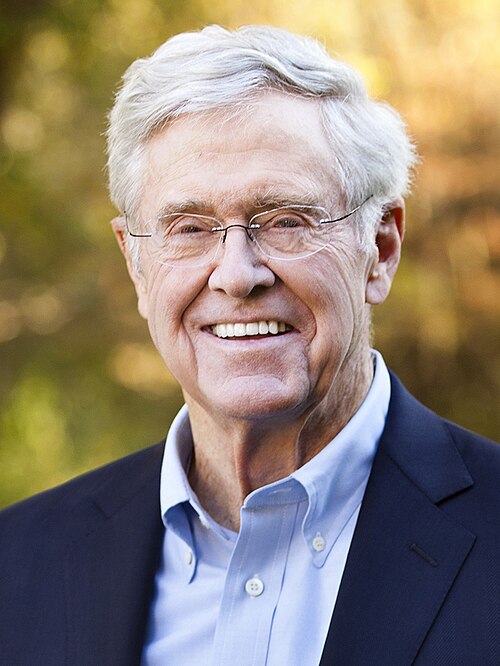 Charles Kochrecommends 1 book here
 Derek Siversrecommends 1 book here
 Naval Ravikantrecommends 1 book here
 Satya Nadellarecommends 1 book here
 Tim O’Reillyrecommends 1 book here