Sophie Bakalar
Joined Collaborative Fund in 2016, first backing consumer brands such as Daily Harvest and OLIPOP, and now leads its later-stage investments; earlier co-founded the chart-digitising start-up digit.
 Collaborative Fund
More 18
Why startups should build something new and own a small market before growing.
Also recommended by: Balaji S. Srinivasan, Chris Dixon and 37 others
Why well-run firms lose to cheaper, worse products that enter at the market's bottom.
Also recommended by: Bill Gurley, Drew Houston, Jim Collins and 28 others
Musk's life from South Africa and PayPal to running SpaceX and Tesla at once.
Also recommended by: Austen Allred, Brad Feld, David Perell and 11 others
Leonardo's life read through his notebooks, where art and science were one pursuit.
Also recommended by: Bill Gates, The Rational Walk, Austen Allred and 6 others
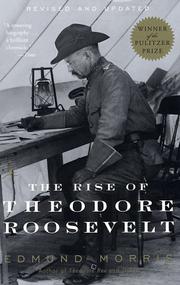
Theodore Roosevelt's life from his birth in 1858 to the presidency in 1901.
Also recommended by: Jim Collins, Mohnish Pabrai, Ryan Holiday and 1 other
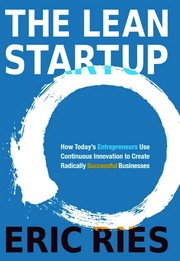
Build, measure, learn: test what customers want with small experiments.
Also recommended by: Ben Horowitz, Derek Sivers, Kathryn Minshew and 18 others
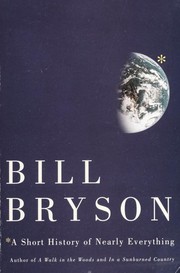
How scientists came to know what they know, from cosmology and geology to biology.
Also recommended by: Balaji S. Srinivasan, Derek Sivers and 5 others

Einstein's life and science, from the Bern patent office to relativity.
Also recommended by: Alfred Lin, Bill Gates, Charlie Munger and 6 others

How Google hired and managed smart creatives, people who can't be told what to do.
Also recommended by: Cynthia Johnson, Keith Rabois and 1 other
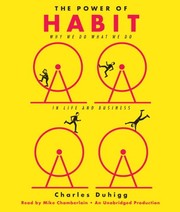
The habit loop of cue, routine and reward, and how to change a habit by its routine.
Also recommended by: Derek Sivers, Mohnish Pabrai, Nat Eliason and 6 others
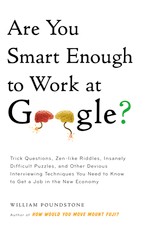
Tech firms' puzzle interview questions, and whether they pick good hires.
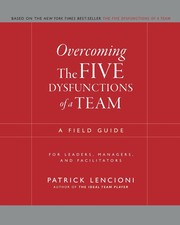
A fable of a failing executive team and a five-level model of what goes wrong.
Also recommended by: Alfred Lin, Chris Powers, Sarah Pritula
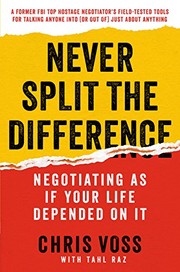
FBI hostage-negotiation tactics: labelling, mirroring and calibrated questions.
Also recommended by: Alfred Lin, Derek Sivers, Nat Eliason and 5 others

Marketing happens in the buyer's mind: find an open position there and own it.
Also recommended by: David Cancel, Patrick Collison, Aaron Levie and 3 others
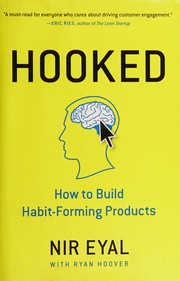
A four-step model for habit-forming products: trigger, action, reward, investment.
Also recommended by: David Cancel, Nat Eliason, Nir Eyal and 5 others
How to lead a company through layoffs, near-death crises and the decision to sell.
Also recommended by: Andrew Wilkinson, Balaji S. Srinivasan and 33 others
Computer science results such as optimal stopping, applied to everyday decisions.
Also recommended by: Alfred Lin, Anthony Pompliano, Steph Smith
A four-step method to cut work, automate income and take free time now.
Also recommended by: Andrew Wilkinson, Ev Williams and 19 others
How fast, automatic thought and slow, deliberate thought shape judgment and error.
Also recommended by: Andrew Wilkinson, Charles de Vaulx and 35 others
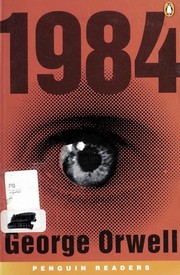
A novel of a clerk who rewrites history under a totalitarian state that watches all.
Also recommended by: David Perell, Richard Branson and 6 others

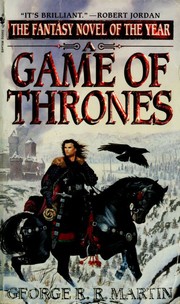
Houses Stark and Lannister fight for the Iron Throne of Westeros.
Also recommended by: Elon Musk

Short stories, among them the celebrated title story.
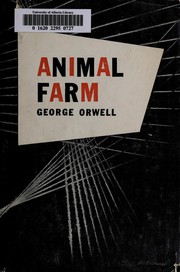
A satire in which animals stage a revolution that ends in power and corruption.
Also recommended by: David Perell, Howard Marks, Sahil Lavingia and 1 other

A satirical novel of the Second World War that moves from hilarity to horror.
Also recommended by: Jim Collins
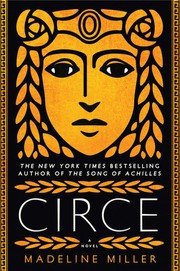
A novel retelling the life of Circe, the daughter of the sun god Helios.
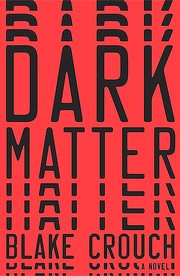
A science fiction thriller about a kidnapped physicist and the nature of reality.
Also recommended by: Brad Feld, Paul Jarvis, Ran Segall

A novel of a feudal space empire fighting over a desert planet and its spice.
Also recommended by: Patrick Collison, Stewart Brand, Andrew Chen and 7 others



An orphan's life from abuse and school to governess, and her love for her employer.
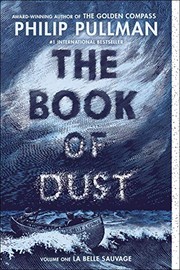
A boy at an inn near Oxford sets out to keep a baby named Lyra safe.

A ship's captain finds a derelict vessel and a secret that threatens war in space.

A novel of a planned Ohio suburb upset by the arrival of an artist and her daughter.
Also recommended by: Melinda Gates, Reese Witherspoon and 1 other
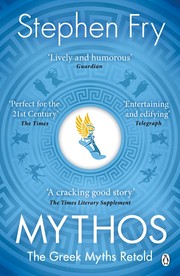
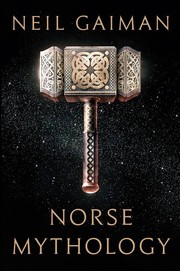
The Norse myths retold, with Odin and the other major gods of the northern pantheon.
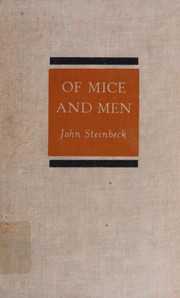
Two migrant ranch workers look for work in California in the Great Depression.
Also recommended by: Mohnish Pabrai

A British nurse in 1945 walks through a standing stone into the Scotland of 1743.
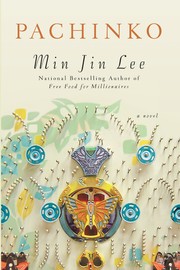
A Korean family that emigrates to Japan, across the twentieth century.
Also recommended by: Zoë Foster Blake

On a future Mars ruled by colour castes, a miner of the lowest caste rises.
Also recommended by: Packy McCormick

An anti-war novel: Billy Pilgrim moves through time around the bombing of Dresden.
Also recommended by: Alexis Ohanian, Joel Connolly and 1 other
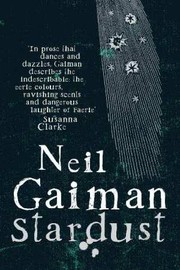
A fairy tale of a young man in love, from an English village beside a high wall.
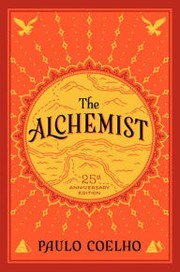
A shepherd boy follows a recurring dream from Andalusia to the pyramids of Egypt.
Also recommended by: Derek Sivers, Mohnish Pabrai, Nat Eliason and 9 others
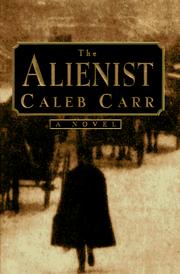
A psychologist and a reporter investigate a murder in New York in the 1890s.

A novel of a sixteen-year-old's days alone in New York after his school expels him.
Also recommended by: Mohnish Pabrai, Ryan Holiday, Bill Gates and 1 other

The poem's journey through Inferno, Purgatorio and Paradiso in one volume.
Also recommended by: Jim Collins

A grand house passed down through a newly rich businessman and his children.

The first novel of the Wheel of Time fantasy series.
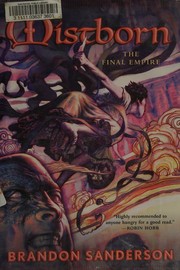
A fantasy of a thousand-year tyranny under the Lord Ruler and an enslaved people.
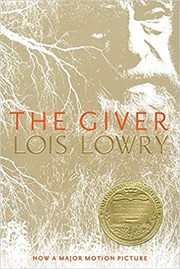
A boy in a seemingly perfect future world is chosen to hold its memories.
A novel of a rich man of unknown origin on Long Island and the woman he wants back.
Also recommended by: Jim Collins, Mohnish Pabrai and 4 others

A young woman finds an old book and letters in her father's library and follows them.

In the post-apocalyptic nation of Panem, sixteen-year-old Katniss fights to survive.
Also recommended by: Bill Gates
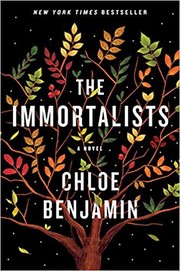
Four siblings told by a psychic the day each will die, and how they live after.

A Victorian comedy of characters who use false identities to escape social duties.
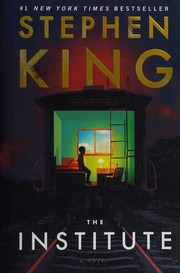
A boy is kidnapped and wakes in a secret facility that holds children with powers.

A novel of the quest to destroy a ring of power that corrupts all who use it.
Also recommended by: Jim Collins, Reid Hoffman, Alexey Moiseenkov and 5 others
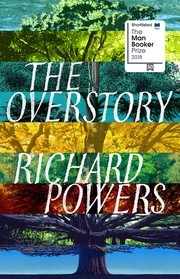
A novel of nine people whose lives are bound up with trees and their defence.
Also recommended by: Andrew Wilkinson, Bill Gates, Tim Ferriss and 1 other
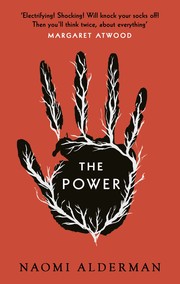
A novel in which teenage girls gain a physical power that overturns sex roles.
Also recommended by: Bill Gates, Melinda Gates

The legends of the earlier ages of Middle-earth, long before The Hobbit.

The siege of Troy told by Patroclus, the companion of Achilles.

As the walls between worlds dissolve, Lyra helps Will look for his father.
Also recommended by: Patrick Collison

A farce within a play: a fortune hunter marries and "tames" the town shrew.
Also recommended by: Zoë Foster Blake
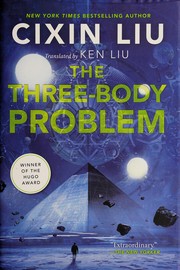
A novel in which a scientist answers an alien warning and invites first contact.

An illustrated guide to surviving hordes of the undead.

A novel of racial injustice and mob anger in a segregated Southern town.
Also recommended by: Jim Collins, Mohnish Pabrai, Shane Parrish
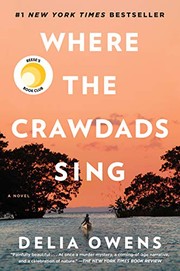
A man is found dead in a North Carolina town, and the Marsh Girl is suspected.
Also recommended by: Reese Witherspoon
The youth of Theodore Roosevelt and the family that shaped him.

Comic essays on a life from a Raleigh childhood to drink- and drug-filled college.

Theodore Roosevelt's presidency and the politics of his years in office.
Also recommended by: Mohnish Pabrai
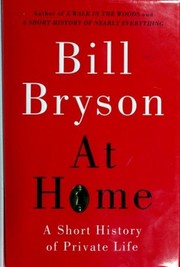
How commerce, architecture and technology shaped the modern home.
Also recommended by: Andrew Wilkinson, Mohnish Pabrai

A Hungarian prisoner's personal account of Auschwitz and of Josef Mengele.
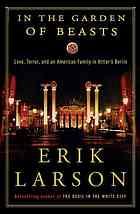
America's first ambassador to Hitler's Germany and his family in Berlin.

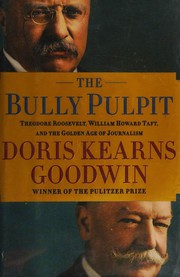
A study of presidents and politics in America's Progressive era.
Also recommended by: Bill Gates, Jim Collins, Mohnish Pabrai
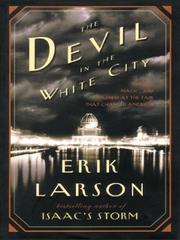
The 1893 Chicago World's Fair: its architect, and a serial killer working beside it.
Also recommended by: Jim Collins, Sahil Bloom
A step-by-step guide to finding customers, a market and product-market fit.
Also recommended by: Patrick Collison, Matej Latin

The mathematical and complexity foundations of cryptography.

The fight over infinitely small quantities that shook the old order in Europe.
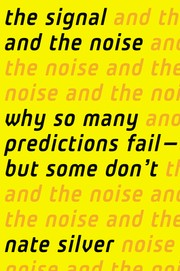
Why some forecasts succeed and most fail, from weather to earthquakes and economics.
Also recommended by: Bill Gates, Michael Mauboussin and 1 other
Dinosaurs for adults who loved them as children and want to know more.

The Royal Society scientists who pictured a universe that ran like a machine.

Descriptions and illustrations of more than 735 dinosaur species.
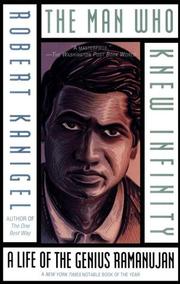
The life of Srinivasa Ramanujan, Indian mathematician, and his work with G. H. Hardy.
Also recommended by: Patrick Collison, Paul Graham
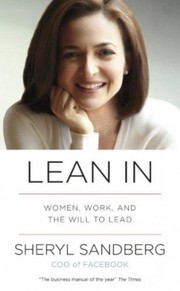
Why few women reach senior roles, and what women and firms can do about it.
Also recommended by: Mohnish Pabrai, Richard Branson and 2 others
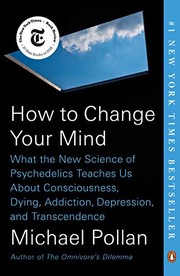
The history and revival of psychedelic research, and the author's own trips.
Also recommended by: Jim Collins, Vinod Khosla, Bill Gates and 7 others

A history of medical experiments on Black Americans, from slavery to today.

Investigations into Ebola and other African viruses, their strains and outbreaks.
Also recommended by: Safi Bahcall
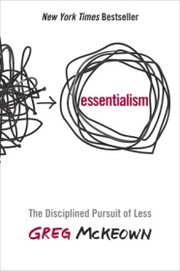
A method for finding the few activities that matter and dropping the rest.
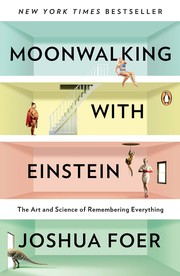
A journalist learns memory techniques and wins the US Memory Championship.
Also recommended by: Bill Gates, Derek Sivers, Mohnish Pabrai and 4 others
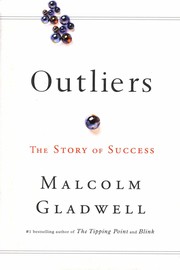
How timing, culture and accumulated advantage explain exceptional success.
Also recommended by: Derek Sivers, Howard Marks and 10 others
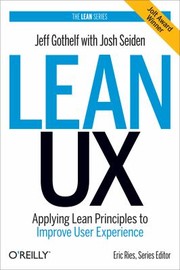
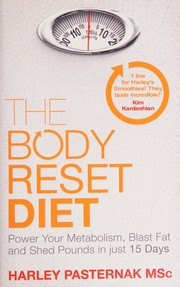
A three-phase plan to reset the body for weight loss and better health.
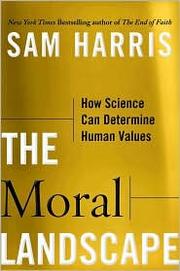
How science can determine human values and answer questions of morality.
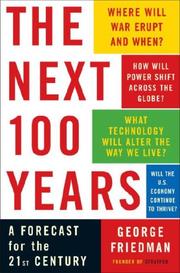
A forecast of the long-term geopolitical shifts of the coming century.

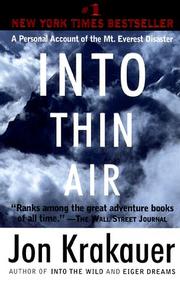
An eyewitness account of the deadliest season on Mount Everest.
Also recommended by: Jim Collins, Richard Branson

Numbered rules of English usage and composition, with examples, under 100 pages.
Also recommended by: Derek Sivers, Kara Swisher, Nat Eliason and 3 others
| What AI Personal Assistants Can't Do (Yet) | Sophie's Notes | Newsletter issue | 2026-09-01 |
| Cities of the Future | Sophie's Notes | Newsletter issue | 2026-06-02 |
| QR Codes Didn't Kill Waiters. And Neither Will AI. | Sophie's Notes | Newsletter issue | 2026-05-09 |
| What if Consumers Hate AI Content? | Sophie's Notes | Newsletter issue | 2026-04-01 |
| Robot Pets and Smarter Homes | Sophie's Notes | Newsletter issue | 2026-03-17 |
| Losing Your Mind Is Worse Than Falling Behind | Sophie's Notes | Newsletter issue | 2026-03-11 |
| Was DTC Just a Fad? | Sophie's Notes | Newsletter issue | 2026-03-04 |
| Tech vs. Taste | Sophie's Notes | Newsletter issue | 2026-03-02 |
| Science Fiction Isn’t Predictive, but It’s Important Anyway | Sophie's Notes | Newsletter issue | 2026-02-26 |
| Venture is More Important Than Ever | Sophie's Notes | Newsletter issue | 2026-02-25 |
| Where to Live: NY vs. SF | Sophie's Notes | Newsletter issue | 2026-02-23 |
| The Man in the Arena Isn’t a Hall Pass | Sophie's Notes | Newsletter issue | 2026-02-13 |
| AI Will Cure All Disease (But Your Life is Pretty Much the Same) | Sophie's Notes | Newsletter issue | 2026-02-09 |
| Obsolete Tech and Foursquare Nostalgia | Sophie's Notes | Newsletter issue | 2026-02-02 |
| Goodbye Clawdbot, Hello Moltbot | Sophie's Notes | Newsletter issue | 2026-01-28 |
| Faces and Heels | Sophie's Notes | Newsletter issue | 2026-01-27 |
| Disney x OpenAI (and the Future of Entertainment) | Sophie's Notes | Newsletter issue | 2025-12-16 |
| AI Wars: Google vs. OpenAI | Sophie's Notes | Newsletter issue | 2025-12-13 |
| Fear and Technology | Sophie's Notes | Newsletter issue | 2025-12-11 |
| The Money Tech I Actually Want | Sophie's Notes | Newsletter issue | 2025-12-10 |
| Always Be Closing (VCs) | Sophie's Notes | Newsletter issue | 2025-12-09 |
| Don't Become a Venture Capitalist (Yet) | Sophie's Notes | Newsletter issue | 2025-12-08 |
| From Private to Public and Back Again | Sophie's Notes | Newsletter issue | 2025-10-28 |
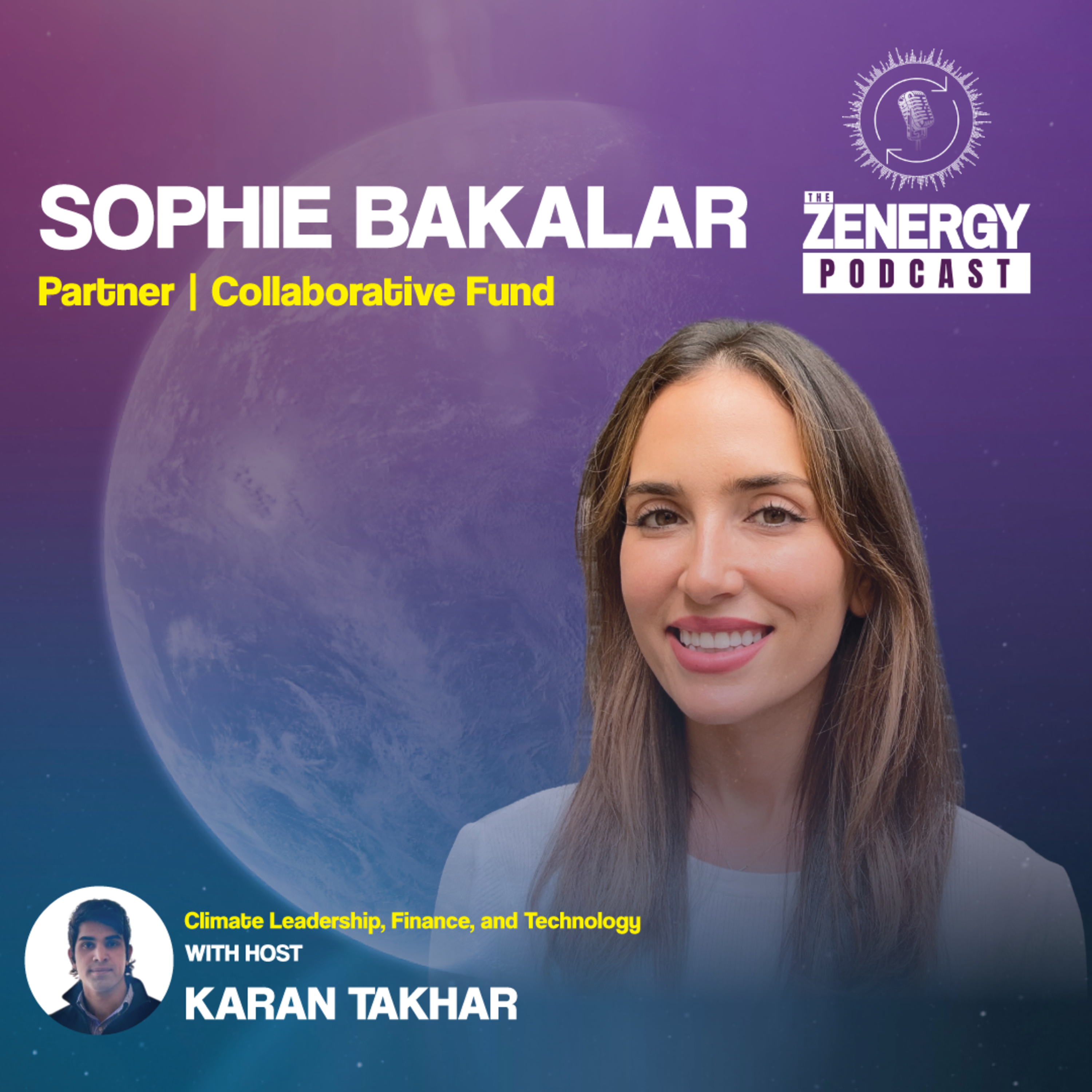
| Sophie Bakalar | Partner, Collaborative Fund | The ZENERGY Podcast: Energy Leadership, Finance, and Technology | 2025-08-14 | 38 min | Welcome to The Zenergy Podcast! Host Karan Takhar has the pleasure of speaking with Sophie Bakalar, Partner at Collaborative Fund, for a conversation about investing in companies that ‘do good’ and are ‘doing well economically.’ They discuss what drew her to the intersection of sustainability and venture capital, how she met her partner, Craig, and what consumer trends made an impression on them both. Sophie shares how Collaborative Fund chooses which companies to invest in, what she believes a successful pitch looks like, and how they use “The Villian Test” for analyzing investments. Sophie gives advice to entrepreneurs about navigating the uncertainty in the world today, and then gives advice to her younger self. Thanks so much for tuning in! Credits: Editing/Graphics: Desta Wondirad, Wondir Studios |
| Inside a VC’s Playbook for Capital-Intensive Startups | Fund/Build/Scale | 2025-03-28 | 49 min | Sophie Bakalar, partner at Collaborative Fund, joins Fund/Build/Scale for a candid conversation about early-stage investing in climate tech, consumer AI, and deep tech hardware. She shares how she evaluates “green” founders with limited experience, what kind of traction she looks for in pre-revenue companies, and why a passion for solving a real-world problem outweighs having a stacked resume. We also cover: Tactical funding strategies for capital-intensive startups The value of adaptable teams and fractional CFOs How to avoid overspending before product-market fit The mindset shifts needed before approaching VCs This episode is packed with advice for founders navigating long development timelines, technical risk, and early go-to-market strategy — especially if you’re looking to raise money while keeping burn low and momentum high. RUNTIME 48:59 EPISODE BREAKDOWN (2:24) “Like a lot of people in venture, I have sort of a windy path.” (6:47) Inside Collaborative Fund: “We all roll up our sleeves on everything here.” (7:55) Which industries and founder profiles Sophie is watching in 2025. (10:37) Where consumer AI hardware may be headed. (12:03) What her typical work week looks like. (15:05) In a people-driven industry, inexperienced founders need to de-risk themselves before doing investor outreach. |
| #38 - Sophie Bakalar: For-Profit & For-Good | Insightful Investor | 2024-09-17 | 46 min | Sophie is a partner at Collaborative Fund, a New York-based venture capital firm that invests in companies operating at the intersection of for-profit and for-good. She shares insights on the dual objectives of generating financial returns while making a positive impact, discusses their unique “villain test,” and explores the emerging opportunities in climate and sustainability investing. - This podcast/webcast is provided for informational purposes only and should not be considered legal, tax, investment, or business advice. It is not a solicitation, recommendation, or endorsement. All opinions expressed by participants are their own and do not necessarily reflect the views of the Evoke Advisors Division of MAI Capital Management, LLC ("Evoke”), its affiliates, or any companies mentioned. Information shared has not been independently verified by MAI or its affiliates. MAI Capital Management, LLC (“MAI”) is registered with the U.S. Securities and Exchange Commission ("SEC"), which does not imply any particular level of skill or training. Certain information contained herein has been obtained from third party sources and such information has not been independently verified. No representation, warranty, or undertaking, expressed or implied, is given to the accuracy or completeness of such information by any person. While such sources are believed to be reliable, Evoke does not assume any responsibility for the accuracy or completeness of such information. |
| #101: Sophie Bakalar Explores Collab Fund's Innovative Funds Driving Capitalism and Sustainability Together | Climate Mayhem - Presented By The Daily Marketer | 2023-06-20 | 36 min | Have you ever heard of The Villain Test ? We hadn't either until we met today's guest. Sophie Bakalar (@sophiebakalar) joins us today, a partner at Collaborative Fund , a venture capital firm that's been in climate tech for years and is tripling down on it today. Sophie helps us discover how The Villain Test challenges conventional thinking and is used to spark positive change. Collab Fund is invested in leading innovations that are bringing the future faster: AlgiKnit (seaweed yarn), Amogy (zero emission tractor), Brimstone (CO2 negative cement), and so many more. We dive deep into…Collaborative Fund's game-changing approach to rapid, catalytic funding through their Shared Future fund and Sophie shares her vision of a future where abundance thrives, leaving behind the notion of sacrifice. Check out https://climatemayhem.com/sophie-part-2 for show notes. Connect with Ty Wolfe-Jones and Jakub Kubicka With Ty Wolfe-Jones on LinkedIn With Ty Wolfe-Jones on Twitter With Jakub Kubicka on LinkedIn With Jakub Kubicka on Twitter Subscribe to Climate Mayhem On any podcast platform Read all show notes at climatemayhem.com Ask a question or suggest a topic on our What-The-Climate Listener Mail Form |
| #100: World-Changing Ventures: Sophie Bakalar on Collab Fund's Strategy for Earth-Friendly Profits | Climate Mayhem - Presented By The Daily Marketer | 2023-06-13 | 37 min | Have you ever heard of The Villain Test ? We hadn't either until we met today's guest. Sophie Bakalar (@sophiebakalar) joins us today, a partner at Collaborative Fund , a venture capital firm that's been in climate tech for years and is tripling down on it today. Sophie helps us discover how The Villain Test challenges conventional thinking and is used to spark positive change. Collab Fund is invested in leading innovations that are bringing the future faster: AlgiKnit (seaweed yarn), Amogy (zero emission tractor), Brimstone (CO2 negative cement), and so many more. We dive deep into…Collaborative Fund's game-changing approach to rapid, catalytic funding through their Shared Future fund and Sophie shares her vision of a future where abundance thrives, leaving behind the notion of sacrifice. Check out https://climatemayhem.com/sophie for show notes. Connect with Ty Wolfe-Jones and Jakub Kubicka With Ty Wolfe-Jones on LinkedIn With Ty Wolfe-Jones on Twitter With Jakub Kubicka on LinkedIn With Jakub Kubicka on Twitter Subscribe to Climate Mayhem On any podcast platform Read all show notes at climatemayhem.com Ask a question or suggest a topic on our What-The-Climate Listener Mail Form |
| #611: Sophie Bakalar | Lead The Change | 2023-05-05 | 27 min | Climate Advancing Solutions For Planetary Health: Sophie Bakalar, Partner at Collaborative Fund Sophie Bakalar is a Partner at Collaborative Fund , a leading New York based venture fund with over $1 billion in assets under management to invest at the intersection of for-profit and for-good. Sophie leads the firm’s climate investments, including a new dedicated $200M+ climate fund called Collab SOS, to fuel a more sustainable economy across materials,ingredients, energy, and supply chains. Key investments: AMP Robotics, Brimstone Energy,Commonwealth Fusion Systems, Dandelion Energy, Kula Bio, Lyft, Mango Materials, Natural Fiber Welding, Quaise, among others. Bard MBA’s Arielle Chaifetz speaks with Sophie for this episode of the Impact Report. ImpactReportPodcast.com |
| Ep.#75: Is green leather possible? Let's dive into it with Sophie Bakalar - Partner @ Collaborative Fund | The Tech 4 Climate Podcast | 2023-03-30 | 52 min | Alternative leathers can make a significant difference in tackling climate change. We take a deep dive with Sophie and learn about how the Collaborative Fund measures its impact. Ep.#75 Sophie Bakalar Partner @ Collab - Tech4Climate Podcast by Startup basecamp PART 1: Meet the investor In this newest episode of our investor series, we spoke with Sophie Bakalar, Partner at the Collaborative Fund, a network of fund managers investing across asset classes by identifying and supporting companies that live at the intersection of for-profit & for-good. Sophie’s journey as an investor emerged on the back of three different startups. It was after her second company was acquired, however, that she started to think about climate change during a year backpacking around the world. Over the course of her travels, she realized how far behind the US was in taking action against climate change and she decided to pivot toward a career with more impact. In this episode, we not only take a dive into the thesis behind Collaborative Fund, but do so by looking at alternative leathers. Why are alternative leathers so important to fighting climate change? What are the main solutions and the challenges they face? Are these solutions sustainable or susceptible to greenwashing? Join us for a deep dive into sustainable fashion and how to measure its impact. |
| Climate VC Investing: $200M Fund + 100 Early-Stage Bets per Year | Climate CEOs | 2022-11-03 | Discover how Collaborative Fund backs for-profit & for-good startups — from $200M growth bets to 100 micro-investments fueling the next wave of climate innovation. My guests in this episode are Sophie Bakalar and Tomás Álvarez Belón from Collaborative Fund . Collaborative Fund is a 10-year-old VC firm investing at the intersection of for-profit and for-good, with a long-time focus on climate. Today, they’re investing in Series A- and B-stage startups from their $200M Collab SOS Fund. Through their Shared Future initiative, they're also investing $100,000 into 100 startups per year that come through top-notch accelerator programs like YCombinator, Activate, and AirMiners. In this episode, we talked about the following: How they make investment decisions Lessons they’ve learned from past investment mistakes Tips for startup founders who are new at pitching to investors Two of their portfolio companies tackling cell cultured animal fat and smarter EV charging through software that recognizes the bottlenecks of the power grid The importance of distinguishing roles and responsibilities among founders Personal goals of ever greater simplicity in life Recommended sci-fi books to read The power of slow mornings And lots more Hope you enjoy! And give Sophie, Tomás, Collaborative Fund, and Shared Future a shout-out on LinkedIn or Twitter by sharing this podcast with your people. | |
| sophie bakalar & fable | Read Receipt | 2021-12-14 | 43 min | today on read receipt i’m talking with sophie bakalar from fable, the design-forward gear company that solves problems for you and your furry pals. along with her brother, jeremy, sophie leveraged her experience in consumer-brand investing to create an impactful pet brand. we explore how to identify evolving consumer trends, the timeline of product production, and why companies need to fix real life problems in order to get maximum word-of-mouth marketing. |
| Sophie Bakalar (fable & Collaborative Fund) - What is Market Expertise?, Conscious Consumerism, and How She Sensed An Opportunity | Consumer VC | 2020-02-06 | 39 min | Sophie Bakalar is the founder of Fable, an e-commerce pet store help pets (and their humans) lead healthier, happier lives through better design. She is also a Venture Partner at Collaborative fund, a seed stage fund that focuses on the growth of the creative class and the concept of collaborative consumption. Some of their investments include Reddit, Impossible Foods, Tala, Lyft, and Kickstarter. Previously, Sophie a credit trader in a hedge fund and started a B2B and founded digit charts, a company specializing in image processing software for charts, which was acquired in 2016. You can follow Sophie @sophiebakalar. If you’d like to follow along behind the scenes of the show, you can follow me @mikegelb and @consumervc. A book that impacted her personally is The Overstory by Richard Powers. A book that impacted her professionally is Mornings on Horseback by David McCullough What attracted her to startups and venture capital? What were some of her learnings as the founder of di8it chart that transferred and influenced on the other side of the table as a venture capitalist? What attracted her to Collaborative fund and early stage investing? What excites her about consumer investing? What Consumer insights is she most focused on? How does she think about the future of retail? When she was full time at Collaborative fund, what are some qualities that she liked to see from founders? What are consumer trends that she focused on in today’s landscape? |
| 611: Investing in Climate Change Solutions with Collaborative Fund | Bard Graduate Programs in Sustainability |
 TSophie Bakalar | Partner, Collaborative FundThe ZENERGY Podcast: Energy Leadership, Finance, and Technology · 2025-08-14
 FInside a VC’s Playbook for Capital-Intensive StartupsFund/Build/Scale · 2025-03-28
 I#38 - Sophie Bakalar: For-Profit & For-GoodInsightful Investor · 2024-09-17
 C#101: Sophie Bakalar Explores Collab Fund's Innovative Funds Driving Capitalism and Sustainability TogetherClimate Mayhem - Presented By The Daily Marketer · 2023-06-20
 C#100: World-Changing Ventures: Sophie Bakalar on Collab Fund's Strategy for Earth-Friendly ProfitsClimate Mayhem - Presented By The Daily Marketer · 2023-06-13
 L#611: Sophie BakalarLead The Change · 2023-05-05
 TEp.#75: Is green leather possible? Let's dive into it with Sophie Bakalar - Partner @ Collaborative FundThe Tech 4 Climate Podcast · 2023-03-30
 CClimate VC Investing: $200M Fund + 100 Early-Stage Bets per YearClimate CEOs · 2022-11-03
 Rsophie bakalar & fableRead Receipt · 2021-12-14
 CSophie Bakalar (fable & Collaborative Fund) - What is Market Expertise?, Conscious Consumerism, and How She Sensed An OpportunityConsumer VC · 2020-02-06
 B611: Investing in Climate Change Solutions with Collaborative FundBard Graduate Programs in Sustainability