Startups, product and software teams
Methods for building startups, small businesses and software products, from customer discovery to scaling.
Start here
- The Phoenix ProjectGene Kim, Kevin Behr, George Spafford, 2013
- BuildTony Fadell
- Continuous Discovery HabitsTeresa Torres
- Empowered: Ordinary People, Extraordinary ProductsMarty Cagan, Chris Jones
- Escaping the Build TrapMelissa Perri
A novel in which an IT manager rescues a failing project using lessons from The Goal.
Career and product advice from the leader of the iPod team and founder of Nest.
How product teams build a weekly habit of customer interviews and assumption tests.
How leaders turn feature teams into empowered product teams.
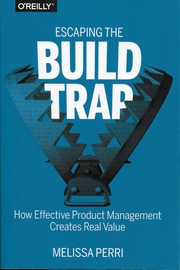
Why firms that count features shipped fail, and how product teams aim at outcomes.
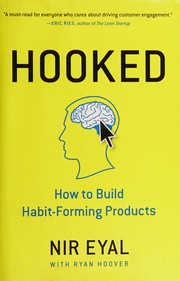
A four-step model for habit-forming products: trigger, action, reward, investment.
Recommended by: David Cancel, Nat Eliason, Nir Eyal and 6 others
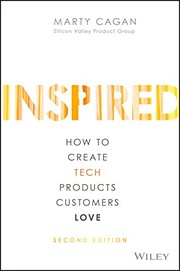
How to discover products that are valuable, usable and feasible before building.
Recommended by: Anna Cheng, Marty Cagan
How to choose a startup's metrics by its business model and its stage.
Recommended by: Marty Cagan, Michael Batko, Sean Ellis
Basecamp's method: fixed time, variable scope, and work shaped before building.
Recommended by: George Hatzis, Jason Fried, Jenny Chu
A five-day process for answering a business question by prototyping and testing.
Recommended by: Andy Budd, Jessica Hische, Marty Cagan and 1 other
How to lead a company through layoffs, near-death crises and the decision to sell.
“…books I've recommended, highlighted to death, or forced on friends.” — Andrew Wilkinson
Source: Andrew Wilkinson's Bookshelf, neverenough.com
Recommended by: Andrew Wilkinson, Balaji S. Srinivasan and 34 others
A practical guide to applying lean methods to build products customers want.
Recommended by: Nir Eyal
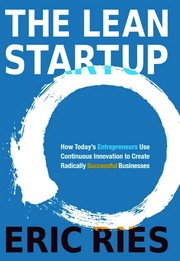
Build, measure, learn: test what customers want with small experiments.
“There's a bunch of - I think if it's a little company, Eric Ries's book is great, The Lean Startup.” — Ben Horowitz
Recommended by: Ben Horowitz, Derek Sivers, Kathryn Minshew and 19 others
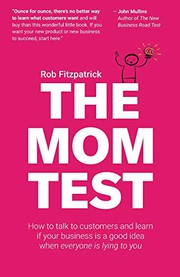
How founders can ask customers questions that get true answers, not polite praise.
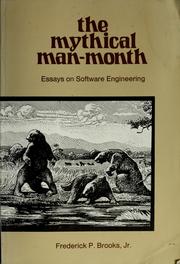
Lessons from IBM's OS/360: why adding people to a late software project slows it.
“Arguably the only classic book in our field. If you haven't read it, shame on you.” — Jeff Atwood
Source: Recommended Reading for Developers — Coding Horror
Recommended by: Jeff Atwood, Mohnish Pabrai, Paul Graham and 4 others
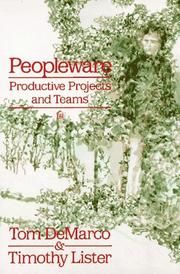
Managing people, teams and projects for an effective organisation.
“If you've ever seen the performance of an all-star sports team suffer due to poor coaching, you'll appreciate this book. It doesn't matter how many "coding superstars" you've got when none of them can talk to each other, or agree on anything. No developer, however talented, can work effectively when constantly being barraged with minor interruptions.” — Jeff Atwood
Source: Recommended Reading for Developers — Coding Horror
Recommended by: Jeff Atwood, Drew Houston, Marc Andreessen
Recommended by: Mohnish Pabrai
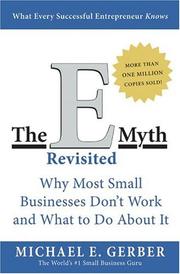
Small firms fail when technicians run them; build systems that run the business.
“Absolutely everyone who is an entrepreneur or wants to be one needs to read this book. I first read it after 10 years of successfully running my company, and was still blown away and totally humbled by its wisdom. Re-reading it today, I'm amazed how my view of business was completely changed by this one little book.” — Derek Sivers
Source: Book notes by Derek Sivers
Recommended by: Derek Sivers, Tim Ferriss, Tom Bilyeu and 6 others
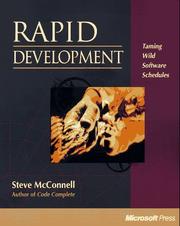
How to plan and run software development to keep schedules under control.
Recommended by: Mohnish Pabrai
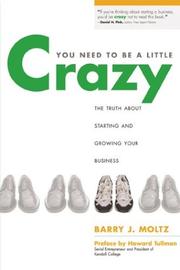
An entrepreneur's successes and failures, with advice on starting a business.
“I read You Need to Be a Little Crazy : The Truth about Starting and Growing Your Business over the holiday break. Barry Moltz’s marketing and PR Director Sarah Moore sent me Barry’s book after sending me an email suggesting my blog fit with Barry’s writing. While I probably have read my lifetime supply of “entrepreneur / startup books” I decided I’d give this a try since (a) Sarah asked nicely and (b) I once had the domain “entrepreneursarecrazy.com” (with some weird idea of writing something …” — Brad Feld
Source: Book Review: You Need To Be A Little Crazy — Feld Thoughts
Recommended by: Brad Feld, Mohnish Pabrai
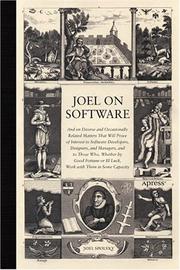
Essays on software development from a popular programming blog.
Recommended by: Ev Williams
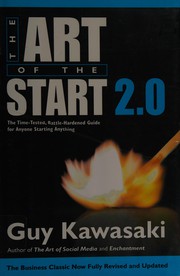
Practical instructions for starting a company or another organisation.
Recommended by: Mohnish Pabrai, Ev Williams, Keith Rabois and 1 other
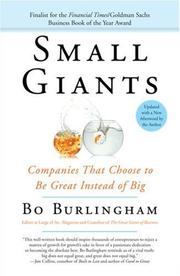
Fourteen companies, such as Anchor Brewing and Zingerman's, that chose to stay small.
Recommended by: Mohnish Pabrai, Noah Kagan, Tom Peters and 1 other
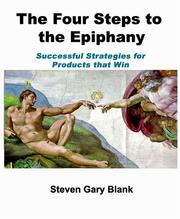
Customer development: how startups find customers before building the full product.
“Buy it, read it, keep it under your pillow and absorb it via osmosis.” — Marc Andreessen
Source: Book of the week: Best book for tech entrepreneurs this year, blog.pmarca.com
Recommended by: Andrew Chen, Marc Andreessen, Brad Feld and 2 others
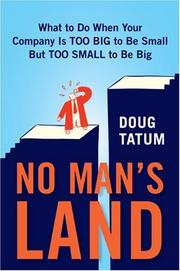
How to manage and plan the growth of a small business.
Recommended by: Sophia Amoruso
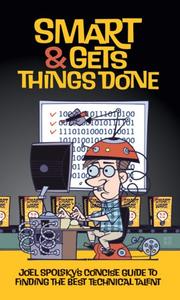
How to find, interview and hire good software programmers.
Recommended by: Ev Williams
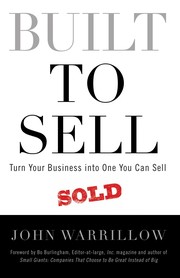
How to build a business that runs without its owner, so that it can be sold.
Recommended by: Mohnish Pabrai, Nat Eliason, Nick Huber
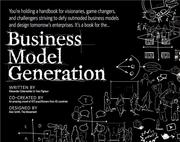
The Business Model Canvas: nine blocks for how a firm creates and captures value.
Recommended by: Nir Eyal
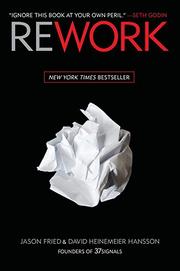
Contrarian rules for running a small, profitable company without venture capital.
“Jason Fried has written Rework with David Heinemeier Hansson, his co-founder at 37signals. The back of the book states, in part, that "planning is guessing," and "inspiration is perishable.” — Tom Peters
Source: Link Roundup #14
Recommended by: Andrew Wilkinson, Tom Peters, Jason Fried and 6 others
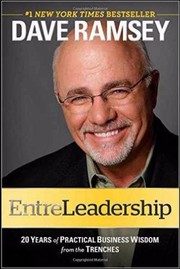
A step-by-step playbook for growing a small business, from Ramsey's own company.
“If you want to learn how to work on your business, not in it, read this.” — David Cancel
Source: The Books Every Startup CEO Should Read — David Cancel, Medium
Recommended by: David Cancel, Nick Huber
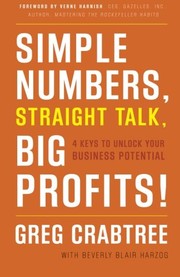
A few financial rules for owner-run businesses, starting with labour efficiency.
Recommended by: Nat Eliason
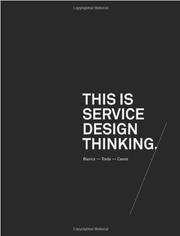
An introduction to service design and its methods for creative customer service.
Recommended by: Andy Budd
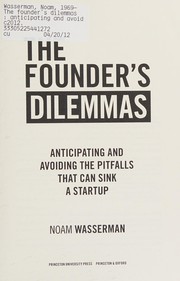
Data on 10,000 founders: co-founders, hiring, investors, control and succession.
“The Founder’s Dilemmas by Noam Wasserman is another book that belongs on every entrepreneur’s bookshelf. It’s excellent.” — Brad Feld
Source: Book: The Founder's Dilemmas — Feld Thoughts
Recommended by: Brad Feld, Patrick Collison, Leo Polovets
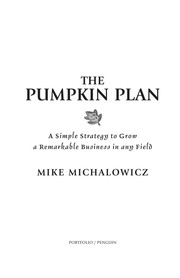
How a farmer's method for growing giant pumpkins applies to growing a business.
Recommended by: Guy Kawasaki
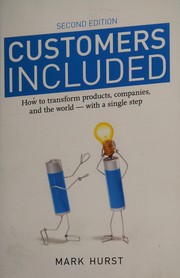
Why including customers is essential to success, with cases from Apple to Netflix.
Recommended by: Albert Wenger
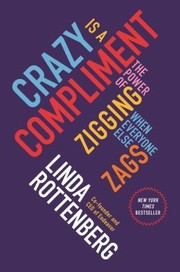
How to take smart risks and act like an entrepreneur, from facing fear to critics.
“If I’m describing you when you see the phrase “first time or aspiring entrepreneur”, grab Crazy is a Compliment and pre-order Startup Opportunities.” — Brad Feld
Source: Book: Crazy is a Compliment — Feld Thoughts
Recommended by: Brad Feld, Mohnish Pabrai
Lessons in enduring leadership from figures such as Henry Ford and Coco Chanel.
Recommended by: Richard Branson
The five business principles behind Mark Zuckerberg's success with Facebook.
Recommended by: Gary Vaynerchuk
How leaders turn a founder-driven startup into a company that lasts.
Recommended by: Reed Hastings
How established companies can bring startup methods into their culture.
Recommended by: Aaron Levie, Paul Graham
What big businesses did right, as lessons for owners of small ones.
Recommended by: Ran Segall
When and how to put speed before efficiency to capture a market before rivals.
“A great book on blitzscaling: An insightful book on how to scale at a very fast pace and more importantly WHEN.” — Vinod Khosla
Source: 2019 Book Recommendations — Vinod Khosla, Medium
Recommended by: Vinod Khosla, Anthony Pompliano, Bill Gates and 7 others
Nearly eighty letters of advice for founders on building a company.
Recommended by: Meg Whitman
How to run a company as it grows from ten employees to several thousand.
Recommended by: Balaji S. Srinivasan, Matt Mullenweg and 10 others
How to navigate the volatile middle stretch of new ventures and creative projects.
“Many of you are either in the messy middle or aspire to be (whether you realize it or not.) And, if you don’t aspire to be in the messy middle, but hope to one day be a large company, you may as well deal with the reality that you’ll enjoy time in the messy middle.” — Brad Feld
Source: Book: The Messy Middle — Feld Thoughts
Recommended by: Brad Feld, Jackie Vullinghs
Why a business can stay small on purpose instead of chasing growth.
Recommended by: Eric Jorgenson, Cal Newport, David Hellmann and 3 others
An operating manual for founders scaling from a few people to a few hundred.
Recommended by: Nat Eliason, Alexis Ohanian, Ali Abdaal and 4 others
An expanded edition of a guide for entrepreneurs, with material from later research.
183 tips for small business owners, from hiring to finance, PR and sales.
Recommended by: Simon Sinek
An operating framework for growing firms: priorities, data and meeting rhythm.
Recommended by: Julie Stevanja
Why consultants should charge for the value they create rather than their time.
“My college girlfriend's rich dad gave me this because I wanted to get rich too. He said read it and you'll be rich. Good advice.” — Noah Kagan
Source: The 25 Best Business Books I Ever Read (Out of 697)
Recommended by: Nat Eliason, Noah Kagan
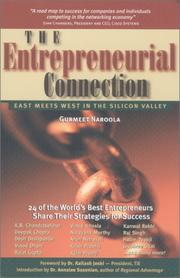
A step-by-step guide to finding customers, a market and product-market fit.
Recommended by: Patrick Collison, Matej Latin and 1 other
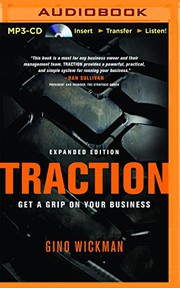
A system for running and planning a growing entrepreneurial business.
Recommended by: Nat Eliason
How digital products from Google, Amazon and others take over daily life.
Recommended by: David Hellmann
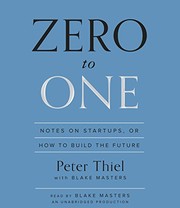
Why startups should build something new and own a small market before growing.
“Inspired by modern tech classics like Zero to One and The Hard Thing About Hard Things, I wrote the book to be succinct, thorough, and accessible.” — Chris Dixon
Source: I wrote a book: Read Write Own — cdixon
Recommended by: Balaji S. Srinivasan, Chris Dixon and 38 others
 Jim Collinswrote 2 books here
 Marty Caganwrote 2 books here
 Ben Horowitzwrote 1 book here
 Peter Thielwrote 1 book here
 Reid Hoffmanwrote 1 book here
 David Heinemeier Hanssonwrote 1 book here
 Guy Kawasakiwrote 1 book here
 Jake Knappwrote 1 book here
 Nir Eyalwrote 1 book here
 Paul Jarviswrote 1 book here
 Scott Belskywrote 1 book here
 Mohnish Pabrairecommends 10 books here
 Brad Feldrecommends 9 books here
 Nat Eliasonrecommends 9 books here
 Marc Andreessenrecommends 6 books here
 Andrew Chenrecommends 5 books hereNir Eyalrecommends 5 books hereReid Hoffmanrecommends 4 books here
 Balaji S. Srinivasanrecommends 4 books here
 Chris Dixonrecommends 4 books here
 David Cancelrecommends 4 books hereMarty Caganrecommends 4 books here
Show all 112
 Matt Mullenwegrecommends 4 books here
 Nick Huberrecommends 4 books hereBen Horowitzrecommends 3 books here
 Paul Grahamrecommends 3 books here
 Alexis Ohanianrecommends 3 books here
 David Hellmannrecommends 3 books here
 Derek Siversrecommends 3 books here
 Ev Williamsrecommends 3 books here
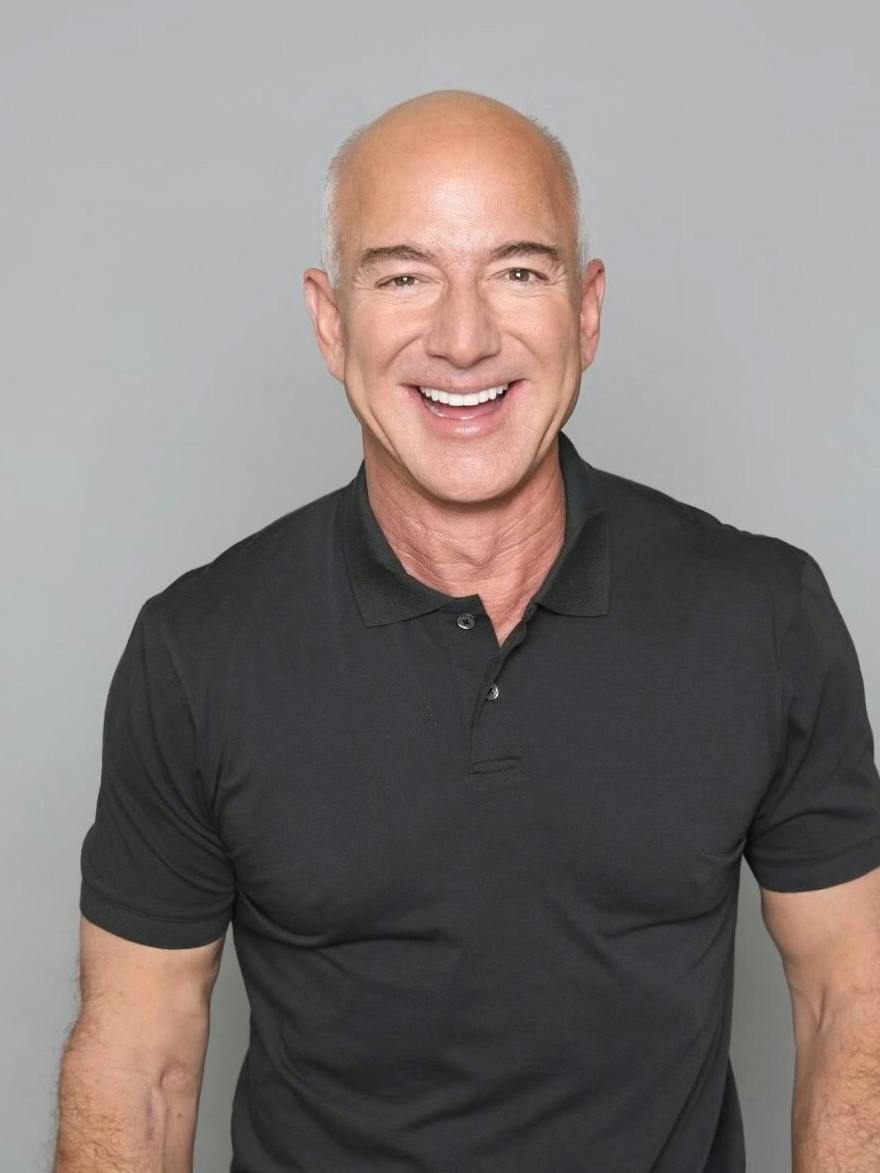 Jeff Bezosrecommends 3 books here
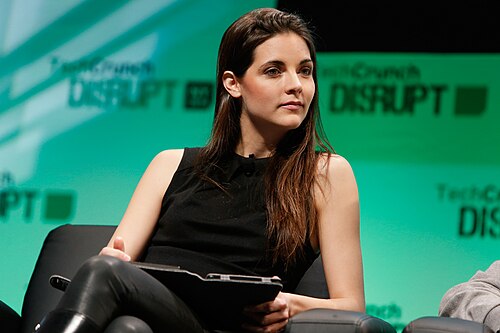 Kathryn Minshewrecommends 3 books here
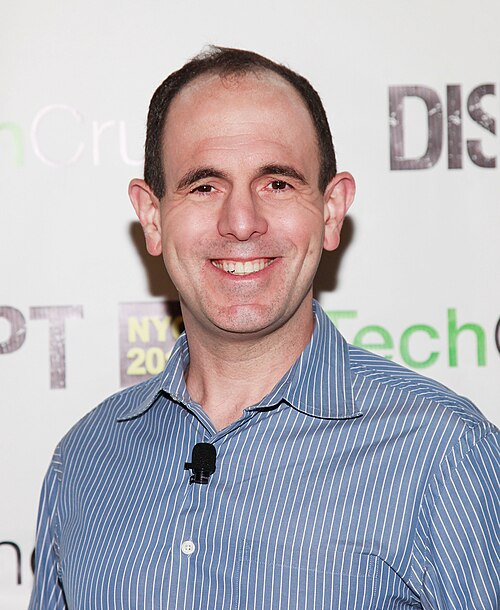 Keith Raboisrecommends 3 books here
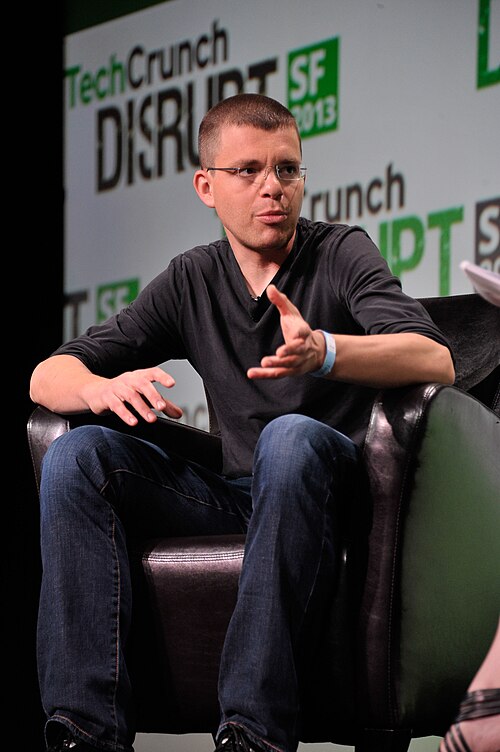 Max Levchinrecommends 3 books here
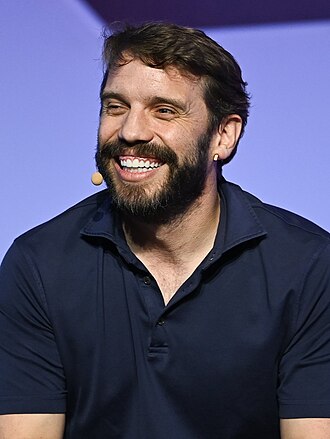 Ryan Petersenrecommends 3 books here
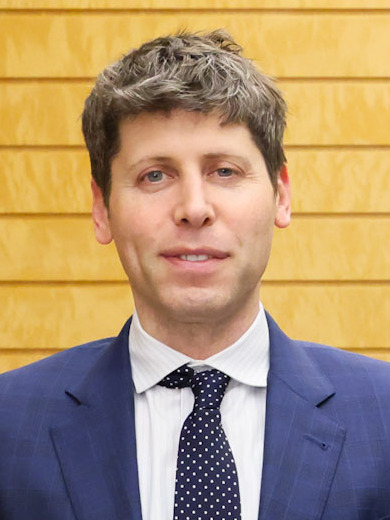 Sam Altmanrecommends 3 books here
 Howard Marksrecommends 2 books herePeter Thielrecommends 2 books here
 Simon Sinekrecommends 2 books here
 Aaron Levierecommends 2 books here
 Alfred Linrecommends 2 books here
 Brett Adcockrecommends 2 books here
 Codie Sanchezrecommends 2 books here
 Drew Houstonrecommends 2 books here
 Dustin Moskovitzrecommends 2 books here
 George Hatzisrecommends 2 books here
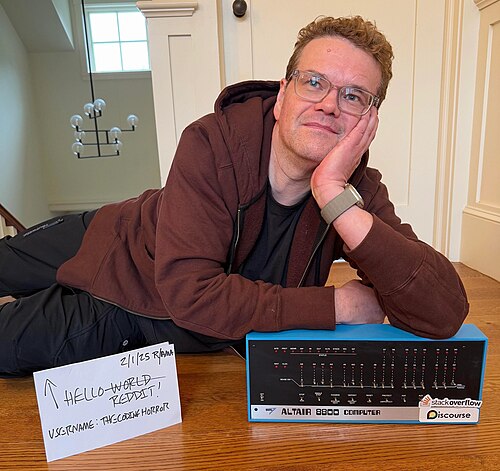 Jeff Atwoodrecommends 2 books here
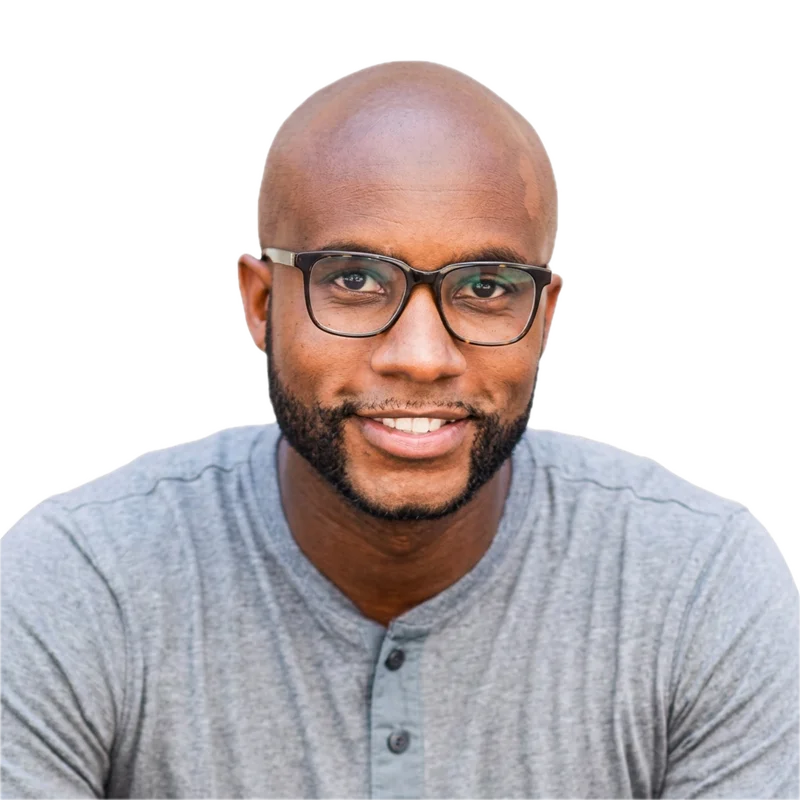 John D Saundersrecommends 2 books here
 Leo Polovetsrecommends 2 books here
 Luis von Ahnrecommends 2 books here
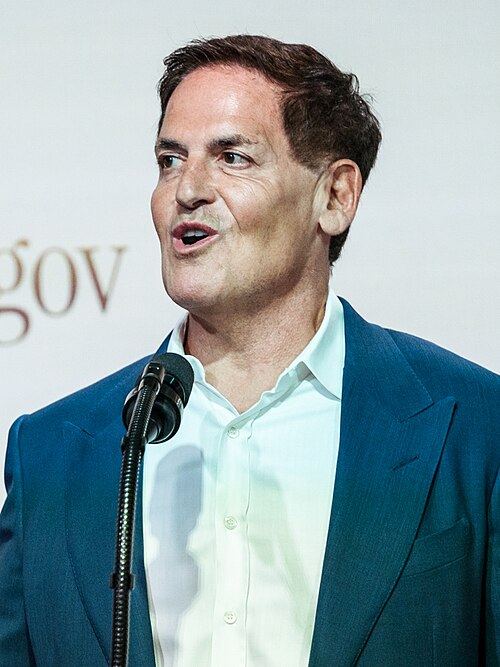 Mark Cubanrecommends 2 books here
 Matej Latinrecommends 2 books here
 Noah Kaganrecommends 2 books here
 Patrick Collisonrecommends 2 books here
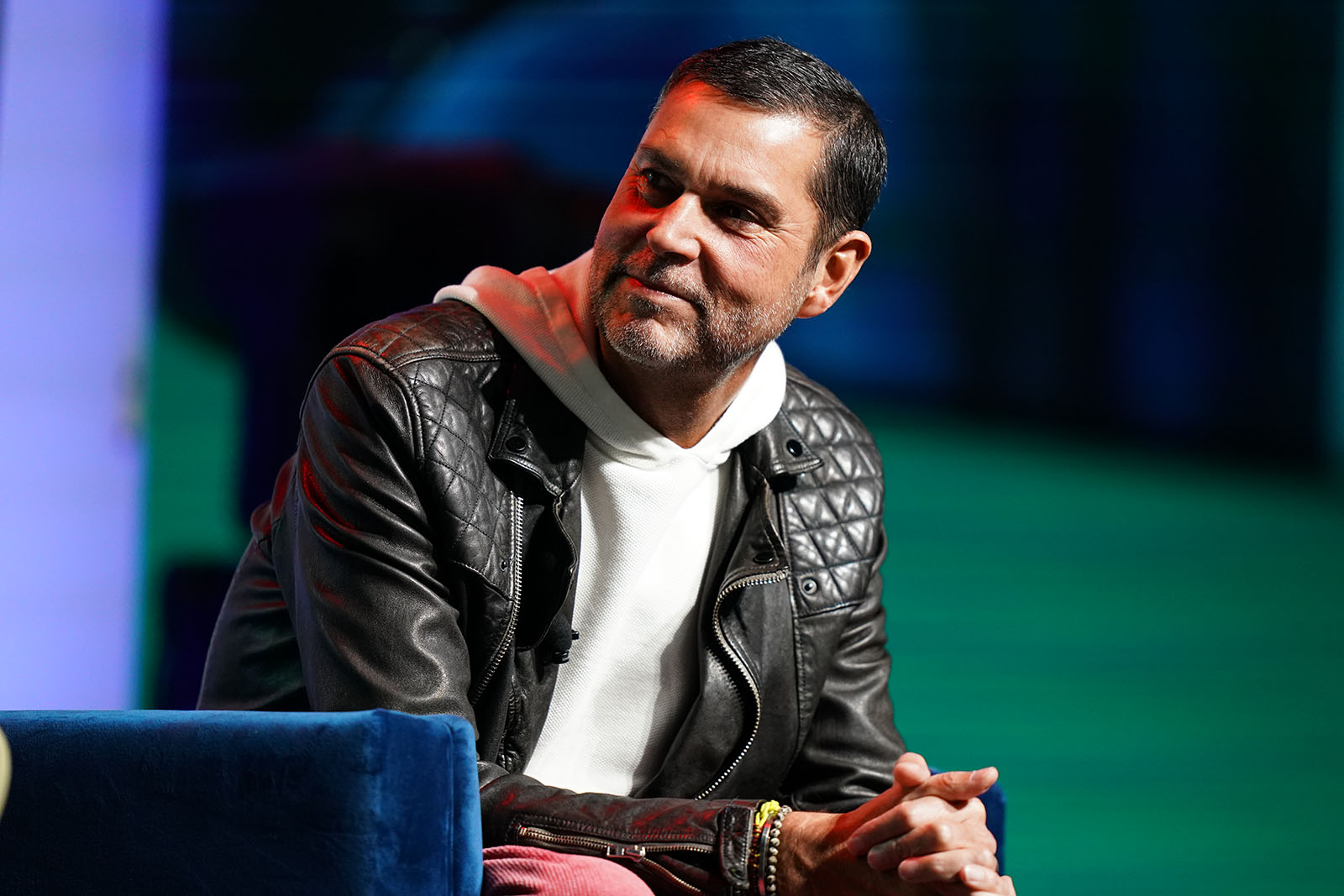 Raoul Palrecommends 2 books here
 Satya Nadellarecommends 2 books here
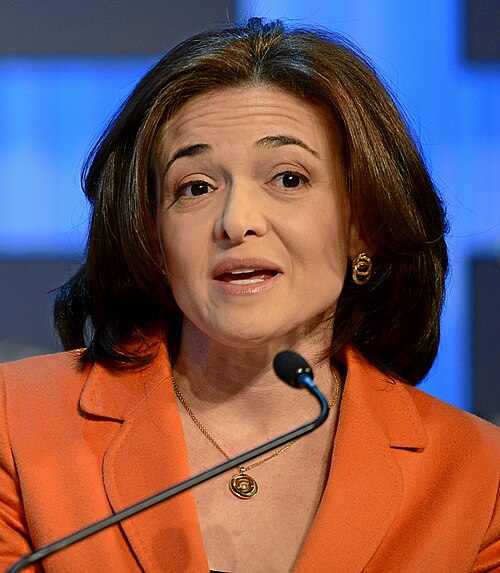 Sheryl Sandbergrecommends 2 books here
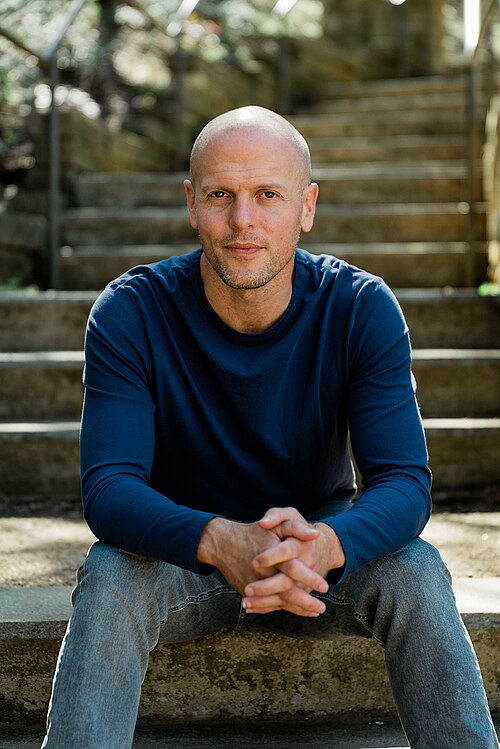 Tim Ferrissrecommends 2 books here
 Tom Bilyeurecommends 2 books here
 Nassim Nicholas Talebrecommends 1 book here
 Eric Schmidtrecommends 1 book here
 Marc Benioffrecommends 1 book hereGuy Kawasakirecommends 1 book here
 Albert Wengerrecommends 1 book here
 Ana Fabregarecommends 1 book here
 Anthony Pomplianorecommends 1 book here
 Bill Gatesrecommends 1 book here
 Biz Stonerecommends 1 book here
 Brian Armstrongrecommends 1 book here
 Brian Cheskyrecommends 1 book here
 Cal Newportrecommends 1 book here
 Casey Neistatrecommends 1 book here
 Changpeng Zhaorecommends 1 book here
 Elon Muskrecommends 1 book here
 Eric Weinsteinrecommends 1 book here
 Gary Vaynerchukrecommends 1 book here
 Jackie Vullinghsrecommends 1 book here
 James Altucherrecommends 1 book here
 Jason Calacanisrecommends 1 book here
 Jensen Huangrecommends 1 book here
 Jessica Hischerecommends 1 book here
 Joel Connollyrecommends 1 book here
 John Maedarecommends 1 book here
 Julie Zhuorecommends 1 book here
 Kevin Systromrecommends 1 book here
 Meg Whitmanrecommends 1 book here
 Michael Batkorecommends 1 book here
 Mike Maples, Jr.recommends 1 book here
 Nate O'Brienrecommends 1 book here
 Nick Molnarrecommends 1 book here
 Niki Scevakrecommends 1 book here
 Peter Attiarecommends 1 book here
 Ran Segallrecommends 1 book here
 Reed Hastingsrecommends 1 book here
 Richard Bransonrecommends 1 book here
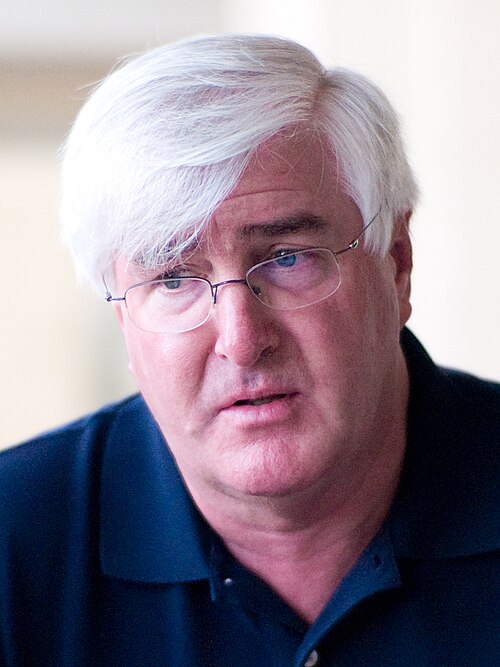 Ron Conwayrecommends 1 book here
 Sophia Amorusorecommends 1 book here
 Tobi Lütkerecommends 1 book here
 Tony Hsiehrecommends 1 book here
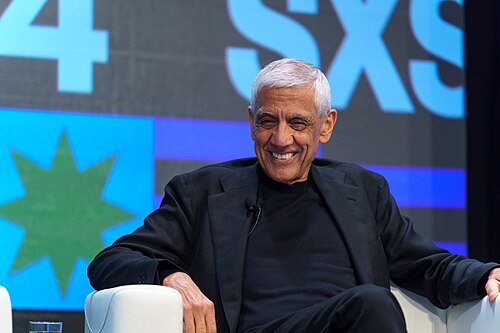 Vinod Khoslarecommends 1 book here
 Zack Oniskorecommends 1 book here