Updates

  1. 137 new fund letters and reports, each with its own page: Kayne Anderson Rudnick (48 market briefings, KayneCast episodes and TV commentaries), Shelton Capital Management (48 shareholder reports and a commentary), Lakehouse Capital (10 Small Companies Fund letters), Smead (5 newsletters), RIT Capital Partners (5 monthly commentaries), Kovitz, Legal & General, Generation, Hosking, Marram, Munro, Oldfield and others.
  2. 200 new fund letters and reports, each with its own page: Spheria (41 monthly reports), Peapack Private (41 weekly recaps and planning newsletters), Fort Washington (23), Polen Capital (15), Aristotle Pacific (14), Riverwater (13), Chou (10), Apollo Asia Fund (8, back to 1998), Personal Asset Trust, Rockwood Strategic, J Capital Research, I/O Fund, Penn Davis McFarland, Pomona and others.
  3. Investor pages have one Investments tab with shares, changes, % owned, class, market cap and Market cap and Status filters, a Funds tab listing each fund the firm runs, and assets under management from Form ADV. The Investors table shows AUM and current investments, and its search finds investors by what they hold.
  4. Filters, search and sort stay as you left them when you come back to a section. Person cards look like book cards. Company pages name their Investors tab Ownership. Kind and Sector filters use four kinds and GICS sectors with industries. Dead links left the Links tabs.
  5. 190 more investors from fiscal.ai's list, with their sites, letters, partners and 13F holdings; 556 more partner descriptions. Experts now lists only people.
  6. Fund letters lists 144 new documents from 23 firms, each with its own page: a summary, key insights and quotes. Among them: 37 BlackRock articles, 21 Value Partners monthly notes, eight Baron Capital letters, six Stone Sentinel letters to partners, seven Value Line portfolio manager Q&As, BNY's 2026 earnings releases and Starboard Value's 2026 conference presentations.
  7. 584 more investors, with their websites, 6,776 letters from their own sites, 1,385 partners with pages and the 13F holdings of 213 firms. New letters arrive daily from 290 more archives.
  8. Media and Companies filter by GICS sector and industry group, taken from the companies an episode or page names. 1,860 more company pages show a logo, the SEC's list included.
  9. The home page counts what the platform holds and lists features such as the document reader, the player and saved marks. Settings sits at the foot of the rail. Book cards are a quarter wider, so rows hold fewer. Companies drops the Named in filter, and the Role list in your account runs A to Z.
  10. Investor pages of 13 firms show their newsroom's latest posts. New 13F filings are read as the SEC publishes them.
  11. Investor pages have an Investments tab: 13,975 holdings for 105 investors, from their 13F filings with the SEC and their own portfolio pages, with status and sector. 7,338 more companies have a page of their own.
  12. A podcast or YouTube episode keeps playing while you move around the site, in a bar with skip, speed and volume. Media tables show each episode's length and description.
  13. Press releases come from each company's own newsroom (167 companies); SEC filings sit on the Filings tab. Tickers name their exchange, and a company's Experts tab includes guests whose episode description names it.
  14. Letter types now include Market commentary, Fact sheet, Interim report, Annual report, Proxy circular and Governance document. The reader opens over the whole window.
  15. Partners of investment firms have 2,836 appearances and 580 pieces of writing on their pages; Derek Sivers's page lists every book he rates, with his rating.
  16. Fund letters lists three Akre Focus shareholder reports: the ETF's annual report for the year to July 2026, its semi-annual report to January 2026 and the fund's semi-annual report to January 2025, each with its own page: a summary, key insights and quotes.
  17. 837 partners of 73 investment firms now have their own pages, with title, description, photograph and social accounts; Andreessen Horowitz partners' pages also list their writing on a16z.com.
  18. Company pages have a Press releases tab: 8,229 releases for 203 companies, from SEC filings and company newsrooms. Companies filter by For-profit or Non-profit. Own media is a table with filters. Media filters by sector and industry. Publication pages link their publisher in the description.
  19. The Unilever page's Letters tab shows what each fund letter says about Unilever, word for word with its page, and whether the letter is bullish, bearish, mixed or neutral. Filter by sentiment, and see 10 letters at a time.
  20. 492 more fund letters and 3,183 more articles show the day they were published, read from each letter's first page or each article's own page.
  21. The PDF reader has a search box: type words to see every match in the document and step through them. About 540 letters that were web pages, among them Oakmark's commentaries, Bill Miller's letters and Howard Marks's memos, now open in the reader.
  22. Person pages: recommendations open with tier 1 books; one button per organisation; transcripts sit on their episodes; the books on 129 reading lists joined the Recommends tabs.
  23. Companies lists every company with a ticker on the SEC's list, with a Source filter. A quote on a company page opens the letter at that page with the words marked. A company's Media tab lists only episodes that name it, and a new Own media tab lists its podcasts, publications and YouTube channel. Show pages link their publisher. A page opened from a table no longer shows that table's filters beside it.
  24. Company, investor and person pages show more of their social accounts: Facebook, TikTok, Bluesky, Medium, GitHub, Discord and podcast shows. Investor pages list every partner the firm's own team page names: 965 people across 73 investors, 98 for Andreessen Horowitz.
  25. About 170 more letters and papers open in the reader: Mohnish Pabrai's letters and transcripts from his site's new folder, and free copies of papers by Asness, Harvey, Altman, Lo and others from their own or their schools' sites.
  26. Every company a fund letter names has a page, with the letters and quotes that name it: 47 new pages, among them Atom Computing, Hugging Face, Rolls-Royce Holdings and Westinghouse Electric. Company pages have a Quotes tab.
  27. A person's Writing tab has a Type column and filter (Article, Essay, Transcript, Speech, Foreword, Interview and the rest), and Publication names only the publication that published each piece.
  28. Fund letters opens on the newest published letter, and a letter or paper found by search opens its own page here instead of the publisher's site.
  29. A letter or paper with a copy on the site opens its PDF over its page, with a button to open it in a new tab. Select text to highlight or underline it; signed-in readers keep their marks in their account. Each quote opens the PDF at its page with its words marked, and a Source link leads to the publisher's original.
  30. Fund letters lists 61 more documents, each with its own page: Fairfax's 2025 and 2026 interim reports, proxy circulars and 2025 annual report (with their French editions), 26 Charlie Munger meeting transcripts, talks and essays, Third Point's 2026 monthly reports and Malibu Life's interim results, and a Seth Klarman interview. Papers adds Richard Thaler's two 2020 editorials on nudges.
  31. Fund letters lists Lux Capital's letters for Q2 and Q3 2026, by Josh Wolfe, each with its own page: a summary, key insights and quotes.
  32. Fund letters lists Brookfield's letter to shareholders for Q3 2026, by Bruce Flatt, with its own page: a summary, key insights and quotes.
  33. Fund letters lists Howard Marks's memo of 11 November 2026, A Layman Thinks About AI, with its own page: a summary, key insights and quotes.
  34. Fund letters lists 118 more letters, each with its own page: 44 weekly commentaries by Jeremy Siegel from 2026, 31 issues of Van Tharp's newsletter from 2018, 23 Pabrai Investment Funds letters from 2021 to Q3 2026, 13 Efficient Frontier essays by William Bernstein, Oakmark's three 3Q 2026 commentaries, two Lindsell Train reports, a John Hussman comment and Third Point's Q3 2026 letter.
  35. 2,027 more books carry a one-line description in the Books table and on their pages; 7,067 of 7,715 have one, every tier 1, 2 and 3 book among them.
  36. Fund letters lists 187 more letters from 19 firms, among them Permanent Equity, Social Capital, Lux Capital, Square Peg, Bestinver, Cobas, Sequoia Fund, Marketfield and EquityCompass; each shows on its investor's page and has a page of its own.
  37. 2,928 more books carry a one-line description in the Books table and on their pages, so every tier 1, 2 and 3 book has one; 5,040 in all.
  38. Every publication on Newsletters has its own page: its writing, its writers, its staff and who recommends it. Investor pages have a Management tab; a company's Experts tab now leaves out its own people, who list under Management. Tabs on a phone move sideways only.
  39. Every fund letter and research paper has its own page: the thesis, the PDF, the companies and books it names, and for 176 letters and 24 papers so far a summary, key insights and quotes with their page.
  40. 99 books that no page listed now sit under their topics in Books, among them Caste, American Prometheus and Pale Blue Dot.
  41. Newsletters lists every newspaper, magazine, investment newsletter, journal and blog the reference holds, 442 in all, with the people who write there. The search box keeps your last 20 searches. You can create an account.
  42. 283 books that fund managers recommend in their letters are on the shelf, each with the letter's own words and page; investor pages have a Recommends tab.
  43. Person, company, investor and show pages link their own accounts on X, Threads, Instagram, LinkedIn, YouTube and Substack: 275 people, 552 companies and organisations, 88 investors and 478 shows.
  44. 716 more book recommendations name their source: the person's own reading list, letter, blog post, speech or interview, or an article that reports it. 232 of them quote the person's own words about the book, on the book card and on the book's page.
  45. Every US-listed company has a page with its SEC filings. Company pages list their experts and their management, past and present. Fund managers sit under Investors. Each show has a page of its episodes, and an episode page names its guests and hosts. Biographies lists groups, then people. Breadcrumbs show where a page sits.
  46. Media lists every podcast episode, video, interview and talk, over 10,000, by person, company, publisher and event; each filter searches its own choices. Books opens on its table, then Browse, then Authors and Recommenders. A filter's count no longer covers its arrow.
  47. A book that no company, country or subject page lists shows its topics under Where it sits in the reference. On a phone, a page's tabs scroll sideways only. Descriptions read the same on every page. See them in the Experts tab lists every expert the page names.
  48. Every podcast episode, video and interview has its own page with a video or audio player and a link to the source. Investor pages show each company's sector and market cap; firms such as Berkshire Hathaway have one page that holds their letters and their company tabs. Letters tabs filter by company and search the theses. Companies filter by Public, Private and Defunct and link each company's website.
  49. Every tab, view and search has its own address, such as /books/table/asset or /letters/companies, so Back works and a link opens the same place. Page addresses no longer end in .html. Fund letters, Investors, Companies and Papers load about a fifth of the data they did.
  50. Fund letters has a Companies tab: every company the letters name, with its market cap, sector, country, and how many letters and investors name it. Investor pages link each investor's website. Lists in table cells end with “… and N more” at every width.
  51. 1,120 more book summaries; descriptions for 373 papers; pages for 137 more companies, each with the fund letters that discuss it; 215 official photographs; search has its own page.
  52. 411 more books have a summary; person pages list 930 more of the books they wrote; 147 people show their official photograph.
  53. Every investor has a page with its letters and the companies they discuss; company pages list the investors whose letters name them.
  54. A Companies section at the top of the rail lists every company the books, experts and fund letters name.
  55. Person pages list letters, writing, profiles and links as sortable tables with filters, and show each person's companies as links; Fund letters show each letter's description in its own column.
  56. Experts show a checked job title and a short description of each person; 30 more people have photographs.
  57. Every company, fund, university and publication the experts work for has a page listing the people there.
  58. Fund letters show each letter's thesis and filter by it; 225 person pages list the essays, columns and newsletter issues the person wrote.
  59. Person pages list every essay and newsletter issue a person wrote, and their own books as a table in List view.
  60. Recommends shows the five largest kinds of book and the rest under More; browse pictures load sooner.
  61. Podcasts and talks link the original episode, filter by Audio and video or Press, and list each publisher once.
  62. Pages are wider, Recommends has List and Grid, and a filter clicked again turns off.
  63. Book cards sit in a ruled grid with Open Library and Goodreads links and each book's one-line note.
  64. Funds is now Investors; each investor's styles are buttons that filter the table.
  65. Podcasts and talks on a person's page filter by year and publisher and show as a list or a grid of pictures.
  66. Quotes show only people's own words: 472 summaries written by list sites are gone.
  67. Country pages open from Browse again, and every link on the shelf lands on a page.
  68. Subject and person pages show their sections as tabs, and each book appears once on a person's page.
  69. Book cards show the quote, who said it and the source; grids show five cards to a row.
  70. On a phone, a menu holds the sections, search, Updates, Feedback and dark mode.
  71. Feedback takes a screenshot of the page with no browser prompt, opens a screenshot full size when you click it, and clears itself once sent.
  72. Book cards are centred, search names the topic each book sits in, and any text cut short shows whole on hover.
  73. Search groups its results by kind: people, companies, geographies, subjects, topics, books, funds, fund letters and papers.
  74. The Books table lists who recommended each book by name, and the browser tab names the section you are in.
  75. Feedback can take a screenshot of the page, or one you paste or choose, and opens in the corner beside Updates.
  76. Each rail button reopens its section where you left it, and Browse, Table and People show on every book and subject page.
  77. Filters grey out choices that hold nothing instead of hiding them, and Books › People filters by authors or recommenders.
  78. Feedback takes a subject line and up to three screenshots.
  79. Biographies are grouped by the person they are about: 41 new pages, from Abraham Lincoln to Lee Kuan Yew.
  80. Sport splits into 23 sports, and Religion into one topic per faith.
  81. Book lists show as cards: the cover, one recommendation quote and every recommender by name.
  82. Seventeen subjects that had two or three pages under different names now have one page each.
  83. Every page lists its Experts as authors and recommenders, with a link to them on the Experts tab.
  84. Economics, Financial history, Financial panics and Accounting are subjects of their own, with one page per financial crisis.
  85. Book, person and subject pages open inside the app, so the tabs stay in view.
  86. 996 more book covers, and photographs or logos for 227 more people and companies.
  87. Books › Browse shows every subject as cards, and the rail holds Fund letters, Papers, Experts, Books and Funds.
  88. Every topic over 150 books splits into narrower topics, each with a page of its own.

Send feedback

What is it?
Screenshots, up to 3 (optional)
or paste one with Ctrl+V

We use your email only to reply to you.

PA

Programming and computer science

This niche holds programming guides, language manuals (Lisp, Smalltalk, Perl, JavaScript), software engineering practice, open source, security tools and computer science textbooks on algorithms, theory and cryptography.

Start here

  1. Structure and Interpretation of Computer ProgramsHarold Abelson, Gerald Jay Sussman, 1985
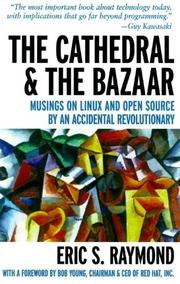
  2. The Cathedral and the BazaarEric S. Raymond, 1999
  3. Just for FunLinus Torvalds, David Diamond, 2001
  4. Rebel CodeGlyn Moody, 2001
  5. The Success of Open SourceSteven Weber, 2004
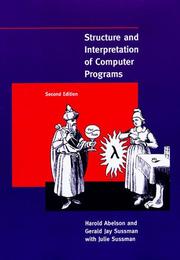
Harold Abelson, Gerald Jay Sussman · 1985

MIT's introductory computer science text, taught through Lisp and Scheme.

Eric S. Raymond · 1999

Essays on open-source software and its model of collaborative development.

Recommended by: Paul Graham, Ryan Holiday
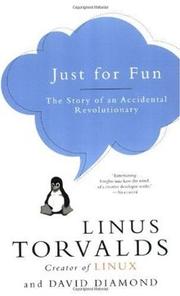
Linus Torvalds, David Diamond · 2001

How Linux came to be developed, and how its creator thinks.
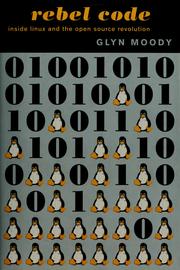
Glyn Moody · 2001

The history of Linux, open-source software and the businesses built around it.
Steven Weber · 2004

How open-source software gets made without conventional property rights.
Gene Kim, Kevin Behr, George Spafford · 2013

A novel in which an IT manager rescues a failing project using lessons from The Goal.

Nadia Eghbal · 2020

How open-source software is really made and maintained, often by a few people.

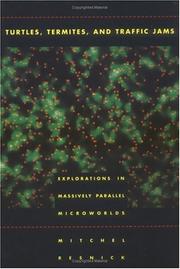
Mitchel Resnick · 1994

Computer tools that help people, even children, explore how complex systems work.

“The first challenge to the centralized mindset comes from a delightful book by MIT Professor Mitchel Resnick, “Turtles, Termites, and Traffic Jams.” — Michael Mauboussin

Source: The Invisible Lead Steer: New Answers to Old Questions About the Stock Market, page 3

Recommended by: Michael Mauboussin
Martin Fowler · 1999

A catalogue of moves that improve existing code without changing what it does.
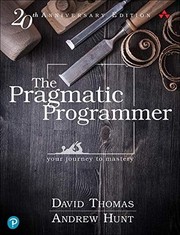
David Thomas, Andrew Hunt · 1999

A programmer's craft: when code is good enough and what to automate.

“Classic book for computer programmers. I read it first in 2003 before I was taking book notes, so I read it again now to take notes. Great wisdom in here. Amazing to see how much of its advice was adopted as norms by Ruby on Rails.” — Derek Sivers

Source: Derek Sivers book notes (primary, rated list) · Rating: 6/10

Recommended by: Derek Sivers, Marc Andreessen
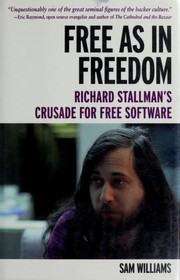
Sam Williams · 2002

Richard Stallman, the free software movement and the GPL licence he wrote.
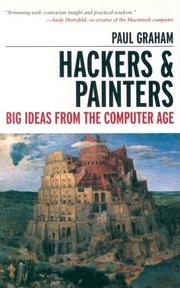
Paul Graham · 2004

Essays on programming, startups, wealth and thinking for yourself.

“A collection of essays from one of the best. Loosely about intelligence, entrepreneurship, programming, and questioning norms. Many brilliant ideas and insights.” — Derek Sivers

Source: Derek Sivers book notes (primary, rated list) · Rating: 7/10

Recommended by: Derek Sivers, Keith Rabois and 6 others
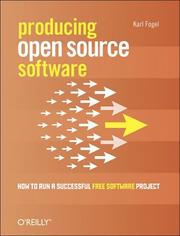
Karl Fogel · 2005

How to run an open source project, its community and its sponsors.
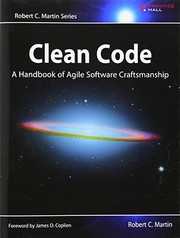
Robert C. Martin · 2008

Rules for readable code: short functions, clear names, one level of abstraction.

Recommended by: Marc Andreessen
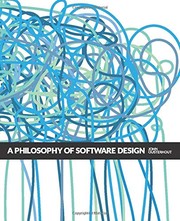
John Ousterhout · 2018

Software's enemy is complexity, which grows through shallow modules and shortcuts.

“Programming wisdom: modular design, keep APIs simple, how to avoid complexity, etc. Great insights from experience.” — Derek Sivers

Source: Derek Sivers book notes (primary, rated list) · Rating: 8/10

Recommended by: Derek Sivers
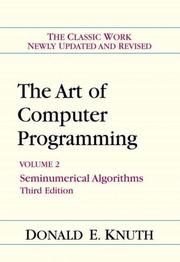
Donald E. Knuth · 1968

A multi-volume monograph on programming algorithms and their analysis.

Daniel P. Friedman, Matthias Felleisen · 1974

An introduction to recursion as a tool for expressing and solving problems.

Recommended by: Paul Graham
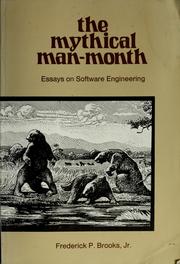
Frederick P. Brooks · 1974

Lessons from IBM's OS/360: why adding people to a late software project slows it.

“Arguably the only classic book in our field. If you haven't read it, shame on you.” — Jeff Atwood

Source: Recommended Reading for Developers — Coding Horror

Recommended by: Jeff Atwood, Mohnish Pabrai, Paul Graham and 4 others
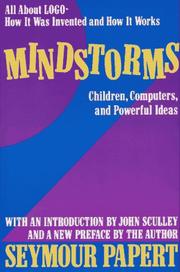
Seymour A. Papert · 1980

The case for teaching children computing, with LOGO, to learn mathematics.

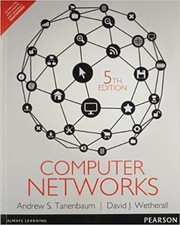
Andrew Tanenbaum · 1981

A textbook explaining computer networks layer by layer.

Recommended by: Mohnish Pabrai
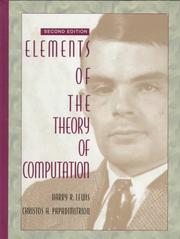
Harry R. Lewis, Christos H. Papadimitriou · 1981

A textbook on formal languages, automata and computational complexity.

Recommended by: Eric Weinstein

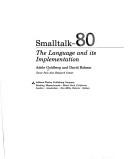
Adele Goldberg, David Robson · 1983

The reference description of the Smalltalk-80 language and how it is implemented.

Recommended by: Patrick Collison

Guy L. Steele · 1984

The reference definition of the Common Lisp programming language.

Recommended by: Paul Graham

Seymour Papert · 1985

How computers could change schools, and why a decade of them changed so little.

Recommended by: Patrick Collison

Apple Computer Inc. · 1986

Apple's programming manuals for writing Macintosh software.

Recommended by: Patrick Collison
Susan M. Lammers · 1986

Interviews with leading programmers on the forces and traits behind their work.

Recommended by: Patrick Collison
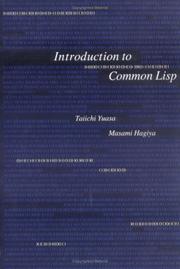
Taiichi Yuasa · 1987

An introduction to programming in the standard Common Lisp language.

Recommended by: Patrick Collison
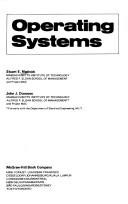
Andrew S. Tanenbaum · 1987

Operating system principles, from processes to file systems, shown in the MINIX code.

Recommended by: Patrick Collison
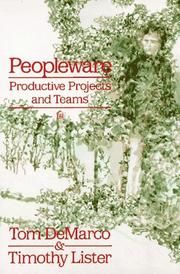
Timothy Lister, Tom DeMarco · 1987

Managing people, teams and projects for an effective organisation.

“If you've ever seen the performance of an all-star sports team suffer due to poor coaching, you'll appreciate this book. It doesn't matter how many "coding superstars" you've got when none of them can talk to each other, or agree on anything. No developer, however talented, can work effectively when constantly being barraged with minor interruptions.” — Jeff Atwood

Source: Recommended Reading for Developers — Coding Horror

Recommended by: Jeff Atwood, Drew Houston, Marc Andreessen

Thomas H. Cormen, Charles E. Leiserson, Ronald L. Rivest, Clifford Stein · 1990

A university text on the design and analysis of computer algorithms.

Recommended by: Patrick Collison
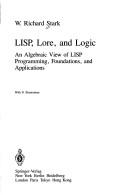
W. Richard Stark · 1990

Lisp programming in practice and theory, with the lambda calculus behind it.

Recommended by: Paul Graham

Tom Christiansen et al. · 1990

The standard guide to the Perl programming language.

Recommended by: Garry Tan

Peter Norvig · 1991

Artificial intelligence programming, taught through Common Lisp.

Recommended by: Patrick Collison, Paul Graham
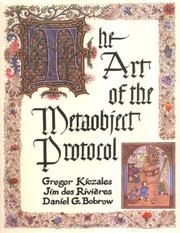
Gregor Kiczales · 1991

The metaobject protocol, an extension of the Common Lisp Object System.

Recommended by: Patrick Collison
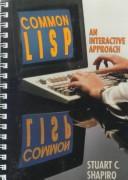
Stuart C. Shapiro · 1992

An interactive introduction to programming in Common Lisp.

Recommended by: Paul Graham

Ed Krol · 1992

An early guide to the internet's resources: email, news, archives and databases.

Recommended by: Tim O’Reilly
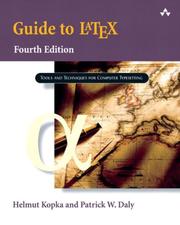
Helmut Kopka, Patrick W. Daly · 1993

How to typeset technical material with LaTeX.

Recommended by: Eric Weinstein
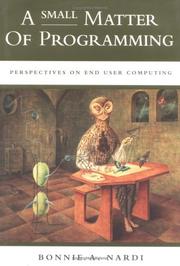
Bonnie A. Nardi · 1993

How non-programmers write their own software: end-user computing.

Recommended by: Patrick Collison
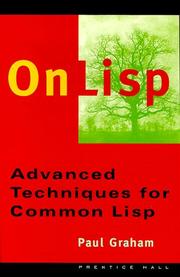
Paul Graham · 1993

Writing Lisp programs by first building a language suited to the problem.

Recommended by: Patrick Collison, Paul Graham
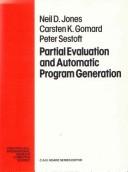
Neil D. Jones, Carsten K. Gomard, Peter Sestoft · 1993

The theory, techniques and uses of partial evaluation, which specialises programs.

Recommended by: Paul Graham

A. K. Dewdney · 1993

66 short articles on the theory, technology and applications of computer science.

Recommended by: Patrick Collison

Bruce Schneier · 1994

A reference on cryptography for programmers, with code in C.

Recommended by: Patrick Collison
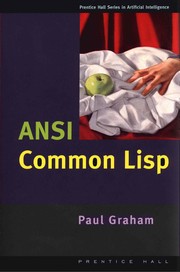
Paul Graham · 1995

An introduction to Lisp programming and a reference to ANSI Common Lisp.

Recommended by: Paul Graham

Daniel P. Friedman, Matthias Felleisen · 1995

Computing taught as an extension of arithmetic, with programs as recursive functions.

“One of the most unique and effective pedagogic books ever written.” — Bret Victor

Source: Links — Bret Victor (his five-star list)

Recommended by: Bret Victor, Paul Graham, Susan J. Fowler

Daniel P. Friedman · 1995

A sequel teaching the style of problem-solving that Lisp and Scheme are built for.

Recommended by: Patrick Collison
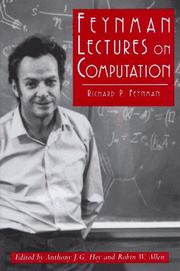
Richard P. Feynman · 1996

A physicist's lectures on what computing machines can and cannot do.

Recommended by: Patrick Collison
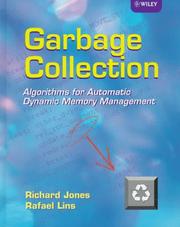
Jones, Richard · 1996

Algorithms for automatic memory management, garbage collection.

Recommended by: Patrick Collison
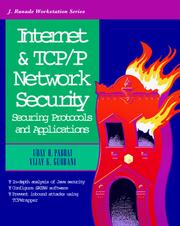
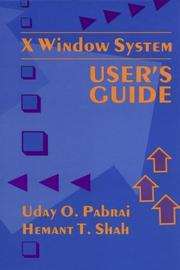
Uday O. Pabrai, Vijay K. Gurbani · 1996

A step-by-step guide to firewalls and network security for UNIX programmers.

Recommended by: Mohnish Pabrai
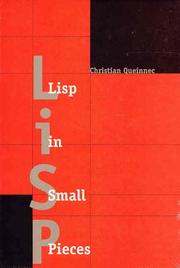
Christian Queinnec · 1996

How Lisp and Scheme work and are built, through 11 interpreters and 2 compilers.

Recommended by: Paul Graham
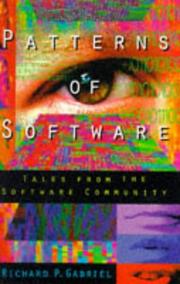
Richard P. Gabriel · 1996

Essays on software design, programming and the businesses around them.

Recommended by: Paul Graham
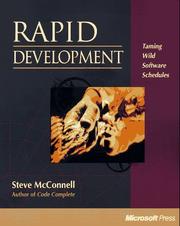
Steve McConnell · 1996

How to plan and run software development to keep schedules under control.

Recommended by: Mohnish Pabrai
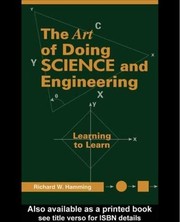
Richard Hamming · 1996

Lessons on doing science and engineering, and on thinking about their future.

Richard E. Crandall · 1996

Problems and algorithms in advanced scientific computation.

Recommended by: Eric Weinstein
Ellen Ullman · 1997

A software engineer's memoir of programming life in San Francisco.

Recommended by: Diana Kimball
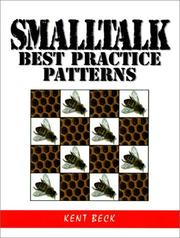
Kent Beck · 1997

A style guide to Smalltalk programming written as named, reusable patterns.

Recommended by: Patrick Collison
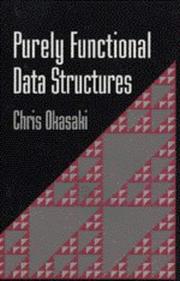
Chris Okasaki · 1998

Techniques for designing data structures in functional languages, with examples.

Recommended by: Patrick Collison
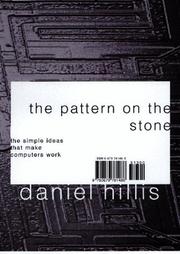
William Daniel Hillis · 1998

How computers work, from basic logic to programming languages, in plain terms.

Recommended by: Stewart Brand
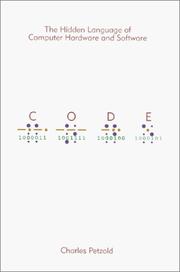
Charles Petzold · 1999

How computers work, built up from flashlights, codes and switches.

“Masterpiece of clear explanation! How to make a computer from scratch. Basics of electricity, 1/0 AND/OR switches, boolean algebra, how physical switches can make an adding machine, bytes and ASCII text, memory, CPU, and so on, up to a working computer. Each chapter building perfectly on the previous. If you’re interested in learning computers from scratch, this is the definitive book for it. (I rate this book a perfect 10 for what it is, but only giving an 8 here, because it’s not for everyone.)” — Derek Sivers

Source: Derek Sivers book notes (primary, rated list) · Rating: 8/10

Recommended by: Derek Sivers, Patrick Collison
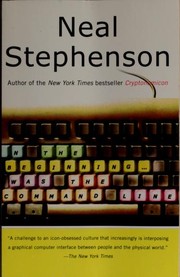
Neal Stephenson · 1999

An essay on operating systems and the cultures of Microsoft, Apple and free software.

“Last week I read In the Beginning…Was the Command Line. For the second time. This time I read it on my Kindle, which was fitting.” — Brad Feld

Source: Book: In the Beginning…Was the Command Line — Feld Thoughts

Recommended by: Brad Feld, Ev Williams
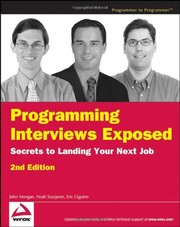
John Mongan, Noah Suojanen, Eric Giguère · 2000

How to prepare for programming job interviews: languages, patterns and algorithms.

Recommended by: Patrick Collison
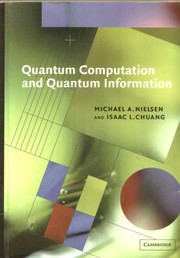
Michael A. Nielsen, Isaac L. Chuang · 2000

Quantum algorithms, teleportation, cryptography and error correction, from basics.

Recommended by: Patrick Collison
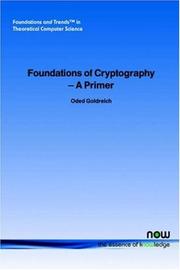
Oded Goldreich · 2001

The mathematical and complexity foundations of cryptography.

Recommended by: Sophie Bakalar
Matthias Felleisen · 2001

An introduction to programming focused on the design process, not a language.

Recommended by: Paul Graham
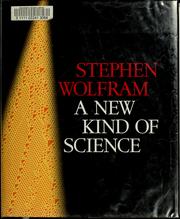
Stephen Wolfram · 2002

How very simple programs produce complexity, and what that explains in nature.

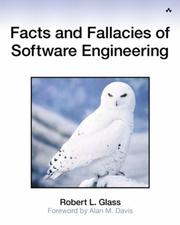
Robert L. Glass · 2002

The facts and fallacies of the young profession of software engineering.

Recommended by: Ev Williams
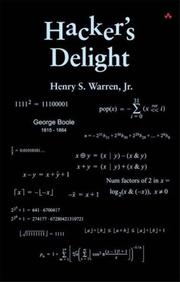
Henry S. Warren Jr. · 2002

A collection of small programming tricks for working with integers and bits.

Recommended by: Bret Victor

Benjamin C. Pierce · 2002

An introduction to type systems and to programming languages from type theory.

Recommended by: Patrick Collison
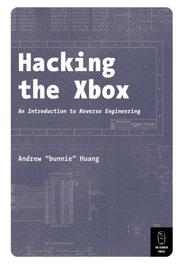
Andrew "Bunnie" Huang · 2003

An introduction to hardware reverse engineering through the original Xbox.

Recommended by: Patrick Collison
Benjamin C. Pierce · 2004

Advanced work on type systems and how they capture programs' run-time behaviour.

Recommended by: Patrick Collison
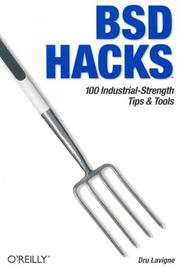
Dru Lavigne · 2004

Tips and tools for using BSD Unix operating systems.

Recommended by: Patrick Collison
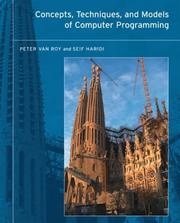
Peter Van Roy, Seif Haridi · 2004

Programming as one discipline, built up from a small kernel language.

Recommended by: Patrick Collison
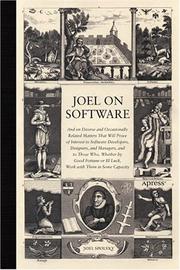
Joel Spolsky · 2004

Essays on software development from a popular programming blog.

Recommended by: Ev Williams
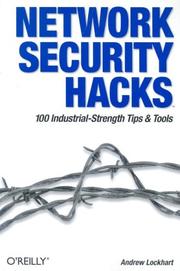
Andrew Lockhart · 2004

Tips and tools for securing Linux, Windows, BSD and Mac servers and networks.

Recommended by: Patrick Collison

Jack Koziol, David Litchfield, Dave Aitel, Chris Anley, Sinan "noir" Eren, Neel Mehta, Riley Hassell · 2004

How to find and exploit security holes in operating systems and applications.

Recommended by: Patrick Collison
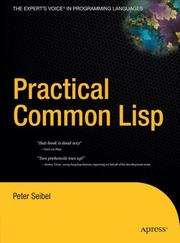
Peter Seibel · 2005

Practical Lisp programming, from language features to projects like an mp3 server.

Recommended by: Patrick Collison
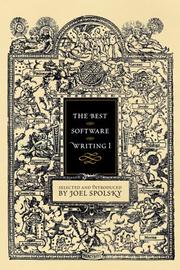
Joel Spolsky · 2005

A collection of good writing about software and the software business.

Recommended by: Patrick Collison

Thomas M. Cover · 2006

A textbook on information theory.

Recommended by: Eric Weinstein

Basecamp · 2006

How to design and build web applications.

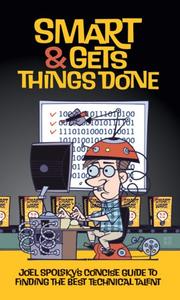
Joel Spolsky · 2007

How to find, interview and hire good software programmers.

Recommended by: Ev Williams
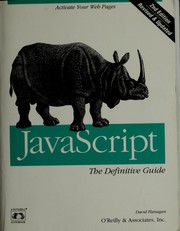
Douglas Crockford · 2008

The parts of JavaScript worth using, how to use them, and the parts to avoid.

Recommended by: Patrick Collison
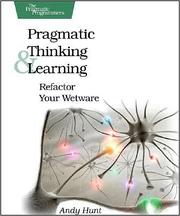
Andy Hunt · 2008

Cognitive science and learning theory applied to thinking and learning better.

“A great curated collection of facts about how to learn effectively and think clearly. Since it's written by a programmer, it makes many computer analogies that fellow programmers will appreciate. Non-programmers might feel a little left out.” — Derek Sivers

Source: Derek Sivers book notes (primary, rated list) · Rating: 5/10

Recommended by: Derek Sivers, Nat Eliason

Gordon Lyon · 2009

The official guide to the Nmap scanner, from port-scanning basics to pen testing.

Recommended by: Patrick Collison
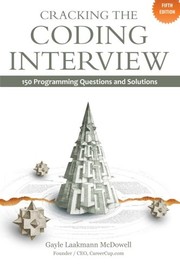
Gayle Laakmann McDowell · 2010

How to prepare for software engineering interviews, with 150 questions and answers.

Recommended by: Patrick Collison
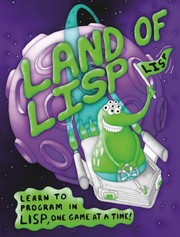
Conrad Barski · 2010

How to program in Lisp by writing complete games, from a text adventure on.

Recommended by: Patrick Collison

Chris Sims · 2011

An introduction to Scrum and agile software development.

Recommended by: Nir Eyal

Michal Zalewski · 2011

How to secure web applications built on a tangle of browser technologies.

Recommended by: Patrick Collison
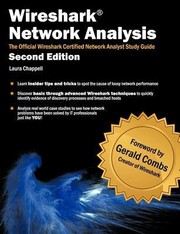
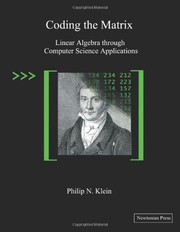
Philip N. Klein · 2013

Linear algebra taught through applications in computer science.

Recommended by: Patrick Collison
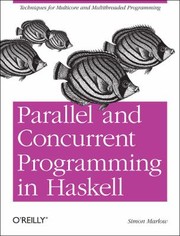
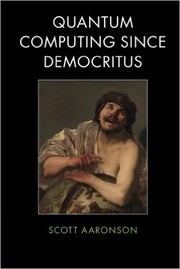
Scott Aaronson · 2013

A tour of deep ideas in mathematics, computer science and physics.

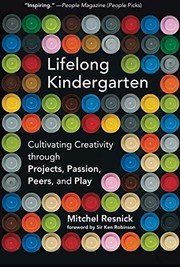
Mitchel Resnick · 2017

Why all schooling should be more like kindergarten: building, play and projects.

“Lifelong Kindergarten by Mitchel Resnick explores the why and how of creative thinking, why it's so important in today's world, and strategies to help kids develop as creative thinkers. Speaking of creative thinking...” — Ana Fabrega

Source: Fab Fridays 105: Fab Book Recs - by Ana Lorena

Recommended by: Ana Fabrega

Joseph Steinberg · 2020

A plain guide to protecting a business and family against cyber attacks.

Recommended by: Cynthia Johnson

David S. Touretzky

An introduction to Lisp for new programmers, with its programming and debug tools.

Recommended by: Paul Graham

The de facto standard reference to the Common Lisp programming language.

Recommended by: Patrick Collison, Paul Graham

Bob Glickstein

How to customise and extend the Emacs editor with Emacs Lisp.

Recommended by: Paul Graham

John McCarthy

The manual of the LISP 1.5 programming language from MIT's Computation Center.

Recommended by: Patrick Collison, Paul Graham

More technology