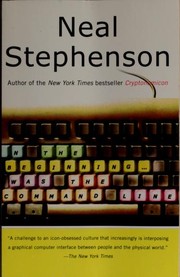
In the Beginning...Was the Command Line
An essay on operating systems and the cultures of Microsoft, Apple and free software.
Summary
Neal Stephenson's essay was first published online in 1999 and then as a short book that November. It argues that the proprietary operating system business is unlikely to stay profitable in the face of competition from free software, and it analyses the corporate and collective cultures of Microsoft, Apple and the free software community; Stephenson later called it largely obsolete after Apple introduced OS X. The publisher describes it as part reasoned examination and part rant, ranging over cyberculture, the Internet, Disney World and the meaning of life.
Stephenson treats the graphical user interface as a metaphor for the growing layers of abstraction between people and how their machines actually work, and explains the beauty hackers find in good tools. In his car analogy, Mac OS is a luxury European car, Windows a station wagon, Linux a free tank and BeOS a Batmobile; people keep buying the station wagon even when tanks are given away, because they do not want to learn to drive a tank and know the dealership has a repair shop. Microsoft, he argues, is less a monopoly than a seller of a vision, like Disney. He contrasts the fast, open response of Debian developers to a bug he reported with his early frustration with Microsoft.
Key takeaways 4
- Graphical interfaces hide the real workings of computers behind layers of metaphor.
- Free software threatens the business of selling operating systems.
- Most people choose convenience and support over power and freedom.
- Open communities admit and fix bugs more openly than corporations do.
Who should read it
Programmers and anyone curious about operating systems, free software and computer culture.
Who recommended it 2 · 1 direct
“Last week I read In the Beginning…Was the Command Line. For the second time. This time I read it on my Kindle, which was fitting.”
Similar books 6
Chosen by shared topics, the entries that hold them, and the people who recommended both.
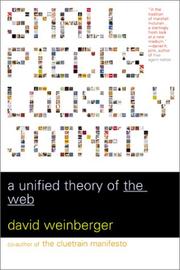
How the Web changes basic ideas of space, time, the self and knowledge.
Recommended by: Ev Williams

Why the internet has fallen short of its early promise, and how to change its design.
Recommended by: Ryan Holiday, Ev Williams
The forces that have shaped technology since prehistory and now shape modern people.
Recommended by: Patrick Collison
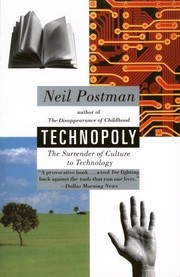
How a culture hands its judgement to machines, statistics and technical experts.
“Another one by him is called Technopoly, which also is about how when culture surrenders to technology.” — Tristan Harris
Source: The Tim Ferriss Show Transcripts: Tristan Harris — Fighting Skynet and Firewalling Attention (#387)
Recommended by: Patrick Collison, Tristan Harris
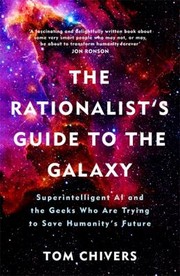
The rationalists around LessWrong and their fear of artificial intelligence risk.
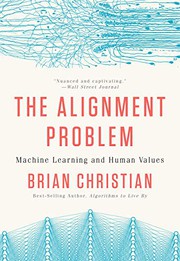
The struggle to make machine learning systems do what people actually intend.
Recommended by: Sam Altman