Technology, nature and the future
Holds arguments about what technology, artificial intelligence and environmental change do to people, and about obligations to future generations.
Start here
- Amusing Ourselves to DeathNeil Postman, 1985
- What Technology WantsKevin Kelly, 2010
- The Alignment ProblemBrian Christian, 2020
- The Clock of the Long NowStewart Brand, 1999
- The Uninhabitable Earth: Life After WarmingDavid Wallace-Wells, 2019
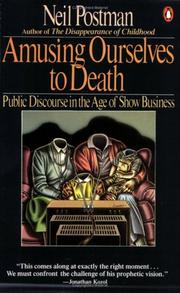
How television turned public discourse from argument into entertainment.
“The most prescient here is Neil Postman's Amusing Ourselves to Death, originally published in 1985. It's long, but I'm going to quote the foreword in its entirety because it's worth reading a few times over:” — Matt Mullenweg
Source: Culture of Distraction
Recommended by: Keith Rabois, Matt Mullenweg, Nat Eliason and 3 others
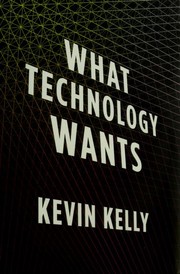
How humanity and technology together keep widening the opportunities open to people.
“Fascinating historical and philosophical perspective on technology, where it's come from, where it's going.” — Derek Sivers
Source: Derek Sivers book notes (primary, rated list) · Rating: 8/10
Recommended by: Derek Sivers, Patrick Collison and 2 others
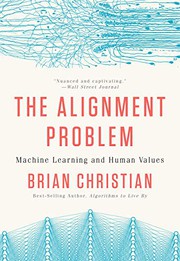
The struggle to make machine learning systems do what people actually intend.
Recommended by: Sam Altman
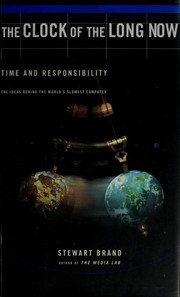
The case for a 10,000-year clock and for long-term thinking in institutions.
“Metcalfe’s original diagram was taken from Brand, Stewart, The Clock of the Long Now: Time and Responsibility: The Ideas Behind the World’s Slowest Computer , Basic Books, New York, 2000” — Michael Mauboussin
Source: Network to Net Worth: Exploring Network Dynamics, page 28
Recommended by: Michael Mauboussin, Bret Victor, Phil Libin and 1 other
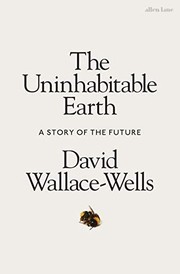
What warming at each level would do, beyond the rise in the sea.
Recommended by: Vinod Khosla, George Hatzis
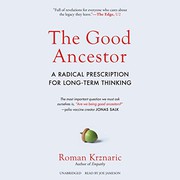
Six ways of thinking that help people plan for generations ahead.
“I love the subject, and pre-ordered the book based on the title alone. But I found it hard to sift through the clutter of obvious and unnecessary sentences to find some interesting ideas.” — Derek Sivers
Source: Derek Sivers book notes (primary, rated list) · Rating: 2/10
Recommended by: Derek Sivers
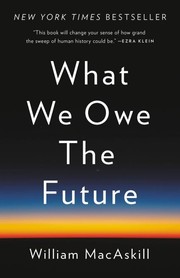
Why and how to plan for the well-being of people many generations from now.
Recommended by: Andrew Wilkinson, Ali Abdaal
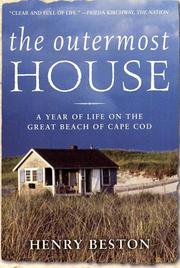
A year spent alone in a small house on a Cape Cod beach.
Recommended by: Richard Branson
Nature writing on wildlife, natural history and the case for conservation.
Recommended by: Tim Ferriss
The founder of cybernetics on machines that free people from drudgery, and the risks.
Recommended by: Patrick Collison
A forecast of changes in three areas of life, starting with a shift in philosophy.
The forces that have shaped technology since prehistory and now shape modern people.
Recommended by: Patrick Collison
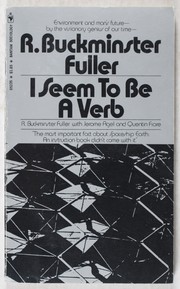
A designer and inventor's case that man can for the first time succeed in his world.
Recommended by: Chris Sacca
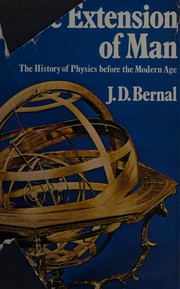
Lectures on the history of physics up to the end of the classical era.
“Bernal, The Extension of Man” — Paul Graham
Source: Rarely-Asked Questions — paulgraham.com
Recommended by: Paul Graham
How seeing Earth from space changed 30 astronauts' view of themselves and the world.
Recommended by: Richard Branson
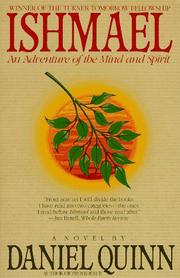
A novel told as a dialogue with a telepathic gorilla about human civilization.
Recommended by: Sahil Lavingia
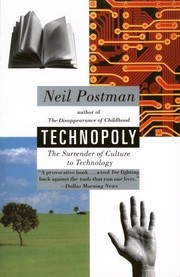
How a culture hands its judgement to machines, statistics and technical experts.
“Another one by him is called Technopoly, which also is about how when culture surrenders to technology.” — Tristan Harris
Source: The Tim Ferriss Show Transcripts: Tristan Harris — Fighting Skynet and Firewalling Attention (#387)
Recommended by: Patrick Collison, Tristan Harris
A writer's fifty-year path from Trappist monk to a forgotten universal religion.
Recommended by: Mohnish Pabrai
A physicist imagines where science and technology, real and imagined, may lead.
Recommended by: Stewart Brand
An essay on operating systems and the cultures of Microsoft, Apple and free software.
“Last week I read In the Beginning…Was the Command Line. For the second time. This time I read it on my Kindle, which was fitting.” — Brad Feld
Source: Book: In the Beginning…Was the Command Line — Feld Thoughts
Recommended by: Brad Feld, Ev Williams
How the Web changes basic ideas of space, time, the self and knowledge.
Recommended by: Ev Williams
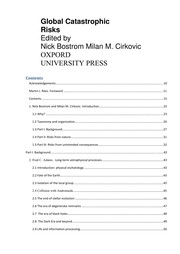
Essays by 25 experts on the gravest risks to humanity this century.
Recommended by: Nat Eliason, Patrick Collison
Essays on how far technology should be used to make better humans.
Recommended by: Patrick Collison
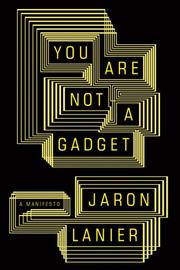
Why the internet has fallen short of its early promise, and how to change its design.
Recommended by: Ryan Holiday, Ev Williams
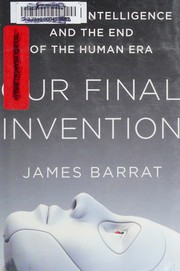
The benefits and risks of human-level and superhuman artificial intelligence.
Recommended by: Elon Musk
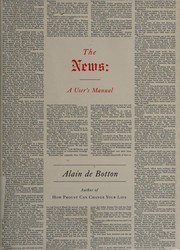
How to make sense of the daily torrent of news, and what it does to our minds.
Recommended by: Andrew Wilkinson, Antonio García Martínez
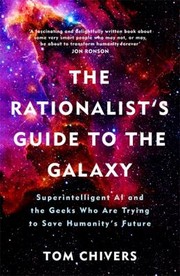
The rationalists around LessWrong and their fear of artificial intelligence risk.
An essay arguing that technology solves humanity's problems and must be sped up.
 Marc Andreessenwrote 1 book here
 Peter F. Druckerwrote 1 book here
 Kevin Kellywrote 1 book here
 Stewart Brandwrote 1 book here
 Patrick Collisonrecommends 7 books here
 Ev Williamsrecommends 3 books hereStewart Brandrecommends 3 books here
 Derek Siversrecommends 2 books here
 Nat Eliasonrecommends 2 books here
 Richard Bransonrecommends 2 books here
 Tim Ferrissrecommends 2 books here
 Tristan Harrisrecommends 2 books here
 Michael Mauboussinrecommends 1 book here
 Paul Grahamrecommends 1 book here
 Brad Feldrecommends 1 book here
Show all 29
 Mohnish Pabrairecommends 1 book here
 Ryan Holidayrecommends 1 book here
 Antonio García Martínezrecommends 1 book here
 Bret Victorrecommends 1 book here
 Chris Saccarecommends 1 book here
 Elon Muskrecommends 1 book here
 George Hatzisrecommends 1 book here
 Keith Raboisrecommends 1 book here
 Matt Mullenwegrecommends 1 book here
 Michael Batkorecommends 1 book here
 Nir Eyalrecommends 1 book here
 Phil Libinrecommends 1 book here
 Sam Altmanrecommends 1 book here
 Vinod Khoslarecommends 1 book here