Media and technology in society
Holds McLuhan, Postman and later writers on what television, the internet, social platforms and new technology do to attention, politics and daily life, plus books that forecast the future.
Start here
- Amusing Ourselves to DeathNeil Postman, 1985
- The Attention MerchantsTim Wu, 2016
- The Success of Open SourceSteven Weber, 2004
- The Big PictureEdward Jay Epstein, 2005
- The Curse of the Mogul: What's Wrong with the World's Leading Media CompaniesBruce Greenwald, Jonathan A. Knee, Ava Seave, 2009
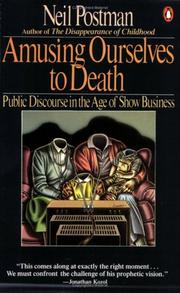
How television turned public discourse from argument into entertainment.
“The most prescient here is Neil Postman's Amusing Ourselves to Death, originally published in 1985. It's long, but I'm going to quote the foreword in its entirety because it's worth reading a few times over:” — Matt Mullenweg
Source: Culture of Distraction
Recommended by: Keith Rabois, Matt Mullenweg, Nat Eliason and 3 others
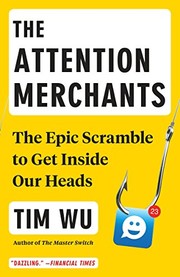
How media from the penny press to social media capture attention and resell it.
Recommended by: David Perell
How open-source software gets made without conventional property rights.
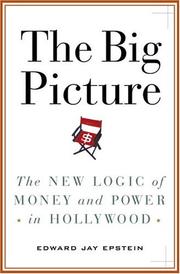
How Hollywood really makes money, mostly away from the box office.
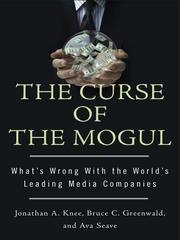
Why most media companies destroy shareholder value: few have barriers to entry.
Recommended by: Keith Rabois
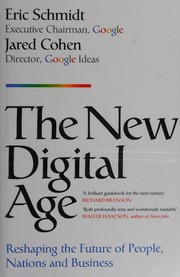
A forecast of a hugely connected future world, with its challenges and benefits.
Recommended by: Mohnish Pabrai, Michael Bloomberg
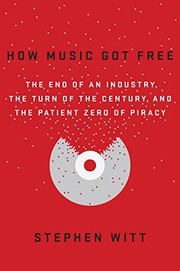
How the mp3, a CD-factory leaker and pirate websites broke the music business.
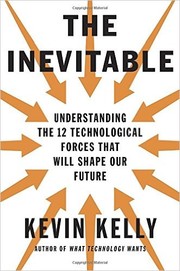
The technology trends that will reshape daily life over the next thirty years.
“What are today's technologies inevitably going to lead to? Great predictions. Half of it was super-inspiring, painting a vision of the future that made me want to jump on it. Half felt like “well, duh, obviously!” maybe because I'm already deep in it.” — Derek Sivers
Source: Derek Sivers book notes (primary, rated list) · Rating: 7/10
Recommended by: Derek Sivers, Nat Eliason, Patrick Collison and 2 others
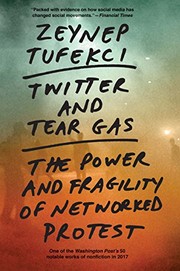
How social media gave protest movements power, and what it cost them.
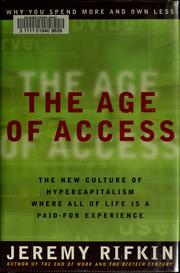
The case that commerce was shifting from owning property to paying for access.
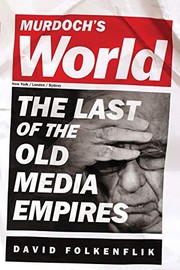
How News Corporation sets its editorial practice, after the phone hacking scandal.
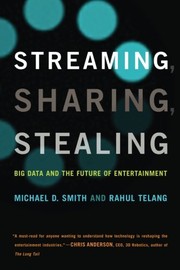
Data on how digital distribution shifted power from studios to streamers.
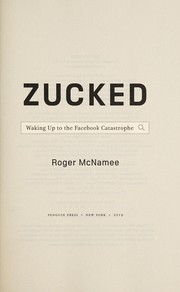
An early Facebook investor and mentor explains why he turned against it.
“I read Roger McNamee’s book Zucked: Waking Up to the Facebook Catastrophe the day it came out. While likely uncomfortable for a lot of people, it was excellent, provocative, and challenging all at the same time.” — Brad Feld
Source: Book: Zucked: Waking Up to the Facebook Catastrophe — Feld Thoughts
Recommended by: Brad Feld, Marc Benioff

How monopoly intermediaries take the earnings of writers, musicians and artists.
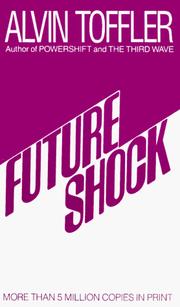
How too much change in too short a time strains people and whole societies.
“Future Shock did not disappoint me – it was stunningly interesting, even 40 years later.” — Brad Feld
Source: Book: Future Shock — Feld Thoughts
Recommended by: Brad Feld, Howard Marks, Kevin Kelly and 1 other

A critique of mass communication through ads, comic strips and columns.
Recommended by: Patrick Collison
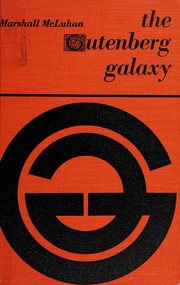
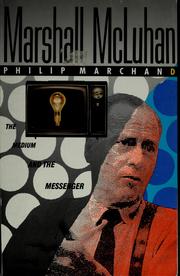
A media theorist's study of print and communication that foresaw the global village.
Recommended by: Patrick Collison
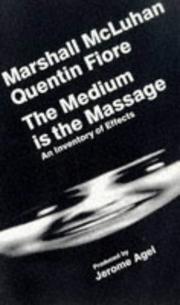
A picture book on how new media and technology change society and the individual.
Recommended by: Tim Ferriss
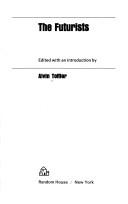
Margaret Mead, Buckminster Fuller, Marshall McLuhan and others on the future.
Recommended by: Patrick Collison
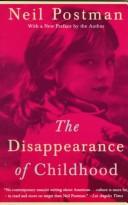
How television exposes children to adult life too early and erodes childhood.
Recommended by: Patrick Collison

San Francisco's counterculture and its links to Silicon Valley.
Recommended by: Patrick Collison
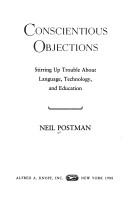
Essays on language, education, mass media and the social effects of technology.
Recommended by: Patrick Collison
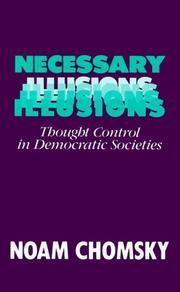
How media in democracies serve state and corporate power while claiming independence.
Recommended by: Eric Weinstein
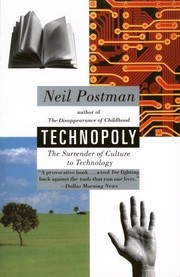
How a culture hands its judgement to machines, statistics and technical experts.
“Another one by him is called Technopoly, which also is about how when culture surrenders to technology.” — Tristan Harris
Source: The Tim Ferriss Show Transcripts: Tristan Harris — Fighting Skynet and Firewalling Attention (#387)
Recommended by: Patrick Collison, Tristan Harris
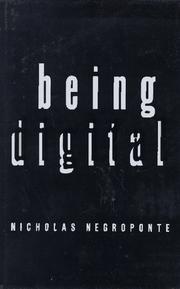
Bandwidth, multimedia, virtual reality and the internet, explained without hype.
“Technology is transforming society as the computer moves from a business tool to a home appliance, and as the effects and implications of Being Digital, as Nicholas Negroponte’s new book has it, come to be instantiated.” — Bill Miller
Source: 1995 Q2 Market Commentary
Recommended by: Bill Miller, Mohnish Pabrai
Thirty-two rants, essays and parodies from Suck, a daily web column.
Recommended by: Patrick Collison

A defence of technology, enterprise and progress against those who lament them.
Recommended by: Patrick Collison
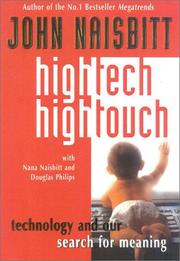
Why people long for human contact in a world full of technology, and its dangers.
Recommended by: Mohnish Pabrai
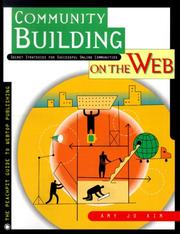
Why information technology does not sweep away the social life around it.
Recommended by: Ev Williams

How the internet let amateurs topple old professions such as lawyers and stock gurus.
Recommended by: Nat Eliason, Ryan Holiday
Why television and video games have grown more complex and demanding.
Recommended by: Ev Williams
How computers went from tools of the Cold War to symbols of the counterculture.
Recommended by: Patrick Collison
Humanity at a turning point, and how to use technology to solve its problems.
Recommended by: Richard Branson
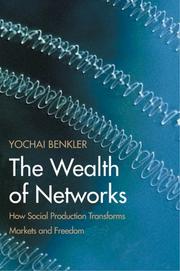
How the internet changed the way information is produced, and what follows.
Recommended by: Patrick Collison, Mike Maples, Jr.
A history of the NBC broadcast network, which Comcast bought in 2011.

The wide-reaching effects of the internet on how people come together.
“Like Wikinomics and Crowdsourcing, required reading if interested in harnessing the collective power of people online.” — Derek Sivers
Source: Derek Sivers book notes (primary, rated list) · Rating: 6/10
Recommended by: David Perell, Derek Sivers, Ryan Holiday and 2 others
The long-run trends set to reshape economies and markets over the coming decades.
A mogul's fight with a feuding family for control of the Wall Street Journal.
Recommended by: Mohnish Pabrai
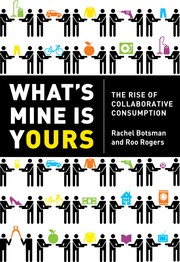
The rise of economic models based on sharing and collective consumption.
Recommended by: Lauren Capelin
How the problem-solving and teamwork of games could solve real-world problems.
“While this book was not out at the time of this writing, this is likely another useful resource: Jane McGonigal, Reality is Broken: Why Games Make Us Better and How They Can Change the World (New York: Penguin Press, 2011).” — Michael Mauboussin
Source: Blaming the Rat: Incentives, Motivation, and How They Interact, page 14
Recommended by: Michael Mauboussin, Mohnish Pabrai
How the internet changed politics and economies in Iran, Estonia, Korea and Senegal.
Recommended by: Patrick Collison, Balaji S. Srinivasan
How networked thinking can transform government, research and the arts.
Recommended by: Patrick Collison, Ev Williams
The drivers of global change and where they will take civilization.
Recommended by: John Doerr
What the data people leave online reveal about human nature.
Recommended by: Mohnish Pabrai
What we lose as constant connection to the internet removes absence from life.
Recommended by: Satya Nadella
How to make sense of the daily torrent of news, and what it does to our minds.
Recommended by: Andrew Wilkinson, Antonio García Martínez
How fleeing face-to-face talk harms relationships and work, and how to reclaim it.
Recommended by: Arianna Huffington
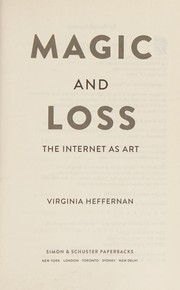
The internet as a work of art: its logic, aesthetics and effect on culture.
Recommended by: Diana Kimball
An economist's forecast of a world of emulated human brains running as software.
Recommended by: Patrick Collison
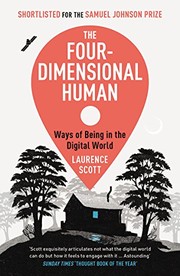
How everyday digital life is changing our inner lives.
Recommended by: Cal Newport
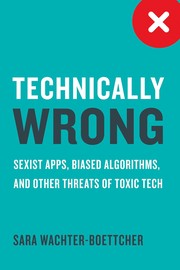
How the tech industry's bias and blind spots get built into everyday products.
Recommended by: George Hatzis
How people without credentials can make a difference with their own ideas.
“Nilofer's book, sorry, "The Power of Onlyness," is the full title. That actually just came out, but her, I think ideas and perspective have been very impactful, I mean for a long time.” — Kathryn Minshew
Source: Transcript: Kathryn Minshew, The Muse
Recommended by: Kathryn Minshew
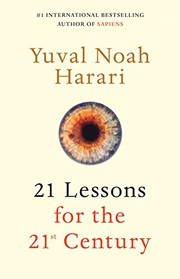
Twenty-one essays on today's challenges, from technology and politics to truth.
“His book “Sapiens” was amazing, so I read this new one. It’s just some thoughts on our present and near future. Not so different from what you find in every-day articles. I’m personally averse to news commentaries, so I shouldn’t have read this. Still, some interesting ideas, and the last chapter was great.” — Derek Sivers
Source: Derek Sivers book notes (primary, rated list) · Rating: 2/10
Recommended by: Bill Gates, Derek Sivers, Matt Mullenweg and 5 others
Why content moderation is central to what social media platforms are.
Recommended by: Danah Boyd
How turning off screens one day a week brings more time, creativity and connection.
Recommended by: Arianna Huffington
How right-wing extremists used social media to move into American politics.
Recommended by: Kara Swisher

How mainstream media mislead the public, part tirade, part confession.
Recommended by: David Heinemeier Hansson
How the digital revolution upended newspapers and journalism.
Recommended by: Balaji S. Srinivasan
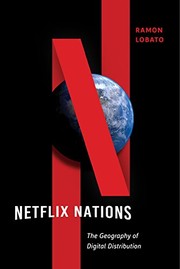
The geography and licensing limits of streaming television around the world.
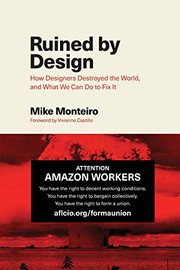
How designers built a harmful world, from engines to social media, and how to fix it.
Recommended by: Daniel Burka
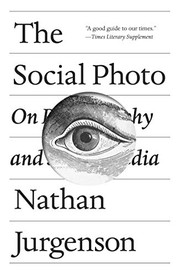
How photographs made for social media have changed what a photo is for.
Recommended by: Evan Spiegel
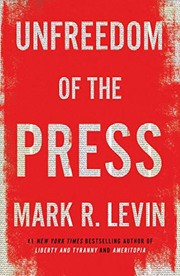
How self-censorship, group-think and bias are undermining the free press.
Recommended by: Donald Trump
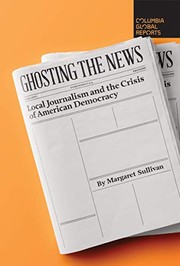
How democracy suffers when local news outlets close.
Recommended by: Andrew Wilkinson
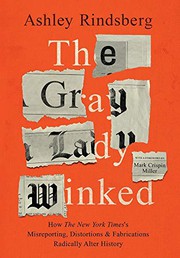
How the New York Times's misreporting and fabrications altered history.
“Ashley Rindsberg (Gray Lady Winked). Ashley Rindsberg's book details how the New York Times Company has faked the news for more than a century, from Stalin's USSR through Castro's Cuba all the way to the present day.” — Balaji S. Srinivasan
Source: Popups are the new startups - balajis.com
Recommended by: Balaji S. Srinivasan
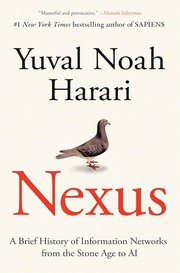
How information networks, from the Stone Age to AI, have made and unmade societies.
Recommended by: Andrew Wilkinson

Why adolescents' mental health fell sharply in the early 2010s.
Recommended by: Andrew Wilkinson, Bill Gates and 1 other

How online platforms decline on purpose, and the term coined for it.
Recommended by: Brad Feld
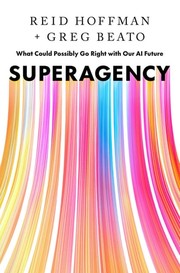
The case for deploying artificial intelligence broadly and quickly.
Recommended by: Brad Feld
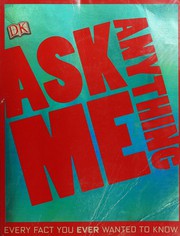
Twenty essays on the observation that software is eating the world.
Recommended by: David Perell, Patrick O'Shaughnessy

 Michael Lewiswrote 1 book here
 Eric Schmidtwrote 1 book here
 Kevin Kellywrote 1 book here
 Reid Hoffmanwrote 1 book here
 Jane McGonigalwrote 1 book here
 Patrick Collisonrecommends 20 books here
 Mohnish Pabrairecommends 6 books here
 Brad Feldrecommends 5 books here
 Balaji S. Srinivasanrecommends 3 books here
 Derek Siversrecommends 3 books here
 Ev Williamsrecommends 3 books here
 Nat Eliasonrecommends 3 books here
 Ryan Holidayrecommends 2 books here
 Alfred Linrecommends 2 books here
 Arianna Huffingtonrecommends 2 books here
Show all 50
 Bill Gatesrecommends 2 books here
 Keith Raboisrecommends 2 books here
 Matt Mullenwegrecommends 2 books here
 Tristan Harrisrecommends 2 books here
 Howard Marksrecommends 1 book here
 Michael Mauboussinrecommends 1 book here
 Bill Millerrecommends 1 book here
 John Doerrrecommends 1 book hereKevin Kellyrecommends 1 book here
 Marc Benioffrecommends 1 book here
 David Heinemeier Hanssonrecommends 1 book here
 Antonio García Martínezrecommends 1 book here
 Cal Newportrecommends 1 book here
 Danah Boydrecommends 1 book here
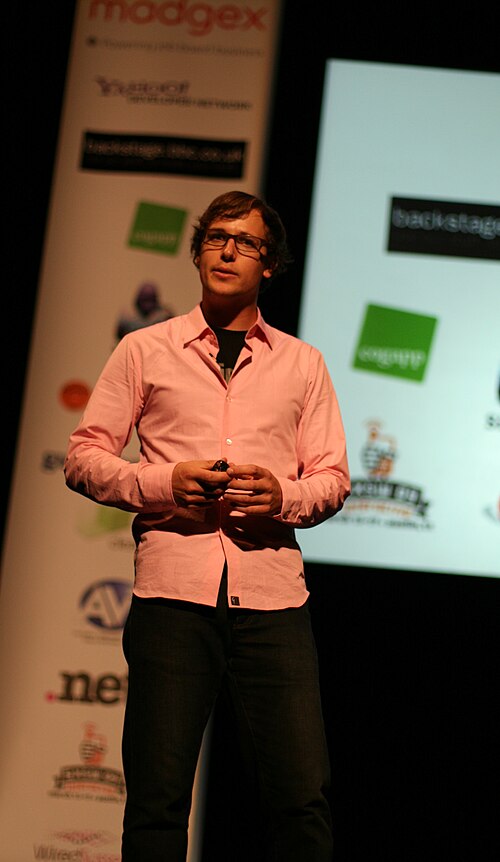 Daniel Burkarecommends 1 book here
 Daniel Petrerecommends 1 book here
 Diana Kimballrecommends 1 book here
 Donald Trumprecommends 1 book here
 Eric Weinsteinrecommends 1 book here
 Evan Spiegelrecommends 1 book here
 George Hatzisrecommends 1 book here
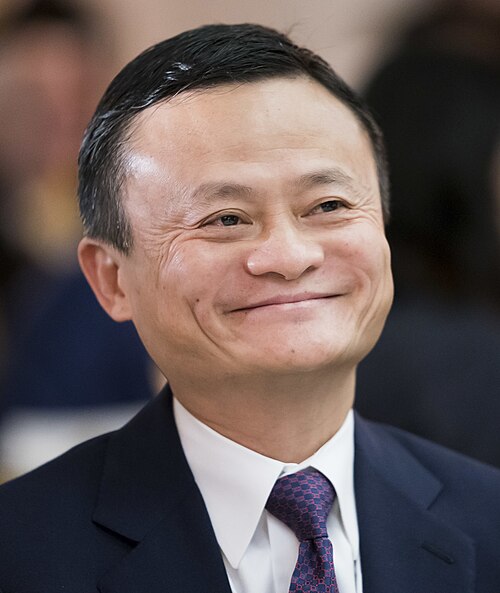 Jack Marecommends 1 book here
 John Maedarecommends 1 book here
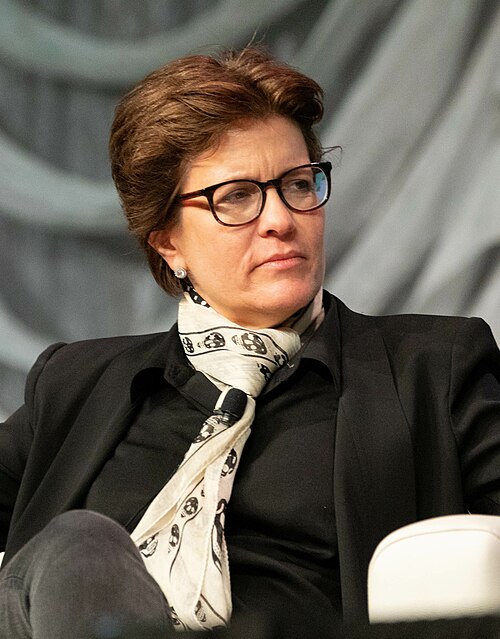 Kara Swisherrecommends 1 book here
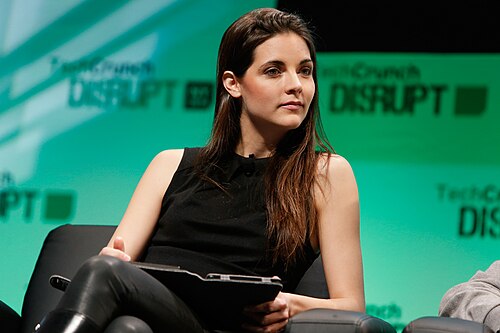 Kathryn Minshewrecommends 1 book here
 Michael Bloombergrecommends 1 book here
 Mike Maples, Jr.recommends 1 book here
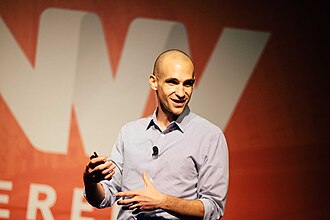 Nir Eyalrecommends 1 book here
 Richard Bransonrecommends 1 book here
 Satya Nadellarecommends 1 book here
 Tim Ferrissrecommends 1 book here
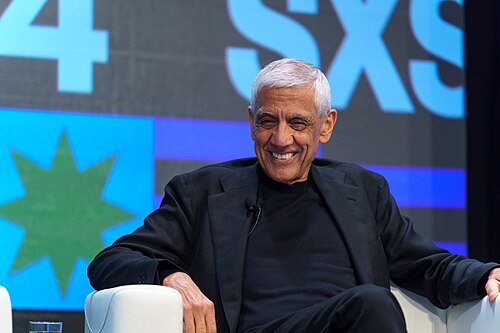 Vinod Khoslarecommends 1 book here
 Zoë Foster Blakerecommends 1 book here