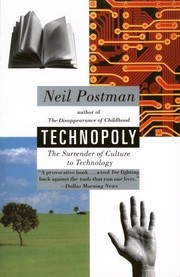
Technopoly: The Surrender of Culture to Technology 1st Edition
How a culture hands its judgement to machines, statistics and technical experts.
Summary
Neil Postman, author of Amusing Ourselves to Death, warns against the rule of machines over people in the late twentieth century. His 1992 book describes a "technopoly": a society in which technology is deified, so that "the culture seeks its authorisation in technology, finds its satisfactions in technology, and takes its orders from technology". It is a self-justifying, self-perpetuating system that grants technology of every kind sovereignty over social institutions and national life.
Postman's examples are of a time when physical well-being is judged by CAT scan results, facts need the backing of statistical study, the human mind needs "deprogramming" and computers catch "viruses". A technopoly produces a surplus of information and then turns to more technology to cope with it, in search of direction and purpose. He traces the change from a society that uses technology to one shaped by it, and its effects on what people mean by politics, intellect, religion, history, privacy and truth. He ends with a rallying cry for a humane rationalism that places technology within the larger context of human goals and values.
Key takeaways 4
- A technopoly lets technology define its goals and values.
- Information surplus drives a demand for more technology to manage it.
- Statistics and machines come to stand in for human judgement.
- Postman calls for putting technology back under human purposes.
Who should read it
Readers who want a classic critique of technology's power over culture.
Who recommended it 2 · 2 direct
“Another one by him is called Technopoly, which also is about how when culture surrenders to technology.”
Similar books 6
Chosen by shared topics, the entries that hold them, and the people who recommended both.
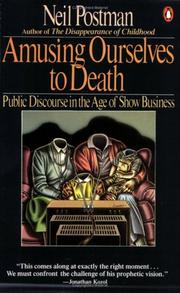
How television turned public discourse from argument into entertainment.
“The most prescient here is Neil Postman's Amusing Ourselves to Death, originally published in 1985. It's long, but I'm going to quote the foreword in its entirety because it's worth reading a few times over:” — Matt Mullenweg
Source: Culture of Distraction
Recommended by: Keith Rabois, Matt Mullenweg, Nat Eliason and 3 others
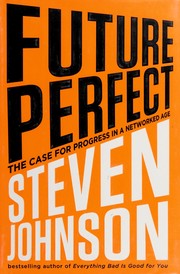
How networked thinking can transform government, research and the arts.
Recommended by: Patrick Collison, Ev Williams
Thirty-two rants, essays and parodies from Suck, a daily web column.
Recommended by: Patrick Collison

A media theorist's study of print and communication that foresaw the global village.
Recommended by: Patrick Collison
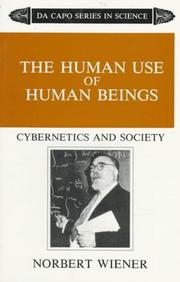
The founder of cybernetics on machines that free people from drudgery, and the risks.
Recommended by: Patrick Collison
Where it sits in the reference 6
As an Amazon Associate I earn from qualifying purchases.