Technology and society
This niche holds books on what computers, media and the internet do to people, politics and war, from McLuhan and Postman to social media critics, futurists, surveillance and cyber conflict.
Start here
- Out of ControlKevin Kelly, 1994
- What Technology WantsKevin Kelly, 2010
- Average Is OverTyler Cowen, 2013
- The New Digital AgeEric Schmidt, Jared Cohen, 2013
- The InevitableKevin Kelly, 2016
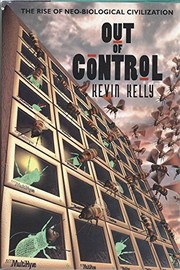
How machines and economies grow so complex that they behave like living systems.
“Had we read Kevin Kelly’s new book, Out of Control: The Rise of Neo- Biological Civilization, we would have realized that complex adaptive systems like the market need a long time to adjust to certain kinds of new information and they will do so in ways impossible to specify in advance.” — Bill Miller
Source: 1994 Q2 Market Commentary
Recommended by: Bill Miller, Cynthia Johnson and 3 others
How humanity and technology together keep widening the opportunities open to people.
“Fascinating historical and philosophical perspective on technology, where it's come from, where it's going.” — Derek Sivers
Source: Derek Sivers book notes (primary, rated list) · Rating: 8/10
Recommended by: Derek Sivers, Patrick Collison and 2 others
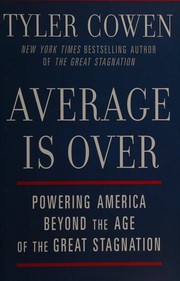
Work is splitting between those who work well with smart machines and the rest.
“Tyler Cowen, a professor of economics at George Mason University, dedicates a chapter to freestyle chess in his terrific book, Average Is Over.” — Michael Mauboussin
Source: Lessons from Freestyle Chess: Merging Fundamental and Quantitative Analysis, page 3
Recommended by: Michael Mauboussin, Ryan Holiday
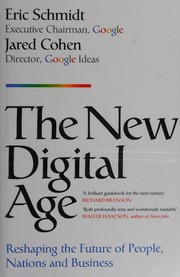
A forecast of a hugely connected future world, with its challenges and benefits.
Recommended by: Mohnish Pabrai, Michael Bloomberg
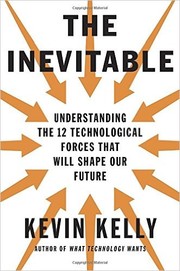
The technology trends that will reshape daily life over the next thirty years.
“What are today's technologies inevitably going to lead to? Great predictions. Half of it was super-inspiring, painting a vision of the future that made me want to jump on it. Half felt like “well, duh, obviously!” maybe because I'm already deep in it.” — Derek Sivers
Source: Derek Sivers book notes (primary, rated list) · Rating: 7/10
Recommended by: Derek Sivers, Nat Eliason, Patrick Collison and 2 others
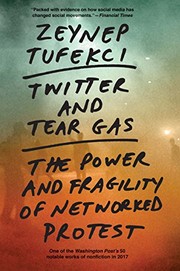
How social media gave protest movements power, and what it cost them.
Why the US buys military power wrongly, and the case for cheap autonomous systems.
Recommended by: Palmer Luckey
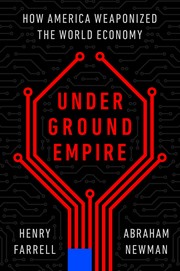
How the US turned chokepoints in trade and payments into tools of coercion.
Palantir's chief executive on why technology firms should serve national power.
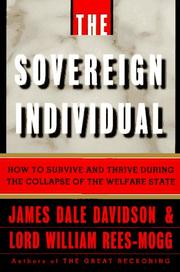
A forecast that information technology will erode the nation state's power to tax.
“This is the best book I've read since Sapiens (far less mainstream, though).” — Naval Ravikant
Source: Naval's Recommended Reading — The Almanack of Naval Ravikant
Recommended by: Balaji S. Srinivasan, Nat Eliason and 11 others

An environmentalist's case for nuclear power, dense cities and genetic engineering.
“on why even environmentalists should be pro building, pro cities, pro nuclear, and pro genetic engineering” — Marc Andreessen
Source: @pmarca, companion thread to 'It's Time to Build'
Recommended by: Marc Andreessen, Patrick Collison and 2 others
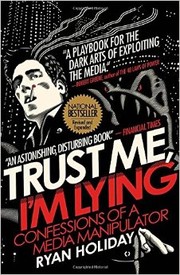
A media manipulator shows how blogs are gamed to push rumours into the national news.
Recommended by: Ryan Holiday, Chase Jarvis, Raoul Pal
NDS, the News Corporation smartcard unit, and the pay-TV hacking around it.
Why connection has become the main source of power, and what leaders miss.
Recommended by: Reid Hoffman
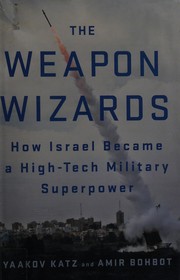
How Israel's military tech, from drones to cyber, feeds its commercial industry.
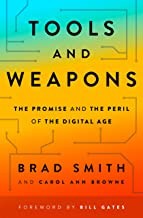
The policy questions technology companies face, drawn from Microsoft's experience.
Recommended by: Bill Gates, Reed Hastings, Reid Hoffman and 1 other
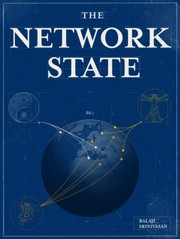
How an online community could buy territory and become a sovereign state.
“It’s a great thought experiment: how to start a new country. Good core idea: God → State → Network. I was intrigued until it descended into long rants against America, like it was written only for Americans. I gave up after 100 more pages of that. I hope this idea is made vivid by a great movie/show.” — Derek Sivers
Source: Derek Sivers book notes (primary, rated list) · Rating: 2/10
Recommended by: Balaji S. Srinivasan, Derek Sivers and 5 others
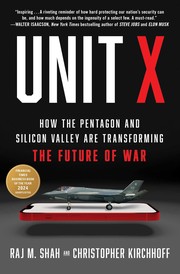
How the Defense Innovation Unit brought Silicon Valley technology to the military.
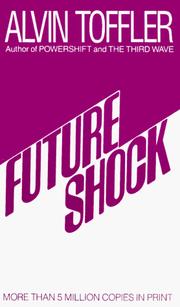
How too much change in too short a time strains people and whole societies.
“Future Shock did not disappoint me – it was stunningly interesting, even 40 years later.” — Brad Feld
Source: Book: Future Shock — Feld Thoughts
Recommended by: Brad Feld, Howard Marks, Kevin Kelly and 1 other
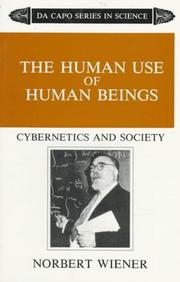
The founder of cybernetics on machines that free people from drudgery, and the risks.
Recommended by: Patrick Collison
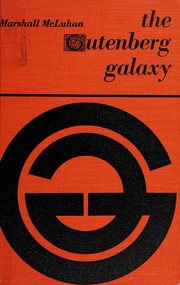
A media theorist's study of print and communication that foresaw the global village.
Recommended by: Patrick Collison
A picture book on how new media and technology change society and the individual.
Recommended by: Tim Ferriss

Essays on technology, its history and its link to management and society.
Recommended by: Patrick Collison

A forecast of vast software models that mirror the real world and change society.
Recommended by: Patrick Collison
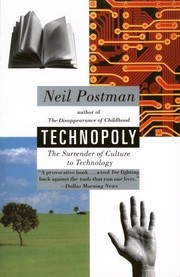
How a culture hands its judgement to machines, statistics and technical experts.
“Another one by him is called Technopoly, which also is about how when culture surrenders to technology.” — Tristan Harris
Source: The Tim Ferriss Show Transcripts: Tristan Harris — Fighting Skynet and Firewalling Attention (#387)
Recommended by: Patrick Collison, Tristan Harris
Alternating fiction and essay, a rewrite of Nineteen Eighty-Four with a new ending.
Recommended by: Mark Zuckerberg
Bandwidth, multimedia, virtual reality and the internet, explained without hype.
“Technology is transforming society as the computer moves from a business tool to a home appliance, and as the effects and implications of Being Digital, as Nicholas Negroponte’s new book has it, come to be instantiated.” — Bill Miller
Source: 1995 Q2 Market Commentary
Recommended by: Bill Miller, Mohnish Pabrai
A computer scientist's account of surviving a bomb sent by the Unabomber.
Recommended by: Keith Rabois
Thirty-two rants, essays and parodies from Suck, a daily web column.
Recommended by: Patrick Collison
Why people long for human contact in a world full of technology, and its dangers.
Recommended by: Mohnish Pabrai
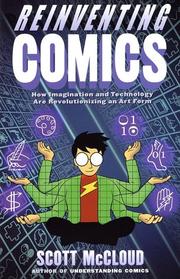
Twelve revolutions in how comics are made, published and read, digital ones included.
“The pedagogical potential of the comic form is vast and mostly untapped.” — Bret Victor
Source: Links — Bret Victor (his five-star list)
Recommended by: Bret Victor
Why information technology does not sweep away the social life around it.
Recommended by: Ev Williams
How simple elements organise themselves into more intelligent, adaptive systems.
Recommended by: Ev Williams
How the internet let amateurs topple old professions such as lawyers and stock gurus.
Recommended by: Nat Eliason, Ryan Holiday
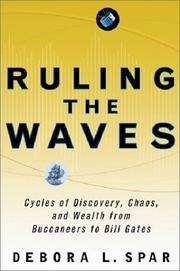
What happens when technology moves faster than governments can write rules.
Recommended by: Mohnish Pabrai
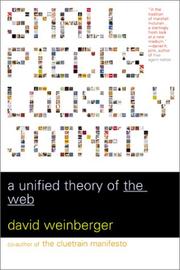
How the Web changes basic ideas of space, time, the self and knowledge.
Recommended by: Ev Williams
How the wealth of the future will be created and spread.
Recommended by: Ev Williams
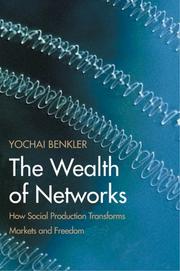
How the internet changed the way information is produced, and what follows.
Recommended by: Patrick Collison, Mike Maples, Jr.
How to manage email, files and information without being overwhelmed.
Recommended by: Ev Williams
How the digital explosion changes privacy, freedom and daily life.
Recommended by: Patrick Collison

The wide-reaching effects of the internet on how people come together.
“Like Wikinomics and Crowdsourcing, required reading if interested in harnessing the collective power of people online.” — Derek Sivers
Source: Derek Sivers book notes (primary, rated list) · Rating: 6/10
Recommended by: David Perell, Derek Sivers, Ryan Holiday and 2 others
How simulation changed the way scientists and designers see the world.
Recommended by: Patrick Collison, Bret Victor
The long-run trends set to reshape economies and markets over the coming decades.

The people and work of DARPA, from the Internet and GPS to driverless cars.
Recommended by: Patrick Collison
What reading on the internet may be doing to human thought and the brain.
Recommended by: Nat Eliason, Iman Gadzhi

How leading universities began giving away their course materials online.
Recommended by: Bill Gates
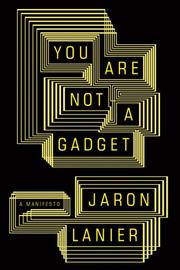
Why the internet has fallen short of its early promise, and how to change its design.
Recommended by: Ryan Holiday, Ev Williams
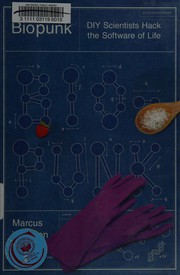
The amateurs who hack biology and genetic engineering outside the laboratories.
Recommended by: Balaji S. Srinivasan
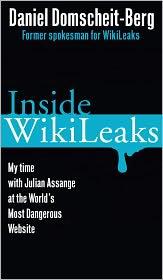
A former spokesman on WikiLeaks' workings, money and tensions with Julian Assange.
Recommended by: Patrick Collison
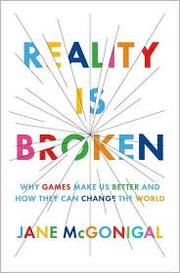
How the problem-solving and teamwork of games could solve real-world problems.
“While this book was not out at the time of this writing, this is likely another useful resource: Jane McGonigal, Reality is Broken: Why Games Make Us Better and How They Can Change the World (New York: Penguin Press, 2011).” — Michael Mauboussin
Source: Blaming the Rat: Incentives, Motivation, and How They Interact, page 14
Recommended by: Michael Mauboussin, Mohnish Pabrai
What happens as technology stands in for people's experience of nature.
Recommended by: Patrick Collison
How the internet changed politics and economies in Iran, Estonia, Korea and Senegal.
Recommended by: Patrick Collison, Balaji S. Srinivasan
How the internet can entrench dictators and threaten dissidents.
Recommended by: Ryan Holiday
The history of WikiLeaks and its release of secret government documents.
Recommended by: Patrick Collison
The case that fast-improving technology will make scarce resources cheap.
Recommended by: Bill Gates, Richard Branson, Morgan Housel and 2 others

Four activists argue that the internet has become a tool of the police state.
Recommended by: Patrick Collison
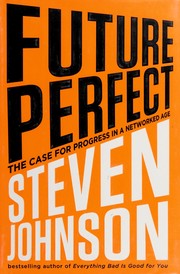
How networked thinking can transform government, research and the arts.
Recommended by: Patrick Collison, Ev Williams
A journey to the physical places and cables that make up the internet.
Recommended by: Patrick Collison
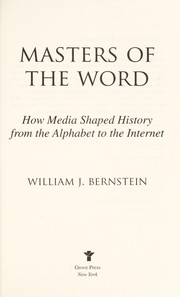
How each new technology of communication, from writing on, changed who held power.
Recommended by: David Perell, Nick Szabo
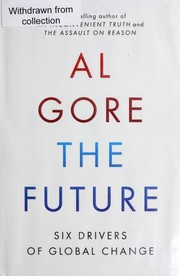
The drivers of global change and where they will take civilization.
Recommended by: John Doerr
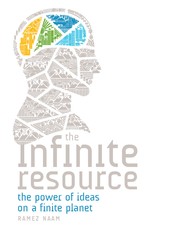
Human knowledge as the greatest resource for overcoming environmental limits.
Recommended by: Patrick Collison
What the data people leave online reveal about human nature.
Recommended by: Mohnish Pabrai
A military expert's framework for fast, frugal innovation.
Recommended by: Claire Diaz-Ortiz
What we lose as constant connection to the internet removes absence from life.
Recommended by: Satya Nadella
How to use prize competitions, crowdfunding and communities to go big.
Recommended by: Nat Eliason, Tom Bilyeu, James Altucher
A manifesto for redesigning politics, government and the economy around human scale.
Recommended by: Reid Hoffman
How fleeing face-to-face talk harms relationships and work, and how to reclaim it.
Recommended by: Arianna Huffington
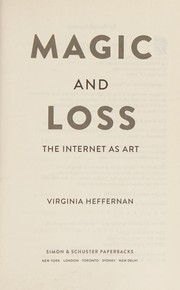
The internet as a work of art: its logic, aesthetics and effect on culture.
Recommended by: Diana Kimball
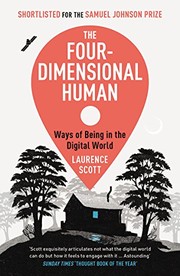
How everyday digital life is changing our inner lives.
Recommended by: Cal Newport
The technologies and industries expected to drive the economy next.
Recommended by: Alfred Lin, Reid Hoffman
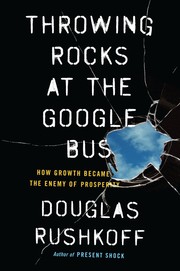
Why an economy driven by technology traps everyone, and how to remake it for people.
Recommended by: George Hatzis
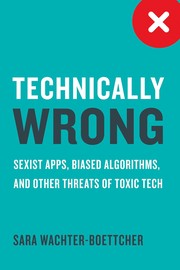
How the tech industry's bias and blind spots get built into everyday products.
Recommended by: George Hatzis
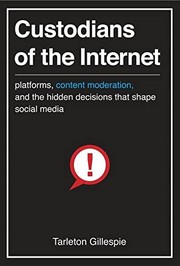
Why content moderation is central to what social media platforms are.
Recommended by: Danah Boyd

A practical plan to break up with your phone and build a better relationship with it.
Recommended by: The Barefoot Investor
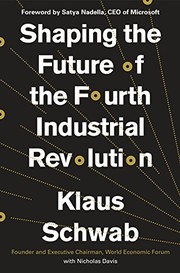
How new technologies are changing work, economies and how people relate.
Recommended by: Satya Nadella
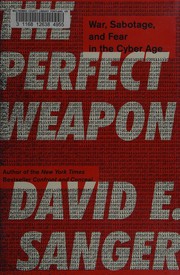
A decade of escalating cyber sabotage among Russia, China, Iran and the US.
Recommended by: Bill Gates
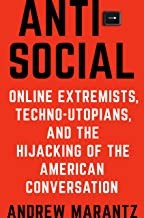
How right-wing extremists used social media to move into American politics.
Recommended by: Kara Swisher
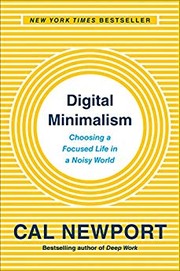
Why living well with technology means spending much less time using it.
“I finally got around to reading his most recent book, Digital Minimalism: Choosing a Focused Life in a Noisy World and my friends were correct. Newport is famous for being a millennial, computer scientist, and a book author who doesn’t have a social media account. Digital Minimalism is complementary to Jaron Lanier‘s book Ten Arguments for Deleting Your Social Media Accounts Right Now, but I found Newport a lot more comfortable and convincing.” — Brad Feld
Source: Book: Digital Minimalism — Feld Thoughts
Recommended by: Brad Feld, Nat Eliason, Alex Lieberman and 1 other
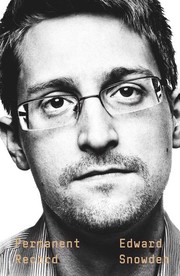
How a man helped build America's mass surveillance system, then exposed it.
Recommended by: Alexis Ohanian, Kara Swisher
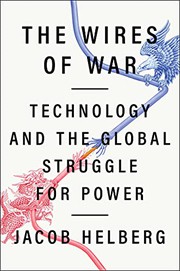
How technology, cyber intelligence and the internet became a field of conflict.
Recommended by: Anthony Pompliano, Keith Rabois
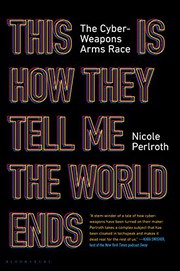
The secret market in cyberweapons, its spies, hackers and arms dealers.
Recommended by: Andrew Wilkinson
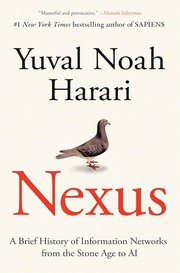
How information networks, from the Stone Age to AI, have made and unmade societies.
Recommended by: Andrew Wilkinson
An essay arguing that technology solves humanity's problems and must be sped up.

A student journalist's account of Silicon Valley hubris as seen from Stanford.
Recommended by: Brad Feld
Twenty essays on the observation that software is eating the world.
Recommended by: David Perell, Patrick O'Shaughnessy
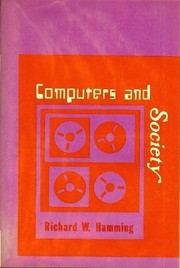
A print magazine on how people shape technology and how technology shapes them.
Recommended by: John Maeda
 Kevin Kellywrote 3 books here
 Peter Diamandiswrote 2 books here
 Marc Andreessenwrote 1 book here
 Michael Lewiswrote 1 book here
 Peter F. Druckerwrote 1 book here
 Eric Schmidtwrote 1 book here
 Tyler Cowenwrote 1 book here
 Ryan Holidaywrote 1 book here
 Cal Newportwrote 1 book here
 Jane McGonigalwrote 1 book here
 Stewart Brandwrote 1 book here
 Patrick Collisonrecommends 23 books here
 Ev Williamsrecommends 8 books here
 Mohnish Pabrairecommends 6 books hereRyan Holidayrecommends 6 books here
 Nat Eliasonrecommends 6 books here
 Brad Feldrecommends 4 books here
 Reid Hoffmanrecommends 4 books here
 Balaji S. Srinivasanrecommends 4 books here
 Bill Gatesrecommends 4 books here
 Derek Siversrecommends 4 books hereMarc Andreessenrecommends 3 books here
 Michael Mauboussinrecommends 3 books here
Show all 65
 Bill Millerrecommends 2 books here
 Alfred Linrecommends 2 books here
 Bret Victorrecommends 2 books here
 Brian Armstrongrecommends 2 books hereCal Newportrecommends 2 books here
 George Hatzisrecommends 2 books here
 John Maedarecommends 2 books here
 Kara Swisherrecommends 2 books here
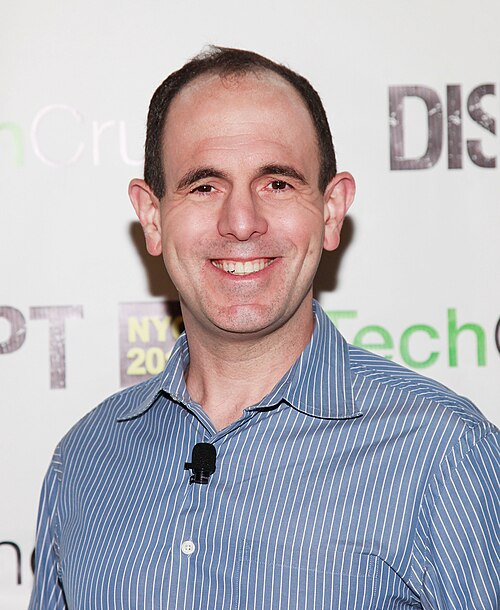 Keith Raboisrecommends 2 books here
 Naval Ravikantrecommends 2 books here
 Satya Nadellarecommends 2 books here
 Steve Jurvetsonrecommends 2 books hereStewart Brandrecommends 2 books here
 Tim Ferrissrecommends 2 books here
 Vitalik Buterinrecommends 2 books here
 Howard Marksrecommends 1 book here
 Peter Thielrecommends 1 book here
 Warren Buffettrecommends 1 book here
 John Doerrrecommends 1 book hereKevin Kellyrecommends 1 book here
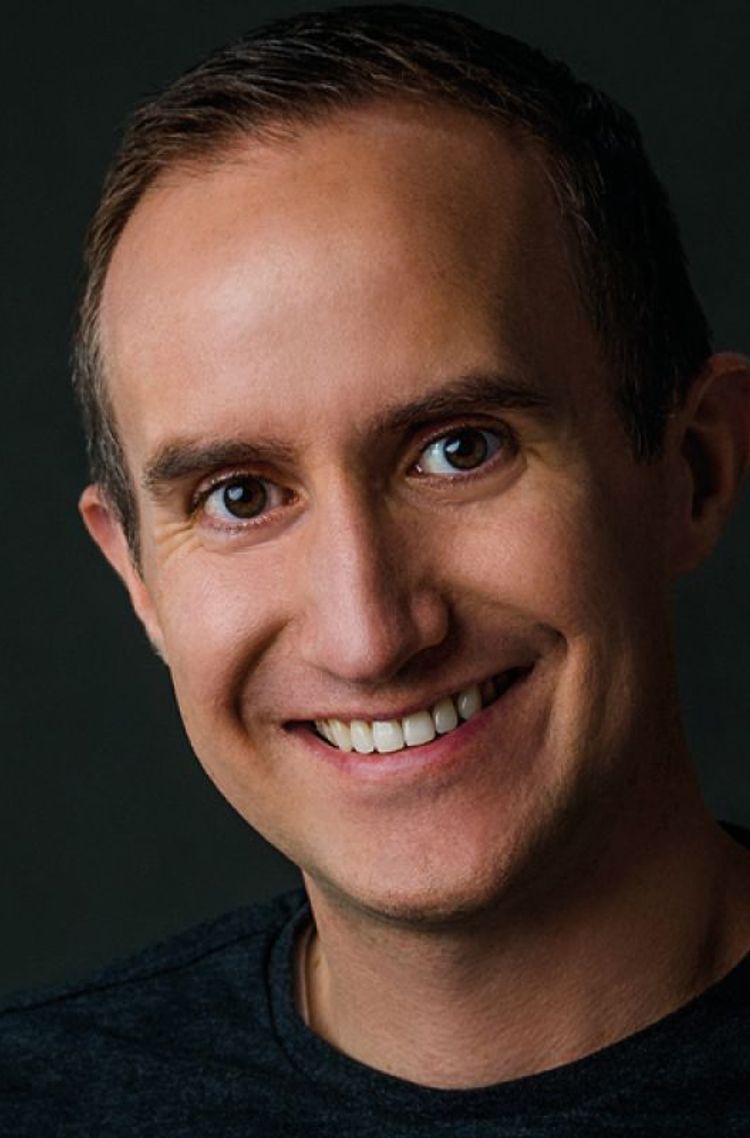 Morgan Houselrecommends 1 book here
 Alexis Ohanianrecommends 1 book here
 Anthony Pomplianorecommends 1 book here
 Arianna Huffingtonrecommends 1 book here
 Chase Jarvisrecommends 1 book here
 Claire Diaz-Ortizrecommends 1 book here
 Cynthia Johnsonrecommends 1 book here
 Danah Boydrecommends 1 book here
 Diana Kimballrecommends 1 book here
 Jack Dorseyrecommends 1 book here
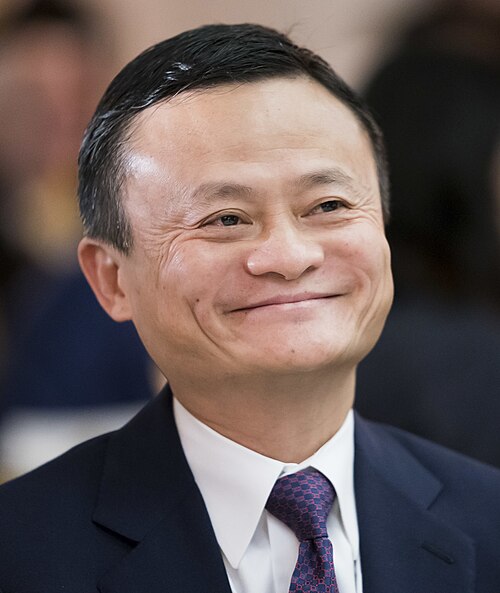 Jack Marecommends 1 book here
 James Altucherrecommends 1 book here
 Mark Zuckerbergrecommends 1 book here
 Michael Bloombergrecommends 1 book here
 Mike Maples, Jr.recommends 1 book here
 Nir Eyalrecommends 1 book here
 Palmer Luckeyrecommends 1 book here
 Raoul Palrecommends 1 book here
 Reed Hastingsrecommends 1 book here
 Richard Bransonrecommends 1 book here
 Tom Bilyeurecommends 1 book here
 Tristan Harrisrecommends 1 book here