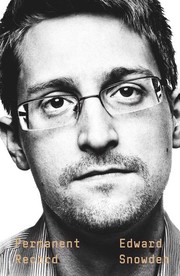
Permanent Record
How a man helped build America's mass surveillance system, then exposed it.
Summary
Edward Snowden tells his own life story for the first time, six years after he exposed the US government's system of mass surveillance, including how he helped build that system and why he decided to reveal it. In 2013, aged 29, he broke with the American intelligence establishment and disclosed that the government was secretly working toward the means to collect every phone call, text message and email, a system able to pry into the private life of every person on earth.
The memoir runs from his childhood in the Beltway suburbs around Washington through his secret postings with the CIA and the NSA. Snowden presents himself as a young man who grew up online and became a spy, then a whistleblower, then, in exile, a defender of privacy on the internet. The publisher's copy calls it a memoir of the digital age. The sources read here give its arc but not the details of the programmes he describes or of his flight.
Key takeaways 4
- Snowden helped build the surveillance system he later exposed.
- In 2013 he revealed a US effort to collect all phone calls, texts and emails.
- He grew up online, and the internet shaped his values.
- He tells the story from exile, six years after the disclosures.
Who should read it
Readers who want the whistleblower's own account of mass surveillance and his decision to expose it.
Who recommended it 2
Similar books 6
Chosen by shared topics, the entries that hold them, and the people who recommended both.

A former spokesman on WikiLeaks' workings, money and tensions with Julian Assange.
Recommended by: Patrick Collison

Four activists argue that the internet has become a tool of the police state.
Recommended by: Patrick Collison

How the internet can entrench dictators and threaten dissidents.
Recommended by: Ryan Holiday

A decade of escalating cyber sabotage among Russia, China, Iran and the US.
Recommended by: Bill Gates
Why connection has become the main source of power, and what leaders miss.
Recommended by: Reid Hoffman
Palantir's chief executive on why technology firms should serve national power.