Updates

  1. 137 new fund letters and reports, each with its own page: Kayne Anderson Rudnick (48 market briefings, KayneCast episodes and TV commentaries), Shelton Capital Management (48 shareholder reports and a commentary), Lakehouse Capital (10 Small Companies Fund letters), Smead (5 newsletters), RIT Capital Partners (5 monthly commentaries), Kovitz, Legal & General, Generation, Hosking, Marram, Munro, Oldfield and others.
  2. 200 new fund letters and reports, each with its own page: Spheria (41 monthly reports), Peapack Private (41 weekly recaps and planning newsletters), Fort Washington (23), Polen Capital (15), Aristotle Pacific (14), Riverwater (13), Chou (10), Apollo Asia Fund (8, back to 1998), Personal Asset Trust, Rockwood Strategic, J Capital Research, I/O Fund, Penn Davis McFarland, Pomona and others.
  3. Investor pages have one Investments tab with shares, changes, % owned, class, market cap and Market cap and Status filters, a Funds tab listing each fund the firm runs, and assets under management from Form ADV. The Investors table shows AUM and current investments, and its search finds investors by what they hold.
  4. Filters, search and sort stay as you left them when you come back to a section. Person cards look like book cards. Company pages name their Investors tab Ownership. Kind and Sector filters use four kinds and GICS sectors with industries. Dead links left the Links tabs.
  5. 190 more investors from fiscal.ai's list, with their sites, letters, partners and 13F holdings; 556 more partner descriptions. Experts now lists only people.
  6. Fund letters lists 144 new documents from 23 firms, each with its own page: a summary, key insights and quotes. Among them: 37 BlackRock articles, 21 Value Partners monthly notes, eight Baron Capital letters, six Stone Sentinel letters to partners, seven Value Line portfolio manager Q&As, BNY's 2026 earnings releases and Starboard Value's 2026 conference presentations.
  7. 584 more investors, with their websites, 6,776 letters from their own sites, 1,385 partners with pages and the 13F holdings of 213 firms. New letters arrive daily from 290 more archives.
  8. Media and Companies filter by GICS sector and industry group, taken from the companies an episode or page names. 1,860 more company pages show a logo, the SEC's list included.
  9. The home page counts what the platform holds and lists features such as the document reader, the player and saved marks. Settings sits at the foot of the rail. Book cards are a quarter wider, so rows hold fewer. Companies drops the Named in filter, and the Role list in your account runs A to Z.
  10. Investor pages of 13 firms show their newsroom's latest posts. New 13F filings are read as the SEC publishes them.
  11. Investor pages have an Investments tab: 13,975 holdings for 105 investors, from their 13F filings with the SEC and their own portfolio pages, with status and sector. 7,338 more companies have a page of their own.
  12. A podcast or YouTube episode keeps playing while you move around the site, in a bar with skip, speed and volume. Media tables show each episode's length and description.
  13. Press releases come from each company's own newsroom (167 companies); SEC filings sit on the Filings tab. Tickers name their exchange, and a company's Experts tab includes guests whose episode description names it.
  14. Letter types now include Market commentary, Fact sheet, Interim report, Annual report, Proxy circular and Governance document. The reader opens over the whole window.
  15. Partners of investment firms have 2,836 appearances and 580 pieces of writing on their pages; Derek Sivers's page lists every book he rates, with his rating.
  16. Fund letters lists three Akre Focus shareholder reports: the ETF's annual report for the year to July 2026, its semi-annual report to January 2026 and the fund's semi-annual report to January 2025, each with its own page: a summary, key insights and quotes.
  17. 837 partners of 73 investment firms now have their own pages, with title, description, photograph and social accounts; Andreessen Horowitz partners' pages also list their writing on a16z.com.
  18. Company pages have a Press releases tab: 8,229 releases for 203 companies, from SEC filings and company newsrooms. Companies filter by For-profit or Non-profit. Own media is a table with filters. Media filters by sector and industry. Publication pages link their publisher in the description.
  19. The Unilever page's Letters tab shows what each fund letter says about Unilever, word for word with its page, and whether the letter is bullish, bearish, mixed or neutral. Filter by sentiment, and see 10 letters at a time.
  20. 492 more fund letters and 3,183 more articles show the day they were published, read from each letter's first page or each article's own page.
  21. The PDF reader has a search box: type words to see every match in the document and step through them. About 540 letters that were web pages, among them Oakmark's commentaries, Bill Miller's letters and Howard Marks's memos, now open in the reader.
  22. Person pages: recommendations open with tier 1 books; one button per organisation; transcripts sit on their episodes; the books on 129 reading lists joined the Recommends tabs.
  23. Companies lists every company with a ticker on the SEC's list, with a Source filter. A quote on a company page opens the letter at that page with the words marked. A company's Media tab lists only episodes that name it, and a new Own media tab lists its podcasts, publications and YouTube channel. Show pages link their publisher. A page opened from a table no longer shows that table's filters beside it.
  24. Company, investor and person pages show more of their social accounts: Facebook, TikTok, Bluesky, Medium, GitHub, Discord and podcast shows. Investor pages list every partner the firm's own team page names: 965 people across 73 investors, 98 for Andreessen Horowitz.
  25. About 170 more letters and papers open in the reader: Mohnish Pabrai's letters and transcripts from his site's new folder, and free copies of papers by Asness, Harvey, Altman, Lo and others from their own or their schools' sites.
  26. Every company a fund letter names has a page, with the letters and quotes that name it: 47 new pages, among them Atom Computing, Hugging Face, Rolls-Royce Holdings and Westinghouse Electric. Company pages have a Quotes tab.
  27. A person's Writing tab has a Type column and filter (Article, Essay, Transcript, Speech, Foreword, Interview and the rest), and Publication names only the publication that published each piece.
  28. Fund letters opens on the newest published letter, and a letter or paper found by search opens its own page here instead of the publisher's site.
  29. A letter or paper with a copy on the site opens its PDF over its page, with a button to open it in a new tab. Select text to highlight or underline it; signed-in readers keep their marks in their account. Each quote opens the PDF at its page with its words marked, and a Source link leads to the publisher's original.
  30. Fund letters lists 61 more documents, each with its own page: Fairfax's 2025 and 2026 interim reports, proxy circulars and 2025 annual report (with their French editions), 26 Charlie Munger meeting transcripts, talks and essays, Third Point's 2026 monthly reports and Malibu Life's interim results, and a Seth Klarman interview. Papers adds Richard Thaler's two 2020 editorials on nudges.
  31. Fund letters lists Lux Capital's letters for Q2 and Q3 2026, by Josh Wolfe, each with its own page: a summary, key insights and quotes.
  32. Fund letters lists Brookfield's letter to shareholders for Q3 2026, by Bruce Flatt, with its own page: a summary, key insights and quotes.
  33. Fund letters lists Howard Marks's memo of 11 November 2026, A Layman Thinks About AI, with its own page: a summary, key insights and quotes.
  34. Fund letters lists 118 more letters, each with its own page: 44 weekly commentaries by Jeremy Siegel from 2026, 31 issues of Van Tharp's newsletter from 2018, 23 Pabrai Investment Funds letters from 2021 to Q3 2026, 13 Efficient Frontier essays by William Bernstein, Oakmark's three 3Q 2026 commentaries, two Lindsell Train reports, a John Hussman comment and Third Point's Q3 2026 letter.
  35. 2,027 more books carry a one-line description in the Books table and on their pages; 7,067 of 7,715 have one, every tier 1, 2 and 3 book among them.
  36. Fund letters lists 187 more letters from 19 firms, among them Permanent Equity, Social Capital, Lux Capital, Square Peg, Bestinver, Cobas, Sequoia Fund, Marketfield and EquityCompass; each shows on its investor's page and has a page of its own.
  37. 2,928 more books carry a one-line description in the Books table and on their pages, so every tier 1, 2 and 3 book has one; 5,040 in all.
  38. Every publication on Newsletters has its own page: its writing, its writers, its staff and who recommends it. Investor pages have a Management tab; a company's Experts tab now leaves out its own people, who list under Management. Tabs on a phone move sideways only.
  39. Every fund letter and research paper has its own page: the thesis, the PDF, the companies and books it names, and for 176 letters and 24 papers so far a summary, key insights and quotes with their page.
  40. 99 books that no page listed now sit under their topics in Books, among them Caste, American Prometheus and Pale Blue Dot.
  41. Newsletters lists every newspaper, magazine, investment newsletter, journal and blog the reference holds, 442 in all, with the people who write there. The search box keeps your last 20 searches. You can create an account.
  42. 283 books that fund managers recommend in their letters are on the shelf, each with the letter's own words and page; investor pages have a Recommends tab.
  43. Person, company, investor and show pages link their own accounts on X, Threads, Instagram, LinkedIn, YouTube and Substack: 275 people, 552 companies and organisations, 88 investors and 478 shows.
  44. 716 more book recommendations name their source: the person's own reading list, letter, blog post, speech or interview, or an article that reports it. 232 of them quote the person's own words about the book, on the book card and on the book's page.
  45. Every US-listed company has a page with its SEC filings. Company pages list their experts and their management, past and present. Fund managers sit under Investors. Each show has a page of its episodes, and an episode page names its guests and hosts. Biographies lists groups, then people. Breadcrumbs show where a page sits.
  46. Media lists every podcast episode, video, interview and talk, over 10,000, by person, company, publisher and event; each filter searches its own choices. Books opens on its table, then Browse, then Authors and Recommenders. A filter's count no longer covers its arrow.
  47. A book that no company, country or subject page lists shows its topics under Where it sits in the reference. On a phone, a page's tabs scroll sideways only. Descriptions read the same on every page. See them in the Experts tab lists every expert the page names.
  48. Every podcast episode, video and interview has its own page with a video or audio player and a link to the source. Investor pages show each company's sector and market cap; firms such as Berkshire Hathaway have one page that holds their letters and their company tabs. Letters tabs filter by company and search the theses. Companies filter by Public, Private and Defunct and link each company's website.
  49. Every tab, view and search has its own address, such as /books/table/asset or /letters/companies, so Back works and a link opens the same place. Page addresses no longer end in .html. Fund letters, Investors, Companies and Papers load about a fifth of the data they did.
  50. Fund letters has a Companies tab: every company the letters name, with its market cap, sector, country, and how many letters and investors name it. Investor pages link each investor's website. Lists in table cells end with “… and N more” at every width.
  51. 1,120 more book summaries; descriptions for 373 papers; pages for 137 more companies, each with the fund letters that discuss it; 215 official photographs; search has its own page.
  52. 411 more books have a summary; person pages list 930 more of the books they wrote; 147 people show their official photograph.
  53. Every investor has a page with its letters and the companies they discuss; company pages list the investors whose letters name them.
  54. A Companies section at the top of the rail lists every company the books, experts and fund letters name.
  55. Person pages list letters, writing, profiles and links as sortable tables with filters, and show each person's companies as links; Fund letters show each letter's description in its own column.
  56. Experts show a checked job title and a short description of each person; 30 more people have photographs.
  57. Every company, fund, university and publication the experts work for has a page listing the people there.
  58. Fund letters show each letter's thesis and filter by it; 225 person pages list the essays, columns and newsletter issues the person wrote.
  59. Person pages list every essay and newsletter issue a person wrote, and their own books as a table in List view.
  60. Recommends shows the five largest kinds of book and the rest under More; browse pictures load sooner.
  61. Podcasts and talks link the original episode, filter by Audio and video or Press, and list each publisher once.
  62. Pages are wider, Recommends has List and Grid, and a filter clicked again turns off.
  63. Book cards sit in a ruled grid with Open Library and Goodreads links and each book's one-line note.
  64. Funds is now Investors; each investor's styles are buttons that filter the table.
  65. Podcasts and talks on a person's page filter by year and publisher and show as a list or a grid of pictures.
  66. Quotes show only people's own words: 472 summaries written by list sites are gone.
  67. Country pages open from Browse again, and every link on the shelf lands on a page.
  68. Subject and person pages show their sections as tabs, and each book appears once on a person's page.
  69. Book cards show the quote, who said it and the source; grids show five cards to a row.
  70. On a phone, a menu holds the sections, search, Updates, Feedback and dark mode.
  71. Feedback takes a screenshot of the page with no browser prompt, opens a screenshot full size when you click it, and clears itself once sent.
  72. Book cards are centred, search names the topic each book sits in, and any text cut short shows whole on hover.
  73. Search groups its results by kind: people, companies, geographies, subjects, topics, books, funds, fund letters and papers.
  74. The Books table lists who recommended each book by name, and the browser tab names the section you are in.
  75. Feedback can take a screenshot of the page, or one you paste or choose, and opens in the corner beside Updates.
  76. Each rail button reopens its section where you left it, and Browse, Table and People show on every book and subject page.
  77. Filters grey out choices that hold nothing instead of hiding them, and Books › People filters by authors or recommenders.
  78. Feedback takes a subject line and up to three screenshots.
  79. Biographies are grouped by the person they are about: 41 new pages, from Abraham Lincoln to Lee Kuan Yew.
  80. Sport splits into 23 sports, and Religion into one topic per faith.
  81. Book lists show as cards: the cover, one recommendation quote and every recommender by name.
  82. Seventeen subjects that had two or three pages under different names now have one page each.
  83. Every page lists its Experts as authors and recommenders, with a link to them on the Experts tab.
  84. Economics, Financial history, Financial panics and Accounting are subjects of their own, with one page per financial crisis.
  85. Book, person and subject pages open inside the app, so the tabs stay in view.
  86. 996 more book covers, and photographs or logos for 227 more people and companies.
  87. Books › Browse shows every subject as cards, and the rail holds Fund letters, Papers, Experts, Books and Funds.
  88. Every topic over 150 books splits into narrower topics, each with a page of its own.

Send feedback

What is it?
Screenshots, up to 3 (optional)
or paste one with Ctrl+V

We use your email only to reply to you.

GA

Geopolitics and international relations

Books on great-power rivalry, war and security, intelligence, sanctions, nuclear risk, cyber conflict and the technology race between states.

Start here

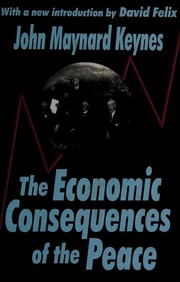
  1. The Economic Consequences of the PeaceJohn Maynard Keynes, 1919
  2. The Strategy of ConflictThomas C. Schelling, 1960
  3. Why America Is Not a New RomeVaclav Smil, 2010
  4. Private Empire: ExxonMobil and American PowerSteve Coll, 2012
  5. The New MapDaniel Yergin, 2020
John Maynard Keynes · 1919

Why Germany could not pay the 1919 reparations, and what they would do to Europe.

“Consider the following quote from John Maynard Keynes in The Economic Consequences of the Peace: The inhabitant of London could order by telephone, sipping his morning tea in bed, the various products of the whole earth, in such quantity as he might see fit, and reasonably expect their early delivery upon his doorstep; he could at the same moment and by the same means adventure his wealth in the natural resources and new …” — William J. Bernstein

Source: Efficient Frontier, issue 901 (2001)

Recommended by: William J. Bernstein
Thomas C. Schelling · 1960

Conflict as bargaining: commitment, credible threats and focal points.

Recommended by: Naval Ravikant

Vaclav Smil · 2010

Tests the popular comparison of America with ancient Rome and finds deep differences.

Recommended by: Bill Gates, Mohnish Pabrai
Steve Coll · 2012

How ExxonMobil acts like a sovereign power, from the Valdez spill to 2011.
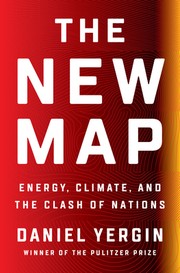
Daniel Yergin · 2020

Energy and geopolitics in 2020: US shale, Russia, China and the Middle East.
Evan Thomas, Walter Isaacson · 1986

Six friends, including Acheson, Harriman and Kennan, who shaped US foreign policy.

Recommended by: Mohnish Pabrai
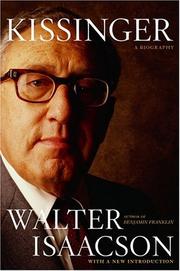
Walter Isaacson · 1992

Kissinger's life and years in power, where realism, secrecy and strategy met.

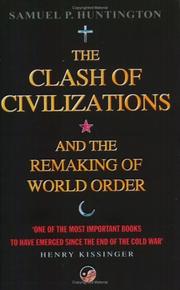
Samuel P. Huntington · 1996

After the Cold War, conflict will follow cultural and religious fault lines.

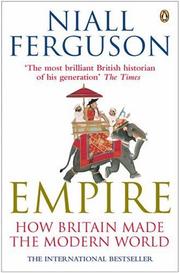
Niall Ferguson · 2003

How the British Empire shaped the modern world, from globalisation to democracy.

Recommended by: Mohnish Pabrai

Graham Allison, Robert D. Blackwill, Ali Wyne · 2013

Lee Kuan Yew's views on China, the United States and world strategy, by topic.

Recommended by: Mohnish Pabrai, Shane Parrish

Juan Zarate · 2013

How the US Treasury built the financial tools that cut Iranian banks off.
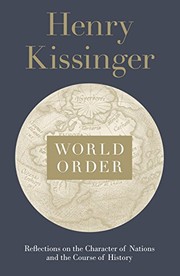
Henry Kissinger · 2014

Competing regional ideas of legitimate order and the balance of power.

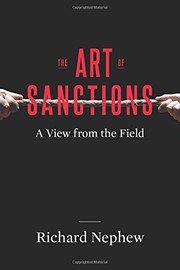
Richard Nephew · 2017

How to design economic sanctions, from the US official who built those on Iran.
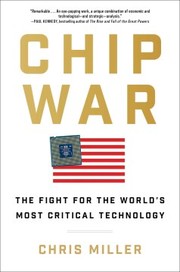
Chris Miller · 2022

How chips became the key to economic and military power, made in a few chokepoints.

Recommended by: Andrew Wilkinson
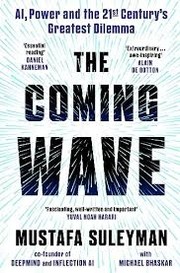
Mustafa Suleyman, Michael Bhaskar · 2023

Why AI and synthetic biology will spread fast and cheaply, and how to contain them.

“Everything is about to be changed by AI in a radical, scary way” — Andrew Wilkinson

Source: Newsletter

Recommended by: Andrew Wilkinson, Bill Gates and 1 other
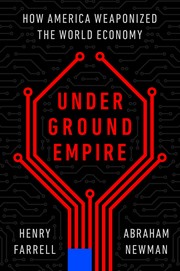
Henry Farrell, Abraham Newman · 2023

How the US turned chokepoints in trade and payments into tools of coercion.
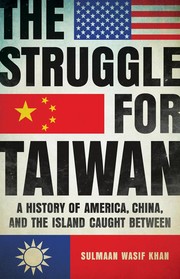
Sulmaan Wasif Khan · 2024

The contest between China and Taiwan, and the risk it poses to Taiwanese assets.

Edward Fishman · 2025

How the US made sanctions and economic warfare its main tool of coercion.

Alexander C. Karp, Nicholas W. Zamiska · 2025

Palantir's chief executive on why technology firms should serve national power.
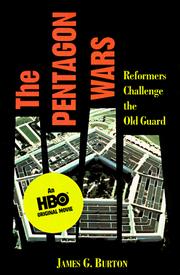
James G. Burton · 1993

An Air Force colonel's fight to make the Pentagon live-fire test the Bradley vehicle.

Craig Addison · 2001

The argument that Taiwan's chip industry protects it from Chinese attack.
William D. Hartung · 2010

How Lockheed Martin operates and how it shapes the defence policy that buys from it.
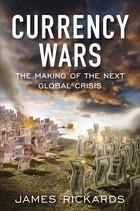
James Rickards · 2011

Why competitive devaluations resumed, and the monetary crisis they could bring.
David S. Abraham · 2015

The supply chains of rare earths and other minor metals that technology needs.
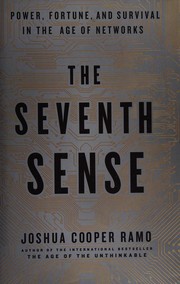
Joshua Cooper Ramo · 2016

Why connection has become the main source of power, and what leaders miss.

Recommended by: Reid Hoffman
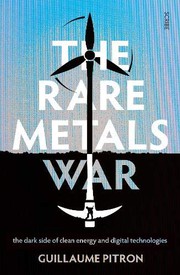
Guillaume Pitron · 2020

The rare metals behind green tech and devices, and China's hold on their supply.

Henry Sanderson · 2022

Where the lithium, cobalt and nickel for electric car batteries come from.
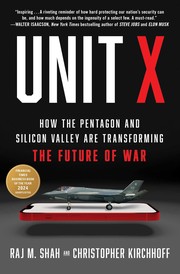
Raj M. Shah, Christopher Kirchhoff · 2024

How the Defense Innovation Unit brought Silicon Valley technology to the military.
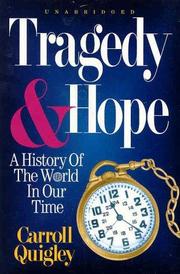
Carroll Quigley · 1966

The world's shift from European dominance to three power blocs in the 20th century.

Recommended by: Patrick O'Shaughnessy
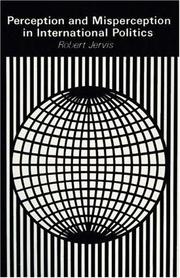
Robert Jervis · 1976

Cognitive psychology applied to how leaders misperceive each other in foreign policy.

Recommended by: Bill Gates
Richard E. Neustadt · 1986

Case studies of how policymakers can use history to make better decisions.

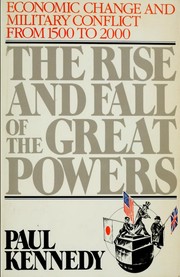
Paul Kennedy · 1987

Why great powers decline when military spending outruns their economic base.

“The River Out of Eden by Richard Dawkins, The Rise and Fall of the Great Powers by Paul Kennedy” — Ray Dalio

Source: Ray Dalio Reddit AMA, r/IAmA (u/RayTDalio)

Recommended by: Jim Collins, Ray Dalio, William J. Bernstein and 3 others
Clyde V. Prestowitz · 1988

How America was ceding its future to Japan, and how to reverse it.

Recommended by: Patrick Collison

Norman Antokol · 1990

An analysis of political hostage-taking by terrorists in the modern world.

Recommended by: Patrick Collison
P.J. O'Rourke · 1992

A collection of satirical reporting on war and politics.

Recommended by: Eric Weinstein
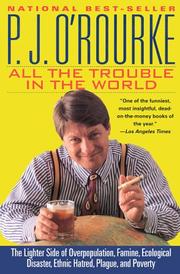
P.J. O’Rourke · 1994

A humorist's take on famine, overpopulation, plague and the world's other worries.

Recommended by: Tucker Max
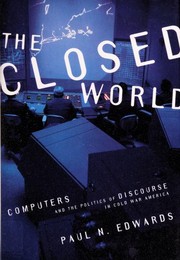
Richard J. Heuer · 1999

How cognitive limits shape the work of intelligence analysts.

Recommended by: Mohnish Pabrai
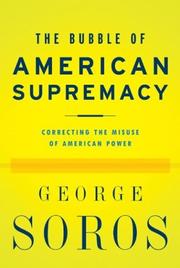
Steve Coll · 2004

The CIA in Afghanistan, from the Soviet invasion to the day before 9/11.

Recommended by: Simon Sinek
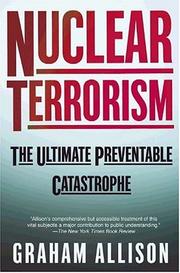
Graham Allison · 2004

The danger of a terrorist nuclear bomb in an American city and a call to prevent it.

“This year I’ve asked The Bookworm to add Graham Allison’s Nuclear Terrorism: The Ultimate Preventable Catastrophe, a must-read for those concerned with the safety of our country.” — Warren Buffett

Source: Berkshire Hathaway Chairman’s Letter 2004, page 24

Recommended by: Warren Buffett
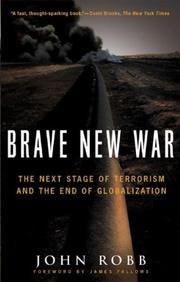
John Robb · 2007

How globalisation's technology lets terrorists and criminals take on states.

Recommended by: Ryan Holiday
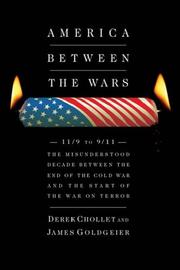
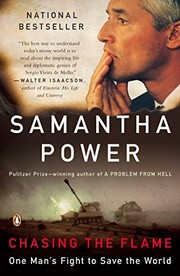
Samantha Power · 2008

Sergio Vieira de Mello, the UN diplomat, and his work in the world's conflicts.

Recommended by: Patrick Collison
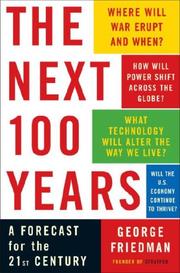
George Friedman · 2008

A forecast of the long-term geopolitical shifts of the coming century.

Recommended by: Sophie Bakalar
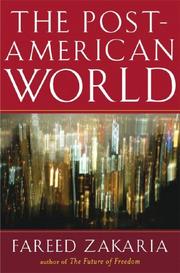
Fareed Zakaria · 2008

Why the era ahead turns less on America's decline than on everyone else's rise.

Gary Brecher · 2008

A war commentator and humorist on military incompetence and pieties of all kinds.

Recommended by: Naval Ravikant
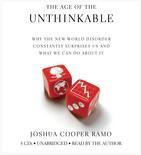
Joshua Cooper Ramo · 2009

Why policies backfire in a networked world, drawing on complexity theory and history.

Recommended by: Mohnish Pabrai
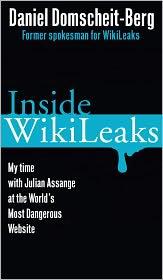
Daniel Domscheit-Berg · 2011

A former spokesman on WikiLeaks' workings, money and tensions with Julian Assange.

Recommended by: Patrick Collison
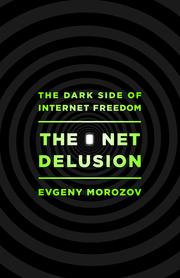
Evgeny Morozov · 2011

How the internet can entrench dictators and threaten dissidents.

Recommended by: Ryan Holiday
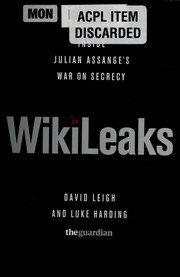
David Leigh, Luke Harding · 2011

The history of WikiLeaks and its release of secret government documents.

Recommended by: Patrick Collison
Julian Assange · 2012

Four activists argue that the internet has become a tool of the police state.

Recommended by: Patrick Collison

Kofi Annan · 2012

A UN leader's account of forty years of war and peace, from Rwanda to Iraq.

Recommended by: Bill Gates
Samantha Power · 2013

Why American leaders who vowed never again failed to stop modern genocides.

Recommended by: Patrick Collison

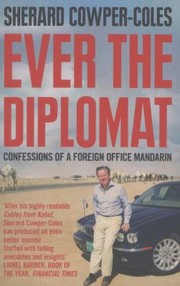
Sherard Cowper-Coles · 2013

A British diplomat's memoir of thirty years of embassy life.

Recommended by: Paul Graham

Graham Allison et al. · 2013

Singapore's founding leader's strategic judgements, edited into a short reference.

“If you're not familiar with Lee Kuan Yew, he's the "Father of Modern Singapore," the man who took a small, poor island just north of the equator in Southeast Asia with GDP per capita of ~$500 in 1965 and turned it into a modern powerhouse with GDP per capita of over $70,000 as of 2014, with some of the lowest rates of corruption and highest rates of economic freedom in the world.” — Shane Parrish

Source: Shane Parrish: The Sixteen Best Books I read in 2016

Recommended by: Shane Parrish
Peter Zeihan · 2014

How geography, demography and shale energy set America up to dominate as others age.

Recommended by: Mohnish Pabrai
Niall Ferguson · 2015

The first volume of Henry Kissinger's life, before he joined Nixon's White House.

Recommended by: Patrick Collison
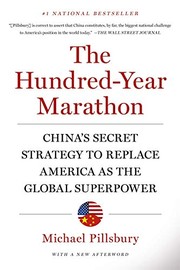
Michael Pillsbury · 2015

The case that China has a secret strategy to replace the US as the dominant power.

Recommended by: Alfred Lin
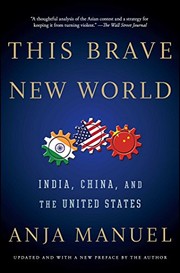
Anja Manuel · 2016

How the rise of China and India will reshape the world.

Recommended by: Reid Hoffman
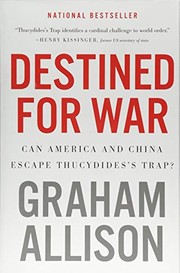
Graham Allison · 2017

Whether the United States and China can avoid war, read through Thucydides.

“Allison, Graham T. Destined for War: Can America and China Escape Thucydides’ Trap? Boston: Houghton Mifflin Harcourt, 2017” — Ray Dalio

Source: The Changing World Order — citations and bibliography, page 41

Recommended by: Ray Dalio, Bill Gates, David Sacks, Li Lu
Joshua Keating · 2018

Breakaway and self-proclaimed states, and why no rule settles what a country is.

Recommended by: Balaji S. Srinivasan

Robert Kagan · 2018

Why America should keep enforcing world order, and what follows if it withdraws.

Recommended by: Vinod Khosla
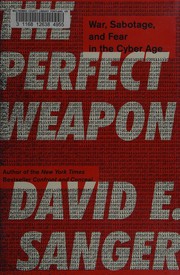
David E. Sanger · 2018

A decade of escalating cyber sabotage among Russia, China, Iran and the US.

Recommended by: Bill Gates
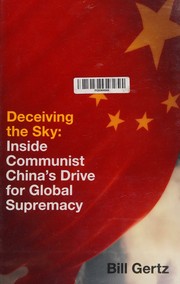
Bill Gertz · 2019

How Communist China deceived the West while it pursued global supremacy.

Recommended by: Matt Mullenweg
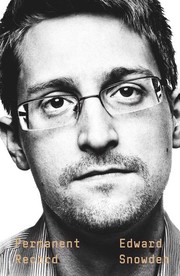
Edward Snowden · 2019

How a man helped build America's mass surveillance system, then exposed it.

Recommended by: Alexis Ohanian, Kara Swisher
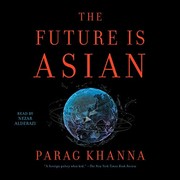
Parag Khanna · 2019

Asia as one order from Saudi Arabia to Japan, linking five billion people by trade.

Recommended by: Balaji S. Srinivasan
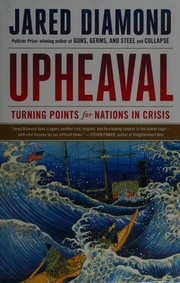
Jared Diamond · 2019

How nations cope with devastating crises and change.

Recommended by: Bill Gates
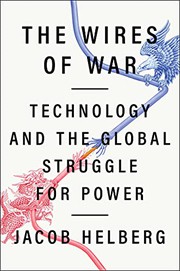
Jacob Helberg · 2021

How technology, cyber intelligence and the internet became a field of conflict.

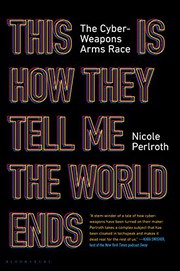
Nicole Perlroth · 2021

The secret market in cyberweapons, its spies, hackers and arms dealers.

Recommended by: Andrew Wilkinson
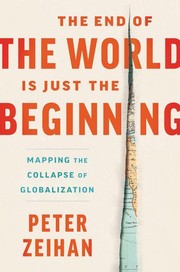
Peter Zeihan · 2022

Why the US-guarded trading order is ending, and what that means for supply chains.

Recommended by: Andrew Wilkinson

Annie Jacobsen · 2024

A scenario of a nuclear strike on the United States, built on expert interviews.

Recommended by: Andrew Wilkinson

Richard Hanania

Why public choice theory explains American foreign policy better than grand strategy.

Recommended by: Marc Andreessen

More politics and government