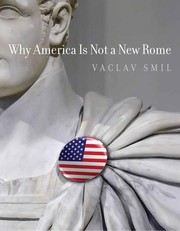
Why America Is Not a New Rome
Tests the popular comparison of America with ancient Rome and finds deep differences.
Summary
Smil tests the comparison between the United States and ancient Rome, which pundits made in celebration after the Cold War and in alarm after the wars in Iraq and Afghanistan and the 2008 recession. A scientist and lifelong student of Roman history, he grants that the parallels are intriguing and some similarities are disconcerting, but he finds profound differences. Superficial similarities, he argues, do not imply that America faces the same political, demographic or economic outcomes as Rome.
The book is organised around several fundamental questions: what empire means; the actual extent and nature of Roman and American power; the role of knowledge and innovation in each state and the importance of machines and energy sources; and the demographic and economic basics of population, illness, death, wealth and misery. He concludes that Americans need to drop the comparison in order to think about their future without a misleading model.
Key takeaways 4
- Rome and the United States differ fundamentally in the extent and nature of their power.
- Modern America's economy rests on machines, fuels and science that Rome did not have.
- Comparing life expectancy, disease and wealth shows how far apart the two societies are.
- Historical analogies can mislead forecasting when the underlying conditions differ.
Who should read it
Investors and readers who hear the decline-of-Rome comparison applied to America and want it tested against data.
About Vaclav Smil
Distinguished professor emeritus at the University of Manitoba; writes quantitative histories of energy, food, materials and technical change.
Each book counts the physical inputs an economy consumes - joules, tonnes of steel, ammonia, cement - and establishes the historical rates at which past energy transitions actually moved. Those numbers let an investor size decarbonisation timelines and test claims about how fast an energy system can be rebuilt.
Who recommended it 2 · 2 direct
Similar books 6
Chosen by shared topics, the entries that hold them, and the people who recommended both.
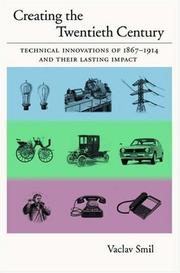
How inventions of 1867 to 1914, from electricity to cars, made the modern world.
“My favorite Smil book, Creating the Twentieth Century (and its companion, Transforming the Twentieth Century) chronicles the inventions of the last 150 years.” — Bill Gates
Source: Vaclav Smil on how energy makes life possible — Gates Notes
Recommended by: Bill Gates, Mohnish Pabrai, Li Lu
How American manufacturing rose to lead the world, and why its share then fell.
Recommended by: Mohnish Pabrai, Bill Gates
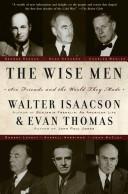
Six friends, including Acheson, Harriman and Kennan, who shaped US foreign policy.
Recommended by: Mohnish Pabrai
American politics and foreign policy between the Berlin Wall's fall and 9/11.
Recommended by: Patrick Collison
History told through energy, from muscle and fire to coal, oil and electricity.
Recommended by: Balaji S. Srinivasan, Bill Gates and 1 other
How Lincoln brought his three rivals for the 1860 nomination into his cabinet.
Recommended by: Bill Gates, Jim Collins, Mohnish Pabrai and 2 others