American History
Holds histories of the United States: the founders, presidents, the Civil War, politics, law, cities and society.
Start here
- The Autobiography of Benjamin FranklinBenjamin Franklin, 1791
- Cadillac DesertMarc Reisner, 1986
- Nature's MetropolisWilliam Cronon, 1991
- Casino: Love and Honor in Las VegasNicholas Pileggi, 1995
- Easy Riders, Raging BullsPeter Biskind, 1998
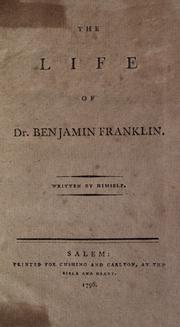
A printer's rise in colonial America and his chart for practising thirteen virtues.
Recommended by: Charlie Munger, Mohnish Pabrai, Nat Eliason and 4 others
How rival federal agencies dammed the American West's rivers for water projects.
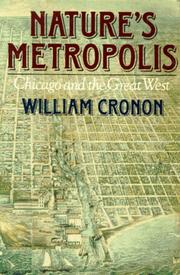
How Chicago and its western hinterland grew together as city and frontier.
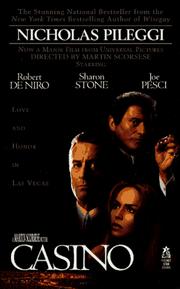
How the Chicago mob ran Las Vegas casinos, told through bookie Frank Rosenthal.
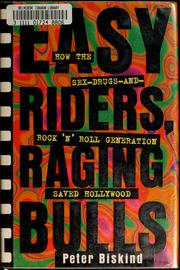
How young directors and drugs remade Hollywood in the 1970s, from Easy Rider on.
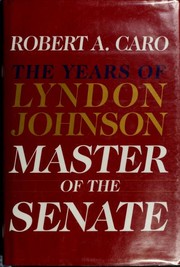
How Lyndon Johnson mastered the Senate's rules and became its majority leader.
Recommended by: Jim Collins, Marc Andreessen and 1 other
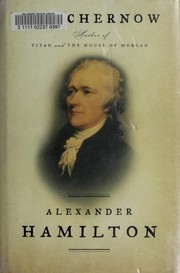
Hamilton's life from the West Indies to the Treasury and his duel with Aaron Burr.
Recommended by: Jim Collins, Patrick Collison and 2 others

Tests the popular comparison of America with ancient Rome and finds deep differences.
Recommended by: Bill Gates, Mohnish Pabrai
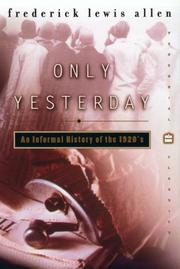
American life in the 1920s, from the Armistice to the crash.
Recommended by: The Barefoot Investor
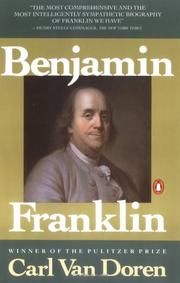
The life of Benjamin Franklin as printer, scientist and statesman.
Recommended by: Charlie Munger
How American life changed between 1900 and 1950.
Recommended by: Morgan Housel, Paul Graham
The 1787 Federal Convention in Philadelphia that wrote the US Constitution.
Recommended by: Jim Collins
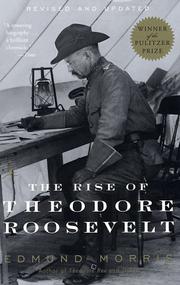
Theodore Roosevelt's life from his birth in 1858 to the presidency in 1901.
Recommended by: Jim Collins, Mohnish Pabrai, Ryan Holiday and 2 others
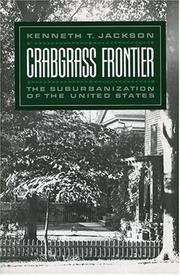
How Americans chose separate suburban houses and how that shaped the country.
How control of water built power in the arid American West.
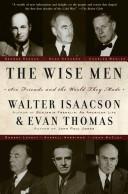
Six friends, including Acheson, Harriman and Kennan, who shaped US foreign policy.
Recommended by: Mohnish Pabrai
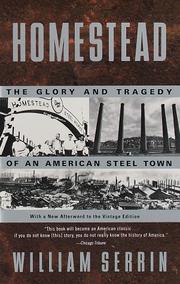
A Pennsylvania steel town from Carnegie's purchase in 1883 to the 1986 closure.
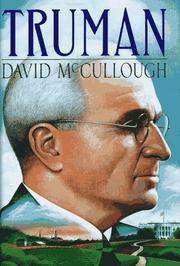
Harry Truman's life and presidency, from the atomic bomb to the Korean War.
Recommended by: Jim Collins, Morgan Housel
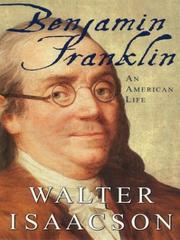
Franklin's life as printer, scientist, diplomat and founder.
“…books I've recommended, highlighted to death, or forced on friends.” — Andrew Wilkinson
Source: Andrew Wilkinson's Bookshelf, neverenough.com
Recommended by: Alfred Lin, Andrew Wilkinson, Brad Feld and 11 others
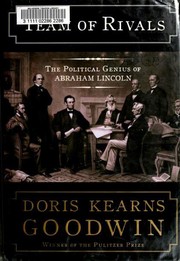
How Lincoln brought his three rivals for the 1860 nomination into his cabinet.
Recommended by: Bill Gates, Jim Collins, Mohnish Pabrai and 2 others
Joseph P. Kennedy's life in banking, film, the stock market and politics.
Recommended by: Mohnish Pabrai, Morgan Housel
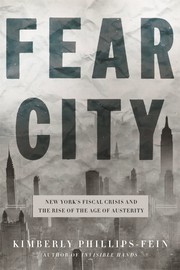
New York's 1975 fiscal crisis and the austerity politics it taught the nation.
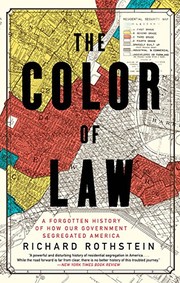
How federal housing policy created racial segregation in American cities.
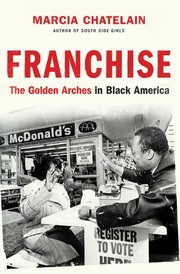
How McDonald's and fast-food franchising became bound up with Black America.
Clifford Irving's fake autobiography of Howard Hughes, reported as it unravelled.
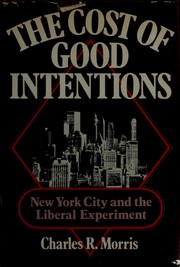
New York City's fiscal crisis of the seventies, traced from the Lindsay years.
A documentary history of the violent strike at Carnegie Steel's Homestead mill.
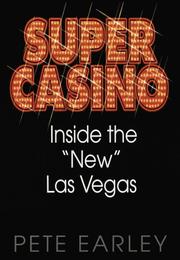
How Las Vegas grew from the Rat Pack era into a family holiday city.
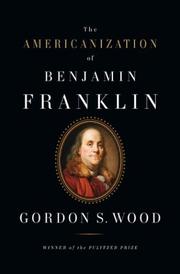
How Franklin went from imperial gentleman to the model of an American.
“if you haven't read much about Ben Franklin, that's what I would suggest” — Joel Greenblatt
Source: Masters in Business transcript: Joel Greenblatt (2020)
Recommended by: Joel Greenblatt, Li Lu
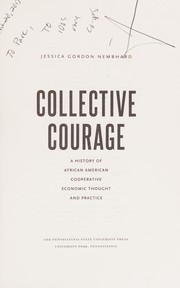
A history of African American cooperatives and collective economic action.
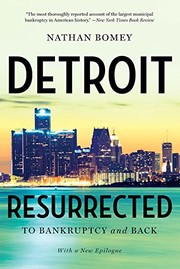
Detroit's Chapter 9 bankruptcy, the largest by a US city, from inside the case.
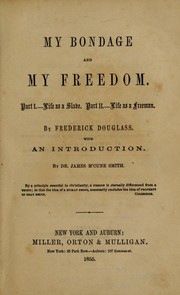
An abolitionist's life in slavery and his fight for the full freedom of Black people.
Recommended by: Ryan Holiday
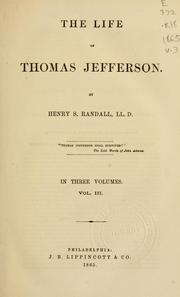
Recommended by: Mohnish Pabrai
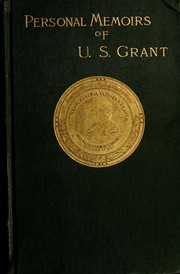
A general's own account of his career, from West Point cadet to head of Union armies.
Recommended by: Jamie Dimon
The thesis that settling the frontier shaped a democracy distinct from Europe's.
Recommended by: Balaji S. Srinivasan
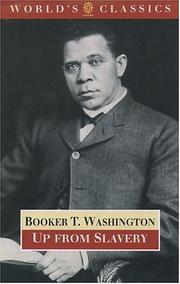
An educator's autobiography, from slavery in the South to national leadership.
Recommended by: Ryan Holiday

How growing equality of conditions shaped American democracy and society.
Recommended by: Jim Collins, Patrick Collison, Li Lu
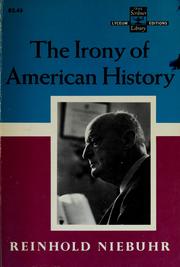
A theologian on the challenges and illusions of American democracy in the Cold War.
Recommended by: Patrick Collison

The autobiography of a communist spy who became a Christian.
Recommended by: Marc Andreessen
The American West's mining and railroad fortunes in the second half of the 1800s.
Recommended by: Charlie Munger, Jim Collins
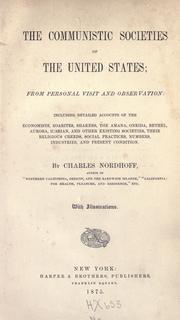
A reporter's first-hand account of America's nineteenth-century utopian communities.
Recommended by: Balaji S. Srinivasan
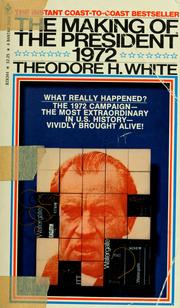
The presidential race between John F. Kennedy and Richard Nixon.
Recommended by: Warren Buffett
A factual portrait of Texas in all its size and complexity.
Recommended by: Paul Graham
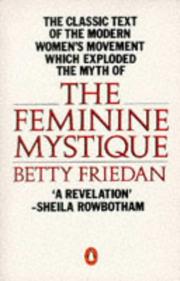
"The problem that has no name": the beliefs that kept women confined to the home.
Recommended by: Patrick Collison
Interviews with Americans who joined the Communist Party and later left it.
Recommended by: Marc Andreessen
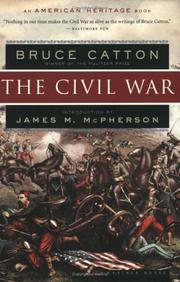
Recommended by: Tim O’Reilly
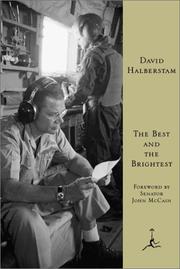
Why the United States became mired in Vietnam, and the policy makers who led it.
“Heading the column was a quotation from David Halberstam's account of the U.S. involvement in Vietnam, The Best and The Brightest: If there was ever anything that bound men ... together, it was the belief that sheer intelligence and rationality could answer and solve everything.” — Howard Marks
Source: Genius Isn't Enough (and Other Lessons from Long-Term Capital Management), page 1
Recommended by: Howard Marks, Nick Crocker
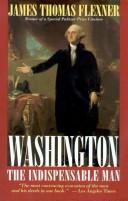
A biography of George Washington.
Recommended by: Mohnish Pabrai, Jamie Dimon
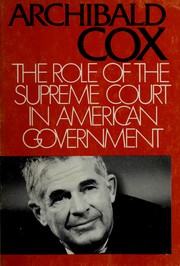
Lectures given at Oxford on the Supreme Court's role in American government.
Recommended by: Susan J. Fowler

A retroactive manifesto for Manhattan's architecture over a century.
Recommended by: Matt Mullenweg
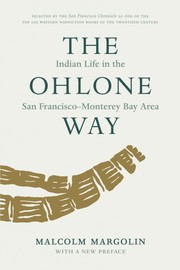
The life of the Indian people of the Bay Area before Europeans arrived.
Recommended by: Patrick Collison
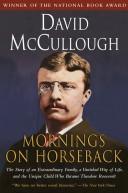
The youth of Theodore Roosevelt and the family that shaped him.
Recommended by: Sophie Bakalar
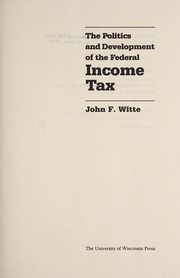
The history and politics of the American federal income tax.
Recommended by: Paul Graham
How English regional cultures shaped early American society and its regions.
Recommended by: Balaji S. Srinivasan
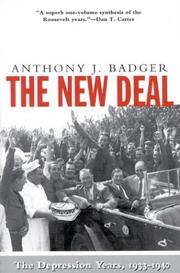
An interpretation of the New Deal and of the historians who have written on it.
“Badger, Anthony. The New Deal. Hill and Wang, 1989.” — Paul Graham
Source: The Refragmentation — Paul Graham (bibliography)
Recommended by: Paul Graham
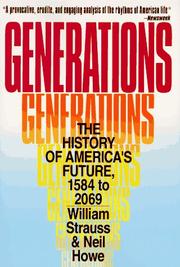
American history as a run of generations, and the theory that they repeat.
Recommended by: Mohnish Pabrai, Tony Robbins
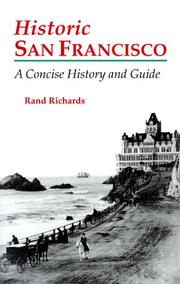
A concise history of San Francisco and a guide to its historic sites.
Recommended by: Patrick Collison
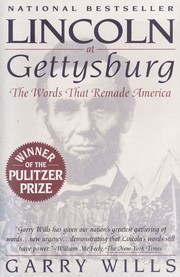
How the 272 words of the Gettysburg Address changed what America meant.
Recommended by: Jim Collins, Mohnish Pabrai, Jamie Dimon
Clarence Darrow's 1912 bribery trial in Los Angeles, and the lawyer's life around it.
Recommended by: Mohnish Pabrai
How ethnic competition shaped New York City politics, from Tammany Hall to Dinkins.
Recommended by: Audrey Gelman
A biography of Abraham Lincoln drawn on his personal papers.
Recommended by: Mohnish Pabrai, Jamie Dimon
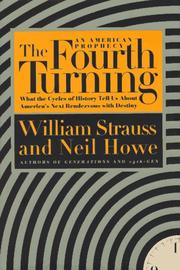
American history as a repeating cycle of four generational turnings, each 20 years.
Recommended by: Balaji S. Srinivasan, Mohnish Pabrai and 3 others
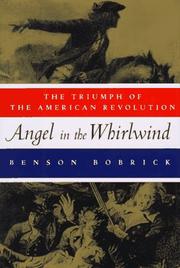
A history of the American Revolution.
“There's a great book by an author named Benson Bobrick called Angel in the Whirlwind. It's a history of the American Revolution.” — John Crowley
Source: The Tim Ferriss Show Transcripts: John Crowley (#225)
Recommended by: John Crowley
150 essays on the events that shaped the city of Chicago.
Recommended by: Mohnish Pabrai
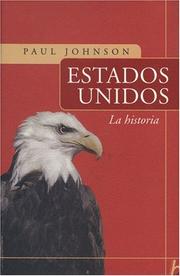
A history of the United States as a great human adventure.
Recommended by: Mohnish Pabrai
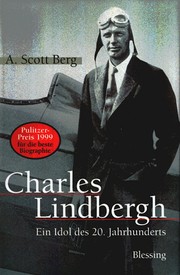
A life of Charles Lindbergh, the hero and the very private man.
Recommended by: Marc Andreessen
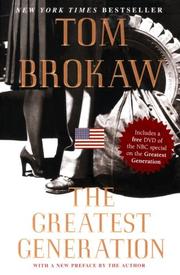
The stories of the Americans who fought the Second World War, from a TV journalist.
Recommended by: Mohnish Pabrai
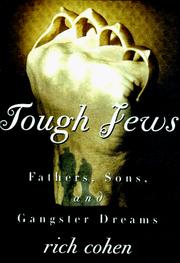
The Jewish gangsters of Brooklyn in the 1920s and 1930s.
Recommended by: Ryan Holiday
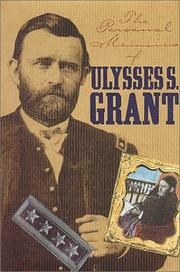
A general's own account of his career, from West Point cadet to head of Union armies.
Recommended by: Jim Collins, Mohnish Pabrai
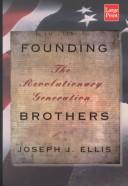
How Hamilton, Jefferson, Adams and others met the trials of the young republic.
Recommended by: Jim Collins, Mohnish Pabrai, Jamie Dimon
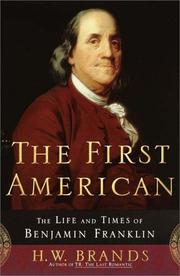
A life of Benjamin Franklin, the foremost American of his day.
Recommended by: Ev Williams
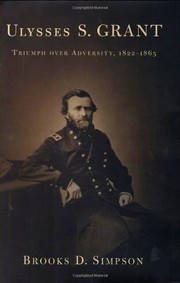
A life of Ulysses S. Grant as a man of opposing qualities.
Recommended by: Ryan Holiday
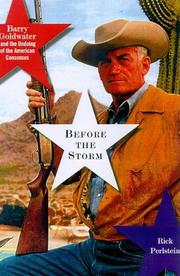
The rise of the conservative movement in the sixties around Barry Goldwater.
Recommended by: Patrick Collison
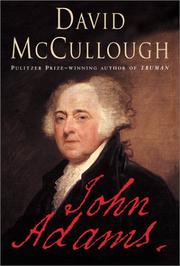
A life of John Adams, revolutionary and second president of the United States.
Recommended by: Mohnish Pabrai
How a trainer, an owner and a jockey made a crooked-legged horse a racing legend.
Recommended by: Jim Collins, Mohnish Pabrai
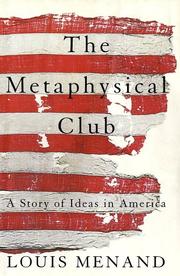
Holmes, James, Peirce and the ideas that shaped modern American thought.
Recommended by: Mohnish Pabrai
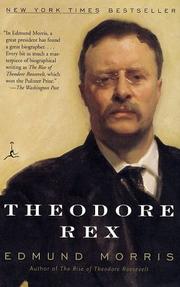
Theodore Roosevelt's presidency and the politics of his years in office.
Recommended by: Mohnish Pabrai, Sophie Bakalar
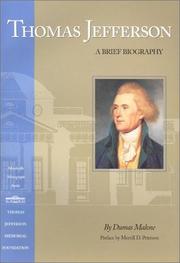
A short life of Thomas Jefferson's mind and temperament.
Recommended by: Mohnish Pabrai
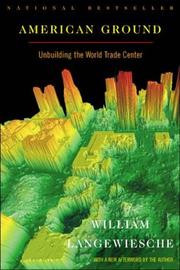
The people who cleared the World Trade Center site after the September 11 attacks.
Recommended by: Diana Kimball
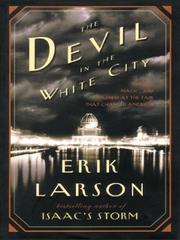
The 1893 Chicago World's Fair: its architect, and a serial killer working beside it.
Recommended by: Jim Collins, Sahil Bloom, Sophie Bakalar
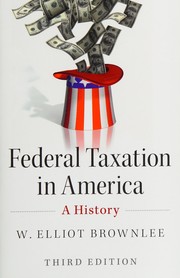
A history of federal taxation in the United States.
Recommended by: Paul Graham
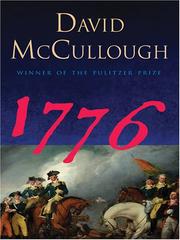
The men who marched with George Washington in the year of independence.
Recommended by: Jim Collins, Mohnish Pabrai
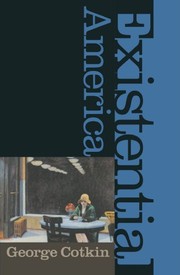
How existentialism took root in American thought.
Recommended by: Patrick Collison
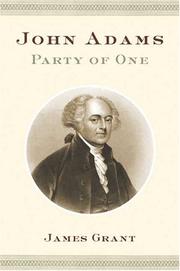
A biography of a paradoxical president, a fierce revolutionary and reluctant leader.
Recommended by: Jim Collins, Mohnish Pabrai, Seth Klarman
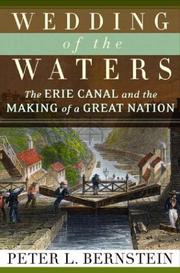
How the Erie Canal changed the course of American history.
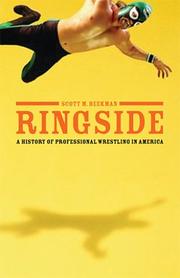
A history of professional wrestling in America, from legitimate sport to spectacle.
Recommended by: Eric Weinstein
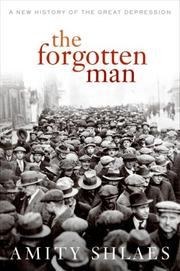
The Great Depression told through the stories of the common people who endured it.
Recommended by: Balaji S. Srinivasan
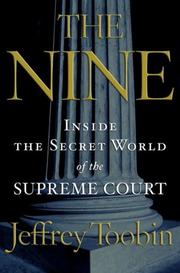
Inside the Supreme Court and the dynamic among its nine justices.
Recommended by: Gary Vaynerchuk
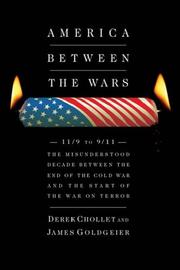
American politics and foreign policy between the Berlin Wall's fall and 9/11.
Recommended by: Patrick Collison
Nixon's political career from Congress to the White House and the strategies he used.
Recommended by: Patrick Collison
Money and power inside New York's Metropolitan Museum of Art.
An illustrated history of the national park idea in America.
Recommended by: Patrick Collison
Theodore Roosevelt's last decade, from leaving the presidency to his death.
Recommended by: Mohnish Pabrai
The decades-long migration of black Americans out of the South.
Recommended by: Barack Obama, Michelle Obama
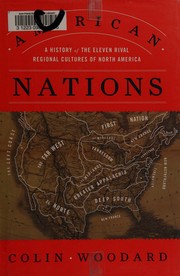
The eleven rival regional cultures, or nations, that make up North America.
Recommended by: Jack Dorsey
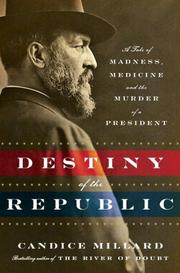
The life and assassination of President Garfield, and the man who shot him.
Recommended by: Andrew Wilkinson, Ryan Holiday
The life of Thomas B. Reed, Speaker of the House in the Gilded Age.
Recommended by: Mohnish Pabrai, Seth Klarman
Essays on the ideas behind the American Revolution and why it still matters.
Recommended by: Mohnish Pabrai
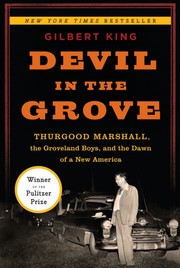
The Groveland case in Jim Crow Florida, when four Black men were accused of rape.
“My weekend reading was Devil in the Grove: Thurgood Marshall, the Groveland Boys, and the Dawn of a New America.” — Brad Feld
Recommended by: Brad Feld, Jim Collins
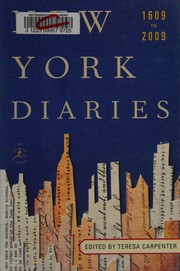
Four centuries of New Yorkers' diaries, from Henry Hudson to Mark Twain and on.
Recommended by: Patrick Collison
San Francisco from the late 1960s to the early 1980s, through its people.
Recommended by: Patrick Collison
Long working hours, shift work and the dangers of sleepiness on the job.
Recommended by: Arianna Huffington
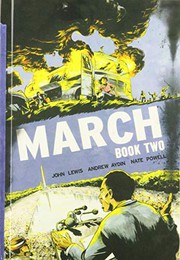
A graphic memoir of the civil rights movement by one of its leaders.
“I spent the afternoon on the couch reading March by John Lewis, Andrew Aydin, and Nate Powell. It’s a comic book trilogy that is the story of the Civil Right Movement through Congressman Lewis’ eyes. While I’m reading very little current news right now, I am reading a lot of American history.” — Brad Feld
Source: Book: March — Feld Thoughts
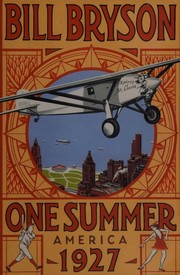
America in the summer of 1927: a booming stock market, a great flood and more.
Recommended by: Andrew Wilkinson
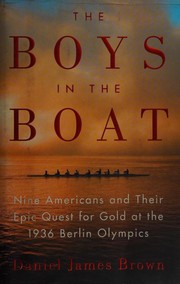
The University of Washington's 1936 eight-oar crew and their quest for Olympic gold.
Recommended by: Jim Collins, Satya Nadella
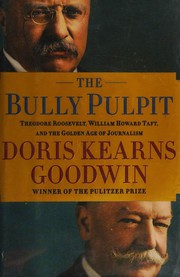
A study of presidents and politics in America's Progressive era.
Recommended by: Bill Gates, Jim Collins, Mohnish Pabrai and 1 other
New Yorker pieces from the 1940s, a decade of war and lasting cultural change.
Recommended by: Patrick Collison
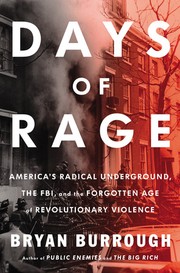
The radical underground groups that bombed police stations and courthouses.
Recommended by: Marc Andreessen
How Truman and Senator Vandenberg built American foreign policy after the war.
Recommended by: Mohnish Pabrai
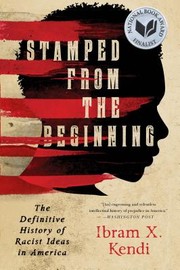
A history of racist ideas in America from their origins to the present.
Recommended by: Barack Obama
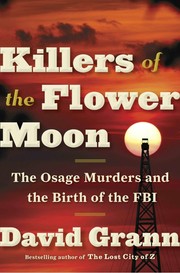
The murders of Osage people in Oklahoma after oil made them rich.
Recommended by: Barack Obama
New Yorker pieces from the 1960s by Spark, Updike, Plath, Baldwin and others.
Recommended by: Patrick Collison
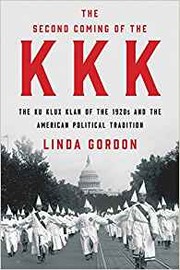
The Ku Klux Klan of the 1920s, a mass movement that flourished in the North.
Recommended by: Marc Andreessen
The early development and growth of leadership in American presidents.
Recommended by: Bill Gates, Scott Belsky
How presidents from Madison to Lyndon Johnson took America to war and gained power.
Recommended by: Bill Gates
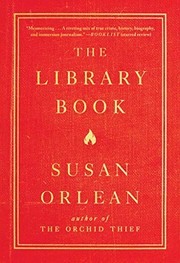
The fire at the Los Angeles Central Library, and a history of the library.
Recommended by: Reese Witherspoon, Ryan Holiday
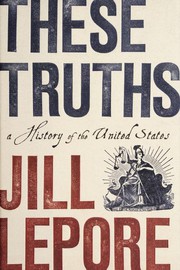
A one-volume history of the United States and the origins of a divided nation.
Recommended by: Bill Gates, Morgan Housel
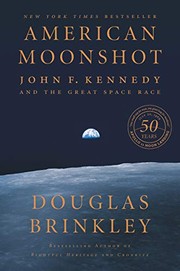
John F. Kennedy, NASA and the race to land astronauts on the moon.
Recommended by: Morgan Housel
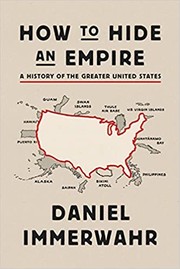
The territories the United States governed beyond its fifty states.
Recommended by: Balaji S. Srinivasan, Ryan Holiday
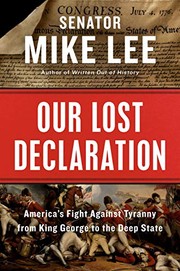
The little-known offences of the British crown against its own American subjects.
Recommended by: Donald Trump
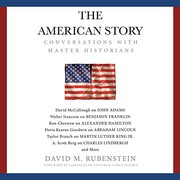
Conversations with leading historians about the Americans they have studied.
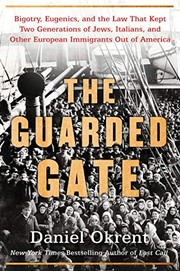
How eugenics arguments kept Jews, Italians and others out of the United States.
Recommended by: Marc Andreessen
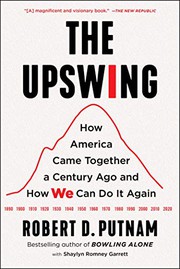
How America moved from "I" to "we" and back over a century, and how to turn again.
Recommended by: Andrew Wilkinson
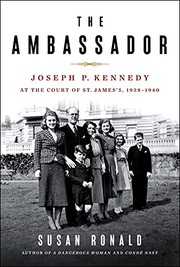
Joseph Kennedy's contested years as US ambassador to Britain on the eve of war.
Recommended by: Marc Andreessen
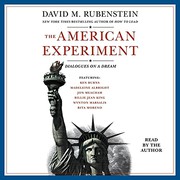
American history as an experiment in democracy, told in conversations.
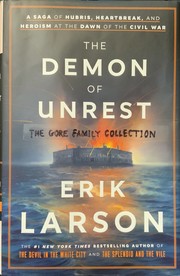
The months between Lincoln's election and the fight over Fort Sumter.
Recommended by: Andrew Wilkinson
Interviews with presidents and historians on the American presidency.
How George Washington, whose schooling ended at eleven, educated himself.
Recommended by: Shane Parrish
A historian's personal history of the 1960s, told with her husband's life.
Recommended by: Andrew Wilkinson, Bill Gates

A one-volume history of the American Civil War and the decades that led to it.
Recommended by: Patrick Collison
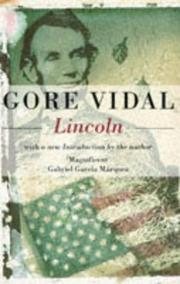
The second of two volumes of Lincoln's complete speeches and writings.
Recommended by: Patrick Collison
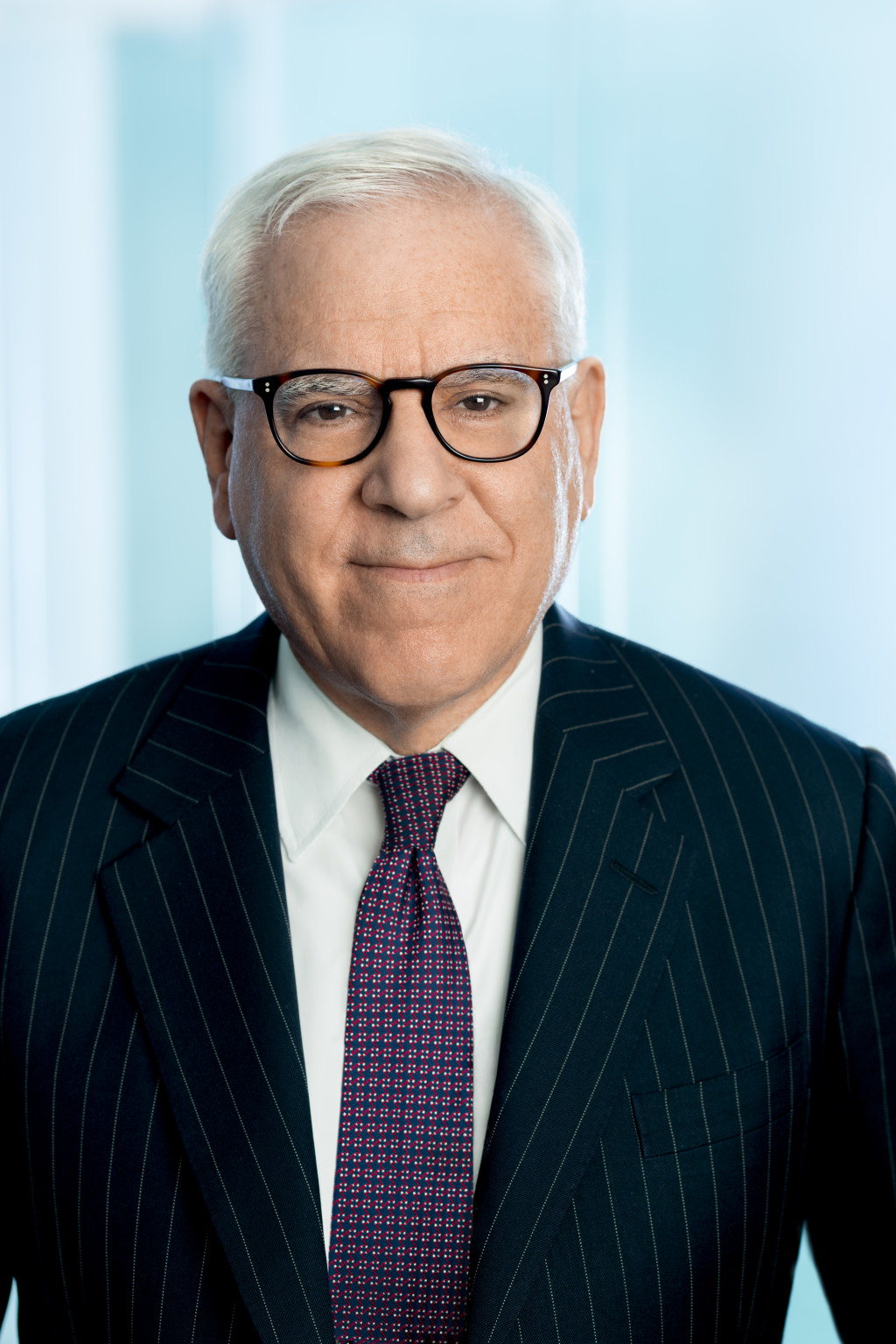 David M. Rubensteinwrote 3 books here
 James Grantwrote 2 books here
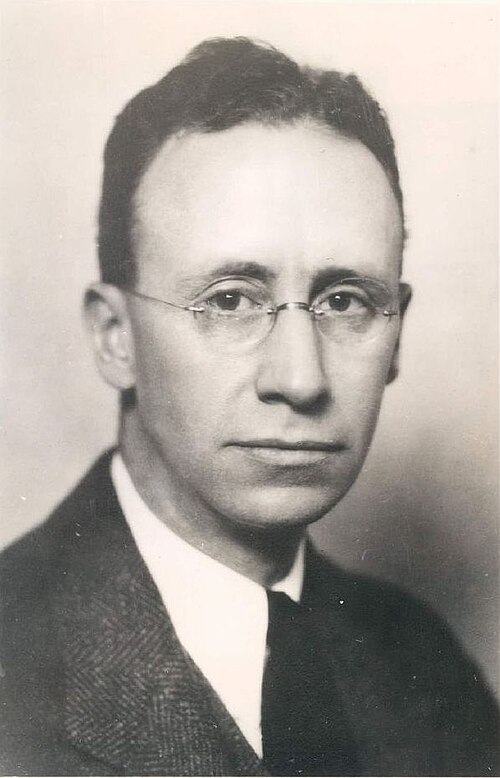 Frederick Lewis Allenwrote 2 books here
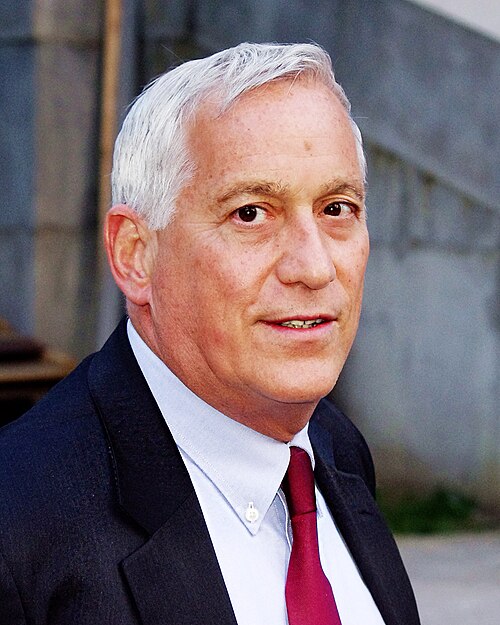 Walter Isaacsonwrote 2 books here
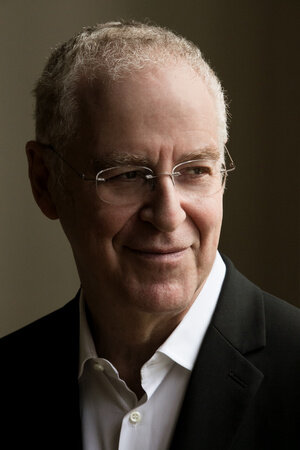 Ron Chernowwrote 1 book here
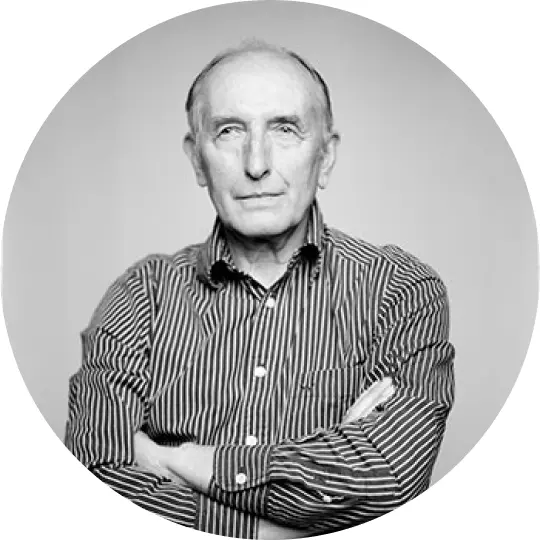 Vaclav Smilwrote 1 book here
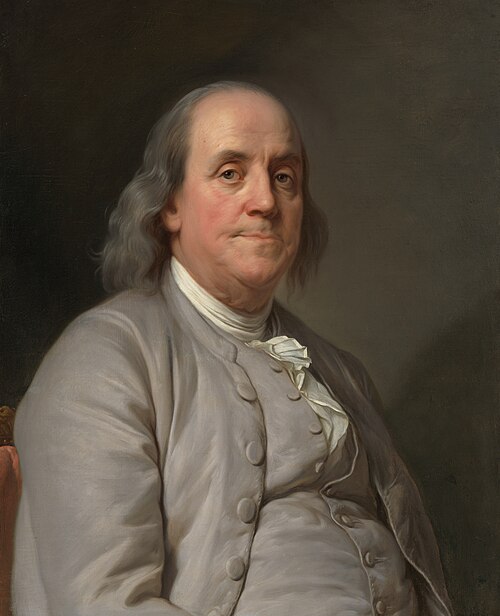 Benjamin Franklinwrote 1 book here
 Mike Leewrote 1 book here
 Mohnish Pabrairecommends 31 books here
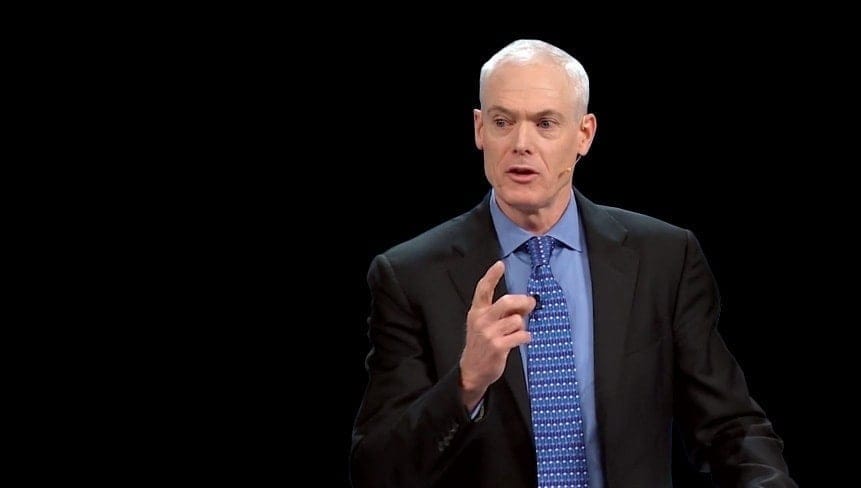 Jim Collinsrecommends 19 books here
 Patrick Collisonrecommends 19 books here
 Marc Andreessenrecommends 8 books here
 Ryan Holidayrecommends 8 books here
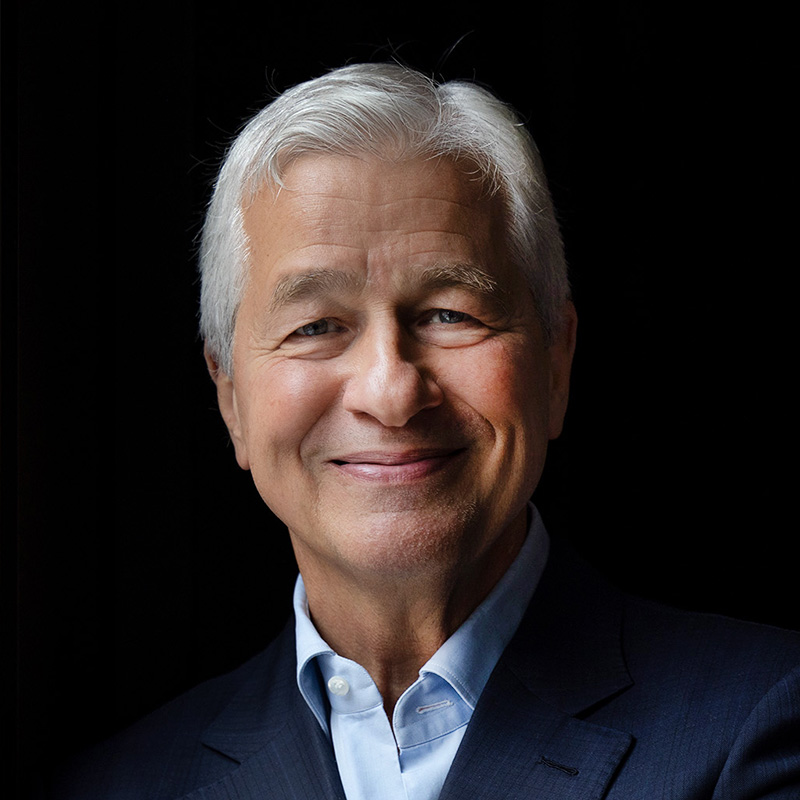 Jamie Dimonrecommends 8 books here
 Paul Grahamrecommends 7 books here
 Balaji S. Srinivasanrecommends 7 books here
 Bill Gatesrecommends 7 books here
 Morgan Houselrecommends 5 books here
Show all 54
 Charlie Mungerrecommends 4 books here
 Brad Feldrecommends 3 books here
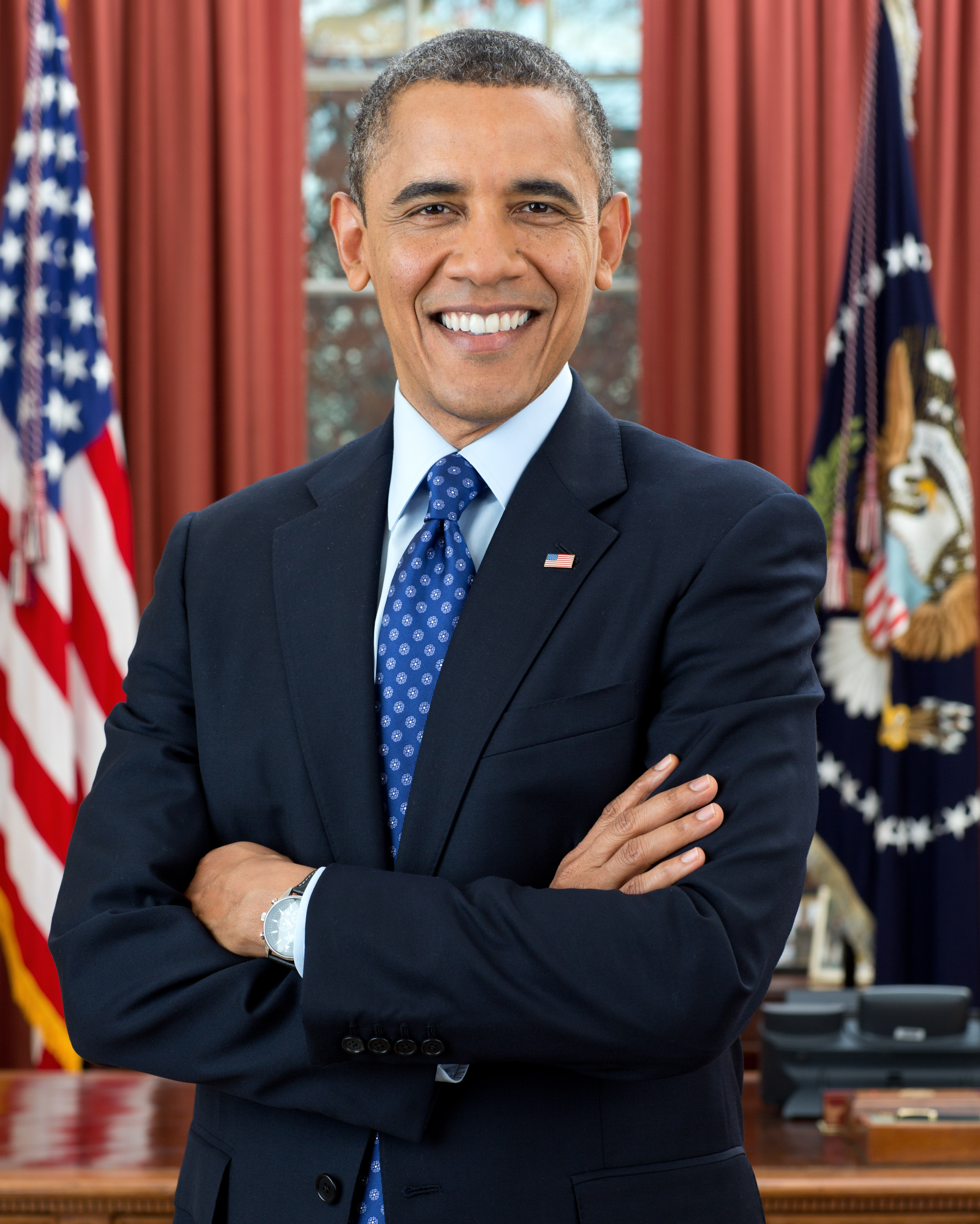 Barack Obamarecommends 3 books here
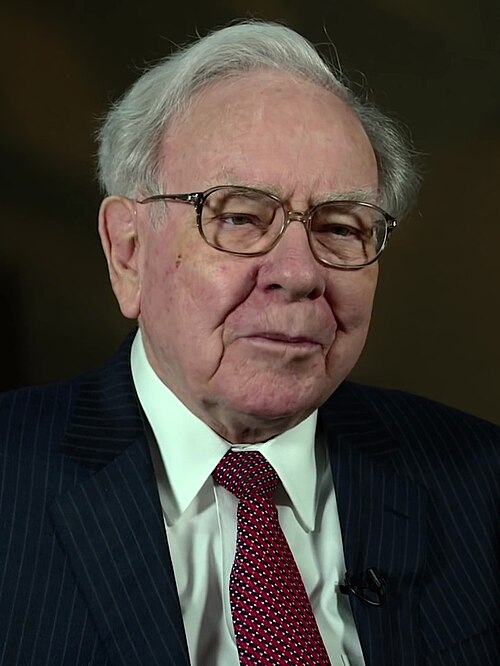 Warren Buffettrecommends 2 books here
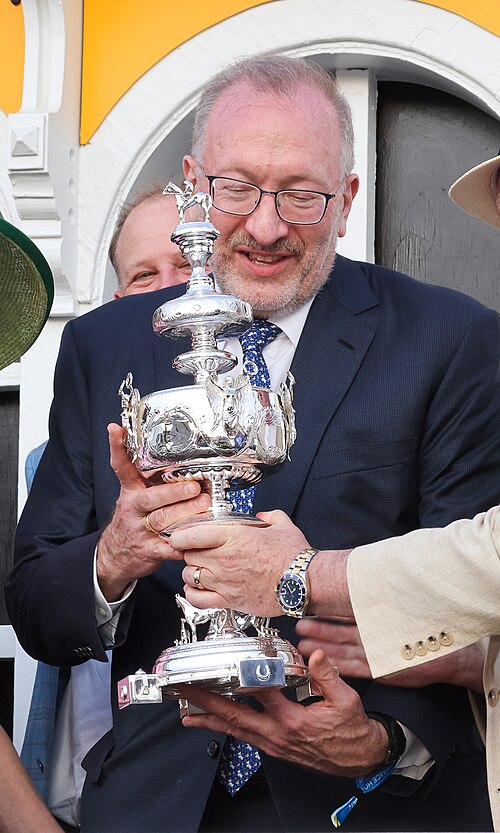 Seth Klarmanrecommends 2 books here
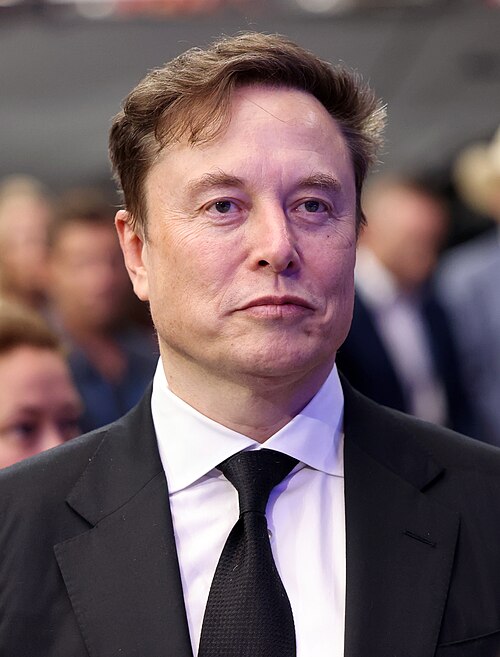 Elon Muskrecommends 2 books here
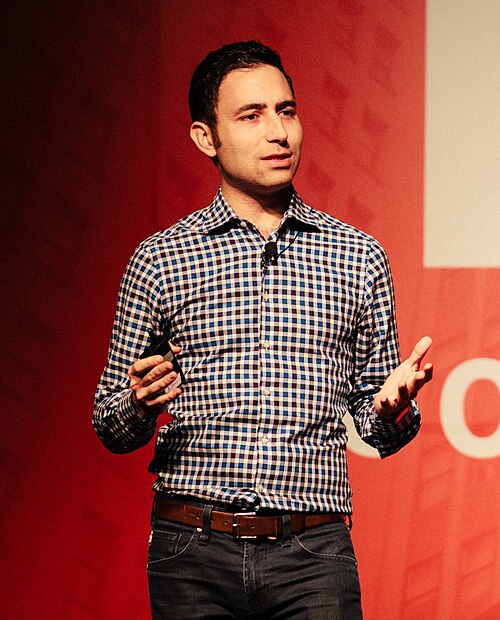 Scott Belskyrecommends 2 books here
 Tony Robbinsrecommends 2 books here
 Howard Marksrecommends 1 book here
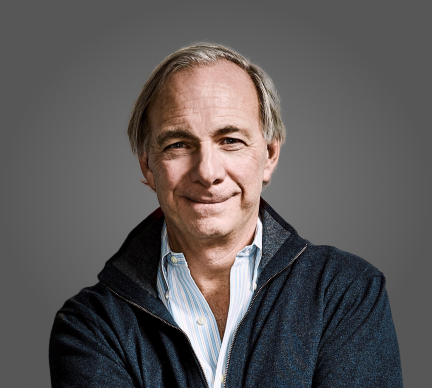 Ray Daliorecommends 1 book here
 Alfred Linrecommends 1 book here
 Antonio García Martínezrecommends 1 book here
 Arianna Huffingtonrecommends 1 book here
 Audrey Gelmanrecommends 1 book here
 Brett Adcockrecommends 1 book here
 Diana Kimballrecommends 1 book here
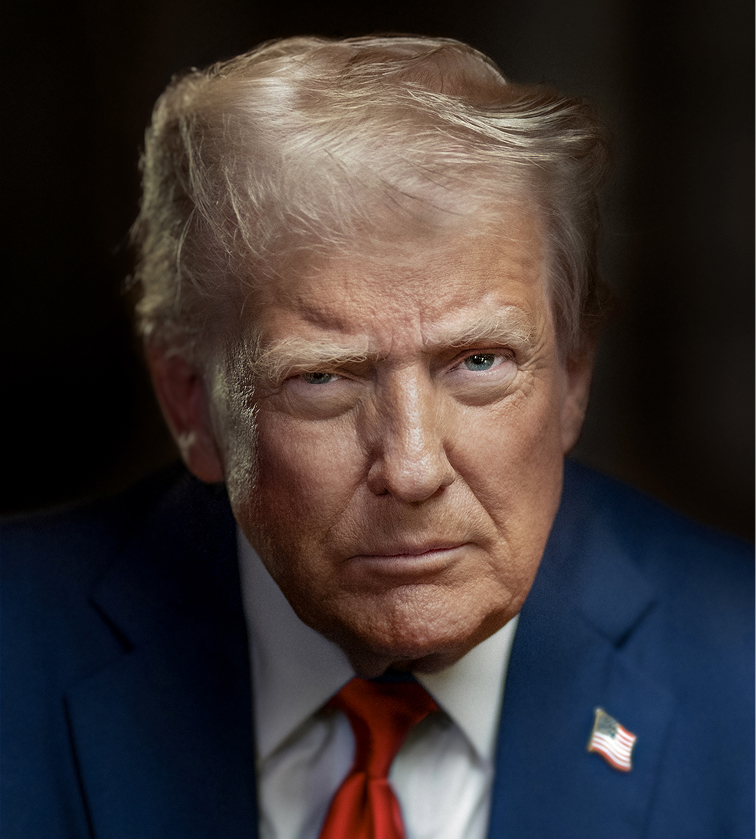 Donald Trumprecommends 1 book here
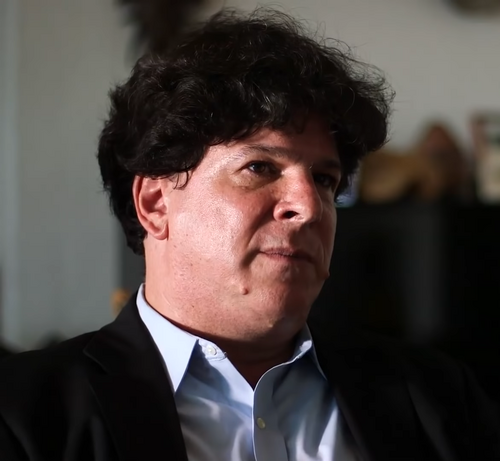 Eric Weinsteinrecommends 1 book here
 Ev Williamsrecommends 1 book here
 Gary Vaynerchukrecommends 1 book here
 Jack Dorseyrecommends 1 book here
 John Crowleyrecommends 1 book here
 Matt Mullenwegrecommends 1 book here
 Michelle Obamarecommends 1 book here
 Nat Eliasonrecommends 1 book here
 Nick Crockerrecommends 1 book here
 Raoul Palrecommends 1 book here
 Reese Witherspoonrecommends 1 book here
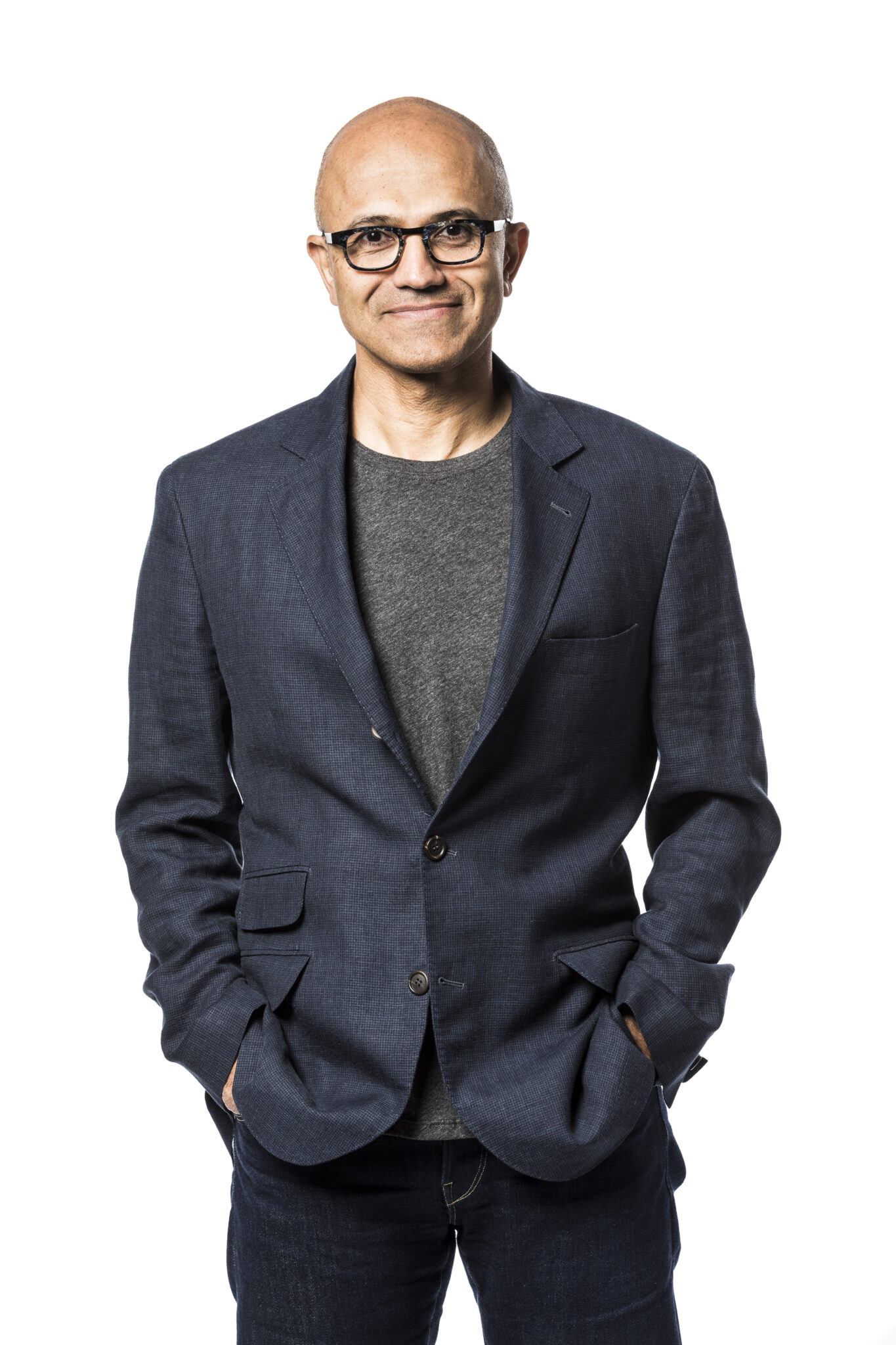 Satya Nadellarecommends 1 book here
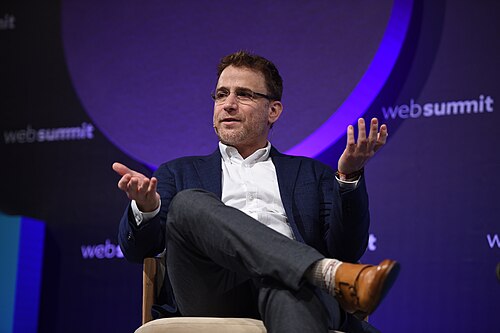 Stewart Butterfieldrecommends 1 book here
 Susan J. Fowlerrecommends 1 book here
 Terrance McArthurrecommends 1 book here
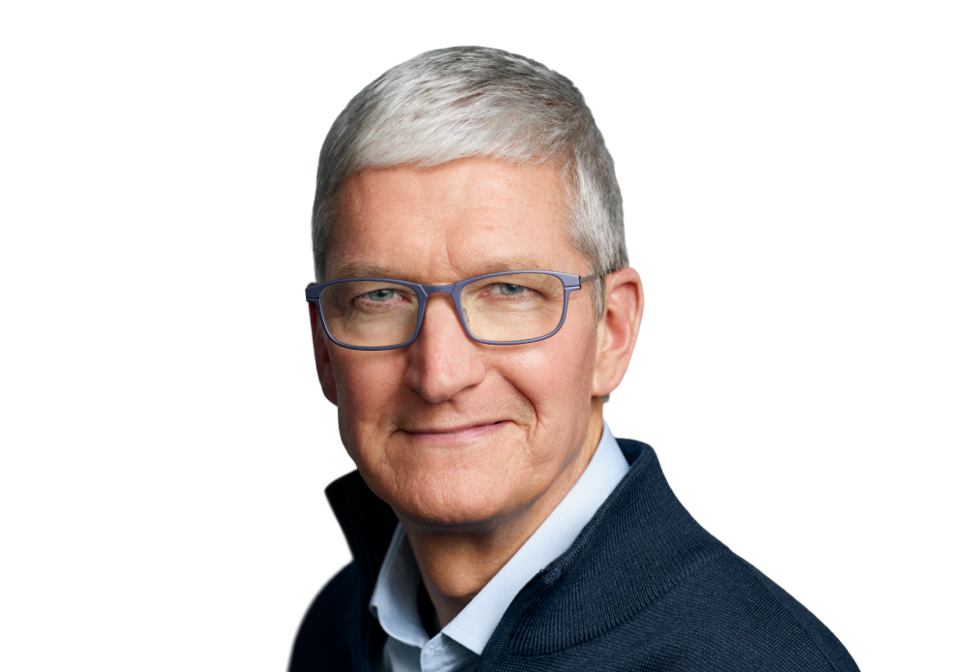 Tim Cookrecommends 1 book here
 Tim Ferrissrecommends 1 book here
 Tim O’Reillyrecommends 1 book here
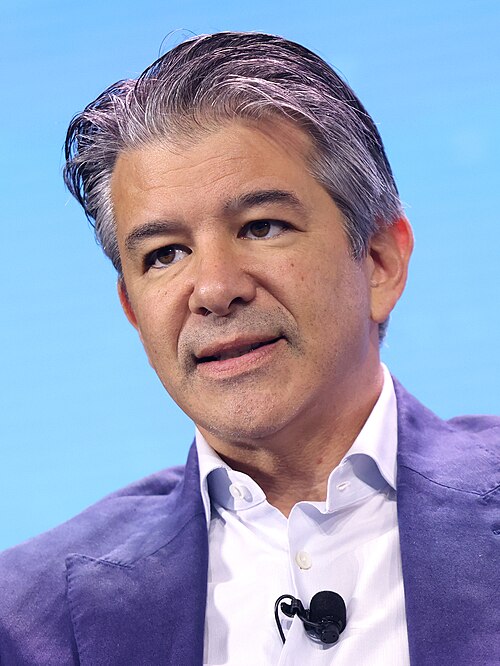 Travis Kalanickrecommends 1 book here