
Matt Mullenweg
Web developer known as a co-founder of the free, open-source publishing software WordPress and as founder of Automattic.
 Automattic
 WordPress
More 22
Effectiveness is learned practice: manage time, pick priorities, decide well.
Also recommended by: Drew Houston, Ev Williams, Jim Collins and 5 others
Innovation as a learnable discipline, with seven sources of opportunity to search.
Also recommended by: Patrick Collison, Patrick O'Shaughnessy
Why startups should build something new and own a small market before growing.
Also recommended by: Balaji S. Srinivasan, Chris Dixon and 37 others
How television turned public discourse from argument into entertainment.
“The most prescient here is Neil Postman's Amusing Ourselves to Death, originally published in 1985. It's long, but I'm going to quote the foreword in its entirety because it's worth reading a few times over:” — Matt Mullenweg
Source: Culture of Distraction
Also recommended by: Keith Rabois, Nat Eliason, Patrick Collison and 2 others
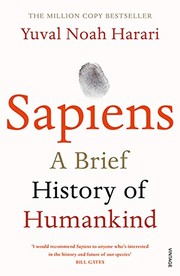
How shared fictions such as money, nations and gods let humans cooperate at scale.
Source: 39 Books in 2018
Also recommended by: Andrew Wilkinson, Bill Gates, David Perell and 39 others
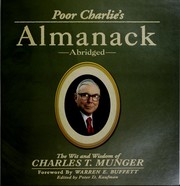
Speeches making the case for a latticework of mental models from many fields.
Also recommended by: Andrew Wilkinson, Charlie Munger and 25 others
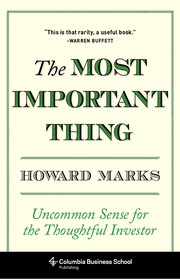
Second-level thinking, risk and market cycles, drawn from Oaktree's client memos.
Source: Books 2020-2023 — ma.tt
Also recommended by: Mohnish Pabrai, Nat Eliason and 3 others
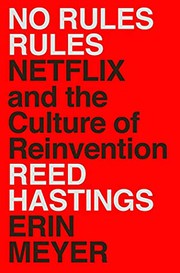
How Netflix built talent density and candour so it could remove controls.
Source: Books 2020-2023 — ma.tt
Also recommended by: Alex Lieberman, Ben Horowitz, Guy Spier and 1 other
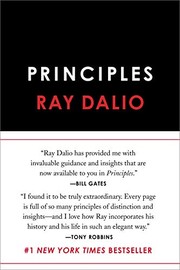
Decision rules from building Bridgewater: radical truth and radical transparency.
“It's called Principles by Ray Dalio, who's one of the most successful hedge fund investors and he runs his company in an extremely interesting way.” — Matt Mullenweg
Also recommended by: Alfred Lin, Brad Feld, Derek Sivers and 30 others
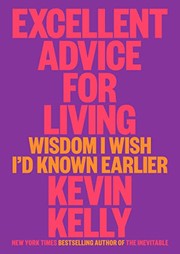
Short pieces of advice on living, goals, generosity, careers, family and money.
Source: Books 2020-2023 — ma.tt
Also recommended by: Andrew Wilkinson, Derek Sivers
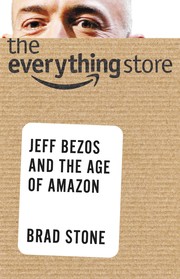
Amazon's first two decades, from an online bookshop to selling nearly everything.
Also recommended by: Andrew Wilkinson, Jim Collins and 7 others
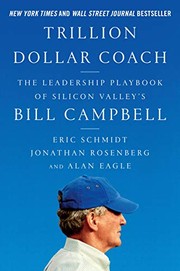
How Bill Campbell coached the leaders of Google, Apple and Intuit.
Source: Books 2020-2023 — ma.tt
Also recommended by: Bryant Chou, Patrick Bet-David, Ruth Porat and 3 others

Why some things gain from volatility and disorder, and how to build them.
Also recommended by: Ana Fabrega, Andrew Chen, Derek Sivers and 23 others
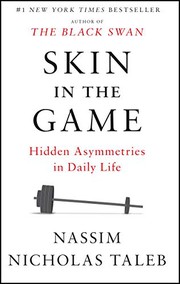
Why people who make decisions for others must share in the downside.
Source: 29 Books in 2019
Also recommended by: Ana Fabrega, David Perell, Derek Sivers and 13 others
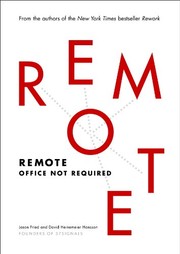
Why remote work beats office work for most knowledge workers, and how to run it.
“Speaking of being a distributed company with lots of text communication, I'm going to recommend a book called Remote, which is by the folks over at Basecamp, Jason Fried and David Heinemeier Hansson.” — Matt Mullenweg
Source: The Tim Ferriss Show Transcripts: Books I've Loved — Matt Mullenweg (#420)
Also recommended by: Nat Eliason, Richard Branson, David Hellmann and 2 others
How to run a company as it grows from ten employees to several thousand.
Source: Books 2020-2023 — ma.tt
Also recommended by: Balaji S. Srinivasan, Aaron Levie and 9 others
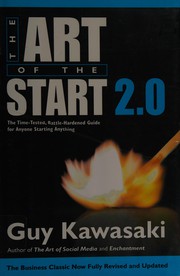
Practical instructions for starting a company or another organisation.
Also recommended by: Mohnish Pabrai, Ev Williams, Keith Rabois
How to lead a company through layoffs, near-death crises and the decision to sell.
Also recommended by: Andrew Wilkinson, Balaji S. Srinivasan and 33 others
The service practices that made Eleven Madison Park a top restaurant.
Source: Books 2020-2023 — ma.tt
Wealth, land and conservation in the American West.
Source: Books 2020-2023 — ma.tt
Thinking tools drawn from many fields, after Munger's latticework of models.
“Also it pairs very well with the last recommendation I'm going to do here, The Great Mental Models.” — Matt Mullenweg
Also recommended by: Ana Fabrega, Chamath Palihapitiya, Jenny Chu and 1 other

What humanity may seek after famine, plague and war: immortality and divinity.
Source: 39 Books in 2018
Also recommended by: Andrew Wilkinson, Bill Gates, Derek Sivers and 7 others

The telecom bubble of the late 1990s and its collapse, with WorldCom at its centre.
Source: Books 2020-2023 — ma.tt
A novel of a clerk who rewrites history under a totalitarian state that watches all.
Also recommended by: David Perell, Richard Branson and 6 others
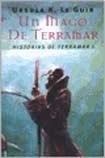
The first novel of the Earthsea cycle, about a young wizard.
Source: Books 2020-2023 — ma.tt
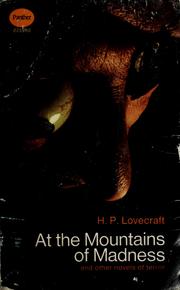
A horror novella of a scientific expedition that finds ancient fossils and carvings.
Source: Books 2020-2023 — ma.tt

A novel of a future world where people are bred in hatcheries into contented castes.
Source: 29 Books in 2019
Also recommended by: Stewart Brand, Tristan Harris and 2 others
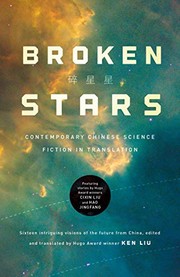
An anthology of Chinese science fiction short stories in English translation.
Source: Books 2020-2023 — ma.tt
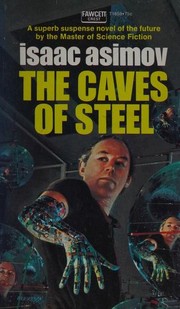
A science fiction murder mystery in a future New York of humans and robots.
Source: Books 2020-2023 — ma.tt
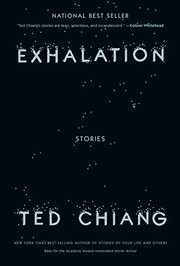
Nine science-fiction stories, each working through one idea with care.
Source: Books 2020-2023 — ma.tt
Also recommended by: Tim Ferriss, Andrew Chen, Jordan Hughes and 1 other
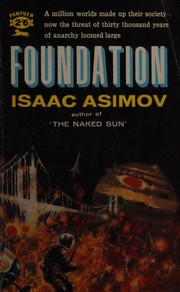
A novel: a mathematician foresees an empire's fall and plans to shorten the dark age.
The first volume of a horror comic series, issues one to six.
Source: Books 2020-2023 — ma.tt
The second volume of a horror comic series, issues seven to eleven.
Source: Books 2020-2023 — ma.tt
The third volume of a horror comic series set in the town of Gideon Falls.
Source: Books 2020-2023 — ma.tt
A novel that alternates a cyberpunk story with one set at the end of the world.
Source: Books 2020-2023 — ma.tt
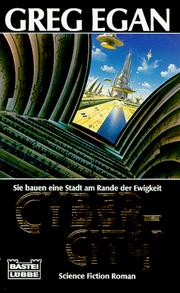
A man's plan to create immortality through simulated life grows beyond his control.
Source: Books 2020-2023 — ma.tt
Also recommended by: Brad Feld, Naval Ravikant
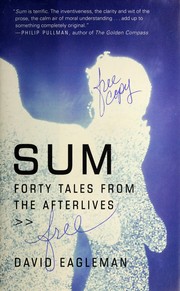
Short imagined afterlives, each a different version of what follows death.
Also recommended by: Brad Feld, Derek Sivers, Patrick Collison

A young English teacher on a Greek island falls under a mysterious neighbour's games.
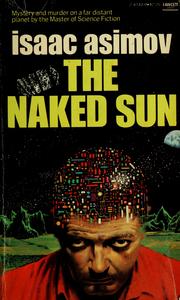
A detective from Earth investigates a murder on Solaria, a planet run by robots.
Source: Books 2020-2023 — ma.tt
A son's bond with his Chinese immigrant mother, whose origami animals come to life.
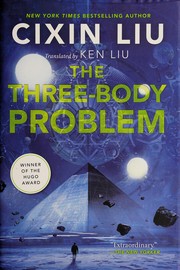
A novel in which a scientist answers an alien warning and invites first contact.
Also recommended by: Nat Eliason, Sophie Bakalar and 8 others

Two time-travelling agents from warring futures exchange letters and fall in love.
Source: Books 2020-2023 — ma.tt
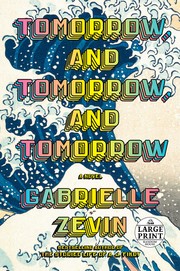
Two friends since childhood make video games together and become famous.
Source: Books 2020-2023 — ma.tt
Also recommended by: Bill Gates
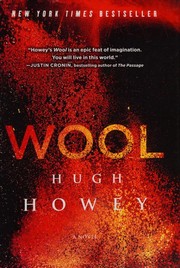
People live underground, watching a ruined world outside through a fading view.
Source: Books 2020-2023 — ma.tt
Also recommended by: Brad Feld, Ev Williams

Essays on getting lost, travel, wandering and the unknown.
Source: On Blue
Also recommended by: Derek Sivers
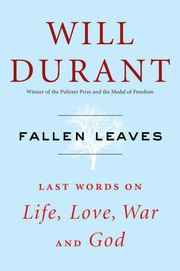
A historian's last reflections on the meaning of life, found after his death.
Source: Books 2020-2023 — ma.tt
Also recommended by: Andrew Wilkinson, Derek Sivers and 1 other
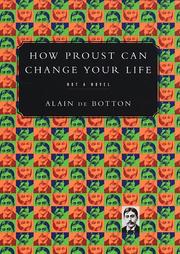
How a great novel, Proust's In Search of Lost Time, can change a reader's life.
“From Alain de Botton's book How Proust Can Change Your Life, highly recommended:” — Matt Mullenweg
Source: Proustian Telephone
Also recommended by: Mohnish Pabrai, Nassim Nicholas Taleb
Metaphor as a basic mechanism of thought that shapes how people understand the world.
“Going to go a little esoteric for this next one and talk about a book, which is a little more academic, which is by an author named George Lakoff and it's called Metaphors We Live By. There's definitely a writing theme here.” — Matt Mullenweg
Also recommended by: David Perell, Nat Eliason, Tristan Harris and 1 other

A grieving man walks the Camino de Santiago after scattering his father's ashes.
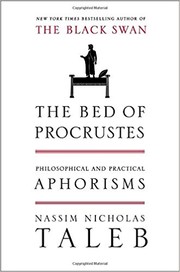
Aphorisms stating Taleb's ideas on randomness, knowledge and modern life.
Also recommended by: Derek Sivers, Nat Eliason, Ryan Holiday and 2 others

How people categorize, and why human reason is imaginative and tied to the body.
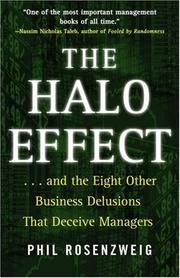
How judging firms by their results corrupts most business research and advice.
Also recommended by: Michael Mauboussin, Ev Williams
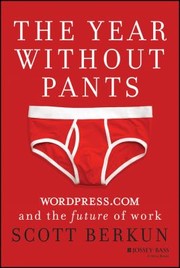
Inside the firm behind WordPress.com and its remote work culture.
Source: 24 Quotes From YWP
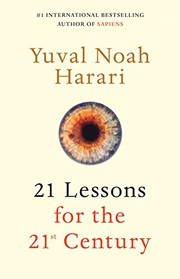
Twenty-one essays on today's challenges, from technology and politics to truth.
Source: 29 Books in 2019
Also recommended by: Bill Gates, Derek Sivers, Vinod Khosla and 4 others
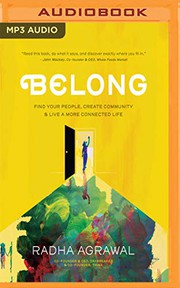
How to find your community: first know yourself, then find your people.
Source: Books 2020-2023 — ma.tt
What an antiracist society would look like, and how each person can help build it.
Source: Books 2020-2023 — ma.tt
Twenty-five habits for handling diversity and working across cultures.
Source: Books 2020-2023 — ma.tt
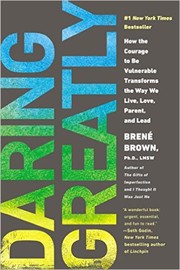
Research on shame and vulnerability, and why vulnerability comes before connection.
“I think it's Brene Brown's book, Daring Greatly, talks about this really well. Or Krista Tippett on Becoming Wise, another great book.” — Matt Mullenweg
Also recommended by: Tom Bilyeu, Tony Hsieh, Brené Brown and 3 others
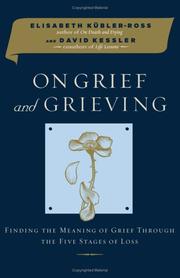
How the process of grieving helps people live with loss.
“I don't recall what all the books were, but the two that really made a difference for me were Elisabeth Kübler-Ross's and David Kessler's posthumous book On Grief and Grieving, and the Tibetan Book of Living and Dying. Each allowed me to process and understand the emotions I was going through.” — Matt Mullenweg
Source: Books on Grieving
Also recommended by: Tim Ferriss
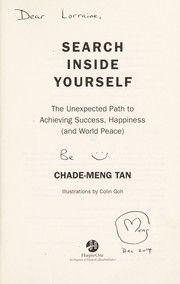
A mindfulness course for emotional intelligence, creativity and happiness.
Also recommended by: Arianna Huffington, Tony Hsieh

How trauma reshapes the body and brain, and the treatments that help survivors.
Source: Books 2020-2023 — ma.tt
Also recommended by: Brené Brown, Garry Tan, Mel Robbins and 1 other
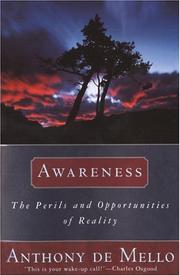
Transcribed talks that treat spirituality as waking up.
Source: Books 2020-2023 — ma.tt
Also recommended by: Naval Ravikant, Peter Mallouk, Tim Ferriss and 1 other
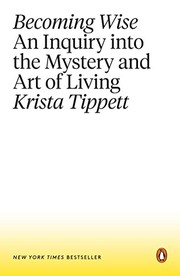
What a radio host learned from interviewing people on the questions of meaning.
“It's called "On Being," and has a book called Becoming Wise that covers a lot of her, kind of like a best-of almost of her work. And I would say if you're only going to [read one] in the life section, that is the one I would recommend.” — Matt Mullenweg
Also recommended by: Shane Parrish
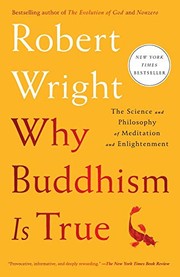
How the mind deludes us, and how Buddhist meditation helps us see the world clearly.
Source: 29 Books in 2019
Also recommended by: Nick Thompson, Kevin Rose, Li Lu
A jazz pianist's memoir of Tourette's, a music career and surviving a rare cancer.
Source: Books 2020-2023 — ma.tt
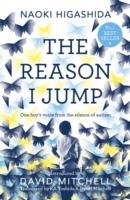
A thirteen-year-old boy with autism explains how his mind thinks and feels.
Source: Books 2020-2023 — ma.tt
Also recommended by: Mohnish Pabrai
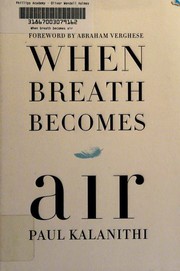
A neurosurgeon diagnosed with lung cancer at 36 asks what makes life worth living.
“It is called When Breath Becomes Air by Paul Kalanithi.” — Matt Mullenweg
Also recommended by: Bill Gates, Brad Feld, Kathryn Minshew and 10 others
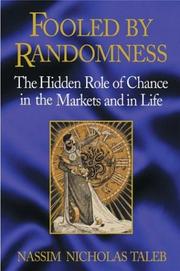
Why people mistake luck for skill, above all in markets.
“The second is a much more controversial author, but I would say ever since I was exposed to one of his early works, Fooled by Randomness and The Black Swan, I will probably always be a fan of Nassim Taleb and he is, you know, a writer who is not humble, who, you know, is not afraid of sprinkling tons of obscure references and non-obscure references.” — Matt Mullenweg
Also recommended by: Barton Biggs, Brad Feld, Derek Sivers and 14 others
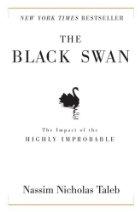
Rare, unforeseen, high-impact events drive history, explained only after the fact.
“The second is a much more controversial author, but I would say ever since I was exposed to one of his early works, Fooled by Randomness and The Black Swan, I will probably always be a fan of Nassim Taleb and he is, you know, a writer who is not humble, who, you know, is not afraid of sprinkling tons of obscure references and non-obscure references.” — Matt Mullenweg
Also recommended by: David Perell, Howard Marks, Marc Andreessen and 19 others

A contemporary's account of the long war between Athens and Sparta.
Source: Books to Live By
Also recommended by: Ryan Holiday, Li Lu, Ray Dalio and 1 other
A philosophy of time for mortals, and how to make the most of a finite life.
Source: Books 2020-2023 — ma.tt
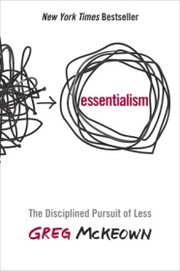
A method for finding the few activities that matter and dropping the rest.
Source: Books 2020-2023 — ma.tt
Also recommended by: Austen Allred, Nat Eliason, Noah Kagan and 9 others

Writing advice focused on the fears and habits that stop people writing.
Also recommended by: Derek Sivers, Jim Collins, Nat Eliason and 9 others
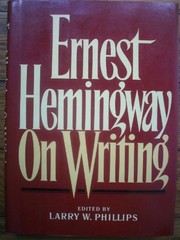
What he wrote about writing and the writer, from his books and letters.
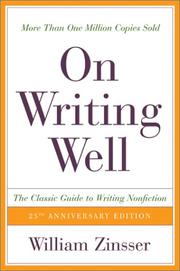
A manual for non-fiction: clear writing comes from clear thinking.
“If you'd like to go further on this, the best book I've read on the subject is On Writing Well by William Zinsser.” — Matt Mullenweg
Source: A Better Writer
Also recommended by: Derek Sivers, Jim Collins, Nat Eliason and 2 others

A retroactive manifesto for Manhattan's architecture over a century.
Source: Books 2020-2023 — ma.tt
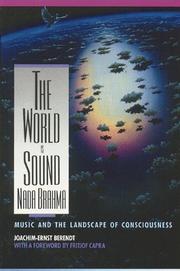
A journey through the world's musical traditions and the idea that all is sound.
“It's called, The World is Sound or Nada Brahma.” — Matt Mullenweg
How Netflix built its culture of recruiting, motivating and building teams.
Source: Books 2020-2023 — ma.tt
Also recommended by: Austin Rief, Keith Rabois, Reed Hastings
Culture is how people behave when the leader is absent, and must be designed.
Source: Books 2020-2023 — ma.tt
Also recommended by: Vinod Khosla, Andrew Chen, Anu Hariharan and 1 other
Four steps to speak without blame: observations, feelings, needs and requests.
Source: 39 Books in 2018
Also recommended by: Andrew Wilkinson, Derek Sivers and 3 others
Why some words persuade and others fail, from a political pollster.
Also recommended by: Nat Eliason, Tristan Harris, Tim Ferriss
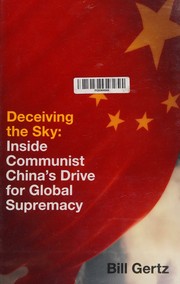
How Communist China deceived the West while it pursued global supremacy.
Source: Books 2020-2023 — ma.tt

The case that progressive policies made homelessness, inequality and crime worse.
Source: Books 2020-2023 — ma.tt
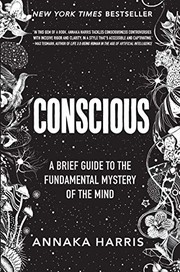
Why matter is conscious at all, where consciousness resides, and free will.
“The second, which is also a fairly fairly new book, is called Conscious: A Brief Guide to the Fundamental Mystery of the Mind. It's by Annaka Harris, and this is what they call the hard problem.” — Matt Mullenweg
Modern physics introduced in fewer than a hundred pages.
Source: Books 2020-2023 — ma.tt
Also recommended by: Naval Ravikant

Source: Books 2020-2023 — ma.tt
Also recommended by: Stewart Brand, Tim Ferriss

The history of zero, from the Babylonians to its threat to modern physics.
Source: Books 2020-2023 — ma.tt
Also recommended by: Bryan Johnson
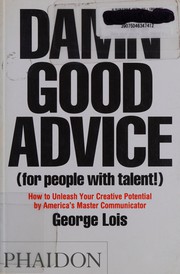
Lessons and advice on creativity from an advertising designer.
Source: Books 2020-2023 — ma.tt
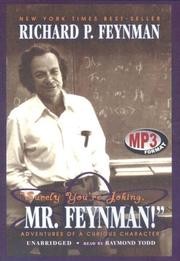
A physicist's stories, from fixing radios as a boy to Los Alamos and beyond.
Source: Books 2020-2023 — ma.tt
Also recommended by: Brian Armstrong, Derek Sivers, Jason Zweig and 19 others

Antarctica's science, natural history, exploration and people, in one portrait.
Source: Books 2020-2023 — ma.tt
| Anthropic Employment | Matt Mullenweg | Blog post | 2026-10-17 |
| Florence Sunset | Matt Mullenweg | Blog post | 2026-10-16 |
| Pushing Standards | Matt Mullenweg | Blog post | 2026-10-15 |
| RIP Eric Binnion | Matt Mullenweg | Blog post | 2026-10-13 |
| Neal Stephenson Live! | Matt Mullenweg | Blog post | 2026-10-13 |
| Board Agent | Matt Mullenweg | Blog post | 2026-10-13 |
| Beeper MCP | Matt Mullenweg | Blog post | 2026-10-05 |
| Bruce Schneier on Systems | Matt Mullenweg | Blog post | 2026-09-25 |
| OmFest: A Celebration of Curiosity, Connection, and the Future | Matt Mullenweg | Blog post | 2026-09-16 |
| Mirene | Matt Mullenweg | Blog post | 2026-09-16 |
| Major Life Announcement | Matt Mullenweg | Blog post | 2026-09-11 |
| Scanning Plugins | Matt Mullenweg | Blog post | 2026-09-10 |
| BM Snaps | Matt Mullenweg | Blog post | 2026-09-02 |
| Homework from WordCamp | Matt Mullenweg | Blog post | 2026-08-20 |
| Surprise DM | Matt Mullenweg | Blog post | 2026-08-18 |
| Student Plan | Matt Mullenweg | Blog post | 2026-08-18 |
| Me.sh on Android | Matt Mullenweg | Blog post | 2026-08-13 |
| Beeper Merge | Matt Mullenweg | Blog post | 2026-08-11 |
| OmFest Registration | Matt Mullenweg | Blog post | 2026-08-10 |
| Super-organized | Matt Mullenweg | Blog post | 2026-08-09 |
| Toni on Verge | Matt Mullenweg | Blog post | 2026-08-07 |
| Our Core Division | Matt Mullenweg | Blog post | 2026-08-06 |
| AutoMattBot | Matt Mullenweg | Blog post | 2026-08-05 |
| Michel the GOAT | Matt Mullenweg | Blog post | 2026-08-04 |
| Gabriel Dawe | Matt Mullenweg | Blog post | 2026-08-03 |
| Tesla Spyware | Matt Mullenweg | Blog post | 2026-07-31 |
| Possible Futures of Happiness | Matt Mullenweg | Blog post | 2026-07-30 |
| Jose-Miguel x Ryo Fukui | Matt Mullenweg | Blog post | 2026-07-28 |
| How ISO Works | Matt Mullenweg | Blog post | 2026-07-25 |
| AI Slop | Matt Mullenweg | Blog post | 2026-07-22 |
| Important Security Update | Matt Mullenweg | Blog post | 2026-07-17 |
| Code for the People | Matt Mullenweg | Blog post | 2026-07-08 |
| USA 250 | Matt Mullenweg | Blog post | 2026-07-04 |
| Om Links | Matt Mullenweg | Blog post | 2026-06-27 |
| All Roads Lead to Om | Matt Mullenweg | Blog post | 2026-06-25 |
| No Bubble | Matt Mullenweg | Blog post | 2026-06-23 |
| Hill For A Stepper | Matt Mullenweg | Blog post | 2026-06-21 |
| Death by PowerPoint | Matt Mullenweg | Blog post | 2026-06-20 |
| Best Trash | Matt Mullenweg | Blog post | 2026-06-20 |
| Midjourney Medical | Matt Mullenweg | Blog post | 2026-06-19 |
| Audio Wars | Matt Mullenweg | Blog post | 2026-06-16 |
| Assorted Links | Matt Mullenweg | Blog post | 2026-06-15 |
| WCEU | Matt Mullenweg | Blog post | 2026-06-05 |
| Bee Champion | Matt Mullenweg | Blog post | 2026-06-01 |
| Maybe | Matt Mullenweg | Blog post | 2026-05-30 |
| RIP Sonny Rollins | Matt Mullenweg | Blog post | 2026-05-26 |
| TheOpenSource | Matt Mullenweg | Blog post | 2026-04-06 |
| Easter Thoughts | Matt Mullenweg | Blog post | 2026-04-05 |
| Turn Every Page | Matt Mullenweg | Blog post | 2026-04-04 |
| Pedro Franceschi | Matt Mullenweg | Blog post | 2026-04-03 |
| EmDash Feedback | Matt Mullenweg | Blog post | 2026-04-02 |
| Taxonomist | Matt Mullenweg | Blog post | 2026-04-01 |
| JAŸ-Z Returns | Matt Mullenweg | Blog post | 2026-03-29 |
| Community Antibodies | Matt Mullenweg | Blog post | 2026-03-28 |
| Stockfish | Matt Mullenweg | Blog post | 2026-03-28 |
| Ari & X | Matt Mullenweg | Blog post | 2026-03-25 |
| Beautiful Hack | Matt Mullenweg | Blog post | 2026-03-24 |
| WP.com MCP | Matt Mullenweg | Blog post | 2026-03-23 |
| Miriam’s Sweet Site | Matt Mullenweg | Blog post | 2026-03-22 |
| Bay Lights are Back! | Matt Mullenweg | Blog post | 2026-03-20 |
| Introducing Me.sh | Matt Mullenweg | Blog post | 2026-03-20 |
| Song Creation | Matt Mullenweg | Blog post | 2026-03-14 |
| New Headphones | Matt Mullenweg | Blog post | 2026-03-13 |
| Selling Your Company | Matt Mullenweg | Blog post | 2026-03-13 |
| Tumblr Unblocked | Matt Mullenweg | Blog post | 2026-03-12 |
| Popping Bottles | Matt Mullenweg | Blog post | 2026-03-12 |
| WordPress Everywhere | Matt Mullenweg | Blog post | 2026-03-11 |
| Gone (Almost) Phishin’ | Matt Mullenweg | Blog post | 2026-03-09 |
| Declaration of the Independence | Matt Mullenweg | Blog post | 2026-03-07 |
| Bar Gyu x Wapuu | Matt Mullenweg | Blog post | 2026-03-05 |
| Emacs | Matt Mullenweg | Blog post | 2026-03-03 |
| Sunday Links | Matt Mullenweg | Blog post | 2026-03-01 |
| Enablement | Matt Mullenweg | Blog post | 2026-02-26 |
| Great Writing | Matt Mullenweg | Blog post | 2026-02-25 |
| Claude & Sonos | Matt Mullenweg | Blog post | 2026-02-22 |
| WordPress, AI, plugins, future of software engineering | Matt Mullenweg | Blog post | 2026-02-20 |
| WP & AI Updates | Matt Mullenweg | Blog post | 2026-02-18 |
| Boris Cherny | Matt Mullenweg | Blog post | 2026-02-17 |
| High Agency | Matt Mullenweg | Blog post | 2026-02-15 |
| Misaligned PRs | Matt Mullenweg | Blog post | 2026-02-13 |
| Something Big | Matt Mullenweg | Blog post | 2026-02-11 |
| AI Disruption | Matt Mullenweg | Blog post | 2026-02-10 |
| Leadership at the Peak | Matt Mullenweg | Blog post | 2026-02-09 |
| What a Week | Matt Mullenweg | Blog post | 2026-01-27 |
| Cancer Founder Mode | Matt Mullenweg | Blog post | 2026-01-20 |
| AI Psychosis | Matt Mullenweg | Blog post | 2026-01-19 |
| Bob Weir | Matt Mullenweg | Blog post | 2026-01-18 |
| Bacon Egg Cheese | Matt Mullenweg | Blog post | 2026-01-17 |
| A Better Writer | Matt Mullenweg | Blog post | 2026-01-16 |
| Do the Woo | Matt Mullenweg | Blog post | 2026-01-14 |
| Remembering Jesus Ornelas | Matt Mullenweg | Blog post | 2026-01-13 |
| Shorter Speech | Matt Mullenweg | Blog post | 2026-01-12 |
| Matt 4.2 | Matt Mullenweg | Blog post | 2026-01-11 |
| Classical Accordian | Matt Mullenweg | Blog post | 2026-01-10 |
| Mad Ones | Matt Mullenweg | Blog post | 2026-01-09 |
| Small Hit | Matt Mullenweg | Blog post | 2026-01-08 |
| Beeper & Day One | Matt Mullenweg | Blog post | 2026-01-07 |
| Find My Update | Matt Mullenweg | Blog post | 2026-01-06 |
| Find My Upgrade | Matt Mullenweg | Blog post | 2026-01-04 |
| Jackson Kiddard | Matt Mullenweg | Blog post | 2026-01-03 |
| Two Links | Matt Mullenweg | Blog post | 2026-01-02 |
| Happy New Year | Matt Mullenweg | Blog post | 2026-01-01 |
| Riley Walz | Matt Mullenweg | Blog post | 2025-12-23 |
| Wolfram Automattica | Matt Mullenweg | Blog post | 2025-12-18 |
| The Thinking Game | Matt Mullenweg | Blog post | 2025-12-17 |
| Beware Unearned Wisdom | Matt Mullenweg | Blog post | 2025-12-16 |
| Cloudflare CMS Stats | Matt Mullenweg | Blog post | 2025-12-15 |
| Nex Playground | Matt Mullenweg | Blog post | 2025-12-14 |
| Apple iWeb | Matt Mullenweg | Blog post | 2025-12-13 |
| Winter Fun | Matt Mullenweg | Blog post | 2025-12-12 |
| Aldeas | Matt Mullenweg | Blog post | 2025-12-11 |
| Year-end | Matt Mullenweg | Blog post | 2025-12-10 |
| Dries OSS | Matt Mullenweg | Blog post | 2025-12-09 |
| DHH & Open Source | Matt Mullenweg | Blog post | 2025-12-08 |
| Happy Birthday Kinsey | Matt Mullenweg | Blog post | 2025-12-07 |
| Self-driving | Matt Mullenweg | Blog post | 2025-12-06 |
| AI Native | Matt Mullenweg | Blog post | 2025-12-05 |
| Unifi 5G | Matt Mullenweg | Blog post | 2025-12-04 |
| State of the Word | Matt Mullenweg | Blog post | 2025-12-02 |
| SoTW Eve | Matt Mullenweg | Blog post | 2025-12-01 |
| Thanksgiving Sunday | Matt Mullenweg | Blog post | 2025-11-30 |
| Werner Predictions | Matt Mullenweg | Blog post | 2025-11-29 |
| SF WordPress Party | Matt Mullenweg | Blog post | 2025-11-28 |
| Thanksgiving | Matt Mullenweg | Blog post | 2025-11-27 |
| Austin Meshtastic | Matt Mullenweg | Blog post | 2025-11-26 |
| 3D Printing Wowza | Matt Mullenweg | Blog post | 2025-11-25 |
| Jeff Dean AI Club talk | Matt Mullenweg | Blog post | 2025-11-24 |
| Flying From SFO | Matt Mullenweg | Blog post | 2025-11-23 |
| Vogelstein on AI | Matt Mullenweg | Blog post | 2025-11-22 |
| Friday Links | Matt Mullenweg | Blog post | 2025-11-21 |
| In Memoriam | Matt Mullenweg | Blog post | 2025-11-20 |
| Gemini & FSD | Matt Mullenweg | Blog post | 2025-11-19 |
| Rothko Chapel Garden | Matt Mullenweg | Blog post | 2025-11-16 |
| Kanye’s Back | Matt Mullenweg | Blog post | 2025-11-14 |
| Buffett Thanksgiving | Matt Mullenweg | Blog post | 2025-11-11 |
| Bending Spoons | Matt Mullenweg | Blog post | 2025-11-10 |
| Meshtastic | Matt Mullenweg | Blog post | 2025-11-09 |
| Ben on Bubbles | Matt Mullenweg | Blog post | 2025-11-08 |
| Kaycee Nicole | Matt Mullenweg | Blog post | 2025-11-07 |
| Conversation with John Borthwick | Matt Mullenweg | Blog post | 2025-11-06 |
| Post-talk Recs | Matt Mullenweg | Blog post | 2025-11-05 |
| Andrej on Dwarkesh | Matt Mullenweg | Blog post | 2025-11-04 |
| Jetpack Saves | Matt Mullenweg | Blog post | 2025-11-03 |
| Chop Wood, Carry Water | Matt Mullenweg | Blog post | 2025-11-02 |
| Creed Update | Matt Mullenweg | Blog post | 2025-11-01 |
| Wayback Machine Joint | Matt Mullenweg | Blog post | 2025-10-31 |
| 50k Bounty | Matt Mullenweg | Blog post | 2025-10-30 |
| Haiku | Matt Mullenweg | Blog post | 2025-10-29 |
| Grokipedia | Matt Mullenweg | Blog post | 2025-10-28 |
| AI NYC Event | Matt Mullenweg | Blog post | 2025-10-27 |
| Time Zones | Matt Mullenweg | Blog post | 2025-10-26 |
| November Atlantic | Matt Mullenweg | Blog post | 2025-10-25 |
| Automattic 20 & Counter-claims | Matt Mullenweg | Blog post | 2025-10-24 |
| Under the Weather | Matt Mullenweg | Blog post | 2025-10-23 |
| New Woo | Matt Mullenweg | Blog post | 2025-10-22 |
| To Cut A Pineapple | Matt Mullenweg | Blog post | 2025-10-21 |
| Simplify | Matt Mullenweg | Blog post | 2025-10-20 |
| Make No Little Plans | Matt Mullenweg | Blog post | 2025-10-19 |
| Albumin | Matt Mullenweg | Blog post | 2025-10-18 |
| WordCamp Canada Talk | Matt Mullenweg | Blog post | 2025-10-17 |
| On Money Stuff | Matt Mullenweg | Blog post | 2025-10-16 |
| The Curse of the Muse | Matt Mullenweg | Blog post | 2025-10-15 |
| D’Angelo & Diane | Matt Mullenweg | Blog post | 2025-10-14 |
| Nanochat & MCP | Matt Mullenweg | Blog post | 2025-10-13 |
| Last Ball | Matt Mullenweg | Blog post | 2025-10-12 |
| In Canada | Matt Mullenweg | Blog post | 2025-10-11 |
| Twitter Hacked | Matt Mullenweg | Blog post | 2025-10-10 |
| Jeremy Kranz and Sentinel | Matt Mullenweg | Blog post | 2025-10-10 |
| Kathy Sierra | Matt Mullenweg | Blog post | 2025-10-09 |
| Battery Scan | Matt Mullenweg | Blog post | 2025-10-08 |
| Tim & Pablos | Matt Mullenweg | Blog post | 2025-10-07 |
| Beeper Updates | Matt Mullenweg | Blog post | 2025-10-06 |
| Telegram and Weird Al | Matt Mullenweg | Blog post | 2025-10-05 |
| Greenwashing | Matt Mullenweg | Blog post | 2025-10-04 |
| Linkrot | Matt Mullenweg | Blog post | 2025-10-03 |
| Blocktober | Matt Mullenweg | Blog post | 2025-10-02 |
| Fight For Open | Matt Mullenweg | Blog post | 2025-10-01 |
| What’s Your Time? | Matt Mullenweg | Blog post | 2025-09-30 |
| Om 59 | Matt Mullenweg | Blog post | 2025-09-29 |
| Craft vs Slop | Matt Mullenweg | Blog post | 2025-09-28 |
| Saturday Shares | Matt Mullenweg | Blog post | 2025-09-27 |
| Five Publications I’d Love on WordPress | Matt Mullenweg | Blog post | 2025-09-26 |
| Harry Mack | Matt Mullenweg | Blog post | 2025-09-25 |
| Telex Remixes | Matt Mullenweg | Blog post | 2025-09-24 |
| Ruby Drama | Matt Mullenweg | Blog post | 2025-09-23 |
| Post-Earthquake Tea Grit | Matt Mullenweg | Blog post | 2025-09-22 |
| Work With Music | Matt Mullenweg | Blog post | 2025-09-21 |
| Books on Grieving | Matt Mullenweg | Blog post | 2025-09-20 |
| MCP Everywhere | Matt Mullenweg | Blog post | 2025-09-19 |
| Every 6 Minutes | Matt Mullenweg | Blog post | 2025-09-17 |
| United Starlink | Matt Mullenweg | Blog post | 2025-09-16 |
| Retention | Matt Mullenweg | Blog post | 2025-09-15 |
| Weekend YouTubes | Matt Mullenweg | Blog post | 2025-09-14 |
| Old Business Cards | Matt Mullenweg | Blog post | 2025-09-13 |
| Legal Win | Matt Mullenweg | Blog post | 2025-09-12 |
| Really Simple Licensing | Matt Mullenweg | Blog post | 2025-09-11 |
| Account for Externalities | Matt Mullenweg | Blog post | 2025-09-11 |
| PostHog | Matt Mullenweg | Blog post | 2025-09-11 |
| On WP Product Talk | Matt Mullenweg | Blog post | 2025-09-10 |
| Techmeme 20 | Matt Mullenweg | Blog post | 2025-09-09 |
| Assorted Links | Matt Mullenweg | Blog post | 2025-09-08 |
| Maker Taker | Matt Mullenweg | Blog post | 2025-09-07 |
| Breaking Ribs | Matt Mullenweg | Blog post | 2025-09-06 |
| Happy Birthday Anil | Matt Mullenweg | Blog post | 2025-09-05 |
| Simon Says | Matt Mullenweg | Blog post | 2025-09-04 |
| God & Devil Debate HI | Matt Mullenweg | Blog post | 2025-09-03 |
| Are you a WordPresser? | Matt Mullenweg | Blog post | 2025-09-02 |
| Fact Checkers | Matt Mullenweg | Blog post | 2025-09-01 |
| Summer WordPress Update | Matt Mullenweg | Blog post | 2025-08-30 |
| Think Different | Matt Mullenweg | Blog post | 2025-08-28 |
| The Future of WordPress and AI at WCUS | Matt Mullenweg | Blog post | 2025-08-25 |
| Coyote Card Game | Matt Mullenweg | Blog post | 2025-08-20 |
| MCP NYC Hackathon | Matt Mullenweg | Blog post | 2025-08-19 |
| WP.com Simplification | Matt Mullenweg | Blog post | 2025-08-13 |
| Haitian Times on Newspack | Matt Mullenweg | Blog post | 2025-08-12 |
| Beeper and Automattic 20 | Matt Mullenweg | Blog post | 2025-07-30 |
| Back on The Verge | Matt Mullenweg | Blog post | 2025-06-30 |
| Alpha School Insider | Matt Mullenweg | Blog post | 2025-06-26 |
| Automattic Twenty | Matt Mullenweg | Blog post | 2025-06-20 |
| Alfred-like Shortcuts in Spotlight | Matt Mullenweg | Blog post | 2025-06-18 |
| Play With Clay | Matt Mullenweg | Blog post | 2025-06-12 |
| The Five Layers of Sharing Thoughts and Ideas | Matt Mullenweg | Blog post | 2025-05-27 |
| Jony Ive & Patrick Collison | Matt Mullenweg | Blog post | 2025-05-15 |
| Upcoming Talks | Matt Mullenweg | Blog post | 2025-05-13 |
| Remember Gravatar? | Matt Mullenweg | Blog post | 2025-05-06 |
| Berkshire Hathaway Meeting | Matt Mullenweg | Blog post | 2025-05-02 |
| Reflecting | Matt Mullenweg | Blog post | 2025-04-23 |
| Greatest Hits | Matt Mullenweg | Blog post | 2025-04-19 |
| 6.8 | Matt Mullenweg | Blog post | 2025-04-17 |
| AI Site Builder | Matt Mullenweg | Blog post | 2025-04-09 |
| Automattic Operating System | Matt Mullenweg | Blog post | 2025-03-21 |
| Radiohead | Matt Mullenweg | Blog post | 2025-03-19 |
| Dalio & Benioff in Singapore | Matt Mullenweg | Blog post | 2025-03-15 |
| Real WordPress Security | Matt Mullenweg | Blog post | 2025-03-08 |
| On Lenny’s Podcast | Matt Mullenweg | Blog post | 2025-03-04 |
| WordCamp Asia and Maha Kumbh Mela | Matt Mullenweg | Blog post | 2025-02-21 |
| Sun and shadows | Matt Mullenweg | Blog post | 2025-02-17 |
| Scale | Matt Mullenweg | Blog post | 2025-02-13 |
| Hash tables | Matt Mullenweg | Blog post | 2025-02-12 |
| Ed Catmull on Change | Matt Mullenweg | Blog post | 2025-02-09 |
| On Logan Bartlett Show | Matt Mullenweg | Blog post | 2025-02-07 |
| My First Million | Matt Mullenweg | Blog post | 2025-02-01 |
| Boom & Deepseek | Matt Mullenweg | Blog post | 2025-01-28 |
| What’s in My Bag, 2025 | Matt Mullenweg | Blog post | 2025-01-20 |
| Matt 4.1 | Matt Mullenweg | Blog post | 2025-01-11 |
| Status Quo | Matt Mullenweg | Blog post | 2025-01-10 |
| Studio Sync | Matt Mullenweg | Blog post | 2025-01-08 |
| Inc Hit Piece | Matt Mullenweg | Blog post | 2024-12-19 |
| Falling Snow | Matt Mullenweg | Blog post | 2024-12-18 |
| State of the Word Tokyo | Matt Mullenweg | Blog post | 2024-12-15 |
| UH Magazine, Revisiting My Alma Mater | Matt Mullenweg | Blog post | 2024-12-15 |
| DrupalCon Singapore | Matt Mullenweg | Blog post | 2024-12-09 |
| WPAI | Matt Mullenweg | Blog post | 2024-12-09 |
| Bezos at Dealbook | Matt Mullenweg | Blog post | 2024-12-07 |
| Age-gating | Matt Mullenweg | Blog post | 2024-11-29 |
| Carmack & Rogan | Matt Mullenweg | Blog post | 2024-11-26 |
| Welcoming Harper | Matt Mullenweg | Blog post | 2024-11-21 |
| Observer Article | Matt Mullenweg | Blog post | 2024-11-18 |
| RIP Quincy Jones | Matt Mullenweg | Blog post | 2024-11-11 |
| I Voted! | Matt Mullenweg | Blog post | 2024-11-05 |
| Michael Palmisano on Collier | Matt Mullenweg | Blog post | 2024-11-03 |
| Disrupt Interview | Matt Mullenweg | Blog post | 2024-11-01 |
| GPL Clarification | Matt Mullenweg | Blog post | 2024-11-01 |
| Kindness and Techcrunch Disrupt | Matt Mullenweg | Blog post | 2024-10-28 |
| My Freedom of Speech | Matt Mullenweg | Blog post | 2024-10-20 |
| Cloudflare Stories | Matt Mullenweg | Blog post | 2024-10-19 |
| Response to DHH | Matt Mullenweg | Blog post | 2024-10-14 |
| Everyone’s An Owner | Matt Mullenweg | Blog post | 2024-10-12 |
| Rhino Dehorning | Matt Mullenweg | Blog post | 2024-10-07 |
| CNBC on WP Engine | Matt Mullenweg | Blog post | 2024-10-05 |
| Automattic Alignment | Matt Mullenweg | Blog post | 2024-10-03 |
| On with Theo / T3.gg | Matt Mullenweg | Blog post | 2024-09-29 |
| Where is Lee Wittlinger? | Matt Mullenweg | Blog post | 2024-09-28 |
| Multidots Support | Matt Mullenweg | Blog post | 2024-09-27 |
| On ThePrimeagen | Matt Mullenweg | Blog post | 2024-09-26 |
| WPE & Trademarks | Matt Mullenweg | Blog post | 2024-09-26 |
| Charitable Contributions | Matt Mullenweg | Blog post | 2024-09-25 |
| On WP Engine | Matt Mullenweg | Blog post | 2024-09-21 |
| Are Investors Bad? | Matt Mullenweg | Blog post | 2024-09-20 |
| WordCamp US & Ecosystem Thinking | Matt Mullenweg | Blog post | 2024-09-17 |
| Inside Out 2 | Matt Mullenweg | Blog post | 2024-09-11 |
| Timex Datalink | Matt Mullenweg | Blog post | 2024-09-07 |
| Happy Birthday Stephen! | Matt Mullenweg | Blog post | 2024-08-30 |
| Burning Man So Far | Matt Mullenweg | Blog post | 2024-08-29 |
| People Wanted | Matt Mullenweg | Blog post | 2024-08-28 |
| Best Cities | Matt Mullenweg | Blog post | 2024-08-23 |
| Anbernic, Sol, and Daylight | Matt Mullenweg | Blog post | 2024-08-20 |
| Jeff Jarvis | Matt Mullenweg | Blog post | 2024-08-19 |
| Happy Birthday, Charleen | Matt Mullenweg | Blog post | 2024-07-21 |
| Jim Simons RIP | Matt Mullenweg | Blog post | 2024-07-20 |
| 6.6 | Matt Mullenweg | Blog post | 2024-07-16 |
| WordCamp Europe | Matt Mullenweg | Blog post | 2024-06-14 |
| Apple Intelligence | Matt Mullenweg | Blog post | 2024-06-10 |
| Gravatar is Back | Matt Mullenweg | Blog post | 2024-06-09 |
| Cowen Life Lessons | Matt Mullenweg | Blog post | 2024-06-08 |
| Melt Your Butter | Matt Mullenweg | Blog post | 2024-06-03 |
| WP21 | Matt Mullenweg | Blog post | 2024-05-27 |
| Sabbatical Wrap | Matt Mullenweg | Blog post | 2024-05-15 |
| Karaoke Hacks | Matt Mullenweg | Blog post | 2024-05-14 |
| Bay Lights Are Returning! | Matt Mullenweg | Blog post | 2024-05-09 |
| Books 2020–2023 | Matt Mullenweg | Blog post | 2024-01-01 |
| Matt Mullenweg: Von einer kostenlosen Blogging-Plattform zu einem Ökosystem im Wert von 12 Milliarden Dollar. | Der Unternehmertum Podcast: Geschäftsideen, Gründung, Startups, Unternehmensaufbau, Strategie, Wachstum und Erfolg | 2026-09-19 | 30 min | In dieser Folge wird die Entwicklung von Matt Mullenweg verfolgt, angefangen bei der Abspaltung eines PHP-CMS und dessen Umwandlung in den weltweit verbreiteten WordPress-Kern über den Aufbau von Automattic als Hosting- und Plugin-Ökosystem bis hin zur Nutzung der Dynamik einer Open-Source-Community. Dabei werden die MVP-Strategie, Veränderungen im Preismodell, Vertriebskanäle und Entscheidungen bezüglich des Eigentums analysiert, die dazu führten, dass kostenlose Software zu einem vielschichtigen Umsatzmotor wurde. Learn more about your ad choices. Visit megaphone.fm/adchoices |
| 237. Open source-ի ապագան | Matt Mullenweg | ProdCast | 2025-09-05 | 8 min | Send us Fan Mail Այս էպիզոդում Matt Mullenweg-ը խոսում է open source philosophy-ի և product movement-ների մասին։ Քննարկվում է WordPress-ի և Automattic-ի ռազմավարությունը։ Support the show |
| Why Automattic CEO Matt Mullenweg went to war over WordPress | Decoder with Nilay Patel | 2025-06-30 | 1:09 | Today, I’m talking with Matt Mullenweg, the founder and CEO of Automattic and the public face of WordPress. Last year, Matt essentially went to war, publicly and in the courts, against a hosting company called WP Engine, and there’s been significant fallout at Automattic and the broader WordPress community. It’s been a long, drawn-out saga. That said, Matt was willing to come on the show and talk through some of this thinking here, why he made some of the decisions he did, and also what he regrets about how some of this went down. Links: The messy WordPress drama, explained | Verge Celebrating 20 Years of Automattic | Automattic Matt Mullenweg: ‘WordPress.org just belongs to me’ | Verge Automattic offered employees another chance to quit over | Verge WordPress owner Automattic is laying off 16 percent of workers | Verge Tumblr will move all of its blogs to WordPress | Verge Beeper was just acquired by Automattic | Verge Automattic acquires relationship manager Clay | TechCrunch How WordPress and Tumblr are keeping the internet weird | Decoder How to buy a social network, with Tumblr CEO Matt Mullenweg | Decoder Credits: Decoder is a production of The Verge and part of the Vox Media Podcast Network. Our producers are Kate Cox and Nick Statt. Our editor is Ursa Wright. The Decoder music is by Breakmaster Cylinder. Learn more about your ad choices. Visit podcastchoices.com/adchoices |
| EP 130: Matt Mullenweg (Co-Founder WordPress): WordPress Controversy, Future of Open Source AI, and Navigating Backlash | The Logan Bartlett Show | 2025-02-07 | 1:05 | The recent controversy between WordPress and WP Engine put Matt Mullenweg (Co-Founder of WordPress, CEO of Automattic) under intense online scrutiny. In our conversation, he shared lessons from the controversy and managing through crisis, as well as this thoughts on the future of open source AI and more. (00:00) Intro (01:17) Controversy with WP Engine (03:36) Understanding Open Source and Trademarks (04:36) Automattic's Role and Contributions (08:26) Navigating Legal Battles and Community Relations (18:27) Leadership and Personal Resilience (21:49) The Impact of Social Media on CEOs (31:22) Future Outlook and Reflections (32:42) Exploring the Quinn Model and Open Source Innovations (33:17) The Evolution of AI Interfaces and User Interactions (35:36) AI as a Writing and Coding Partner (38:07) The Power of Open Source in AI Development (40:00) Commoditizing Complements: A Business Strategy (41:39) The Battle with Shopify and Open Source Models (42:33) The Impact of Open Source on Market Dynamics (43:55) USB-C Transition and Gadget Recommendations (47:53) The Benefits of Sabbaticals (53:34) The Future of WordPress and Automattic (59:12) Employee Ownership and Liquidity Programs (01:04:33) Conclusion and Final Thoughts Executive Producer: Rashad Assir Producer: Leah Clapper Mixing and editing: Justin Hrabovsky Check out Unsupervised Learning, Redpoint's AI Podcast: https://www.youtube.com/@UCUl-s_Vp-Kkk_XVyDylNwLA 🎙 Listen to the show Apple Podcasts… |
| I was offered $200M at 24 and I turned it down | My First Million | 2025-01-31 | 45 min | Get our Business Monetization Playbook: Episode 672: Sam Parr ( https://x.com/theSamParr ) and Shaan Puri ( https://x.com/ShaanVP ) talk to Matt Mullenweg ( https://x.com/photomatt ), the founder of WordPress and Automattic. — Show Notes: (0:00) Turning down $200M at 24 (6:04) WordPress's 1000 days of irrelevance (9:24) Turning a small South African company into $3B (13:40) The battle of giants - WooCommerce vs Shopify (18:37) Matt's Villain Arc (30:07) Auditions > Interviews (36:04) Putting every employee on the front line (42:56) Matt on Deepseek — Links: • Automattic - https://automattic.com/ • WordPress - https://wordpress.com/ — Check Out Shaan's Stuff: • Shaan's weekly email - https://www.shaanpuri.com • Visit https://www.somewhere.com/mfm to hire worldwide talent like Shaan and get $500 off for being an MFM listener. Hire developers, assistants, marketing pros, sales teams and more for 80% less than US equivalents. • Mercury - Need a bank for your company? Go check out Mercury ( mercury.com ). Shaan uses it for all of his companies! Mercury is a financial technology company, not an FDIC-insured bank. |
| Matt Mullenweg | Why Kindness? | 2024-10-16 | 48 min | Matt Mullenweg joins Jaclyn in the virtual studio to discuss the significance of kindness in his company, how his passion for music influenced his career, and the connection between open source and kindness. Matt Mullenweg is co-founder of the open-source publishing platform WordPress, which now powers 43% of all sites on the web. He is the founder and CEO of Automattic, the company behind WordPress.com, WooCommerce, Tumblr, WordPress VIP, Day One, and Pocket Casts. Additionally, Matt runs Audrey Capital, an investment and research company. He has been recognized for his leadership by Forbes, Bloomberg Businessweek, Inc. Magazine, TechCrunch, Fortune, Fast Company, Wired, University Philosophical Society, and Vanity Fair. Matt is originally from Houston, Texas, where he attended the High School for the Performing and Visual Arts and studied jazz saxophone. In his spare time, Matt is an avid photographer. He currently splits his time between Houston and San Francisco. This podcast is one of the many ways we live out our organization's mission to educate and inspire people to choose kindness. Visit our site kindness.org and sign up to become a part of our global community which spans more than 100 countries. It's free to join and when you do you'll be the first to get access to our latest research, tools, and even episodes of this podcast. Let's build a kinder world, together. Contact us at podcast@kindness.org or on social at @kindnessorg . |
| 601: Matt Mullenweg (CEO of Automattic) - Defining Your Creed, Hiring Talented Leaders, & Leading in a Remote World | The Learning Leader Show With Ryan Hawk | 2024-09-22 | 50 min | The Learning Leader Show With Ryan Hawk Full show notes at www.LearningLeader.com Text Hawk to 66866 to become part of The Learning Leader Community This is Episode #601 with the CEO of Automattic, Matt Mullenweg Notes: What is your creed? I will never stop learning. I won't just work on things that are assigned to me. I know there's no such thing as a status quo. I will build our business sustainably through passionate and loyal customers. I will never pass up an opportunity to help out a colleague, and I'll remember the days before I knew everything. I am more motivated by impact than money, and I know that Open Source is one of the most powerful ideas of our generation. I will communicate as much as possible because it's the oxygen of a distributed company. I am in a marathon, not a sprint, and no matter how far away the goal is, the only way to get there is by putting one foot in front of another every day. Given time, there is no problem that's insurmountable. "People need something to believe in." -- That's what draws talent to the company. What do you look for when hiring a leader? " The four qualities that you can't train..." Work ethic Taste Integrity Curiosity Coaching -- Expose your leaders to coaches. |
| Special Episode with Matt Mullenweg: “What Would Matt Do?” | WP Product Talk | 2024-07-02 | 54 min | In this extra special episode of WP Product Talk, we're joined by the one and only Matt Mullenweg - Founder and CEO of Automattic. As the paramount WordPress product owner, Matt has a huge amount of experience of building successful WordPress products. In this episode, co-hosts Matt Cromwell and Katie Keith ask the question "What would Matt do?" when it comes to product development, customer experience, marketing, and business. That way, other product owners can learn from his success. Matt discusses his broad role in the WordPress ecosystem, the significance of customer feedback, and the challenges of managing numerous plugins like Jetpack. He shares that if given the chance, he would have split Jetpack into multiple plugins earlier to address customer concerns about bloat and bundled features. The conversation also touches on the importance of in-person events like WordCamps in growing a product's community and visibility, which Matt believes to be crucial despite the predominance of competitors at such events. Matt also emphasizes that success often comes from relentlessly engaging with customers , collecting feedback, and iterating based on that input. Sharing insights from his sabbatical, Matt notes the value of doing customer support himself and the surprising benefits of understanding user pain points directly. They also dive into the necessity of balancing free and premium features to maintain business viability without alienating users. |
| Matt Mullenweg on the Challenges and Successes of Building a Remote-First Company | plugin.fm | 2024-03-05 | 45 min | Matt Mullenweg is best known as the visionary co-founder of WordPress and Automattic . He’s rightfully secured his place as one of the most prominent figures in the tech world and — more specifically — a pioneer of remote working, Despite having no physical headquarters, Automattic currently has around 2000 employees working from 90+ countries and was recently valued at US$7.5 billion, making it one of the largest globally distributed companies in the world. WordPress is the biggest CMS in the world (and a movement of sorts), powering over 43% of the internet. Matt’s influence on tech has been far-reaching and revolutionary, and it’s not an exaggeration to say that his initiatives have changed the game. While Automattic is Matt’s main focus, he also advises and invests in startups through his company Audrey Capital, and hosts Distributed, a podcast about the future of work and the foremost companies and leaders driving it. In the first episode of plugin.fm season 2, we pick Matt’s brain about the challenges of building a remote-first company and the wins that arise from succeeding. Matt shares his insights and advice on navigating the pitfalls of a flexible workplace and building a successful remote-first company — ranging from accountability and compensation to hiring and productivity. ---- Thanks to Matt for joining us and providing such valuable advice about building successful distributed companies. |
| #713: Matt Mullenweg — The Art of Crafting a Sabbatical, Tips for Defending Against Hackers, Leveraging Open Source, Thriving in an AI World, and Tips for Life’s Darkest Hours | The Tim Ferriss Show | 2023-12-29 | 2:40 | Brought to you by Momentous high-quality supplements, Helix Sleep premium mattresses, and AG1 all-in-one nutritional supplement. Matt Mullenweg (@photomatt) is co-founder of the open-source publishing platform WordPress, which now powers over 40 percent of all sites on the web. He is the founder and CEO of Automattic, the company behind WordPress.com, WooCommerce, Tumblr, WPVIP, Day One, Texts, and Pocket Casts. Additionally, Matt runs Audrey Capital, an investment and research company. He has been recognized for his leadership by Forbes, Bloomberg Businessweek, Inc., TechCrunch, Fortune, Fast Company, Wired, University Philosophical Society, and Vanity Fair. Matt is originally from Houston, Texas, where he attended the High School for the Performing and Visual Arts and studied jazz saxophone. In his spare time, Matt is an avid photographer. He currently splits his time between Houston and San Francisco. Please enjoy! * This episode is brought to you by Helix Sleep! Helix was selected as the best overall mattress of 2022 by GQ magazine, Wired, and Apartment Therapy. With Helix, there’s a specific mattress to meet each and every body’s unique comfort needs. Just take their quiz—only two minutes to complete—that matches your body type and sleep preferences to the perfect mattress for you. They have a 10-year warranty, and you get to try it out for a hundred nights, risk-free. They’ll even pick it up from you if you don’t love it. |
| Supreme Court and Social Media, Cybertruck Troubles, and Guest Matt Mullenweg | Pivot | 2023-10-24 | 1:17 | Kara and Scott discuss the investigation into what Jim Jordan knew about sexual abuse at Ohio State, Jon Stewart and Apple parting ways and a tough road ahead for Tesla's Cybertruck. Then, how the Supreme Court's latest ruling impacts the White House and social media companies. Plus, companies and CEOs continue to struggle with how to address the Israel-Hamas War, as some employees push back. Our Friend of Pivot is Automattic CEO Matt Mullenweg who reveals his company's latest acquisition. Follow Matt at @photomatt Follow us on Instagram and Threads at @pivotpodcastofficial . Follow us on TikTok at @pivotpodcast. Send us your questions by calling us at 855-51-PIVOT, or at nymag.com/pivot . Learn more about your ad choices. Visit podcastchoices.com/adchoices |
| Growth Mindset: Navigating the Path to Entrepreneurial Success with Matt Mullenweg | WHOOP Podcast | 2023-06-07 | 48 min | On this week’s episode, WHOOP Founder and CEO Will Ahmed is joined by Matt Mullenweg the founder and developer of WordPress, the web platform powering over 40% of the sites on the internet. As the founder and CEO of Automattic, Matt is working to democratize publishing and commerce. Automattic is structured like a holding company, currently valued at over $7.5 billion, and is behind brands like WordPress.com, Tumblr, WooCommerce, Jetpack, Longreads and more. Will and Matt discuss how Matt started WordPress and his passion for open source software (3:05), what open source software is (9:20), creating an open ecosystem on the web (13:25), Matt’s early days as an entrepreneur trying to grow a business (17:40), the WordPress interview process (25:25), developing a growth mindset (32:20), managing stress and creating mental clarity (34:05), how Matt found WHOOP and the power of an executive coach (39:55), and Matt’s approach to a day-to-day routine (44:15). Support the show Follow WHOOP: Sign up for WHOOP Advanced Labs Trial WHOOP for Free www.whoop.com Instagram TikTok YouTube X Facebook LinkedIn Follow Will Ahmed: Instagram X LinkedIn Follow Kristen Holmes: Instagram LinkedIn Buy Aligned by Dr. Kristen Holmes: Follow Emily Capodilupo: LinkedIn |
| Matt Mullenweg: WordPress, AI, and jazz | Design Better | 2023-04-25 | 1:06 | Show notes: https://designbetterpodcast.com/p/matt-mullenweg-wordpress-ai-and-jazz Matt Mullenweg started out as a jazz saxophonist, and went on to create WordPress, which is the platform behind an astonishing 42% of the websites in the world. We chat with Matt about his journey from musician to developer to entrepreneur, his perspective on distributed work, and his thoughts on the transformative capabilities of the latest generation of Generative Artificial Intelligence. We also come back to Matt’s roots in jazz and his continued love for music and musicians. Get the show transcript, bonus content, and access to episodes a week early on our Substack: https://thecuriositydepartment.substack.com/ Bio (via Wikipedia) Matthew Mullenweg is an American entrepreneur and web developer living in Houston. He is known for developing and founding the free and open-source web software WordPress, and its parent company Automattic. After dropping out of the University of Houston, he worked at CNET Networks from 2004 to 2006 until he quit and founded Automattic, an internet company whose brands include WordPress.com, Akismet, Gravatar, VaultPress, IntenseDebate, Crowdsignal, and Tumblr. |
| WordPress & Automattic: Matt Mullenweg | How I Built This with Guy Raz | 2022-03-21 | 1:22 | Matt Mullenweg turned his early passion for blogging into a flourishing business and an unshakeable idea: that users should be able to share and tweak the code that powers their websites, and that most of those tools should be free to use. As far back as college, Matt was collaborating with far-flung fellow-coders to make blogging less clunky and more elegant and intuitive. Around 2005, he pitched the idea for WordPress.com to his bosses at CNET, but they turned him down, so he launched the idea on his own, eventually tucking the service into a nascent umbrella company called Automattic. Today—after many twists and turns—the company has nearly 2000 employees and a valuation of $7 billion; and WordPress powers more than 40% of the websites on the internet. Learn more about your ad choices. Visit podcastchoices.com/adchoices |
| How WordPress and Tumblr are keeping the internet weird, with Automattic CEO Matt Mullenweg | Decoder with Nilay Patel | 2022-03-15 | 1:16 | Matt Mullenweg is the CEO of Automattic, the company that owns WordPress.com , which he co-founded, and Tumblr , the irrepressible social network it acquired from the wreckage of AOL, Yahoo, and Verizon. Matt’s point of view is that the world is better off when the web is open and fun, and Automattic builds and acquires products that help that goal along. Links: Exclusive: Automattic CEO Matt Mullenweg on what’s next for Tumblr Verizon is selling Tumblr to WordPress’ owner Automattic, owner of Tumblr and WordPress.com, buys podcast app Pocket Casts Gutenberg Tumblr Shop Why Apple’s new privacy feature is such a big deal Taylor Swift's Tumblr Tumblr will ban all adult content on December 17th How Tumblr Became Popular for Being Obsolete Basecamp CTO David Heinemeier Hansson and Rep. David Cicilline on Apple's monopolistic app store fees Inside Sonos' decision to sue Google - and how it won After the porn ban, Tumblr users have ditched the platform as promised The Trauma Floor: The secret lives of Facebook moderators in America Vox Media adds The Coral Project Transcript: https://www.theverge.com/e/22741898 Credits: Decoder is a production of The Verge, and part of the Vox Media Podcast Network. Today’s episode was produced by Creighton DeSimone and Jackie McDermott. Research was done by Liz Lian. It was edited by Callie Wright. The Decoder music is by Breakmaster Cylinder. Our Sr Audio Director is Andrew Marino and our Executive Producer is Eleanor Donovan. |
| Matt Mullenweg – Co-Founder of WordPress, Founder and CEO of Automattic | Wild Business Growth | 2022-01-26 | 38 min | Matt Mullenweg, the Founding Developer of WordPress and CEO of Automattic, joins the show to share his journey developing the Open Source software used by over 43 percent of the web. Hear what made WordPress take off, how to start thinking big, start a new habit, stay warm in Antarctica, and switch to a different keyboard layout. Connect with Matt at Ma.tt and on social media @PhotoMatt |
| Apple Closes NYC Stores Amid Covid Surge, Mizuho Securities Analyst Vijay Rakesh on Chipmakers to Watch in 2022 & Automattic CEO Matt Mullenweg on the Internet’s Future | TechCheck | 2021-12-28 | 44 min | Our anchors begin today’s show with Apple closing its New York City stores due to omicron concerns as the stock once again inches towards a $3 trillion market cap. Then, Leuthold Group Chief Investment Strategist Jim Paulsen discusses his outlook for 2022, including his projection that tech and growth stocks will underperform broader market plays in the first half of new year. Next, our team shifts focus to semis: CNBC’s Josh Lipton joins with insight into investors’ favorite chipmakers, followed by a closer look at the sector with Mizuho Securities Senior Semiconductor Analyst Vijay Rakesh. Automattic CEO and WordPress Co-Founder Matt Mullenweg also shares his thoughts on the internet’s future and open web. Later, CNBC’s Bob Pisani highlights the underperformance of Cathie Wood’s ARK Fund this year, and our Deirdre Bosa covers the broader collapse of stocks that went public via SPAC in 2021. Hosted by Simplecast, an AdsWizz company. See https://pcm.adswizz.com for information about our collection and use of personal data for advertising. |
| Interview with Matt Mullenweg — State of the Word 2021 | Post Status Podcasts | 2021-12-16 | 7 min | Matt on Acquisitions and Work in WordPress — An interview with Michelle Frechette Following the 2021 State of the Word, Michelle Frechette spoke with Matt Mullenweg about the wave of mergers and acquisitions in the WordPress space this year and their implications for employment and the product ecosystem. You can read Michelle's and the rest of the Post Status team's takes on this year's SOTW . We've also got a community discussion hosted by David Bisset following Matt's address for you to listen to, and we rounded up reactions to the event from the whole Post Status team. |
| Matt Mullenweg: How a modest empire builder powered a huge chunk of the web | Pattern Breakers | 2021-04-05 | 40 min | Wordpress CEO Matt Mullenweg talks with Mike Maples Jr of Floodgate about his early successes, setbacks, and what founders can learn from his continued growth as a manager and leader. Check out the Pattern Breakers Blog at patternbreakers.substack.com for even more Pattern Breaking content from Mike. Mike's book Pattern Breakers is available now wherever you buy books. Follow Mike on X! |
| Ep 100 WPCoffeeTalk: Matt Mullenweg | WPCoffeeTalk | 2021-03-12 | 1:02 | You know that Matt Mullenweg is the co-founder of WordPress, and the Founder and CEO at Automattic (and partial to jazz and barbecue), but did you know he plays several instruments, credits his music teachers for much of his success, and geeks out over setting up home networks? He's also a genuine, gracious, and a tea drinker. Learn more about the man at the top of the WordPress community, and how much he's looking forward to what comes next for WordPress. |
| Matt Mullenweg on pioneering remote work, investing in open-source, crypto & more | Angel S5 E7 | This Week in Startups | 2021-03-04 | 1:23 | Check out Automattic: https://automattic.com FOLLOW Matt: https://twitter.com/photomatt FOLLOW Jason: https://linktr.ee/calacanis |
| Matt Mullenweg – The Past, Present, and Future of the Internet – [Founder’s Field Guide, EP.20] | Invest Like the Best with Patrick O'Shaughnessy | 2021-02-11 | 58 min | My guest today is Matt Mullenweg, co-founder and CEO of Automattic, the company on top of the open-source project WordPress that Matt helped start. Today, WordPress powers 40% of all the websites in the world. Our wide-ranging conversation covers the state of the internet when Matt first started WordPress, the symbiotic relationship between open source and proprietary projects, and how the most successful companies are really master world builders. I hope you enjoy this great conversation with Matt Mullenweg. For the full show notes, transcript, and links to mentioned content, check out the episode page here . ----- This episode is brought to you by Tegus . Tegus has built the most extensive primary information platform available for investors. With Tegus, you can learn everything you’d want to know about a company in an on-demand digital platform. Investors share their expert calls, allowing others to instantly access more than 10,000 calls on Affirm, Teladoc, Roblox, or almost any company of interest. All you have to do is log in. Visit tegus.co/patrick to learn more. ----- This episode is brought to you by Vanta . Vanta has built software that makes it easier to both get and maintain your SOC 2 report, at a fraction of the normal cost. Founder’s Field Guide listeners can redeem a $1k off coupon at vanta.com/patrick . ----- Founder's Field Guide is a property of Colossus Inc. For more episodes of Founder's Field Guide, visit joincolossus.com/episodes . |
| The WordPress community w/ Matt Mullenweg | Matt Report | 2021-02-07 | 58 min | Follow my WordPress newsletter https://thewpminute.com/subscribe After Automattic released their experiment with selling $5,000 websites , I published a video, I spell it wordpress now . A video which has been viewed over 1,400 times and caught the attention of today’s guest, Matt Mullenweg co-creator of WordPress & Founder of Automattic . I’ve had the pleasure of interviewing Mullenweg back in 2015, and have consumed nearly every other podcast he’s been featured on since. I thought about doing a more in-depth analysis on Matt’s responses to my questions, but I’d rather let the content speak for itself, allowing you to digest our discussion then arrive at your own conclusions. Though there is one word that sticks with me, and that’s: vulnerable. There are some vulnerable moments when discussing topics relating to blue collar digital workers — or builders/implementors — that could spark a change in Matt’s long-term regard to a group of WordPress users that I feel control the under current of the CMS’s adoption. Matt is also responsible for nearly 378,000* products under Autoamattic’s umbrella, to which he informed there’s a new internal initiative rolling out to help disperse some of the responsibilities not only from him, but the 1,400 other Automattician’s. As for me, I do get very passionate about WordPress and my response to moments like these might do better if I sit on them a little longer or reach out to Matt directly. |
| #100 Matt Mullenweg: Collaboration Is Key | The Knowledge Project | 2021-01-05 | 1:26 | Matt Mullenweg is the co-founder of WordPress, the open platform that runs most of the sites you visit and the CEO of Automattic. In this episode Matt and Shane discuss distributed work, the 5 levels of autonomous organizations, decision making, running an organization with more than 1300 people, integrating acquisitions and so much more. -- Want even more? Members get early access, hand-edited transcripts, member-only episodes, and so much more. Learn more here: https://fs.blog/membership/ Every Sunday our Brain Food newsletter shares timeless insights and ideas that you can use at work and home. Add it to your inbox: https://fs.blog/newsletter/ Follow Shane on Twitter at: https://twitter.com/ShaneAParrish Learn more about your ad choices. Visit megaphone.fm/adchoices |
| Books I’ve Loved — Matt Mullenweg | The Tim Ferriss Show | The Tim Ferriss Show | 2020-04-13 | 25 min | #420: Books I've Loved — Matt Mullenweg | Brought to you by Audible. Welcome to another episode of The Tim Ferriss Show, where it is my job to sit down with world-class performers of all different types—from startup founders and investors to chess champions to Olympic athletes. This episode, however, is an experiment and part of a shorter series I’m doing called “Books I’ve Loved.” I’ve invited some amazing past guests, close friends, and new faces to share their favorite books—the books that have influenced them, changed them, and transformed them for the better. I hope you pick up one or two new mentors—in the form of books—from this new series and apply the lessons in your own life. Matt Mullenweg (@photomatt) is the founding developer of WordPress, the open-source software used by over 35% of the web. Matt is also the CEO of Automattic, which is now the force behind WordPress.com, Jetpack, and many other products. Having built his own 1200-person company with no offices and with employees scattered across 68 countries, Matt examines the benefits and challenges of distributed work and recruiting talented people around the globe on Distributed, which you can find on Apple Podcasts, Spotify, or wherever you get your podcasts. Please enjoy! You can find all books from this episode in the show notes. “Books I’ve Loved” on The Tim Ferriss Show is brought to you by Audible! I have used Audible for many years now. I love it. |
| The New Future Of Work: A Conversation with Matt Mullenweg (Episode #194) | Making Sense with Sam Harris | 2020-03-25 | 1:45 | Sam Harris speaks with Matt Mullenweg about the evolution of distributed work. They discuss the benefits of working from home, the new norms of knowledge work, relevant tools and security concerns, the challenges for managers, the importance of written communication, the necessity of innovating in response to the Covid-19 pandemic, delivery networks as critical infrastructure, economic recovery, and other topics. If the Making Sense podcast logo in your player is BLACK, you can SUBSCRIBE to gain access to all full-length episodes at samharris.org/subscribe. |
| It’s "Boss Level Mode” Time: Remote Work Pioneer Matt Mullenweg On Staying Productive | Mostly Human with Laurie Segall | 2020-03-19 | 37 min | Workouts between calls. Meditation apps. A desk candle to boost productivity. Work-from-home hacks for all of us, as we self-isolate and practice social distancing to slow the spread of Coronavirus. Matt Mullenweg, founder of WordPress and Automattic, was an early evangelist of remote work. Back in the early 2000s, many of his first hires at Wordpress were people he had never met in person. Today, Automattic has nearly 1,200 employees spread across 75 countries around the globe. With the pandemic now forcing many companies to unexpectedly adopt similar policies, Matt gives Laurie advice on transitioning to this new lifestyle and answers listener questions on the best ways for employees and employers to stay productive. ———————————————— Show Notes Dance Fitness with Jessica Fitbod (fitness app) Waking Up with Sam Harris (meditation app) Calm (meditation app) Sennheiser headset Krisp.ai Zoom videoconferencing Days Without You (Crussen Remix) by Satori Dancing by Kiley Minogue Qbserve (time-tracking app) Momentum (Chrome extension) Tomato One (timer app) Learn more about your ad-choices at https://www.iheartpodcastnetwork.com See omnystudio.com/listener for privacy information. |
| Open Source and Power with Matt Mullenweg | REWORK | 2019-10-01 | 1:08 | DHH on Twitter - 00:53 Matt Mullenweg's website | Twitter - 00:57 The Twitter conversation that started the debate - 1:07 WordPress.org - 1:40 Automattic website - 1:45 Automattic's Series D funding announcement - 1:54 Matt Mullenweg's interview with TechCrunch - 3:30 "Netflix CEO Reed Hastings: Sleep Is Our Competition" (Fast Company) - 9:19 A 2005 demo by DHH on creating a blog engine in 15 minutes - 16:49 "The deal Jeff Bezos got on Basecamp" (Signal v. Noise) - 24:16 Benevolent dictator for life (Wikipedia) - 46:21 DHH on the Django Chat podcast - 46:37 "Richard Stallman resigns from MIT over Epstein comments" (The Verge) - 47:15 Automattic Acquires Tumblr from Verizon - 56:17 |
| Matt Mullenweg: Operating System for the Open Web | North Star Podcast | 2019-06-03 | 1:06 | My guest today is Matt Mullenweg , the founder and CEO of Automattic . Automattic is known for Wordpress, which powers a third of the internet. Matt and I talk about the democratization of the web, the early days of Wordpress, and how he makes sense of the incredible scale of the company. We dive into the benefits of writing online, talk about inbound vs. outbound opportunities and the open web. Then we discuss why Automattic bought Longreads, the content triangle, and the Caro books. Finally, we talk about his love for sci-fi, why writing is the ultimate long-now activity, and what’s next for Wordpress. I hope you enjoy this episode. SUBSCRIBE TO MY “MONDAY MUSINGS” NEWSLETTER TO KEEP UP WITH THE PODCAST. |
| Matt Mullenweg, Creator of WordPress and Founder & CEO of Automattic on tireless tinkering | Giant Thinkers Podcast | 2018-06-13 | 1:00 | G’day Giants, This is episode #61! Our guest today is best known for developing the free and open-source web software that is insanely popular called: WordPress – which to date, officially powers 30% of websites on the internet. Including The New York Times, The Walt Disney Company, Sony Music, Bloomberg, BBC America, TechCrunch, Wired, People Mag, even Beyonce and Katy Perry’s websites run on the Wordpress CMS platform. Back in 2007, our guest was named #16 of the 50 most important people on the web by PC World, reportedly – the youngest on the list. In 2011, he was named one of the top 10 most influential people online for changing the face of the internet by Business Insider. In that same year, he was listed by Forbes 30 Under 30 for Social and Mobile – for the impact he has made on the blogging world through open source. Some of the topics we spoke about include: How he went from playing the jazz saxophone, to majoring in Political Science, to pursuing a job at CNET How WordPress all started His thoughts and approaches on validating a feature or functionality of a product And his definition of good design. If you’re someone who is interested in the journey of product design and creating a massively disruptive, global company, then this episode is for you. I present to you … the down-to-earth, genuine and highly accomplished ... Matt Mullenweg! |
| Matt Mullenweg - Powering 27% of the Internet | Why Not Now? with Amy Jo Martin | 2017-05-02 | 37 min | More than 27% of the internet is powered by Matt Mullenweg's creation. Matt is the Founder and CEO of Automatic, the parent company of Wordpress. At age 33, he's a tech powerhouse yet he remains humble and willing to share his learnings along his journey. In this episode Matt shares takeaways from growing his company, tips on when to consider raising money and the filters questions he uses when making various business decisions. Matt shares a Why Not Now? moment that became a defining point in the growth of his company. What questions to ask yourself if you're considering fundraising for your company and taking on investors. How Matt chooses his business partners. Matt shares something he does in effort to lead a more efficient and effective day. How Matt keeps his mind healthy. What is Matt reading? What keeps Matt up at night? Pirates or Ninjas, who's tougher in Matt's opinion? What advice Matt would give to his younger self. Books & Reference Links: The Life-Changing Magic of Tidying Up by Marie Kondo All the Light We Cannot See by Anthony Doerr Ikigai by Hector Garcia and Francesc Miralles The Rules Do Not Apply by Ariel Levy Follow Matt on Twitter & Instagram Learn more about Matt: https://ma.tt/ To learn more about monday dot com, and for a free trial, go to http://hey.monday.com/amyjomartin To learn more about the Renegade Accelerator, go to http://renegadeaccelerator.com Get Amy Jo's newsletter: https://amyjomartin.activehosted.com/f/21 Join the Why Not Now? |
| Matt Mullenweg Returns (Full Episode) | The Tim Ferriss Show (Podcast) | The Tim Ferriss Show | 2016-09-30 | 1:07 | Matt Mullenweg (@photomatt) is most associated with a tool that powers more than 25% of the entire Web: WordPress. He's also the CEO of Automattic, which is a multi-billion dollar, fully distributed startup. Matt loves tea, tequila, and Chicken McNuggets. His first time on the show went over so well that you've all been asking for a round two. So in this episode, he answers your most popular questions. Please enjoy! Show notes and links for this episode can be found at www.fourhourworkweek.com/podcast. This podcast is brought to you by Vimeo Business. Vimeo Business has all of the prior benefits of Vimeo Pro, including VIP support. Whether you make videos for a living, run your own company, or simply want to amp up your video marketing, Vimeo Business is here to help. It has more than 280 million creators and viewers worldwide and makes it easier to share your videos with a global audience and connect with professional video makers to bring your stories to life. Vimeo Business allows you to upload up to five terabytes and store your videos in one secure place, add up to 10 team members to your account for easy collaboration, and gather feedback with seamless review tools. You can even add clickable calls to action and capture email addresses directly in the player, which can help you generate leads and drive conversion for whatever you're trying to optimize, such as a newsletter or a sales page. Check out vimeo.com/tim10 to save 10 percent on Vimeo Business. |
| Interview with Matt Mullenweg | Matt Report | 2015-02-12 | 54 min | Follow my WordPress newsletter https://thewpminute.com/subscribe Today, I’m excited to finally have Matt Mullenweg join us on the Matt Report podcast. We’re going to satisfy our typical entrepreneur appetite by diving into his day-to-day routine and we’ll learn what it’s like being the CEO of Automattic . Want to know where Mullenweg’s vision for WordPress is going to take us? No problem, we’ve got you covered. For those of you interested in the nitty-gritty of the WordPress community, we’ll discuss his take on .com vs .org and our latest debate — the purpose of the Jetpack plugin. My interview with Matt Mullenweg Subscribe on iTunes Subscribe on Soundcloud The WordPress Entrepreneur Booking Matt on the show was a result from one of my more spirited comments over on WP Tavern’s piece, How important is Jetpack on WordPress’ road to 50% market share? I’ve told you how to make it in WordPress and achieving Greatness here isn’t easy. My thoughts expressed in this discussion with Mullenweg are a culmination of my experiences in the WordPress marketplace over the last few years. We all walk a different path in our professional journey and that’s what creates our unique finger print or identity. My intentions in this episode are that of someone who continues to work hard to build a brand and attractive product offering for my customers. |
| Stephen Wolfram & Matt Mullenweg on AI, and What Frontier Labs Are Getting Wrong | dev/ai/nyc | Automattic | |||
| I asked the WordPress founder about what’s next | Craylor | |||
| Matt Talks About WordPress Situation | The PrimeTime |
 DMatt Mullenweg: Von einer kostenlosen Blogging-Plattform zu einem Ökosystem im Wert von 12 Milliarden Dollar.Der Unternehmertum Podcast: Geschäftsideen, Gründung, Startups, Unternehmensaufbau, Strategie, Wachstum und Erfolg · 2026-09-19
 P237. Open source-ի ապագան | Matt MullenwegProdCast · 2025-09-05
 DWhy Automattic CEO Matt Mullenweg went to war over WordPressDecoder with Nilay Patel · 2025-06-30
 TEP 130: Matt Mullenweg (Co-Founder WordPress): WordPress Controversy, Future of Open Source AI, and Navigating BacklashThe Logan Bartlett Show · 2025-02-07
 MI was offered $200M at 24 and I turned it downMy First Million · 2025-01-31
 WMatt MullenwegWhy Kindness? · 2024-10-16
 T601: Matt Mullenweg (CEO of Automattic) - Defining Your Creed, Hiring Talented Leaders, & Leading in a Remote WorldThe Learning Leader Show With Ryan Hawk · 2024-09-22
 WSpecial Episode with Matt Mullenweg: “What Would Matt Do?”WP Product Talk · 2024-07-02
 pMatt Mullenweg on the Challenges and Successes of Building a Remote-First Companyplugin.fm · 2024-03-05
 T#713: Matt Mullenweg — The Art of Crafting a Sabbatical, Tips for Defending Against Hackers, Leveraging Open Source, Thriving in an AI World, and Tips for Life’s Darkest HoursThe Tim Ferriss Show · 2023-12-29
 PSupreme Court and Social Media, Cybertruck Troubles, and Guest Matt MullenwegPivot · 2023-10-24
 WGrowth Mindset: Navigating the Path to Entrepreneurial Success with Matt MullenwegWHOOP Podcast · 2023-06-07
 DMatt Mullenweg: WordPress, AI, and jazzDesign Better · 2023-04-25
 HWordPress & Automattic: Matt MullenwegHow I Built This with Guy Raz · 2022-03-21
 DHow WordPress and Tumblr are keeping the internet weird, with Automattic CEO Matt MullenwegDecoder with Nilay Patel · 2022-03-15
 WMatt Mullenweg – Co-Founder of WordPress, Founder and CEO of AutomatticWild Business Growth · 2022-01-26
 TApple Closes NYC Stores Amid Covid Surge, Mizuho Securities Analyst Vijay Rakesh on Chipmakers to Watch in 2022 & Automattic CEO Matt Mullenweg on the Internet’s FutureTechCheck · 2021-12-28
 PInterview with Matt Mullenweg — State of the Word 2021Post Status Podcasts · 2021-12-16
 PMatt Mullenweg: How a modest empire builder powered a huge chunk of the webPattern Breakers · 2021-04-05
 WEp 100 WPCoffeeTalk: Matt MullenwegWPCoffeeTalk · 2021-03-12
 TMatt Mullenweg on pioneering remote work, investing in open-source, crypto & more | Angel S5 E7This Week in Startups · 2021-03-04
 IMatt Mullenweg – The Past, Present, and Future of the Internet – [Founder’s Field Guide, EP.20]Invest Like the Best with Patrick O'Shaughnessy · 2021-02-11
 MThe WordPress community w/ Matt MullenwegMatt Report · 2021-02-07
 T#100 Matt Mullenweg: Collaboration Is KeyThe Knowledge Project · 2021-01-05
 TBooks I’ve Loved — Matt Mullenweg | The Tim Ferriss ShowThe Tim Ferriss Show · 2020-04-13
 MThe New Future Of Work: A Conversation with Matt Mullenweg (Episode #194)Making Sense with Sam Harris · 2020-03-25
 MIt’s "Boss Level Mode” Time: Remote Work Pioneer Matt Mullenweg On Staying ProductiveMostly Human with Laurie Segall · 2020-03-19
 ROpen Source and Power with Matt MullenwegREWORK · 2019-10-01
 NMatt Mullenweg: Operating System for the Open WebNorth Star Podcast · 2019-06-03
 GMatt Mullenweg, Creator of WordPress and Founder & CEO of Automattic on tireless tinkeringGiant Thinkers Podcast · 2018-06-13
 WMatt Mullenweg - Powering 27% of the InternetWhy Not Now? with Amy Jo Martin · 2017-05-02
 TMatt Mullenweg Returns (Full Episode) | The Tim Ferriss Show (Podcast)The Tim Ferriss Show · 2016-09-30
 MInterview with Matt MullenwegMatt Report · 2015-02-12
 AStephen Wolfram & Matt Mullenweg on AI, and What Frontier Labs Are Getting Wrong | dev/ai/nycAutomattic
 CI asked the WordPress founder about what’s nextCraylor
 TMatt Talks About WordPress SituationThe PrimeTime