 D
Podcast · 36 episodes in the reference, 2015 to 2026
Decoder with Nilay Patel
Published by The Verge
Episodes
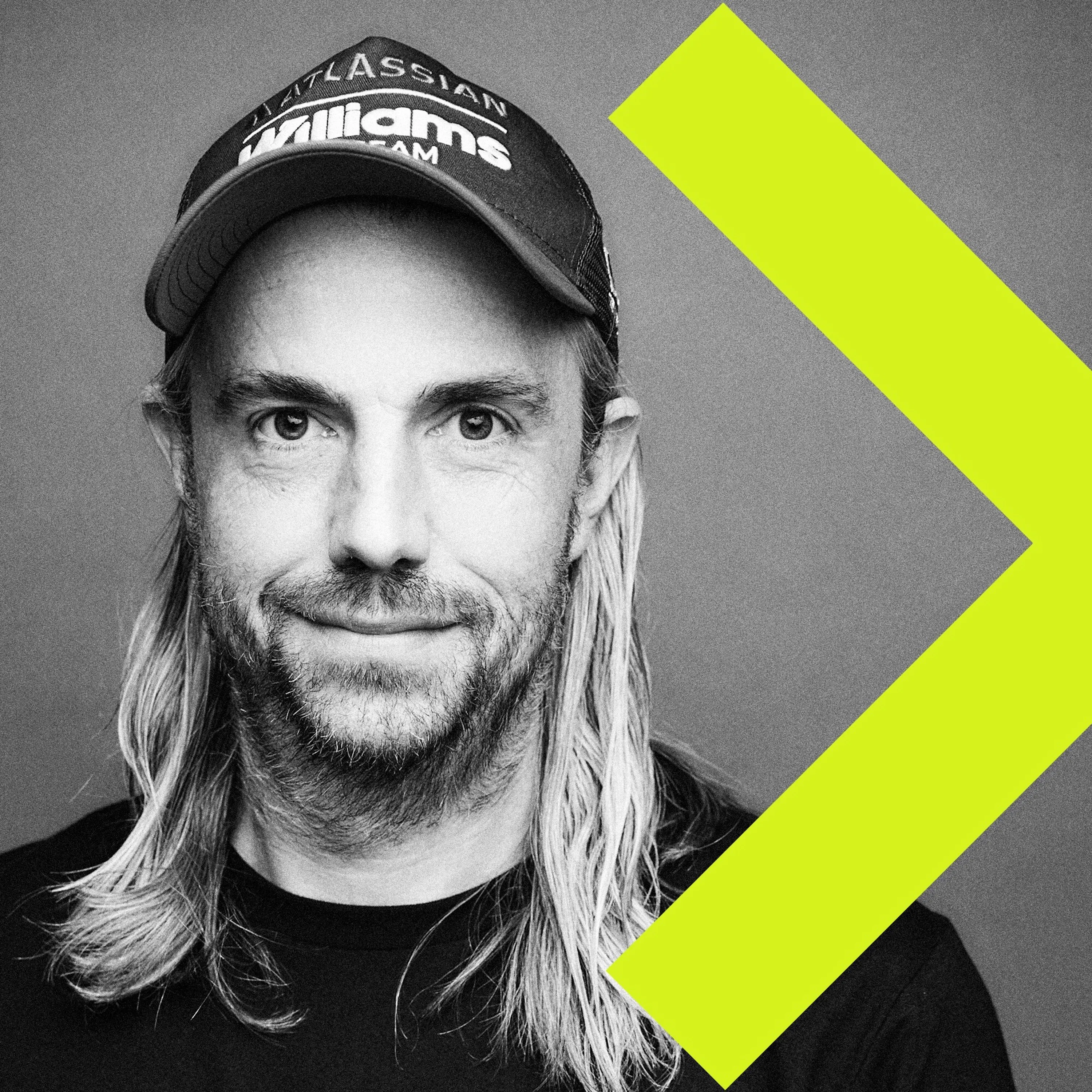 The SaaSpocalypse that wasn't, with Atlassian CEO Mike Cannon-Brookes | Decoder | Mike Cannon-Brookes | 28 September 2026 | 1:16 | My guest today is Mike Cannon-Brookes, who is co-founder and CEO of Atlassian. Atlassian is one of those companies that every other company runs on — it makes important platform tools like Jira and Trello. This means Atlassian is also right in the middle of the way AI is changing how all these companies work. Or, if you buy the idea of the so-called SaaSpocalypse, AI might just build all of these tools for you, destroying this entire category of businesses. Obviously, Mike had a lot of thoughts pushing back on this narrative, so we spent time really digging in and talking through what AI is doing to enterprise software. Links: How Australia became the test bed for tech regulation | Decoder (2021) Building a $45B company far from Silicon Valley’s ‘froth and bubbles’ | Semafor Atlassian CEO Mike Cannon-Brookes on Atlassian and AI | Stratechery How Atlassian shook off the 'SaaSpocalypse' for a big rally | IBD Atlassian acquires The Browser Company, maker of the Arc browser | The Verge Atlassian Co-CEO resigns, leaving Cannon-Brookes as sole chief | Bloomberg Atlassian cuts 1,600 jobs amid AI push | Forbes Subscribe to The Verge to access the ad-free version of Decoder! Credits: Decoder is a production of The Verge and part of the Vox Media Podcast Network. Decoder’s producers are Greg Ott, Kate Cox, and Nick Statt. This episode was edited by Ursa Wright. Our editorial director is Kevin McShane. The Decoder music is by Breakmaster Cylinde Learn more about your ad choices. |
 Why Automattic CEO Matt Mullenweg went to war over WordPress | Matt Mullenweg | 30 June 2025 | 1:09 | Today, I’m talking with Matt Mullenweg, the founder and CEO of Automattic and the public face of WordPress. Last year, Matt essentially went to war, publicly and in the courts, against a hosting company called WP Engine, and there’s been significant fallout at Automattic and the broader WordPress community. It’s been a long, drawn-out saga. That said, Matt was willing to come on the show and talk through some of this thinking here, why he made some of the decisions he did, and also what he regrets about how some of this went down. Links: The messy WordPress drama, explained | Verge Celebrating 20 Years of Automattic | Automattic Matt Mullenweg: ‘WordPress.org just belongs to me’ | Verge Automattic offered employees another chance to quit over | Verge WordPress owner Automattic is laying off 16 percent of workers | Verge Tumblr will move all of its blogs to WordPress | Verge Beeper was just acquired by Automattic | Verge Automattic acquires relationship manager Clay | TechCrunch How WordPress and Tumblr are keeping the internet weird | Decoder How to buy a social network, with Tumblr CEO Matt Mullenweg | Decoder Credits: Decoder is a production of The Verge and part of the Vox Media Podcast Network. Our producers are Kate Cox and Nick Statt. Our editor is Ursa Wright. The Decoder music is by Breakmaster Cylinder. Learn more about your ad choices. Visit podcastchoices.com/adchoices |
 Are prediction markets gambling? Robinhood's Vlad Tenev is betting not | Vlad Tenev | 14 April 2025 | 1:15 | Today, I’m talking with Vlad Tenev, the co-founder and CEO of Robinhood, which started as a way to open up stock trading. But the company’s ambitions have grown over time – and they’re getting bigger. Just a day before Vlad and I talked, Robinhood announced it would soon be offering bank accounts and wealth management services, which would really allow Robinhood to be involved with your money at every possible level. So I was very interested to sit down with Vlad and really hash out where Robinhood is going, and why he’s so adamant that certain big ideas, like prediction markets based around everything from sports games to presidential elections, are going to play a pivotal role in the future of finance. Links: Robinhood CEO Vlad Tenev on markets for everything | Hard Fork Robinhood is launching bank accounts | Verge Kalshi sues Nevada and New Jersey regulators | Esports Insider Kalshi CEO: ‘State law doesn’t really apply’ to us | TechCrunch Robinhood debuts a sports gambling hub | Verge The SEC has ended its investigation into Robinhood crypto | Verge Robinhood admits it’s just a gambling app | Verge Massachusetts regulator subpoenas Robinhood over sports betting | CNN Verge Transcript Credits: Decoder is a production of The Verge and part of the Vox Media Podcast Network. Our producers are Kate Cox and Nick Statt. Our editor is Ursa Wright. The Decoder music is by Breakmaster Cylinder. Learn more about your ad choices. Visit podcastchoices.com/adchoices |
| Duolingo CEO Luis Von Ahn wants you addicted to learning | Luis von Ahn | 14 October 2024 | 1:20 | Luis von Ahn is the co-founder and CEO of Duolingo. There are lots of opportunities to enhance a product like Duolingo with AI, and we talk about all that — but I also wanted to talk to Luis about learning, generally. Duolingo is a global product, and there are a lot of tech tensions there, dealing with different user needs worldwide. We talk about it all in a pretty direct way... including all those unhinged things the owl does on social media. Links: Duolingo Introduces AI-Powered Innovations at Duocon 2024 (Duolingo) Video Call with Lily (Duolingo / YouTube) AI Boosts Duolingo As Company Posts First Profit (Nasdaq) Foreign Language Training (US State Department) Exploring My Villain Origin Story (Duolingo / TikTok) Duolingo cuts workers as it relies more on AI (The Washington Post) Why Silicon Valley Is Talking About Founder Mode (The New York Times) Duolingo's Math and Music lessons finally hit Android a year after iOS (Android Police) Airbnb CEO Brian Chesky on taking it back to basics (Decoder / The Verge) How Duolingo is using its 'unhinged content' with Duo the Owl (Digiday) How we turned Duo's butt into a viral Super Bowl commercial (Duolingo) A Duolingo employee has apologised for joking about Amber Heard (The Tab) Transcript: https://www.theverge.com/e/24031882 Credits: Decoder is a production of The Verge, and part of the Vox Media Podcast Network. Our producers are Kate Cox and Nick Statt. This episode was edited by Xander Adams. |
| Why Flexport CEO Ryan Petersen took his company back | Ryan Petersen | 19 December 2023 | 1:06 | Ryan Petersen is the founder and CEO of Flexport, which makes software to optimize shipping everything from huge containers to ecommerce deliveries. It’s a fascinating company; we had Ryan on to explain it last year. Right around the first time we spoke, Ryan handed off the CEO role to 20-year Amazon veteran Dave Clark. Then, barely a year later, Dave got fired, and Ryan returned after CEO. I always joke that Decoder is a show about org charts… so why did Ryan make and then unmake the biggest org chart decision there is? Links: Can software simplify the supply chain? Ryan Petersen thinks so - The Verge Amazon consumer chief Dave Clark to join Flexport as its new CEO Flexport CEO Dave Clark resigns from logistics startup after one year in the role Flexport founder publicly slams his handpicked successor for hiring spree, rescinds offers Ousted Flexport CEO Dave Clark strikes back The real story behind a tech founder's 'tweetstorm that saves Christmas' Panama Canal has gotten so dry and backed up after brutal drought that shippers are paying up to $4m to jump the queue When Shipping Containers Sink in the Drink | The New Yorker Transcript: https://www.theverge.com/e/23770977 Credits: Decoder is a production of The Verge, and part of the Vox Media Podcast Network. Today’s episode was produced by Kate Cox and Nick Statt and was edited by Callie Wright. The Decoder music is by Breakmaster Cylinder. Our Executive Producer is Eleanor Donovan. Learn more about your ad choices. |
| How WordPress and Tumblr are keeping the internet weird, with Automattic CEO Matt Mullenweg | Matt Mullenweg | 15 March 2022 | 1:16 | Matt Mullenweg is the CEO of Automattic, the company that owns WordPress.com , which he co-founded, and Tumblr , the irrepressible social network it acquired from the wreckage of AOL, Yahoo, and Verizon. Matt’s point of view is that the world is better off when the web is open and fun, and Automattic builds and acquires products that help that goal along. Links: Exclusive: Automattic CEO Matt Mullenweg on what’s next for Tumblr Verizon is selling Tumblr to WordPress’ owner Automattic, owner of Tumblr and WordPress.com, buys podcast app Pocket Casts Gutenberg Tumblr Shop Why Apple’s new privacy feature is such a big deal Taylor Swift's Tumblr Tumblr will ban all adult content on December 17th How Tumblr Became Popular for Being Obsolete Basecamp CTO David Heinemeier Hansson and Rep. David Cicilline on Apple's monopolistic app store fees Inside Sonos' decision to sue Google - and how it won After the porn ban, Tumblr users have ditched the platform as promised The Trauma Floor: The secret lives of Facebook moderators in America Vox Media adds The Coral Project Transcript: https://www.theverge.com/e/22741898 Credits: Decoder is a production of The Verge, and part of the Vox Media Podcast Network. Today’s episode was produced by Creighton DeSimone and Jackie McDermott. Research was done by Liz Lian. It was edited by Callie Wright. The Decoder music is by Breakmaster Cylinder. Our Sr Audio Director is Andrew Marino and our Executive Producer is Eleanor Donovan. |
| Adobe's Scott Belsky on how NFTs will change creativity | Scott Belsky | 26 October 2021 | 1:04 | Adobe is one of those companies that I don’t think we pay enough attention to — it’s been around since 1982, and the entire creative economy runs through its software. You don’t just edit a photo, you Photoshop it. We spend a lot of time on Decoder talking about the creator economy, but creators themselves spend all their time working in Adobe’s tools. On this episode, I’m talking to Scott Belsky, chief product officer at Adobe, about the new features coming to their products, many of which focus on collaboration, and about creativity broadly — who gets to be a creative, where they might work, and how they get paid. Transcript Links: NFTs Explained Adobe brings a simplified Photoshop to the web Adobe is adding a collaborative mood board to Creative Cloud Soon you can use Photoshop to prepare your art as an NFT The Dog Ramps Tweet The Furry Lisa, CryptoArt, & The New Economy Of Digital Creativity A $120,000 Banana Is Peeled From an Art Exhibition and Eaten Adobe and Twitter are designing a system for permanently attaching artists’ names to pictures "I still own you" clip Credits: Decoder is a production of The Verge, and part of the Vox Media Podcast Network. Today’s episode was produced by Creighton DeSimone, Alexander Charles Adams, and Andrew Marino and we are edited by Callie Wright. Our music is by Breakmaster Cylinder. Learn more about your ad choices. Visit podcastchoices.com/adchoices |
| Microsoft CEO Satya Nadella on the business of Windows | Satya Nadella | 25 June 2021 | 37 min | Nilay Patel talks with Satya Nadella, the CEO and chairman of Microsoft. On Thursday, Microsoft announced Windows 11, which comes with an all-new design, a bunch of new features, and the ability to run Android apps. Nilay asks Nadella about how he thinks about Windows as a platform, what Microsoft’s responsibilities are, and how he thinks the various antitrust bills in Congress will affect Microsoft’s plans for the future. Learn more about your ad choices. Visit podcastchoices.com/adchoices |
 Recode Decode: Jason Fried | Jason Fried | 15 June 2020 | 58 min | Basecamp CEO Jason Fried talks with Recode's Kara Swisher about the company's new email product, Hey , which he describes as "the most ambitious and stupidest thing we’ve ever done." Fried also discusses how coronavirus proved that offices are not as important as other companies used to say, why Zoom calls "suck," and why Basecamp is charging $99/year for a personal Hey account, Plus: Why Uber is a "shitty business," why Fried doesn't want any public CEO's job, and the state of tech regulation. Featuring: Jason Fried ( @jasonfried ), CEO, Basecamp Host: Kara Swisher ( @karaswisher ), Recode co-founder and editor-at-large More to explore: On Reset , Arielle Duhaime-Ross explores why — and how — tech is changing everything. On Recode Media , Peter Kafka interviews business titans, journalists, comedians and podcasters about the collision of tech and media. On Pivot , Kara Swisher and Scott Galloway talk about the big tech news stories of the week, who's winning, who's failing, and what comes next. And on Land of the Giants , Jason Del Rey chronicled the rise of Amazon. Season 2 will focus on Netflix and is coming soon! About Recode by Vox: Recode by Vox helps you understand how tech is changing the world — and changing us. Follow Us: Newsletter: Recode Daily Twitter: @Recode and @voxdotcom Learn more about your ad choices. Visit podcastchoices.com/adchoices |
 Recode Decode: Kevin Systrom | Kevin Systrom | 6 April 2020 | 53 min | Instagram co-founder and former CEO Kevin Systrom talks with Recode's Kara Swisher about the data analysis he has conducted and publicized about the global spread of coronavirus, and what it tells us the future looks like. He says he applied the same data-minded approach to the virus that he did while at Instagram because "data is data," and says the rapid word of mouth spread of "viral" technology can help us understand what happens when communities and governments don't act to prevent an outbreak. Systrom also talks about people's natural inclination to doubt data, and says the numbers suggest that new cases of covid-19 will peak in mid-May. Plus: Why he hopes his data model is wrong, and what he's been doing since he and fellow Instagram co-founder Mike Krieger left Facebook in 2018. Featuring: Kevin Systrom ( @kevin ), Instagram co-founder and former CEO Host: Kara Swisher ( @karaswisher ), Recode co-founder and editor-at-large More to explore: On Reset , Arielle Duhaime-Ross explores why — and how — tech is changing everything. On Recode Media , Peter Kafka interviews business titans, journalists, comedians and podcasters about the collision of tech and media. On Pivot , Kara Swisher and Scott Galloway talk about the big tech news stories of the week, who's winning, who's failing, and what comes next. And on Land of the Giants , Jason Del Rey chronicled the rise of Amazon. Season 2 will focus on Netflix and is coming soon! |
| Recode Decode: Stewart Butterfield | Stewart Butterfield | 1 April 2020 | 59 min | Slack CEO Stewart Butterfield talks with Recode's Kara Swisher about how coronavirus changed everything for Slack and its customers, the sudden transition to "work from home" across the country, and how the company is handling a surge in usage at the same time that other plans and resources are being constrained. Butterfield also discusses Slack's recent redesign, how communication inside organizations has evolved over the years, and the state of innovation in Silicon Valley and the US as a whole. Plus: What would he do if he weren't running Slack? Featuring: Stewart Butterfield ( @stewart ), CEO, Slack Host: Kara Swisher ( @karaswisher ), Recode co-founder and editor-at-large More to explore: On Reset , Arielle Duhaime-Ross explores why — and how — tech is changing everything. On Recode Media , Peter Kafka interviews business titans, journalists, comedians and podcasters about the collision of tech and media. On Pivot , Kara Swisher and Scott Galloway talk about the big tech news stories of the week, who's winning, who's failing, and what comes next. And on Land of the Giants , Jason Del Rey chronicled the rise of Amazon. Season 2 will focus on Netflix and is coming soon! About Recode by Vox: Recode by Vox helps you understand how tech is changing the world — and changing us. Follow Us: Newsletter: Recode Daily Twitter: @Recode and @voxdotcom Learn more about your ad choices. Visit podcastchoices.com/adchoices |
 Recode Decode: Steven Levy | Steven Levy | 24 February 2020 | 1:08 | Technology journalist and Wired editor-at-large Steven Levy talks with Recode's Kara Swisher about his latest book, Facebook: The Inside Story , for which he obtained years of direct access to CEO Mark Zuckerberg and COO Sheryl Sandberg. Levy discusses how he got that access, how Zuckerberg has changed (or hasn't) over time, and whether he, Sandberg, and the company at large understand the damage that Facebook has caused. Plus: Why Zuckerberg destroyed his old diaries, how he was influenced by Bill Gates, and what will happen to the company next now that it is under more scrutiny than ever. Featuring: Steven Levy ( @StevenLevy ), author, Facebook: The Inside Story Host: Kara Swisher ( @karaswisher ), Recode co-founder and editor-at-large More to explore: On Reset , Arielle Duhaime-Ross explores why — and how — tech is changing everything. On Recode Media , Peter Kafka interviews business titans, journalists, comedians and podcasters about the collision of tech and media. On Pivot , Kara Swisher and Scott Galloway talk about the big tech news stories of the week, who's winning, who's failing, and what comes next. And on Land of the Giants , Jason Del Rey chronicled the rise of Amazon. Season 2 will focus on Netflix and is coming soon! About Recode by Vox: Recode by Vox helps you understand how tech is changing the world — and changing us. Follow Us: Newsletter: Recode Daily Twitter: @Recode and @voxdotcom Learn more about your ad choices. Visit podcastchoices.com/adchoices |
 Recode Decode: Kirsten Green | Kirsten Green | 20 January 2020 | 1:09 | Forerunner Ventures founder and managing partner Kirsten Green talks with Recode's Kara Swisher about the thinking behind her investments in companies like Dollar Shave Club and Glossier; the messy culture struggle at luggage startup Away; and where innovation comes from in today's tech industry. Plus: What are the advantages of being a female venture capitalist, and does the VC industry have to change? Featuring: Kirsten Green ( @kirstenagreen ), founding partner, Forerunner Ventures Host: Kara Swisher ( @karaswisher ), Recode co-founder and editor-at-large More to explore: Subscribe for free to Reset , Recode's new podcast that explores why — and how — tech is changing everything. About Recode by Vox: Recode by Vox helps you understand how tech is changing the world — and changing us. Follow Us: Newsletter: Recode Daily Twitter: @Recode and @voxdotcom Learn more about your ad choices. Visit podcastchoices.com/adchoices |
 Recode Decode: Ben Silbermann | Ben Silbermann | 17 January 2020 | 33 min | Pinterest CEO Ben Silbermann talks with Recode's Kara Swisher about deliberately engineering happiness into the site, expanding into commerce, and competing with larger social and commerce tech companies. This interview was recorded in front of a live audience at the National Retail Federation's annual conference, the Big Show, in New York City. Featuring: Ben Silbermann ( @8en ), CEO, Pinterest Host: Kara Swisher ( @karaswisher ), Recode co-founder and editor-at-large More to explore: Subscribe for free to Reset , Recode's new podcast that explores why — and how — tech is changing everything. About Recode by Vox: Recode by Vox helps you understand how tech is changing the world — and changing us. Follow Us: Newsletter: Recode Daily Twitter: @Recode and @voxdotcom Learn more about your ad choices. Visit podcastchoices.com/adchoices |
| Recode Decode: Ben Mezrich | Ben Mezrich | 13 December 2019 | 1:00 | Writer Ben Mezrich talks with Recode’s Kara Swisher about his latest book Bitcoin Billionaires and his previous books, including The Accidental Billionaires , which was adapted into the movie The Social Network . Mezrich, who specializes in "true stories about young people doing crazy things," discusses the controversies around how he depicted Mark Zuckerberg in The Accidental Billionaires , how Zuck has changed over time, and how the story went from a “nobody will care” book proposal to a classic movie. He also talks about the respectability the Winklevoss twins brought to cryptocurrency and why Facebook is the exact wrong company to launch a cryptocurrency, even though they’re looking in the right direction. Plus: Will there be a sequel to The Social Network ? Featuring: Ben Mezrich ( @benmezrich ), author, Bitcoin Billionaires Hosts: Kara Swisher ( @karaswisher ), Recode co-founder and editor-at-large More to explore: Subscribe for free to Reset , Recode's new podcast that explores why — and how — tech is changing everything. About Recode by Vox: Recode by Vox helps you understand how tech is changing the world — and changing us. Follow Us: Newsletter: Recode Daily Twitter: @Recode and @voxdotcom Learn more about your ad choices. Visit podcastchoices.com/adchoices |
 Recode Decode: Alexis Ohanian | Alexis Ohanian | 13 November 2019 | 1:03 | Reddit co-founder and Initialized Capital managing partner Alexis Ohanian talks with Recode's Kara Swisher about how he became a "dadvocate" for paid paternity leave. Ohanian explains how the medical complications faced by his wife, tennis star Serena Williams, woke him up to the problem, and how time off for fathers can help mothers, as well as female coworkers. He also discusses the problem with how working men glorify their self-destructive schedules online, which he calls "hustle porn"; why he's investing in family tech companies like Mom Project at Initialized, and how the startup scene has changed since his days as a founder; and the decline of San Francisco as a desirable place for entrepreneurs to start their next companies. Plus: What Ohanian thinks of Twitter's decision to stop accepting political advertising, and how afraid we should be of deepfakes. Read a full transcript of this interview here. Featuring: Alexis Ohanian ( @alexisohanian ), Reddit co-founder and Initialized Capital managing partner Hosts: Kara Swisher ( @karaswisher ), Recode co-founder and editor-at-large More to explore: Subscribe for free to Reset , Recode's new podcast that explores why — and how — tech is changing everything. About Recode by Vox: Recode by Vox helps you understand how tech is changing the world — and changing us. Follow Us: Newsletter: Recode Daily Twitter: @Recode and @voxdotcom Learn more about your ad choices. Visit podcastchoices.com/adchoices |
| Recode Decode: Blackstone CEO Steve Schwarzman | Stephen A. Schwarzman | 18 September 2019 | 1:08 | Steve Schwarzman, the CEO of the private equity firm The Blackstone Group, talks with Recode's Kara Swisher about his new book, What It Takes: Lessons in the Pursuit of Excellence . Schwarzman — a longtime advisor to President Trump — also discusses his scholarship program that teaches future leaders how to do business in China, how he would like to see policymakers address populist anger, and the big economic trends he and Blackstone are currently pursuing. Plus: Can we fix the H-1B visa program without simultaneously addressing other forms of immigration? Featuring: Steve Schwarzman, CEO of The Blackstone Group and author of What It Takes: Lessons in the Pursuit of Excellence . Hosts: Kara Swisher ( @karaswisher ), Recode co-founder and editor-at-large More to explore: Subscribe for free to Pivot , Kara’s podcast with NYU Professor Scott Galloway that offer sharp, unfiltered insights into the biggest stories in tech, business, and politics. About Recode by Vox: Recode by Vox helps you understand how tech is changing the world — and changing us. Follow Us: Newsletter: Recode Daily Twitter: @Recode and @voxdotcom Learn more about your ad choices. Visit podcastchoices.com/adchoices |
| Recode Decode: The Wing CEO Audrey Gelman | Audrey Gelman | 11 September 2019 | 47 min | Audrey Gelman, the co-founder and CEO of women's coworking space The Wing, talks with Recode's Kara Swisher about the company's new hiring network for its members, and how it can combat bias in hiring. They also discuss why Gelman and her co-founder Lauren Kassan started The Wing, the services it provides for its members, and the challenges of raising money for a business aimed at women. Featuring: Audrey Gelman ( @audreygelman ), CEO of The Wing ( @the_wing ) Hosts: Kara Swisher ( @karaswisher ), Recode co-founder and editor-at-large More to explore: Subscribe for free to Pivot , Kara’s podcast with NYU Professor Scott Galloway that offer sharp, unfiltered insights into the biggest stories in tech, business, and politics. About Recode by Vox: Recode by Vox helps you understand how tech is changing the world — and changing us. Follow Us: Newsletter: Recode Daily Twitter: @Recode and @voxdotcom Learn more about your ad choices. Visit podcastchoices.com/adchoices |
 Recode Decode: Facebook’s former security boss Alex Stamos and Twitter co-founder Ev Williams (Live) | Ev Williams | 24 May 2019 | 48 min | Alex Stamos, the former Chief Security Officer at Facebook, and Ev Williams, the co-founder of Twitter and CEO of Medium, talk with Recode's Kara Swisher in these live interviews from the 2019 Collision conference in Toronto, Canada. In the Stamos interview: Is Facebook misunderstood?; Stamos’ proposed solutions; legitimate candidates vs. the Russians; how to protect ourselves from all election attackers; the weaponization of Facebook’s products; America’s reluctance to regulate; breaking up Facebook and Google; why big companies need to stop rewarding employees with stock; Stamos’ recommendations for Mark Zuckerberg; and is Facebook actually committed to change? And in the Williams interview: Why he left the board of Twitter; where social media is right now; why his venture firm Obvious Ventures doesn’t invest in social; its investment in Beyond Meat; Williams’ theories of venture investing; the lack of diversity in what companies get venture funding; how techlash has changed Silicon Valley; the many iterations of Medium; would Williams buy established media companies?; and is he worried about the media? Learn more about your ad choices. Visit podcastchoices.com/adchoices |
 Recode Decode: Salesforce CEO Marc Benioff | Marc Benioff | 19 November 2018 | 31 min | Salesforce CEO Marc Benioff talks with Recode's Kara Swisher on the latest episode of her MSNBC TV show, "Revolution." Fan of the show? It helps to leave a rating and review on Apple Podcasts. Learn more about your ad choices. Visit podcastchoices.com/adchoices |
 Recode Decode: Craigslist founder Craig Newmark | Craig Newmark | 9 July 2018 | 52 min | Craig Newmark, the founder of Craigslist and Craig Newmark Philanthropies, talks with Recode's Kara Swisher about his foundation's recent donation of $20 million to the CUNY Graduate School of Journalism. Newmark says the school is advancing good journalism by providing opportunities to people who might not otherwise get them. He also talks about his other philanthropic work, helping veterans and women in tech as well as working with voting rights organizations, calling the 2018 midterms "critical for American democracy." Plus: Why Newmark is optimistic about the future of media in the age of Facebook and Twitter, how Craigslist evolved from an email list into the powerhouse it is today and why he's not interested in selling it or going public. Learn more about your ad choices. Visit podcastchoices.com/adchoices |
 Recode Decode: Tom Peters, management expert and author of ‘The Excellence Dividend’ | Tom Peters | 20 June 2018 | 53 min | Author and management expert Tom Peters talks with Recode’s Kara Swisher about his new book, “The Excellence Dividend: Meeting the Tech Tide with Work That Wows and Jobs That Last.” Peters says artificial intelligence may have profound effects on the workforce, but workers who commit themselves to daily reeducation will “flourish” amid the turbulence. He also argues that Silicon Valley has become a “moral cesspool,” as leaders like Facebook CEO Mark Zuckerberg dodge tough questions and shirk responsibility when their platforms are misused. Plus: Why companies with mixed-gender boards “wildly outperform” their competitors. Learn more about your ad choices. Visit podcastchoices.com/adchoices |
 Recode Decode: John Doerr | John Doerr | 14 May 2018 | 1:00 | John Doerr, the chairman of the venture capital firm Kleiner Perkins Caufield & Byers, talks with Recode's Kara Swisher and Teddy Schleifer about his new book, "Measure What Matters: How Google, Bono, and the Gates Foundation Rock the World with OKRs." Doerr credits two mentors, Andy Grove and Bill Campbell, with turning him on to that leadership strategy, which is short for Objectives and Key Results — or, in other words, communicating what you want to accomplish and how. Setting clear objectives and making them transparent to your entire company can help tech leaders succeed, but CEOs who don't commit or who build a cult of personality around themselves can put their businesses in jeopardy. Doerr also talks about the state of diversity in Silicon Valley, what he learned from the Ellen Pao trial and whether tech companies are taking privacy more seriously in the aftermath of the Facebook-Cambridge Analytica scandal. Learn more about your ad choices. Visit podcastchoices.com/adchoices |
 Recode Decode: Tim O'Reilly, author, 'WTF?' | Tim O’Reilly | 18 October 2017 | 48 min | O’Reilly Media founder Tim O’Reilly talks with Recode’s Kara Swisher about his new book, “WTF? What’s the Future and Why It’s Up to Us.” O'Reilly argues that society could be headed for either the good type of “WTF” — one of amazement — or the bad type, one of dismay. Avoiding the latter, O’Reilly says, will mean dramatically rethinking politics, finance and employment; today's prevailing philosophy of profit-above-all-else could be setting the world up for a period of “war and revolution and great instability.” He also talks about why, even though tech companies are easy to demonize in Washington, the bigger villain may be Wall Street. Learn more about your ad choices. Visit podcastchoices.com/adchoices |
 Recode Decode: Kevin Systrom, CEO, Instagram | Kevin Systrom | 5 June 2017 | 1:10 | Instagram CEO and co-founder Kevin Systrom talks with Recode's Kara Swisher about why he's still working at Facebook five years after it bought his company for $1 billion. Systrom shares what he has learned from the executives there and why he insisted from day one that his new colleagues not call Instagram a "photo-sharing app" — which surprised Mark Zuckerberg. He also addresses allegations that Instagram has "copied" features from Snapchat, saying no tech product is completely original and that it's better for consumers if companies in the same space are constantly trying to one-up each other. Later in the show, Systrom explains why he feels personally responsible to make the internet a safer place, and what he's doing toward that goal. Learn more about your ad choices. Visit podcastchoices.com/adchoices |
 Recode Decode: Patrick Collison, CEO, Stripe | Patrick Collison | 15 May 2017 | 1:06 | Stripe CEO Patrick Collison talks with Recode's Kara Swisher about how the company he and his brother started in 2010 evolved from a service for other small startups into a global payments platform for companies of all sizes. He discusses why Stripe recently hired a new security head, DARPA alum Peiter Zatko, and why our data is safer in the hands of companies like Google and Facebook than it is with hospitals or telecom giants. Collison also argues that U.S. immigration policy, and restrictive housing policies in the San Francisco Bay Area, are imperiling Silicon Valley's ability to continually innovate in the future. Learn more about your ad choices. Visit podcastchoices.com/adchoices |
 Recode Decode: Tristan Harris, founder, Time Well Spent | Tristan Harris | 30 January 2017 | 1:08 | Time Well Spent founder Tristan Harris talks with Recode's Kara Swisher about the persuasive techniques and tricks used by companies like Twitter, Google and Facebook to make people engage with them every day. Harris's movement wants tech companies to think more often about the ethics of their design decisions, and to value their users' attention. These design choices, Harris says, are often driven by the fundamental "background problem" of advertising, and he makes the case for an "organic food movement" for tech, where users could pay to be manipulated less. Learn more about your ad choices. Visit podcastchoices.com/adchoices |
 Recode Decode: Aileen Lee, managing partner, Cowboy Ventures | Aileen Lee | 3 October 2016 | 51 min | Cowboy Ventures founder and managing partner Aileen Lee, previously a partner at Kleiner Perkins Caufield & Byers, talks with Recode's Kara Swisher about being one of the few female venture capitalists in Silicon Valley. After leaving Kleiner Perkins in 2012, Lee set out to amass data about the small percentage of startups that become breakout success stories, and she coined the term "unicorn" to describe the small fraction that would be valued at more than $1 billion. She says entrepreneurs today have to be tougher now that investors' fervor has cooled off, and says those investors will have to change, too, by becoming more diverse. Learn more about your ad choices. Visit podcastchoices.com/adchoices |
 Recode Decode: Mike Cannon-Brookes, co-CEO, Atlassian | Mike Cannon-Brookes | 15 August 2016 | 38 min | Atlassian co-CEO Mike Cannon-Brookes talks with Recode's Kara Swisher about co-founding an enterprise software company in Sydney, Australia, in 2002. Cannon-Brookes reflects on Atlassian's successful American IPO and the differences between his team and tech companies that start in other parts of the world. Rather than trying to beat Silicon Valley at its own game, he says, the right approach for Australia is to nurture its own tech talent while building bridges across the ocean. Learn more about your ad choices. Visit podcastchoices.com/adchoices |
 Recode Decode: "Chaos Monkeys" author Antonio García-Martinez | Antonio García Martínez | 25 July 2016 | 42 min | Antonio García-Martinez, author of the new tell-all book, "Chaos Monkeys: Obscene Fortune and Random Failure in Silicon Valley," talks with Recode's Kara Swisher about starting a company, getting acquired by Twitter, and defecting to Facebook one year before its IPO. García-Martinez knew from the start that he wanted to write a book, and the end result doesn't mince words with its subjects. He says one of the big takeaways from "Chaos Monkeys" is that Silicon Valley constantly lies to itself, and that that mass delusion has helped it succeed. Learn more about your ad choices. Visit podcastchoices.com/adchoices |
 Recode Decode: Anne Wojcicki, CEO, 23andMe | Anne Wojcicki | 4 April 2016 | 56 min | Kara Swisher talks with 23andMe CEO Anne Wojcicki about why the personal genomics company's mission is unchanged after a battle with the FDA. Wojcicki argues that understanding one's own genetic traits is part of a broader trend of consumers taking control of their health. She also discusses being a famous female tech executive, what she thinks of 23andMe's embattled peer Elizabeth Holmes of Theranos and why she doesn't read her own press (especially when it is about her relationship with New York Yankees star Alex Rodriguez). Learn more about your ad choices. Visit podcastchoices.com/adchoices |
 Recode Decode: Max Levchin, Affirm CEO | Max Levchin | 17 January 2016 | 42 min | Affirm CEO and PayPal co-founder Max Levchin talks with Kara Swisher about being a serial entrepreneur and discovering more about himself in the process. He also discusses why startup founders and investors are increasingly flocking to finance, the problems with banking that tech can solve and what Marissa Mayer is doing right at Yahoo. Learn more about your ad choices. Visit podcastchoices.com/adchoices |
 Recode Decode: Albert Wenger, Union Square Ventures Partner | Albert Wenger | 7 January 2016 | 36 min | Union Square Ventures partner Albert Wenger talks with Peter Kafka about being an investor at a time of bubble anxiety and political debate about the trade-off between privacy and security. He argues that tech companies and the government should work together, and also discusses the growing class of mission-driven "benefit corporations." Learn more about your ad choices. Visit podcastchoices.com/adchoices |
 Recode Decode: Ev Williams, Medium CEO | Ev Williams | 24 December 2015 | 33 min | Medium CEO Ev Williams talks with Peter Kafka about founding his third company that makes it easier to "write on the Interwebs," and what makes Medium different from Blogger and Twitter. He also discusses why publishing on anything other than a platform doesn't make sense any more, and offers some insight into why Twitter's board seemingly changed its mind about Jack Dorsey's eligibility to be CEO again.. Learn more about your ad choices. Visit podcastchoices.com/adchoices |
 Recode Decode: Marc Andreessen, investor and entrepreneur | Marc Andreessen | 1 September 2015 | 1:00 | Since founding Netscape more than 20 years ago, Marc Andreessen has been one of Silicon Valley's most influential figures. The entrepreneur-turned-venture capitalist talks with Kara Swisher about bubbles, politics, parenting and more, in an extended interview on this week's show. Learn more about your ad choices. Visit podcastchoices.com/adchoices |
 Recode Decode: Slack CEO Stewart Butterfield, Apple Music | Stewart Butterfield | 8 July 2015 | 53 min | Kara Swisher interviews Slack CEO Stewart Butterfield, Lauren Goode talks about Apple Music and more. Learn more about your ad choices. Visit podcastchoices.com/adchoices |
DThe SaaSpocalypse that wasn't, with Atlassian CEO Mike Cannon-Brookes | DecoderMike Cannon-Brookes · 28 September 2026DWhy Automattic CEO Matt Mullenweg went to war over WordPressMatt Mullenweg · 30 June 2025DAre prediction markets gambling? Robinhood's Vlad Tenev is betting notVlad Tenev · 14 April 2025DDuolingo CEO Luis Von Ahn wants you addicted to learningLuis von Ahn · 14 October 2024DWhy Flexport CEO Ryan Petersen took his company backRyan Petersen · 19 December 2023DHow WordPress and Tumblr are keeping the internet weird, with Automattic CEO Matt MullenwegMatt Mullenweg · 15 March 2022DAdobe's Scott Belsky on how NFTs will change creativityScott Belsky · 26 October 2021DMicrosoft CEO Satya Nadella on the business of WindowsSatya Nadella · 25 June 2021DRecode Decode: Jason FriedJason Fried · 15 June 2020DRecode Decode: Kevin SystromKevin Systrom · 6 April 2020DRecode Decode: Stewart ButterfieldStewart Butterfield · 1 April 2020DRecode Decode: Steven LevySteven Levy · 24 February 2020DRecode Decode: Kirsten GreenKirsten Green · 20 January 2020DRecode Decode: Ben SilbermannBen Silbermann · 17 January 2020DRecode Decode: Ben MezrichBen Mezrich · 13 December 2019DRecode Decode: Alexis OhanianAlexis Ohanian · 13 November 2019DRecode Decode: Blackstone CEO Steve SchwarzmanStephen A. Schwarzman · 18 September 2019DRecode Decode: The Wing CEO Audrey GelmanAudrey Gelman · 11 September 2019DRecode Decode: Facebook’s former security boss Alex Stamos and Twitter co-founder Ev Williams (Live)Ev Williams · 24 May 2019DRecode Decode: Salesforce CEO Marc BenioffMarc Benioff · 19 November 2018DRecode Decode: Craigslist founder Craig NewmarkCraig Newmark · 9 July 2018DRecode Decode: Tom Peters, management expert and author of ‘The Excellence Dividend’Tom Peters · 20 June 2018DRecode Decode: John DoerrJohn Doerr · 14 May 2018DRecode Decode: Tim O'Reilly, author, 'WTF?'Tim O’Reilly · 18 October 2017DRecode Decode: Kevin Systrom, CEO, InstagramKevin Systrom · 5 June 2017DRecode Decode: Patrick Collison, CEO, StripePatrick Collison · 15 May 2017DRecode Decode: Tristan Harris, founder, Time Well SpentTristan Harris · 30 January 2017DRecode Decode: Aileen Lee, managing partner, Cowboy VenturesAileen Lee · 3 October 2016DRecode Decode: Mike Cannon-Brookes, co-CEO, AtlassianMike Cannon-Brookes · 15 August 2016DRecode Decode: "Chaos Monkeys" author Antonio García-MartinezAntonio García Martínez · 25 July 2016DRecode Decode: Anne Wojcicki, CEO, 23andMeAnne Wojcicki · 4 April 2016DRecode Decode: Max Levchin, Affirm CEOMax Levchin · 17 January 2016DRecode Decode: Albert Wenger, Union Square Ventures PartnerAlbert Wenger · 7 January 2016DRecode Decode: Ev Williams, Medium CEOEv Williams · 24 December 2015DRecode Decode: Marc Andreessen, investor and entrepreneurMarc Andreessen · 1 September 2015DRecode Decode: Slack CEO Stewart Butterfield, Apple MusicStewart Butterfield · 8 July 2015