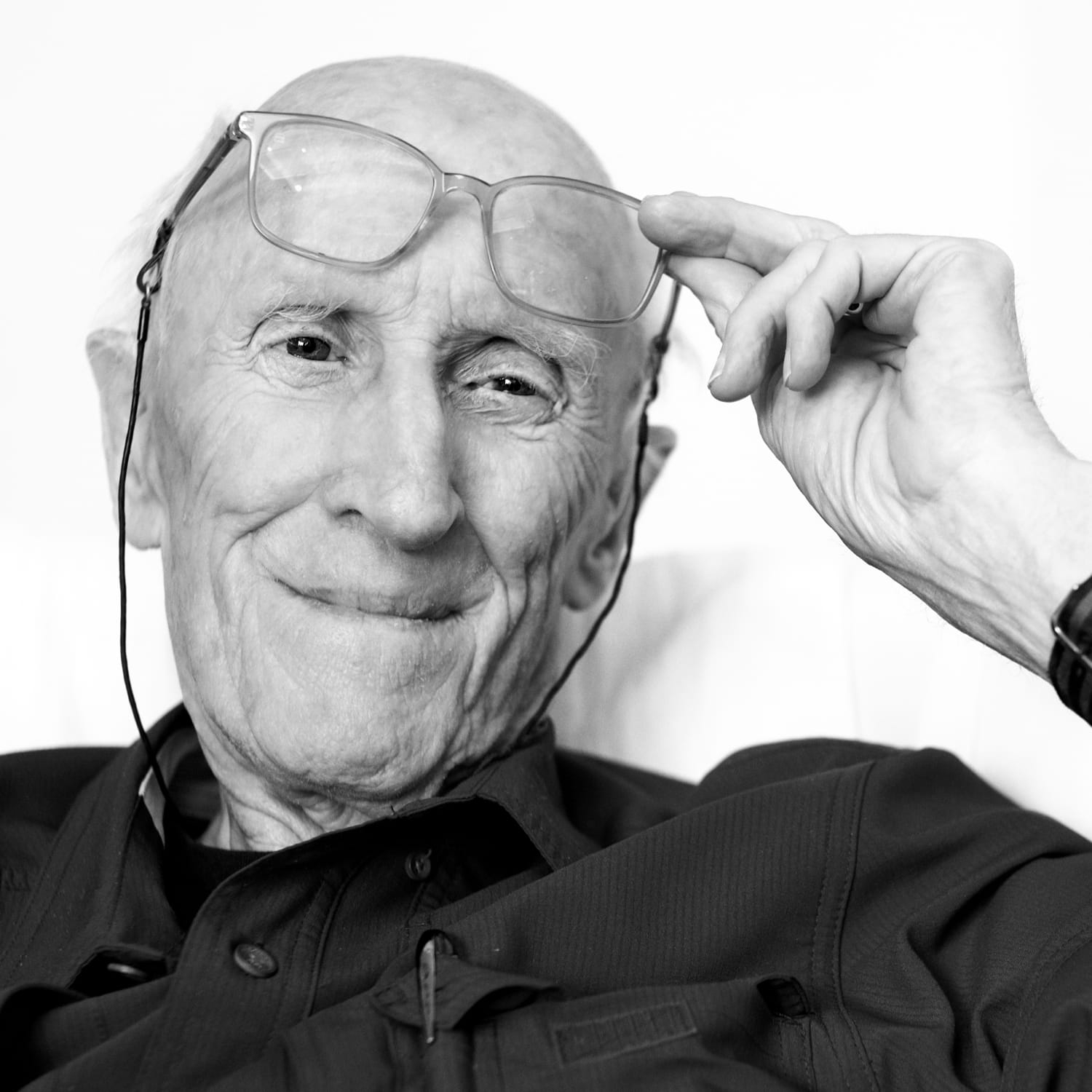
Stewart Brand
Co-founded and edited the Whole Earth Catalog and founded the WELL, Global Business Network and the Long Now Foundation; wrote Whole Earth Discipline and Maintenance: Of Everything.
 Whole Earth Catalog
 Long Now Foundation
Start here
Buildings as processes that change after they are built, and how to design for it.
“Through Stewart Brand's work, beginning with How Buildings Learn (one of my favorite books) and his work with the Long Now Foundation, I learned to look at time differently, and technology differently, and to think about how time is cooked into everything we do today, especially as regards the ephemeral nature of all the time spent on computers and in online media.” — Caterina Fake
Source: The Anthrobscene – Caterina.net
Recommended by: Caterina Fake, Derek Sivers, Kevin Kelly and 4 others
An environmentalist's case for nuclear power, dense cities and genetic engineering.
“on why even environmentalists should be pro building, pro cities, pro nuclear, and pro genetic engineering” — Marc Andreessen
Source: @pmarca, companion thread to 'It's Time to Build'
Recommended by: Marc Andreessen, Patrick Collison and 2 others
The case for a 10,000-year clock and for long-term thinking in institutions.
“Metcalfe’s original diagram was taken from Brand, Stewart, The Clock of the Long Now: Time and Responsibility: The Ideas Behind the World’s Slowest Computer , Basic Books, New York, 2000” — Michael Mauboussin
Source: Network to Net Worth: Exploring Network Dynamics, page 28
Recommended by: Michael Mauboussin, Bret Victor, Phil Libin and 1 other
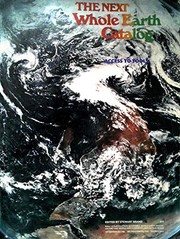
A catalogue of reviewed tools and goods for self-sufficiency, ecology and learning.
Recommended by: Patrick Collison
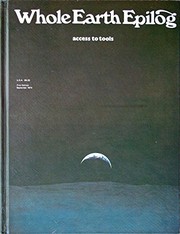
A catalogue of tools for independent education: what is worth getting, and where.
Recommended by: Patrick Collison
 How Buildings Learn | Buildings as processes that change after they are built, and how to design for it. | 1994 | Caterina Fake, Derek Sivers, Kevin Kelly and 4 others | |
 Whole Earth Discipline | An environmentalist's case for nuclear power, dense cities and genetic engineering. | 2009 | T3 | Marc Andreessen, Patrick Collison, Jack Dorsey and 1 others |
 The Clock of the Long Now | The case for a 10,000-year clock and for long-term thinking in institutions. | 1999 | T3 | Michael Mauboussin, Bret Victor, Phil Libin and 1 others |
 The Next Whole Earth Catalog | A catalogue of reviewed tools and goods for self-sufficiency, ecology and learning. | 1980 | Patrick Collison | |
 Whole Earth Epilog: Access to Tools | A catalogue of tools for independent education: what is worth getting, and where. | 1974 | Patrick Collison | |
| News that stayed news, 1974-1984 | – | 1986 | – | |
| II cybernetic frontiers | – | 1974 | – | |
| The Media Lab | inventing the future at MIT | 1987 | – | |
| The last Whole Earth catalog | – | 1971 | – | |
| Whole earth software catalog | – | 1984 | – | |
| Maintenance | Of Everything, Part One | 2024 | – | |
| The Essential whole earth catalog | – | 1986 | – | |
| Soft-tech | – | 1978 | – | |
| Space colonies | – | 1977 | – |
More 18
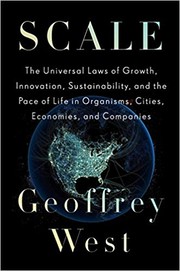
Why organisms, cities and companies follow power laws set by their supply networks.
“Geoffrey West did a talk version of his book Scale, which is particularly fantastic.” — Stewart Brand
Source: The Tim Ferriss Show Transcripts: Stewart Brand (#281)
Also recommended by: Michael Mauboussin, Nat Eliason and 3 others
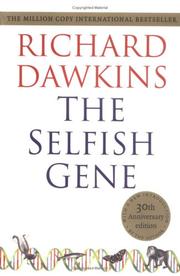
Selection acts on genes; bodies are vehicles that genes build to copy themselves.
Also recommended by: Balaji S. Srinivasan, Bob Metcalfe and 12 others
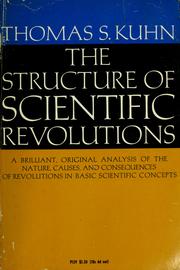
Science moves through long stretches of normal work broken by paradigm shifts.
Also recommended by: Jim Collins, Michael Mauboussin, Nat Eliason and 7 others
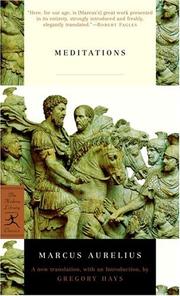
A Roman emperor's private notes reminding himself to live by Stoic principles.
Source: Stewart Brand's Selected Books for the Manual for Civilization — Long Now
Also recommended by: Austen Allred, Mohnish Pabrai, Nat Eliason and 16 others
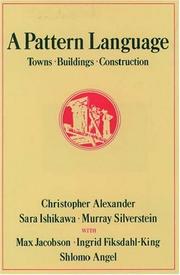
253 patterns for building, from the layout of towns down to a window seat.
Source: Stewart Brand's Selected Books for the Manual for Civilization — Long Now
Also recommended by: Patrick Collison, Naval Ravikant, Sam Altman
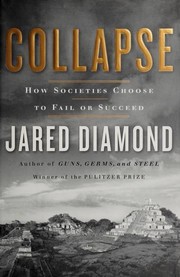
Why past societies from Easter Island to the Maya collapsed, and what that teaches.
Source: Stewart Brand's Selected Books for the Manual for Civilization — Long Now
Also recommended by: Bill Gates, Jim Collins, Mohnish Pabrai
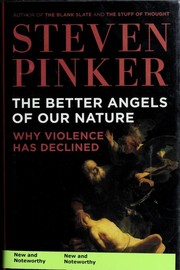
Evidence that violence of nearly every kind has declined over history, and why.
Source: Stewart Brand's Selected Books for the Manual for Civilization — Long Now
Also recommended by: Bill Gates, Eric Schmidt, Mohnish Pabrai and 6 others
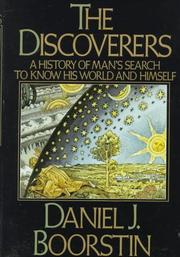
A history of discovery: time and the clock, the earth and seas, nature and society.
Source: Stewart Brand's Selected Books for the Manual for Civilization — Long Now
Also recommended by: Jim Collins
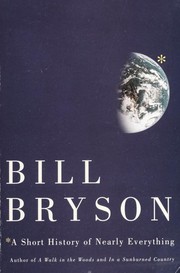
How scientists came to know what they know, from cosmology and geology to biology.
Source: Stewart Brand's Selected Books for the Manual for Civilization — Long Now
Also recommended by: Balaji S. Srinivasan, Derek Sivers and 5 others
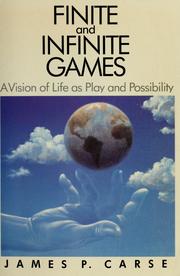
Finite games are played to win; infinite games are played to keep playing.
Source: Stewart Brand's Selected Books for the Manual for Civilization — Long Now
Also recommended by: Derek Sivers, Graham Duncan, Mohnish Pabrai and 8 others
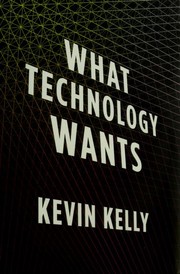
How humanity and technology together keep widening the opportunities open to people.
Source: Stewart Brand's Selected Books for the Manual for Civilization — Long Now
Also recommended by: Derek Sivers, Patrick Collison, Nir Eyal
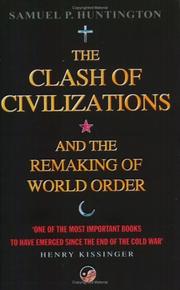
After the Cold War, conflict will follow cultural and religious fault lines.
Source: Stewart Brand's Selected Books for the Manual for Civilization — Long Now
Also recommended by: Mohnish Pabrai, Patrick Collison and 2 others
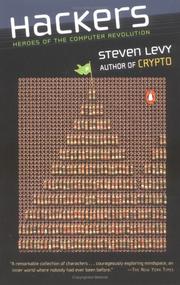
Three generations of hackers, from MIT's AI Lab to the Homebrew club and game makers.
Also recommended by: Austen Allred, Ev Williams, Marc Andreessen and 2 others
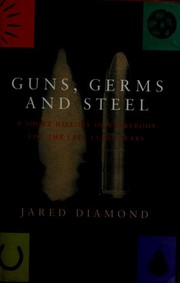
Why Eurasian societies conquered others: the role of geography, crops and animals.
Source: Stewart Brand's Selected Books for the Manual for Civilization — Long Now
Also recommended by: Charlie Munger, Christopher Bloomstran and 16 others
The case for a 10,000-year clock and for long-term thinking in institutions.
Also recommended by: Michael Mauboussin, Bret Victor, Phil Libin
An environmentalist's case for nuclear power, dense cities and genetic engineering.
Also recommended by: Marc Andreessen, Patrick Collison and 1 other
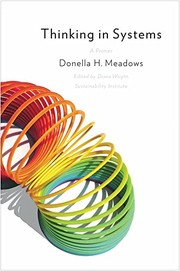
An introduction to systems: stocks, flows, feedback loops and where to intervene.
Also recommended by: Patrick O'Shaughnessy, Daniel Burka and 2 others
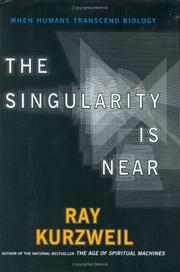
Why technological progress is exponential, and what follows if the trend holds.
Source: Stewart Brand's Selected Books for the Manual for Civilization — Long Now
Also recommended by: Brian Armstrong, Patrick Collison and 6 others
How rulers acquire and hold power, judged by effect rather than by morality.
Source: Stewart Brand's Selected Books for the Manual for Civilization — Long Now
Also recommended by: Jim Collins, Ryan Holiday, Fred Wilson and 4 others
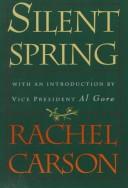
How pesticides harm the environment; it launched America's environmental movement.
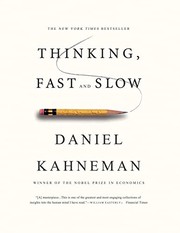
How fast, automatic thought and slow, deliberate thought shape judgment and error.
Source: Stewart Brand's Selected Books for the Manual for Civilization — Long Now
Also recommended by: Andrew Wilkinson, Charles de Vaulx and 35 others
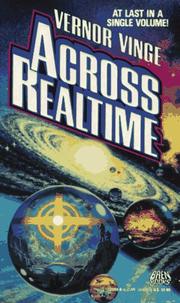
Two linked novels: The Peace War and Marooned in Realtime.
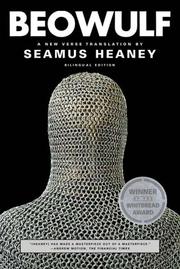
A verse translation of the Old English epic of a hero, monsters and a dragon.
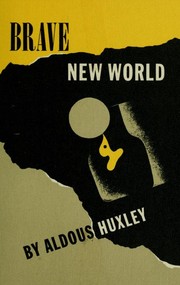
A novel of a future world where people are bred in hatcheries into contented castes.
Source: Stewart Brand's Selected Books for the Manual for Civilization — Long Now
Also recommended by: Matt Mullenweg, Tristan Harris and 2 others
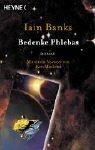
A space opera of a war between the Culture, a machine-run utopia, and its enemies.
Source: Stewart Brand's Selected Books for the Manual for Civilization — Long Now
Also recommended by: Demis Hassabis, Elon Musk, Jeff Bezos
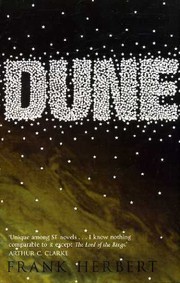
A novel of a feudal space empire fighting over a desert planet and its spice.
Source: Stewart Brand's Selected Books for the Manual for Civilization — Long Now
Also recommended by: Patrick Collison, Andrew Chen, Elon Musk and 7 others
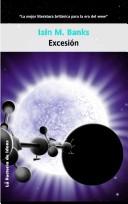
A science fiction novel about a perfect artifact from another universe.
Source: Stewart Brand's Selected Books for the Manual for Civilization — Long Now
Also recommended by: Elon Musk, Jeff Bezos
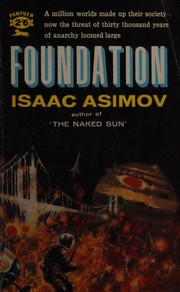
A novel: a mathematician foresees an empire's fall and plans to shorten the dark age.
Source: Stewart Brand's Selected Books for the Manual for Civilization — Long Now
Also recommended by: Balaji S. Srinivasan, Matt Mullenweg and 10 others
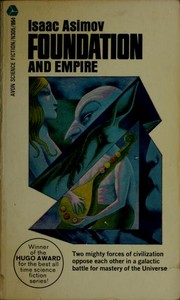
Guided by Hari Seldon's plan and its science, the Foundation fights to survive.
Also recommended by: Elon Musk
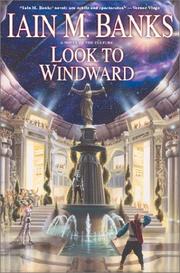
A science fiction novel set eight hundred years after a war that destroyed two suns.
Source: Stewart Brand's Selected Books for the Manual for Civilization — Long Now
Also recommended by: Elon Musk, Jeff Bezos
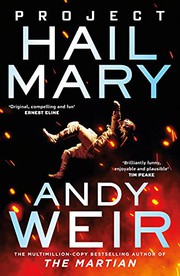
A novel of an amnesiac astronaut sent to stop a microbe that is dimming the sun.
Also recommended by: Bill Gates, Austen Allred, Brian Armstrong and 3 others
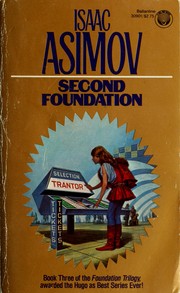
After the Mule wrecks the Foundation, the hunt begins for a hidden Second Foundation.
Also recommended by: Elon Musk
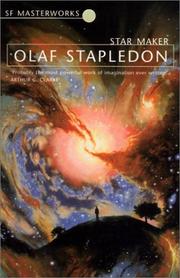
An Englishman's mind travels through space and time and joins a growing mind.
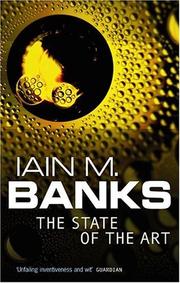
Short fiction, with a novella of the Culture that gives the book its name.
Source: Stewart Brand's Selected Books for the Manual for Civilization — Long Now
Also recommended by: Elon Musk, Jeff Bezos

The complete works, gathered in one book.
Source: Stewart Brand's Selected Books for the Manual for Civilization — Long Now
Also recommended by: Ricardo Semler
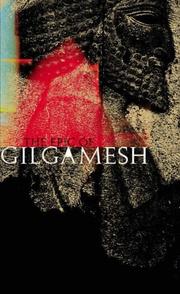
King Gilgamesh and the wild hero Enkidu become friends and travel together.
Source: Stewart Brand's Selected Books for the Manual for Civilization — Long Now
Also recommended by: Ryan Holiday, Eric Weinstein
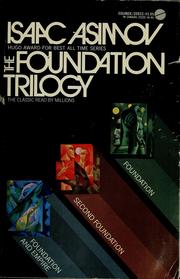
As a galactic empire crumbles, Hari Seldon's psychologists create the Foundation.
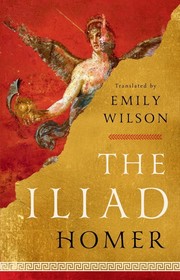
The epic poem of the Trojan War: the clash of arms, the fury and grief of loss.
Source: Stewart Brand's Selected Books for the Manual for Civilization — Long Now
Also recommended by: Jim Collins, Nat Eliason, Elon Musk, Li Lu and 1 other
The Greek epic of Odysseus's ten-year journey home from Troy to Ithaca.
Source: Stewart Brand's Selected Books for the Manual for Civilization — Long Now
Also recommended by: Caterina Fake, Jim Collins, John C. Bogle and 5 others
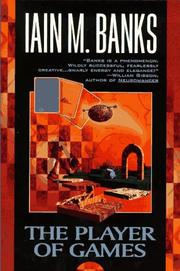
A science fiction novel about Gurgeh, the Culture's greatest game player.
Source: Stewart Brand's Selected Books for the Manual for Civilization — Long Now
Also recommended by: Elon Musk, Jeff Bezos, Mark Zuckerberg
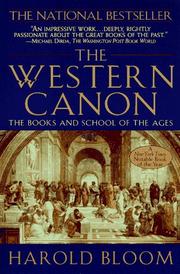
Twenty-six authors at the centre of Western literature, and a case against ideology.
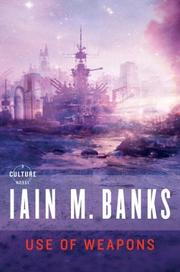
A Culture agent who changes the fate of planets by intrigue, dirty tricks and war.
Source: Stewart Brand's Selected Books for the Manual for Civilization — Long Now
Also recommended by: Elon Musk, Jeff Bezos
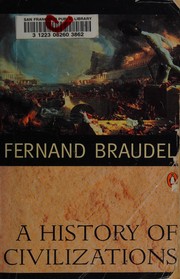
A history of the world's civilizations.
Two million years of human history, told through 100 objects in the British Museum.
Source: Stewart Brand's Selected Books for the Manual for Civilization — Long Now
Also recommended by: Mohnish Pabrai
The real world of medieval Europe's monks, warriors, peasants and merchants.
A thousand-year history of the civilization of western Europe.
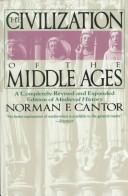
A narrative history of the Middle Ages, revised with current research.
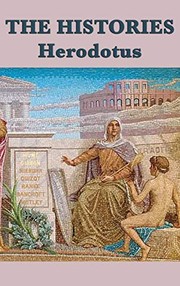
The war between the Greeks and Persians, its origins and the world of its day.
Source: Stewart Brand's Selected Books for the Manual for Civilization — Long Now
Also recommended by: Tyler Cowen
A narrative history of how the Roman Empire declined and fell.
Source: Stewart Brand's Selected Books for the Manual for Civilization — Long Now
Also recommended by: John C. Bogle, Ray Dalio
How thinkers built declinism into an ideology of cultural pessimism in the West.
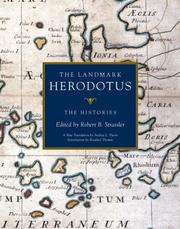
The Histories of the first Greek historian, with maps and notes.
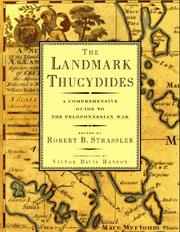
The history of two decades of war between Athens and Sparta, with maps and notes.
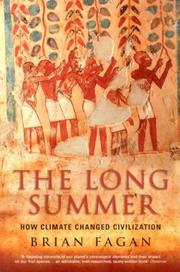
How climate change since the last ice age shaped human civilization.
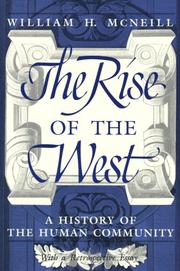
A history of the world arguing that human cultures interacted at every stage.
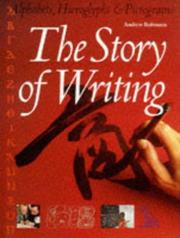
How writing systems began and work, explained for the general reader.
A maritime history of Venice, from its origins through the Renaissance.
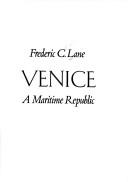
Venice from its origins to its rise and decline as a maritime empire.
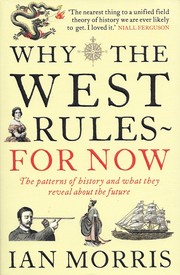
The patterns of history behind the West's rise, and what they say about the future.
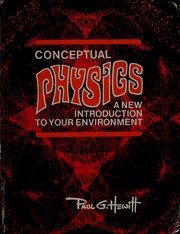
A physics textbook for secondary school students.
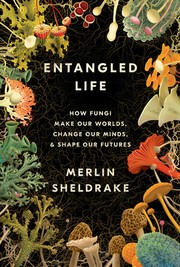
How fungi shape life on Earth, from underground networks to the mind.
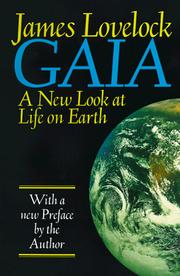
The hypothesis that life on Earth behaves as one self-regulating organism.
A physicist imagines where science and technology, real and imagined, may lead.
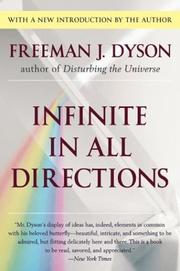
Lectures on science and religion as two windows on the world, in praise of diversity.
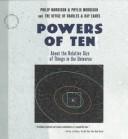
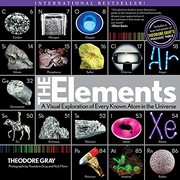
The relative size of things in the universe, each step adding another zero.
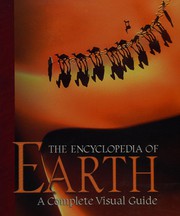
A visual reference to the Earth today and across the ages.
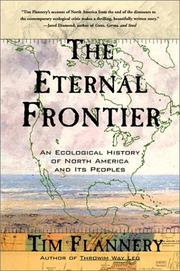
An ecological history of North America from the asteroid that killed the dinosaurs.
Cosmology from the Babylonians to Newton, and how science and religion split.
An illustrated account of how living things grow, develop, reproduce and get by.
The history of the idea of time travel, from H. G. Wells on, in fiction and science.
Eighty-one short chapters on the Tao, the founding text of Taoism.
Also recommended by: Maria Popova, Nat Eliason, David Perell and 5 others
Source: Stewart Brand's Selected Books for the Manual for Civilization — Long Now
Also recommended by: Matt Mullenweg, Tim Ferriss
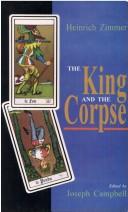
Tales from East and West of the soul's conflict with evil, and their symbols.
A poem arguing that all is atoms and void, the soul dies, and religion breeds fear.
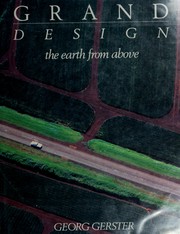
Aerial photographs of the Earth.
Buildings as processes that change after they are built, and how to design for it.
Source: Stewart Brand's Selected Books for the Manual for Civilization — Long Now
Also recommended by: Caterina Fake, Derek Sivers, Kevin Kelly and 3 others
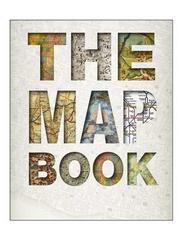
About 175 maps over four thousand years, showing how knowledge of the world grew.
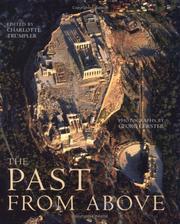
Aerial photographs of 250 of the world's great archaeological sites.
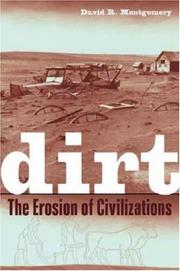
How people have used up the Earth's soil for millennia, and what erosion cost them.
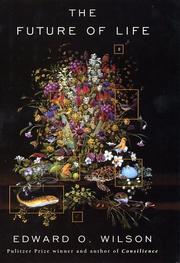
The species the world is about to lose, and how conservation can pay economically.
Source: Stewart Brand's Selected Books for the Manual for Civilization — Long Now
Also recommended by: Mohnish Pabrai
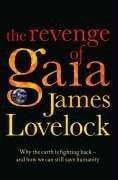
Why the climate crisis may soon pass the point where people can alter it.
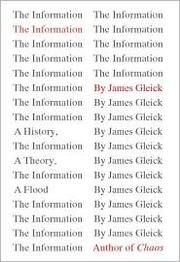
A history of information, from African talking drums to the theory that measures it.
Also recommended by: Patrick Collison, Marc Andreessen and 1 other
How computers work, from basic logic to programming languages, in plain terms.
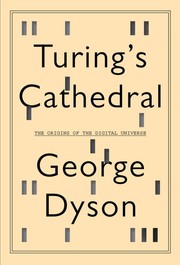
The experiments and mathematical insight that produced the first computers.
Scenario planning: building strategic vision for business and life amid uncertainty.
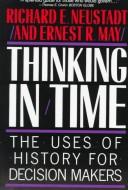
Case studies of how policymakers can use history to make better decisions.
Source: Stewart Brand's Selected Books for the Manual for Civilization — Long Now
Also recommended by: Patrick Collison
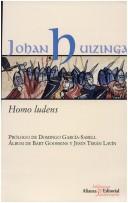
The argument that play is primary to culture and a condition of it.
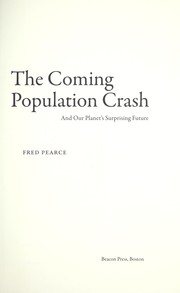
Two centuries of population politics, from eugenics to China's family planning.
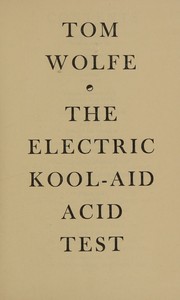
Following Ken Kesey and the Merry Pranksters through the 1960s counterculture.
Also recommended by: Jim Collins, Tim O’Reilly
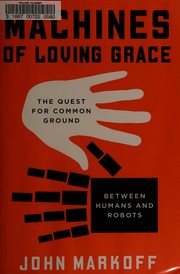
Whether robots and intelligent machines will replace people or work with them.
“And now, that has been played out, and John Markoff came out with his good book a year or two ago called Machines of Loving Grace, which basically spells out the ongoing debate between artificial intelligence and intelligence augmentation - I.A. and A.I.” — Stewart Brand
Source: The Tim Ferriss Show Transcripts: Stewart Brand (#281)
How communities manage shared resources without either the state or the market.
Source: Stewart Brand's Selected Books for the Manual for Civilization — Long Now
Also recommended by: Patrick Collison
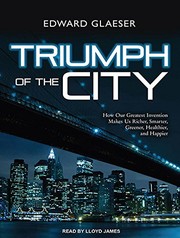
How dense cities make people more productive, inventive and green.
Source: Stewart Brand's Selected Books for the Manual for Civilization — Long Now
Also recommended by: Marc Andreessen, Mohnish Pabrai, Tony Hsieh
Documentary treasures on the Memory of the World Register, with their photographs.
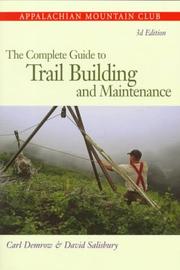
How to plan, design, build and maintain trails.
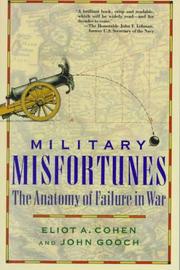
Why competent armies fail: catastrophe as a failure of organisation.
Why wars of the last three centuries began, why some lasted, and how peace came.
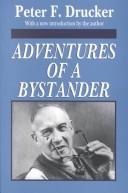
A memoir told through portraits of the people the author knew, from Vienna on.
Also recommended by: Mohnish Pabrai
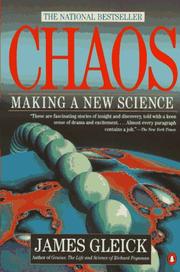
How scientists found order in chaos, from nonlinearity to the butterfly effect.
Also recommended by: Jim Collins, Naval Ravikant
Women's roles and choices, with detailed treatment of women's health and hygiene.
Health care from newborns to the elderly, in everyday language from 200 experts.
How belief in one god shaped Western history, from religious wars to commandments.
The rise of CrossFit and its approach to exercise and fitness.
“There's a nice book on it by J.C. Herz called Learning to Breathe Fire, which tells the story of how CrossFit came about.” — Stewart Brand
Source: The Tim Ferriss Show Transcripts: Stewart Brand (#281)
| Making the world better | Medium | Blog post | 2018-04-05 |
| Two ways to save humanity | Medium | Blog post | 2018-02-14 |
| Cognitive Planet | Medium | Blog post | 2017-11-05 |
| Life nearby | Medium | Blog post | 2017-09-07 |
| How to finesse complexity | Medium | Blog post | 2017-08-22 |
| Time travel is time research | Medium | Blog post | 2017-07-04 |
| Why cities live forever | Medium | Blog post | 2017-06-22 |
| Death’s honesty | Medium | Blog post | 2017-05-25 |
| Doing Good Better | Medium | Blog post | 2017-03-27 |
| Toward agile government | Medium | Blog post | 2017-02-14 |
| Why Everything Falls Apart—And How to Keep It Going (Stewart Brand) | The Michael Shermer Show | 2026-05-05 | 1:04 | Stewart Brand has spent a lifetime thinking about tools, systems, civilization, and the long future. Best known as the creator of the Whole Earth Catalog and co-founder of the Long Now Foundation, Brand joins Michael Shermer to discuss his new book, Maintenance of Everything , a sweeping look at what it takes to keep bodies, machines, buildings, institutions, planets, and civilizations from falling apart. The conversation ranges from the hidden work of maintenance to electric vehicles, bicycles, nuclear power, AI, and even human populations. Brand makes the case that life itself is maintenance: everything alive must keep itself going, and everything humans build must be repaired, improved, updated, and cared for. Stewart Brand is the cofounder and president of The Long Now Foundation and cofounder of Global Business Network, the Hackers Conference, and the WELL. He created and edited the National Book Award-winning Whole Earth Catalog from 1968 to 1998. He was the subject of the documentary We Are As Gods (2020). He graduated from Stanford with a degree in biology and served as an infantry officer in the US Army. His new book is Maintenance of Everything . |
| The Unseen Work: Stuart Brand on Maintenance and Civilization 4/6/26 | EconTalk | 2026-04-06 | 1:27 | What does a lone sailor circling the globe have to do with the fall of empires, the Model T, and the rise of AI? Everything--because maintenance, the quiet act of keeping things going, turns out to be the hidden force behind success and failure in nearly every domain of human endeavor. EconTalk's Russ Roberts speaks with Stewart Brand --creator of the Whole Earth Catalog , founder of the Long Now Foundation, and one of the great connective thinkers of the last half-century--to explore why some people and civilizations thrive while others collapse. From the 1968 Golden Globe Race, where three sailors' radically different attitudes toward maintenance determined their fates, to the M-16's deadly design flaws in Vietnam, to the cultural reasons Israel excels at crisis response but struggles with prevention, Brand ranges across history, warfare, technology, and philosophy. Along the way, they discuss John Deere's war against its own farmers, the Model T as democratic revolution, and what AI might mean for human vigilance and connection. A wide-ranging, endlessly surprising conversation about the unglamorous work that holds everything together. |
| Stewart Brand on Maintenance as an Organizing Principle | Mindscape 341 | Sean Carroll's Mindscape: Science, Society, Philosophy, Culture, Arts, and Ideas | 2026-01-19 | 1:13 | "Things fall apart; the centre cannot hold," wrote W.B. Yeats. I don't know about the centre, but the tendency of things to fall apart is pretty universal, ultimately due to the Second Law of Thermodynamics. Anyone living in a society or involved with technology must therefore be interested in the concept of maintenance -- keeping systems working. In his book Maintenance: Of Everything, Part One , Stewart Brand looks at the challenges and rewards of this concept. Blog post with transcript: https://www.preposterousuniverse.com/podcast/2026/01/19/341-stewart-brand-on-maintenance-as-an-organizing-principle/ S upport Mindscape on Patreon . Stewart Brand received an undergraduate degree in biology from Stanford University. He was the founder, editor, and publisher of the Whole Earth Catalog , which won a National Book Award. He founded the journal CoEvolution Quarterly and the WELL electronic community, and was a co-founder of the Long Now Foundation . He has been called " the 20th century's top influencer ." Web site Amazon author page Wikipedia |
| Jonathan Haidt, Kevin Kelly, & Stewart Brand: Democracy in the Next Cycle of History | Long Now | 2022-10-06 | 1:01 | Jonathan Haidt sees that we have entered a social-psychological phase change that was initiated in 02009 when social media platforms introduced several fateful innovations that changed the course of our society and disintegrated our consensus on reality. In this conversation with Long Now co-founders Stewart Brand and Kevin Kelly, Haidt explored questions of technological optimism, morality vs ethics, teen mental health, possible platform tweaks that could reduce the damage and just how long this next cycle of history could last. Prompted by Haidt's piece on [Why The Past 10 Years of American Life Have Been Uniquely Stupid](https://www.theatlantic.com/magazine/archive/2022/05/social-media-democracy-trust-babel/629369/), this discussion offers a behind the scenes look at the thinking going into Haidt's next book, _The Anxious Generation_. |
| Stewart Brand on Starting Things and Staying Curious | Conversations with Tyler | 2022-01-26 | 57 min | From psychedelics to cyberculture, hippie communes to commercial startups, and the Whole Earth Catalog to the Long Now Foundation, Stewart Brand has not only been a part of many movements—he was there at the start. Now 83, he says he doesn't understand why older people let their curiosity fade, when in many ways it's the best time to set off on new intellectual pursuits. Tyler and Stewart discuss what drives his curiosity, including the ways in which he's a product of the Cold War, how he became a Darwinian decentralist, the effects of pre-industrial America on his thought, the subcultural convergences between hippies and younger American Indians, why he doesn't think humans will be going to the stars, his two-minded approach to unexplained phenomena, how L.L. Bean inspired the Whole Earth Catalog , why Silicon Valley entrepreneurs don't seem interested in the visual arts, why L.A. could not have been the home of hippie culture and digital innovation, what libertarians don't understand about government, why we should bring back woolly mammoths, why he's now focused on maintenance and institutions, and more. Check out Ideas of India . Subscribe to Ideas of India on your favorite podcast app. Read a full transcript enhanced with helpful links, or watch the full video . |
| Stewart Brand: How Could We Possibly Get a Photograph of the Whole Earth? | The Lindisfarne Tapes | 2021-02-14 | 1:38 | The Lindisfarne Tapes are selected recordings of presentations and conversations at the Lindisfarne Fellows’ meetings. In March of 2013 William Thompson granted permission to the Schumacher Center for a New Economics to transfer the talks from the old reel-to-reel tapes to digital format so that they could be posted online and shared freely. In 2021, the Schumacher Center used the digital audio to create the Lindisfarne Tapes Podcast. Reposting should include acknowledgment of williamirwinthompson.org. Learn more about the Lindisfarne Tapes here. Brand delivered this lecture in 1974 at the Lindisfarne Summer Conference, "Planetary Culture and New Image of Humanity." |
| Larry Brilliant: Sometimes Brilliant: in Conversation with Stewart Brand | Long Now | 2020-06-29 | 1:03 | After sitting at the feet of Martin Luther King at the University of Michigan in 1962, Larry Brilliant was swept up into the civil rights movement, marching and protesting across America and Europe. As a radical young doctor he followed the hippie trail from London over the Khyber Pass with his wife Girija, Wavy Gravy and the Hog Farm commune to India. Then one of India’s greatest spiritual teachers, Neem Karoli Baba, told him his destiny was to work for the World Health Organization to help eradicate smallpox. He became a key player in eliminating that 10,000-year-old disease that killed half a billion people in the 20th century alone. Larry and Stewart have a freewheeling conversation and bring the audience in as well, including Wavy Gravy and his wife Jahanara who are on the front row. A really special night where the past is present, and a reminder that we will all make the future. |
| Stewart Brand: America’s Last Great Optimist | Factual America | 2020-06-16 | 58 min | Stewart Brand has been at the forefront of multiple societal trends since the 1960s, and now he’s trying to bring back the woolly mammoth and other species from extinction. Is this folly or is he once again ahead of the curve? Stewart might just be one of the most influential people that none of us have heard of. He traveled around with the novelist Ken Kesey and his Merry Pranksters. Afterwards, he kick-started the modern environmental movement, by pressuring NASA to release a satellite image of the earth. Stewart’s Whole Earth Catalog inspired a whole generation, including Steve Jobs. As if that was not enough, Stewart went on to mentor the early pioneers of Silicon Valley. We talk to the directors of We Are As Gods , David Alvarado and Jason Sussberg, about Stewart’s life and the different inspirational movements he has been involved with. Since the coronavirus has delayed the releasing of the documentary, we also discuss how the pandemic has affected the film industry as a whole. And we learn what it is like to have your premier at SXSW cancelled at the last minute. “We are as gods and we might as well get good at it.” – Stewart Brand |
| The Argument for Making End-of-Life Decisions Early | Uncanny Valley | WIRED | 2020-05-01 | 32 min | Back in March, counter-culture icon and founder of the Whole Earth Catalog Stewart Brand made a statement on Twitter that surprised some people: He had decided, and had communicated to his wife and the rest of his family, that if he got sick from the coronavirus, he wanted to refuse invasive procedures, including being put on a ventilator. It sparked a conversation about medical freedom and what it takes to have a sense of agency over death. This week on Gadget Lab, WIRED editor-at-large Steven Levy has a conversation with Brand and his wife Ryan Phelan about their decisions, and why it's important for people to have conversations about their medical wishes. Show Notes: Read more from Steven Levy’s conversation with Stewart brand here . Follow all of WIRED’s coronavirus coverage here . Steven Levy can be found on Twitter @ StevenLevy . Stewart Brand is @ stewartbrand . Ryan Phelan is @ Ryanphelan6 . Lauren Goode is @ LaurenGoode . Michael Calore is @ snackfight . Bling the main hotline at @ GadgetLab . The show is produced by Boone Ashworth (@ booneashworth ). Our executive producer is Alex Kapelman (@ alexkapelman ). Our theme music is by Solar Keys . If you have feedback about the show, or just want to enter to win a $50 gift card, take our brief listener survey here . Learn more about your ad choices. Visit podcastchoices.com/adchoices |
| Stewart Brand: Whole Earth Catalog 50th Anniversary Celebration | Long Now | 2018-12-14 | 2:00 | 50 years ago, Stewart Brand launched the Whole Earth Catalog — one of the cornerstones of the American counterculture. The evening program of The Whole Earth Catalog 50th Anniversary Celebration was held on October 13, 02018, and featured conversations between Whole Earth Catalog contributors and contemporary wave-makers as they discussed the legacy of the Catalog and what the next 50 years might hold. **Speakers included:** **Stewart Brand** is co-founder of Revive & Restore, of The Long Now Foundation, of The WELL, of Global Business Network, and founder/editor of the _Whole Earth Catalog_. His books include _Whole Earth Discipline, The Clock of the Long Now, How Buildings Learn,_ and _The Media Lab_. He was trained as a biologist at Stanford and served as an Infantry officer in the US Army. **Ryan Phelan** is the Executive Director of Revive & Restore, whose mission is to enhance biodiversity through the genetic rescue of endangered and extinct species. After working at _CoEvolution_ in 1976, she launched her entrepreneurial career working in both the not-for-profit and business sector in health care and software technology. **Danica Remy** joined the WELL as a user in 1987, she ran the WELL from 1994-1996 and has served since 1995 as President of Point Foundation, the publisher of Whole Earth publications. Remy is currently President of B612 Foundation, co-founder of Asteroid Day. |
| Stewart Brand | Valley of Genius (Audio) | 2018-09-17 | 21 min | Stewart Brand coined the term "personal computer" and the phrase "information wants to be free." He organized the first Hackers Conference and founded The Well, one of the earliest social networks. He talks about these and other events in his life as one of the most innovative minds in Silicon Valley. Hosts: Leo Laporte and Adam Fisher Guest: Stewart Brand Download or subscribe to this show at https://twit.tv/shows/valley-of-genius . Get a copy of Adam Fisher's Valley of Genius book at a bookstore near you. |
| De-extinction, The Whole Earth, and Way More|Stewart Brand | The After On Podcast | 2018-06-12 | 1:43 | Over six consecutive decades, Stewart Brand has impacted society, tech and science in outlandishly diverse ways. This truly unhurried conversation explores the scope of his intensely original American life. |
| Stewart Brand | The Tim Ferriss Show (Podcast) | The Tim Ferriss Show | 2017-11-21 | 2:40 | Stewart Brand (@stewartbrand) is the president of The Long Now Foundation, established to foster long-term thinking and responsibility. He leads a project called Revive & Restore, which seeks to bring back extinct animal species such as the passenger pigeon and woolly mammoth. Stewart is very well known for founding, editing, and publishing The Whole Earth Catalog (WEC), which changed my life when I was a little kid. It also received a national book award for its 1972 issue. Stewart is the co-founder of The WELL and The Global Business Network, and author of Whole Earth Discipline, The Clock Of The Long Now, How Buildings Learn, and The Media Lab. He was trained in biology at Stanford and served as an infantry officer in the US Army. I really hope you enjoy this conversation as much as I did! This podcast is brought to you by Peloton, which has become a staple of my daily routine. I picked up this bike after seeing the success of my friend Kevin Rose, and I've been enjoying it more than I ever imagined. Peloton is an indoor cycling bike that brings live studio classes right to your home. No worrying about fitting classes into your busy schedule or making it to a studio with a crazy commute. New classes are added every day, and this includes options led by elite NYC instructors in your own living room. You can even live stream studio classes taught by the world's best instructors, or find your favorite class on demand. |
| Stewart Brand: Reviving Extinct Species | Long Now | 2013-05-22 | 1:30 | ### De-extinction begins The new tools of synthetic biology, I began, are about to liberate conservation in a spectacular way. It is becoming possible to bring some extinct species back to life. A project within Long Now called “Revive & Restore” is pushing to make de-extinction a reality, starting with the fabled passenger pigeon and moving on to the woolly mammoth. The project’s director, Ryan Phelan, organized a series of three conferences bringing together molecular biologists and conservation biologists to see if “resurrection biology” is becoming a field and how it might proceed responsibly. (The most viewable of the conferences was “[TEDxDeExtinction](https://longnow.org/revive/tedxdeextinction/)” in Washington DC this March.) At those conferences we heard about cloning efforts that are already partially successful. Alberto Fernández Arias in Spain temporarily brought back an extinct ibex called the bucardo. Michael Archer, from Australia, reported reviving an early stage embryo of the extinct gastric brooding frog. Using traditional back-breeding, Henri Kerkdijk-Otten, is rebuilding the European aurochs (extinct in 1627) from a variety its descendent modern cattle. William Powell is showing how the nearly extinct beloved American chestnut tree is being brought back by a combination of back-breeding and sophisticated genetic engineering. |
| Stewart Brand: Rethinking Green | Long Now | 2009-10-10 | 1:30 | ### Globalizing Green Brand built his case for rethinking environmental goals and methods on two major changes going on in the world. The one that most people still don't take into consideration is that power is shifting to the developing world, where 5 out of 6 people live, where the bulk of humanity is getting out of poverty by moving to cities and creating their own jobs and communities (slums, for now). He noted that history has always been driven by the world's largest cities, and these years they are places like Mumbai, Lagos, Dhaka, Sao Paulo, Karachi, and Mexico City, which are growing 3 times faster and 9 times bigger than cities in the currently developed world ever did. The people in those cities are unstoppably moving up the "energy ladder" to high quality grid electricity and up the "food ladder" toward better nutrition, including meat. As soon as they can afford it, everyone in the global South is going to get air conditioning. The second dominant global fact is climate change. Brand emphasized that climate is a severely nonlinear system packed with tipping points and positive feedbacks such as the unpredicted rapid melting of Arctic ice. Warming causes droughts, which lowers carrying capacity for humans, and they fight over the diminishing resources, as in Darfur. |
| Stewart Brand, Co-founder and President, Long Now Foundation | Climate One | 2009-01-16 | 1:06 | City Planet Stewart Brand, Co-founder and President, Long Now Foundation Brand will discuss how increasing urbanization is accelerating economic development with remarkable speed. The consequences will be profound, he believes. Are we prepared? Brand has focused on such subjects as digital media, education and architecture. He’s perhaps best known for founding the Whole Earth Catalog. This program was recorded in front of a live audience at The Commonwealth Club on June 14, 2007 Learn more about your ad choices. Visit megaphone.fm/adchoices |
| Stewart Brand: Cities & Time | Long Now | 2005-04-09 | 1:21 | Long Now |
| Maintenance: The Hidden Force Behind Success and Collapse with Stewart Brand | Hoover Institution | |||
| Extinction Marathon 2014: Stewart Brand, John Brockman, Richard Prum and Hans Ulrich Obrist | Serpentine | |||
| De-Extinction: Ethics, Law & Politics | Lunch with Stewart Brand | Stanford Law School | |||
| Big Think Interview With Stewart Brand | Big Think | Big Think | |||
| Stewart Brand: The dawn of de-extinction. Are you ready? | TED | |||
| The Complete Stewart Brand Interview by Leyden | Peter Leyden | |||
| 4 environmental 'heresies' | Stewart Brand | TED |
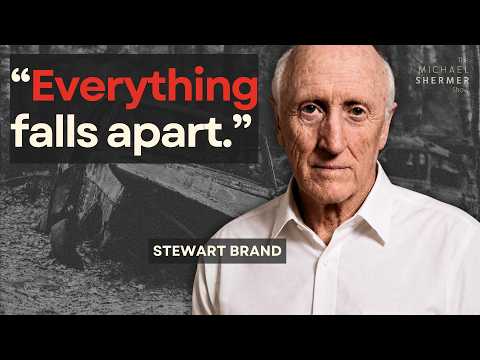 TWhy Everything Falls Apart—And How to Keep It Going (Stewart Brand)The Michael Shermer Show · 2026-05-05
 EThe Unseen Work: Stuart Brand on Maintenance and Civilization 4/6/26EconTalk · 2026-04-06
 SStewart Brand on Maintenance as an Organizing Principle | Mindscape 341Sean Carroll's Mindscape: Science, Society, Philosophy, Culture, Arts, and Ideas · 2026-01-19
 LJonathan Haidt, Kevin Kelly, & Stewart Brand: Democracy in the Next Cycle of HistoryLong Now · 2022-10-06
 CStewart Brand on Starting Things and Staying CuriousConversations with Tyler · 2022-01-26
 TStewart Brand: How Could We Possibly Get a Photograph of the Whole Earth?The Lindisfarne Tapes · 2021-02-14LLarry Brilliant: Sometimes Brilliant: in Conversation with Stewart BrandLong Now · 2020-06-29
 FStewart Brand: America’s Last Great OptimistFactual America · 2020-06-16
 UThe Argument for Making End-of-Life Decisions EarlyUncanny Valley | WIRED · 2020-05-01LStewart Brand: Whole Earth Catalog 50th Anniversary CelebrationLong Now · 2018-12-14
 VStewart BrandValley of Genius (Audio) · 2018-09-17
 TDe-extinction, The Whole Earth, and Way More|Stewart BrandThe After On Podcast · 2018-06-12
 TStewart Brand | The Tim Ferriss Show (Podcast)The Tim Ferriss Show · 2017-11-21LStewart Brand: Reviving Extinct SpeciesLong Now · 2013-05-22LStewart Brand: Rethinking GreenLong Now · 2009-10-10
 CStewart Brand, Co-founder and President, Long Now FoundationClimate One · 2009-01-16LStewart Brand: Cities & TimeLong Now · 2005-04-09
 HMaintenance: The Hidden Force Behind Success and Collapse with Stewart BrandHoover Institution
 SExtinction Marathon 2014: Stewart Brand, John Brockman, Richard Prum and Hans Ulrich ObristSerpentine
 SDe-Extinction: Ethics, Law & Politics | Lunch with Stewart BrandStanford Law School
 BBig Think Interview With Stewart Brand | Big ThinkBig Think
 TStewart Brand: The dawn of de-extinction. Are you ready?TED
 PThe Complete Stewart Brand Interview by LeydenPeter Leyden
 T4 environmental 'heresies' | Stewart BrandTED