
Forecasting and Decision Making Under Uncertainty
What is actually knowable about the future, how badly experts do, and how to make decisions anyway.
Start here
- SuperforecastingPhilip E. Tetlock, Dan Gardner, 2015
- Thinking, Fast and SlowDaniel Kahneman, 2011
- The Black SwanNassim Nicholas Taleb, 2007
- Against the GodsPeter L. Bernstein, 1996

War as a continuation of politics, shaped by friction and the fog of uncertainty.
Recommended by: Ryan Holiday, Elon Musk, Marc Andreessen and 1 other
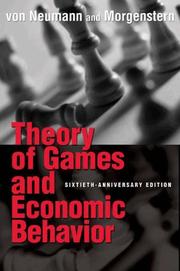
The founding of game theory: expected utility and strategy among interacting players.
“John von Neumann and Oskar Morgenstern, Theory of Games and Economic Behavior (Princeton, NJ: Princeton University Press, 1944)” — Michael Mauboussin
Source: Competitive Advantage Period: The Neglected Value Driver
Recommended by: Michael Mauboussin
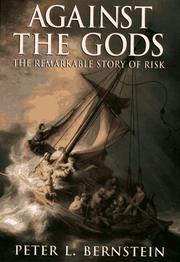
How people learned to measure risk, from early probability to portfolio theory.
“(Risk is the subject of Peter Bernstein’s wonderful new book, Against the Gods: The Remarkable Story of Risk.)” — Bill Miller
Source: 1996 Q3 Market Commentary
Recommended by: Bill Miller, Charles de Vaulx, Howard Marks and 9 others
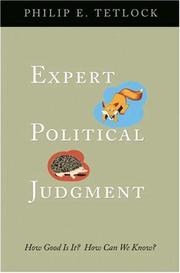
A 20-year test of 28,000 expert forecasts: foxes with many models beat hedgehogs.
“All pundits and commentators should publish their prediction track records, yet don't. What to pay attention to and what to ignore.” — Marc Andreessen
Source: @pmarca, 'Thread: Books I've recently read and recommend'
Recommended by: Marc Andreessen, Michael Mauboussin and 2 others
Rare, unforeseen, high-impact events drive history, explained only after the fact.
“The Black Swan U The best-known bird around today is The Black Swan, the second book from Nassim Nicolas Taleb.” — Howard Marks
Source: The Complete Collection, page 530
Recommended by: David Perell, Howard Marks, Marc Andreessen and 20 others
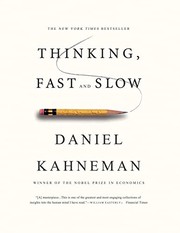
How fast, automatic thought and slow, deliberate thought shape judgment and error.
“…books I've recommended, highlighted to death, or forced on friends.” — Andrew Wilkinson
Source: Andrew Wilkinson's Bookshelf, neverenough.com
Recommended by: Andrew Wilkinson, Charles de Vaulx and 36 others
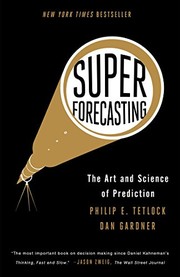
What a four-year forecasting tournament showed about the best forecasters' habits.
“In a book many in our research department have enjoyed, Superforecasting: The Art and Science of Prediction, Philip Tetlock and Dan Gardner state: “The humility required for good judgment is not self-doubt—the sense that you are untalented, unintelligent, or unworthy.” — Bill Nygren
Source: Bill Nygren Market Commentary | 1Q17
Recommended by: Bill Nygren, Mark Leonard and 11 others
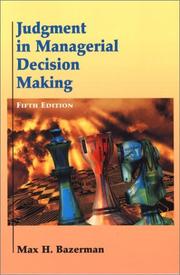
The biases that distort managers' decisions, with exercises that show them.
“Max Bazerman, Judgment in Managerial Decision Making, 4th ed. (New York: John Wiley & Son, 1998), 6-17” — Michael Mauboussin
Source: The Janitor’s Dream: Why Listening to Individuals Can be Hazardous to Your Wealth, page 3
Recommended by: Michael Mauboussin, Mohnish Pabrai and 1 other

A life across economics, psychology, organisations and artificial intelligence.
Recommended by: Charlie Munger, Mohnish Pabrai
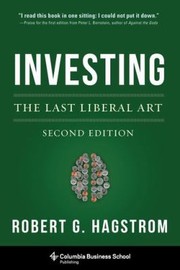
What physics, biology, psychology and other fields teach about investing.
“here's a book I read, Robert Hagstrom, who has written a lot of books about Buffett” — Thomas Gayner
Source: Masters in Business transcript: Thomas S. Gayner, Markel Corp
Recommended by: Morgan Housel, Thomas Gayner, Bill Ackman and 1 other
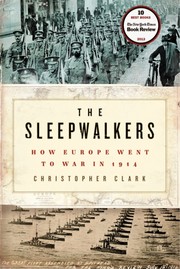
How the 37 days after Sarajevo led Europe into the First World War.
Recommended by: Sam Altman
Why economics misapplies probability to problems where the future is unknowable.
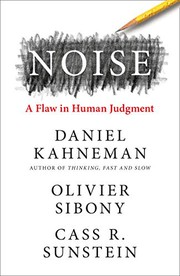
Unwanted variation in judgements that should match, and why organisations ignore it.
“Daniel Kahneman, Olivier Sibony, and Cass R. Sunstein, Noise: A Flaw in Human Judgment (New York: Little, Brown Spark, 2021), 156-158” — Michael Mauboussin
Source: The Impact of Intangibles on Base Rates, page 10
Recommended by: Michael Mauboussin
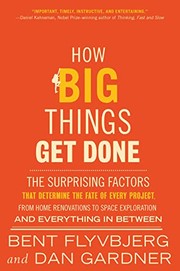
What 16,000 projects show about why big ones overrun, and how to plan them.
“Bent Flyvbjerg and Dan Gardner, How Big Things Get Done: The Surprising Factors That Determine the Fate of Every Project, from Home Renovations to Space Exploration and Everything In Between (New York: Crown Currency, 2023)” — Michael Mauboussin
Source: Pattern Recognition: Opportunities and Limits, page 14
Recommended by: Michael Mauboussin
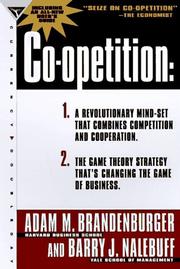
Game theory applied to business, which is cooperative and competitive at once.
“Adam M. Brandenburger and Barry J. Nalebuff, Co-opetition (New York: Currency Doubleday, 1996)” — Michael Mauboussin
Source: The Ecosystem Edge, page 10
Recommended by: Michael Mauboussin, Mohnish Pabrai
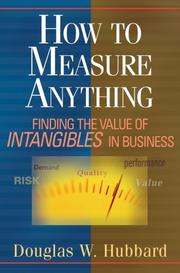
Why anything a manager cares about can be measured, and how to measure it.
“Hubbard, Douglas, How to Measure Anything: Finding the Value of Intangibles in Business (Hoboken, NJ: John Wiley & Sons, 2007)” — Michael Mauboussin
Source: The Wisdom of Crowds in Markets: Crowd Behavior in Prediction, Betting, and Stock Markets
Recommended by: Michael Mauboussin, Julia Galef, Nick Ganju
Munger's and Buffett's ideas on avoiding error, as a dialogue built from their words.
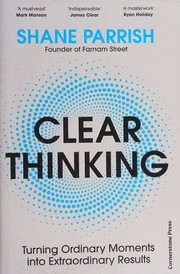
How four default reactions decide most choices before any conscious decision.
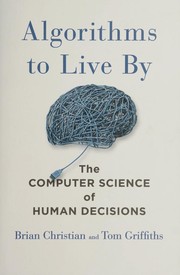
Computer science results such as optimal stopping, applied to everyday decisions.
Recommended by: Alfred Lin, Anthony Pompliano and 2 others
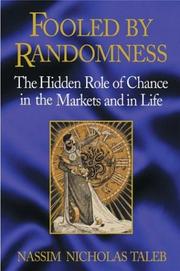
Why people mistake luck for skill, above all in markets.
“Fooled By Randomness was unquestionably the best non-fiction book I read in 2005.” — Brad Feld
Source: Book Review: Fooled By Randomness — Feld Thoughts
Recommended by: Barton Biggs, Brad Feld, Derek Sivers and 15 others
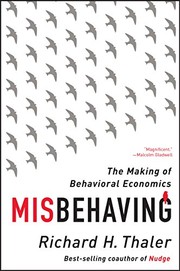
How behavioural economics was built against economists who assumed rational agents.
“He opens his new book, Misbehaving, with Vilfredo Pareto’s assertion that “the foundation of political economy and, in general, of every social science, is evidently psychology.” — Howard Marks
Source: On the Couch, page 1
Recommended by: Howard Marks, Michael Mauboussin and 2 others
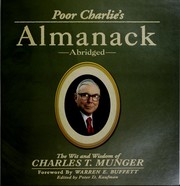
Speeches making the case for a latticework of mental models from many fields.
“…books I've recommended, highlighted to death, or forced on friends.” — Andrew Wilkinson
Source: Andrew Wilkinson's Bookshelf, neverenough.com
Recommended by: Andrew Wilkinson, Charlie Munger and 26 others
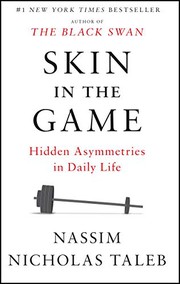
Why people who make decisions for others must share in the downside.
“Skin in the Game by @nntaleb is one of my all-time favorite books.” — Ana Fabrega
Source: Fab Fridays 88: How to Pick a Good Book - by Ana Lorena
Recommended by: Ana Fabrega, David Perell, Derek Sivers and 14 others
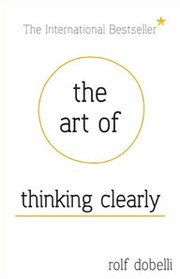
Ninety-nine cognitive errors in short chapters, each with how to avoid it.
Recommended by: Mohnish Pabrai
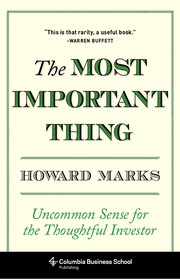
Second-level thinking, risk and market cycles, drawn from Oaktree's client memos.
“This is that rarity, a useful book.” — Warren Buffett
Source: The Most Important Thing — Columbia University Press
Recommended by: Matt Mullenweg, Mohnish Pabrai, Nat Eliason and 3 others
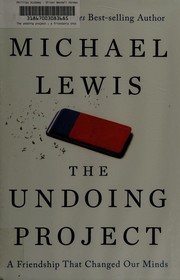
How Daniel Kahneman and Amos Tversky worked together on heuristics and biases.
Recommended by: Andrew Wilkinson, Mohnish Pabrai, Ray Dalio and 6 others
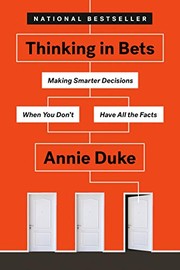
Judge decisions by their reasoning, not their outcomes, and think in odds.
“Professional poker player turned author Annie Duke writes about many similar situations in her book, Thinking in Bets.” — Bill Nygren
Source: Bill Nygren Market Commentary | 1Q18
Recommended by: Bill Nygren, Derek Sivers, Ev Williams and 8 others

A military historian's reflections on what history teaches and why we ignore it.
Recommended by: Morgan Housel, Nat Eliason, Shane Parrish
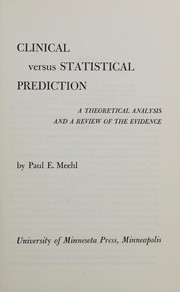
Whether clinical judgement or statistical formulas predict better in psychology.
“Paul E. Meehl, Clinical versus Statistical Prediction: A Theoretical Analysis and a Review of the Evidence (Minneapolis, MN: University of Minnesota Press, 1954)” — Michael Mauboussin
Source: BIN There, Done That: How to Reduce the Sources of Forecasting Error, page 14
Recommended by: Michael Mauboussin, Daniel Kahneman
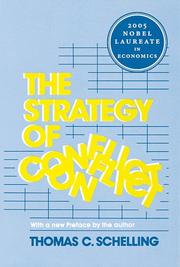
Conflict as bargaining: commitment, credible threats and focal points.
Recommended by: Naval Ravikant
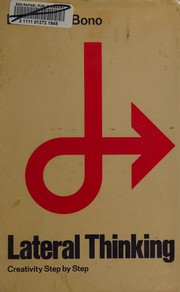
A textbook of creative thinking.
“I haven't read it in decades, but Edward de Bono, Six Thinking Hats, he also had, I believe, a book called Lateral Thinking, which I found helpful.” — Tim Ferriss
Recommended by: Patrick O'Shaughnessy, Tim Ferriss
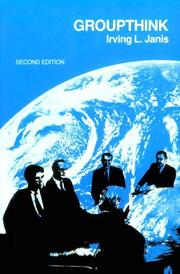
How the wish for agreement in close groups led to fiascos like the Bay of Pigs.
“Irving Janis, Groupthink: Psychological Studies of Policy Decisions and Fiascoes, 2nd ed. (Boston, MA: Houghton Mifflin, 1982)” — Michael Mauboussin
Source: Building an Effective Team: How to Manage a Team to Make Good Decisions, page 17
Recommended by: Adam Weiss, Barton Biggs, Michael Mauboussin
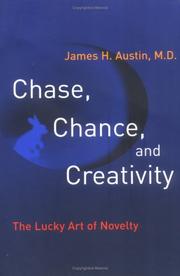
A neurologist on the kinds of luck behind scientific discovery.
“wrote an outstanding book called Chase, Chance, and Creativity … It's the best book I've read on the role of luck, chance, and serendipity” — Marc Andreessen
Source: Luck and the Entrepreneur: The four kinds of luck, blog.pmarca.com
Recommended by: Marc Andreessen
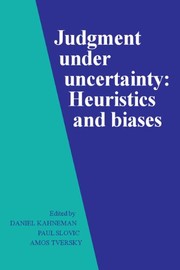
Thirty-five papers on judgmental heuristics and the biases they produce.
“Research regarding this problem was originally presented in Amos Tversky and Daniel Kahneman, “Evidential Impact of Base Rates,” in Daniel Kahneman, Paul Slovic, and Amos Tversky (eds.) Judgment under Uncertainty: Heuristics and Biases (Cambridge, UK: Cambridge University Press, 1982), 153-160” — Michael Mauboussin
Source: Cultivating Your Judgment Skills: A Framework for Improving the Quality of Decisions, page 13
Recommended by: Michael Mauboussin, Adam Robinson
Case studies of how policymakers can use history to make better decisions.
Recommended by: Patrick Collison, Stewart Brand
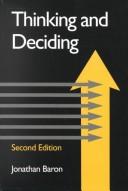
A text on human judgment, decision making and rationality.
“Baron, Jonathan, Thinking and Deciding, 3rd ed. (Cambridge, UK: Cambridge University Press, 2000)” — Michael Mauboussin
Source: Decision-Making for Investors: Theory, Practice, and Pitfalls, page 19
Recommended by: Michael Mauboussin, Mohnish Pabrai and 1 other
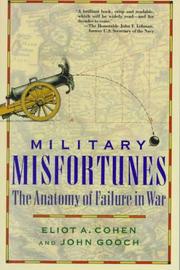
Why competent armies fail: catastrophe as a failure of organisation.
Recommended by: Stewart Brand
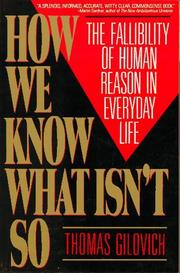
How people come to believe questionable or false things.
Recommended by: Mohnish Pabrai
Scenario planning: building strategic vision for business and life amid uncertainty.
Recommended by: Stewart Brand
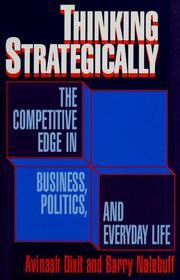
Game theory without maths: look forward, reason back, and make threats credible.
“Avinash K. Dixit and Barry J. Nalebuff, Thinking Strategically (New York: W. W. Norton & Co., 1991)” — Michael Mauboussin
Source: Measuring the Moat: Assessing the Magnitude and Sustainability of Value Creation, page 47
Recommended by: Jim Collins, Michael Mauboussin
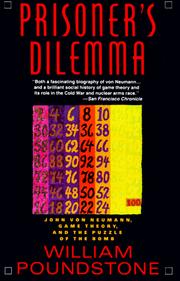
Von Neumann, game theory and the prisoner's dilemma in nuclear strategy.
“For international relations, see William Poundstone, Prisoner’s Dilemma (New York: Doubleday, 1992)” — Michael Mauboussin
Source: The Colonel Blotto Game: Transitivity and How to Win When You’re an Underdog, page 8
Recommended by: Michael Mauboussin
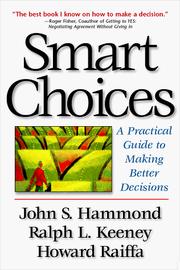
A step-by-step method for making better decisions in life and work.
Recommended by: Mohnish Pabrai
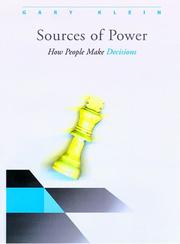
How firefighters, pilots and other experts decide under time pressure.
“Gary Klein, Sources of Power: How People Make Decisions (Cambridge, MA: MIT Press, 1998)” — Michael Mauboussin
Source: A Process for Outperformance: Thoughts on Organizing for Investing Success, page 4
Recommended by: Michael Mauboussin, Mohnish Pabrai
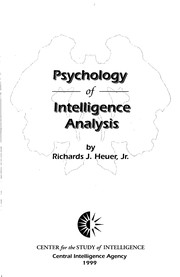
How cognitive limits shape the work of intelligence analysts.
Recommended by: Mohnish Pabrai
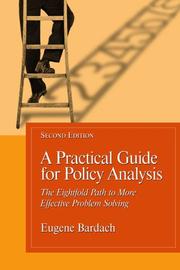
An eight-step method for doing policy analysis, with worked examples.
Recommended by: Patrick Collison
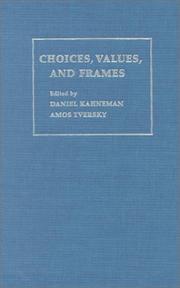
Papers on how people choose under risk, from prospect theory to framing.
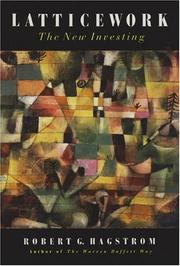
Mental models from physics, biology and psychology, applied to investing.
Recommended by: Mohnish Pabrai
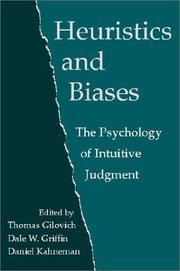
The research on intuitive judgement and its biases, collected.
“Paul Slovic, Melissa Finucane, Ellen Peters, and Donald G. MacGregor, “The Affect Heuristic,” in Heuristics and Biases: The Psychology of Intuitive Judgment, ed. Thomas Gilovich, Dale Griffin, and Daniel Kahneman (Cambridge: Cambridge University Press, 2002), 397-420” — Michael Mauboussin
Source: Interdisciplinary Perspectives on Risk, page 5
Recommended by: Michael Mauboussin
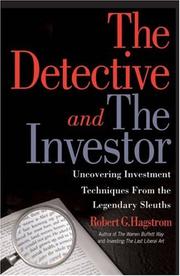
Reasoning methods of fictional detectives such as Dupin applied to stock analysis.
Recommended by: Mohnish Pabrai
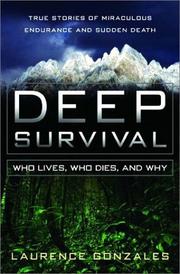
Why some people survive disasters that kill others in the same circumstances.
“Endnotes Laurence Gonzales, Deep Survival: Who Lives, Who Dies, and Why (New York: W.W. Norton & Company, 2003), 119” — Michael Mauboussin
Source: Celebrating the Summit: Making an Informed Decision After a Large Price Gain, page 25
Recommended by: Michael Mauboussin, Patrick O'Shaughnessy
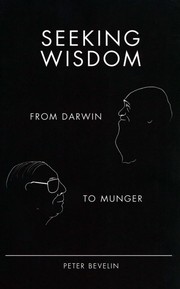
Why people misjudge, with thinking tools from Munger, Buffett, Darwin and Feynman.
“…books I've recommended, highlighted to death, or forced on friends.” — Andrew Wilkinson
Source: Andrew Wilkinson's Bookshelf, neverenough.com
Recommended by: Andrew Wilkinson, David Perell, Derek Sivers and 9 others
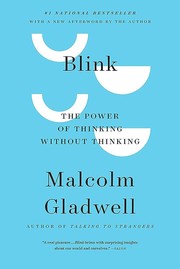
How snap judgments work, when to trust them and when they mislead.
“Malcolm Gladwell, Blink: The Power of Thinking Without Thinking (New York: Little, Brown and Company, 2005)” — Michael Mauboussin
Source: Are You an Expert? Experts and Markets, page 9
Recommended by: Michael Mauboussin, Mohnish Pabrai and 2 others
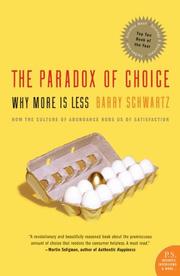
Beyond a point, more options make people less likely to choose and less satisfied.
“Faced with many options or decisions in your life? This will change the way you look at them. We feel worse when we have too many options.” — Derek Sivers
Source: Derek Sivers book notes (primary, rated list) · Rating: 9/10
Recommended by: Derek Sivers, Nat Eliason, Nick Sleep and 1 other
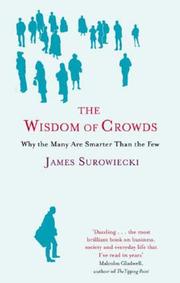
When groups judge better than experts, and the four conditions that make it work.
“Mind-blowing examples of how groups of diverse people acting independently are smarter than any one person in the group. Has huge implications for management, markets, decision-making, and more.” — Derek Sivers
Source: Derek Sivers book notes (primary, rated list) · Rating: 7/10
Recommended by: Derek Sivers, Jim Collins and 5 others
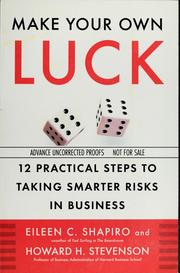
Twelve steps for taking smarter risks and decisions in business.
Recommended by: Mohnish Pabrai
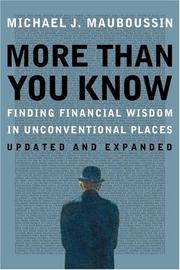
Essays on investing philosophy, psychology, competition and science.
“My colleague Michael Mauboussin applied some of Gould’s analysis to investing in Chapter 6 of his book More Than You Know.” — Bill Miller
Source: 2006 Q4 Market Commentary
Recommended by: Bill Miller and 1 other
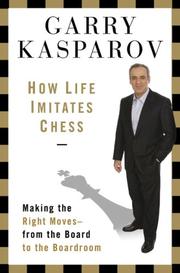
A former world chess champion uses his games as a guide to success in life.
“Endnotes Garry Kasparov, How Life Imitates Chess: Making the Right Moves—from the Board to the Boardroom (New York: Bloomsbury, 2007), 166” — Michael Mauboussin
Source: Lessons from Freestyle Chess: Merging Fundamental and Quantitative Analysis, page 9
Recommended by: Michael Mauboussin, Safi Bahcall
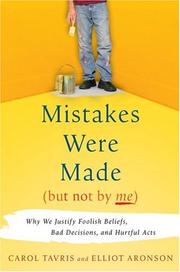
How cognitive dissonance drives people to justify their mistakes, not admit them.
“We are wired for self-justification. We create fictions that absolve us of responsibility, restoring our belief that we are smart, moral, and right — a belief that often keeps us on a course that is dumb, immoral, and wrong.” — Derek Sivers
Source: Derek Sivers book notes (primary, rated list) · Rating: 3/10
Recommended by: Derek Sivers, Howard Marks, Mohnish Pabrai and 3 others
How judges actually decide cases in the American legal system.
Recommended by: Patrick Collison
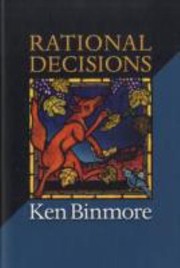
When standard decision theory applies under uncertainty, and when it does not.
Recommended by: Nassim Nicholas Taleb
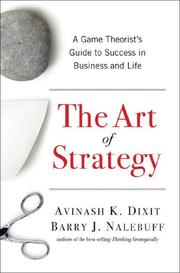
Game theory without maths, with new examples: commitment, signals, bargaining.
“for business, see Avinash K. Dixit and Barry J. Nalebuff, The Art of Strategy (New York: W.W. Norton & Company, 2008)” — Michael Mauboussin
Source: The Colonel Blotto Game: Transitivity and How to Win When You’re an Underdog, page 8
Recommended by: Michael Mauboussin, Marc Andreessen
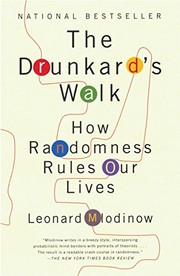
How randomness shapes our lives, the history of probability, and why we misread it.
“I thought it was about the philosophy of randomness, but turned out to be about the math of probability. Might read again some day when in the mood for that.” — Derek Sivers
Source: Derek Sivers book notes (primary, rated list) · Rating: 3/10
Recommended by: Derek Sivers, Michael Mauboussin and 1 other
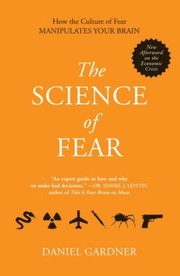
Why people fear the wrong things, from the psychology of risk.
Recommended by: Morgan Housel

Why luck plays a larger part in life than people admit, and how to deal with it.
Recommended by: Mohnish Pabrai
Why policies backfire in a networked world, drawing on complexity theory and history.
Recommended by: Mohnish Pabrai
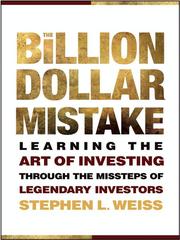
Investing lessons from the career-defining mistakes of billionaire investors.
Recommended by: Mohnish Pabrai
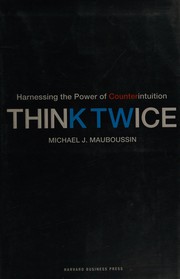
Eight mistakes experienced decision-makers repeat, and a correction for each.
Recommended by: Mohnish Pabrai and 1 other
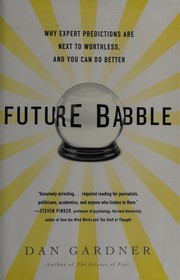
Why expert predictions fail so often, and why people keep believing them.
Recommended by: The Barefoot Investor
The long-run trends set to reshape economies and markets over the coming decades.
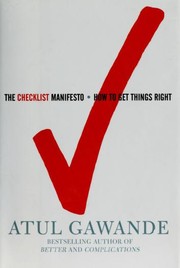
How checklists stop experts in complex fields failing to apply what they know.
“Like Malcom Gladwell, a book that could and should have been an article, but puffed up with 200 pages of supporting stories, mostly great detailed tales of his surgeon experiences where a checklist would have come in handy. Here's the book in one sentence: You should make checklists for any complex procedures or decisions.” — Derek Sivers
Source: Derek Sivers book notes (primary, rated list) · Rating: 3/10
Recommended by: Derek Sivers, Keith Rabois and 10 others
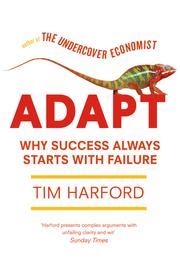
Complex problems yield to trial and error, not expert plans, and how to run it.
“There is a book I recently ran into by Tim Hartford called Adapt. That’s another kind of fun read; I thought that was pretty good.” — Mohnish Pabrai
Source: Pabrai Investment Funds Annual Meeting Transcript 2011, page 48
Recommended by: Mohnish Pabrai, Patrick O'Shaughnessy
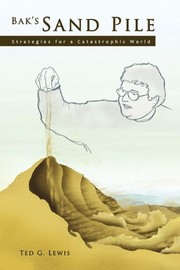
The pattern behind catastrophes from blackouts to oil spills, and how to plan.
Recommended by: Mohnish Pabrai
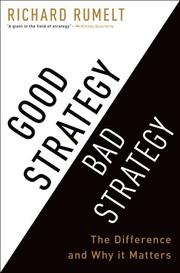
Why most so-called strategies are not, and the three-part kernel real ones need.
“Rumelt, Richard P., Good Strategy Bad Strategy: The Difference and Why It Matters (New York: Crown Business, 2011)” — Michael Mauboussin
Source: Measuring the Moat: Assessing the Magnitude and Sustainability of Value Creation, page 65
Recommended by: Michael Mauboussin, Ann Handley and 3 others
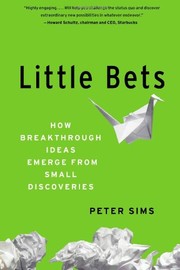
How small experiments and early failures lead to breakthroughs.
“Examples of the fact that much success or creativity comes from trying many things, failing fast, getting feedback, trying more things, and deliberate practice. Stories from Pixar, Chris Rock, Silicon Valley, Frank Gehry.” — Derek Sivers
Source: Derek Sivers book notes (primary, rated list) · Rating: 4/10
Recommended by: Derek Sivers, Kathryn Minshew
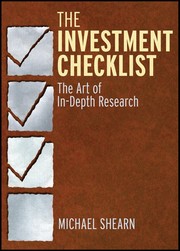
About seventy questions to ask about a business before buying its shares.
Recommended by: Mohnish Pabrai and 1 other
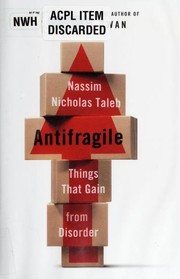
Why some things gain from volatility and disorder, and how to build them.
“Antifragile. Loved the first 1/3 and last 1/3 of this book.” — Andrew Chen
Source: Books I’m reading (2013)
Recommended by: Ana Fabrega, Andrew Chen, Derek Sivers and 24 others
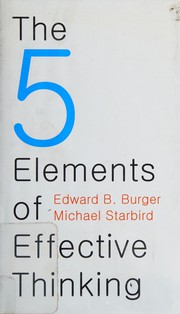
Practical ways to become more successful through better thinking.
“Short and brilliant book with tips on being a better thinker. Being persistent, thorough, rooted in fundamentals, creative, and a more active learner. Surprisingly inspiring.” — Derek Sivers
Source: Derek Sivers book notes (primary, rated list) · Rating: 8/10
Recommended by: Derek Sivers, Ran Segall, Ryan Hoover

Experiments showing most cheating is many people cheating a little.
Recommended by: Mohnish Pabrai
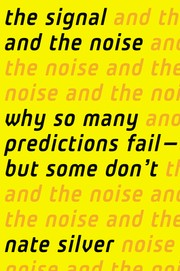
Why some forecasts succeed and most fail, from weather to earthquakes and economics.
“See Gigerenzer, Calculated Risks, 28-29. 14 For a book that treats this topic and more, see Annie Duke, Thinking in Bets: Making Smarter Decisions When You Don't Have All the Facts (New York: Portfolio/Penguin, 2018). 15 For a good discussion of Bayes’ Theorem, see Nate Silver, The Signal and the Noise: Why So Many Predictions Fail—But Some Don’t (New York, The Penguin Press, 2012), 232-261.” — Michael Mauboussin
Source: Confidence: Methods to Assess Confidence Under Uncertainty, page 7
Recommended by: Bill Gates, Michael Mauboussin and 2 others
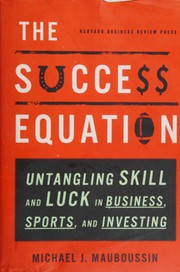
How to separate skill from luck in business, sport and investing.
Recommended by: Keith Rabois, Mohnish Pabrai and 3 others
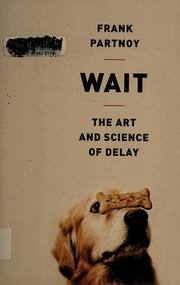
Most decisions improve if you wait until the last responsible moment.
Recommended by: Tom Peters

Principles of observation, inference and avoiding error, from the Holmes stories.
Recommended by: Mohnish Pabrai, Patrick O'Shaughnessy and 1 other
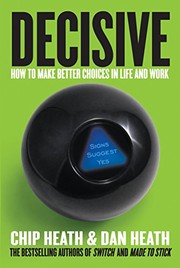
Four traps that ruin decisions, such as narrow framing, and a process to beat each.
“Interesting and insightful dive into the subject of how to make big decisions. Specific useful advice.” — Derek Sivers
Source: Derek Sivers book notes (primary, rated list) · Rating: 8/10
Recommended by: Andrew Wilkinson, Derek Sivers and 6 others
Thought experiments and other tools a philosopher uses to reason carefully.
Recommended by: Patrick Collison, Shane Parrish
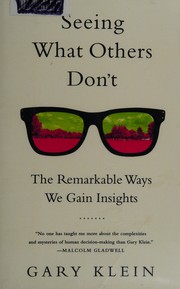
When, why and how insights form, and what blocks them.
“I really wanted to like this book, but couldn't stomach the writing style. Instead of presenting his conclusions, you have to slog forever through his tales of how he went about his research, and how he felt about each step along the way to writing this book. I couldn't finish it.” — Derek Sivers
Source: Derek Sivers book notes (primary, rated list) · Rating: 0/10
Recommended by: Derek Sivers, Mohnish Pabrai
How behavioural science can make government regulation simpler.
Recommended by: Daniel Kahneman
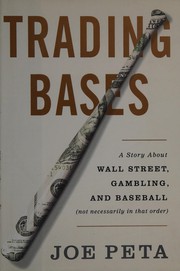
A former trader builds on sabermetrics to bet on baseball against the Vegas odds.
Recommended by: Mohnish Pabrai
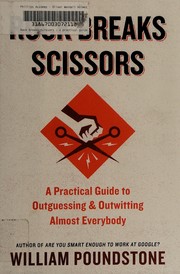
People can't act randomly, and how to exploit that in games, tests and markets.
Recommended by: Mohnish Pabrai
The questions and answers of one year's Berkshire Hathaway shareholders meeting.
Recommended by: Mohnish Pabrai
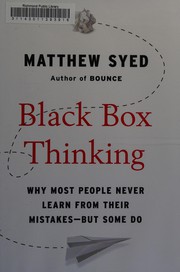
Why aviation learns from every failure while fields like medicine hide theirs.
Recommended by: Richard Branson, Daniel Ek
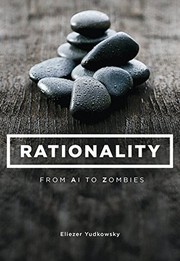
Collected essays on how to reason well and update beliefs.
Recommended by: Emmett Shear
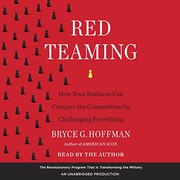
Red teaming, a contrarian method from the military, applied to business planning.
“For a good summary of techniques, see Bryce G. Hoffman, Red Teaming: How Your Business Can Conquer the Competition by Challenging Everything (New York: Crown Business, 2017)” — Michael Mauboussin
Source: BIN There, Done That: How to Reduce the Sources of Forecasting Error, page 15
Recommended by: Michael Mauboussin, Alfred Lin
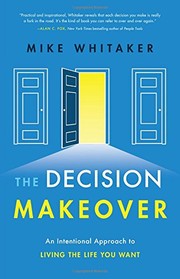
A process for making good decisions about money, career, health and family.
Recommended by: Kathryn Minshew
Tools and stories for making complex, long-range decisions.
Recommended by: Alfred Lin, Chris Dixon
Korzybski's general semantics applied to investing and clear thinking.
About thirty formal models: what each explains and where each fails.
“Scott E. Page, The Model Thinker: What You Need to Know to Make Data Work for You (New York: Basic Books, 2018), 27-42” — Michael Mauboussin
Source: BIN There, Done That: How to Reduce the Sources of Forecasting Error, page 14
Recommended by: Michael Mauboussin, Keith Rabois
How to break the habit of playing safe when change is needed most.
Recommended by: Sheryl Sandberg
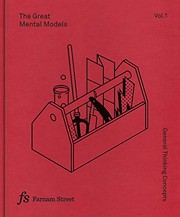
Thinking tools drawn from many fields, after Munger's latticework of models.
“Also it pairs very well with the last recommendation I'm going to do here, The Great Mental Models.” — Matt Mullenweg
Recommended by: Matt Mullenweg, Ana Fabrega and 3 others
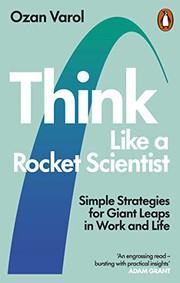
A former rocket scientist's habits and strategies for making the impossible possible.
Recommended by: Keith Rabois, Susan Cain
How reframing a problem helps teams solve the right one.
Recommended by: Eric Schmidt
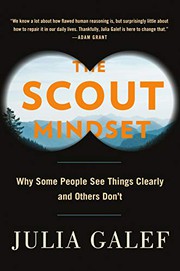
Why people see what they want to see, and how to see things as they are.
Recommended by: Julia Galef, Vitalik Buterin
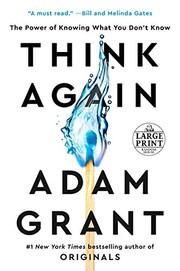
Rethinking your beliefs is a skill apart from intelligence, and how to practise it.
“In his book Think Again,1 author Adam Grant points out, “Intelligence is traditionally viewed as the ability to think and learn.” — Bill Nygren
Source: Bill Nygren Market Commentary | 1Q21
Recommended by: Bill Nygren, Jim O'Shaughnessy and 1 other
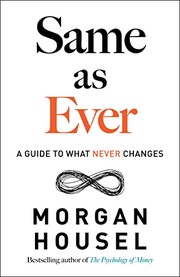
Twenty-three short essays on the parts of human behaviour that never change.
“There are many things that never change” — Andrew Wilkinson
Source: Newsletter
Recommended by: Andrew Wilkinson
The ten attributes of successful investors: how to think well, not what to think.
Antifragility, the opposite of fragility, in things that gain from disorder.
Recommended by: Patrick Collison
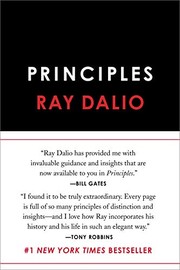
Decision rules from building Bridgewater: radical truth and radical transparency.
“Several people recommended Ray Dalio’s book Principles to me.” — Brad Feld
Source: Book: Principles by Ray Dalio — Feld Thoughts
Recommended by: Alfred Lin, Brad Feld, Derek Sivers and 31 others
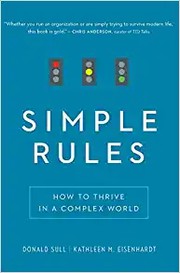
Why a few simple rules help people and firms decide well in a complex world.
“Not a book that gives you simple rules. Instead it's on the meta-topic of simple rules. Gives examples from medicine, crime, gambling, investing, etc.” — Derek Sivers
Source: Derek Sivers book notes (primary, rated list) · Rating: 2/10
Recommended by: Derek Sivers, Nat Eliason
A method of parallel thinking that lets groups think together in coordinated steps.
Recommended by: Tim Ferriss
Ninety-nine errors of reasoning people make in business and private life.
Recommended by: Michael Batko
A primer on the theory of games of strategy, written for non-specialists.
Recommended by: Naval Ravikant
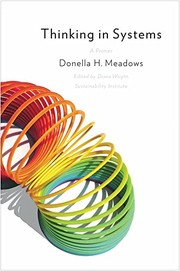
An introduction to systems: stocks, flows, feedback loops and where to intervene.
Recommended by: Patrick O'Shaughnessy, Daniel Burka and 3 others

Why controlled experiments, trial and error, beat theory in business and policy.
Recommended by: Patrick Collison
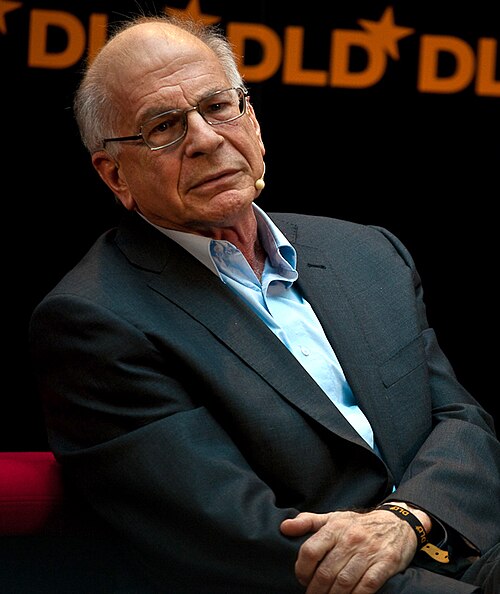 Daniel Kahnemanwrote 5 books here
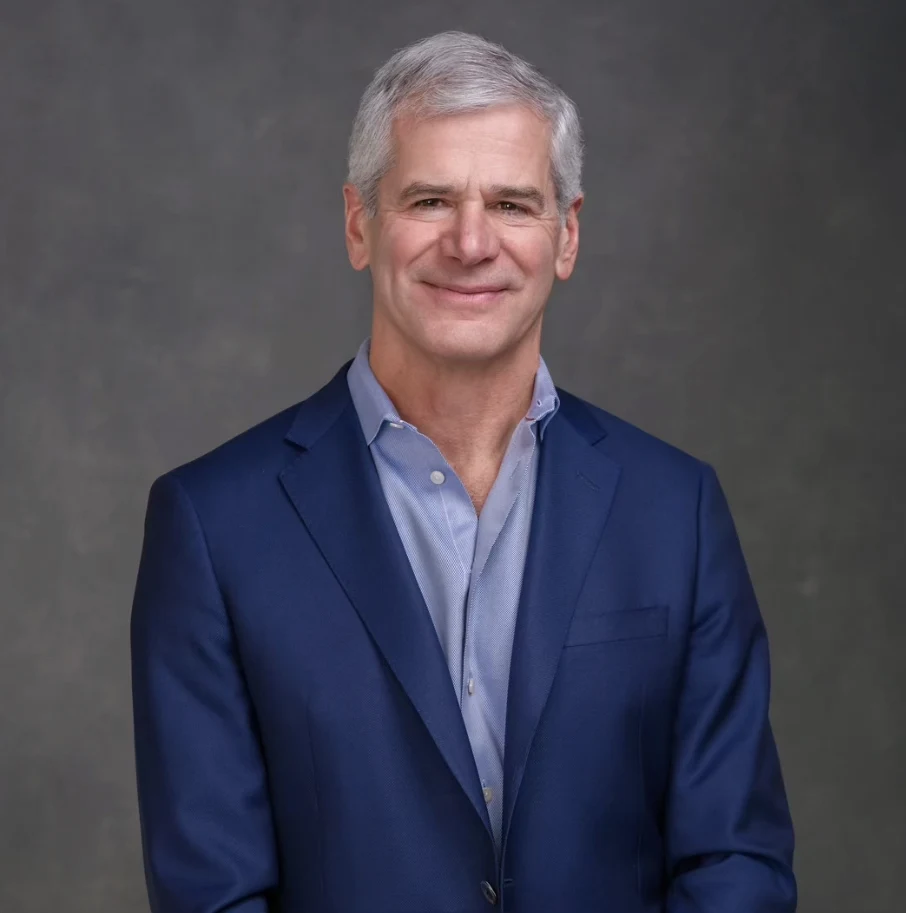 Michael Mauboussinwrote 4 books here
 Nassim Nicholas Talebwrote 4 books here
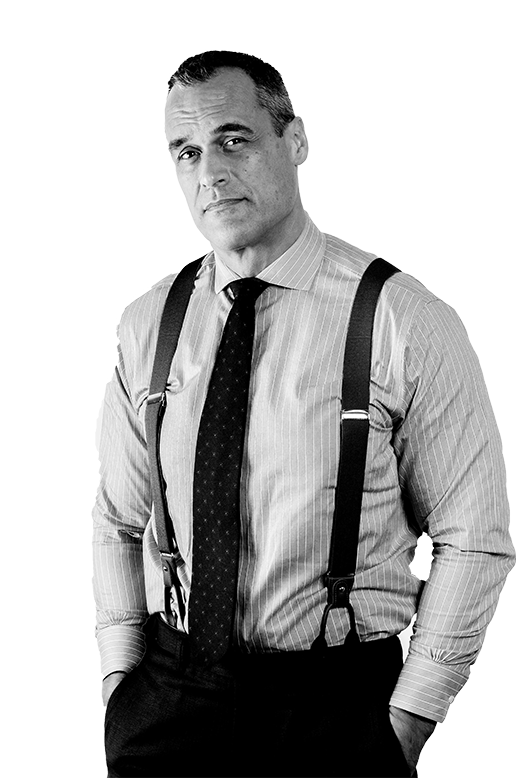 Dan Gardnerwrote 3 books here
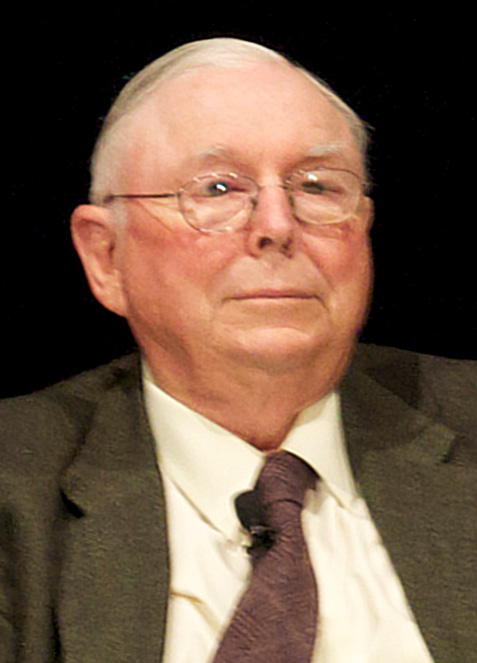 Charlie Mungerwrote 1 book here
 Howard Markswrote 1 book here
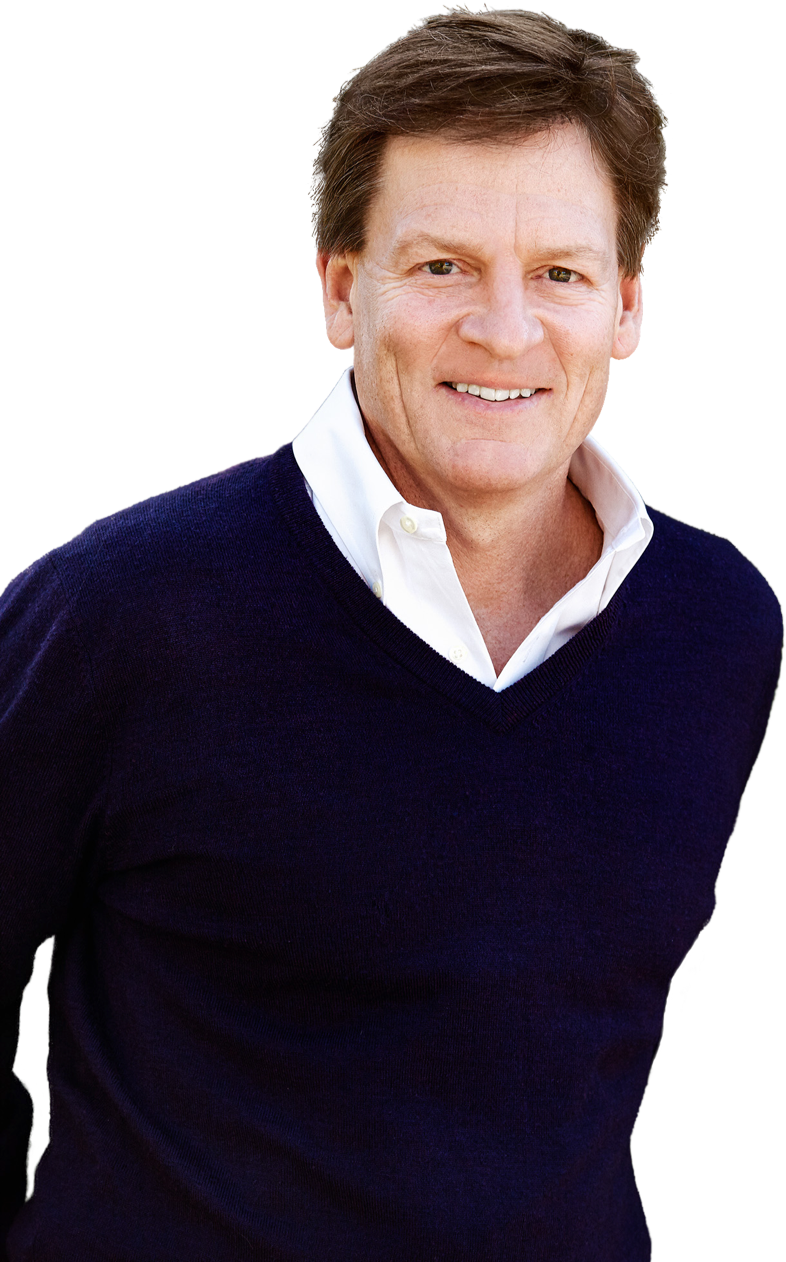 Michael Lewiswrote 1 book here
Show all 23
 Ray Daliowrote 1 book here
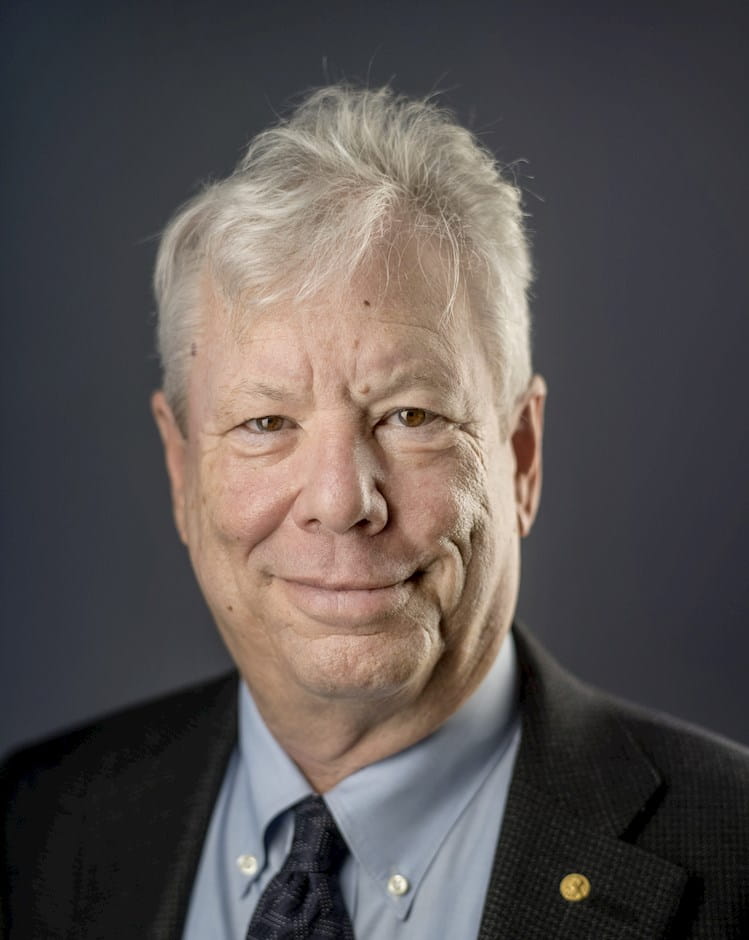 Richard H. Thalerwrote 1 book here
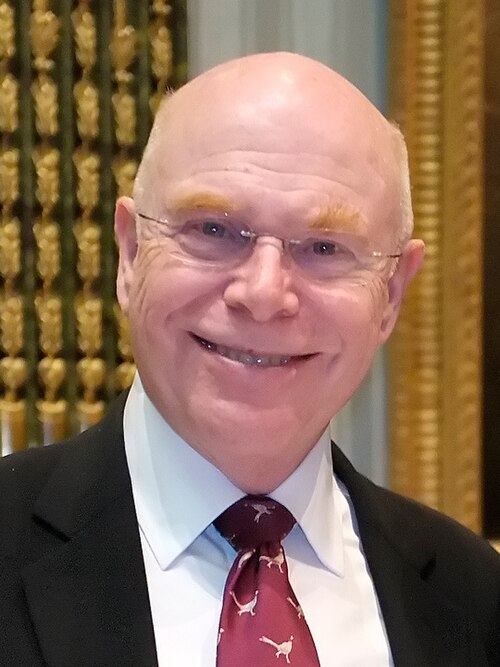 Richard Rumeltwrote 1 book here
 Adam Grantwrote 1 book here
 Dan Arielywrote 1 book here
 Frank Partnoywrote 1 book here
 Morgan Houselwrote 1 book here
 Annie Dukewrote 1 book here
 Julia Galefwrote 1 book here
 Mohnish Pabrairecommends 39 books hereMichael Mauboussinrecommends 35 books here
 Derek Siversrecommends 17 books here
 Marc Andreessenrecommends 14 books here
 Nat Eliasonrecommends 13 books here
 Patrick Collisonrecommends 12 books here
 Naval Ravikantrecommends 9 books hereHoward Marksrecommends 8 books hereNassim Nicholas Talebrecommends 8 books here
 Matt Mullenwegrecommends 8 books here
Show all 146
 Alfred Linrecommends 7 books here
 Bill Gatesrecommends 6 books here
 Ev Williamsrecommends 6 books here
 Tim Ferrissrecommends 6 books hereCharlie Mungerrecommends 5 books here
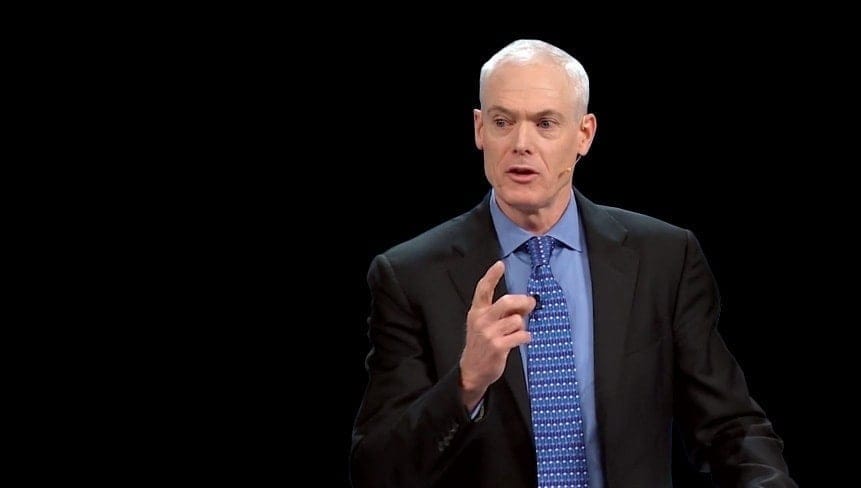 Jim Collinsrecommends 5 books here
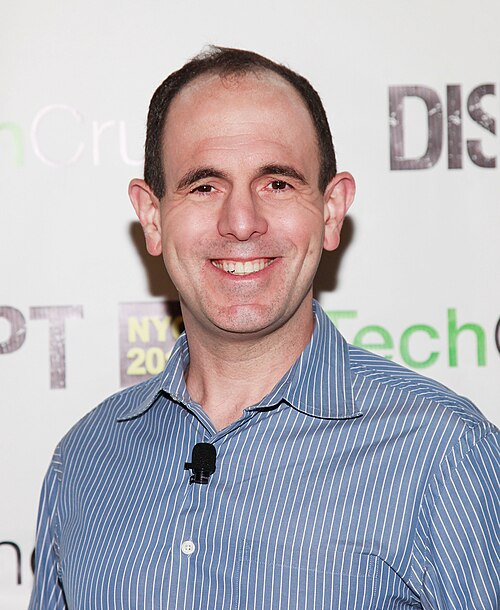 Keith Raboisrecommends 5 books here
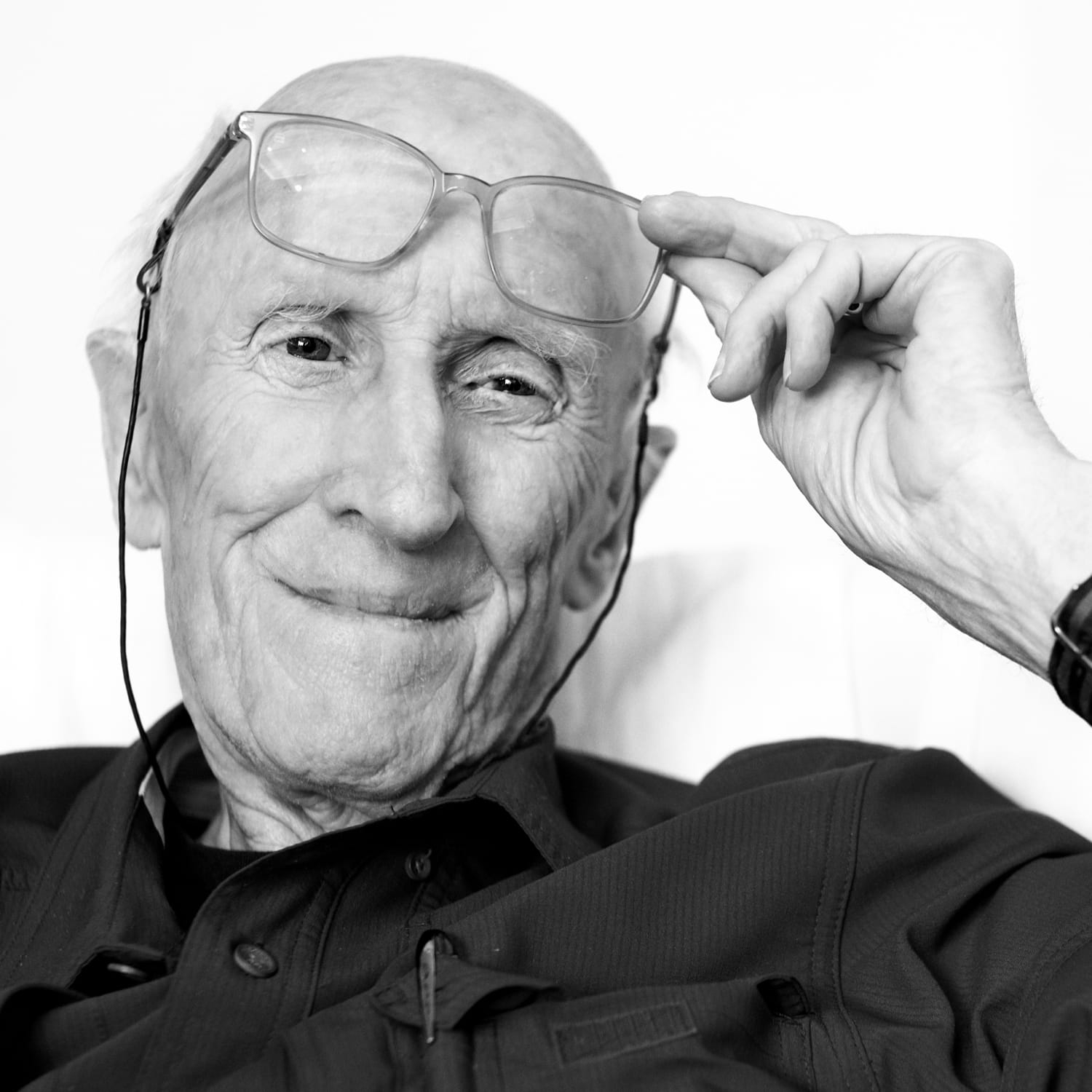 Stewart Brandrecommends 5 books here
 Ana Fabregarecommends 4 books hereJulia Galefrecommends 4 books here
 Michael Batkorecommends 4 books here
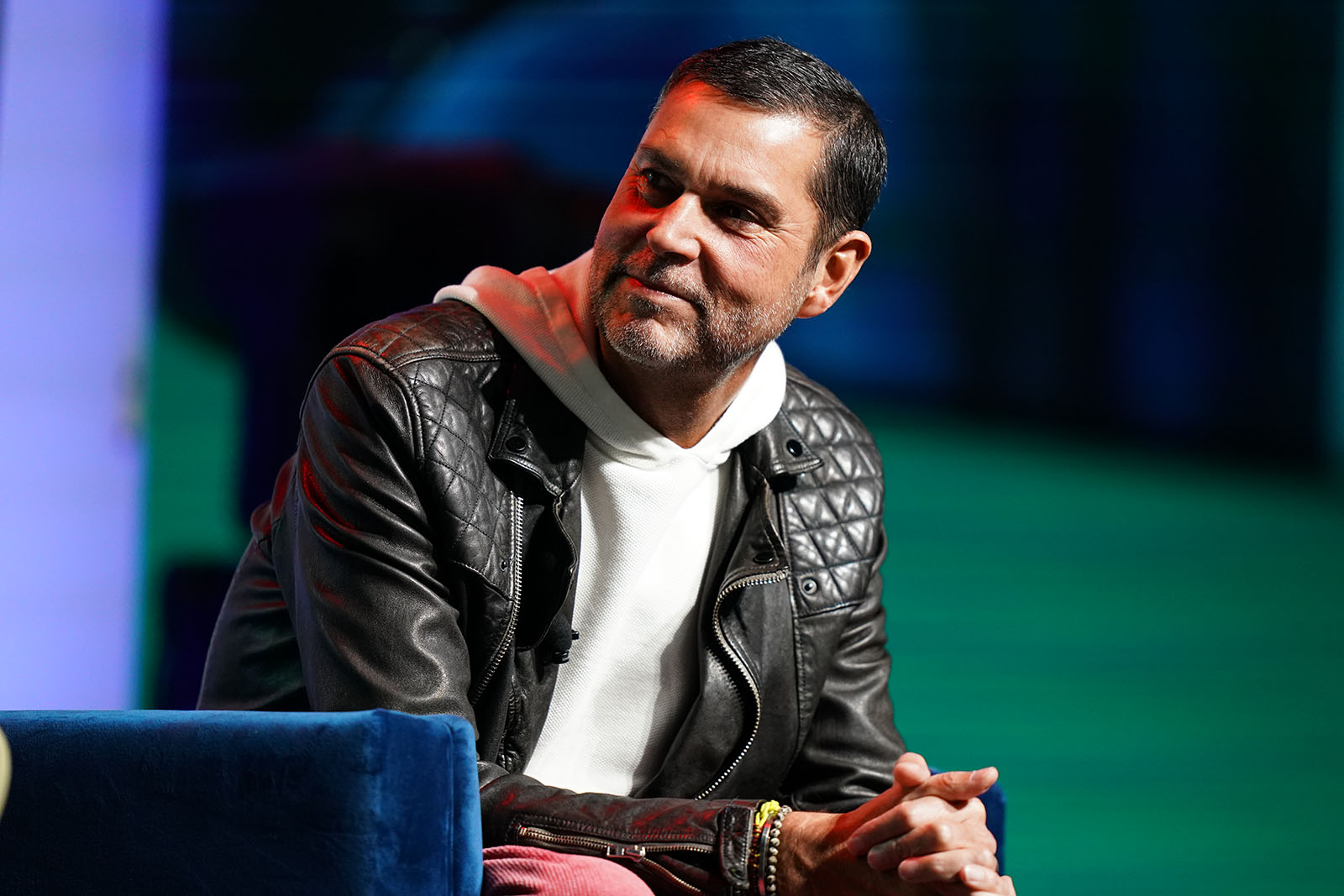 Raoul Palrecommends 4 books here
 Terrance McArthurrecommends 4 books hereDaniel Kahnemanrecommends 3 books hereRay Daliorecommends 3 books here
 Warren Buffettrecommends 3 books here
 Jason Zweigrecommends 3 books hereMorgan Houselrecommends 3 books here
 Bill Nygrenrecommends 3 books here
 Ryan Holidayrecommends 3 books here
 Anthony Pomplianorecommends 3 books here
 Daniel Burkarecommends 3 books here
 David Cancelrecommends 3 books here
 James Altucherrecommends 3 books here
 Ran Segallrecommends 3 books here
 Sam Altmanrecommends 3 books here
 Vinod Khoslarecommends 3 books here
 Bill Millerrecommends 2 books here
 Brad Feldrecommends 2 books here
 David Einhornrecommends 2 books here
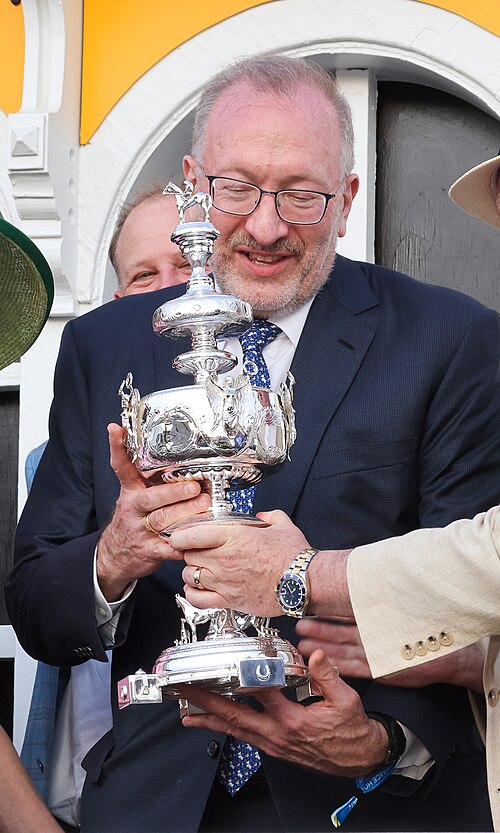 Seth Klarmanrecommends 2 books here
 Tyler Cowenrecommends 2 books here
 Simon Sinekrecommends 2 books here
 Albert Wengerrecommends 2 books here
 Bryan Johnsonrecommends 2 books here
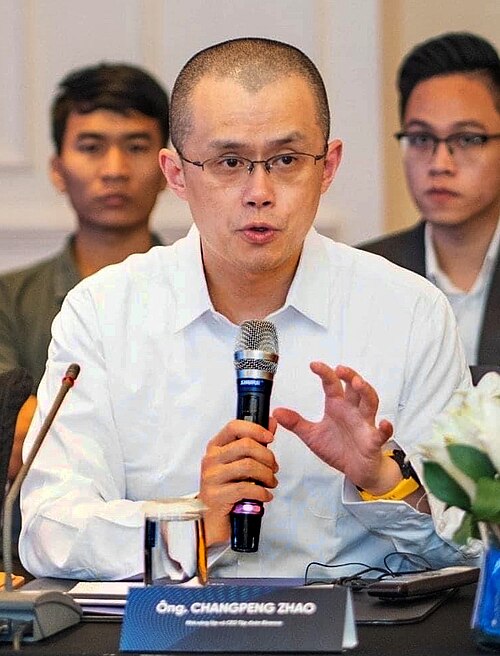 Changpeng Zhaorecommends 2 books here
 Chris Dixonrecommends 2 books here
 Daniel Ekrecommends 2 books here
 David Kadavyrecommends 2 books here
 Drew Houstonrecommends 2 books here
 Jack Dorseyrecommends 2 books here
 Josh Wolferecommends 2 books here
 Kathryn Minshewrecommends 2 books here
 Mark Cubanrecommends 2 books here
 Niki Scevakrecommends 2 books here
 Paul Bassatrecommends 2 books here
 Peter Malloukrecommends 2 books here
 Ramit Sethirecommends 2 books here
 Ryan Petersenrecommends 2 books here
 Tom Bilyeurecommends 2 books here
 Vlad Tenevrecommends 2 books here
 Ben Horowitzrecommends 1 book here
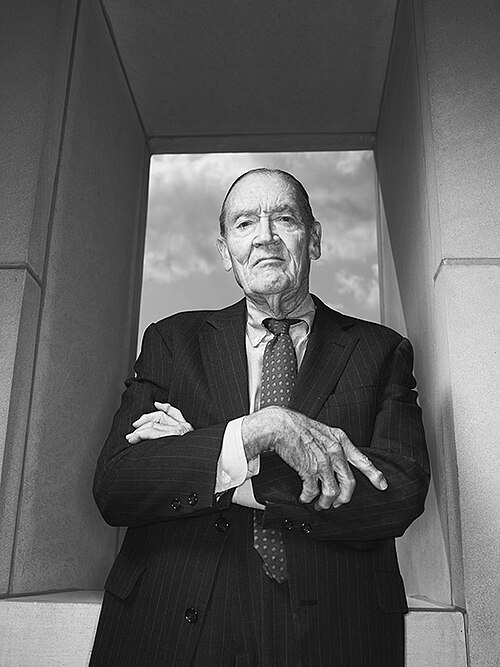 John C. Boglerecommends 1 book here
 Peter Thielrecommends 1 book here
 Eric Schmidtrecommends 1 book here
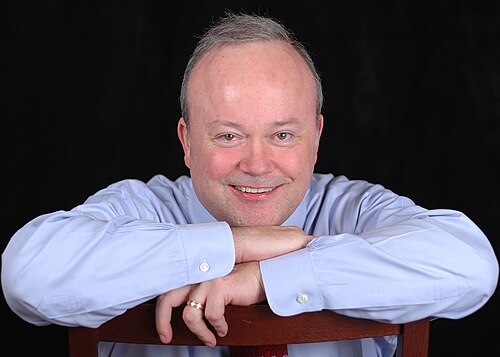 James P. O'Shaughnessyrecommends 1 book here
 Marc Benioffrecommends 1 book here
 Reid Hoffmanrecommends 1 book here
 Francois Rochonrecommends 1 book here
 Guy Spierrecommends 1 book here
 Safi Bahcallrecommends 1 book here
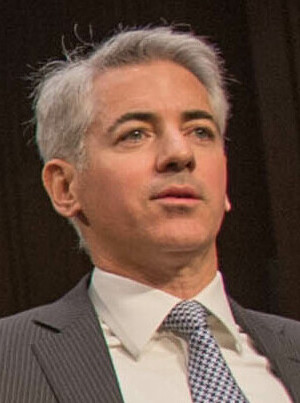 William Ackmanrecommends 1 book here
 Abi Tyas Tunggalrecommends 1 book here
 Alexis Ohanianrecommends 1 book here
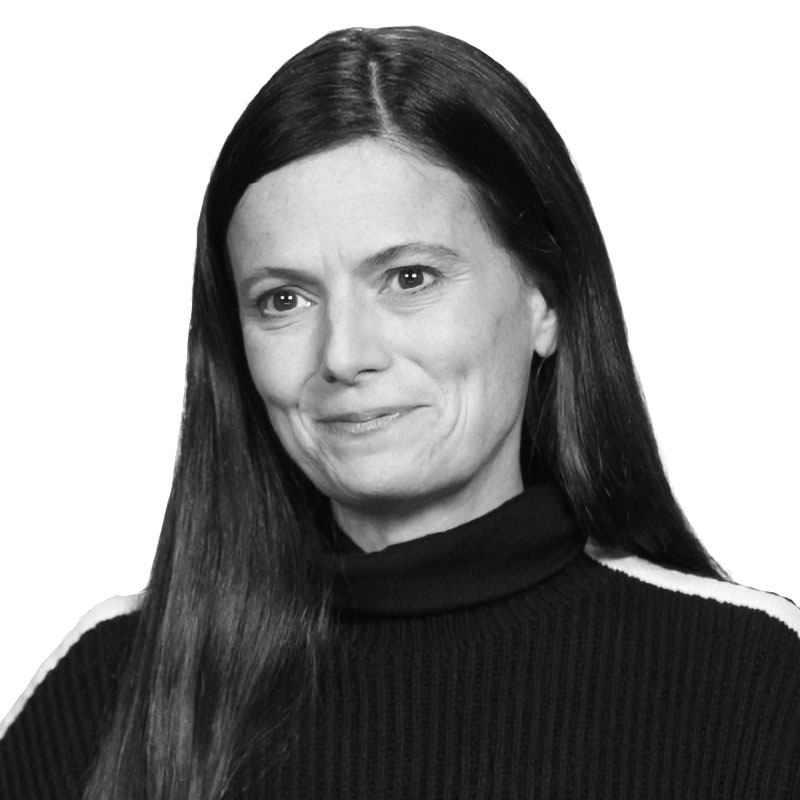 Amy Hoodrecommends 1 book here
 Andrew Chenrecommends 1 book here
 Ann Handleyrecommends 1 book here
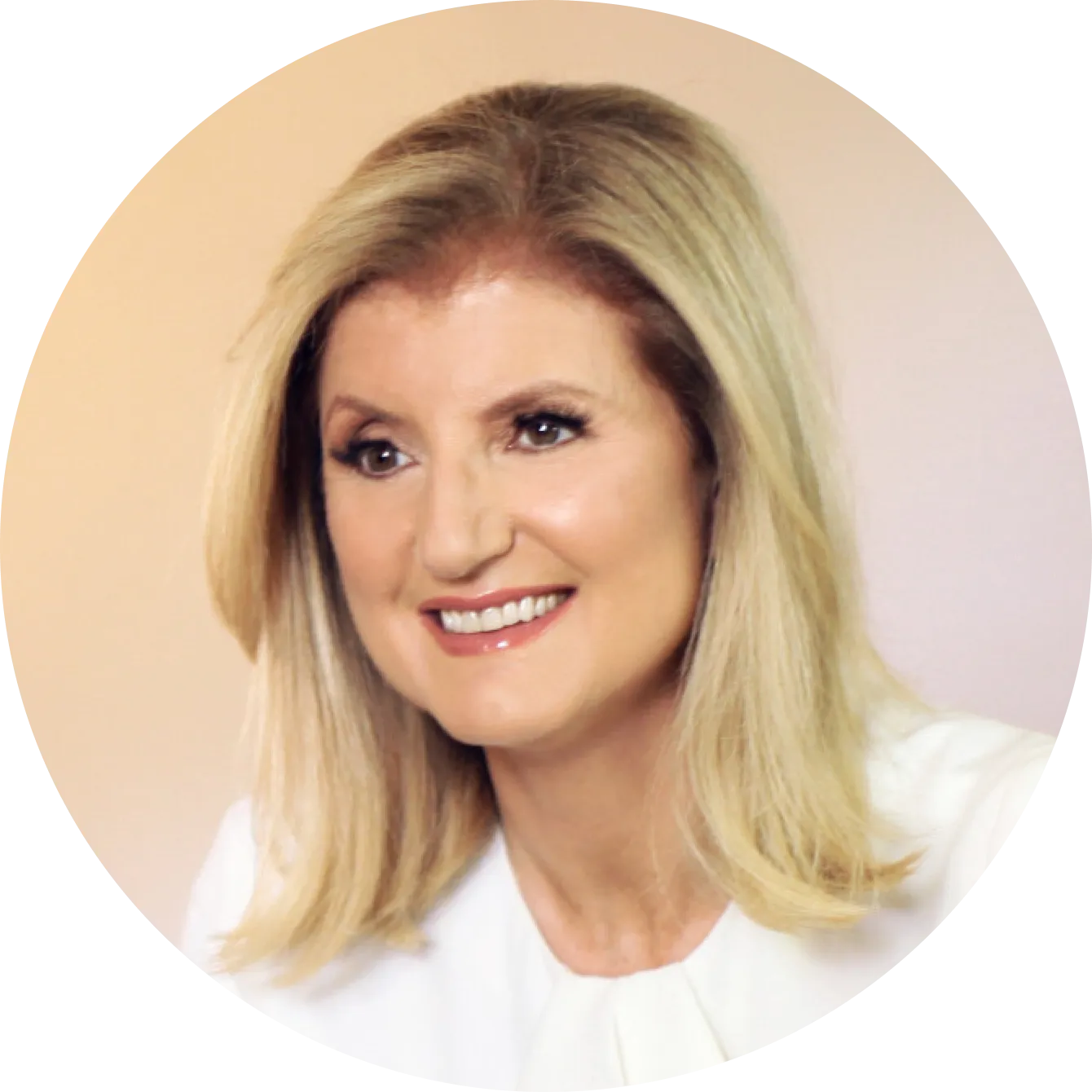 Arianna Huffingtonrecommends 1 book here
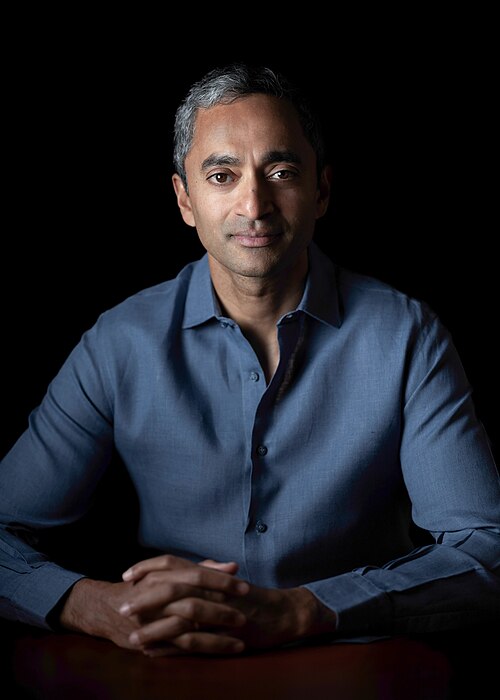 Chamath Palihapitiyarecommends 1 book here
 Codie Sanchezrecommends 1 book here
 David Hellmannrecommends 1 book here
 Doug McMillonrecommends 1 book here
 Elon Muskrecommends 1 book here
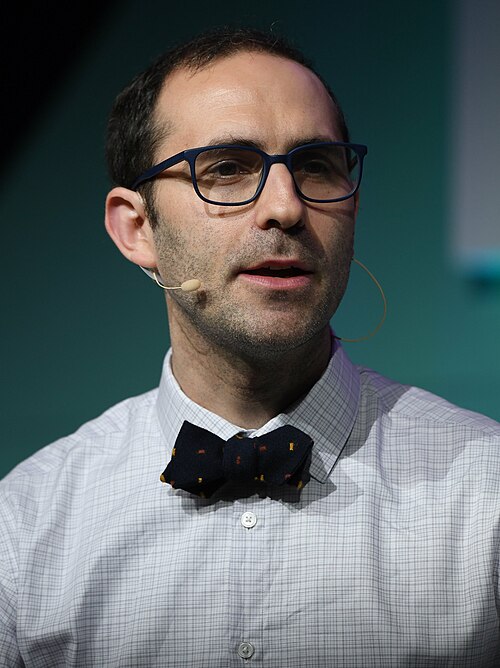 Emmett Shearrecommends 1 book here
 George Hatzisrecommends 1 book here
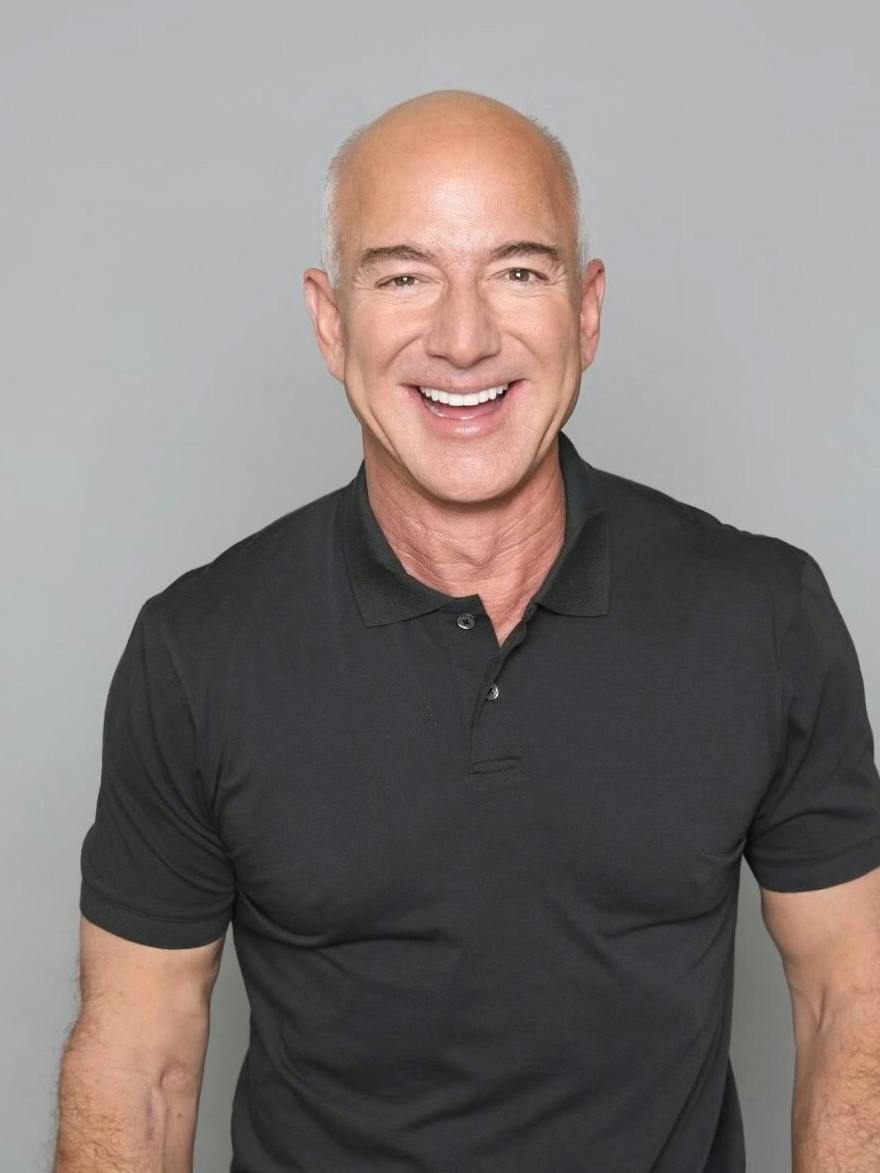 Jeff Bezosrecommends 1 book here
 Jessica Livingstonrecommends 1 book here
 Joel Connollyrecommends 1 book here
 John Maedarecommends 1 book here
 Jordan Hughesrecommends 1 book here
 Julie Zhuorecommends 1 book here
 Kevin Roserecommends 1 book here
 Kevin Systromrecommends 1 book here
 Melinda Gatesrecommends 1 book here
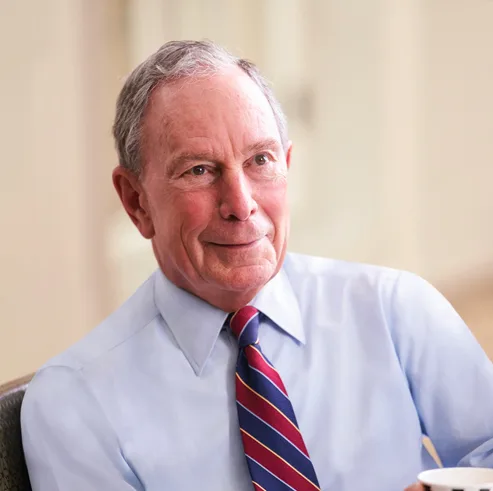 Michael Bloombergrecommends 1 book here
 Mike Cannon-Brookesrecommends 1 book here
 Nathan Murphyrecommends 1 book here
 Nick Huberrecommends 1 book here
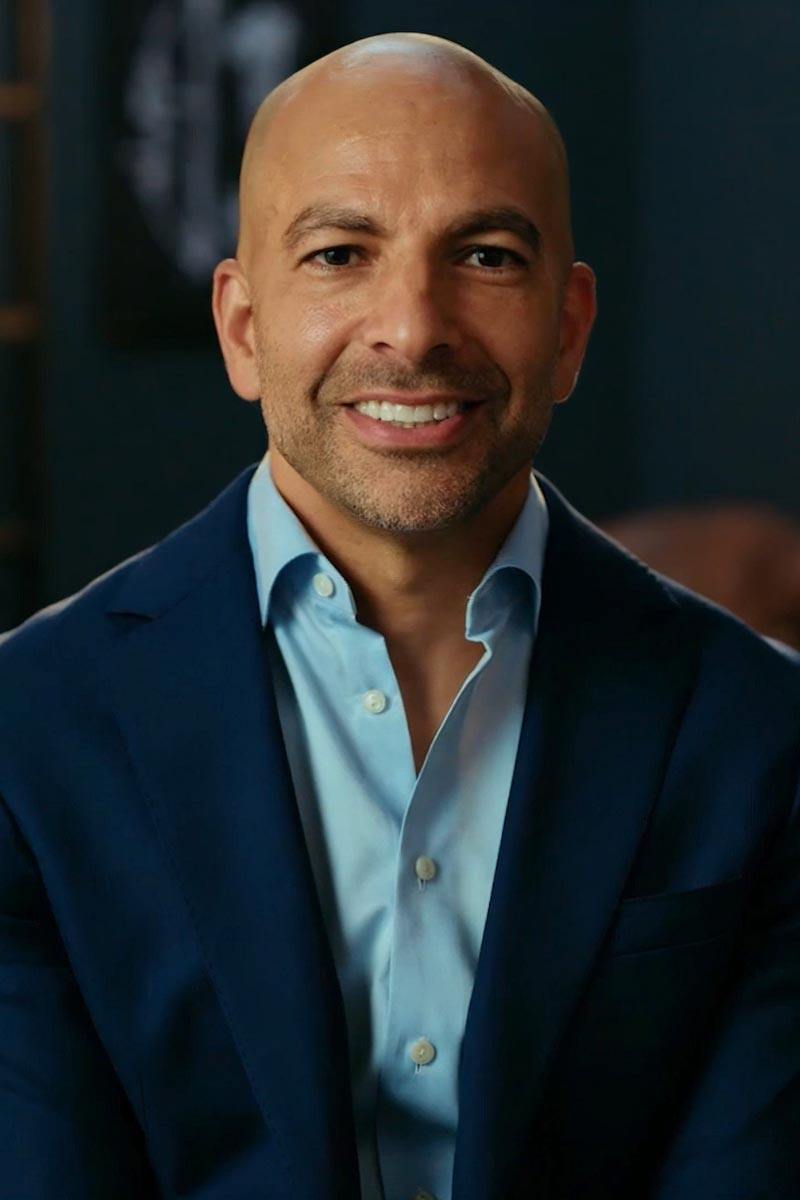 Peter Attiarecommends 1 book here
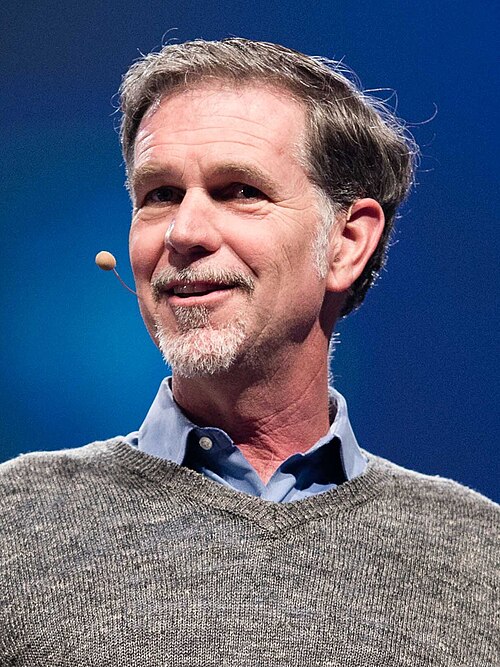 Reed Hastingsrecommends 1 book here
 Richard Bransonrecommends 1 book here
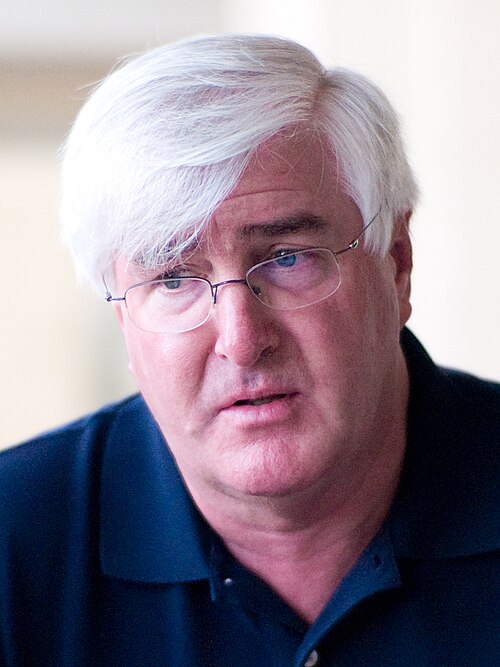 Ron Conwayrecommends 1 book here
 Satya Nadellarecommends 1 book here
 Sheryl Sandbergrecommends 1 book here
 Susan Cainrecommends 1 book here
 Tobi Lütkerecommends 1 book here
 Tony Hsiehrecommends 1 book here
 Tony Robbinsrecommends 1 book here
 Tristan Harrisrecommends 1 book here
 Vitalik Buterinrecommends 1 book here
 Zoë Foster Blakerecommends 1 book here