Six Thinking Hats
A method of parallel thinking that lets groups think together in coordinated steps.
Summary
Edward de Bono's 1985 book sets out a method of "parallel thinking" that lets groups plan their thinking in a detailed, coordinated way and so think together more effectively. It rests on the premise that the brain thinks in several distinct ways, which can be deliberately called on and planned for, allowing people to develop tactics for thinking about a given issue.
De Bono identifies six directions in which thinking can be steered. In each, the mind brings particular aspects of a problem into conscious thought, such as gut instinct, pessimistic judgement or neutral facts. One example is sensitivity to "mismatch": noticing what is out of the ordinary, a survival instinct because the unusual may be dangerous, which he names as the root of negative judgement and critical thinking. Each direction is represented by a coloured hat, and switching direction is signalled by putting on that hat, literally or in imagination. De Bono had first used the hat image in 1971, in Lateral Thinking for Management, to describe a brainstorming framework. The source read here does not list the six colours and their meanings one by one.
Key takeaways 4
- Groups think better when everyone takes the same mode of thinking at the same time.
- De Bono distinguishes six modes, from facts to feelings to criticism.
- Coloured hats signal which mode a group is using.
- Critical thinking grows from an instinct to notice what does not fit.
Who should read it
Managers and teams who want a structured way to run meetings and discussions.
Who recommended it 1
Similar books 6
Chosen by shared topics, the entries that hold them, and the people who recommended both.
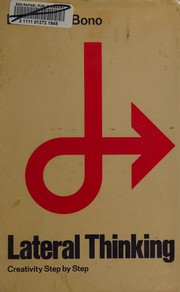
A textbook of creative thinking.
“I haven't read it in decades, but Edward de Bono, Six Thinking Hats, he also had, I believe, a book called Lateral Thinking, which I found helpful.” — Tim Ferriss
Recommended by: Patrick O'Shaughnessy, Tim Ferriss
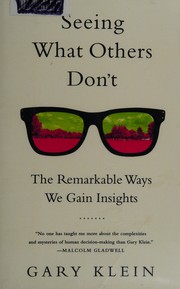
When, why and how insights form, and what blocks them.
“I really wanted to like this book, but couldn't stomach the writing style. Instead of presenting his conclusions, you have to slog forever through his tales of how he went about his research, and how he felt about each step along the way to writing this book. I couldn't finish it.” — Derek Sivers
Source: Derek Sivers book notes (primary, rated list) · Rating: 0/10
Recommended by: Derek Sivers, Mohnish Pabrai

Principles of observation, inference and avoiding error, from the Holmes stories.
Recommended by: Mohnish Pabrai, Patrick O'Shaughnessy and 1 other
Munger's and Buffett's ideas on avoiding error, as a dialogue built from their words.
Antifragility, the opposite of fragility, in things that gain from disorder.
Recommended by: Patrick Collison
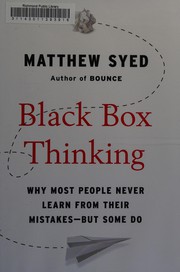
Why aviation learns from every failure while fields like medicine hide theirs.
Recommended by: Richard Branson, Daniel Ek