Updates

  1. 137 new fund letters and reports, each with its own page: Kayne Anderson Rudnick (48 market briefings, KayneCast episodes and TV commentaries), Shelton Capital Management (48 shareholder reports and a commentary), Lakehouse Capital (10 Small Companies Fund letters), Smead (5 newsletters), RIT Capital Partners (5 monthly commentaries), Kovitz, Legal & General, Generation, Hosking, Marram, Munro, Oldfield and others.
  2. 200 new fund letters and reports, each with its own page: Spheria (41 monthly reports), Peapack Private (41 weekly recaps and planning newsletters), Fort Washington (23), Polen Capital (15), Aristotle Pacific (14), Riverwater (13), Chou (10), Apollo Asia Fund (8, back to 1998), Personal Asset Trust, Rockwood Strategic, J Capital Research, I/O Fund, Penn Davis McFarland, Pomona and others.
  3. Investor pages have one Investments tab with shares, changes, % owned, class, market cap and Market cap and Status filters, a Funds tab listing each fund the firm runs, and assets under management from Form ADV. The Investors table shows AUM and current investments, and its search finds investors by what they hold.
  4. Filters, search and sort stay as you left them when you come back to a section. Person cards look like book cards. Company pages name their Investors tab Ownership. Kind and Sector filters use four kinds and GICS sectors with industries. Dead links left the Links tabs.
  5. 190 more investors from fiscal.ai's list, with their sites, letters, partners and 13F holdings; 556 more partner descriptions. Experts now lists only people.
  6. Fund letters lists 144 new documents from 23 firms, each with its own page: a summary, key insights and quotes. Among them: 37 BlackRock articles, 21 Value Partners monthly notes, eight Baron Capital letters, six Stone Sentinel letters to partners, seven Value Line portfolio manager Q&As, BNY's 2026 earnings releases and Starboard Value's 2026 conference presentations.
  7. 584 more investors, with their websites, 6,776 letters from their own sites, 1,385 partners with pages and the 13F holdings of 213 firms. New letters arrive daily from 290 more archives.
  8. Media and Companies filter by GICS sector and industry group, taken from the companies an episode or page names. 1,860 more company pages show a logo, the SEC's list included.
  9. The home page counts what the platform holds and lists features such as the document reader, the player and saved marks. Settings sits at the foot of the rail. Book cards are a quarter wider, so rows hold fewer. Companies drops the Named in filter, and the Role list in your account runs A to Z.
  10. Investor pages of 13 firms show their newsroom's latest posts. New 13F filings are read as the SEC publishes them.
  11. Investor pages have an Investments tab: 13,975 holdings for 105 investors, from their 13F filings with the SEC and their own portfolio pages, with status and sector. 7,338 more companies have a page of their own.
  12. A podcast or YouTube episode keeps playing while you move around the site, in a bar with skip, speed and volume. Media tables show each episode's length and description.
  13. Press releases come from each company's own newsroom (167 companies); SEC filings sit on the Filings tab. Tickers name their exchange, and a company's Experts tab includes guests whose episode description names it.
  14. Letter types now include Market commentary, Fact sheet, Interim report, Annual report, Proxy circular and Governance document. The reader opens over the whole window.
  15. Partners of investment firms have 2,836 appearances and 580 pieces of writing on their pages; Derek Sivers's page lists every book he rates, with his rating.
  16. Fund letters lists three Akre Focus shareholder reports: the ETF's annual report for the year to July 2026, its semi-annual report to January 2026 and the fund's semi-annual report to January 2025, each with its own page: a summary, key insights and quotes.
  17. 837 partners of 73 investment firms now have their own pages, with title, description, photograph and social accounts; Andreessen Horowitz partners' pages also list their writing on a16z.com.
  18. Company pages have a Press releases tab: 8,229 releases for 203 companies, from SEC filings and company newsrooms. Companies filter by For-profit or Non-profit. Own media is a table with filters. Media filters by sector and industry. Publication pages link their publisher in the description.
  19. The Unilever page's Letters tab shows what each fund letter says about Unilever, word for word with its page, and whether the letter is bullish, bearish, mixed or neutral. Filter by sentiment, and see 10 letters at a time.
  20. 492 more fund letters and 3,183 more articles show the day they were published, read from each letter's first page or each article's own page.
  21. The PDF reader has a search box: type words to see every match in the document and step through them. About 540 letters that were web pages, among them Oakmark's commentaries, Bill Miller's letters and Howard Marks's memos, now open in the reader.
  22. Person pages: recommendations open with tier 1 books; one button per organisation; transcripts sit on their episodes; the books on 129 reading lists joined the Recommends tabs.
  23. Companies lists every company with a ticker on the SEC's list, with a Source filter. A quote on a company page opens the letter at that page with the words marked. A company's Media tab lists only episodes that name it, and a new Own media tab lists its podcasts, publications and YouTube channel. Show pages link their publisher. A page opened from a table no longer shows that table's filters beside it.
  24. Company, investor and person pages show more of their social accounts: Facebook, TikTok, Bluesky, Medium, GitHub, Discord and podcast shows. Investor pages list every partner the firm's own team page names: 965 people across 73 investors, 98 for Andreessen Horowitz.
  25. About 170 more letters and papers open in the reader: Mohnish Pabrai's letters and transcripts from his site's new folder, and free copies of papers by Asness, Harvey, Altman, Lo and others from their own or their schools' sites.
  26. Every company a fund letter names has a page, with the letters and quotes that name it: 47 new pages, among them Atom Computing, Hugging Face, Rolls-Royce Holdings and Westinghouse Electric. Company pages have a Quotes tab.
  27. A person's Writing tab has a Type column and filter (Article, Essay, Transcript, Speech, Foreword, Interview and the rest), and Publication names only the publication that published each piece.
  28. Fund letters opens on the newest published letter, and a letter or paper found by search opens its own page here instead of the publisher's site.
  29. A letter or paper with a copy on the site opens its PDF over its page, with a button to open it in a new tab. Select text to highlight or underline it; signed-in readers keep their marks in their account. Each quote opens the PDF at its page with its words marked, and a Source link leads to the publisher's original.
  30. Fund letters lists 61 more documents, each with its own page: Fairfax's 2025 and 2026 interim reports, proxy circulars and 2025 annual report (with their French editions), 26 Charlie Munger meeting transcripts, talks and essays, Third Point's 2026 monthly reports and Malibu Life's interim results, and a Seth Klarman interview. Papers adds Richard Thaler's two 2020 editorials on nudges.
  31. Fund letters lists Lux Capital's letters for Q2 and Q3 2026, by Josh Wolfe, each with its own page: a summary, key insights and quotes.
  32. Fund letters lists Brookfield's letter to shareholders for Q3 2026, by Bruce Flatt, with its own page: a summary, key insights and quotes.
  33. Fund letters lists Howard Marks's memo of 11 November 2026, A Layman Thinks About AI, with its own page: a summary, key insights and quotes.
  34. Fund letters lists 118 more letters, each with its own page: 44 weekly commentaries by Jeremy Siegel from 2026, 31 issues of Van Tharp's newsletter from 2018, 23 Pabrai Investment Funds letters from 2021 to Q3 2026, 13 Efficient Frontier essays by William Bernstein, Oakmark's three 3Q 2026 commentaries, two Lindsell Train reports, a John Hussman comment and Third Point's Q3 2026 letter.
  35. 2,027 more books carry a one-line description in the Books table and on their pages; 7,067 of 7,715 have one, every tier 1, 2 and 3 book among them.
  36. Fund letters lists 187 more letters from 19 firms, among them Permanent Equity, Social Capital, Lux Capital, Square Peg, Bestinver, Cobas, Sequoia Fund, Marketfield and EquityCompass; each shows on its investor's page and has a page of its own.
  37. 2,928 more books carry a one-line description in the Books table and on their pages, so every tier 1, 2 and 3 book has one; 5,040 in all.
  38. Every publication on Newsletters has its own page: its writing, its writers, its staff and who recommends it. Investor pages have a Management tab; a company's Experts tab now leaves out its own people, who list under Management. Tabs on a phone move sideways only.
  39. Every fund letter and research paper has its own page: the thesis, the PDF, the companies and books it names, and for 176 letters and 24 papers so far a summary, key insights and quotes with their page.
  40. 99 books that no page listed now sit under their topics in Books, among them Caste, American Prometheus and Pale Blue Dot.
  41. Newsletters lists every newspaper, magazine, investment newsletter, journal and blog the reference holds, 442 in all, with the people who write there. The search box keeps your last 20 searches. You can create an account.
  42. 283 books that fund managers recommend in their letters are on the shelf, each with the letter's own words and page; investor pages have a Recommends tab.
  43. Person, company, investor and show pages link their own accounts on X, Threads, Instagram, LinkedIn, YouTube and Substack: 275 people, 552 companies and organisations, 88 investors and 478 shows.
  44. 716 more book recommendations name their source: the person's own reading list, letter, blog post, speech or interview, or an article that reports it. 232 of them quote the person's own words about the book, on the book card and on the book's page.
  45. Every US-listed company has a page with its SEC filings. Company pages list their experts and their management, past and present. Fund managers sit under Investors. Each show has a page of its episodes, and an episode page names its guests and hosts. Biographies lists groups, then people. Breadcrumbs show where a page sits.
  46. Media lists every podcast episode, video, interview and talk, over 10,000, by person, company, publisher and event; each filter searches its own choices. Books opens on its table, then Browse, then Authors and Recommenders. A filter's count no longer covers its arrow.
  47. A book that no company, country or subject page lists shows its topics under Where it sits in the reference. On a phone, a page's tabs scroll sideways only. Descriptions read the same on every page. See them in the Experts tab lists every expert the page names.
  48. Every podcast episode, video and interview has its own page with a video or audio player and a link to the source. Investor pages show each company's sector and market cap; firms such as Berkshire Hathaway have one page that holds their letters and their company tabs. Letters tabs filter by company and search the theses. Companies filter by Public, Private and Defunct and link each company's website.
  49. Every tab, view and search has its own address, such as /books/table/asset or /letters/companies, so Back works and a link opens the same place. Page addresses no longer end in .html. Fund letters, Investors, Companies and Papers load about a fifth of the data they did.
  50. Fund letters has a Companies tab: every company the letters name, with its market cap, sector, country, and how many letters and investors name it. Investor pages link each investor's website. Lists in table cells end with “… and N more” at every width.
  51. 1,120 more book summaries; descriptions for 373 papers; pages for 137 more companies, each with the fund letters that discuss it; 215 official photographs; search has its own page.
  52. 411 more books have a summary; person pages list 930 more of the books they wrote; 147 people show their official photograph.
  53. Every investor has a page with its letters and the companies they discuss; company pages list the investors whose letters name them.
  54. A Companies section at the top of the rail lists every company the books, experts and fund letters name.
  55. Person pages list letters, writing, profiles and links as sortable tables with filters, and show each person's companies as links; Fund letters show each letter's description in its own column.
  56. Experts show a checked job title and a short description of each person; 30 more people have photographs.
  57. Every company, fund, university and publication the experts work for has a page listing the people there.
  58. Fund letters show each letter's thesis and filter by it; 225 person pages list the essays, columns and newsletter issues the person wrote.
  59. Person pages list every essay and newsletter issue a person wrote, and their own books as a table in List view.
  60. Recommends shows the five largest kinds of book and the rest under More; browse pictures load sooner.
  61. Podcasts and talks link the original episode, filter by Audio and video or Press, and list each publisher once.
  62. Pages are wider, Recommends has List and Grid, and a filter clicked again turns off.
  63. Book cards sit in a ruled grid with Open Library and Goodreads links and each book's one-line note.
  64. Funds is now Investors; each investor's styles are buttons that filter the table.
  65. Podcasts and talks on a person's page filter by year and publisher and show as a list or a grid of pictures.
  66. Quotes show only people's own words: 472 summaries written by list sites are gone.
  67. Country pages open from Browse again, and every link on the shelf lands on a page.
  68. Subject and person pages show their sections as tabs, and each book appears once on a person's page.
  69. Book cards show the quote, who said it and the source; grids show five cards to a row.
  70. On a phone, a menu holds the sections, search, Updates, Feedback and dark mode.
  71. Feedback takes a screenshot of the page with no browser prompt, opens a screenshot full size when you click it, and clears itself once sent.
  72. Book cards are centred, search names the topic each book sits in, and any text cut short shows whole on hover.
  73. Search groups its results by kind: people, companies, geographies, subjects, topics, books, funds, fund letters and papers.
  74. The Books table lists who recommended each book by name, and the browser tab names the section you are in.
  75. Feedback can take a screenshot of the page, or one you paste or choose, and opens in the corner beside Updates.
  76. Each rail button reopens its section where you left it, and Browse, Table and People show on every book and subject page.
  77. Filters grey out choices that hold nothing instead of hiding them, and Books › People filters by authors or recommenders.
  78. Feedback takes a subject line and up to three screenshots.
  79. Biographies are grouped by the person they are about: 41 new pages, from Abraham Lincoln to Lee Kuan Yew.
  80. Sport splits into 23 sports, and Religion into one topic per faith.
  81. Book lists show as cards: the cover, one recommendation quote and every recommender by name.
  82. Seventeen subjects that had two or three pages under different names now have one page each.
  83. Every page lists its Experts as authors and recommenders, with a link to them on the Experts tab.
  84. Economics, Financial history, Financial panics and Accounting are subjects of their own, with one page per financial crisis.
  85. Book, person and subject pages open inside the app, so the tabs stay in view.
  86. 996 more book covers, and photographs or logos for 227 more people and companies.
  87. Books › Browse shows every subject as cards, and the rail holds Fund letters, Papers, Experts, Books and Funds.
  88. Every topic over 150 books splits into narrower topics, each with a page of its own.

Send feedback

What is it?
Screenshots, up to 3 (optional)
or paste one with Ctrl+V

We use your email only to reply to you.

LE

Learning, expertise and creativity

Books on how people learn, practise, master a skill, perform under pressure and produce creative ideas.

Start here

  1. The Inner Game of TennisW. Timothy Gallwey, 1974
  2. MasteryRobert Greene, 2012
  3. Originals: How Non-Conformists Move the WorldAdam Grant, 2016
  4. RangeDavid Epstein, 2019
  5. A Technique for Producing IdeasJames Webb Young, 1940
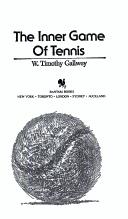
W. Timothy Gallwey · 1974

Performing under pressure by quieting the self-interference that spoils play.

“When I played tennis as a teenager, I remember reading The Inner Game of Tennis: The Classic Guide to the Mental Side of Peak Performance by Tim Gallwey. Near the end of my recent sabbatical + birthday vacation, after almost seven weeks of tennis where I played at least five days a week, I decided to read it again.” — Brad Feld

Source: Book: The Inner Game of Tennis — Feld Thoughts

Recommended by: Bill Gates, Brad Feld, Nat Eliason and 1 other
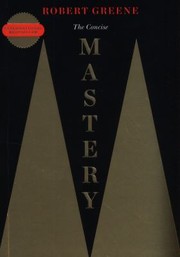
Robert Greene · 2012

How masters from Leonardo to Faraday found a life's task and served apprenticeships.

“Mostly detailed historical biographical tales of ”masters” like DaVinci, Darwin, Mozart, Proust, Goethe, Wright Brothers, Einstein, Coltrane, Martha Graham, etc. Lessons dissected from their successes, and categorized. Similar format to his great book “48 Laws of Power”, but a little less effective here. The biographies were interesting, but lessons were mostly conventional wisdom.” — Derek Sivers

Source: Derek Sivers book notes (primary, rated list) · Rating: 5/10

Recommended by: Derek Sivers, Nat Eliason, Ryan Holiday and 6 others
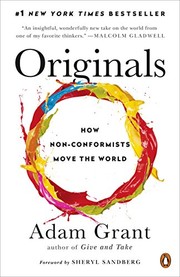
Adam Grant · 2016

How people champion new ideas, and how leaders can encourage originality.

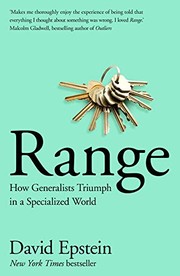
David Epstein · 2019

Early specialisation works only where rules are stable; elsewhere breadth wins.

“In the book Range: Why Generalists Triumph in a Specialist World2, author David Epstein argues that many fields have gone so overboard with specialization that generalists are now the more valuable problem solvers.” — Bill Nygren

Source: Bill Nygren Market Commentary | 2Q19

Recommended by: Bill Gates, Bill Nygren, Michael Mauboussin and 12 others
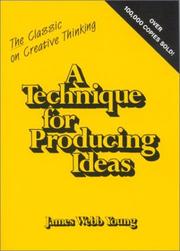
James Webb Young · 1940

A short method for producing creative ideas.

Recommended by: Patrick O'Shaughnessy
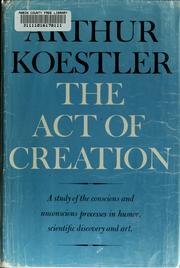
Arthur Koestler · 1964

Creativity in humour, science and art as 'bisociation': joining two unrelated frames.

Jerome Bruner · 1966

Essays toward a theory of teaching built on what is known about human growth.

Recommended by: Patrick Collison
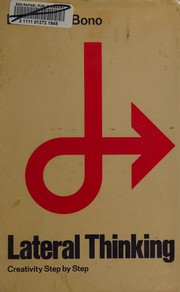
Edward de Bono · 1970

A textbook of creative thinking.

“I haven't read it in decades, but Edward de Bono, Six Thinking Hats, he also had, I believe, a book called Lateral Thinking, which I found helpful.” — Tim Ferriss

Source: The Tim Ferriss Show Transcripts: Daredevil Michelle Khare — How to Become a YouTube Superstar, Open Impossible Doors (FBI, Secret Service, etc.), Craft Jedi-Level Cold Emails, and Use Fear-Setting to Change Your Life (#860)

Recommended by: Patrick O'Shaughnessy, Tim Ferriss
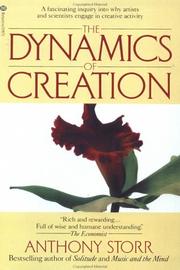
Anthony Storr · 1972

What drives artists and scientists to create, and why it is not neurosis.

Recommended by: Patrick Collison

Tony Buzan · 1974

Mind-mapping techniques to raise intelligence and creativity.

Recommended by: Mohnish Pabrai
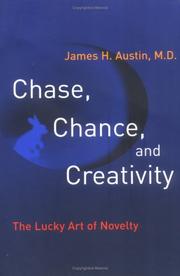
James H. Austin · 1978

A neurologist on the kinds of luck behind scientific discovery.

“wrote an outstanding book called Chase, Chance, and Creativity … It's the best book I've read on the role of luck, chance, and serendipity” — Marc Andreessen

Source: Luck and the Entrepreneur: The four kinds of luck, blog.pmarca.com

Recommended by: Marc Andreessen

Keith Johnstone · 1979

Improvisation techniques and exercises for training spontaneity and storytelling.

Recommended by: Patrick O'Shaughnessy
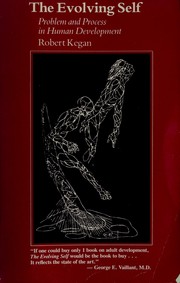
Robert Kegan · 1982

How thought and emotion are integrated as people develop through life.

Recommended by: Ray Dalio
Howard Gardner · 1983

The theory of multiple intelligences.

Recommended by: Charles Koch

James E. Loehr · 1986

How athletes train the mind to perform at critical moments.

“I somehow found a book called Mental Toughness Training for Sports by a guy named James Loehr, spelled L-O-E-H-R, who Josh Waitzkin actually also knows.” — Tim Ferriss

Source: The Tim Ferris Show Transcripts: Steve Young, from Super Bowl MVP to Managing Billions — Hall of Fame 49ers Quarterback on High Performance, Reinvention, Faith, and How to Blend Dreams and Plans (#847)

Recommended by: Tim Ferriss

Robert Kegan · 1994

Whether adults can meet the mental demands of modern life.

Recommended by: Graham Duncan, Ray Dalio

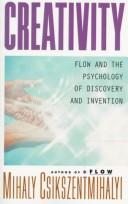
Mihaly Csikszentmihalyi · 1996

What leads to creative moments, for artists at the easel or scientists in the lab.

Recommended by: Patrick O'Shaughnessy
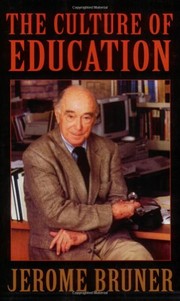
Jerome Bruner · 1996

How education can bring children into their culture, using cultural psychology.

Recommended by: Patrick Collison
Warren Bennis · 1997

Why some groups of talented people achieve greatness and others never do.

Dean Keith Simonton · 1999

Creative genius explained as a Darwinian process of variation and selection.

Recommended by: Patrick Collison
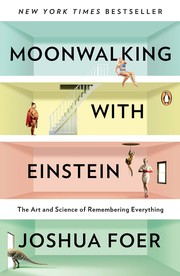
Joshua Foer · 2000

A journalist learns memory techniques and wins the US Memory Championship.

“For those fascinated with memory. Riveting page-turner about a journalist (with no particularly good memory) who went to cover a memory championship event. Intrigued and befriending some competitors, he starts practicing, and a year later wins the U.S. memory championship event himself. Inspiring dive into the subject of memorization.” — Derek Sivers

Source: Derek Sivers book notes (primary, rated list) · Rating: 8/10

Recommended by: Bill Gates, Derek Sivers, Mohnish Pabrai and 5 others
Alison Gopnik · 2000

What cognitive science shows about how much babies know and learn.

Recommended by: Steve Jurvetson
Frans Johansson · 2004

Why innovation comes where fields, industries and cultures meet.

Recommended by: Mohnish Pabrai
Daniel Pink · 2005

Why creative, holistic right-brain thinkers will lead the future economy.

Recommended by: Ray Dalio
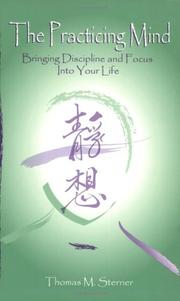
Thomas Sterner · 2006

How present-moment awareness brings discipline and focus to everyday life.

“Great simple philosophy: Life itself is one long practice session. Everything in life worth achieving requires practice. Practice is not just for artistic or athletic skill, but practicing patience, practicing communication, practicing anything you do in life. The process/practice itself is the real goal, not the outcome.” — Derek Sivers

Source: Derek Sivers book notes (primary, rated list) · Rating: 8/10

Recommended by: Derek Sivers, Nat Eliason
Mario Tokoro · 2007

Conference papers on creativity and the neuroscience of the brain.

Recommended by: Ray Dalio
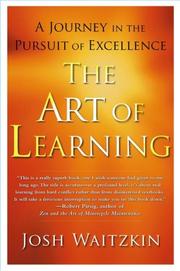
Josh Waitzkin · 2007

What a chess prodigy turned tai chi champion learned about learning itself.

“Chess master becomes Tai Chi master, realizes his real genius is learning, and shares his insights and stories.” — Derek Sivers

Source: Derek Sivers book notes (primary, rated list) · Rating: 7/10

Recommended by: David Perell, Derek Sivers, Nat Eliason and 6 others
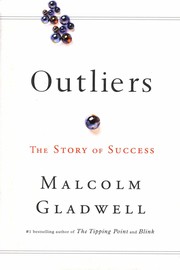
Malcolm Gladwell · 2008

How timing, culture and accumulated advantage explain exceptional success.

“Deep study of why some people are so much more successful. Often due to circumstances and early opportunities, but really comes down to the fact that it takes about 10,000 hours of hard work to master something.” — Derek Sivers

Source: Derek Sivers book notes (primary, rated list) · Rating: 5/10

Recommended by: Derek Sivers, Howard Marks and 11 others
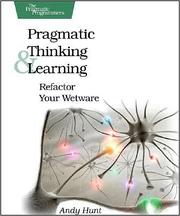
Andy Hunt · 2008

Cognitive science and learning theory applied to thinking and learning better.

“A great curated collection of facts about how to learn effectively and think clearly. Since it's written by a programmer, it makes many computer analogies that fellow programmers will appreciate. Non-programmers might feel a little left out.” — Derek Sivers

Source: Derek Sivers book notes (primary, rated list) · Rating: 5/10

Recommended by: Derek Sivers, Nat Eliason
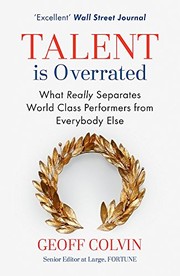
Geoffrey Colvin · 2008

Deliberate practice, not innate talent, explains world-class performance.

“Talent is not innate - it comes from thousands of hours of deliberate practice: focused improving of your shortcomings. That's it. If you can get past the first 20% of the book that just asks questions, the next 60% is quite good.” — Derek Sivers

Source: Derek Sivers book notes (primary, rated list) · Rating: 6/10

Recommended by: Derek Sivers, Michael Mauboussin and 3 others
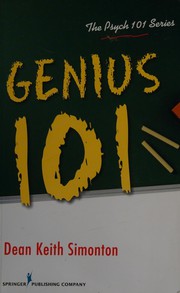
Dean Keith Simonton · 2009

What genius is and how it appears in art, science and other fields.

Recommended by: Mohnish Pabrai
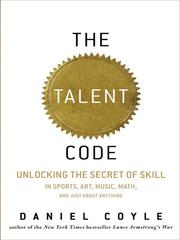
Daniel Coyle · 2009

How talent is grown, not born, through a brain mechanism training can tap.

“A great book showing that deep practice - (struggling in certain targeted ways - operating at the edges of your ability, where you make mistakes - experiences where you're forced to slow down, make errors, and correct them) - is what really makes you improve at anything.” — Derek Sivers

Source: Derek Sivers book notes (primary, rated list) · Rating: 8/10

Recommended by: Derek Sivers, Michael Mauboussin and 5 others
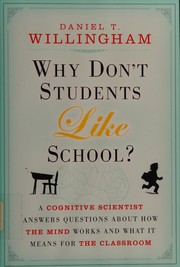
Daniel T. Willingham · 2009

What cognitive science says about how students learn, for classroom teachers.

Recommended by: Bill Gates
Matthew Syed · 2010

A former Olympian on what sport reveals about talent, practice and excellence.

Recommended by: The Barefoot Investor

Sam Sheridan · 2010

The mental side of professional fighting, from a writer who stepped into the ring.

Recommended by: Nat Eliason
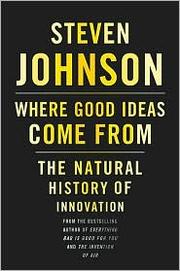
Steven Johnson · 2010

Seven patterns, such as the adjacent possible, in the settings that produce ideas.

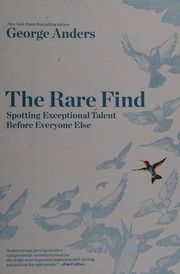
George Anders · 2011

How organisations find exceptional talent before others do.

Recommended by: Mohnish Pabrai
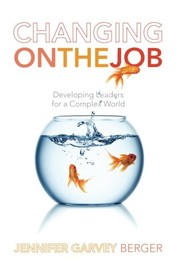
Jennifer Garvey Berger · 2012

How leaders can grow to solve more complex problems.

Recommended by: Graham Duncan
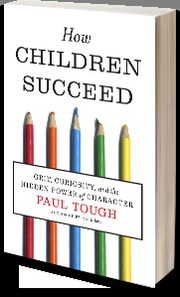
Paul Tough · 2012

Why character, grit and curiosity matter more to children's success than test scores.

Recommended by: Mohnish Pabrai, Bill Gates
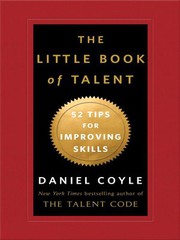
Daniel Coyle · 2012

Field-tested tips for improving skills in sport, music, art, maths and business.

“First he wrote The Talent Code, which I also highly recommend, then he distilled all that research about deliberate practice into 52 actionable tips. Amazing and inspiring, you can read the whole thing in 90 minutes, then get to work!” — Derek Sivers

Source: Derek Sivers book notes (primary, rated list) · Rating: 8/10

Recommended by: Derek Sivers, Nat Eliason, David Cancel
Shari Lesser Wenk, Tim Grover · 2013

The traits that let top performers thrive under pressure and keep going.

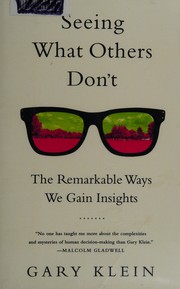
Gary Klein · 2013

When, why and how insights form, and what blocks them.

“I really wanted to like this book, but couldn't stomach the writing style. Instead of presenting his conclusions, you have to slog forever through his tales of how he went about his research, and how he felt about each step along the way to writing this book. I couldn't finish it.” — Derek Sivers

Source: Derek Sivers book notes (primary, rated list) · Rating: 0/10

Recommended by: Derek Sivers, Mohnish Pabrai
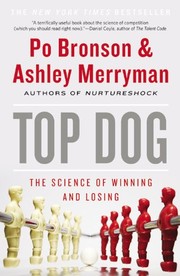
Po Bronson, Ashley Merryman · 2013

What genetics, neuroscience and psychology reveal about how people compete.

Recommended by: Ran Segall

Benedict Carey · 2014

What research shows about how people learn, against common study habits.

Recommended by: Nat Eliason
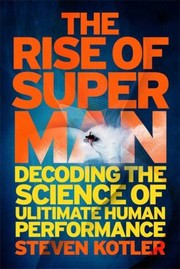
Steven Kotler · 2014

How extreme-sports athletes use flow states to push performance further.

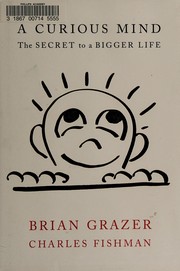
Brian Grazer · 2015

How curiosity and asking questions improve work and relationships.

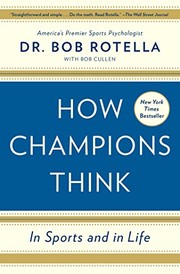
Bob Rotella · 2015

A sports psychologist on how champions think, in sport and in life.

Recommended by: Mohnish Pabrai
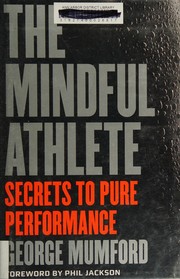
George Mumford · 2015

The mindfulness methods of a coach to NBA stars, Michael Jordan among them.

Recommended by: Arianna Huffington
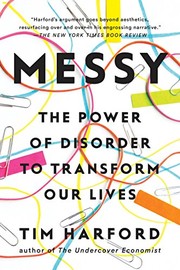
Tim Harford · 2016

The benefits of disorder at home, at work and in the classroom.

Recommended by: Zoë Foster Blake
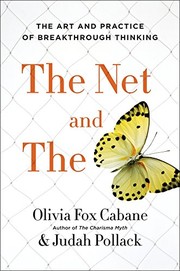
Olivia Fox Cabane · 2017

Ways to encourage innovative thinking.

Recommended by: Safi Bahcall

Melissa A. Schilling · 2018

What sets apart serial innovators, from the lives of eight of them.

Recommended by: Keith Rabois
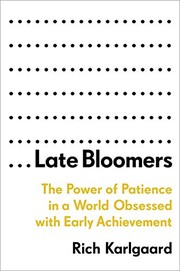
Rich Karlgaard · 2019

Why finding one's way later in life can be an advantage.

Recommended by: Arianna Huffington

Judd Biasiotto

A powerlifter's guide to the mental training behind world-class strength.

Recommended by: Nat Eliason

Edward de Bono

A method of parallel thinking that lets groups think together in coordinated steps.

Recommended by: Tim Ferriss

Denise Shekerjian

The creative process, from interviews with 40 winners of MacArthur fellowships.

Recommended by: Guy Kawasaki

More psychology and behaviour