
Education and Learning
Schools and universities as institutions, plus the science and practice of learning, teaching, deliberate practice and language acquisition. Read by teachers, parents, policy people and self-directed learners.
Start here
- MindsetCarol S. Dweck, 2006
- Creating a Learning Society: A New Approach to Growth, Development, and Social ProgressBruce Greenwald, Joseph E. Stiglitz, 2014
- The Coddling of the American MindGreg Lukianoff, Jonathan Haidt, 2018
- RangeDavid Epstein, 2019
- Thinking PhysicsLewis Carroll Epstein, 1979
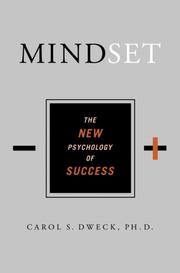
People who think ability grows with effort learn more than those who think it fixed.
“One of the reasons I loved Mindset is because it's solutions-oriented.” — Bill Gates
Source: Gates Notes review of Mindset
Recommended by: Bill Gates, Derek Sivers, Michael Mauboussin and 16 others
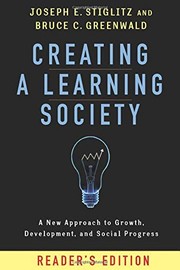
Living standards rise through learning, and how policy can make economies learn.
“For a wonderful book that builds on Arrow’s research, see Joseph E. Stiglitz and Bruce C. Greenwald, Creating A Learning Society: A New Approach to Growth, Development, and Social Progress (New York: Columbia University Press, 2014)” — Michael Mauboussin
Source: Increasing Returns: Identifying Forms of Increasing Returns and What Drives Them, page 16
Recommended by: Michael Mauboussin
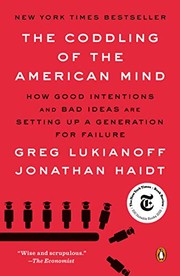
Three false beliefs taught to young Americans, and how they harm their minds.
“A good companion read to "Winner Takes All".” — Vinod Khosla
Source: 2019 Book Recommendations — Vinod Khosla, Medium
Recommended by: Vinod Khosla, Eric Weinstein, Julian Shapiro and 1 other
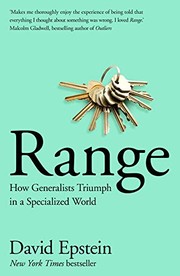
Early specialisation works only where rules are stable; elsewhere breadth wins.
“In the book Range: Why Generalists Triumph in a Specialist World2, author David Epstein argues that many fields have gone so overboard with specialization that generalists are now the more valuable problem solvers.” — Bill Nygren
Source: Bill Nygren Market Commentary | 2Q19
Recommended by: Bill Gates, Bill Nygren, Michael Mauboussin and 12 others
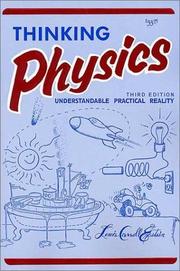
Several hundred multiple-choice physics questions, each with an explanation.
“There's another great book that's called Thinking Physics. I open this one all the time.” — Naval Ravikant
Source: The Knowledge Project (Farnam Street) — 'Naval Ravikant: The Angel Philosopher', full transcript
Recommended by: Naval Ravikant
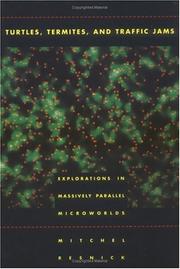
Computer tools that help people, even children, explore how complex systems work.
“The first challenge to the centralized mindset comes from a delightful book by MIT Professor Mitchel Resnick, “Turtles, Termites, and Traffic Jams.” — Michael Mauboussin
Source: The Invisible Lead Steer: New Answers to Old Questions About the Stock Market, page 3
Recommended by: Michael Mauboussin
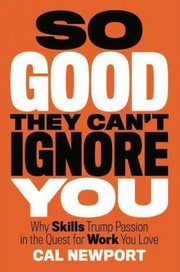
Why building rare and valuable skills makes a better career than following passion.
“Shockingly smart thoughts about your career. A must-read for anyone who is not loving their work, wanting to quit their job, and follow their passion, or not sure what to do next. I'm recommending this many times a week to people who email me with these kinds of questions. Best book I've ever read on the subject. See https://commoncog.com/blog/so-good-they-cant-ignore-you/ for a better summary.” — Derek Sivers
Source: Derek Sivers book notes (primary, rated list) · Rating: 8/10
Recommended by: Derek Sivers, Nat Eliason, Alexis Ohanian and 3 others
How countries catch up through deliberate, policy-driven technological learning.
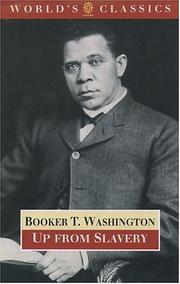
An educator's autobiography, from slavery in the South to national leadership.
Recommended by: Ryan Holiday
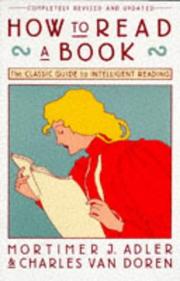
A method for reading hard books for understanding, not just information.
“Light? No. Serious. Very serious and scholarly. Advises to read books that are above your current ability. A very specific methodology is given. Read books twice, ask questions while reading, answer those questions, then summarize and criticize afterwards. The point is to grow up to the level of the author.” — Derek Sivers
Source: Derek Sivers book notes (primary, rated list) · Rating: 7/10
Recommended by: Derek Sivers, Mohnish Pabrai, Alex and Books and 3 others
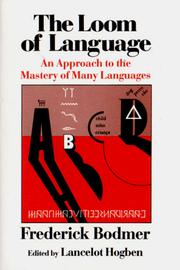
A guide to learning more than one language, focused on Europe's languages.
“There's one, it's a bit dense; there are some things to be taken from it called the Loom of Language.” — Tim Ferriss
Source: The Tim Ferriss Show Transcripts: Drunk Dialing — Ladies Night Edition (#197)
Recommended by: Tim Ferriss, Eric Weinstein
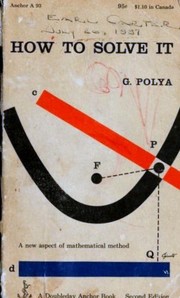
A guide to the method of solving mathematical problems.
Recommended by: Patrick Collison
The autobiography of an educator who shaped American medical education.
Recommended by: Mohnish Pabrai
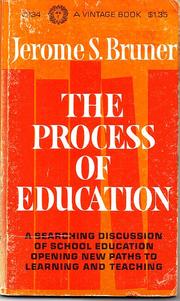
Why young children can grasp the basic ideas of science and the humanities early.
Recommended by: Patrick Collison
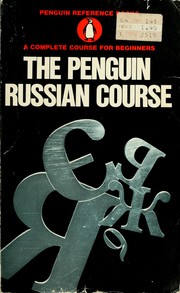
A critique of the philosophies behind American education.
Recommended by: Peter Thiel
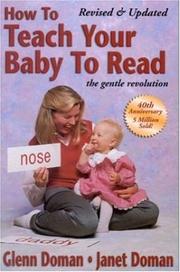
Recommended by: Naval Ravikant
A standard textbook of the elements of New Testament Greek.
Recommended by: Susan J. Fowler
Recommended by: Eric Weinstein
Essays toward a theory of teaching built on what is known about human growth.
Recommended by: Patrick Collison
The argument that universal schooling fails and that schools should be abolished.
Recommended by: Ana Fabrega
A teacher's account of teaching in an American junior high school.
Recommended by: Patrick Collison
Recommended by: Patrick Collison
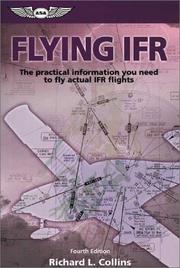
A practical handbook on flying by instruments.
Recommended by: Patrick Collison
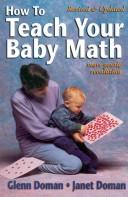
Simple steps for teaching mathematics to children from birth to six.
Recommended by: Naval Ravikant
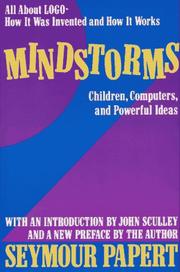
The case for teaching children computing, with LOGO, to learn mathematics.
Recommended by: Patrick Collison, Diana Kimball
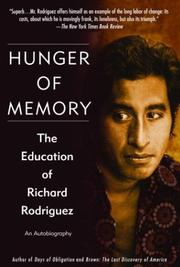
A Mexican-American's education and his views on bilingual education.
Recommended by: Sam Altman

A flight manual on making better landings.
Recommended by: Patrick Collison
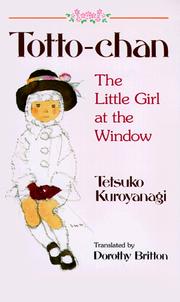
Childhood memories of an ideal school in railway carriages in wartime Tokyo.
Recommended by: Ryan Holiday
How computers could change schools, and why a decade of them changed so little.
Recommended by: Patrick Collison
Essays on language, education, mass media and the social effects of technology.
Recommended by: Patrick Collison
Recommended by: Patrick Collison
A handbook for parents to train children of nine and up in effective thinking.
“Edward de Bono wrote a great book, Teach Your Child How To Think, that encourages parents to teach their kids the different "thinking hats.” — Ana Fabrega
Source: Fab Fridays 74: Thinking Hats - by Ana Lorena
Recommended by: Ana Fabrega
A course from beginner to intermediate Hindi, in 24 chapters of dialogues.
Recommended by: Eric Weinstein
A phrasebook, dictionary and beginner's course in Indonesian.
Recommended by: Eric Weinstein

Questions and answers for the FAA oral exam for an instrument rating.
Recommended by: Patrick Collison
Second-language acquisition as a window on language, mind and brain.
“There's also a book called In Other Words, just for people out there - since people will be listening to this - who may not think as adults they're well equipped to learn languages, In Other Words, which is co-authored by someone named Hakuta, H-A-K-U-T-A.” — Tim Ferriss
Source: The Tim Ferriss Show Transcripts: Drunk Dialing — Ladies Night Edition (#197)
Recommended by: Tim Ferriss
How information technology makes continuous training of employees a business need.
Recommended by: Mohnish Pabrai
A beginner's guide to Japanese verbs and grammar, in 46 units.
Recommended by: Tim Ferriss
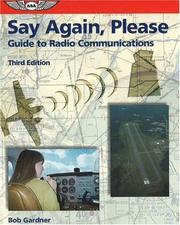
A pilot's guide to radio communications and the air traffic control system.
Recommended by: Patrick Collison
Multiculturalism and political intolerance on campus.
TRIZ, a method for solving technical problems through invention.
Recommended by: Patrick Collison
A critic returns to college in middle age to read the great books again.
Recommended by: Mohnish Pabrai
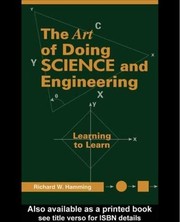
Lessons on doing science and engineering, and on thinking about their future.
Recommended by: Bret Victor, Patrick Collison, Keith Rabois
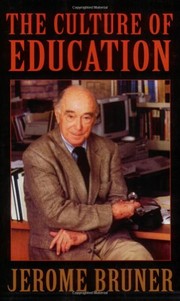
How education can bring children into their culture, using cultural psychology.
Recommended by: Patrick Collison
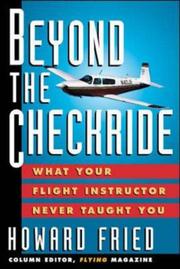
Piloting lessons that flight instructors leave out.
Recommended by: Patrick Collison
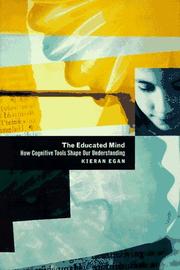
A new idea of education built on intellectual tools such as language and literacy.
Recommended by: Patrick Collison
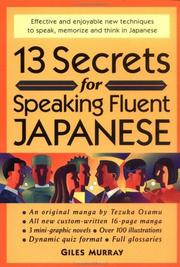
Techniques for speaking natural, fluent Japanese.
“The first is probably for people who speak more intermediate Japanese, so you'd want some basics first. It is 13 Secrets for Speaking Fluent Japanese. This is by Giles Murray.” — Tim Ferriss
Source: The Tim Ferriss Show Transcripts: Lessons Learned Traveling the World (#315)
Recommended by: Tim Ferriss
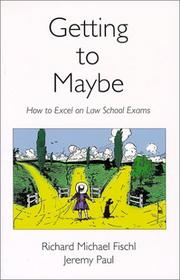
How law school exams work and how to get better grades.
Recommended by: Nick Szabo
Recommended by: Patrick Collison
Problems, strategies and techniques for skill at mathematical problem solving.
Recommended by: Patrick Collison
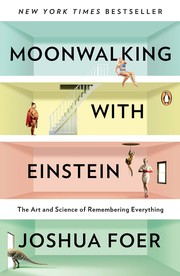
A journalist learns memory techniques and wins the US Memory Championship.
“For those fascinated with memory. Riveting page-turner about a journalist (with no particularly good memory) who went to cover a memory championship event. Intrigued and befriending some competitors, he starts practicing, and a year later wins the U.S. memory championship event himself. Inspiring dive into the subject of memorization.” — Derek Sivers
Source: Derek Sivers book notes (primary, rated list) · Rating: 8/10
Recommended by: Bill Gates, Derek Sivers, Mohnish Pabrai and 5 others
An introduction to programming focused on the design process, not a language.
Recommended by: Paul Graham
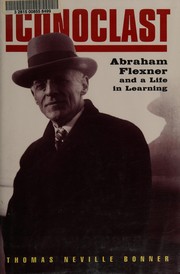
Abraham Flexner's life in education, up to founding the Institute for Advanced Study.
Recommended by: Mohnish Pabrai
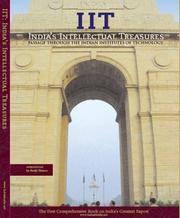
The history of the Indian Institutes of Technology, in text and photographs.
Recommended by: Mohnish Pabrai
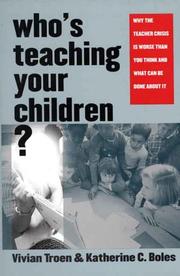
Why the shortage of qualified teachers is getting worse, and affordable solutions.
Recommended by: Bill Gates
Recommended by: Patrick Collison
One hundred passages of advice on how to care for, respect and love every child.
Recommended by: Tim O’Reilly
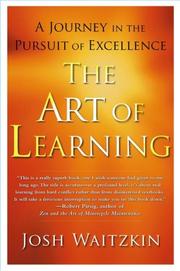
What a chess prodigy turned tai chi champion learned about learning itself.
“Chess master becomes Tai Chi master, realizes his real genius is learning, and shares his insights and stories.” — Derek Sivers
Source: Derek Sivers book notes (primary, rated list) · Rating: 7/10
Recommended by: David Perell, Derek Sivers, Nat Eliason and 6 others
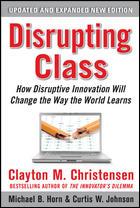
How disruptive innovation is changing the way people learn and schools work.
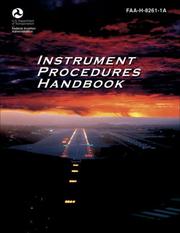
A pilot's reference for instrument flight: charts, approaches and landing procedures.
Recommended by: Patrick Collison
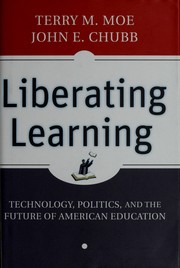
How technology may change American schools despite the interests that resist it.
Recommended by: Bill Gates
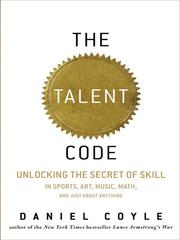
How talent is grown, not born, through a brain mechanism training can tap.
“A great book showing that deep practice - (struggling in certain targeted ways - operating at the edges of your ability, where you make mistakes - experiences where you're forced to slow down, make errors, and correct them) - is what really makes you improve at anything.” — Derek Sivers
Source: Derek Sivers book notes (primary, rated list) · Rating: 8/10
Recommended by: Derek Sivers, Michael Mauboussin and 5 others
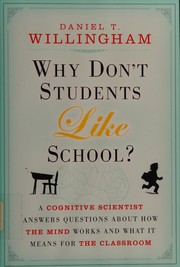
What cognitive science says about how students learn, for classroom teachers.
Recommended by: Bill Gates
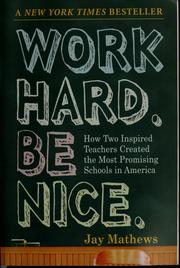
How two Teach for America teachers founded the KIPP charter schools.
Recommended by: Bill Gates
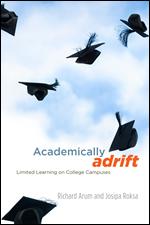
What survey, transcript and test data show about how much college students learn.
Recommended by: Bill Gates
How American schools spend their money, and whether it reaches students fairly.
Recommended by: Bill Gates
How schools and districts can save money while still serving students well.
Recommended by: Bill Gates
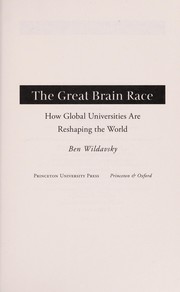
How global competition for the brightest students is transforming universities.
Recommended by: Mohnish Pabrai
How leading universities began giving away their course materials online.
Recommended by: Bill Gates
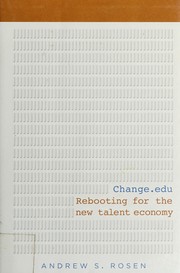
How for-profit colleges can educate students traditional universities shut out.
Recommended by: Bill Gates
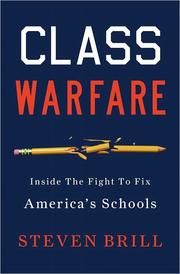
The fight among adults over why American public schools fail to educate children.
Recommended by: Bill Gates
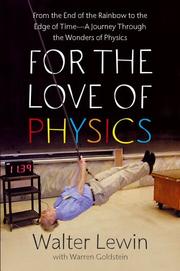
An MIT physicist's tour of physics from rainbows to the edge of time.
Recommended by: Bill Gates
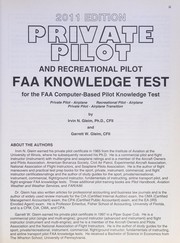
Study outlines and FAA questions for passing the private pilot knowledge test.
Recommended by: Patrick Collison
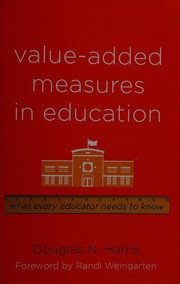
What value-added measures of teaching are and how educators should use them.
Recommended by: Bill Gates
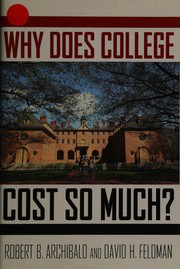
How to educate students for a fast-changing, borderless world.
Recommended by: Bill Gates
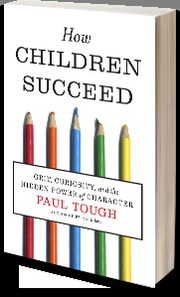
Why character, grit and curiosity matter more to children's success than test scores.
Recommended by: Mohnish Pabrai, Bill Gates
A fact for each day of the year, from a radio network's librarian.
Recommended by: Mohnish Pabrai, Alfred Lin
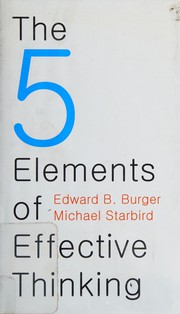
Practical ways to become more successful through better thinking.
“Short and brilliant book with tips on being a better thinker. Being persistent, thorough, rooted in fundamentals, creative, and a more active learner. Surprisingly inspiring.” — Derek Sivers
Source: Derek Sivers book notes (primary, rated list) · Rating: 8/10
Recommended by: Derek Sivers, Ran Segall, Ryan Hoover
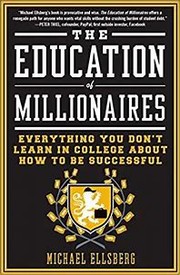
The skills for professional success that college does not teach.
Recommended by: Nat Eliason
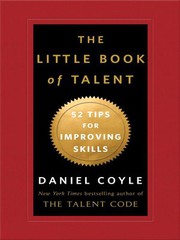
Field-tested tips for improving skills in sport, music, art, maths and business.
“First he wrote The Talent Code, which I also highly recommend, then he distilled all that research about deliberate practice into 52 actionable tips. Amazing and inspiring, you can read the whole thing in 90 minutes, then get to work!” — Derek Sivers
Source: Derek Sivers book notes (primary, rated list) · Rating: 8/10
Recommended by: Derek Sivers, Nat Eliason, David Cancel
A practical guide to discovering your talents and passions.
Recommended by: Tony Hsieh
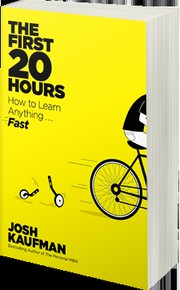
How to learn a new skill fast: break it down, practise well, remove barriers.
Recommended by: Nat Eliason, Justin Kan
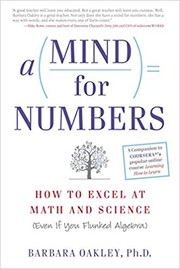
How to learn maths and science, from the course Learning How to Learn.
“Thought I was getting a book about math, but ended up being a surprisingly good book about learning in general. Main points are about diffused thinking vs focused thinking.” — Derek Sivers
Source: Derek Sivers book notes (primary, rated list) · Rating: 8/10
Recommended by: Derek Sivers, Mohnish Pabrai
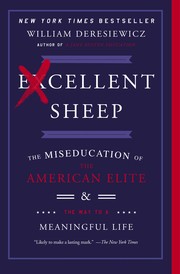
Why elite American colleges turn out bright conformists without direction.
Recommended by: Mohnish Pabrai, Nat Eliason
How the author learned six languages, and a method for anyone to do the same.
“Forget Rosetta Stone, Pimsleur, and the rest. I really believe this is the best way to learn another language, by far. Using the most up-to-date techniques and insights, and a unique emphasis on getting the sounds correct first. It's not easy, but it's much more effective than any other program or guide. Highly recommended if you're serious, and ready to do it.” — Derek Sivers
Source: Derek Sivers book notes (primary, rated list) · Rating: 7/10
Recommended by: Derek Sivers, Nat Eliason
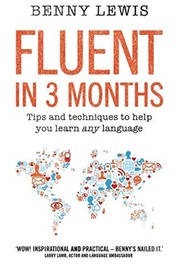
A method for learning a language fast without a great memory or a gift.
Recommended by: Nat Eliason
What research shows about how people learn, against common study habits.
Recommended by: Nat Eliason

How organisations learn, and why those that do not fall behind.
Recommended by: Ray Dalio
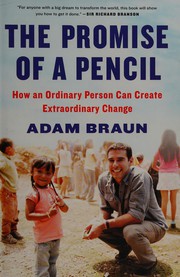
How a young man turned $25 into more than 200 schools around the world.
Recommended by: Jim Kwik, Richard Branson
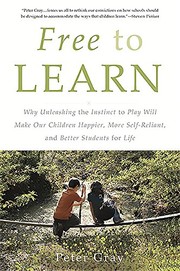
Why children learn best through free play, not school instruction.
“Free to Learn by Dr. Peter Gray: This is one of my absolute favorite books about education, parenting, and self-development.” — Ana Fabrega
Source: Fab Fridays 105: Fab Book Recs - by Ana Lorena
Recommended by: Ana Fabrega
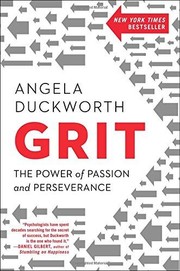
Why outstanding achievement comes from passion and persistence rather than talent.
“Grit is her word for persistence, focus, endurance, and constant improvement. Great thoughts on this point. If interested in it, also read the books here about deliberate practice.” — Derek Sivers
Source: Derek Sivers book notes (primary, rated list) · Rating: 7/10
Recommended by: Derek Sivers, Michael Mauboussin, Tom Bilyeu and 5 others
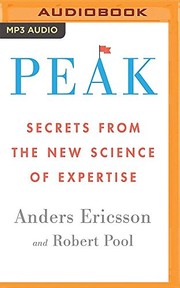
How experts in music, chess, medicine and sport excel through deliberate practice.
“After being quoted in many books, the guy who coined “deliberate practice”, and spent his career studying just that, finally writes his own take on it. But I've already loved “The Talent Code”, “The Little Book of Talent”, “Moonwalking with Einstein”, “Talent is Overrated”, and “Little Bets”, which are all about this same field. So I didn't get much new out of it, but if you haven't already read those, maybe start here at the horse's mouth.” — Derek Sivers
Source: Derek Sivers book notes (primary, rated list) · Rating: 7/10
Recommended by: Derek Sivers, Michael Mauboussin and 1 other
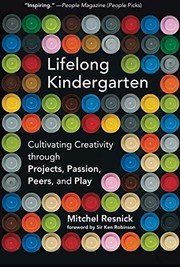
Why all schooling should be more like kindergarten: building, play and projects.
“Lifelong Kindergarten by Mitchel Resnick explores the why and how of creative thinking, why it's so important in today's world, and strategies to help kids develop as creative thinkers. Speaking of creative thinking...” — Ana Fabrega
Source: Fab Fridays 105: Fab Book Recs - by Ana Lorena
Recommended by: Ana Fabrega
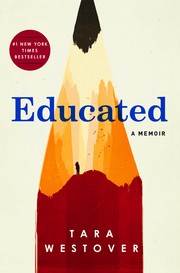
A woman leaves her survivalist family in Idaho for college and a doctorate.
Recommended by: Bill Gates, Ali Abdaal, Barack Obama and 4 others
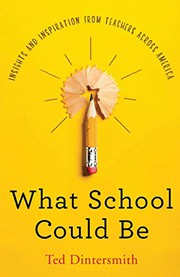
A trip to schools in all fifty states, and how education can be reimagined.
Recommended by: Ann Miura-Ko
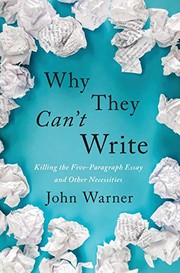
Why the five-paragraph essay and current teaching fail student writers.
“Why They Can't Write by John Warner: This is not just a book about writing...it's about teaching, learning, and what we can do to improve our education system. This is one of those books I like to revisit every year!” — Ana Fabrega
Source: Fab Fridays 105: Fab Book Recs - by Ana Lorena
Recommended by: Ana Fabrega
How students can make better choices about college and the work beyond it.
Recommended by: Arianna Huffington
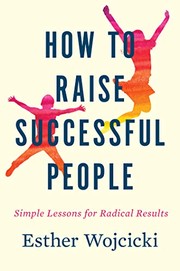
A teacher's methods for raising independent, successful children.
Recommended by: Ana Fabrega, Anne Wojcicki and 2 others
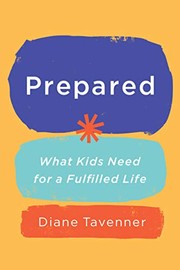
How parents can stop worrying about their children's future and help them prepare.
Recommended by: Bill Gates
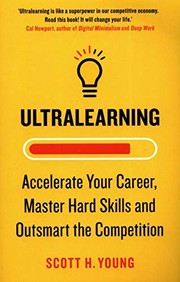
Techniques for teaching yourself hard skills fast, from a self-taught MIT curriculum.
Recommended by: Cal Newport

Khan Academy's founder on artificial intelligence in education and parenting.
Recommended by: Bill Gates
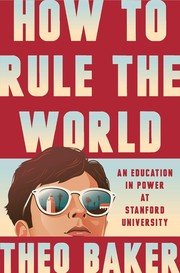
A student journalist's account of Silicon Valley hubris as seen from Stanford.
Recommended by: Brad Feld
A guide that teaches children how to be good with money.
Recommended by: The Barefoot Investor
The future of higher education, and what costly degrees mean for students.
Recommended by: Nat Eliason
How to apply design thinking to building a well-lived, joyful life.
Recommended by: Alfred Lin, Jenny Chu
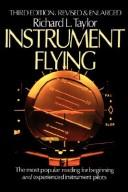
The FAA's handbook on flying by instruments.
Recommended by: Patrick Collison
How scales relate to chords, and other basics for jazz and pop musicians.
Recommended by: Tim Ferriss

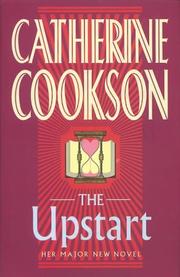
Five hundred Urdu verses and 10,000 Urdu words for lovers of the ghazal.
Recommended by: Mohnish Pabrai
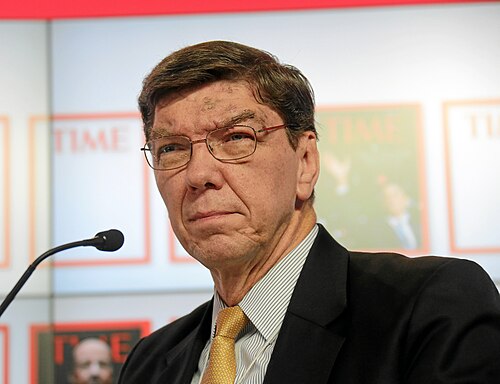 Clayton Christensenwrote 1 book here
 Peter Thielwrote 1 book here
 Joseph E. Stiglitzwrote 1 book here
 Cal Newportwrote 1 book here
 Patrick Collisonrecommends 31 books here
 Bill Gatesrecommends 21 books here
 Mohnish Pabrairecommends 16 books here
 Nat Eliasonrecommends 13 books here
 Derek Siversrecommends 12 books here
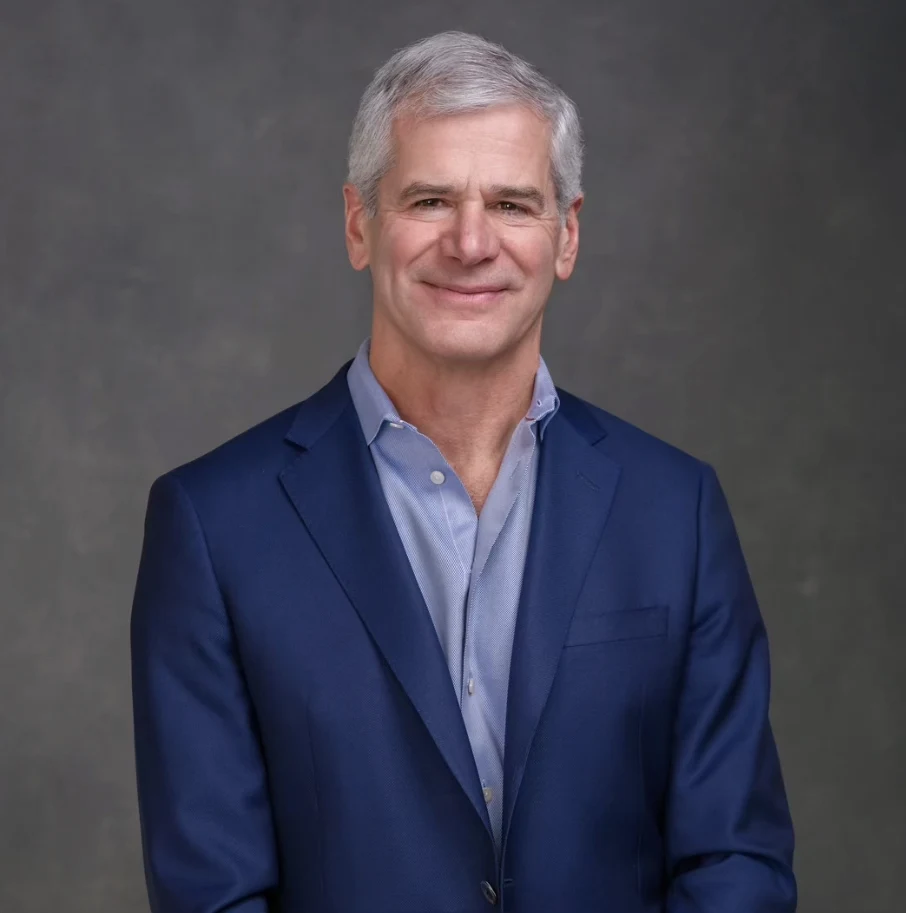 Michael Mauboussinrecommends 8 books here
 Eric Weinsteinrecommends 8 books here
 Tim Ferrissrecommends 8 books here
 Ana Fabregarecommends 7 books here
 Ryan Holidayrecommends 3 books here
 Naval Ravikantrecommends 3 books here
 Tobi Lütkerecommends 3 books here
Show all 85
 Abi Tyas Tunggalrecommends 2 books here
 Alfred Linrecommends 2 books here
 Arianna Huffingtonrecommends 2 books here
 Brené Brownrecommends 2 books here
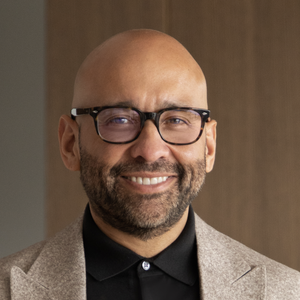 David Cancelrecommends 2 books here
 Jordan Hughesrecommends 2 books here
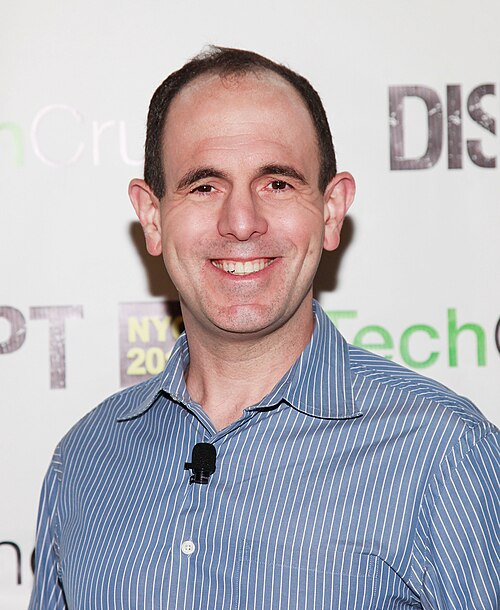 Keith Raboisrecommends 2 books here
 Mel Robbinsrecommends 2 books here
 Tom Bilyeurecommends 2 books here
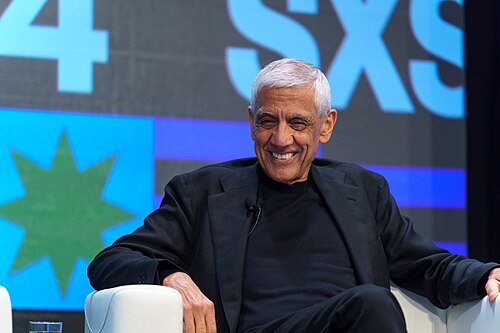 Vinod Khoslarecommends 2 books here
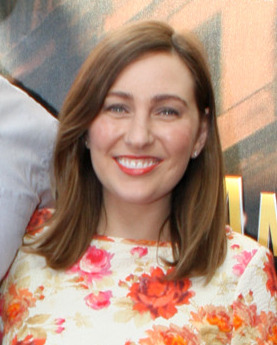 Zoë Foster Blakerecommends 2 books here
 Paul Grahamrecommends 1 book herePeter Thielrecommends 1 book here
 Ray Daliorecommends 1 book here
 Brad Feldrecommends 1 book here
 Kevin Kellyrecommends 1 book here
 Reid Hoffmanrecommends 1 book here
 Bill Nygrenrecommends 1 book here
 Safi Bahcallrecommends 1 book here
 Albert Wengerrecommends 1 book here
 Alexis Ohanianrecommends 1 book here
 Ann Miura-Korecommends 1 book here
 Anne Wojcickirecommends 1 book here
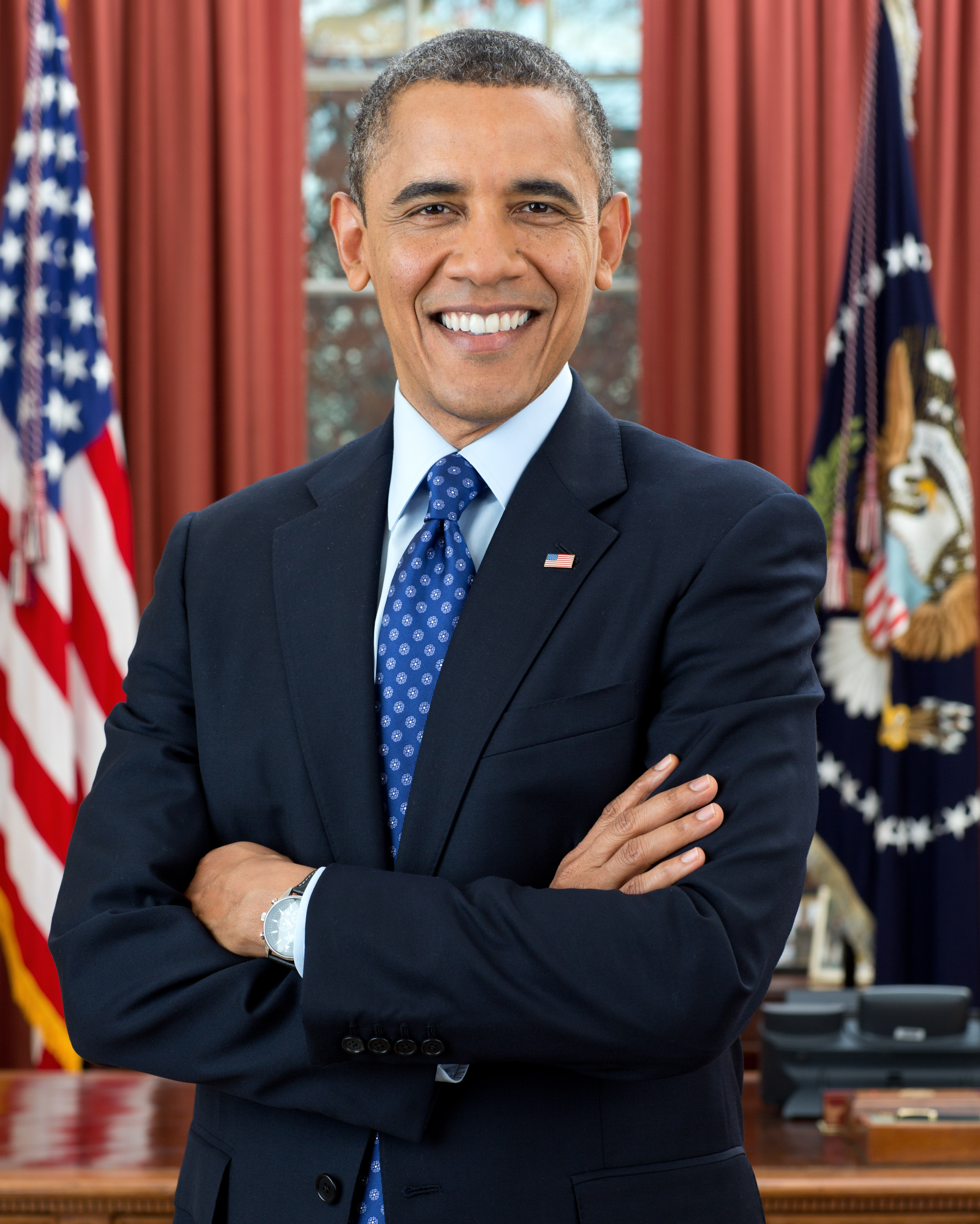 Barack Obamarecommends 1 book here
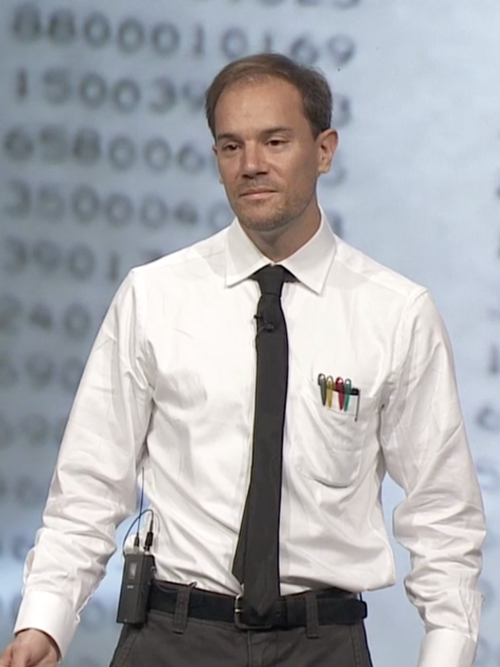 Bret Victorrecommends 1 book hereCal Newportrecommends 1 book here
 Changpeng Zhaorecommends 1 book here
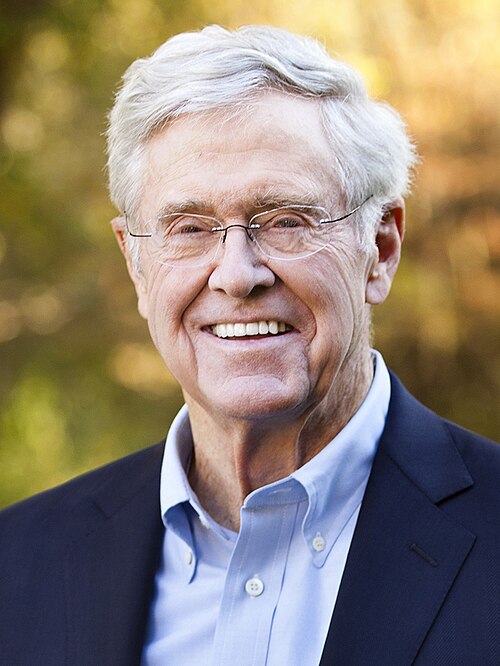 Charles Kochrecommends 1 book here
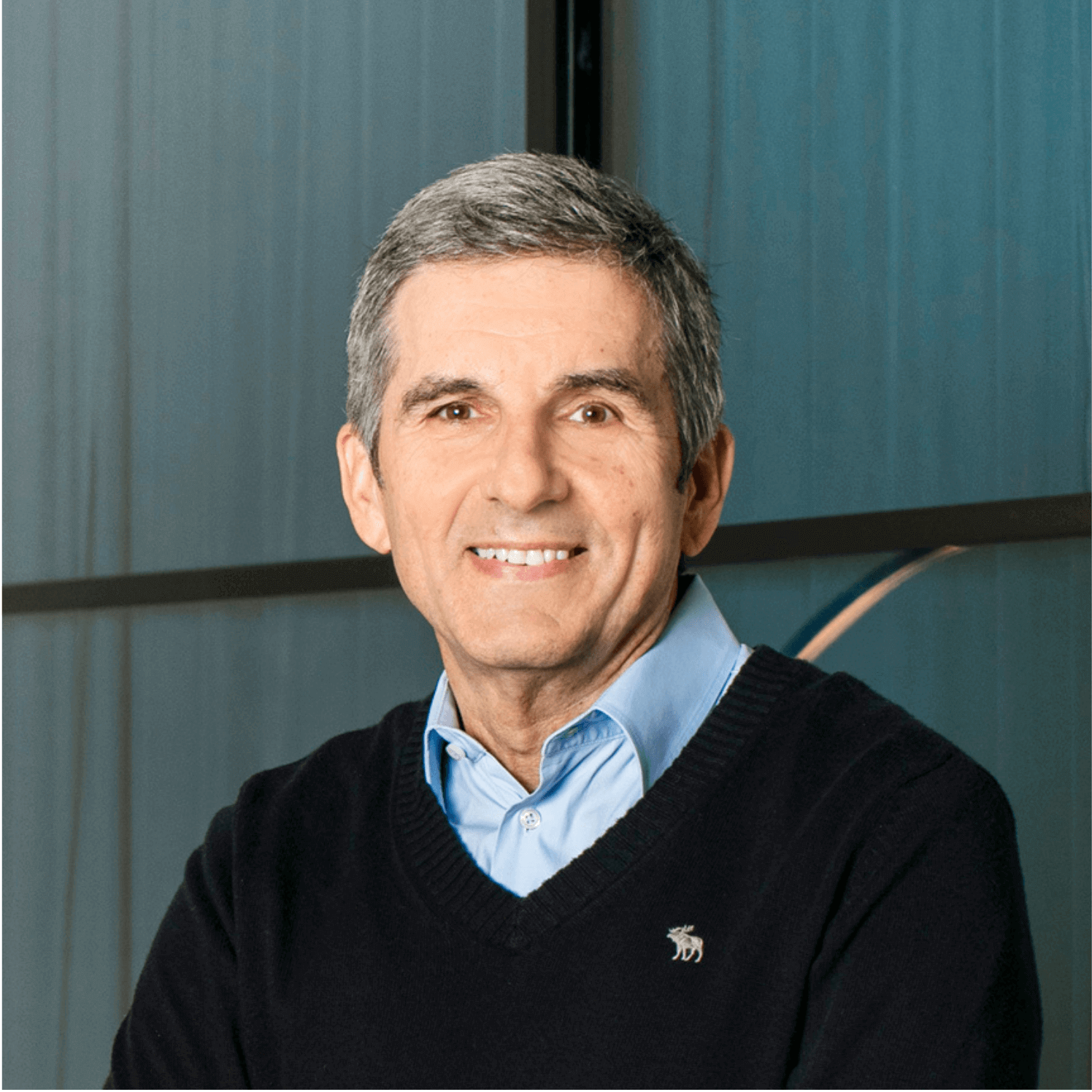 Daniel Petrerecommends 1 book here
 Diana Kimballrecommends 1 book here
 Ev Williamsrecommends 1 book here
 Jack Dorseyrecommends 1 book here
 James Altucherrecommends 1 book here
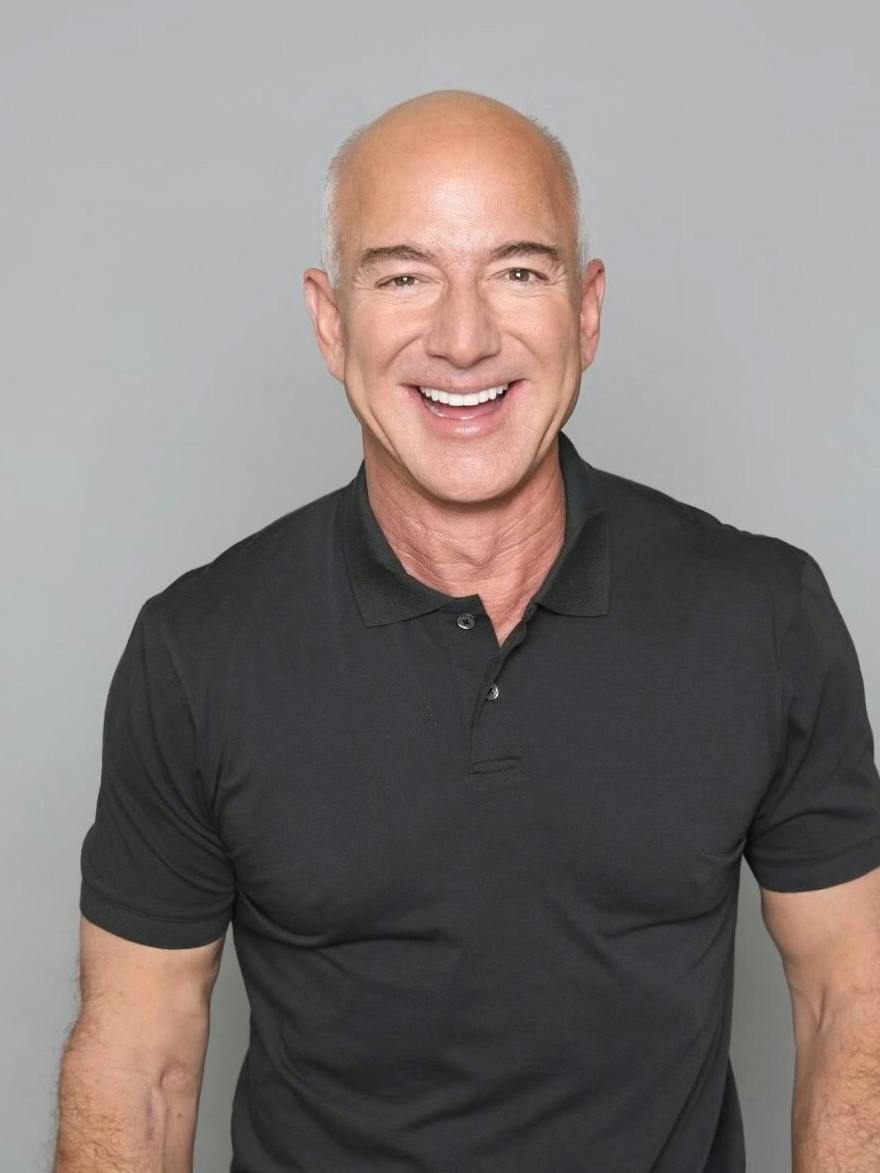 Jeff Bezosrecommends 1 book here
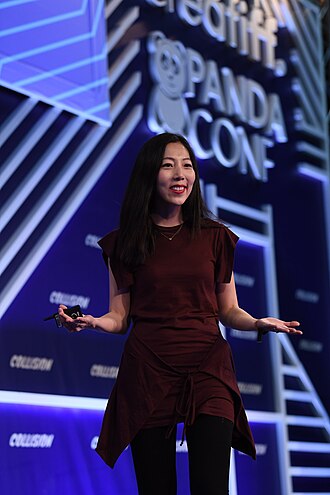 Julie Zhuorecommends 1 book here
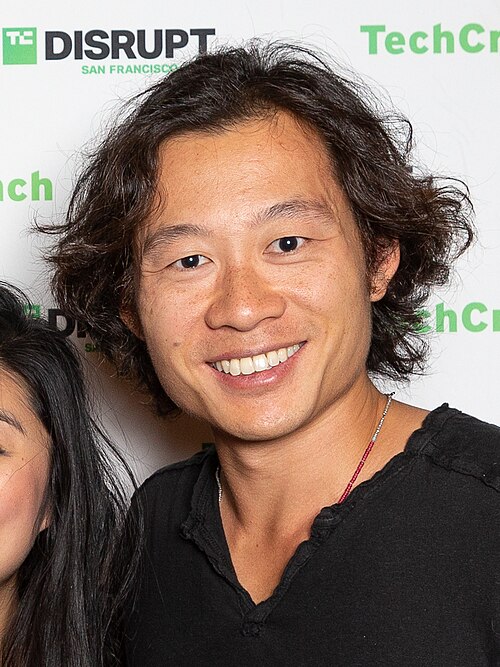 Justin Kanrecommends 1 book here
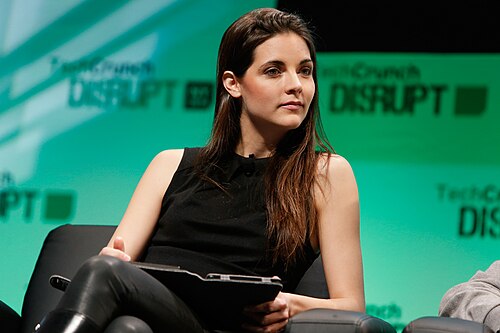 Kathryn Minshewrecommends 1 book here
 Kevin Systromrecommends 1 book here
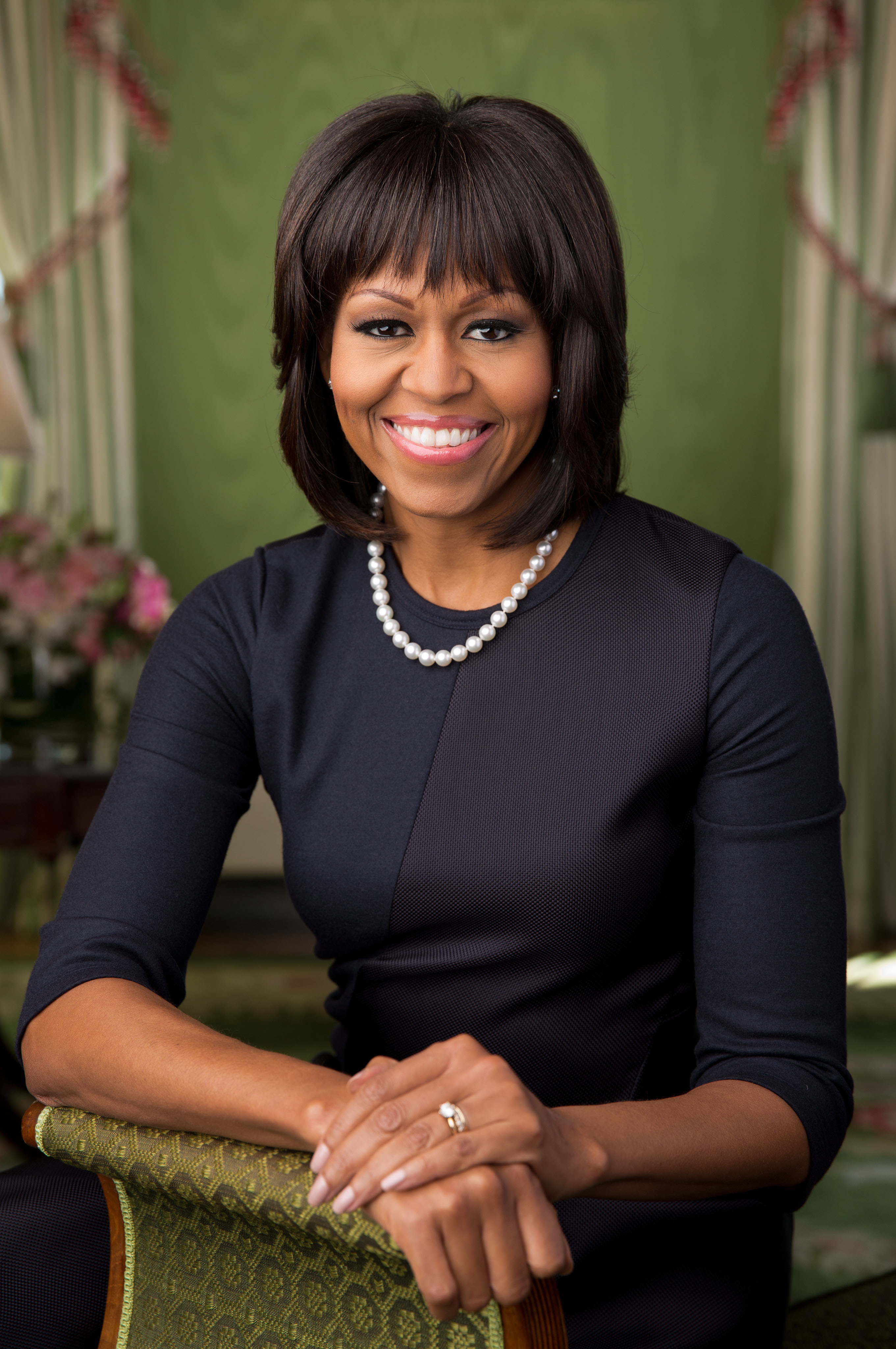 Michelle Obamarecommends 1 book here
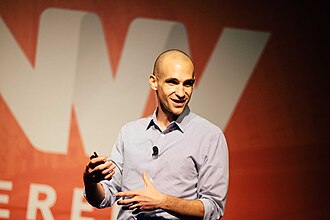 Nir Eyalrecommends 1 book here
 Oprah Winfreyrecommends 1 book here
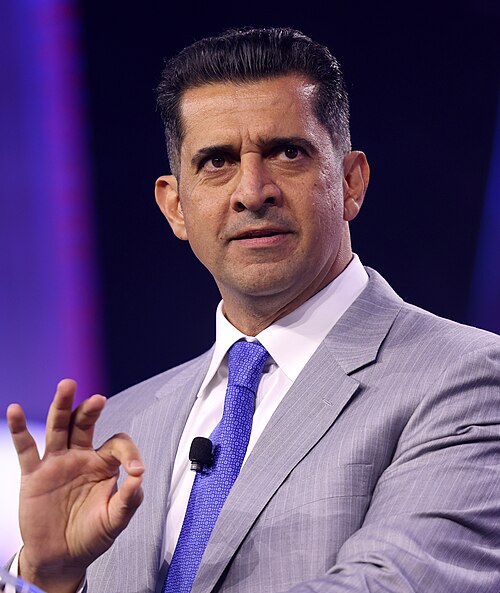 Patrick Bet-Davidrecommends 1 book here
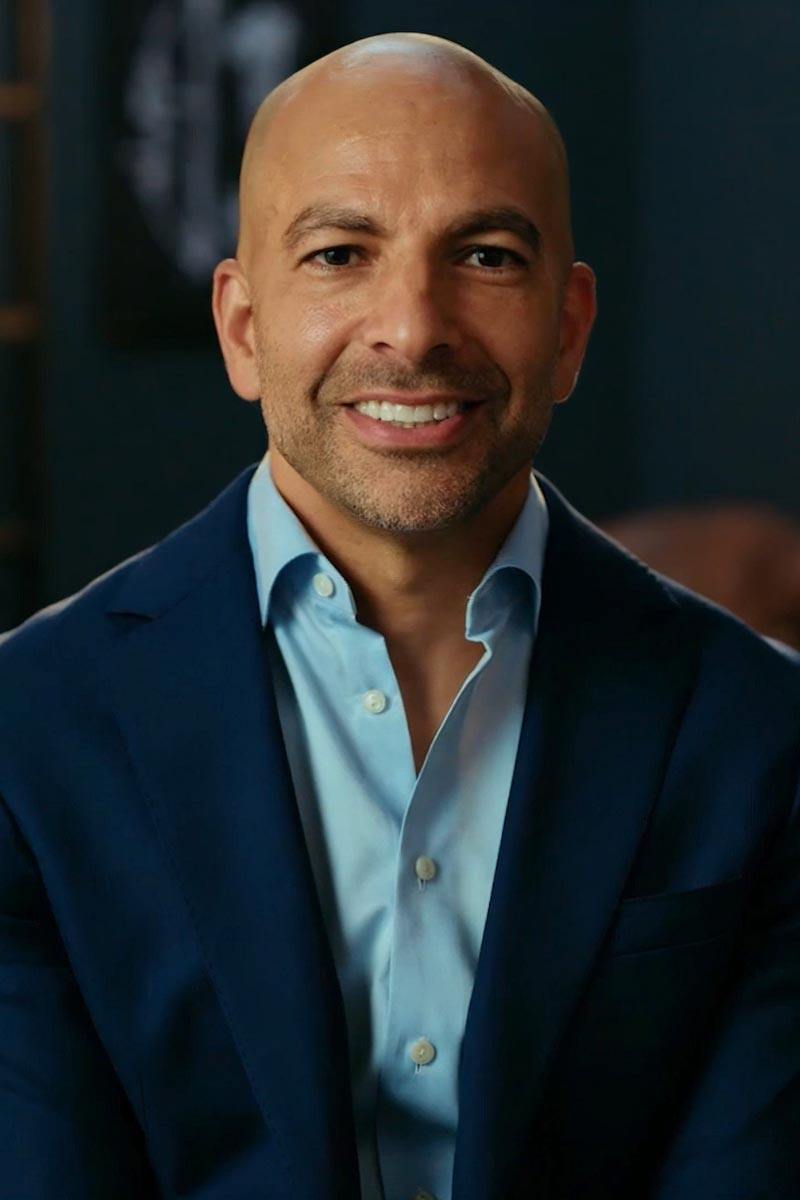 Peter Attiarecommends 1 book here
 Ran Segallrecommends 1 book here
 Reese Witherspoonrecommends 1 book here
 Richard Bransonrecommends 1 book here
 Ryan Petersenrecommends 1 book here
 Sam Altmanrecommends 1 book here
 Satya Nadellarecommends 1 book here
 Susan Cainrecommends 1 book here
 Susan J. Fowlerrecommends 1 book here
 Susan Wojcickirecommends 1 book here
 Tim O’Reillyrecommends 1 book here
 Tony Hsiehrecommends 1 book here
 Tony Robbinsrecommends 1 book here