
Reference Works
Manuals, handbooks, encyclopedias, style guides, field guides, directories and data compilations meant to be consulted rather than read through. Read by people who need a specific fact or procedure quickly.
Start here
- How to Lie with StatisticsDarrell Huff, 1954
- Antitrust LawRichard A. Posner, 1976
- Principles of Public Utility RatesJames C. Bonbright, 1961
- Cost Accounting: A Managerial EmphasisCharles T. Horngren, Srikant M. Datar, Madhav Rajan, 1962
- The Money MarketMarcia L. Stigum, 1978
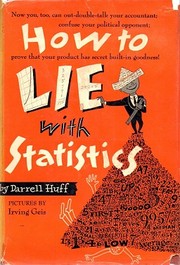
How biased samples, chosen averages and cut-off chart axes make numbers mislead.
“This puckish riff on how math can be manipulated is only 142 pages; most people could read it on a train ride or two, or in an afternoon at the beach. As light as the book is, however, it is nevertheless profound. In one short take after another, Huff picks apart the ways in which marketers use statistics, charts, graphics and other ways of presenting numbers to baffle and trick the public.” — Jason Zweig
Source: Best Books for Investors: A Short Shelf — jasonzweig.com
Recommended by: Bill Gates, Jason Zweig, Mohnish Pabrai and 7 others
Antitrust should rest on the economics of efficiency, not on protecting competitors.
The economic criteria for setting regulated utility rates.
The standard cost accounting text, built around costs that serve managers' decisions.
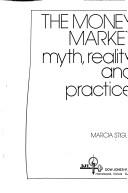
How the American money market works: bills, repo, commercial paper and Fed funds.
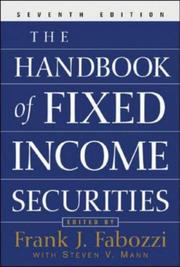
The standard reference on every kind of bond, its analysis and its management.
The economics of shipping: the market cycle, freight rates and vessel costs.
Recommended by: Patrick Collison
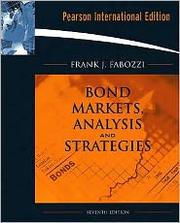
The standard text on bonds: instruments, valuation, risk and portfolio strategy.

How the music business works in contracts and money, from a music lawyer.
Predicting corporate failure with models like the Z-score, and how bankruptcy works.
Lease structures, residual values and tax treatment of equipment leasing.
Lending against a project's own cash flows, with limited recourse to its sponsors.
A reference on municipal bonds: credit analysis, structures and analytics.
A catalogue reviewing over 1,500 tools and what each one is good for.
Recommended by: John Doerr

A survey of what humans have known, era by era.
Recommended by: Jamie Dimon, Li Lu
A reference for individual bond investors: pricing, trading and each sector.
Real estate finance from property law to mortgages, underwriting and valuation.
A reference on how money moves in the music business: royalties and licensing.
Harvard Business Review articles that won the journal's annual McKinsey Award.
Recommended by: Mohnish Pabrai
How the repo market works as the way securities positions are financed.
How to run an open source project, its community and its sponsors.
The standard text on airline economics and the industry's changes since the nineties.
How project finance deals are structured, with the theory and worked cases.
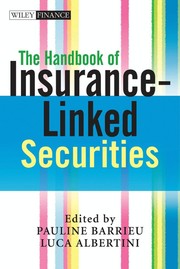
Chapters on cat bonds and other insurance-linked securities: structure and triggers.
How convertible bonds are priced, structured and risk-managed.
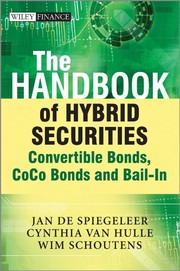
A technical guide to securities mixing debt and equity, contingent convertibles too.
How funders back claims in international arbitration, and how it is regulated.
How litigation funders raise money, pick cases, structure deals and earn returns.
An 1829 household economy manual that treats thrift as a financial system.
Recommended by: Morgan Housel
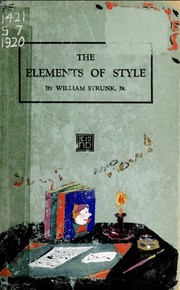
Numbered rules of English usage and composition, with examples, under 100 pages.
“This book is legendary, but I learned so much more from “On Writing Well” by William Zinsser. That said, this book is very tiny, so maybe read it in an hour before reading “On Writing Well”, since that author references this book a few times.” — Derek Sivers
Source: Derek Sivers book notes (primary, rated list) · Rating: 2/10
Recommended by: Derek Sivers, Kara Swisher, Nat Eliason and 4 others
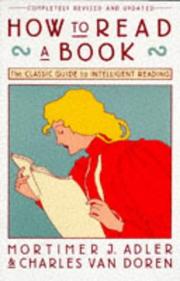
A method for reading hard books for understanding, not just information.
“Light? No. Serious. Very serious and scholarly. Advises to read books that are above your current ability. A very specific methodology is given. Read books twice, ask questions while reading, answer those questions, then summarize and criticize afterwards. The point is to grow up to the level of the author.” — Derek Sivers
Source: Derek Sivers book notes (primary, rated list) · Rating: 7/10
Recommended by: Derek Sivers, Mohnish Pabrai, Alex and Books and 3 others
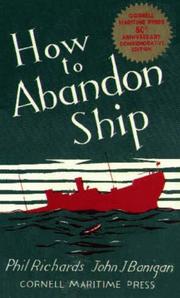
How to abandon a ship and survive a shipwreck.
Recommended by: Patrick Collison
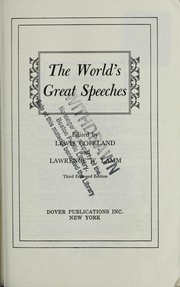
292 great speeches from nearly every era and nation, from Pericles to Mandela.
Recommended by: Mohnish Pabrai
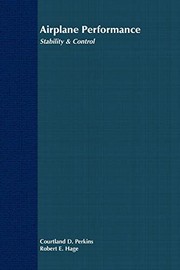
A textbook on aircraft performance, stability and control.
Recommended by: Patrick Collison
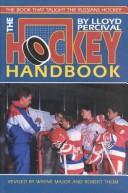
The classic technical guide to hockey for players, coaches and spectators.
Recommended by: Guy Kawasaki
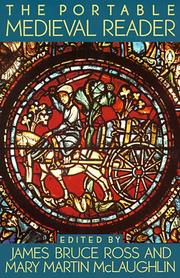
An anthology of medieval writings in the authentic voices of the Middle Ages.
Recommended by: Patrick Collison
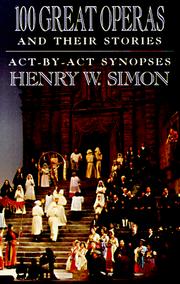
The plots of a hundred great operas, told for listeners.
Recommended by: Eric Weinstein
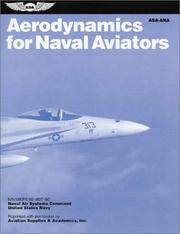
The aerodynamics of aircraft performance and piloting, for naval aviators.
Recommended by: Patrick Collison
A survey of the physical and biological sciences for general readers.
Recommended by: Patrick Collison
Lecture notes on the main results and methods of quantum electrodynamics.
Recommended by: Patrick Collison
Recommended by: Patrick Collison
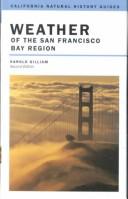
The forces of air, land and water that give the Bay Area its many kinds of weather.
Recommended by: Patrick Collison
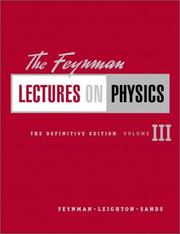
The revised edition of a physicist's famous lectures on introductory physics.
Recommended by: Mohnish Pabrai
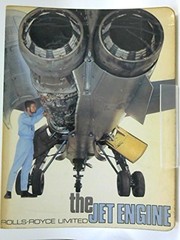
How the gas turbine works, from jet propulsion theory to maintenance and overhaul.
Recommended by: Paul Graham
A theoretical foundation for information visualization, from a cartographer's work.
Recommended by: Patrick Collison
An illustrated encyclopedia that explains modern machines and technology.
Recommended by: Mike Maples, Jr.
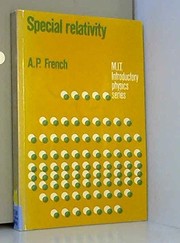
Special relativity from fast electrons to the mass, momentum and energy of particles.
Recommended by: Patrick Collison
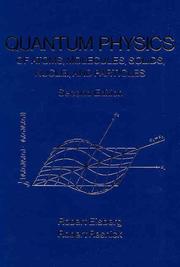
Quantum theory applied to atoms, molecules, solids, nuclei and particles.
Recommended by: Patrick Collison
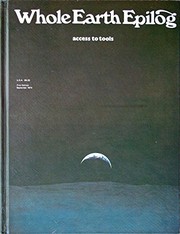
A catalogue of tools for independent education: what is worth getting, and where.
Recommended by: Patrick Collison
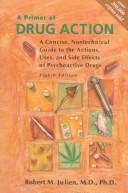
How psychoactive drugs act on the brain, for general readers.
Recommended by: Patrick Collison
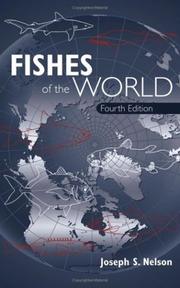
The standard reference on the classification of all major fish groups.
Recommended by: Tim Ferriss
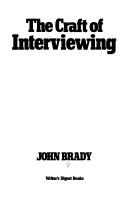
A practical guide to every stage of an interview, from getting it to writing it up.
Recommended by: Mohnish Pabrai
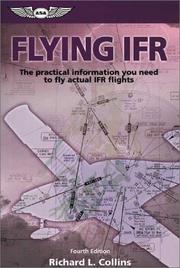
A practical handbook on flying by instruments.
Recommended by: Patrick Collison
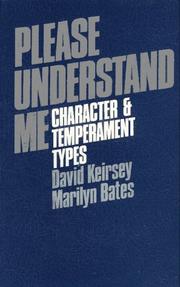
A 70-question test that sorts readers into 16 temperament types, like Myers-Briggs.
Recommended by: Mohnish Pabrai
Ocean flying for small-plane pilots: navigation, weather, equipment and regulations.
Recommended by: Patrick Collison
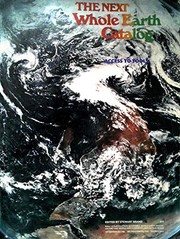
A catalogue of reviewed tools and goods for self-sufficiency, ecology and learning.
Recommended by: Patrick Collison

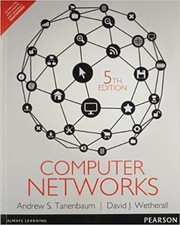
A textbook explaining computer networks layer by layer.
Recommended by: Mohnish Pabrai
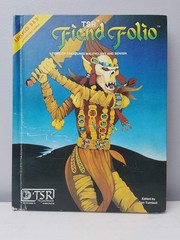
A book of monsters for the Advanced Dungeons & Dragons role-playing game.
Recommended by: Tim Ferriss
A textbook on investments and portfolio management, with exercises.
Recommended by: Mohnish Pabrai
A manual on grid systems for graphic designers, typographers and exhibitions.
Recommended by: Patrick Collison, Ran Segall
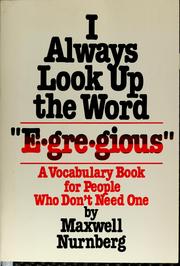
A guide to building vocabulary with words from the press.
Recommended by: Eric Weinstein
A textbook introduction to financial accounting.
Recommended by: Mohnish Pabrai

A flight manual on making better landings.
Recommended by: Patrick Collison
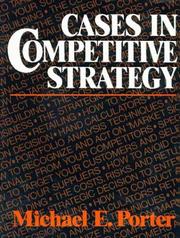
Teaching cases for applying the framework of Competitive Strategy.
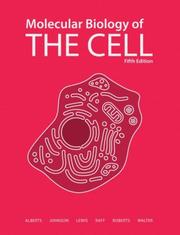
The university textbook of cell biology.
Recommended by: Laura Deming, Sam Altman
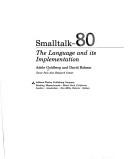
The reference description of the Smalltalk-80 language and how it is implemented.
Recommended by: Patrick Collison
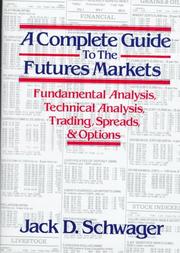
A reference on futures: mechanics, analysis, trading systems and portfolios.
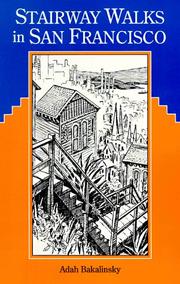
Walks that use San Francisco's public stairways to explore its neighbourhoods.
Recommended by: Patrick Collison
A collection of writings on werewolves in Western culture.
Recommended by: Tim Ferriss
Apple's programming manuals for writing Macintosh software.
Recommended by: Patrick Collison
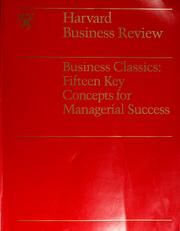
Fifteen classic Harvard Business Review essays on management.
Recommended by: Mohnish Pabrai
An undergraduate biology textbook, from cells and genetics to evolution.
Recommended by: Mohnish Pabrai
A microeconomics textbook, game theory and strategic behaviour included.
Recommended by: Tim O’Reilly
Operating system principles, from processes to file systems, shown in the MINIX code.
Recommended by: Patrick Collison
An anthology of writing by noted investors.
Recommended by: Mohnish Pabrai, Li Lu
How futures, options and swaps work and how to price and hedge them.
“Options, Futures, and Other Derivatives, 3rd ed. (New York: Prentice Hall Press, 1998): 237-239” — Michael Mauboussin
Source: A Piece of the Action: Employee Stock Options in the New Economy, page 45
Recommended by: Michael Mauboussin
A university text on the design and analysis of computer algorithms.
Recommended by: Patrick Collison
Recommended by: Patrick Collison
Recommended by: Mohnish Pabrai
The metaobject protocol, an extension of the Common Lisp Object System.
Recommended by: Patrick Collison
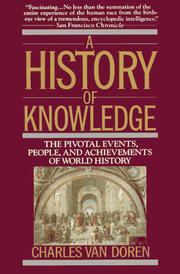
A history of human knowledge, learning and intellectual life.
Recommended by: Mohnish Pabrai
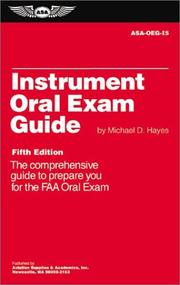
Questions and answers for the FAA oral exam for an instrument rating.
Recommended by: Patrick Collison
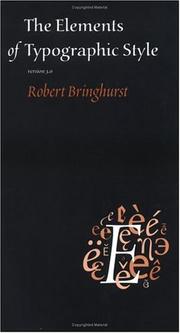
A manual of typography: its art, its history and its technical detail.
“I am obsessed with proportions, ever since reading The Elements of Typographic Style.” — David Kadavy
Source: De Stijl Five of Clubs
Recommended by: David Kadavy, Patrick Collison and 1 other
An early guide to the internet's resources: email, news, archives and databases.
Recommended by: Tim O’Reilly
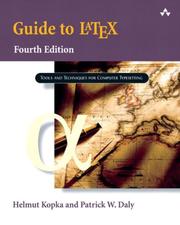
How to typeset technical material with LaTeX.
Recommended by: Eric Weinstein
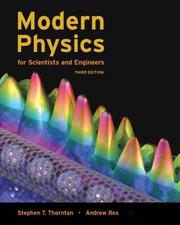
A one- or two-semester modern physics course built on quantum theory and its uses.
Recommended by: Mohnish Pabrai
The theory, techniques and uses of partial evaluation, which specialises programs.
Recommended by: Paul Graham
Performance data on over 6,000 stocks, 7,000 bonds and 700 mutual funds.
Recommended by: Mohnish Pabrai
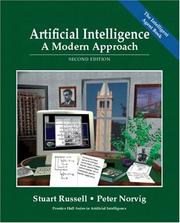
Recommended by: Patrick Collison, Cynthia Johnson, Elon Musk

A catalog of useful resources on science, health, crafts, technology and more.
Recommended by: Patrick Collison
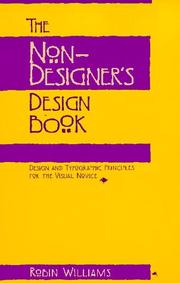
The basic principles of design for people with no training in it.
Recommended by: Ran Segall, David Kadavy
Recommended by: Mohnish Pabrai
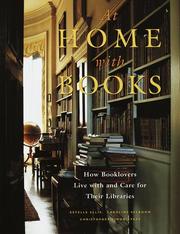
Private libraries and how book lovers live with and arrange their books.
Recommended by: Mohnish Pabrai
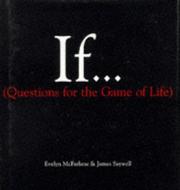
Five hundred practical, moral and funny questions to think over or start talk.
Recommended by: Mohnish Pabrai
Questions on the search for one's soul, such as what you would do as God for a day.
Recommended by: Mohnish Pabrai
How oil and gas form, how they are found, drilled and produced, in plain terms.
Recommended by: Mohnish Pabrai
A pilot's guide to radio communications and the air traffic control system.
Recommended by: Patrick Collison
Recommended by: Mohnish Pabrai
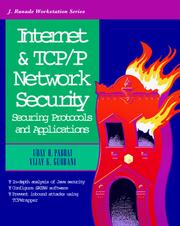
A step-by-step guide to firewalls and network security for UNIX programmers.
Recommended by: Mohnish Pabrai
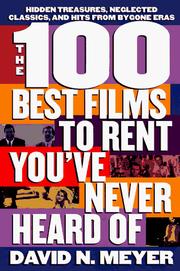
Reviews of 100 overlooked films across westerns, comedies, romance and more.
Recommended by: Mohnish Pabrai
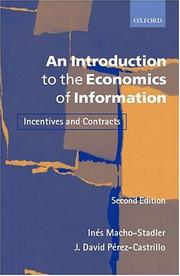
A graduate textbook on contracts under asymmetric information.
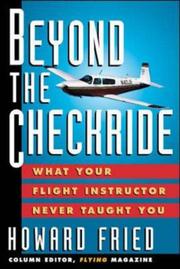
Piloting lessons that flight instructors leave out.
Recommended by: Patrick Collison
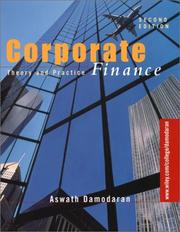
A full corporate finance textbook built around investing, financing and dividends.
Recommended by: Mohnish Pabrai
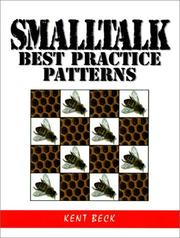
A style guide to Smalltalk programming written as named, reusable patterns.
Recommended by: Patrick Collison
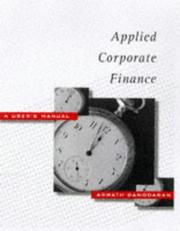
Corporate finance built around three decisions: investing, financing and dividends.
A plain guide to reading the three financial statements, for non-accountants.
A general cooking reference of recipes and techniques.
Recommended by: Laura R Walker
Techniques for designing data structures in functional languages, with examples.
Recommended by: Patrick Collison
A directory of the companies in the S&P 500 index and their finances.
Recommended by: Mohnish Pabrai
Five hundred questions that probe the limits of what you would do.
Recommended by: Mohnish Pabrai
How to rebuild civilisation's inventions if stranded in the past.
Recommended by: Balaji S. Srinivasan
Recommended by: Patrick Collison
An illustrated history of America told through the Dow Jones Industrial Average.
Recommended by: Mohnish Pabrai
Recommended by: Mohnish Pabrai
The Times critics' original reviews of their 1,000 best films.
Recommended by: Mohnish Pabrai

A reference on diagnosing and treating tropical infectious diseases.
Recommended by: Bill Gates
Recommended by: Mohnish Pabrai
How to plan, buy, site and install a home or community wind-energy system.
Recommended by: Mohnish Pabrai
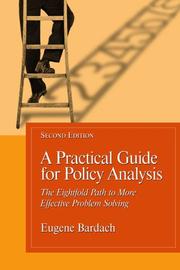
An eight-step method for doing policy analysis, with worked examples.
Recommended by: Patrick Collison

A guidebook to Maui by an author who tried its trails, reefs and restaurants.
Recommended by: Patrick Collison
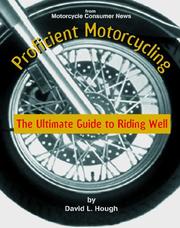
How to ride a motorcycle well on city streets and country roads and handle hazards.
Recommended by: Patrick Collison
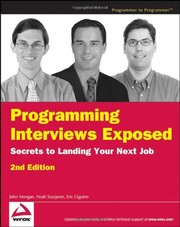
How to prepare for programming job interviews: languages, patterns and algorithms.
Recommended by: Patrick Collison
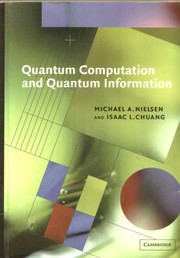
Quantum algorithms, teleportation, cryptography and error correction, from basics.
Recommended by: Patrick Collison

The early flight hours when new pilots most often make fatal mistakes.
Recommended by: Patrick Collison
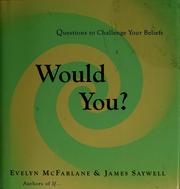
More than a hundred pairs of questions that test your priorities and values.
Recommended by: Mohnish Pabrai
Recommended by: Jeremiah Shoaf
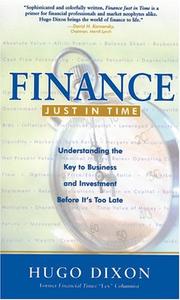
A no-equations guide to corporate finance and markets: risk, valuation and mergers.
Recommended by: Mohnish Pabrai
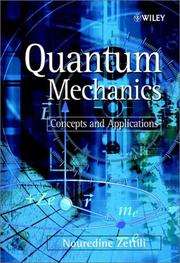
Quantum mechanics, its formalism and practice, through nearly 700 worked problems.
Recommended by: Patrick Collison
Reports and analyses of the 400 companies in the S&P MidCap Index.
Recommended by: Mohnish Pabrai
Data and stock ratings for the 600 small-cap companies of the S&P SmallCap 600 index.
Recommended by: Mohnish Pabrai
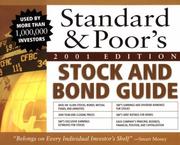
Recommended by: Mohnish Pabrai
Recommended by: Mohnish Pabrai
Articles on every part of portfolio investment, from markets to global investing.
Recommended by: Mohnish Pabrai

Maps in sequence of peoples in Europe and the Near East, from 50,000 BC to AD 362.
Recommended by: Paul Graham
Why financial reports have grown too complex for investors, and the harm it does.
Recommended by: Mohnish Pabrai
A technical reference on how exchange-traded funds are built and how they work.
Recommended by: Mohnish Pabrai
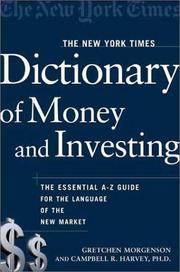
An A-to-Z guide to the language of money and investing, with examples.
A widely used introductory textbook of microeconomics.
Recommended by: Mohnish Pabrai
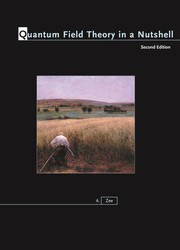
Quantum field theory for students who have finished a course in quantum mechanics.
Recommended by: Patrick Collison
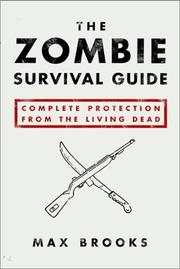
An illustrated guide to surviving hordes of the undead.
Recommended by: Sophie Bakalar

A guide to choosing single malt whiskies by an objective profile of their flavour.
Recommended by: Patrick Collison
A pilot answers the questions people have about commercial air travel.
“If you are a frequent flyer like me, Ask the Pilot is a must read.” — Brad Feld
Source: Book Review: Ask the Pilot — Feld Thoughts
Recommended by: Brad Feld, Mohnish Pabrai
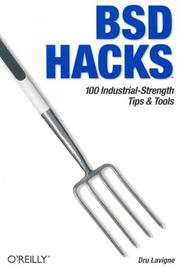
Tips and tools for using BSD Unix operating systems.
Recommended by: Patrick Collison
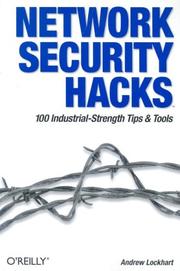
Tips and tools for securing Linux, Windows, BSD and Mac servers and networks.
Recommended by: Patrick Collison
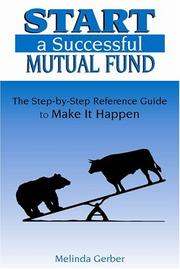
How to get a mutual fund off the ground: what to do, what it costs, how it works.
Recommended by: Mohnish Pabrai
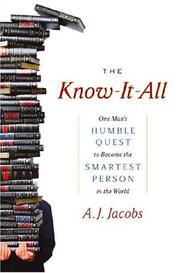
A journalist's attempt to read the whole Encyclopaedia Britannica from A to Z.
Recommended by: Ev Williams
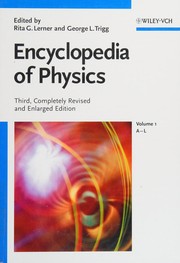
More than 500 articles by experts covering physics and the physical world.
Recommended by: Eric Weinstein
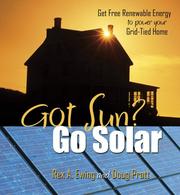
A plain guide to solar and wind power for homes connected to the grid.
Recommended by: Mohnish Pabrai
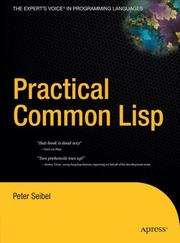
Practical Lisp programming, from language features to projects like an mp3 server.
Recommended by: Patrick Collison
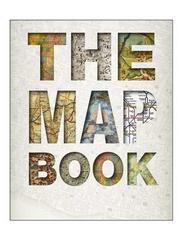
About 175 maps over four thousand years, showing how knowledge of the world grew.
Recommended by: Stewart Brand
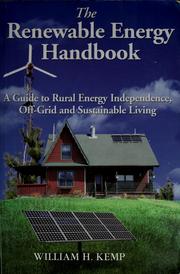
How to power a home with renewable energy and live off the grid.
Recommended by: Mohnish Pabrai
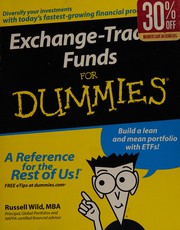
Exchange-traded funds explained in plain English: costs, risks and taxes.
Recommended by: Mohnish Pabrai

Recommended by: Patrick Collison
A textbook on information technology for business and management.
Recommended by: Ryan Hoover
An introduction to the structure and function of the nervous system for students.
Recommended by: Patrick Collison
A textbook on the molecular and cellular basis of cancer.
Recommended by: Patrick Collison
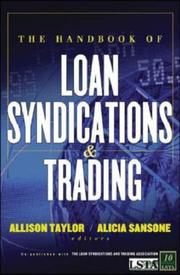
How syndicated corporate loans are originated, syndicated and traded.
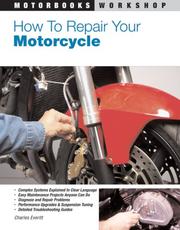
How to maintain and repair your own motorcycle.
Recommended by: Patrick Collison
Recommended by: Patrick Collison
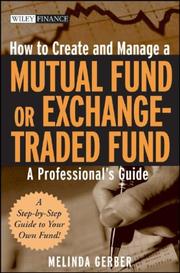
The 29 steps to start a mutual fund and the 36 steps to start an ETF.
Recommended by: Mohnish Pabrai
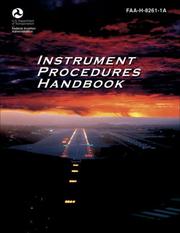
A pilot's reference for instrument flight: charts, approaches and landing procedures.
Recommended by: Patrick Collison
Biographies of the first pilots of 100 countries and their attempts to fly.
Recommended by: Patrick Collison
A physical therapist's quick home programme for recovering from plantar fasciitis.
Recommended by: Mohnish Pabrai
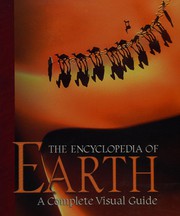
A visual reference to the Earth today and across the ages.
Recommended by: Stewart Brand
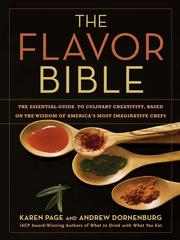
Which ingredients and seasonings go together, drawn from dozens of leading chefs.
Recommended by: Patrick Collison
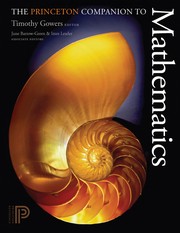
Nearly 200 entries by leading mathematicians on modern maths and its core ideas.
Recommended by: Patrick Collison, Balaji S. Srinivasan
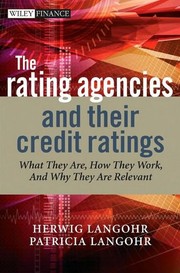
What credit rating agencies are, how they work and why their ratings matter.
Recommended by: Mohnish Pabrai
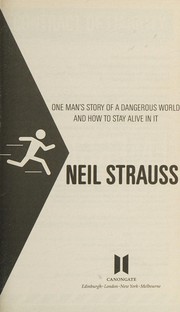
A guide to survival and preparing for emergencies.
Recommended by: Nat Eliason, Garry Tan, Tim Ferriss

The official guide to the Nmap scanner, from port-scanning basics to pen testing.
Recommended by: Patrick Collison
A trader's technical primer on oil barrels, grades, refining and pricing.
How to prepare for software engineering interviews, with 150 questions and answers.
Recommended by: Patrick Collison
How the US economy really works, explained for lay readers without jargon.
Recommended by: Mohnish Pabrai
Descriptions and illustrations of more than 735 dinosaur species.
Recommended by: Sophie Bakalar
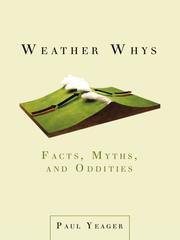
Facts, myths and oddities about the weather from a meteorologist.
Recommended by: Patrick Collison
Study outlines and FAA questions for passing the private pilot knowledge test.
Recommended by: Patrick Collison
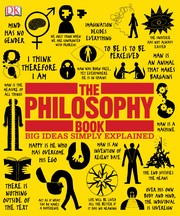
An illustrated guide to the big ideas of the great philosophers.
Recommended by: Patrick Collison
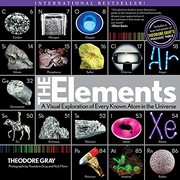

The Federal Aviation Regulations and the Aeronautical Information Manual for pilots.
Recommended by: Patrick Collison
A fact for each day of the year, from a radio network's librarian.
Recommended by: Mohnish Pabrai, Alfred Lin
Documentary treasures on the Memory of the World Register, with their photographs.
Recommended by: Stewart Brand
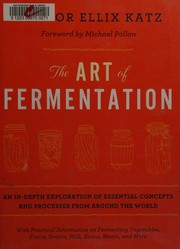
A comprehensive guide to fermenting food at home.
Recommended by: Nat Eliason
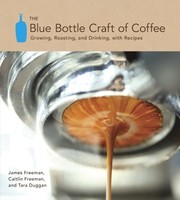
How to choose, brew and enjoy artisan coffee at home, with 40 recipes.
Recommended by: Patrick Collison
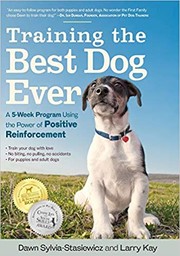
A five-week dog-training programme based on positive reinforcement.
Recommended by: Nat Eliason
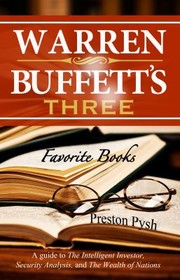
A guide to three books Warren Buffett favours, The Intelligent Investor first.
Recommended by: Mohnish Pabrai
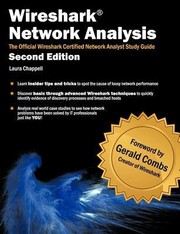
A study guide to analysing networks with the Wireshark tool.
Recommended by: Patrick Collison
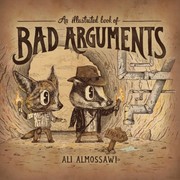
A short illustrated catalogue of common logical fallacies.
Recommended by: Shane Parrish
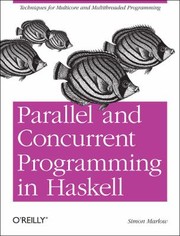
Mechanisms for writing parallel and concurrent programs in Haskell.
Recommended by: Patrick Collison
A guide for payments professionals to how the main U.S. payment systems work.
Recommended by: Patrick Collison
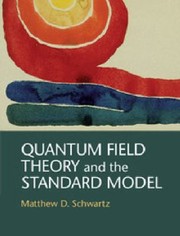
The foundations and methods of modern particle physics, through the Standard Model.
Recommended by: Patrick Collison
Scratch-and-sniff scents like butter and grass, and the wines in which they show up.
Recommended by: Chris Sacca
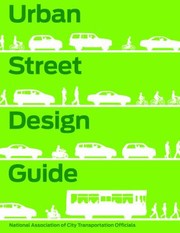
How streets can be redesigned to put transit, cycling, walking and public life first.
Recommended by: Patrick Collison
A non-pedantic guide to English usage, from split infinitives to final prepositions.
Recommended by: Patrick Collison
An encyclopedia of cosmology and astronomy.
Recommended by: Eric Weinstein
How finance and economics work, decoded from the language of money people.
Recommended by: Mohnish Pabrai
A short handbook on funding legal claims in England and Wales.
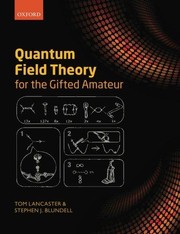
An introduction to quantum field theory for beginners and self-learners.
Recommended by: Patrick Collison
A practitioner text on third-party litigation funding under English law.
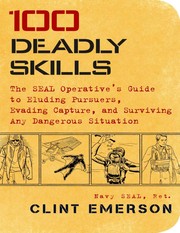
Survival skills from special forces operations, adapted for civilians.
Recommended by: Bob Iger
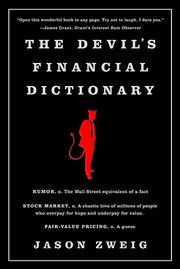
A satirical dictionary of Wall Street terms.
A scratch-and-sniff guide to the flavours of whiskey.
Recommended by: Chris Sacca
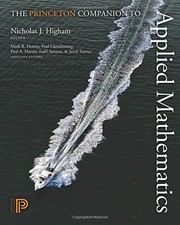
Expert entries on applied maths: concepts, modelling, simulation and applications.
Recommended by: Patrick Collison, Naval Ravikant

The thirteen books of geometry and number theory, built by deduction.
Recommended by: Paul Graham
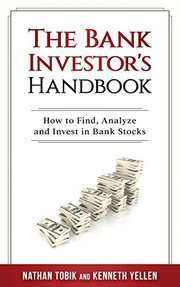
How to analyse and invest in small community banks that institutions ignore.
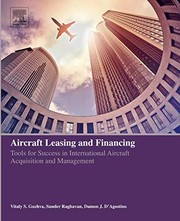
A textbook on how commercial aircraft are financed and leased.
Practical, humorous advice on budgeting, careers and adult life.
Recommended by: Arianna Huffington
The history, traits and uses of 48 major typefaces, from Garamond to Helvetica.
Recommended by: Jeremiah Shoaf

Ethiopia's economy sector by sector: history, foreign exchange, agriculture and land.
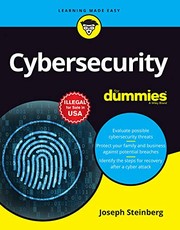
A plain guide to protecting a business and family against cyber attacks.
Recommended by: Cynthia Johnson
A mother's illustrated advice to her daughter for daily life after she is gone.
Recommended by: Arianna Huffington
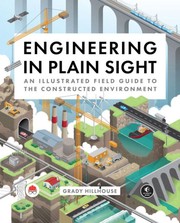
An illustrated field guide to the engineering of the built environment.
Recommended by: Bill Gates
Papers from the first ten years of computer research at Xerox PARC.
Recommended by: Patrick Collison
Talks from a symposium that re-examined corporate law through Buffett's letters.
Recommended by: Mohnish Pabrai
Engineers' recommended practice for designing major urban streets for walking.
Recommended by: Patrick Collison
Fifty trips for private pilots, told in stories and photographs.
Recommended by: Patrick Collison
How to customise and extend the Emacs editor with Emacs Lisp.
Recommended by: Paul Graham
Questions about love, romance and sex that set the imagination to work.
Recommended by: Mohnish Pabrai
The FAA's handbook on flying by instruments.
Recommended by: Patrick Collison
The manual of the LISP 1.5 programming language from MIT's Computation Center.
Recommended by: Patrick Collison, Paul Graham


A travel guide to New Zealand: what to see, Maori culture, glaciers and hikes.
Recommended by: Tim Ferriss

How to operate the Garmin G1000 glass cockpit in general aviation.
Recommended by: Patrick Collison
A guide for payments professionals to how the main U.S. payment systems work.
Recommended by: Mohnish Pabrai
What every pilot needs to know, from aerodynamics and weather to airspace.
Recommended by: Patrick Collison, Brian Armstrong
Updated data and analyses on America's medium-size, fast-growing companies.
Recommended by: Mohnish Pabrai
Profiles of the 600 small companies in the S&P SmallCap index, with financial data.
Recommended by: Mohnish Pabrai
Health care from newborns to the elderly, in everyday language from 200 experts.
Recommended by: Stewart Brand
A comprehensive atlas of the world.
Recommended by: Patrick Collison
 Frank J. Fabozziwrote 4 books here
 Aswath Damodaranwrote 2 books here
 Stewart Brandwrote 2 books here
 Campbell R. Harveywrote 1 book here
 Michael E. Porterwrote 1 book here
 Edward I. Altmanwrote 1 book here
 Jason Zweigwrote 1 book here
 Kevin Kellywrote 1 book here
 Patrick Collisonrecommends 94 books here
 Mohnish Pabrairecommends 64 books here
 Paul Grahamrecommends 7 books here
 Nat Eliasonrecommends 6 books hereStewart Brandrecommends 6 books here
 Tim Ferrissrecommends 6 books here
 Eric Weinsteinrecommends 5 books here
 Bill Gatesrecommends 3 books here
 Morgan Houselrecommends 2 books here
Show all 50
 Arianna Huffingtonrecommends 2 books here
 Balaji S. Srinivasanrecommends 2 books here
 Chris Saccarecommends 2 books here
 Cynthia Johnsonrecommends 2 books here
 David Kadavyrecommends 2 books here
 Derek Siversrecommends 2 books here
 Ran Segallrecommends 2 books here
 Tim O’Reillyrecommends 2 books here
 Michael Mauboussinrecommends 1 book here
 Brad Feldrecommends 1 book hereJason Zweigrecommends 1 book here
 John Doerrrecommends 1 book here
 Seth Klarmanrecommends 1 book here
 Guy Kawasakirecommends 1 book here
 Alfred Linrecommends 1 book here
 Ann Handleyrecommends 1 book here
 Bob Igerrecommends 1 book here
 Brian Armstrongrecommends 1 book here
 Elon Muskrecommends 1 book here
 Ev Williamsrecommends 1 book here
 Garry Tanrecommends 1 book here
 Jamie Dimonrecommends 1 book here
 Kara Swisherrecommends 1 book here
 Kevin Systromrecommends 1 book here
 Laura Demingrecommends 1 book here
 Laura R Walkerrecommends 1 book here
 Matt Mullenwegrecommends 1 book here
 Mike Maples, Jr.recommends 1 book here
 Naval Ravikantrecommends 1 book here
 Sam Altmanrecommends 1 book here
 Tobi Lütkerecommends 1 book here