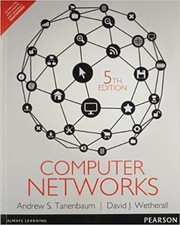
Computer Networks
A textbook explaining computer networks layer by layer.
Summary
Tanenbaum's textbook explains computer networks layer by layer, from the physical wiring up to applications, and shows each layer's principles through examples from the Internet and wireless networks. The first edition appeared in 1981; the fifth, with David Wetherall, gives special weight to wireless networking, including 802.11, 802.16, Bluetooth and 3G cellular, alongside ADSL, Internet over cable, gigabit Ethernet, MPLS and peer-to-peer networks.
The chapters follow the layers. The physical layer covers copper, fibre, wireless, satellites and cable. The data link layer covers protocol principles, protocol verification, HDLC and PPP. The medium access sublayer covers gigabit Ethernet, 802.11, broadband wireless and switching. The network layer covers routing algorithms, congestion control, quality of service, IPv4 and IPv6. The transport layer covers socket programming, UDP, TCP, RTP and network performance. The application layer covers email, the Web, PHP, streaming audio and MP3. A final part covers security: AES, RSA, quantum cryptography, IPsec and Web security. The fifth edition adds Fiber to the Home, RFID and delay-tolerant networks.
Key takeaways 4
- Networks are built in layers, and each layer solves one problem for the layer above it.
- Routing, congestion control and quality of service are network-layer problems with standard algorithmic answers.
- TCP and UDP trade reliability for speed in different ways at the transport layer.
- Security runs across every layer, from encryption algorithms such as AES and RSA to IPsec and Web security.
Who should read it
Students and engineers who need a complete, layer-by-layer account of how data networks and the Internet work.
Who recommended it 1 · 1 direct
Similar books 6
Chosen by shared topics, the entries that hold them, and the people who recommended both.
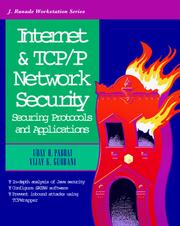
A step-by-step guide to firewalls and network security for UNIX programmers.
Recommended by: Mohnish Pabrai
Recommended by: Mohnish Pabrai

How to typeset technical material with LaTeX.
Recommended by: Eric Weinstein
Apple's programming manuals for writing Macintosh software.
Recommended by: Patrick Collison

Tips and tools for using BSD Unix operating systems.
Recommended by: Patrick Collison
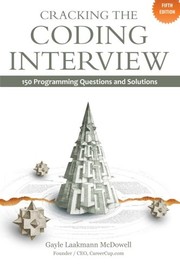
How to prepare for software engineering interviews, with 150 questions and answers.
Recommended by: Patrick Collison