
Writing and Communication
The craft of writing, speaking, editing and storytelling, along with essay collections and letters read for their prose. Read by writers, speakers and people who want their sentences to carry.
Start here
- Science and SanityAlfred Korzybski, 1933
- How to Win Friends and Influence PeopleDale Carnegie, 1936
- Made to StickChip Heath, Dan Heath, 2007
- TED Talks: The Official TED Guide to Public SpeakingChris Anderson, 2016
- The Storytelling AnimalJonathan Gottschall, 2012
General semantics: why a map is not the territory and a word is not the thing.
Techniques for handling people, being liked and winning others to your view.
“If you want to learn what people want, read Dale Carnegie's How to Win Friends and Influence People.” — Paul Graham
Source: Why Smart People Have Bad Ideas
Recommended by: Mohnish Pabrai, Patrick Collison and 14 others
Six traits of memorable ideas, from simple and unexpected to emotional stories.
“…books I've recommended, highlighted to death, or forced on friends.” — Andrew Wilkinson
Source: Andrew Wilkinson's Bookshelf, neverenough.com
Recommended by: Andrew Wilkinson, Derek Sivers and 11 others
How to give a talk that transfers one idea, from TED's work with its speakers.
Recommended by: Mohnish Pabrai
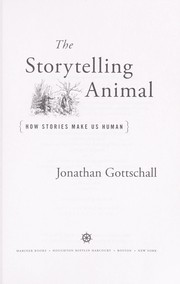
Why humans tell stories: a rehearsal for life's social problems.
“Jonathan Gottschall, The Storytelling Animal: How Stories Make Us Human (New York: Houghton Mifflin Harcourt, 2012)” — Michael Mauboussin
Source: Who Is On the Other Side? You Need Good BAIT to Land a Winner, page 36
Recommended by: Michael Mauboussin
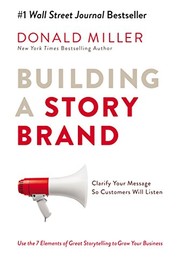
How to use seven elements of stories to make a business's message clear to customers.
Recommended by: Nat Eliason, Ran Segall

Why some creative works keep selling for decades while others fade.
“Great thoughts on creating a timeless masterpiece (whether music, book, or any art) - and then promoting it. Very inspiring for any creator.” — Derek Sivers
Source: Derek Sivers book notes (primary, rated list) · Rating: 7/10
Recommended by: Derek Sivers, Nat Eliason
Recommended by: Patrick Collison
A friend's life of Samuel Johnson, the poet, critic and maker of the dictionary.
Recommended by: Mohnish Pabrai
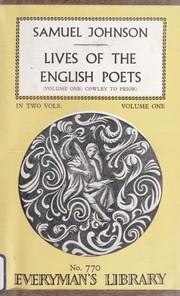
Short biographies and critical appraisals of English poets, most of the 18th century.
Recommended by: Patrick Collison
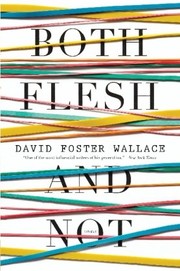
Fifteen essays, collected in a book for the first time.
Recommended by: Diana Kimball
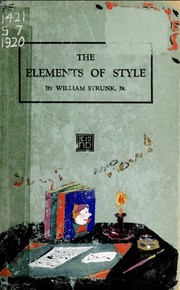
Numbered rules of English usage and composition, with examples, under 100 pages.
“This book is legendary, but I learned so much more from “On Writing Well” by William Zinsser. That said, this book is very tiny, so maybe read it in an hour before reading “On Writing Well”, since that author references this book a few times.” — Derek Sivers
Source: Derek Sivers book notes (primary, rated list) · Rating: 2/10
Recommended by: Derek Sivers, Kara Swisher, Nat Eliason and 4 others
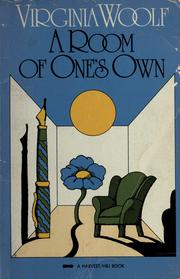
An essay, from lectures at Cambridge colleges, on women, money and writing fiction.
Recommended by: Mohnish Pabrai

Letters of advice on poetry, solitude and life written to a young would-be poet.
Recommended by: Maria Popova
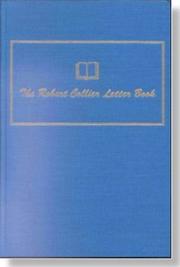
How to write sales letters and direct-mail advertising that sell.
“From one of the best marketers who ever lived, The Robert Collier Letter Book provides insight on how to craft the perfect sales letter. The advice here can be easily transferred to email copy, sales pages, etc.” — Ramit Sethi
Source: Here are 50 books I recommend
Recommended by: Patrick O'Shaughnessy, Ramit Sethi
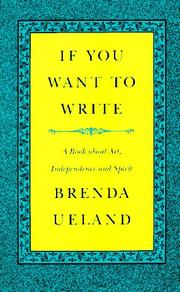
A writing teacher's case that anyone can write and that everyone has talent.
Recommended by: Guy Kawasaki
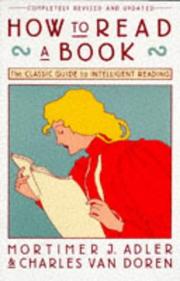
A method for reading hard books for understanding, not just information.
“Light? No. Serious. Very serious and scholarly. Advises to read books that are above your current ability. A very specific methodology is given. Read books twice, ask questions while reading, answer those questions, then summarize and criticize afterwards. The point is to grow up to the level of the author.” — Derek Sivers
Source: Derek Sivers book notes (primary, rated list) · Rating: 7/10
Recommended by: Derek Sivers, Mohnish Pabrai, Alex and Books and 3 others
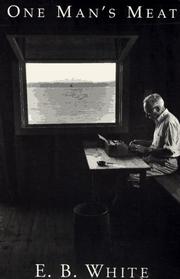
Essays on farm life in Maine, written after leaving New York City.
Recommended by: Ann Handley
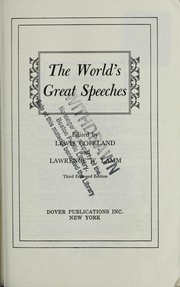
292 great speeches from nearly every era and nation, from Pericles to Mandela.
Recommended by: Mohnish Pabrai
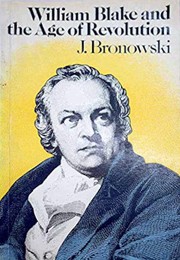
The poet William Blake and the revolutionary age that shaped his work.
Recommended by: Patrick Collison
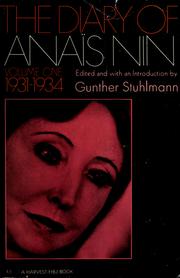
A volume of a writer's diary: art, drugs and travels to Sweden, Paris and Venice.
Recommended by: Eric Weinstein
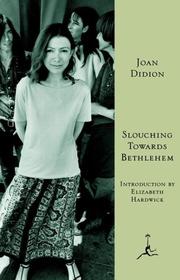
Twenty essays on the mood of America in the 1960s, most of all in California.
“I think anything by Joan Didion in the early years; Slouching Towards Bethlehem, The White Album are two of my favorite books.” — Kara Swisher
Source: The Tim Ferriss Show Transcripts: Kara Swisher (#218)
Recommended by: Kara Swisher, Audrey Gelman
Fourteen essays of reporting and criticism on the troubled issues of the 1960s.
Recommended by: Patrick Collison
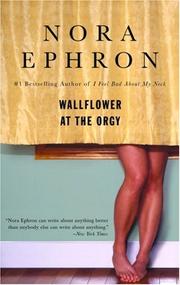
Profiles of 1960s and 1970s pop-culture figures, from Julia Child to Ayn Rand.
Recommended by: Audrey Gelman
Recommended by: Patrick Collison
A rhetoric for writers: diction, syntax, tone, meaning, composition and revision.
Recommended by: Tim Ferriss
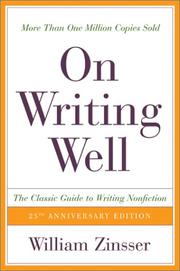
A manual for non-fiction: clear writing comes from clear thinking.
“Great blunt advice about writing better non-fiction. So inspiring.” — Derek Sivers
Source: Book notes by Derek Sivers
Recommended by: Derek Sivers, Jim Collins, Matt Mullenweg and 3 others
A practical guide to every stage of an interview, from getting it to writing it up.
Recommended by: Mohnish Pabrai
A method for revising sentences to cut the obscurity of bureaucratic prose.
Recommended by: Jason Fried
Reviews and essays on more than forty modern American poets.
Recommended by: Sheryl Sandberg
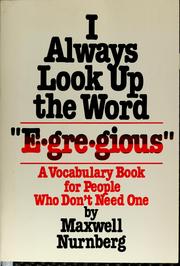
A guide to building vocabulary with words from the press.
Recommended by: Eric Weinstein
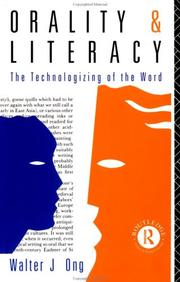
How the move from oral cultures to writing changed thought, personality and society.
Recommended by: Patrick Collison
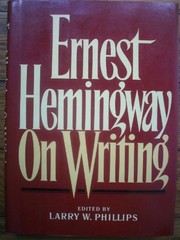
What he wrote about writing and the writer, from his books and letters.
Recommended by: Matt Mullenweg
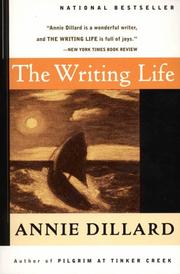
Anecdotes and vignettes on the writer's own process of writing.
Recommended by: Jim Collins, Patrick O'Shaughnessy
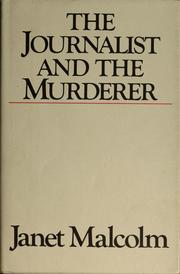
An inquiry into the psychopathology of journalism.
Recommended by: Patrick Collison, Audrey Gelman and 1 other
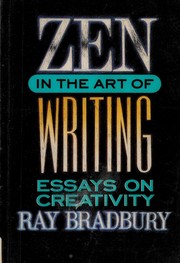
Essays on the zest, gusto and curiosity a writer needs.
Recommended by: Susan J. Fowler
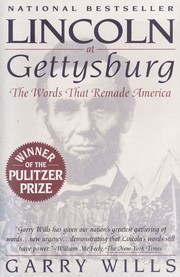
How the 272 words of the Gettysburg Address changed what America meant.
Recommended by: Jim Collins, Mohnish Pabrai, Jamie Dimon
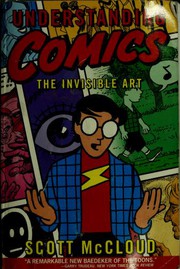
How comics work as an art form and how they are made.
“The pedagogical potential of the comic form is vast and mostly untapped.” — Bret Victor
Source: Links — Bret Victor (his five-star list)
Recommended by: Bret Victor, Patrick Collison, Daniel Burka and 1 other
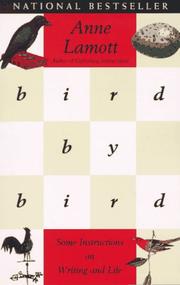
Writing advice focused on the fears and habits that stop people writing.
“So many people love this book, but it just wasn't my style. Aiming to be funny and describing a crazy mindset, but I couldn't relate to either. Mostly about writing novels.” — Derek Sivers
Source: Derek Sivers book notes (primary, rated list) · Rating: 1/10
Recommended by: Derek Sivers, Jim Collins, Nat Eliason and 10 others
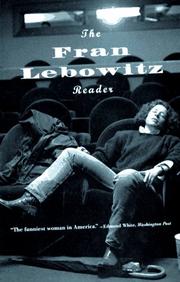
Two collections of comic essays on the fads and absurdities of city life.
Recommended by: Audrey Gelman
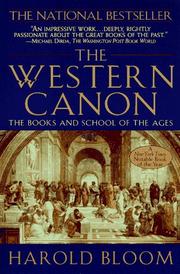
Twenty-six authors at the centre of Western literature, and a case against ideology.
Recommended by: Stewart Brand
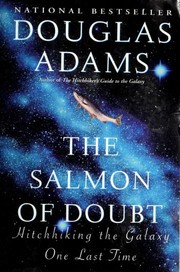
Writings collected after the death of the creator of The Hitchhiker's Guide.
Recommended by: Naval Ravikant
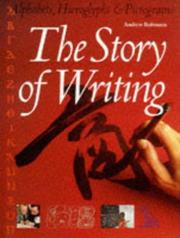
How writing systems began and work, explained for the general reader.
Recommended by: Stewart Brand
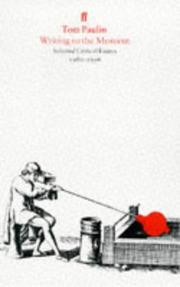
Critical essays on poets from Bishop to Hopkins, politics and the art of criticism.
Recommended by: Patrick Collison
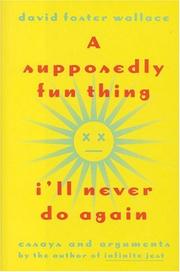
Essays first published in Harper's, Esquire and other magazines.
Recommended by: David Perell, Coleen Baik
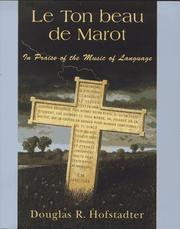
Translations of one French poem as a way into translation, language and loss.
Recommended by: Patrick Collison
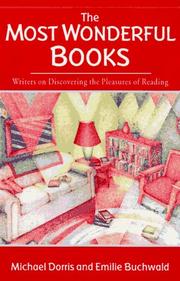
Writers on the first books they loved and how they became readers.
Recommended by: Mohnish Pabrai
Essays and fiction on American life, from teenagers' manners to new technology.
Recommended by: Mohnish Pabrai
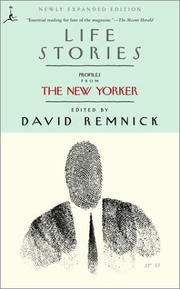
A collection of the profiles of people that The New Yorker made into a genre.
Recommended by: Patrick Collison
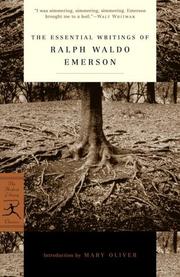
The major speeches, essays and poems of the transcendentalist philosopher.
Recommended by: Tony Robbins
Advice to future radicals, dissidents and rebels on living as a contrarian.
Recommended by: Patrick Collison
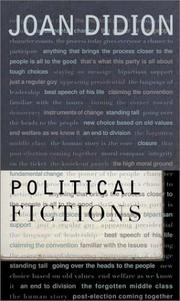
Essays on how a handful of insiders shapes the story of American political life.
Recommended by: Audrey Gelman
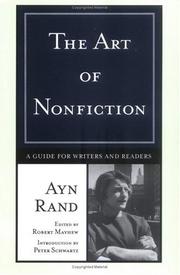
Sixteen lectures on writing nonfiction as a skill that can be learned.
Recommended by: Tim Ferriss
An anthology of the year's best American writing on science and nature.
Recommended by: Mohnish Pabrai
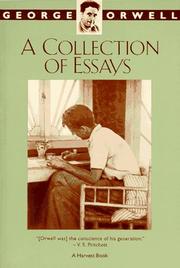
More than 240 literary and political essays.
Recommended by: Ryan Holiday, Guy Spier
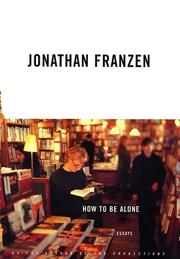
A collection of essays, including the one known as the Harper's essay.
Recommended by: Patrick Collison
A writer's memoir of her best friend, a bond as strong as family.
Recommended by: Diana Kimball
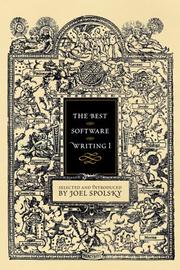
A collection of good writing about software and the software business.
Recommended by: Patrick Collison
How sentence structure works as style, with examples.
Recommended by: Patrick Collison
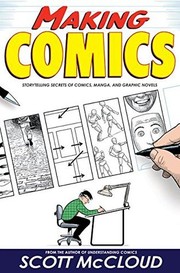
How to construct comics, taught in comic form.
“The pedagogical potential of the comic form is vast and mostly untapped.” — Bret Victor
Source: Links — Bret Victor (his five-star list)
Recommended by: Bret Victor, Kevin Kelly
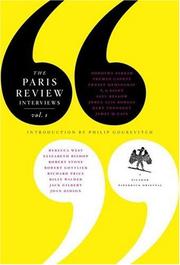
Interviews in which great writers describe how they work.
Recommended by: Patrick Collison
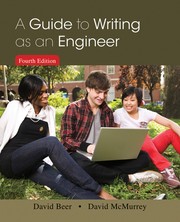
A guide to technical writing for engineers.
Recommended by: Bryant Chou
How to write the documentation that turns website designs into reality.
Recommended by: Patrick Collison
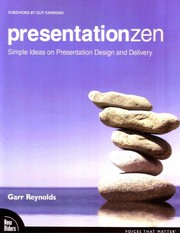
How to design and deliver simple, creative slide presentations.
Recommended by: Nir Eyal
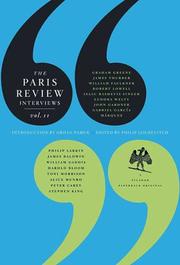
Interviews with the great writers of the age about their craft.
Recommended by: Patrick Collison
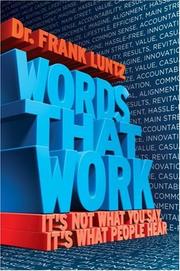
Why some words persuade and others fail, from a political pollster.
Recommended by: Nat Eliason, Tristan Harris, Matt Mullenweg and 1 other
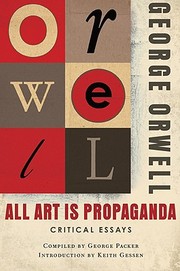
Critical essays from the forties on Dickens, Kipling, Eliot, Dali and others.
Recommended by: Patrick Collison
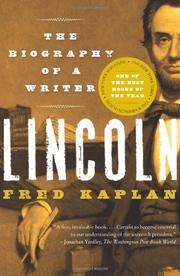
Abraham Lincoln's life told through his use of language as a tool of persuasion.
Recommended by: Patrick Collison
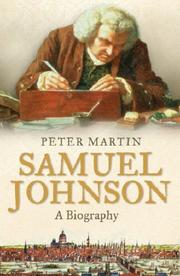
A life of Samuel Johnson that shows the man Boswell never knew.
Recommended by: Mohnish Pabrai
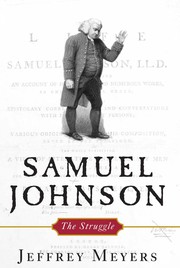
A life of a great literary figure who struggled with mental and physical illness.
Recommended by: Mohnish Pabrai
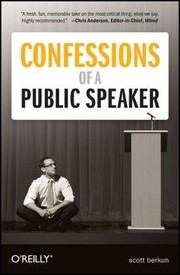
Practical advice on public speaking from a professional speaker's own talks.
“Best book on public speaking. A must-read if you do this at all. Great concrete advice and personal tales.” — Derek Sivers
Source: Derek Sivers book notes (primary, rated list) · Rating: 4/10
Recommended by: Derek Sivers, Nat Eliason
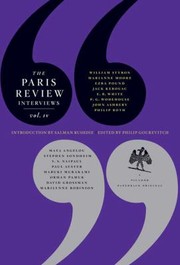
Long interviews on the writing life with Philip Roth, Haruki Murakami and others.
Recommended by: Patrick Collison
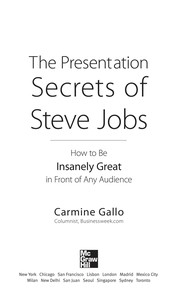
The techniques behind Steve Jobs's presentations, as a guide for your own.
Recommended by: Mohnish Pabrai
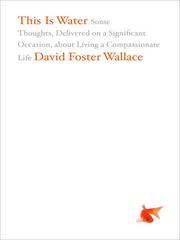
A commencement address on living adult life with attention and compassion.
Recommended by: Nat Eliason, Julie Zhuo
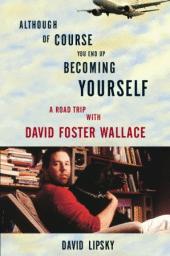
Five days of interviews with David Foster Wallace on his Infinite Jest book tour.
Recommended by: Andrew Wilkinson
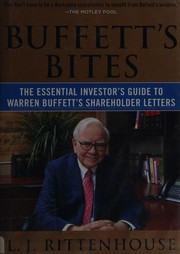
A guide to the lessons of Warren Buffett's shareholder letters.
Recommended by: Mohnish Pabrai
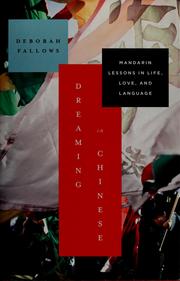
Chinese culture explained through the quirks of the Mandarin language.
“American lived in China for three years and wrote this adorable book about the Chinese language and some cultural insights. Instead of shopkeepers saying “have a nice day” they say “walk slowly”. The word for “careful” means “small heart”. Many more like this. 热闹 “hot noisy” helped explain something I had always wondered about Chinese culture.” — Derek Sivers
Source: Derek Sivers book notes (primary, rated list) · Rating: 8/10
Recommended by: Derek Sivers, Patrick Collison
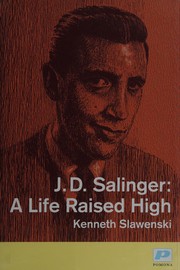
A biography of the reclusive writer, from interviews, letters and records.
Recommended by: Mohnish Pabrai
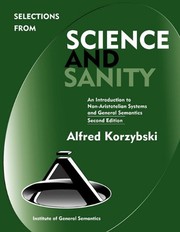
Selections from a founding work of general semantics: language limits what we know.
Recommended by: Patrick Collison
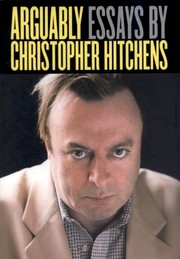
A collection of essays on politics and culture.
Recommended by: Patrick Collison
How to beat resistance, the inner enemy that stops creative work.
“A true manifesto. A call to action. A kick in the butt for any creative person. Great thoughts on overcoming the resistance to creating.” — Derek Sivers
Source: Derek Sivers book notes (primary, rated list) · Rating: 9/10
Recommended by: David Cancel, Derek Sivers
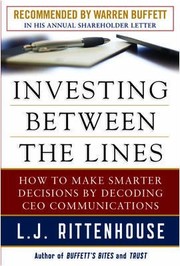
How to judge companies by reading their shareholder letters and financial statements.
“I also recommend The Clash of the Cultures by Jack Bogle and Laura Rittenhouse’s Investing Between the Lines.” — Warren Buffett
Source: Berkshire Hathaway Chairman’s Letter 2012, page 21
Recommended by: Mohnish Pabrai, Warren Buffett
The best of the Dear Sugar advice columns on love, loss and life.
Recommended by: Ryan Holiday, Reese Witherspoon and 2 others
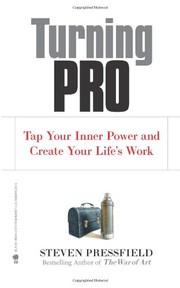
How to defeat resistance, the enemy of an authentic life.
“In the same vein as his other books “Do the Work” and ”War of Art” - but a message that needs to be said again and again to really get through. It's all about the resistance, avoiding distractions, getting serious. Here he dives more into the mindset shift of thinking of your art as a hobby versus a real career. This stuff shakes me to the core, every time.” — Derek Sivers
Source: Derek Sivers book notes (primary, rated list) · Rating: 9/10
Recommended by: Derek Sivers, Nat Eliason
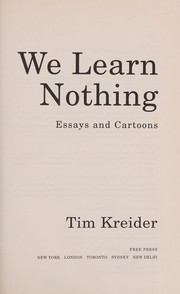
Humorous essays and cartoons on friends and American social life.
“We Learn Nothing by Tim Kreider, a dazzling collection of humor and insight, is the newest book in the Tim Ferriss Book Club. I loved this book so much that I reached out to Tim and we produced the audiobook together.” — Tim Ferriss
Source: Lazy: A Manifesto - The Blog of Author Tim Ferriss
Recommended by: Tim Ferriss, Abi Tyas Tunggal
Why the brands and causes that tell the best stories break through the noise.
Recommended by: Patrick Collison
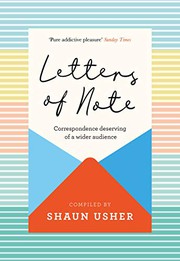
Letters from across the centuries, by the famous and the not-so-famous.
“There's another really wonderful book that I've also given out to a lot of people called Letters of Note.” — Caterina Fake
Source: The Tim Ferriss Show Transcripts: Caterina Fake (#360)
Recommended by: Caterina Fake, Zoë Foster Blake and 1 other
A short method for direct conversations and for making difficult requests.
Recommended by: Shane Parrish
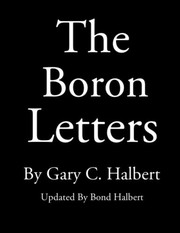
Letters from prison to a teenage son on direct-mail copywriting and living well.
Recommended by: Nat Eliason, David Perell
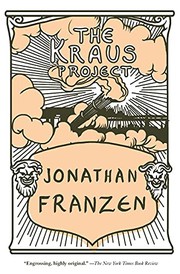
New translations of an Austrian satirist's essays, with extensive annotations.
Recommended by: Patrick Collison
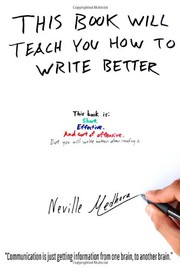
Formulas and tricks for writing copy that sells and converts.
Recommended by: Nat Eliason
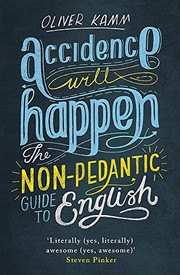
A non-pedantic guide to English usage, from split infinitives to final prepositions.
Recommended by: Patrick Collison

A former Poet Laureate's essays on life in very old age.
Recommended by: Safi Bahcall
A collection of great speeches of the twentieth century.
Recommended by: Mohnish Pabrai
How to write web copy that meets readers' needs and business goals, with examples.
Recommended by: Jan Losert
Principles of persuasion for crafting the right message and delivering it.
Recommended by: Sheryl Sandberg
New Yorker pieces from the 1940s, a decade of war and lasting cultural change.
Recommended by: Patrick Collison
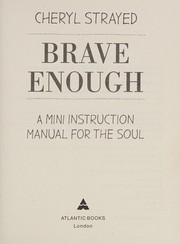
A book of quotations on courage and living.
Recommended by: Shane Parrish
A second collection of notable letters, correspondence deserving a wider audience.
Recommended by: Zoë Foster Blake
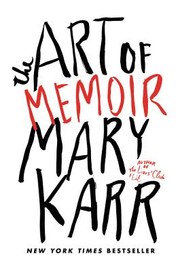
The key elements of literary memoir: memory, identity and reflecting on the past.
Recommended by: Andrew Wilkinson, Tim Ferriss
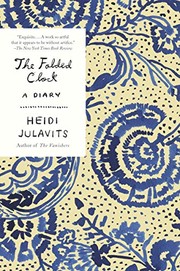
A writer's diary, kept as an adult after rereading the diaries of her youth.
Recommended by: Diana Kimball
Why readers ignore writing, and how a writer moves from amateur to professional.
Recommended by: David Perell, Morgan Housel, Nat Eliason and 1 other
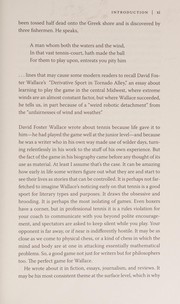
Five essays on tennis, its greatest players and the writer's own junior career.
“String Theory: David Foster Wallace on Tennis was the second book I read today (the first was Dark Matter by Blake Crouch – more on that in another post) and it was delightful.” — Brad Feld
Source: Book: String Theory: David Foster Wallace on Tennis — Feld Thoughts
Recommended by: Bill Gates, Brad Feld
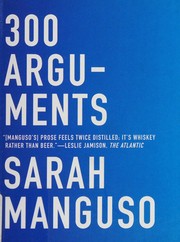
Aphorisms on desire, ambition and failure.
“So, the book that I just finished recently, it's not a full-fledged book, so, it's real short, 300 Arguments by Sarah Manguso.” — Frank Blake
Source: The Tim Ferriss Show Transcripts: Frank Blake (#303)
Recommended by: Frank Blake
A Victorian novelist's own account of his childhood, Post Office career and writing.
Recommended by: Paul Graham
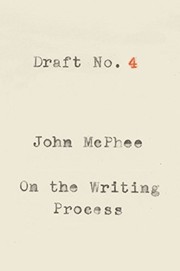
Guidance on structure, diction and tone in writing nonfiction, from his own work.
“After reading Draft No. 4, I envy writers with excellent editors.” — Brad Feld
Source: Book: Draft No. 4: On the Writing Process — Feld Thoughts
Recommended by: Brad Feld, Tim Ferriss
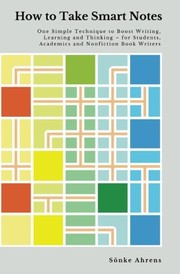
Niklas Luhmann's slip-box method of note-taking, and why it works.
Recommended by: Ali Abdaal, Nat Eliason
New Yorker pieces from the 1960s by Spark, Updike, Plath, Baldwin and others.
Recommended by: Patrick Collison
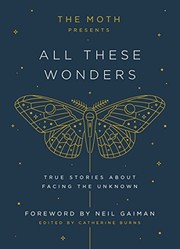
True stories about risk, courage and facing the unknown, told on The Moth's stages.
Recommended by: Tim Ferriss, Zoë Foster Blake
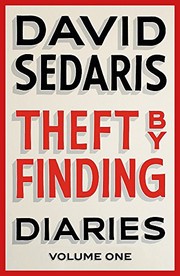
Forty years of a humorist's diary entries: overheard talk, gossip and secrets.
Recommended by: David Cancel
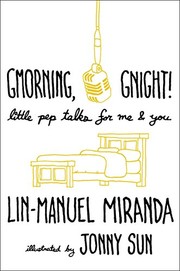
Short words of encouragement for the start and end of each day.
Recommended by: Arianna Huffington
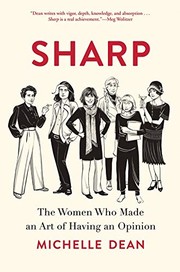
Ten women, from Dorothy Parker to Joan Didion, who made an art of having an opinion.
Recommended by: Sheryl Sandberg
How to find and tell personal stories, and how telling them well helps careers.
Recommended by: Ali Abdaal, Andrew Wilkinson
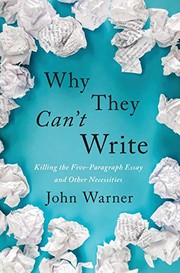
Why the five-paragraph essay and current teaching fail student writers.
“Why They Can't Write by John Warner: This is not just a book about writing...it's about teaching, learning, and what we can do to improve our education system. This is one of those books I like to revisit every year!” — Ana Fabrega
Source: Fab Fridays 105: Fab Book Recs - by Ana Lorena
Recommended by: Ana Fabrega
How to handle the unexpected at work with improv skills for impromptu speaking.
Recommended by: Chelsea Krost
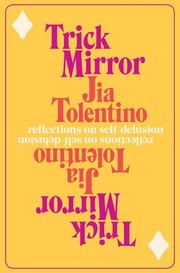
Essays on the internet, the self, feminism and politics.
Recommended by: Sophie Bakalar
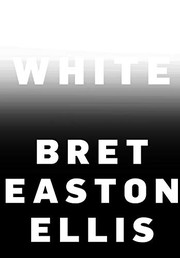
A novelist's polemic on this century's failings and a defence of freedom.
Recommended by: Keith Rabois
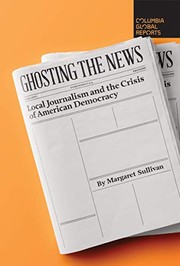
How democracy suffers when local news outlets close.
Recommended by: Andrew Wilkinson
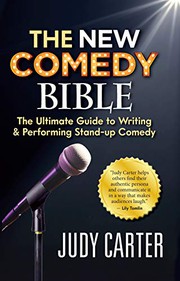
A step-by-step manual for writing, performing and building a career in stand-up.
Recommended by: Andrew Wilkinson
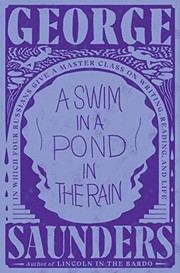
Lessons from a class on the Russian short story, taught for twenty years.
Recommended by: Barack Obama
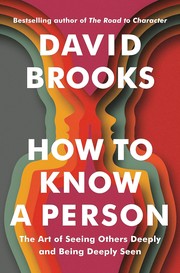
How to see other people deeply and make them feel seen.
“First part was great - so empathetic - about how and why to really get to know someone. I skipped the middle part about difficult conversations in the Culture Wars. Last part was great, about what it is to be wise.” — Derek Sivers
Source: Derek Sivers book notes (primary, rated list) · Rating: 8/10
Recommended by: Andrew Wilkinson, Bill Gates, Derek Sivers
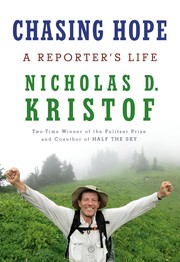
A newspaper columnist's memoir of a life reporting on the world's worst problems.
Recommended by: Bill Gates
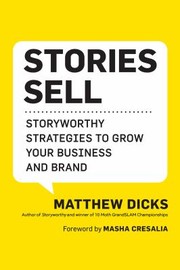
How to use storytelling in business communication.
“he breaks it all down in his new book on using stories in a business context. It's called Stories Sell, and you should go check it out.” — Andrew Wilkinson
Source: Newsletter
Recommended by: Andrew Wilkinson
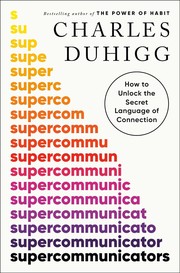
The three kinds of conversation, practical, emotional and social, and how to connect.
Recommended by: Andrew Wilkinson
Theatre improvisation in four parts: status, spontaneity, narrative skills and masks.
Recommended by: Patrick Collison
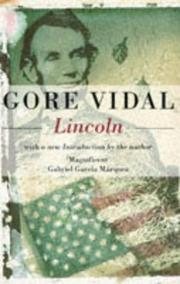
The second of two volumes of Lincoln's complete speeches and writings.
Recommended by: Patrick Collison
Two satirical essays on class, status and race in America around 1970.
Recommended by: Marc Andreessen
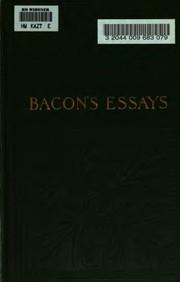
Interviews with the great writers of the age, from Faulkner to Garcia Marquez.
Recommended by: Patrick Collison
More of the magazine's conversations with the greatest writers of the age.
Recommended by: Patrick Collison
Essays by a young writer shutting out the noise to find her own voice.
Recommended by: Audrey Gelman
Twenty-five habits for handling diversity and working across cultures.
Recommended by: Matt Mullenweg


 Patrick Collisonrecommends 38 books here
 Mohnish Pabrairecommends 20 books here
 Nat Eliasonrecommends 17 books here
 Derek Siversrecommends 11 books here
 Tim Ferrissrecommends 10 books here
 Audrey Gelmanrecommends 6 books here
 Matt Mullenwegrecommends 5 books here
 Jim Collinsrecommends 4 books here
 Paul Grahamrecommends 4 books here
Show all 83
 Zoë Foster Blakerecommends 4 books here
 Ryan Holidayrecommends 3 books here
 Bill Gatesrecommends 3 books here
 Diana Kimballrecommends 3 books here
 Eric Weinsteinrecommends 3 books here
 Nir Eyalrecommends 3 books here
 Sheryl Sandbergrecommends 3 books here
 Warren Buffettrecommends 2 books here
 Brad Feldrecommends 2 books here
 Morgan Houselrecommends 2 books here
 Ann Handleyrecommends 2 books here
 Balaji S. Srinivasanrecommends 2 books here
 Bret Victorrecommends 2 books here
 David Cancelrecommends 2 books here
 Kara Swisherrecommends 2 books here
 Maria Popovarecommends 2 books here
 Ramit Sethirecommends 2 books here
 Ran Segallrecommends 2 books here
 Stewart Brandrecommends 2 books here
 Tristan Harrisrecommends 2 books here
 Marc Andreessenrecommends 1 book here
 Michael Mauboussinrecommends 1 book here
 John Doerrrecommends 1 book here
 Kevin Kellyrecommends 1 book here
 Guy Kawasakirecommends 1 book here
 Guy Spierrecommends 1 book here
 Safi Bahcallrecommends 1 book here
 Abi Tyas Tunggalrecommends 1 book here
 Alexis Ohanianrecommends 1 book here
 Alfred Linrecommends 1 book here
 Ana Fabregarecommends 1 book here
 Arianna Huffingtonrecommends 1 book here
 Barack Obamarecommends 1 book here
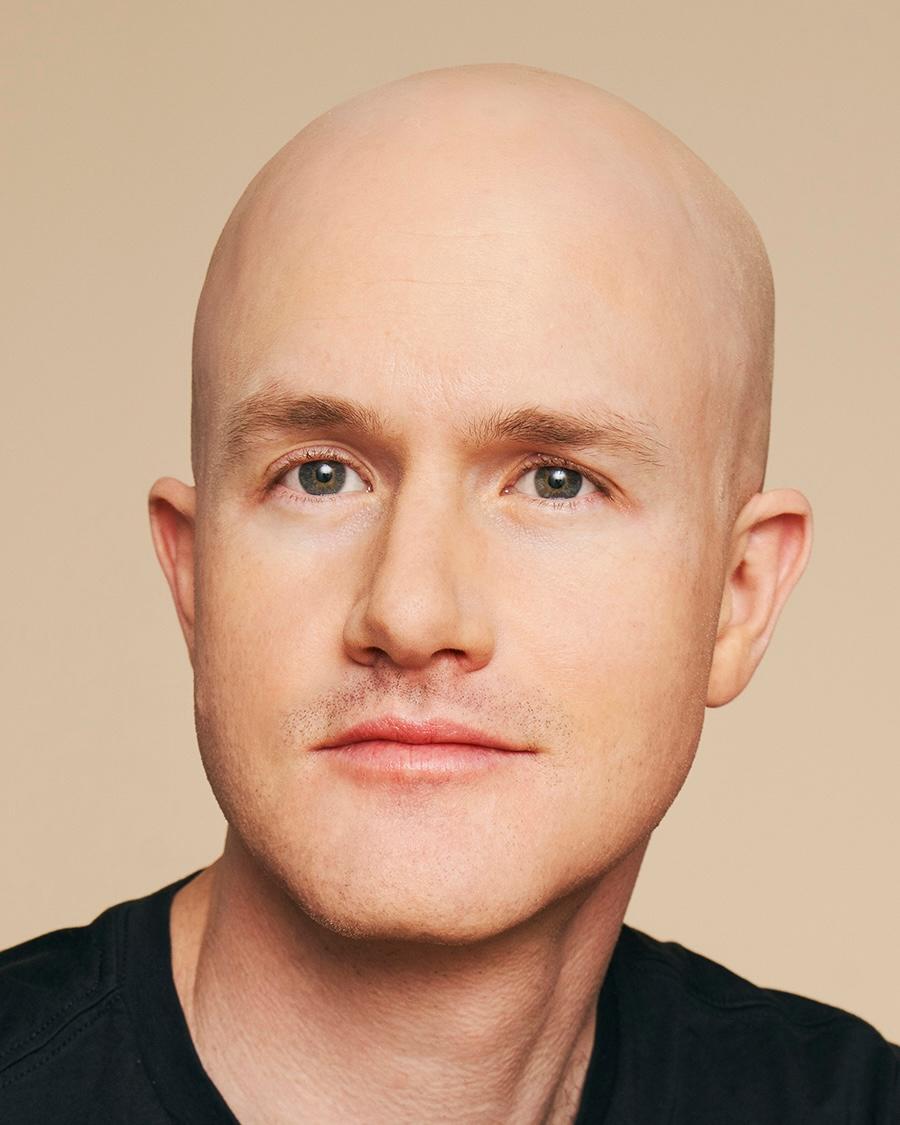 Brian Armstrongrecommends 1 book here
 Bryant Chourecommends 1 book here
 Caterina Fakerecommends 1 book here
 Changpeng Zhaorecommends 1 book here
 Chelsea Krostrecommends 1 book here
 Daniel Burkarecommends 1 book here
 Ev Williamsrecommends 1 book here
 Fred Schebestarecommends 1 book here
 George Hatzisrecommends 1 book here
 Jake Knapprecommends 1 book here
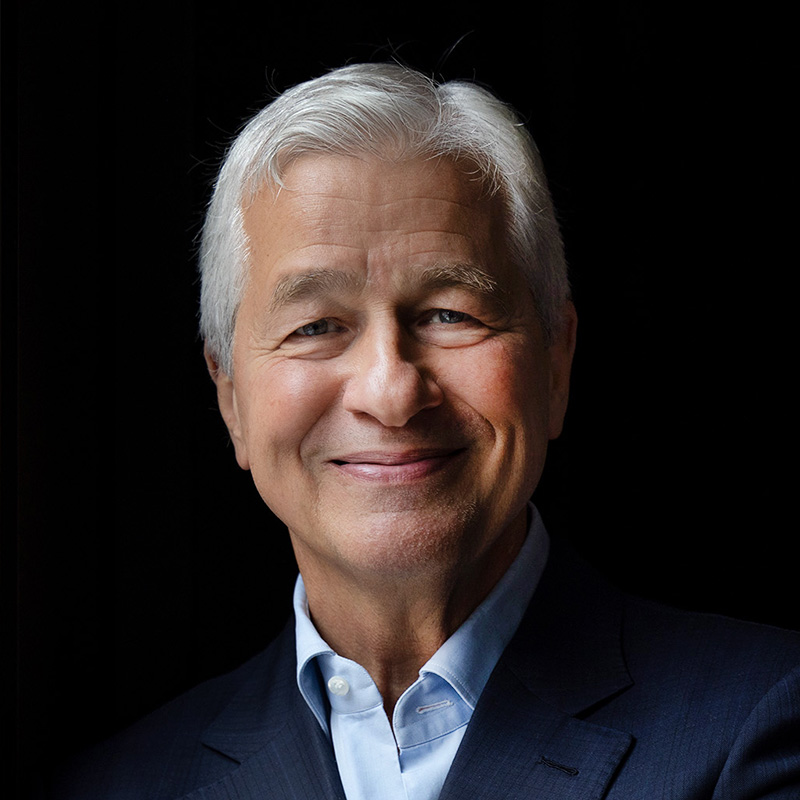 Jamie Dimonrecommends 1 book here
 John D Saundersrecommends 1 book here
 Julie Zhuorecommends 1 book here
 Keith Raboisrecommends 1 book here
 Kevin Systromrecommends 1 book here
 Nate O'Brienrecommends 1 book here
 Naval Ravikantrecommends 1 book here
 Nick Huberrecommends 1 book here
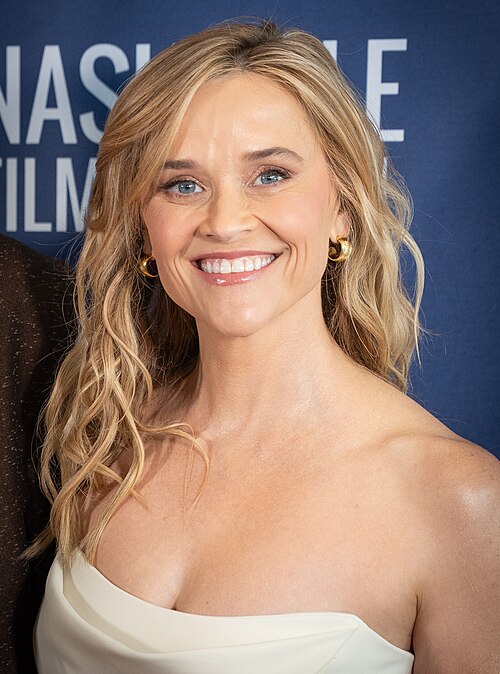 Reese Witherspoonrecommends 1 book here
 Scott Belskyrecommends 1 book here
 Strauss Zelnickrecommends 1 book here
 Susan Cainrecommends 1 book here
 Susan J. Fowlerrecommends 1 book here
 Tobi Lütkerecommends 1 book here
 Tony Hsiehrecommends 1 book here
 Tony Robbinsrecommends 1 book here