Meaning and the good life
Holds practical books on how to live: purpose, happiness, mortality and grief, advice and letters to the young, and collections of maxims and aphorisms.
Start here
- Poor Richard's AlmanackBenjamin Franklin, 1732
- Being MortalAtul Gawande, 2014
- Finite and Infinite GamesJames P. Carse, 1986
- Excellent Advice for LivingKevin Kelly, 2023
- MasteryGeorge Leonard, 1991
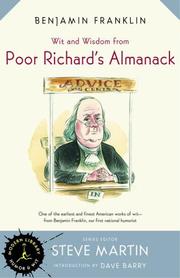
An almanac of proverbs and maxims urging thrift, industry and courtesy.
Recommended by: Li Lu, Tim Ferriss
End-of-life and hospice care, and why medicine should aim at well-being.
Recommended by: Bill Gates, Mohnish Pabrai, Julie Zhuo
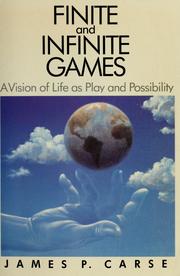
Finite games are played to win; infinite games are played to keep playing.
“So abstract. Maybe the most abstract book you'll ever read. Compares "finite" games with rules and winners, versus "infinite" games without winners where we can play with the game itself.” — Derek Sivers
Source: Book notes by Derek Sivers
Recommended by: Derek Sivers, Graham Duncan, Mohnish Pabrai and 9 others
Short pieces of advice on living, goals, generosity, careers, family and money.
“Tiny sentences with deep wisdom unelaborated. Up to you to extract, reflect, and apply.” — Derek Sivers
Source: Derek Sivers book notes (primary, rated list) · Rating: 6/10
Recommended by: Andrew Wilkinson, Derek Sivers and 1 other
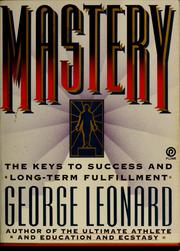
Mastery as long practice on the plateau, with a reward that comes late.
“Mostly detailed historical biographical tales of ”masters” like DaVinci, Darwin, Mozart, Proust, Goethe, Wright Brothers, Einstein, Coltrane, Martha Graham, etc. Lessons dissected from their successes, and categorized. Similar format to his great book “48 Laws of Power”, but a little less effective here. The biographies were interesting, but lessons were mostly conventional wisdom.” — Derek Sivers
Source: Derek Sivers book notes (primary, rated list) · Rating: 8/10
Recommended by: Derek Sivers, Patrick O'Shaughnessy and 2 others
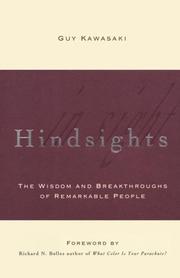
Letters from 33 people on the lessons of their lives.
Recommended by: Mohnish Pabrai
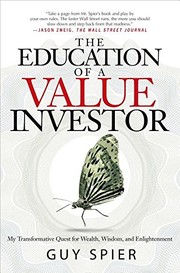
One investor's change from a brokerage job to value investing, after Buffett.
“…books I've recommended, highlighted to death, or forced on friends.” — Andrew Wilkinson
Source: Andrew Wilkinson's Bookshelf, neverenough.com
Recommended by: Andrew Wilkinson, Christopher Bloomstran and 1 other
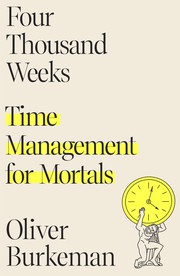
Time management for a life of about four thousand weeks, and the limits it sets.
“Give up hope and embrace your limits. Everything you do means giving up something else. Say yes to less. He’s one of my favorite authors, so wonderfully thorough, but I already agree and am living this way. (My “Hell Yeah or No” was about this subject.) Still, I’d recommend it to anyone.” — Derek Sivers
Source: Derek Sivers book notes (primary, rated list) · Rating: 8/10
Recommended by: Andrew Wilkinson, Derek Sivers, Sahil Bloom and 1 other
Three hundred maxims with commentary on how to live and advance in society.
Recommended by: Nat Eliason

A short New Thought essay on how a person's thinking shapes their life.
Recommended by: Nat Eliason, Tim Ferriss, Tony Robbins
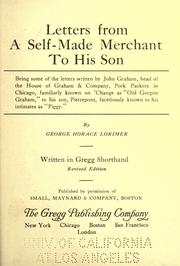
Fictional letters from a merchant to his son on business and the conduct of life.
Recommended by: Mohnish Pabrai, Ryan Holiday
How to drop the outdated rules of work, love and money and set your own.
Recommended by: Jim Kwik

Letters of advice on poetry, solitude and life written to a young would-be poet.
Recommended by: Maria Popova
How each reader can build and defend an inner self through culture.
Recommended by: Tim O’Reilly

The argument that play is primary to culture and a condition of it.
Recommended by: Stewart Brand
Reflections on a woman's life, written on holiday by the sea in Florida.
Recommended by: Maria Popova
Life in Nazi concentration camps, and logotherapy: finding meaning to survive.
“What's more certain to me is that we all need a why, as Viktor Frankl told us in Man's Search for Meaning.” — David Heinemeier Hansson
Source: Universal Basic Dead End
Recommended by: David Heinemeier Hansson, David Perell and 29 others
A fable about a seagull learning to fly, and a homily on self-perfection.
Recommended by: Ev Williams, Mike Maples, Jr.
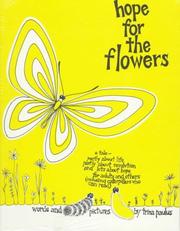
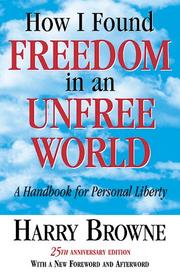
How a person can live the life they want despite the constraints around them.
“Some fun "fist in the air" thoughts on freedom, from 1973. Includes related thoughts on parenting and honesty.” — Derek Sivers
Source: Derek Sivers book notes (primary, rated list) · Rating: 3/10
Recommended by: Derek Sivers, Nat Eliason

How people and cultures react to death, and what that reaction does to them.
Recommended by: Nat Eliason, Eric Weinstein, Marc Andreessen
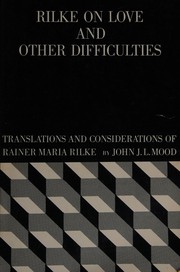
A short anthology of the poet's work on love, with commentary.
Recommended by: Sophia Amoruso
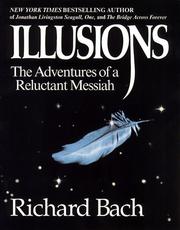
A novel of two barnstorming pilots in the Midwest, one of them a reluctant messiah.
Recommended by: Naval Ravikant
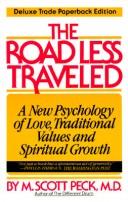
Why facing problems, though painful, is how people grow mentally and spiritually.
“Profound truths and bold opinions on discipline, life, and love, written by a psychiatrist in 1978. It's been a best-seller all these years for a good reason.” — Derek Sivers
Source: Derek Sivers book notes (primary, rated list) · Rating: 8/10
Recommended by: Derek Sivers, Jim Collins, John Maeda and 1 other
How thought and emotion are integrated as people develop through life.
Recommended by: Ray Dalio
Discourses in answer to questions about the inner life, from God to freedom.
Recommended by: Naval Ravikant
Reflections on memory, hope and how time colours the present.
Recommended by: Mohnish Pabrai
Poor Richard's Almanac's sayings on wealth, gathered into a speech by Father Abraham.
“These investment ideas, it turns out, are eerily similar to Franklin’s ideas about savings, set forth largely in his classic, The Way to Wealth, first published in 1757.” — John C. Bogle
Source: Capitalism, Entrepreneurship, and Investing — The 18th Century vs. the 21st Century, page 5
Recommended by: John C. Bogle, Mohnish Pabrai and 1 other
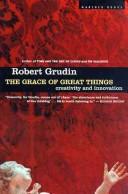
The nature of creativity, and the failings of universities and corporations.
Recommended by: Mohnish Pabrai
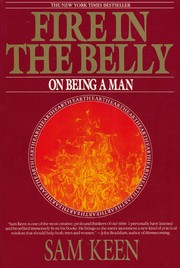
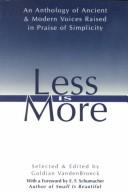
An anthology of ancient and modern writings in praise of simplicity and moderation.
“So for those people curious, I have Tribe, Sebastian Junger, Gratitude by Oliver Sachs, Less Is More which is a mythology of stoic quotes and thoughts on minimalism.” — Tim Ferriss
Source: The Tim Ferriss Show Transcripts: Dave Camarillo (#196)
Recommended by: Tim Ferriss
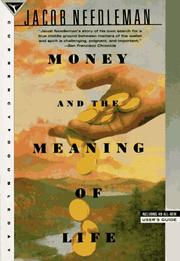
Myth, psychology and Sufi wisdom on how money can become a means of self-knowledge.
Recommended by: Mohnish Pabrai
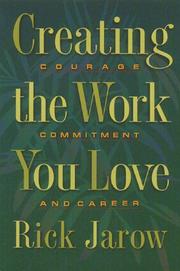
Finding a vocation through spiritual self-realisation and the chakras.
Recommended by: Mohnish Pabrai
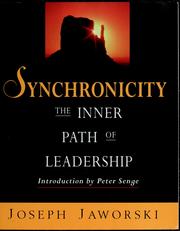
A lawyer's journey from a career without meaning to a path of inner leadership.
Recommended by: Mohnish Pabrai
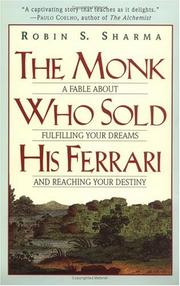
A fable on self-realisation, purpose and success.
Recommended by: Melanie Perkins, Terrance McArthur and 1 other
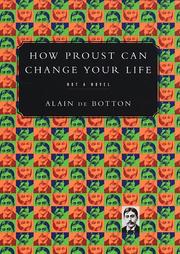
How a great novel, Proust's In Search of Lost Time, can change a reader's life.
“From Alain de Botton's book How Proust Can Change Your Life, highly recommended:” — Matt Mullenweg
Source: Proustian Telephone
Recommended by: Matt Mullenweg, Mohnish Pabrai and 1 other
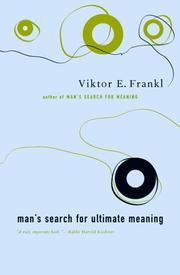
A psychotherapist on the human need for meaning and the search for ultimate answers.
Recommended by: Mohnish Pabrai
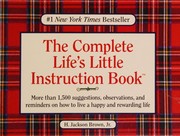
Over 1,500 short pieces of advice on living a good life.
Recommended by: Scott Belsky
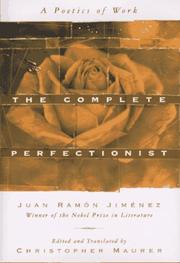
A Nobel poet's aphorisms on the pursuit of perfection in work and life.
Recommended by: Ryan Holiday
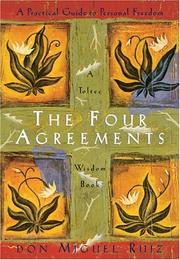
A code of conduct drawn from Toltec wisdom for ending self-limiting beliefs.
“Hm. I liked it the first time I read it in 2006. This time? Seems like a lot of generic blah blah, trying to declare it to be deep and powerful by calling it Ancient Toltec Wisdom™.” — Derek Sivers
Source: Derek Sivers book notes (primary, rated list) · Rating: 2/10
Recommended by: Derek Sivers, Jack Dorsey, Nate O'Brien and 1 other
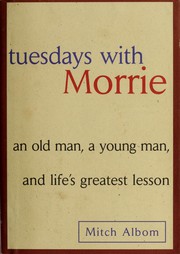
Weekly visits to a former sociology professor as he dies, and what he taught.
Recommended by: Mohnish Pabrai, Library Mindset
A collection of Benjamin Franklin's sayings and quotations.
Recommended by: Mohnish Pabrai
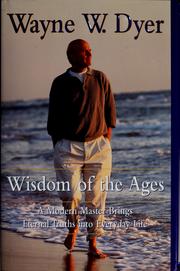
Lessons for the present drawn from the teachings of great thinkers of the past.
Recommended by: Mohnish Pabrai
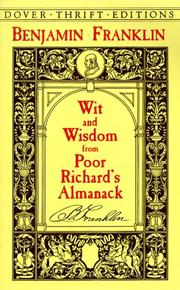
Aphorisms and common-sense sayings from a popular colonial American almanac.
Recommended by: Blake Mycoskie
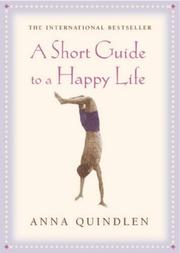
A short essay on finding happiness in the small moments of a busy life.
Recommended by: Sheryl Sandberg
“How can the lessons of philosophers change your life? Thoughtful, unique, and funny book (cute illustrations) with some insightful ideas around that.” — Derek Sivers
Source: Derek Sivers book notes (primary, rated list) · Rating: 7/10
Recommended by: Derek Sivers
A venture adviser on startups and the trap of the deferred life plan.
Recommended by: Nat Eliason, Patrick Collison, Ev Williams and 3 others
Short essays on turning eighty, ageing and facing death.
Recommended by: Patrick O'Shaughnessy, Tim Ferriss
Recommended by: Mohnish Pabrai
A down-and-out man escapes a shootout with billions and crosses America.
Recommended by: Mohnish Pabrai
A philosophical look at why people travel and what they find.
Recommended by: Andrew Wilkinson, Brian Chesky
True stories of people who found meaningful work and lives.
Recommended by: Ev Williams

Where the worry about others' judgement of us comes from, and how people overcome it.
Recommended by: Andrew Wilkinson, Garry Tan
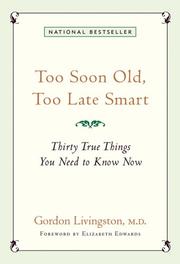
Advice on living, drawn from a psychiatrist's thirty years with patients.
“Powerful and profound life lessons from a psychiatrist who's been listening to people's problems for decades.” — Derek Sivers
Source: Derek Sivers book notes (primary, rated list) · Rating: 9/10
Recommended by: Andrew Wilkinson, Derek Sivers, Nat Eliason and 1 other
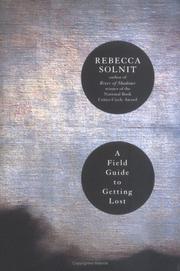
Essays on getting lost, travel, wandering and the unknown.
“Really beautiful writing. Wonderful semi-poetic words around the subject of exploring, venturing into the unknown, and identity. Only downside is the subjects became just memoir for the second half of the book, instead of sticking to the theme.” — Derek Sivers
Source: Derek Sivers book notes (primary, rated list) · Rating: 6/10
Recommended by: Derek Sivers, Matt Mullenweg
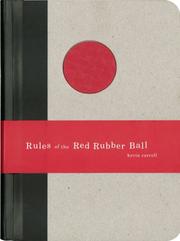
How to find and keep your life's work through passion, play and creativity.
Recommended by: Ann Handley
Ancient wisdom on happiness tested against modern psychology and brain research.
“Psychology professor's digestible but deep insight into how our minds work, around the topic of happiness. Great metaphor of a rider on the back of an elephant. Rider is reasoning, elephant is emotions. Rider has limited control of what the elephant does. Surprising insights into ethics and morality. See my notes for great quotes, but read the whole well-written book.” — Derek Sivers
Source: Derek Sivers book notes (primary, rated list) · Rating: 9/10
Recommended by: Andrew Wilkinson, Derek Sivers, Tony Hsieh
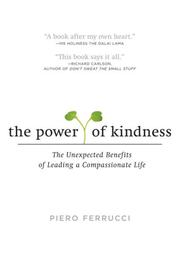
Why warmth and kindness matter as life grows faster and more impersonal.
Recommended by: Peter Mallouk
Unpublished essays and lectures on leading by serving others.
Recommended by: Mohnish Pabrai
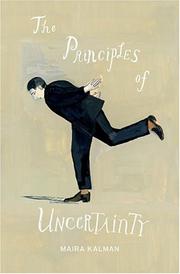
An artist's illustrated mix of personal story, documentary and travelogue.
“There's one called Drawings and Observations by the artist Louise Bourgeois, which is fantastic, and I've given that to so many people, as well as The Principles of Uncertainty by Maira Kalman.” — Caterina Fake
Source: The Tim Ferriss Show Transcripts: Caterina Fake (#360)
Recommended by: Caterina Fake
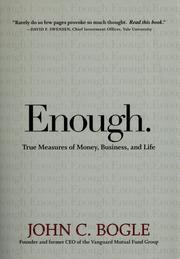
Reflections on money, business and having enough, after the financial crisis.
“Legendary investor, now 80, looks back with long-view wisdom on investing, living, and giving.” — Derek Sivers
Source: Derek Sivers book notes (primary, rated list) · Rating: 3/10
Recommended by: Derek Sivers, Mr. Money Mustache
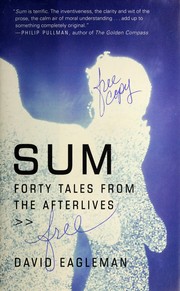
Short imagined afterlives, each a different version of what follows death.
“I downloaded Sum and read it.” — Brad Feld
Source: Book: Sum: Forty Tales from the Afterlives — Feld Thoughts
Recommended by: Brad Feld, Derek Sivers, Matt Mullenweg and 1 other
Stories of forgiveness, gratitude and courage from a hospice volunteer.
Recommended by: Arianna Huffington
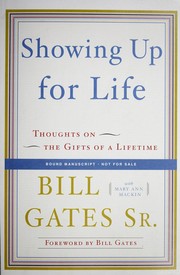
The values a man learned growing up in the Depression and passed to his children.
Recommended by: Mohnish Pabrai, Bill Gates

A look at modern work in its many forms, its pleasures and its pains.
“Thoughtful rambling observations on different lines of work. Personal tales of his time spent observing different industries like fishing, counseling, shipyards, or walking along electric towers. Some tangential insights along the way.” — Derek Sivers
Source: Derek Sivers book notes (primary, rated list) · Rating: 2/10
Recommended by: Andrew Wilkinson, Derek Sivers
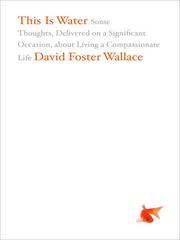
A commencement address on living adult life with attention and compassion.
Recommended by: Nat Eliason, Julie Zhuo
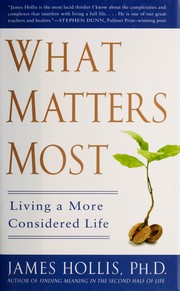
A Jungian approach to finding meaning and an authentic path.
Recommended by: Andrew Wilkinson
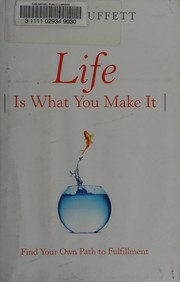
Choosing the path of greatest satisfaction over the path of least resistance.
Recommended by: Bill Gates, Mohnish Pabrai, Warren Buffett
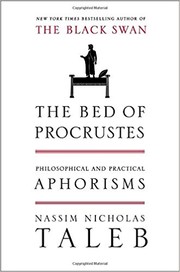
Aphorisms stating Taleb's ideas on randomness, knowledge and modern life.
“I'm thrilled if I get a few counter-intuitive thought-provoking ideas from any source. This book is filled with his usual cocktail party sprezzatura bravado, but refreshingly succinct, minus his usual blowhard explanations of his superior scholarly approach to life.” — Derek Sivers
Source: Derek Sivers book notes (primary, rated list) · Rating: 6/10
Recommended by: Derek Sivers, Nat Eliason, Ryan Holiday and 3 others
Courage, compassion and connection as choices that lead to wholehearted living.
Recommended by: Brené Brown, Melinda Gates
Advice on living, loving and happiness from over 1,000 older Americans.
Recommended by: Morgan Housel
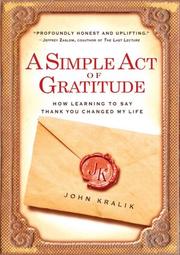
A road map to a rich life of meaning and purpose beyond status and possessions.
Recommended by: Ali Abdaal
Stories, essays and poems on living life fully, from the poet of "The Dash".
Recommended by: John Maeda

An Edwardian essay on living deliberately below one's means.
Recommended by: Morgan Housel
What a palliative-care worker learned from the regrets of the dying.
Recommended by: Mike Maples, Jr.

What the warrior's code is, where it came from and how to live by it today.
Recommended by: Patrick O'Shaughnessy
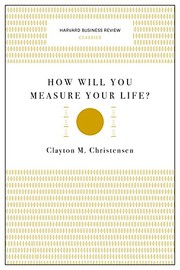
Business strategy theories applied to career, family and integrity.
“A copy of Clay Christensen’s new book How Will You Measure Your Life? ended up finding its way to me. It’s signed by Clay and his co-authors James Allworth and Karen Dillon so I assume someone sent it to me.” — Brad Feld
Source: Book: How Will You Measure Your Life? — Feld Thoughts
Recommended by: Ali Abdaal, Brad Feld, Bruce Flatt and 8 others

A philosophical look at sex and relationships.
Recommended by: Ali Abdaal, Nat Eliason
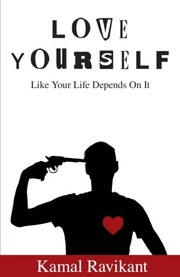
A short case for self-acceptance and self-esteem as the base of a good life.
Recommended by: Nat Eliason, Naval Ravikant, Garry Tan and 1 other
Why chasing positive thinking makes people unhappy, and the case for the negative.
“Surprisingly deep and philosophical. The first book I've read in years that makes me want to read it twice. The title and cover make it seem like light pop, but it's a wonderfully-cynical British journalist diving into Stoicism, meditation, death, etc.” — Derek Sivers
Source: Derek Sivers book notes (primary, rated list) · Rating: 8/10
Recommended by: Derek Sivers, Paul Jarvis

The best of the Dear Sugar advice columns on love, loss and life.
Recommended by: Ryan Holiday, Reese Witherspoon and 2 others
Humorous essays and cartoons on friends and American social life.
“We Learn Nothing by Tim Kreider, a dazzling collection of humor and insight, is the newest book in the Tim Ferriss Book Club. I loved this book so much that I reached out to Tim and we produced the audiobook together.” — Tim Ferriss
Source: Lazy: A Manifesto - The Blog of Author Tim Ferriss
Recommended by: Tim Ferriss, Abi Tyas Tunggal
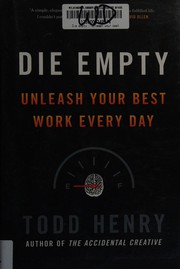
Why to do your important work now, before all your tomorrows run out.
“Motivating thoughts on doing your work. Your work is the expression of your priorities. “Work” = creating value where it didn't previously exist. An interesting definition of three kinds of work: mapping, making, and meshing.” — Derek Sivers
Source: Derek Sivers book notes (primary, rated list) · Rating: 6/10
Recommended by: Derek Sivers, David Kadavy
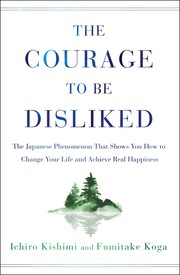
Alfred Adler's psychology taught through five nights of dialogue.
“This book is oddly written (it's translated from Japanese), but it changed my life.” — Andrew Wilkinson
Source: Newsletter
Recommended by: Ali Abdaal, Andrew Wilkinson, Derek Sivers and 11 others
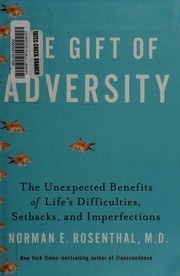
Why setbacks are inevitable, and what people can learn from them.
Recommended by: Ray Dalio
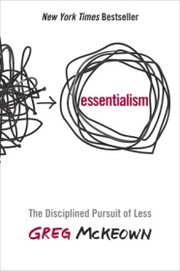
A method for finding the few activities that matter and dropping the rest.
“My favorite book of 2014. I bought it for the whole team at AppSumo.” — Noah Kagan
Source: The 25 Best Business Books I Ever Read (Out of 697)
Recommended by: Austen Allred, Matt Mullenweg, Nat Eliason and 10 others
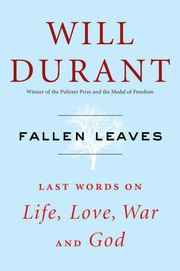
A historian's last reflections on the meaning of life, found after his death.
“a book that historian Will Durant wrote in his 90s, a summation of his thoughts on the meaning of life at the end of his” — Andrew Wilkinson
Source: Newsletter
Recommended by: Andrew Wilkinson, Derek Sivers and 2 others
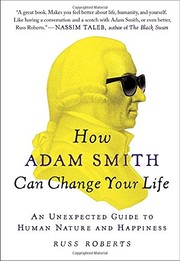
What Adam Smith's other book teaches about happiness, virtue and human nature.
“Adam Smith wrote “Theory of Moral Sentiments” in the 1700s. Now Russ puts it into modern language and times. Main point is that our morality comes from imagining being judged by our fellow man.” — Derek Sivers
Source: Derek Sivers book notes (primary, rated list) · Rating: 5/10
Recommended by: Derek Sivers, Tim O’Reilly
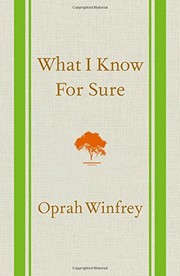
Columns on the lessons a TV host has learned about life.
Recommended by: David Cancel, Zoë Foster Blake
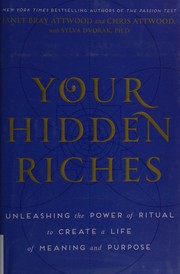
How daily rituals can bring rhythm, balance and connection to life.
Recommended by: Jim Kwik
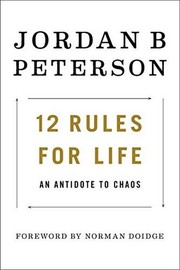
Twelve rules for living, each drawn from clinical practice, biology and myth.
“A unique thinker with strong opinions presented as indisputable fact. More surprisingly interesting ideas than almost any book I've ever read. Extremely thoughtful, but occasionally abruptly concludes with an unsupported point. It has a conservative “this is how it is” certainty. It’s a broad collection of thoughtful insights on life, mixed with a lot of Bible interpretation.” — Derek Sivers
Source: Derek Sivers book notes (primary, rated list) · Rating: 9/10
Recommended by: Derek Sivers, Guy Spier, Nat Eliason and 8 others
A book of quotations on courage and living.
Recommended by: Shane Parrish
Fifty-two short essays, each on one everyday word and its deeper meaning.
Recommended by: Patrick O'Shaughnessy
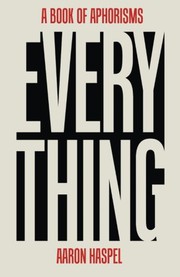
A collection of five or six hundred aphorisms.
Recommended by: Antonio García Martínez
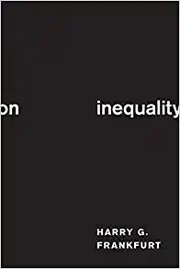
Why poverty, not inequality, is the moral problem.
Recommended by: Patrick Collison, Paul Graham
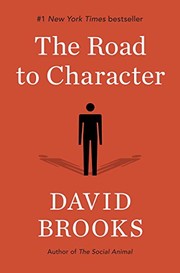
Humility, character and the virtues, and why they matter.
“It certainly was a stimulating read, and it got me thinking about my own motivations and limitations in new ways.” — Bill Gates
Source: Gates Notes review of The Road to Character
Recommended by: Bill Gates, David Perell, Mohnish Pabrai and 2 others
A Christian memoir of choosing simplicity over the race for more.
Recommended by: Paul Jarvis
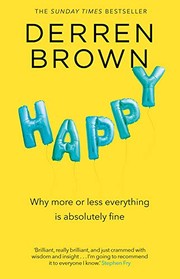
“Brilliant and profound yet totally entertaining philosophy book by one of my favorite people. Gives an approachable overview of past philosophies and shows how they apply to your life today better than the harmful pop-self-help-positivity stuff. Amazing perspectives on desires, death, relationships, anger, and how being present doesn’t matter as much as the story you tell yourself afterwards. His fun writing style isn’t reflected in my notes here. Get the book.” — Derek Sivers
Source: Derek Sivers book notes (primary, rated list) · Rating: 9/10
Recommended by: Ali Abdaal, Derek Sivers, Reese Witherspoon
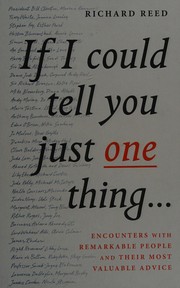
Advice collected from people in business, politics, sport, art, medicine and film.
Recommended by: Richard Branson

The Japanese idea of ikigai, seen in the daily habits of the longest-living people.
Recommended by: Ryan Hoover
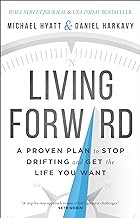
How to write a life plan and live an intentional life instead of drifting.
Recommended by: Mike Maples, Jr., Tony Robbins
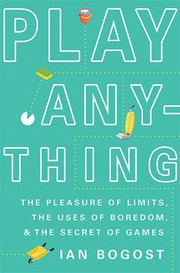
Games please us because of their limits, and how to find play in the ordinary.
Recommended by: Stewart Butterfield
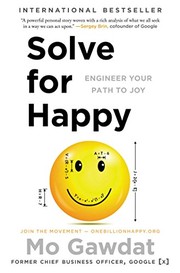
An engineer's approach to happiness: the illusions and brain flaws behind suffering.
Recommended by: Andrew Wilkinson, Peter Attia
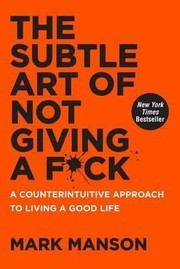
Why chasing constant positive experience backfires, and why accepting the bad helps.
Recommended by: Ran Segall, Johnnie Gomez, Matej Latin and 1 other

Aphorisms on desire, ambition and failure.
“So, the book that I just finished recently, it's not a full-fledged book, so, it's real short, 300 Arguments by Sarah Manguso.” — Frank Blake
Source: The Tim Ferriss Show Transcripts: Frank Blake (#303)
Recommended by: Frank Blake
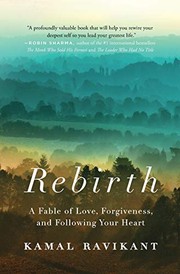
A grieving man walks the Camino de Santiago after scattering his father's ashes.
Recommended by: Matt Mullenweg
Quotes from Munger's interviews, speeches and annual meetings, with commentary.
Recommended by: Andrew Wilkinson, Chris Powers, David Cancel

Short words of encouragement for the start and end of each day.
Recommended by: Arianna Huffington
A therapist's guide to answering your soul's calling in the second half of life.
“I love this line from Dr. James Hollis' incredible book (one of my favorites from the last few years)” — Andrew Wilkinson
Source: Essay
Recommended by: Andrew Wilkinson
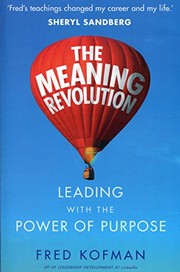
Why serving a larger purpose drives motivation, and how leaders create meaning.
Recommended by: Reid Hoffman
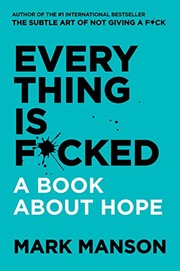
Why people feel hopeless at a time of material plenty: a book about hope.
“Yesterday, I started my day by finishing A People’s History of American Empire: The American Empire Project, A Graphic Adaptation and ended my day by finishing Everything Is F*cked: A Book About Hope. In between Amy took me to see John Wick: Chapter 3 – Parabellum (or maybe I took her to see it.) All three experiences were satisfactory.” — Brad Feld
Source: Book: Everything Is Fucked — Feld Thoughts
Recommended by: Andrew Wilkinson, Brad Feld
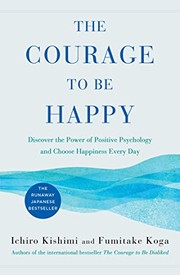
A dialogue between a philosopher and a young man on how to live a happy life.
“The sequel to the great “Courage to be Disliked”. The philosophy of Alfred Adler, on education, self-reliance, coming to terms with your past, focusing on solutions instead of problems, and active loving. Be warned, the format is strange: a dialog between an angry youth and calm philosopher. You can skim over what the youth says, since it's just angry objections.” — Derek Sivers
Source: Derek Sivers book notes (primary, rated list) · Rating: 7/10
Recommended by: Derek Sivers, Ryan Hoover

A guide to finding your purpose and honouring your calling.
Recommended by: Arianna Huffington
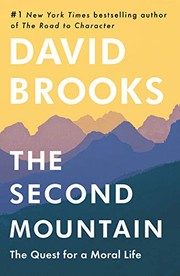
The four commitments to family, vocation, faith and community that give life meaning.
Recommended by: Ryan Holiday
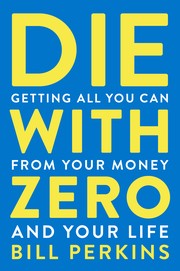
Why to spend and live fully while alive, rather than die with money unspent.
Recommended by: Ali Abdaal, Nat Eliason, James Altucher
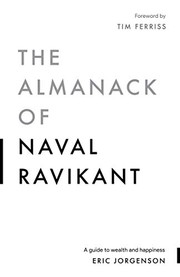
Naval Ravikant's ideas on building wealth and being happy, gathered from his talks.
Recommended by: Balaji S. Srinivasan, Nat Eliason and 9 others
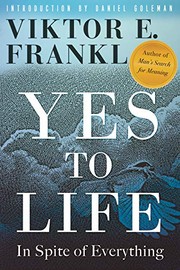
Lectures a psychiatrist gave months after leaving the Nazi camps, on finding hope.
Recommended by: Ryan Holiday
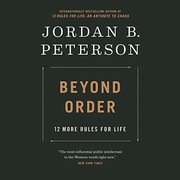
Twelve more rules for balancing order and chaos in modern life.
“Deep philosophy. Interesting voice. Great uncommon insights. Jungian. Brings almost any topic back to stories. Story of Pinnochio, stories in the Bible, story of your life. Stresses the importance of convention and social norms. 1st chapter had me talking about this book with friends immediately, loving it. 2nd chapter onwards, it was a tougher read. Needs a ruthless editor.” — Derek Sivers
Source: Derek Sivers book notes (primary, rated list) · Rating: 7/10
Recommended by: Derek Sivers, Naval Ravikant

Short pieces giving conflicting philosophies of how to live.
“I also recommend Derek's other books (How To Live is especially good).” — Andrew Wilkinson
Source: Newsletter
Recommended by: Andrew Wilkinson
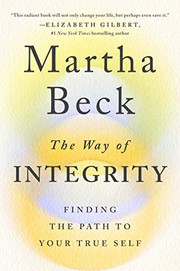
A four-stage path to integrity as the cure for psychological suffering.
Recommended by: Melinda Gates
How to find time for creative work in the scattered minutes of a day.
Recommended by: Ali Abdaal
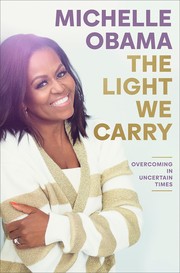
Tools for steadying oneself through change and uncertainty.
Recommended by: Michelle Obama
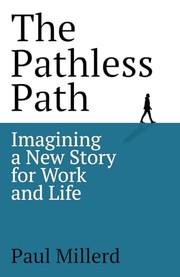
A new story for work and life, beyond the default career path.
Recommended by: Ali Abdaal
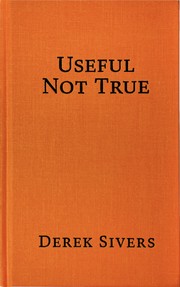
Reframing beliefs by whether they are useful, not whether they are true.
“Derek is one of my favorite writers, and his latest book is focused on a simple idea: our beliefs are often not necessarily true, but simply useful to us. That beliefs are tools, not truths.” — Andrew Wilkinson
Source: Newsletter
Recommended by: Andrew Wilkinson
A system for designing a fulfilling life around five types of wealth.
Recommended by: Bill Ackman
A philosophy of time for mortals, and how to make the most of a finite life.
Recommended by: Matt Mullenweg
Aphorisms from the emperor's speeches, collected by Balzac in four themes.
Recommended by: Nat Eliason
Recommended by: Mohnish Pabrai
A father's letters to his son on becoming a man of the world and a gentleman.
Recommended by: Ryan Holiday
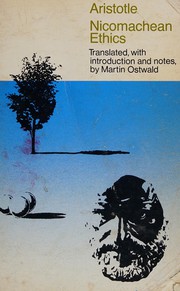
What the good life is: the end at which all human action aims.
Recommended by: Li Lu, Paul Graham, Peter Thiel
Examples of people who turned their concern for the world into their work.
Recommended by: Richard Branson
Lessons from extraordinary lives on life's ultimate questions.
Recommended by: Mike Cannon-Brookes
Interviews with 65 actors, athletes, leaders and others on what life has taught them.
Recommended by: Zoë Foster Blake
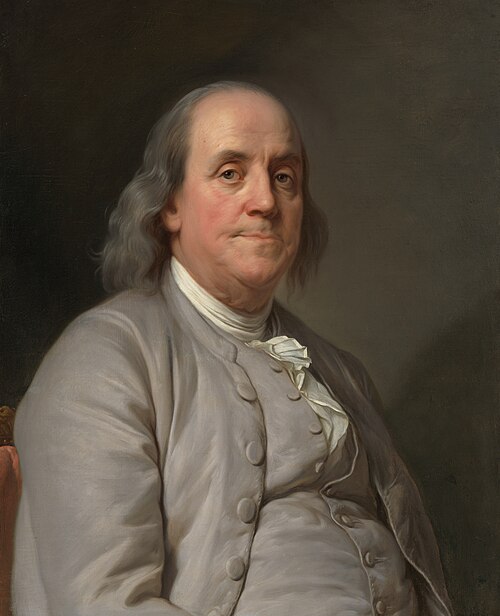 Benjamin Franklinwrote 4 books here
 David Brookswrote 2 books here
 Derek Siverswrote 2 books here
 Oprah Winfreywrote 2 books here
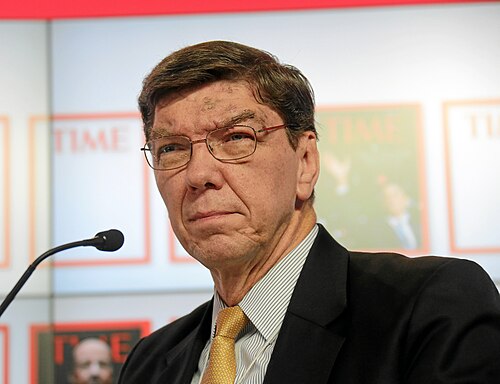 Clayton Christensenwrote 1 book here
 John C. Boglewrote 1 book here
 Nassim Nicholas Talebwrote 1 book here
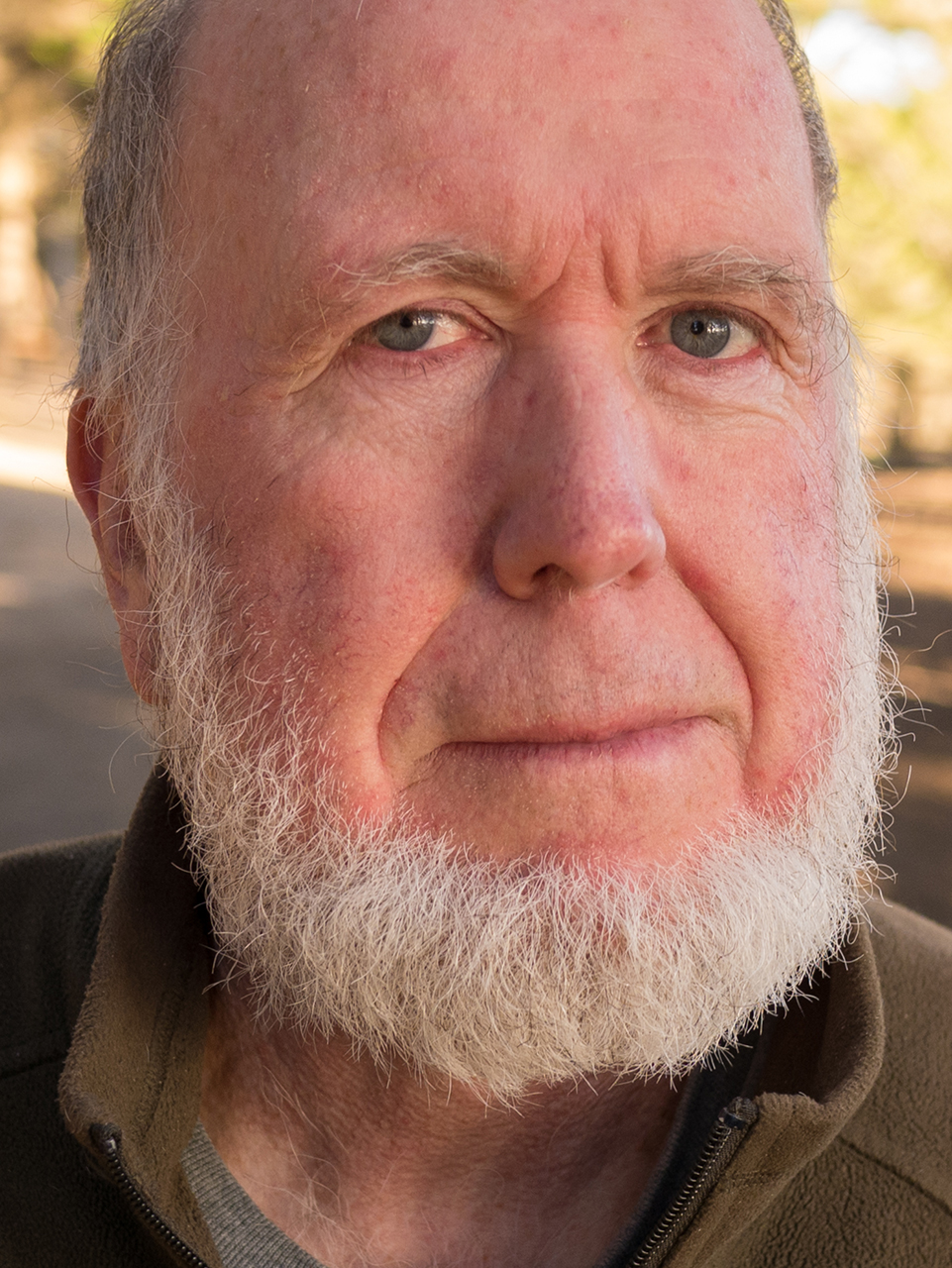 Kevin Kellywrote 1 book here
 Guy Kawasakiwrote 1 book here
 Guy Spierwrote 1 book here
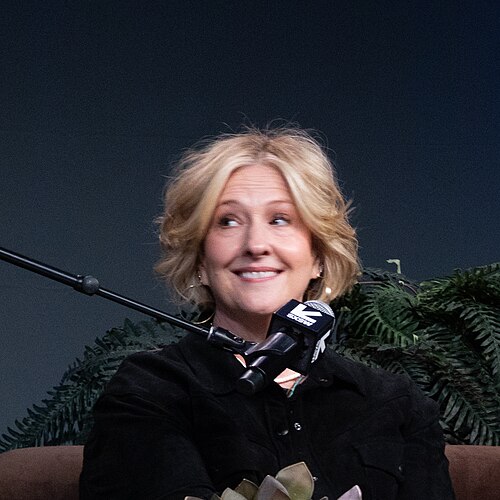 Brené Brownwrote 1 book here
Show all 15
 Mohnish Pabrairecommends 27 books hereDerek Siversrecommends 25 books here
 Nat Eliasonrecommends 18 books here
 Naval Ravikantrecommends 12 books here
 Tim Ferrissrecommends 10 books here
 Matt Mullenwegrecommends 9 books here
 Ryan Holidayrecommends 8 books here
 Mike Maples, Jr.recommends 6 books here
 Ev Williamsrecommends 5 books here
Show all 125
 Bill Gatesrecommends 4 books here
 Patrick Collisonrecommends 4 books here
 Zoë Foster Blakerecommends 4 books here
 Marc Andreessenrecommends 3 books here
 Brad Feldrecommends 3 books here
 Simon Sinekrecommends 3 books here
 Abi Tyas Tunggalrecommends 3 books here
 Antonio García Martínezrecommends 3 books here
 Arianna Huffingtonrecommends 3 books here
 Maria Popovarecommends 3 books here
 Ran Segallrecommends 3 books here
 Richard Bransonrecommends 3 books here
 Tony Robbinsrecommends 3 books here
 Jim Collinsrecommends 2 books hereNassim Nicholas Talebrecommends 2 books here
 Paul Grahamrecommends 2 books here
 Ray Daliorecommends 2 books here
 Morgan Houselrecommends 2 books here
 Ana Fabregarecommends 2 books here
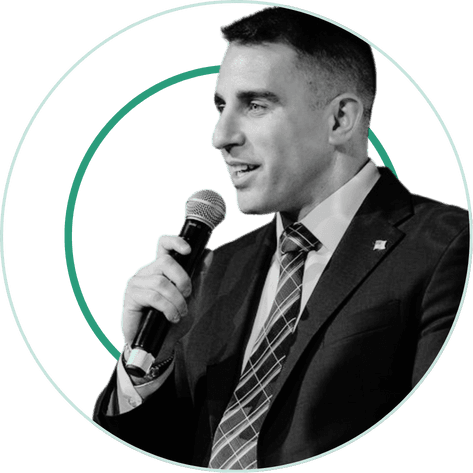 Anthony Pomplianorecommends 2 books hereBrené Brownrecommends 2 books here
 Codie Sanchezrecommends 2 books here
 David Cancelrecommends 2 books here
 Eric Weinsteinrecommends 2 books here
 Garry Tanrecommends 2 books here
 James Altucherrecommends 2 books here
 John Maedarecommends 2 books here
 Julie Zhuorecommends 2 books here
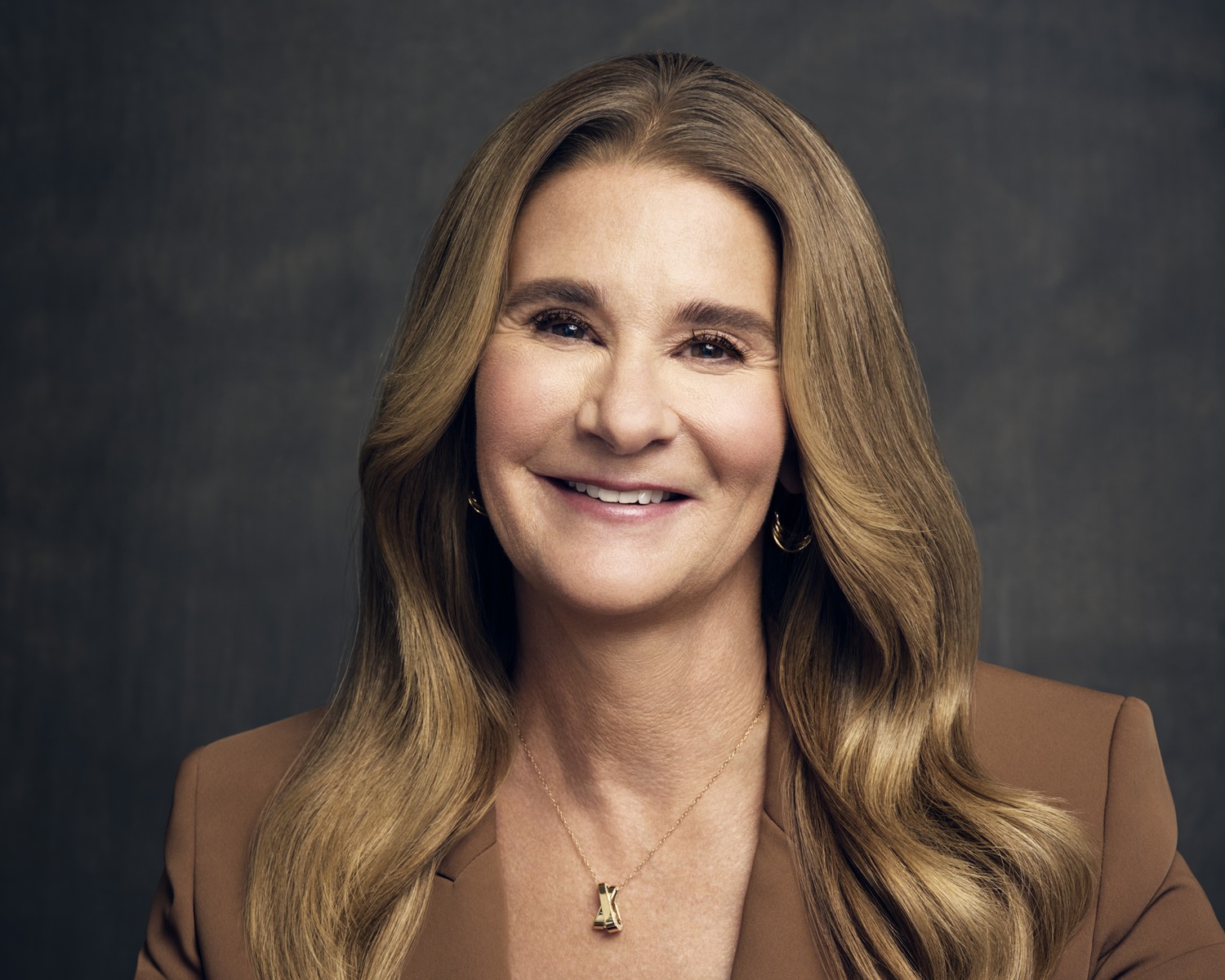 Melinda Gatesrecommends 2 books here
 Nathan Murphyrecommends 2 books here
 Paul Jarvisrecommends 2 books here
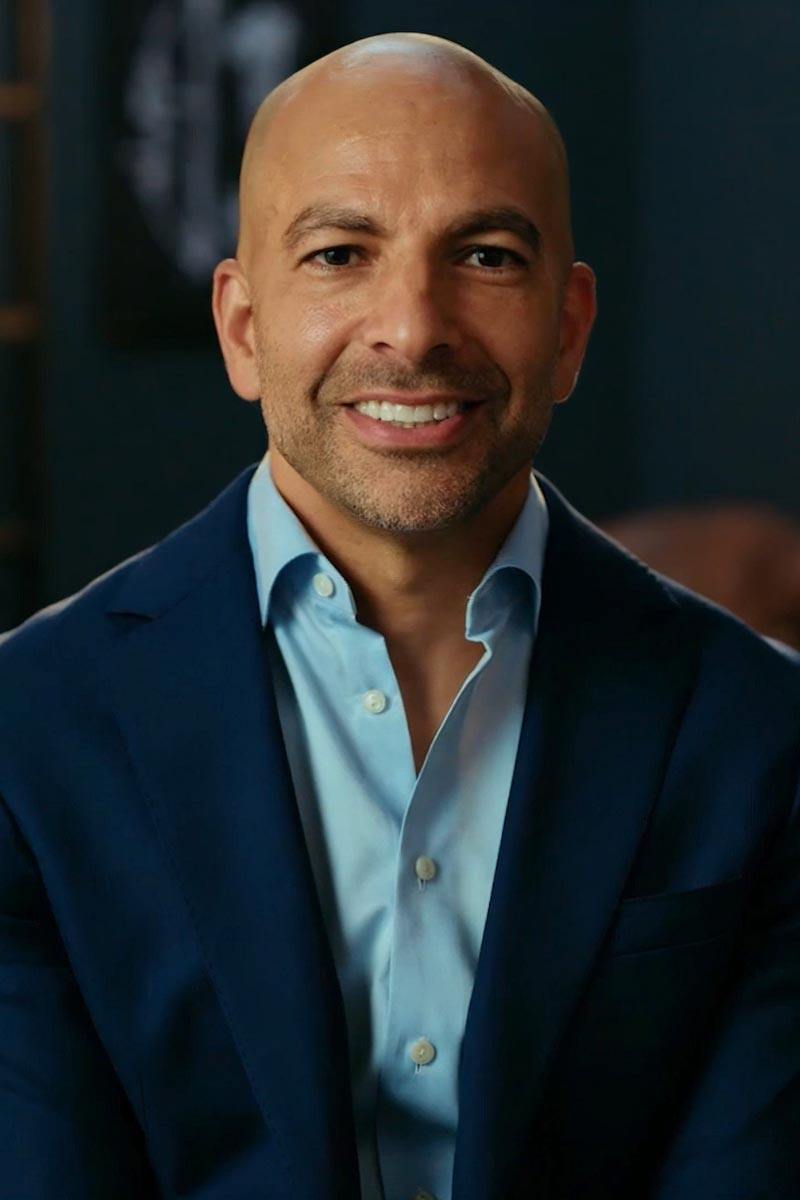 Peter Attiarecommends 2 books here
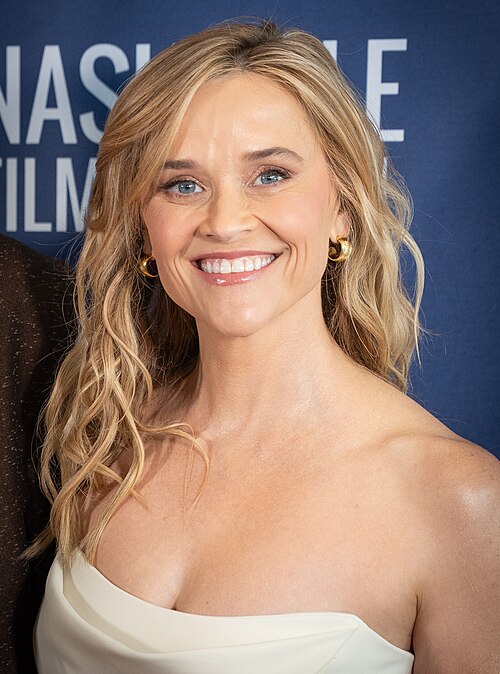 Reese Witherspoonrecommends 2 books here
 Stewart Brandrecommends 2 books here
 Stewart Butterfieldrecommends 2 books here
 Terrance McArthurrecommends 2 books here
 Tim O’Reillyrecommends 2 books here
 Tony Hsiehrecommends 2 books here
 Charlie Mungerrecommends 1 book hereJohn C. Boglerecommends 1 book here
 Peter Thielrecommends 1 book here
 Warren Buffettrecommends 1 book here
 Bruce Flattrecommends 1 book here
 James P. O'Shaughnessyrecommends 1 book hereKevin Kellyrecommends 1 book here
 Reid Hoffmanrecommends 1 book here
 David Heinemeier Hanssonrecommends 1 book hereGuy Spierrecommends 1 book here
 William Ackmanrecommends 1 book here
 Alfred Linrecommends 1 book here
 Ann Handleyrecommends 1 book here
 Balaji S. Srinivasanrecommends 1 book here
 Blake Mycoskierecommends 1 book here
 Brian Cheskyrecommends 1 book here
 Bryan Johnsonrecommends 1 book here
 Casey Neistatrecommends 1 book here
 Caterina Fakerecommends 1 book here
 Daniel Grossrecommends 1 book here
 David Kadavyrecommends 1 book here
 Fred Wilsonrecommends 1 book here
 George Hatzisrecommends 1 book here
 Graham Duncanrecommends 1 book here
 Jack Dorseyrecommends 1 book here
 James Allworthrecommends 1 book here
 Jane McGonigalrecommends 1 book here
 Jason Calacanisrecommends 1 book here
 John D Saundersrecommends 1 book here
 Johnnie Gomezrecommends 1 book here
 Jordan Hughesrecommends 1 book here
 Justin Kanrecommends 1 book here
 Keith Raboisrecommends 1 book here
 Matej Latinrecommends 1 book here
 Melanie Perkinsrecommends 1 book here
 Michael Batkorecommends 1 book here
 Michael Bloombergrecommends 1 book here
 Michelle Obamarecommends 1 book here
 Mike Cannon-Brookesrecommends 1 book here
 Nate O'Brienrecommends 1 book here
 Nir Eyalrecommends 1 book here
 Noah Kaganrecommends 1 book here
 Peter Malloukrecommends 1 book here
 Ryan Petersenrecommends 1 book here
 Sam Altmanrecommends 1 book here
 Scott Belskyrecommends 1 book here
 Sheryl Sandbergrecommends 1 book here
 Sophia Amorusorecommends 1 book here
 Stanley McChrystalrecommends 1 book here
 Tobi Lütkerecommends 1 book here
 Tom Bilyeurecommends 1 book here
 Trevor Ncuberecommends 1 book here
 Tristan Harrisrecommends 1 book here
 Vlad Magdalinrecommends 1 book here