Happiness, meaning and mindfulness
Books on happiness research, the search for meaning, meditation, Buddhist psychology, stress and contentment.
Start here
- Flow: The Psychology of Optimal ExperienceMihaly Csikszentmihalyi, 1990
- WaldenHenry David Thoreau, 1854
- The Varieties of Religious ExperienceWilliam James, 1902
- How to Stop Worrying and Start LivingDale Carnegie, 1936
- Man's Search for MeaningViktor E. Frankl, 1968
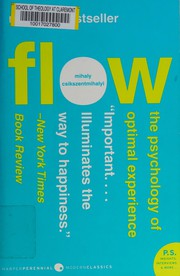
Flow, the state of full absorption in a hard task, and how to find it more often.
“…books I've recommended, highlighted to death, or forced on friends.” — Andrew Wilkinson
Source: Andrew Wilkinson's Bookshelf, neverenough.com
Recommended by: Andrew Wilkinson, Jim Collins and 2 others

Reflections on simple living, written from a life in the woods.
“In the classic Walden, Henry David Thoreau echoes Warren Buffett on having an inner scorecard and defining your own success:” — Shane Parrish
Source: Henry David Thoreau on Success
Recommended by: Mohnish Pabrai, Nat Eliason, Shane Parrish and 1 other
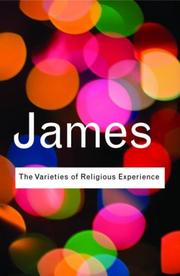
A study of religious experience through vivid first-hand accounts.
Recommended by: Mark Zuckerberg
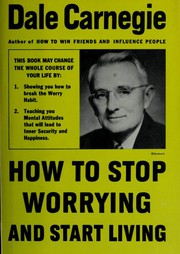
Techniques for breaking the habit of worry.
“So rather than just speculate at every turn, trying to gather as much information as possible, and this actually makes me think of Dale Carnegie in How to Stop Worrying and Start Living.” — Tim Ferriss
Recommended by: Tim Ferriss, Ran Segall
Life in Nazi concentration camps, and logotherapy: finding meaning to survive.
“What's more certain to me is that we all need a why, as Viktor Frankl told us in Man's Search for Meaning.” — David Heinemeier Hansson
Source: Universal Basic Dead End
Recommended by: David Heinemeier Hansson, David Perell and 29 others
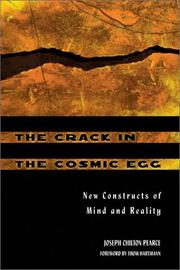
Culture as a "cosmic egg" of logical thought, and how the mind can break out of it.
Recommended by: Adam Robinson

How people and cultures react to death, and what that reaction does to them.
Recommended by: Nat Eliason, Eric Weinstein, Marc Andreessen

Western and Eastern models of the mind compared on ego, instinct and consciousness.
Recommended by: Mohnish Pabrai
Recommended by: Brian Armstrong
Exercises for being fully aware in everyday tasks such as washing the dishes.
Recommended by: Kevin Rose
How acting on routine leads to error and pain, and what thinking mindfully changes.
Recommended by: Arianna Huffington
Compiled passages on conscious evolution and the psychology of inner growth.
Recommended by: Mohnish Pabrai
A step-by-step guide to mindfulness meditation for beginners.
“Thoughts and instruction on Vipassana meditation, explained clearly.” — Derek Sivers
Source: Derek Sivers book notes (primary, rated list) · Rating: 5/10
Recommended by: Derek Sivers, Shane Parrish, Vinod Khosla
A simple path to cultivating mindfulness meditation in everyday life.
Recommended by: Tristan Harris
The five qualities of the Polynesian idea of aloha as a cure for stress.
Recommended by: Mohnish Pabrai
Why people drift through their days, and how to find flow in everyday life.
Recommended by: Mohnish Pabrai
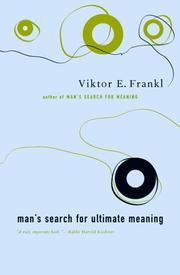
A psychotherapist on the human need for meaning and the search for ultimate answers.
Recommended by: Mohnish Pabrai

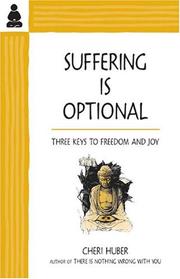
Buddhist teaching on facing suffering and finding peace of mind.
“Profound philosophy on facing the negative emotions head-on and getting to know them well, instead of trying to avoid them or escape.” — Derek Sivers
Source: Derek Sivers book notes (primary, rated list) · Rating: 9/10
Recommended by: Derek Sivers, Jerry Colonna, Brené Brown
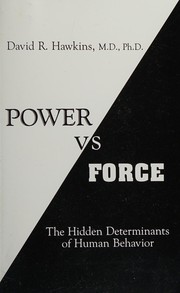
A scale of human consciousness and a claimed method to test any statement's truth.
Recommended by: Mohnish Pabrai
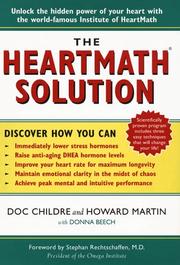
A system for aligning heart rhythms with the brain to reduce stress.
Recommended by: Adam Robinson
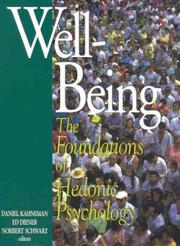
Leading researchers on the science of well-being and happiness.
Recommended by: Ray Dalio
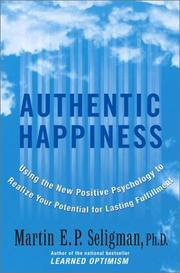
Positive psychology and what science shows about lasting happiness.
Recommended by: Simon Sinek
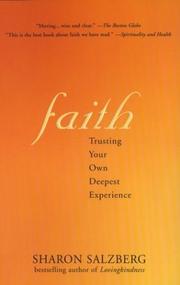
A Buddhist teacher's spiritual memoir of faith.
“So on that plane ride from New York to Arizona to Canyon Ranch, I read three books, When Things Fall Apart by Ani Pema Chödrön, Faith by Sharon Salzberg, and Let Your Life Speak by Parker Palmer.” — Jerry Colonna
Source: The Tim Ferriss Show Transcripts: Jerry Colonna (#373)
Recommended by: Jerry Colonna
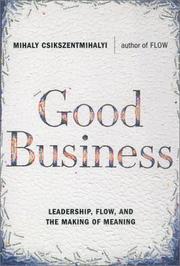
How the idea of flow applies to business and leadership.
Recommended by: Mohnish Pabrai

A guide to accepting oneself.
“Yeah, so much here. First of all, shout out to Tara Brach for Radical Acceptance. What a brilliant book.” — Jerry Colonna
Source: The Tim Ferriss Show Transcripts: Jerry Colonna (#373)
Recommended by: Jerry Colonna, Tim Ferriss, Brené Brown
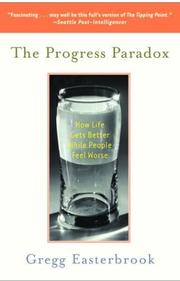
Why Western life has improved so much while people feel less happy.
Recommended by: Mohnish Pabrai
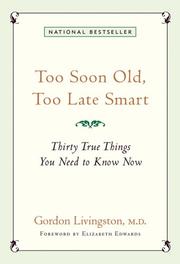
Advice on living, drawn from a psychiatrist's thirty years with patients.
“Powerful and profound life lessons from a psychiatrist who's been listening to people's problems for decades.” — Derek Sivers
Source: Derek Sivers book notes (primary, rated list) · Rating: 9/10
Recommended by: Andrew Wilkinson, Derek Sivers, Nat Eliason and 1 other
Ancient wisdom on happiness tested against modern psychology and brain research.
“Psychology professor's digestible but deep insight into how our minds work, around the topic of happiness. Great metaphor of a rider on the back of an elephant. Rider is reasoning, elephant is emotions. Rider has limited control of what the elephant does. Surprising insights into ethics and morality. See my notes for great quotes, but read the whole well-written book.” — Derek Sivers
Source: Derek Sivers book notes (primary, rated list) · Rating: 9/10
Recommended by: Andrew Wilkinson, Derek Sivers, Tony Hsieh
Short reflections and practices for starting mindfulness, read at random or daily.
Recommended by: Ev Williams
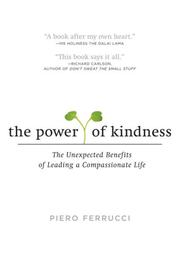
Why warmth and kindness matter as life grows faster and more impersonal.
Recommended by: Peter Mallouk
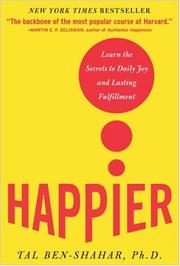
Lessons on happiness from a popular Harvard course.
Recommended by: Tony Hsieh
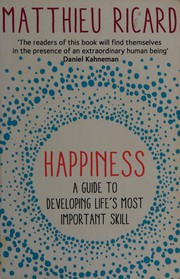
Happiness as a skill, with simple exercises to train the mind.
Recommended by: Richard Branson, Daniel Petre
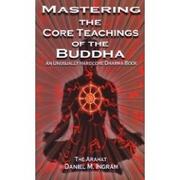
Why enlightenment is attainable, using meditation as a method for examining reality.
Recommended by: Naval Ravikant
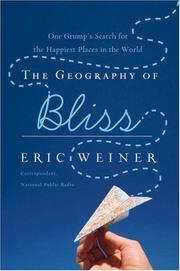
A grumpy traveller's search for the world's happiest places.
“Cranky NPR reporter dives deep into Iceland, Bhutan, Qatar, Holland, Switzerland, Thailand, India and Moldova to find out why people are happy (or not) in each. So beautifully written with astounding insights into culture and happiness. Amazing. Been thinking about it for weeks afterwards.” — Derek Sivers
Source: Derek Sivers book notes (primary, rated list) · Rating: 8/10
Recommended by: Andrew Wilkinson, Derek Sivers
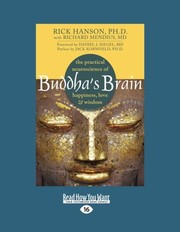
How neuroscience and Buddhist practice together build happiness, love and wisdom.
Recommended by: Andrew Wilkinson

How brief daily interactions affect relationships, productivity and health.
Recommended by: Peter Mallouk
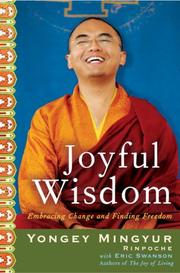
Buddhist teaching on facing the anxiety of everyday life rather than escaping it.
Recommended by: Safi Bahcall
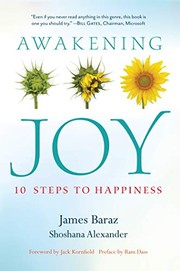
A step-by-step programme for turning the mind from dissatisfaction toward joy.
Recommended by: Bill Gates, Melinda Gates
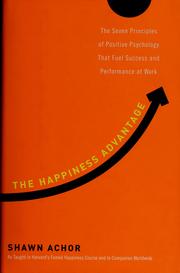
Seven principles from positive psychology for using happiness to fuel success.
Recommended by: Tony Hsieh
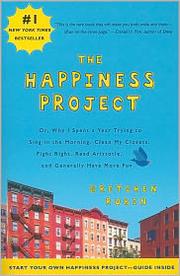
A writer's year-long experiment in becoming happier, month by month.
Recommended by: Jake Knapp
Advice on living, loving and happiness from over 1,000 older Americans.
Recommended by: Morgan Housel
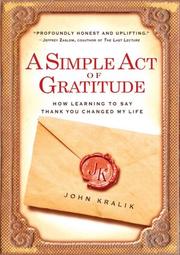
Where fears come from, how to understand them, and how to find courage to face them.
Recommended by: Naval Ravikant

What a palliative-care worker learned from the regrets of the dying.
Recommended by: Mike Maples, Jr.
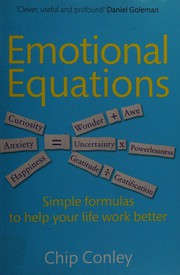
Simple equations for understanding and handling emotions in work and life.
Recommended by: Tony Hsieh
A mindfulness course for emotional intelligence, creativity and happiness.
Recommended by: Arianna Huffington, Matt Mullenweg and 1 other
Why chasing positive thinking makes people unhappy, and the case for the negative.
“Surprisingly deep and philosophical. The first book I've read in years that makes me want to read it twice. The title and cover make it seem like light pop, but it's a wonderfully-cynical British journalist diving into Stoicism, meditation, death, etc.” — Derek Sivers
Source: Derek Sivers book notes (primary, rated list) · Rating: 8/10
Recommended by: Derek Sivers, Paul Jarvis

What the Grant Study, which followed 200 men for life, found about ageing well.
Recommended by: Andrew Wilkinson, David Kadavy
Greek wisdom on generosity and love for reconnecting with your true self.
Recommended by: Simon Sinek
Alfred Adler's psychology taught through five nights of dialogue.
“This book is oddly written (it's translated from Japanese), but it changed my life.” — Andrew Wilkinson
Source: Newsletter
Recommended by: Ali Abdaal, Andrew Wilkinson, Derek Sivers and 11 others
How the restless mind creates stress, and strategies for a more peaceful life.
Recommended by: Andrew Wilkinson
Why success at school and at work predicts happiness so poorly.
Recommended by: Tim Ferriss
How meditation and mindfulness entered business and leadership.
Recommended by: Arianna Huffington
A psychologist's case that stress can be good for people.
Recommended by: Austen Allred, Keith Rabois and 1 other
Tibetan Buddhist practice of lucid dreaming and dream yoga.
Recommended by: Naval Ravikant
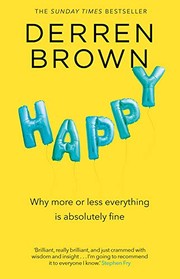
“Brilliant and profound yet totally entertaining philosophy book by one of my favorite people. Gives an approachable overview of past philosophies and shows how they apply to your life today better than the harmful pop-self-help-positivity stuff. Amazing perspectives on desires, death, relationships, anger, and how being present doesn’t matter as much as the story you tell yourself afterwards. His fun writing style isn’t reflected in my notes here. Get the book.” — Derek Sivers
Source: Derek Sivers book notes (primary, rated list) · Rating: 9/10
Recommended by: Ali Abdaal, Derek Sivers, Reese Witherspoon
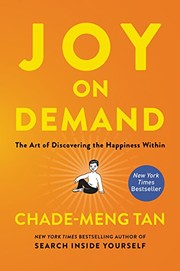
How anyone can raise their happiness set point by cultivating joy.
“And he has a book called Joy on Demand, which is fantastic. I thought it was a fantastic title.” — Tim Ferriss
Source: The Tim Ferriss Show Transcripts: Susan Cain (#357)
Recommended by: Tim Ferriss
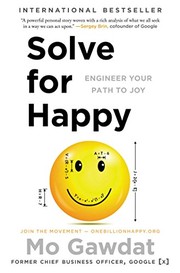
An engineer's approach to happiness: the illusions and brain flaws behind suffering.
Recommended by: Andrew Wilkinson, Peter Attia
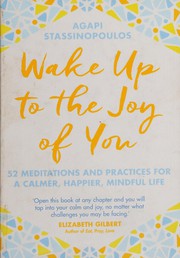
Fifty-two weekly meditations for a year of self-discovery.
Recommended by: Arianna Huffington
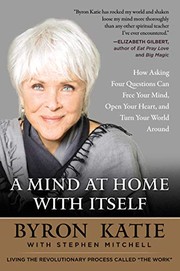
A spiritual guide to self-acceptance and freedom from stress and anger.
“And I was in there maybe three months ago, listening to Byron Katie's new book, A Mind at Home with Itself.” — Graham Duncan
Source: The Tim Ferriss Show Transcripts: Graham Duncan (#362)
Recommended by: Graham Duncan, Tony Robbins
What science shows about how meditation changes the mind, brain and body.
Recommended by: Peter Attia
A grieving man walks the Camino de Santiago after scattering his father's ashes.
Recommended by: Matt Mullenweg
The pleasures of solitude and solo travel across four cities, Paris among them.
Recommended by: Arianna Huffington
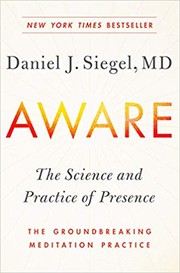
A mindfulness meditation practice for awareness and well-being.
Recommended by: Arianna Huffington
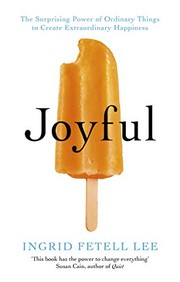
Why ordinary things such as confetti, blossoms and baby animals bring us joy.
Recommended by: Arianna Huffington
A way to share kindness for every day of the year.
Recommended by: Arianna Huffington
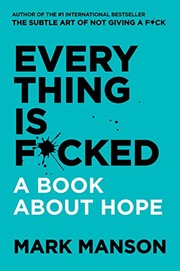
Why people feel hopeless at a time of material plenty: a book about hope.
“Yesterday, I started my day by finishing A People’s History of American Empire: The American Empire Project, A Graphic Adaptation and ended my day by finishing Everything Is F*cked: A Book About Hope. In between Amy took me to see John Wick: Chapter 3 – Parabellum (or maybe I took her to see it.) All three experiences were satisfactory.” — Brad Feld
Source: Book: Everything Is Fucked — Feld Thoughts
Recommended by: Andrew Wilkinson, Brad Feld
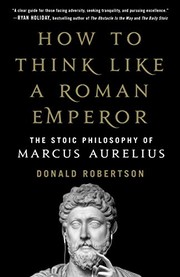
Marcus Aurelius's life and the Stoic philosophy of his Meditations.
Recommended by: Patrick Bet-David, Ryan Holiday
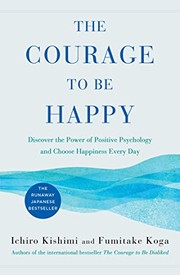
A dialogue between a philosopher and a young man on how to live a happy life.
“The sequel to the great “Courage to be Disliked”. The philosophy of Alfred Adler, on education, self-reliance, coming to terms with your past, focusing on solutions instead of problems, and active loving. Be warned, the format is strange: a dialog between an angry youth and calm philosopher. You can skim over what the youth says, since it's just angry objections.” — Derek Sivers
Source: Derek Sivers book notes (primary, rated list) · Rating: 7/10
Recommended by: Derek Sivers, Ryan Hoover
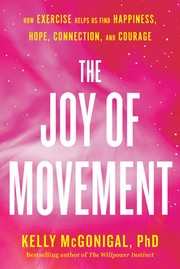
How exercise ties to human joys: self-expression, social connection and mastery.
Recommended by: Keith Rabois, Kevin Rose
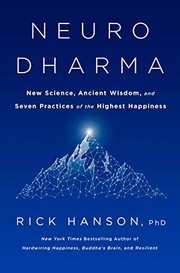
Seven practices, steadiness to timelessness, joining brain science and meditation.
Recommended by: Andrew Wilkinson
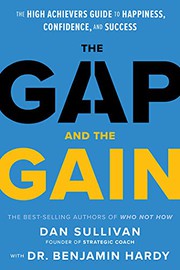
Why successful people focus on 'the gain', not 'the gap'.
Recommended by: Mel Robbins
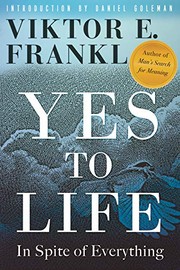
Lectures a psychiatrist gave months after leaving the Nazi camps, on finding hope.
Recommended by: Ryan Holiday
Finding success, happiness and purpose in the second half of life.
Recommended by: Andrew Wilkinson
Teachings that hold enlightenment needs no effort, only watchful awareness.
“I've been really enjoying Anthony de Mello's book Stop Fixing Yourself on this topic. It's a serious bucket of cold water over the head for anyone who's an obsessive striver.” — Andrew Wilkinson
Source: Newsletter
Recommended by: Andrew Wilkinson
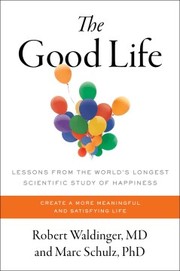
What the longest scientific study of happiness says makes a good life.
“a new book by Robert Waldinger, the study's current director, and it drove this home.” — Andrew Wilkinson
Source: Essay
Recommended by: Andrew Wilkinson
The science of wellbeing and how it can guide public policy.
Recommended by: Andrew Wilkinson
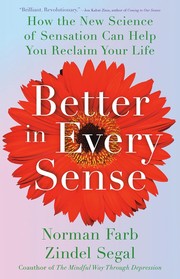
The sense foraging technique: using sensation to break patterns and relieve anxiety.
Recommended by: Andrew Wilkinson
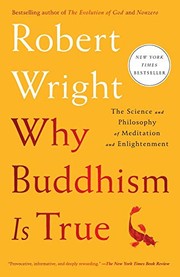
How the mind deludes us, and how Buddhist meditation helps us see the world clearly.
Recommended by: Matt Mullenweg, Nick Thompson, Kevin Rose and 1 other

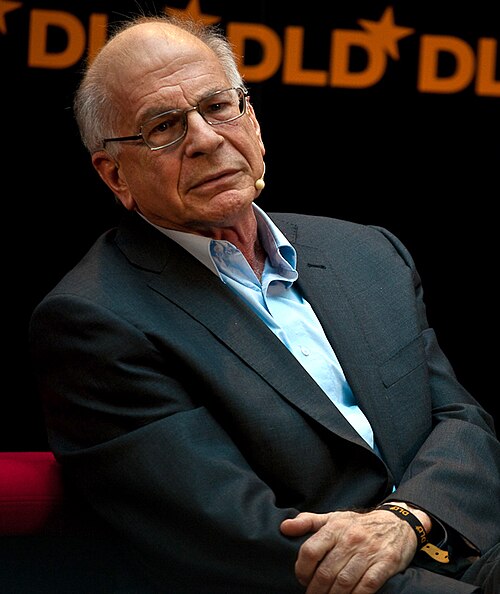
 Mohnish Pabrairecommends 12 books here
 Derek Siversrecommends 10 books here
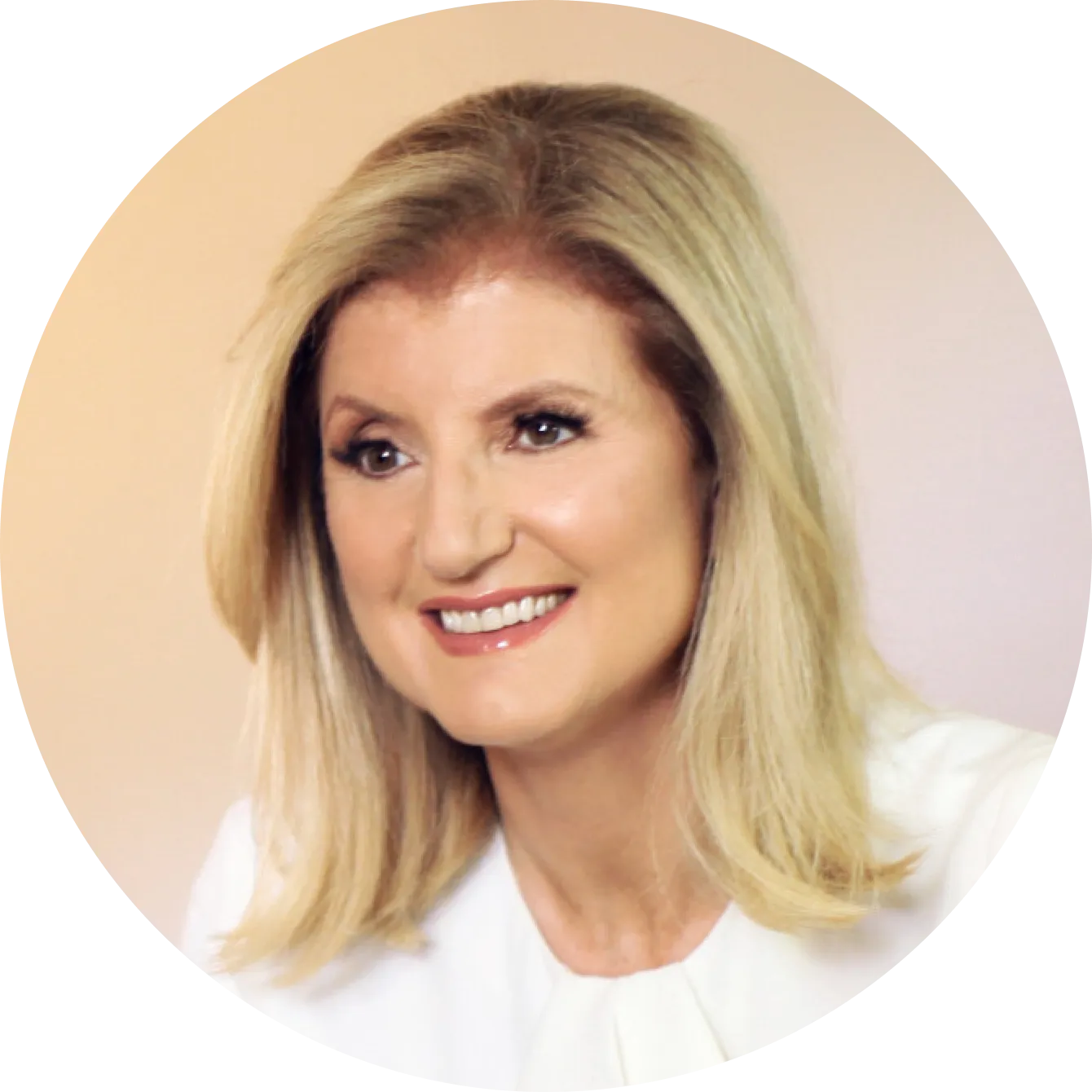 Arianna Huffingtonrecommends 8 books here
 Tim Ferrissrecommends 6 books here
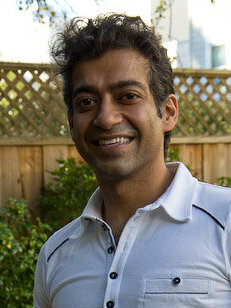 Naval Ravikantrecommends 5 books here
 Tony Hsiehrecommends 5 books here
 Nat Eliasonrecommends 4 books here
 Ryan Holidayrecommends 3 books here
 Simon Sinekrecommends 3 books here
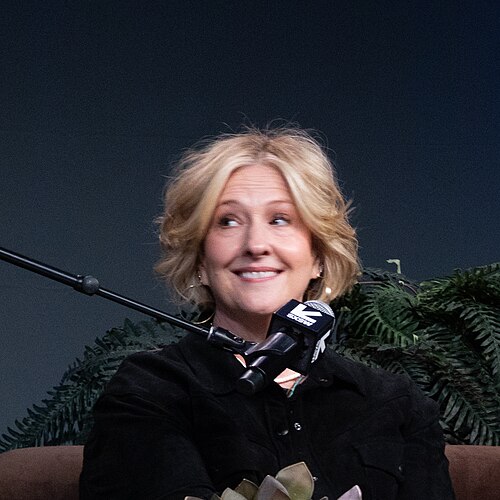 Brené Brownrecommends 3 books here
Show all 79
 Jerry Colonnarecommends 3 books here
 Kevin Roserecommends 3 books here
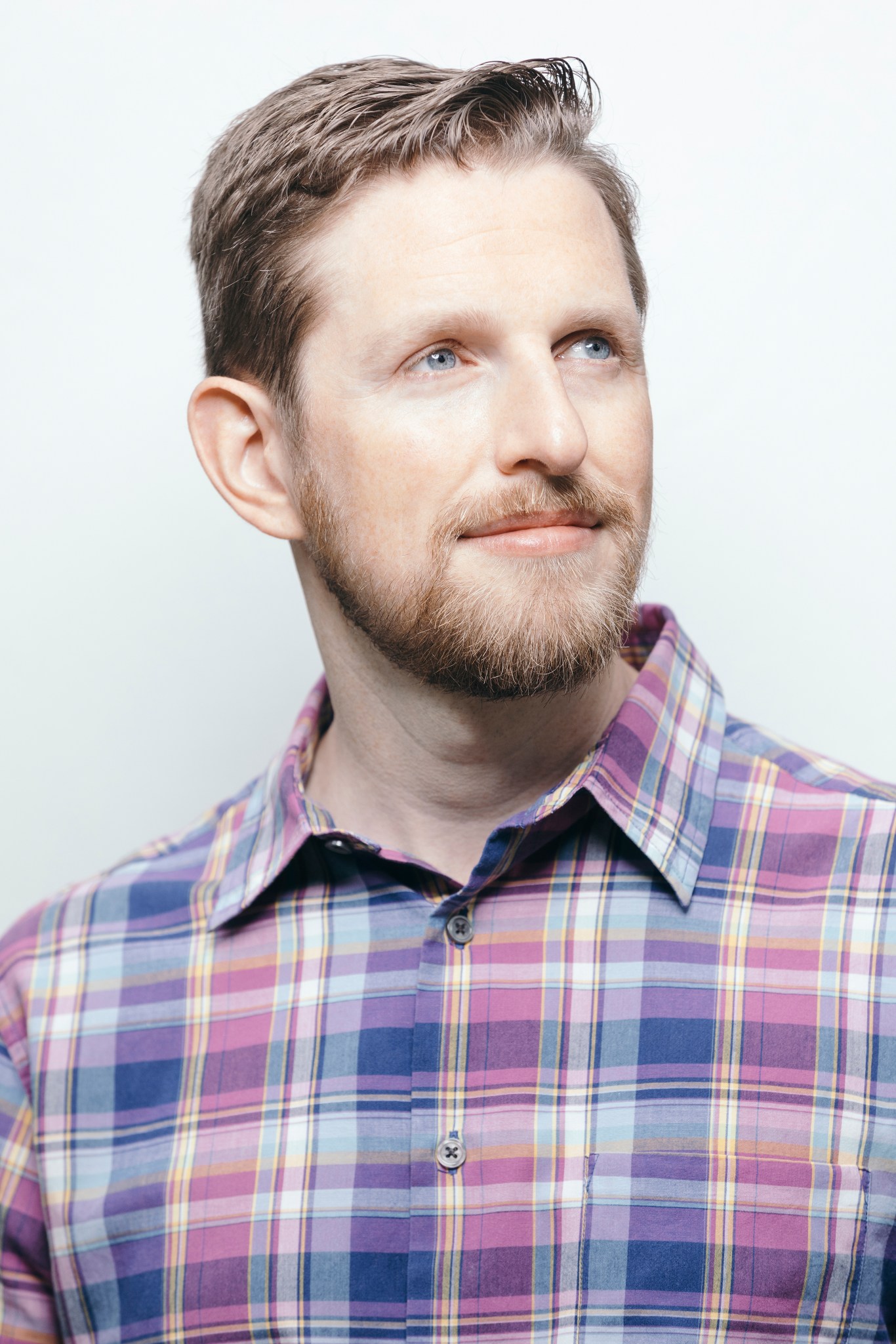 Matt Mullenwegrecommends 3 books here
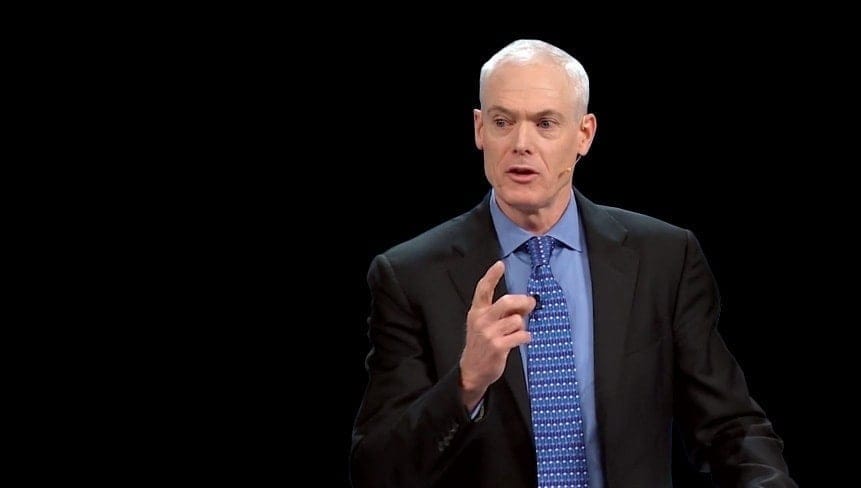 Jim Collinsrecommends 2 books here
 Marc Andreessenrecommends 2 books here
 Ev Williamsrecommends 2 books here
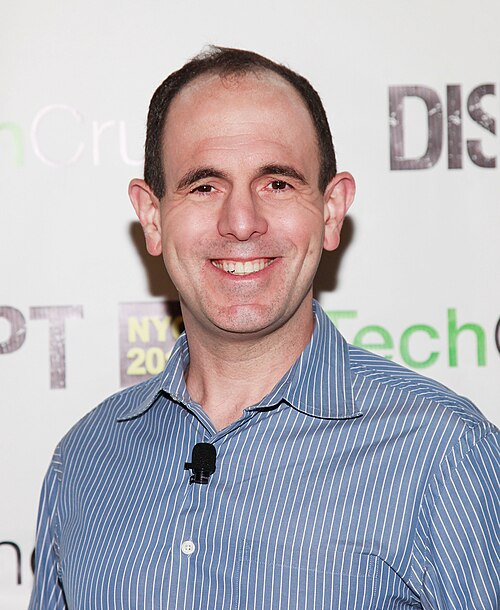 Keith Raboisrecommends 2 books here
 Maria Popovarecommends 2 books here
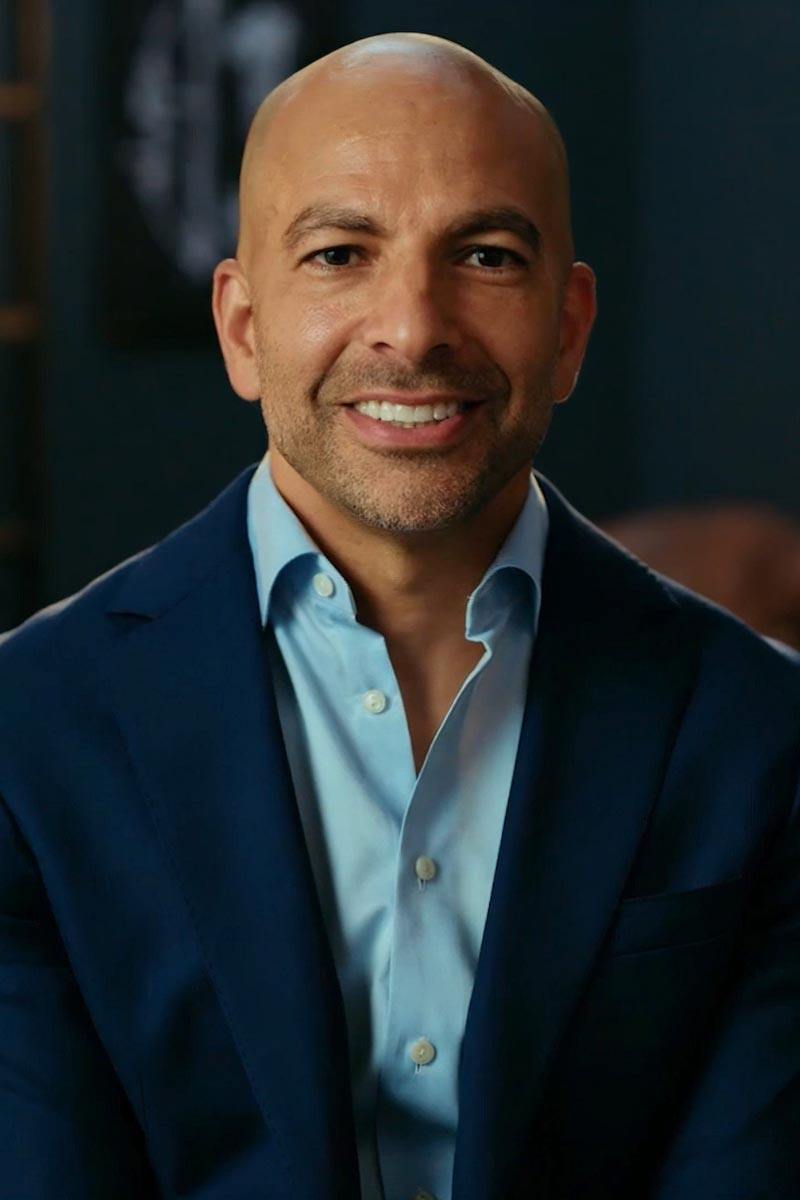 Peter Attiarecommends 2 books here
 Peter Malloukrecommends 2 books here
 Ran Segallrecommends 2 books here
 Tony Robbinsrecommends 2 books here
 Charlie Mungerrecommends 1 book here
 Ray Daliorecommends 1 book here
 Brad Feldrecommends 1 book here
 Morgan Houselrecommends 1 book here
 David Heinemeier Hanssonrecommends 1 book here
 Safi Bahcallrecommends 1 book here
 Anthony Pomplianorecommends 1 book here
 Antonio García Martínezrecommends 1 book here
 Bill Gatesrecommends 1 book here
 Brian Armstrongrecommends 1 book here
 Bryan Johnsonrecommends 1 book here
 Codie Sanchezrecommends 1 book here
 Daniel Petrerecommends 1 book here
 David Kadavyrecommends 1 book here
 Eric Weinsteinrecommends 1 book here
 George Hatzisrecommends 1 book here
 Graham Duncanrecommends 1 book here
 Jake Knapprecommends 1 book here
 James Altucherrecommends 1 book here
 Jane McGonigalrecommends 1 book here
 Jason Calacanisrecommends 1 book here
 Mark Zuckerbergrecommends 1 book here
 Mel Robbinsrecommends 1 book here
 Melinda Gatesrecommends 1 book here
 Michael Batkorecommends 1 book here
 Mike Maples, Jr.recommends 1 book here
 Nathan Murphyrecommends 1 book here
 Patrick Bet-Davidrecommends 1 book here
 Patrick Collisonrecommends 1 book here
 Paul Jarvisrecommends 1 book here
 Raoul Palrecommends 1 book here
 Reese Witherspoonrecommends 1 book here
 Richard Bransonrecommends 1 book here
 Sam Altmanrecommends 1 book here
 Stewart Butterfieldrecommends 1 book here
 Terrance McArthurrecommends 1 book here
 Tobi Lütkerecommends 1 book here
 Tom Bilyeurecommends 1 book here
 Tristan Harrisrecommends 1 book here
 Vinod Khoslarecommends 1 book here