Habits, motivation and self-improvement
Books on building habits, willpower, motivation, productivity and personal success, from research summaries to classic self-help.
Start here
- MindsetCarol S. Dweck, 2006
- DriveDaniel H. Pink, 2009
- The 50th LawRobert Greene, 2009
- The Power of HabitCharles Duhigg, 2012
- The Marshmallow TestWalter Mischel, 2014
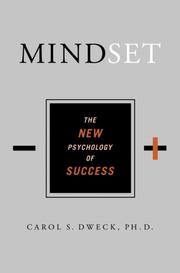
People who think ability grows with effort learn more than those who think it fixed.
“One of the reasons I loved Mindset is because it's solutions-oriented.” — Bill Gates
Source: Gates Notes review of Mindset
Recommended by: Bill Gates, Derek Sivers, Michael Mauboussin and 16 others
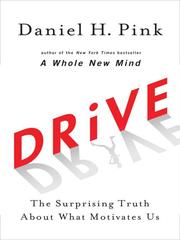
Rewards work for routine tasks; creative work runs on autonomy, mastery and purpose.
“Essential for all managers. Deep surprising study of motivation at work. Extrinsic vs intrinsic. Work vs play. When money is used as an external reward for some activity, the subjects lose intrinsic interest for the activity.” — Derek Sivers
Source: Derek Sivers book notes (primary, rated list) · Rating: 8/10
Recommended by: Derek Sivers, Michael Mauboussin and 4 others
Lessons on fearlessness drawn from the life of the rapper 50 Cent.
Recommended by: Nat Eliason
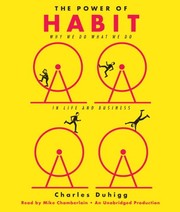
The habit loop of cue, routine and reward, and how to change a habit by its routine.
“Great dissection and analysis of what creates habits, and the power of changing just one of three steps in the habit loop.” — Derek Sivers
Source: Derek Sivers book notes (primary, rated list) · Rating: 7/10
Recommended by: Derek Sivers, Mohnish Pabrai, Nat Eliason and 7 others
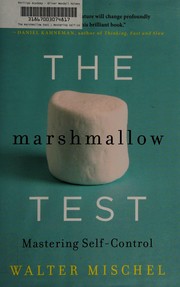
What the marshmallow test shows about self-control, and how to master it.
Experiments showing people work for meaning and recognition, not just money.
Recommended by: Tim Ferriss, Alfred Lin
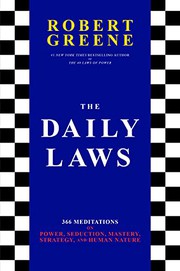
366 daily lessons on power, seduction, mastery, strategy and human nature.
Recommended by: Ryan Holiday
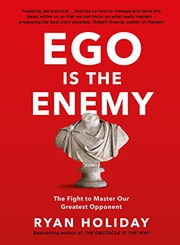
How ego harms a person in aspiration, success and failure, and how to check it.
“Forget yourself and focus on the work. Be humble and persistent. Value discipline and results, not passion and confidence. Be lesser, do more. This message is crucial, but the opposite of almost every other book. I wish everyone would read this. I need to re-read it each year. It's that important. It's easy to read this and say “oh yeah I've got my ego under control”, but the problem is deeper than that.” — Derek Sivers
Source: Derek Sivers book notes (primary, rated list) · Rating: 9/10
Recommended by: Andrew Wilkinson, David Cancel, Derek Sivers and 5 others
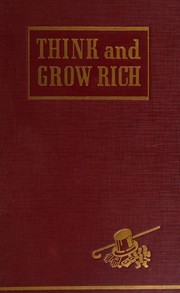
Thirteen principles of getting rich, claimed to come from studying 500 wealthy men.
Recommended by: Jim Clayton, Mohnish Pabrai, Tom Bilyeu and 7 others

How a person must work on knowledge and being together to find inner unity.
Recommended by: Shane Parrish
The size of your thinking sets the size of your results, and how to think bigger.
“A classic self-help book. Exactly what you'd expect. But very good.” — Derek Sivers
Source: Derek Sivers book notes (primary, rated list) · Rating: 7/10
Recommended by: Ali Abdaal, Derek Sivers, Mohnish Pabrai and 3 others
How to get what you want and enjoy peace of mind, from the author's later work.
“His first book, “Think and Grow Rich”, was a huge influence on me as a teenager. I recently heard he wrote a major update to it shortly before he died, that some say is much better. I guess my tastes have changed because though this book has good intentions, and might have made a big impact on me long ago, now I found it almost unreadably vague and had to stop. The order in which we read books really does make a big difference.” — Derek Sivers
Source: Derek Sivers book notes (primary, rated list) · Rating: 1/10
Recommended by: Derek Sivers, The Barefoot Investor
Behavioural training methods for animals and people, explained with examples.
Recommended by: Naval Ravikant, Tim Ferriss, Nir Eyal and 1 other
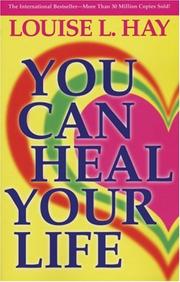
Practical steps to dissolve the fears the author links to disease.
Recommended by: Mohnish Pabrai

How to set goals, reach them and enjoy what they bring.
Recommended by: David Cancel
Methods for mastering personal and professional life by using the power of the mind.
“I'm biased because in high school, I read Unlimited Power by Tony, which had an impact. I then, when I got out of college and I had my first job and I was commuting in my piece of shit minivan, the green machine, which was just a complete disaster of a car but I was trapped on 101 in the Bay Area, for people who know, just bumper-to-bumper in rush hour, to and from Mountain View to San Jose to work, and I would listen to this used set.” — Tim Ferriss
Source: The Tim Ferriss Show Transcripts: Random Show - Fasting, Biohacking, and Tony Robbins (#333)
Recommended by: Tim Ferriss, Tony Robbins
Change behaviour by changing what you link with pain and pleasure.
“This 1992 book changed everything about my life. It's my Bible. Most of my beliefs come from it.” — Derek Sivers
Source: Book notes by Derek Sivers
Recommended by: Derek Sivers, Guy Spier, Nat Eliason and 2 others
A book of renewal for leaders whose winning at work means losing at life.
Recommended by: Mohnish Pabrai
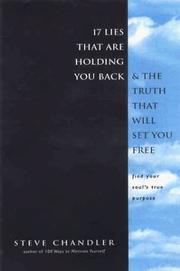
Seventeen common beliefs that hold people back, and the truths that replace them.
Recommended by: Mohnish Pabrai

Twelve practices for bringing creativity into work and personal life.
“Leadership coach and famous orchestra conductor collaborate on a book about relationships, art, personal development, children, and practice. Somewhat scattered but had some really interesting ideas.” — Derek Sivers
Source: Derek Sivers book notes (primary, rated list) · Rating: 6/10
Recommended by: Derek Sivers, Patrick Collison
Psychology and counselling methods applied to coaching executives.
Recommended by: Michael Batko
Ten skills for getting success while spending time only on what matters.
Recommended by: Mohnish Pabrai
What intimidation is, why it happens and how to avoid falling victim to it.
Recommended by: The Barefoot Investor
The case that disorder is often more efficient than imposed order.
“This idea comes from a wonderful book called A Perfect Mess” — Marc Andreessen
Source: The Pmarca Guide to Personal Productivity
Recommended by: Marc Andreessen
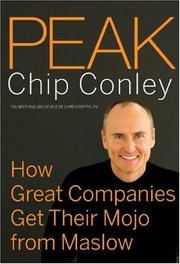
How a hotelier rebuilt his company after the dot-com crash left it exposed.
Recommended by: Tony Hsieh
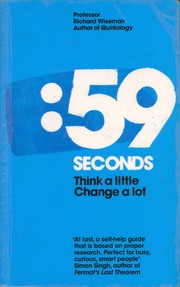
Self-help tips that come straight from scientific research.
Recommended by: Jeff Atwood
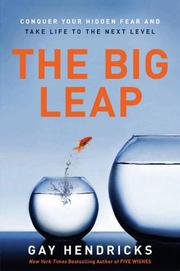
The 'Upper Limit Problem': how people sabotage themselves when good things happen.
Recommended by: Andrew Wilkinson, Noah Kagan
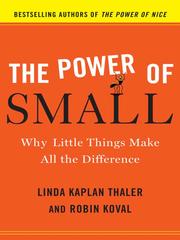
Why small actions and gestures matter in life and career.
Recommended by: Tom Peters
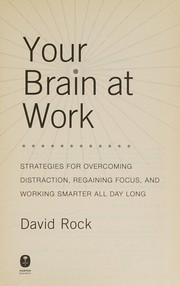
How the brain handles distraction and focus, and how to work smarter.
Recommended by: Mohnish Pabrai, Noah Kagan
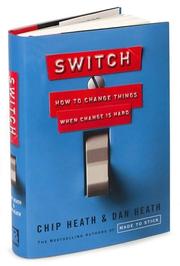
Change made easier: direct the rational rider, motivate the emotional elephant.
“Great great great great GREAT psychology book about real ways to make change last - both personal and organizational. So many powerful insights, based on fact not theory. Inspiring counterintuitive stories of huge organizational change against all odds. Highly recommended for everyone.” — Derek Sivers
Source: Derek Sivers book notes (primary, rated list) · Rating: 9/10
Recommended by: Andrew Wilkinson, Derek Sivers and 3 others
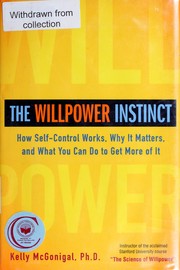
Self-control as a physical capacity, and how to build it, from a Stanford course.
“Amazing book about willpower from Stanford psychology professor who teaches just this. Killer first point: The best way to improve your self-control is to see how and why you lose control. This is a better book than the other book on Willpower here on my list, because it's more actionable, better written, better presented. Really amazing (IF you act on it!)” — Derek Sivers
Source: Derek Sivers book notes (primary, rated list) · Rating: 9/10
Recommended by: Derek Sivers, Mohnish Pabrai, Nat Eliason and 3 others
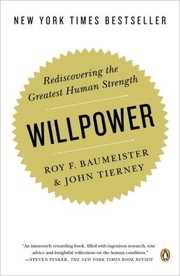
What research says about willpower, and practical ways to increase it.
“You have a finite amount of willpower that becomes depleted as you use it. Two traits that consistently predict “positive outcomes” in life: intelligence and self-control. Most major problems, personal and social, center on failure of self-control. When people were asked about their failings, a lack of self-control was at the top of the list. So let's talk about self-control....” — Derek Sivers
Source: Derek Sivers book notes (primary, rated list) · Rating: 8/10
Recommended by: Derek Sivers, Michael Mauboussin and 1 other

A short case for self-acceptance and self-esteem as the base of a good life.
Recommended by: Nat Eliason, Naval Ravikant, Garry Tan and 1 other
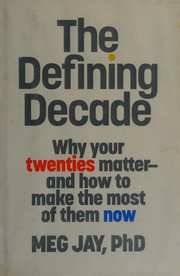
Why the twenties matter, against the hype that trivialises that decade of life.
Recommended by: Nat Eliason, John Doerr
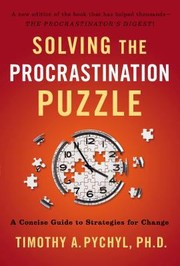
Why people put things off, with research-based strategies to stop.
Recommended by: Mohnish Pabrai
Answers to readers' questions on saying no to what harms a life.
“Quite scattered book, but inside the mess was a nice reminder of the importance of saying no to anything that doesn't serve you well.” — Derek Sivers
Source: Derek Sivers book notes (primary, rated list) · Rating: 3/10
Recommended by: Derek Sivers, Nat Eliason
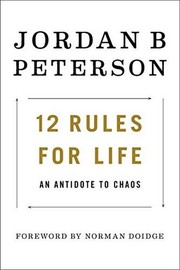
Twelve rules for living, each drawn from clinical practice, biology and myth.
“A unique thinker with strong opinions presented as indisputable fact. More surprisingly interesting ideas than almost any book I've ever read. Extremely thoughtful, but occasionally abruptly concludes with an unsupported point. It has a conservative “this is how it is” certainty. It’s a broad collection of thoughtful insights on life, mixed with a lot of Bible interpretation.” — Derek Sivers
Source: Derek Sivers book notes (primary, rated list) · Rating: 9/10
Recommended by: Derek Sivers, Guy Spier, Nat Eliason and 8 others
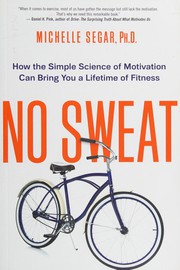
A four-point program, built on motivation research, for sticking with exercise.
Recommended by: Arianna Huffington
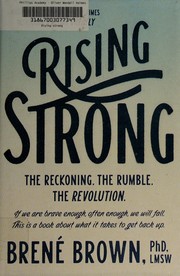
How to get back up after a fall by owning stories of failure and heartbreak.
Recommended by: Brené Brown
Neuroscience-based ways to create two hours of peak productivity each day.
Recommended by: Mohnish Pabrai
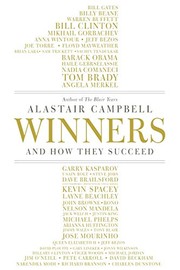
What makes winners succeed, from motivation to performance.
Recommended by: Richard Branson
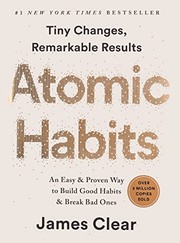
Build habits by making them obvious, attractive, easy and satisfying.
“Last October, my friend James Clear published the breakout hit book, Atomic Habits. As we both discovered in the months that followed, we have many readers in common.” — Cal Newport
Source: The Atomic Minimalist: My Conversation with James Clear
Recommended by: Ali Abdaal, Balaji S. Srinivasan and 22 others
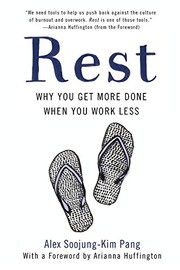
Why working better means working less and resting better.
Recommended by: Arianna Huffington, Matej Latin
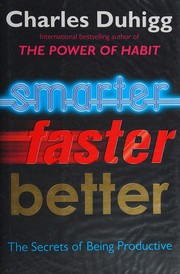
Productivity as a matter of how people think, set goals, build teams and decide.
Recommended by: Mohnish Pabrai, Sarah Pritula
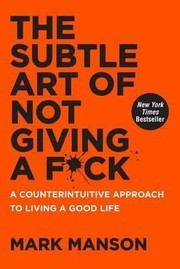
Why chasing constant positive experience backfires, and why accepting the bad helps.
Recommended by: Ran Segall, Johnnie Gomez, Matej Latin and 1 other
Why to stop trying to be positive all the time and accept life's problems instead.
“The opposite of every other book. Don’t try. Give up. Be wrong. Lower your standards. Stop believing in yourself. Follow the pain. And oh yeah, kill yourself. Each point is profoundly true, useful, and more powerful than the usual positivity. Succinct but surprisingly deep, I read it in one night, then read it again a month later.” — Derek Sivers
Source: Derek Sivers book notes (primary, rated list) · Rating: 9/10
Recommended by: Derek Sivers, Nat Eliason
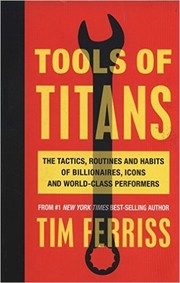
Routines, tools and advice from over 200 podcast guests on health, wealth and wisdom.
“A very useful collection of notes from hundreds of hours of Tim's podcast interviews. It's definitely a mix of thoughts and advice from a mix of people. A real collage. The first quarter of the book, full of milligram measurements of things you could be ingesting, almost made me quit, but the 2nd half of the book had some great ideas.” — Derek Sivers
Source: Derek Sivers book notes (primary, rated list) · Rating: 5/10
Recommended by: Balaji S. Srinivasan, Derek Sivers and 7 others
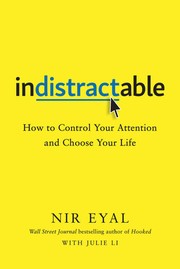
Distraction comes from escaping discomfort, not technology, and how to manage it.
“A specific guide for how to avoid distraction in your life. 95% of it was how-to stuff I didn't find useful because I'm already doing all of it. If you're not, this book is much more useful to you. It had two interesting points for me: about dissatisfaction driving motivation, and filling your daily calendar with a template of how you want to spend your day.” — Derek Sivers
Source: Derek Sivers book notes (primary, rated list) · Rating: 2/10
Recommended by: Ana Fabrega, Balaji S. Srinivasan and 6 others
A design framework from behavioural science: begin with the behaviour to change.
Recommended by: Chelsea Krost
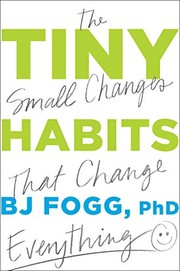
How to build a happier, healthier life by starting with very small habits.
Recommended by: Arianna Huffington, Ramit Sethi
Twelve more rules for balancing order and chaos in modern life.
“Deep philosophy. Interesting voice. Great uncommon insights. Jungian. Brings almost any topic back to stories. Story of Pinnochio, stories in the Bible, story of your life. Stresses the importance of convention and social norms. 1st chapter had me talking about this book with friends immediately, loving it. 2nd chapter onwards, it was a tougher read. Needs a ruthless editor.” — Derek Sivers
Source: Derek Sivers book notes (primary, rated list) · Rating: 7/10
Recommended by: Derek Sivers, Naval Ravikant
A four-stage path to integrity as the cure for psychological suffering.
Recommended by: Melinda Gates
Reframing beliefs by whether they are useful, not whether they are true.
“Derek is one of my favorite writers, and his latest book is focused on a simple idea: our beliefs are often not necessarily true, but simply useful to us. That beliefs are tools, not truths.” — Andrew Wilkinson
Source: Newsletter
Recommended by: Andrew Wilkinson
Nine toddler traits, such as imagination and determination, that adults can relearn.
Recommended by: Richard Branson
The research showing that timing is a science, and how to make 'when' decisions.
Recommended by: Arianna Huffington
 Robert Greenewrote 2 books here
 Dan Arielywrote 1 book here
 Ryan Holidaywrote 1 book here
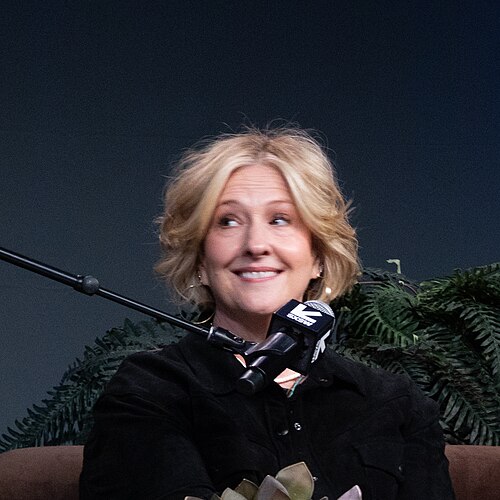 Brené Brownwrote 1 book here
 David Schwartzwrote 1 book here
 Derek Siverswrote 1 book here
 James Altucherwrote 1 book here
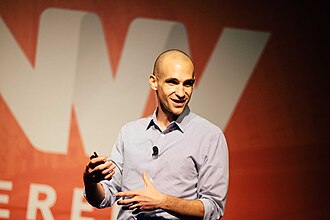 Nir Eyalwrote 1 book here
 Tim Ferrisswrote 1 book here
 Tony Robbinswrote 1 book hereDerek Siversrecommends 18 books here
 Mohnish Pabrairecommends 16 books here
 Nat Eliasonrecommends 14 books here
 Naval Ravikantrecommends 6 books hereNir Eyalrecommends 6 books hereTim Ferrissrecommends 5 books here
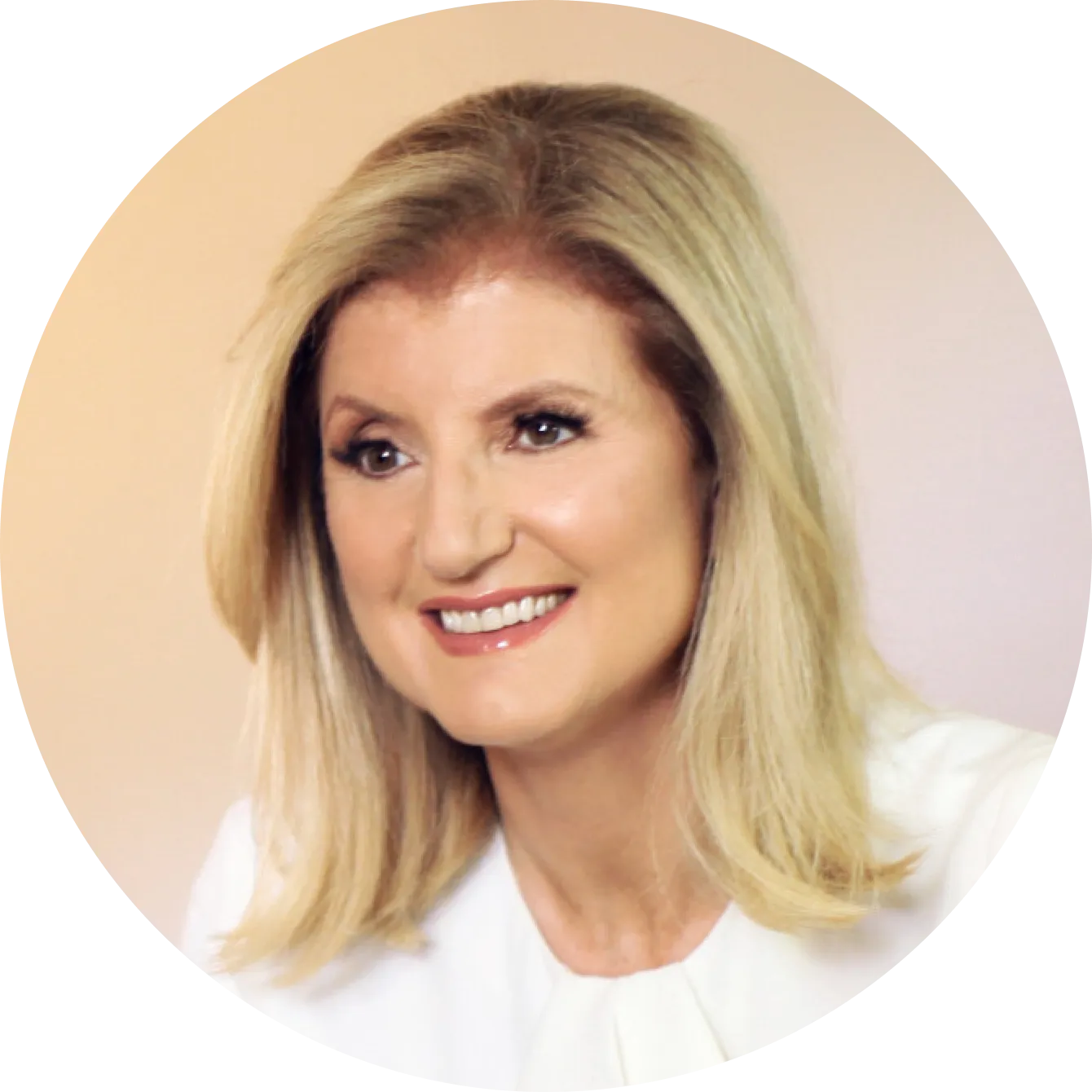 Arianna Huffingtonrecommends 4 books hereTony Robbinsrecommends 4 books here
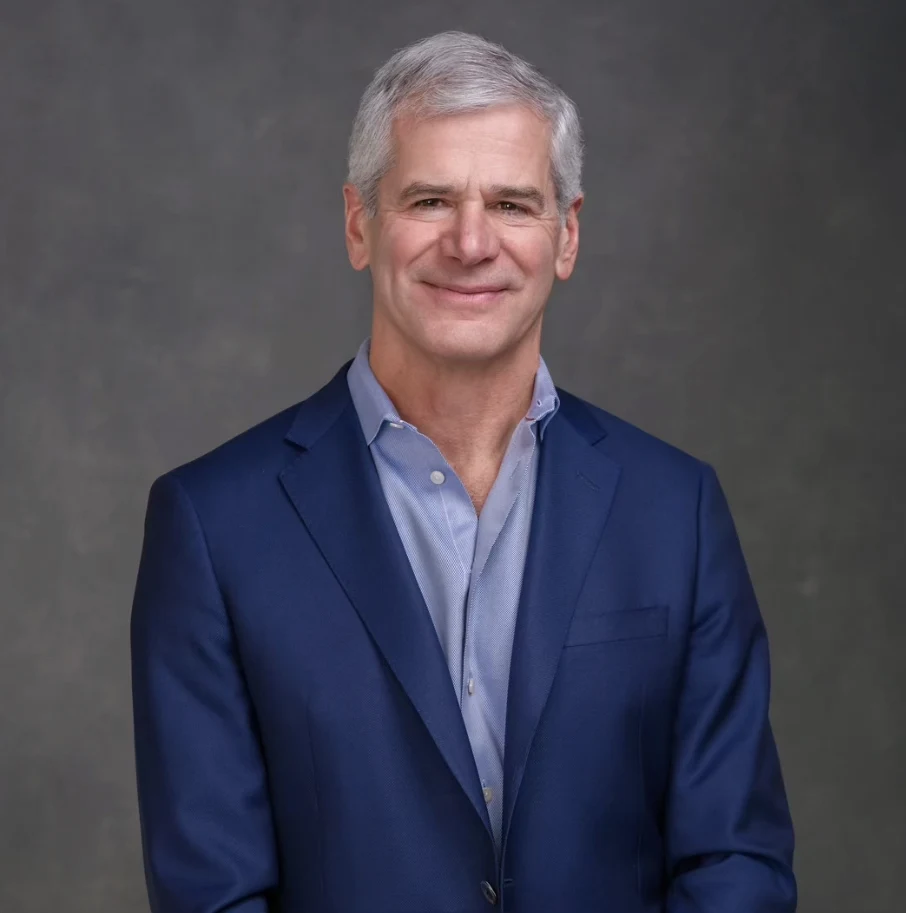 Michael Mauboussinrecommends 3 books here
 Ana Fabregarecommends 3 books here
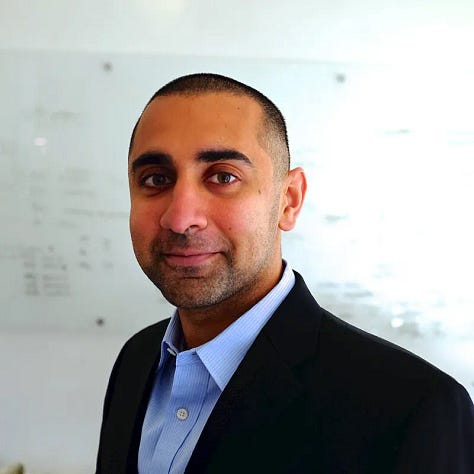 Balaji S. Srinivasanrecommends 3 books here
Show all 90
 Mel Robbinsrecommends 3 books here
 Marc Andreessenrecommends 2 books here
 Guy Spierrecommends 2 books here
 Alfred Linrecommends 2 books here
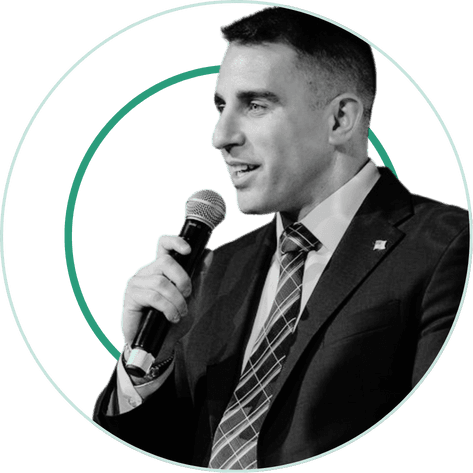 Anthony Pomplianorecommends 2 books hereBrené Brownrecommends 2 books here
 Cal Newportrecommends 2 books here
 David Cancelrecommends 2 books here
 Eric Weinsteinrecommends 2 books here
 Graham Stephanrecommends 2 books here
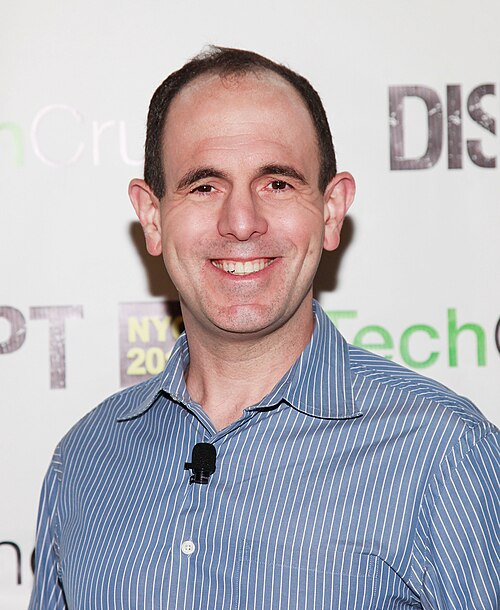 Keith Raboisrecommends 2 books here
 Matej Latinrecommends 2 books here
 Michael Batkorecommends 2 books here
 Nick Huberrecommends 2 books here
 Noah Kaganrecommends 2 books here
 Richard Bransonrecommends 2 books here
 Terrance McArthurrecommends 2 books here
 Tobi Lütkerecommends 2 books here
 Tom Bilyeurecommends 2 books here
 Tony Hsiehrecommends 2 books here
 Tristan Harrisrecommends 2 books here
 Ray Daliorecommends 1 book here
 John Doerrrecommends 1 book hereRyan Holidayrecommends 1 book here
 Alexis Ohanianrecommends 1 book here
 Allen Gannettrecommends 1 book here
 Antonio García Martínezrecommends 1 book here
 Bill Gatesrecommends 1 book here
 Biz Stonerecommends 1 book here
 Chelsea Krostrecommends 1 book here
 Daymond Johnrecommends 1 book here
 Ev Williamsrecommends 1 book here
 Garry Tanrecommends 1 book here
 George Hatzisrecommends 1 book here
 Jack Dorseyrecommends 1 book hereJames Altucherrecommends 1 book here
 Jane McGonigalrecommends 1 book here
 Jeff Atwoodrecommends 1 book here
 Jeff Bezosrecommends 1 book here
 John D Saundersrecommends 1 book here
 Johnnie Gomezrecommends 1 book here
 Jordan Hughesrecommends 1 book here
 Julie Zhuorecommends 1 book here
 Justin Kanrecommends 1 book here
 Kathryn Minshewrecommends 1 book here
 Kevin Roserecommends 1 book here
 Melinda Gatesrecommends 1 book here
 Mike Maples, Jr.recommends 1 book here
 Patrick Collisonrecommends 1 book here
 Pieter Levelsrecommends 1 book here
 Ramit Sethirecommends 1 book here
 Ran Segallrecommends 1 book here
 Ryan Petersenrecommends 1 book here
 Satya Nadellarecommends 1 book here
 Trevor Ncuberecommends 1 book here
 Vinod Khoslarecommends 1 book here
 Zoë Foster Blakerecommends 1 book here