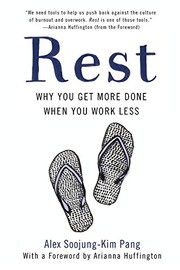
Rest
Why working better means working less and resting better.
Summary
Alex Soojung-Kim Pang, a Silicon Valley consultant and futurist, argues that working better means working less and resting better. Most people, he writes, treat overwork as normal and rest as an afterthought, defined as the absence of work: late-night television or hours online, done once the to-do list is finished, which it never is. Treating rest as passive and secondary, he argues, stifles creative thinking and makes a rewarding life less likely.
Pang examines forms of rest from sleep to holidays and combines scientific research with examples from writers, painters and thinkers, from Charles Darwin to Stephen King, to challenge the idea that work and rest are opposites. Winston Churchill took daily naps during the Second World War, Darwin took hours-long walks, and Bill Gates spends a week alone in a cabin. Pang calls this practice "deliberate rest" and presents it as the key to productivity, energy, sharper ideas and creative success.
Key takeaways 4
- Rest is an active practice, not merely the absence of work.
- Many productive people worked fewer hours and rested deliberately.
- Walks, naps and retreats support creative thinking.
- Overwork undermines both output and quality of life.
Who should read it
Busy professionals who want evidence that resting well improves their work.
Who recommended it 2
Similar books 6
Chosen by shared topics, the entries that hold them, and the people who recommended both.
The research showing that timing is a science, and how to make 'when' decisions.
Recommended by: Arianna Huffington
Productivity as a matter of how people think, set goals, build teams and decide.
Recommended by: Mohnish Pabrai, Sarah Pritula
Neuroscience-based ways to create two hours of peak productivity each day.
Recommended by: Mohnish Pabrai
How the brain handles distraction and focus, and how to work smarter.
Recommended by: Mohnish Pabrai, Noah Kagan
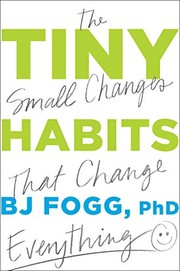
How to build a happier, healthier life by starting with very small habits.
Recommended by: Arianna Huffington, Ramit Sethi
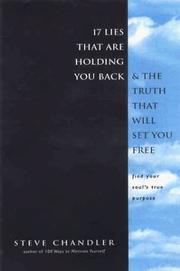
Seventeen common beliefs that hold people back, and the truths that replace them.
Recommended by: Mohnish Pabrai