
Productivity and Habits
Attention, focus, routines, habit change, time management and the broader self-improvement shelf. Read by people trying to get more of the right work done and to change how they behave.
Start here
- Poor Richard's AlmanackBenjamin Franklin, 1732
- The Effective ExecutivePeter F. Drucker, 1967
- LinchpinSeth Godin, 1960
- KaizenMasaaki Imai, 1986
- The 7 Habits of Highly Effective PeopleStephen Covey, Stephen R. Covey, 1989
An almanac of proverbs and maxims urging thrift, industry and courtesy.
Recommended by: Li Lu, Tim Ferriss
Effectiveness is learned practice: manage time, pick priorities, decide well.
“The second is The Effective Executive by Peter Drucker, and the central core of that book is really about it's very easy to mistake effort for effectiveness.” — Drew Houston
Source: The Tim Ferriss Show Transcripts: Drew Houston (#334)
Recommended by: Drew Houston, Ev Williams, Jim Collins and 6 others
Valuable work now needs people who do what can't be written into a job description.
“For someone who has a job at a company, I would call this essential reading with my highest recommendation. Since I haven't had a job since 1992, I couldn't apply many of his great points to my life. Still I loved his reminder of the value of the brilliant workers instead of systemized workers. The opposite of E-Myth (another book reviewed here).” — Derek Sivers
Source: Derek Sivers book notes (primary, rated list) · Rating: 5/10
Recommended by: Derek Sivers, Tom Bilyeu, Ann Handley and 3 others
Continuous small improvement as the core of Japanese manufacturing success.
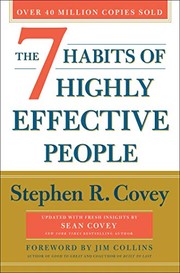
Seven habits, from being proactive to win-win, that build personal effectiveness.
“…books I've recommended, highlighted to death, or forced on friends.” — Andrew Wilkinson
Source: Andrew Wilkinson's Bookshelf, neverenough.com
Recommended by: Andrew Wilkinson, Jim Collins and 10 others
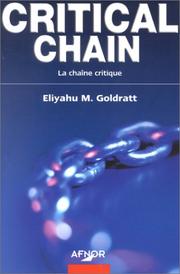
A novel applying the theory of constraints to finishing projects on time.
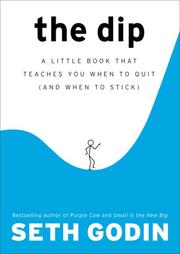
When to push through a hard stretch and when to quit a dead end.
“Tiny quick read with a punchy point: Anything worth doing has a painfully-hard middle period, which is where most people quit. But knowing this in advance, ask yourself seriously if you really have the dedication to stick it through that hard time. If not, then don’t begin! Quit in advance! But if so, then expect that dark dip, and don’t quit when you’re in it. Read the whole book if this applies to you. There’s not a wasted page.” — Derek Sivers
Source: Derek Sivers book notes (primary, rated list) · Rating: 8/10
Recommended by: Brian Armstrong, Derek Sivers, Nat Eliason and 2 others
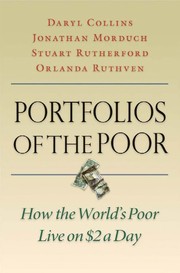
Year-long financial diaries of poor households show how they manage money.
Recommended by: Mark Zuckerberg
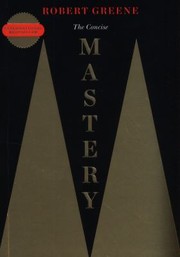
How masters from Leonardo to Faraday found a life's task and served apprenticeships.
“Mostly detailed historical biographical tales of ”masters” like DaVinci, Darwin, Mozart, Proust, Goethe, Wright Brothers, Einstein, Coltrane, Martha Graham, etc. Lessons dissected from their successes, and categorized. Similar format to his great book “48 Laws of Power”, but a little less effective here. The biographies were interesting, but lessons were mostly conventional wisdom.” — Derek Sivers
Source: Derek Sivers book notes (primary, rated list) · Rating: 5/10
Recommended by: Derek Sivers, Nat Eliason, Ryan Holiday and 6 others
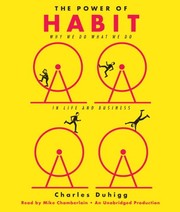
The habit loop of cue, routine and reward, and how to change a habit by its routine.
“Great dissection and analysis of what creates habits, and the power of changing just one of three steps in the habit loop.” — Derek Sivers
Source: Derek Sivers book notes (primary, rated list) · Rating: 7/10
Recommended by: Derek Sivers, Mohnish Pabrai, Nat Eliason and 7 others
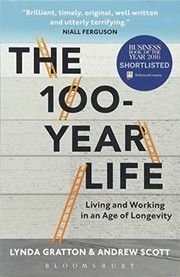
What longer lives mean for savings, work and the products people buy.
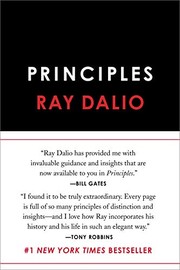
Decision rules from building Bridgewater: radical truth and radical transparency.
“Several people recommended Ray Dalio’s book Principles to me.” — Brad Feld
Source: Book: Principles by Ray Dalio — Feld Thoughts
Recommended by: Alfred Lin, Brad Feld, Derek Sivers and 31 others
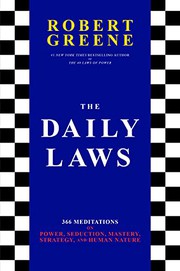
366 daily lessons on power, seduction, mastery, strategy and human nature.
Recommended by: Ryan Holiday
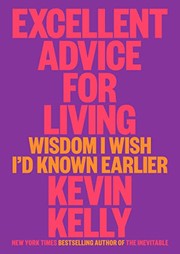
Short pieces of advice on living, goals, generosity, careers, family and money.
“Tiny sentences with deep wisdom unelaborated. Up to you to extract, reflect, and apply.” — Derek Sivers
Source: Derek Sivers book notes (primary, rated list) · Rating: 6/10
Recommended by: Andrew Wilkinson, Derek Sivers and 1 other
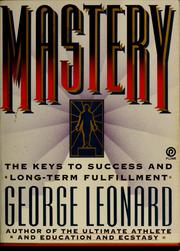
Mastery as long practice on the plateau, with a reward that comes late.
“Mostly detailed historical biographical tales of ”masters” like DaVinci, Darwin, Mozart, Proust, Goethe, Wright Brothers, Einstein, Coltrane, Martha Graham, etc. Lessons dissected from their successes, and categorized. Similar format to his great book “48 Laws of Power”, but a little less effective here. The biographies were interesting, but lessons were mostly conventional wisdom.” — Derek Sivers
Source: Derek Sivers book notes (primary, rated list) · Rating: 8/10
Recommended by: Derek Sivers, Patrick O'Shaughnessy and 2 others
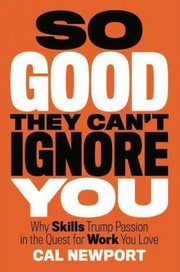
Why building rare and valuable skills makes a better career than following passion.
“Shockingly smart thoughts about your career. A must-read for anyone who is not loving their work, wanting to quit their job, and follow their passion, or not sure what to do next. I'm recommending this many times a week to people who email me with these kinds of questions. Best book I've ever read on the subject. See https://commoncog.com/blog/so-good-they-cant-ignore-you/ for a better summary.” — Derek Sivers
Source: Derek Sivers book notes (primary, rated list) · Rating: 8/10
Recommended by: Derek Sivers, Nat Eliason, Alexis Ohanian and 3 others
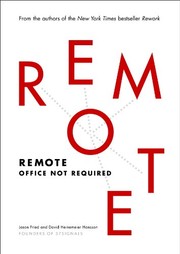
Why remote work beats office work for most knowledge workers, and how to run it.
“Speaking of being a distributed company with lots of text communication, I'm going to recommend a book called Remote, which is by the folks over at Basecamp, Jason Fried and David Heinemeier Hansson.” — Matt Mullenweg
Source: The Tim Ferriss Show Transcripts: Books I've Loved — Matt Mullenweg (#420)
Recommended by: Matt Mullenweg, Nat Eliason, Richard Branson and 3 others
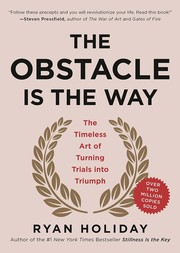
Stoic lessons on turning obstacles into a path, through perception, action and will.
“A succinct adrenaline-generating call to clear thinking and rational action. Many historical examples. Incredibly inspiring.” — Derek Sivers
Source: Derek Sivers book notes (primary, rated list) · Rating: 8/10
Recommended by: Derek Sivers, Ryan Holiday, Tom Bilyeu and 4 others
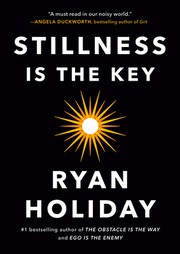
How stillness helps leaders and artists control temper and avoid distraction.
“If even one chapter in each section strikes a chord with you, I encourage you to grab a copy of Stillness Is The Key.” — Brad Feld
Source: Book: Stillness Is The Key — Feld Thoughts
Recommended by: Brad Feld, Cal Newport, Derek Sivers and 1 other
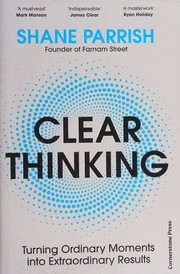
How four default reactions decide most choices before any conscious decision.

Reflections on simple living, written from a life in the woods.
“In the classic Walden, Henry David Thoreau echoes Warren Buffett on having an inner scorecard and defining your own success:” — Shane Parrish
Source: Henry David Thoreau on Success
Recommended by: Mohnish Pabrai, Nat Eliason, Shane Parrish and 1 other
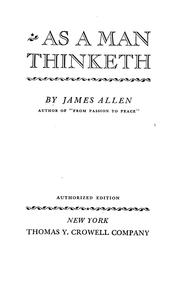
A short New Thought essay on how a person's thinking shapes their life.
Recommended by: Nat Eliason, Tim Ferriss, Tony Robbins
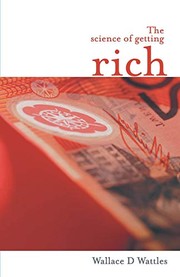
A method for turning thought into material wealth.
Recommended by: Nat Eliason
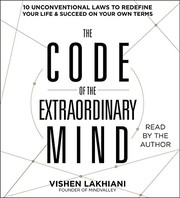
How to drop the outdated rules of work, love and money and set your own.
Recommended by: Jim Kwik
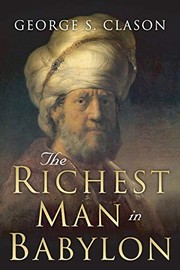
Parables set in ancient Babylon on saving, investing and building wealth.
Recommended by: Anthony Pompliano, Sophia Amoruso
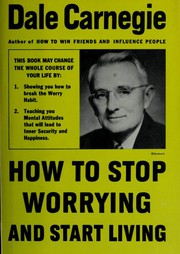
Techniques for breaking the habit of worry.
“So rather than just speculate at every turn, trying to gather as much information as possible, and this actually makes me think of Dale Carnegie in How to Stop Worrying and Start Living.” — Tim Ferriss
Recommended by: Tim Ferriss, Ran Segall
Thirteen principles of getting rich, claimed to come from studying 500 wealthy men.
Recommended by: Jim Clayton, Mohnish Pabrai, Tom Bilyeu and 7 others
The size of your thinking sets the size of your results, and how to think bigger.
“A classic self-help book. Exactly what you'd expect. But very good.” — Derek Sivers
Source: Derek Sivers book notes (primary, rated list) · Rating: 7/10
Recommended by: Ali Abdaal, Derek Sivers, Mohnish Pabrai and 3 others
The first recognised billionaire's lessons on money and economics.
Recommended by: Mohnish Pabrai
A stock trader's analysis of the road to success and "positive selfishness".
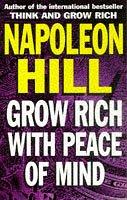
How to get what you want and enjoy peace of mind, from the author's later work.
“His first book, “Think and Grow Rich”, was a huge influence on me as a teenager. I recently heard he wrote a major update to it shortly before he died, that some say is much better. I guess my tastes have changed because though this book has good intentions, and might have made a big impact on me long ago, now I found it almost unreadably vague and had to stop. The order in which we read books really does make a big difference.” — Derek Sivers
Source: Derek Sivers book notes (primary, rated list) · Rating: 1/10
Recommended by: Derek Sivers, The Barefoot Investor
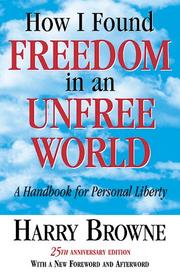
How a person can live the life they want despite the constraints around them.
“Some fun "fist in the air" thoughts on freedom, from 1973. Includes related thoughts on parenting and honesty.” — Derek Sivers
Source: Derek Sivers book notes (primary, rated list) · Rating: 3/10
Recommended by: Derek Sivers, Nat Eliason
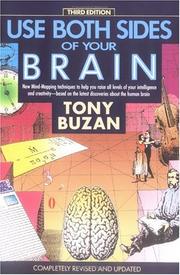
Mind-mapping techniques to raise intelligence and creativity.
Recommended by: Mohnish Pabrai
Reflections on memory, hope and how time colours the present.
Recommended by: Mohnish Pabrai
Recommended by: Brian Armstrong

How to set goals, reach them and enjoy what they bring.
Recommended by: David Cancel
Poor Richard's Almanac's sayings on wealth, gathered into a speech by Father Abraham.
“These investment ideas, it turns out, are eerily similar to Franklin’s ideas about savings, set forth largely in his classic, The Way to Wealth, first published in 1757.” — John C. Bogle
Source: Capitalism, Entrepreneurship, and Investing — The 18th Century vs. the 21st Century, page 5
Recommended by: John C. Bogle, Mohnish Pabrai and 1 other
Methods for mastering personal and professional life by using the power of the mind.
“I'm biased because in high school, I read Unlimited Power by Tony, which had an impact. I then, when I got out of college and I had my first job and I was commuting in my piece of shit minivan, the green machine, which was just a complete disaster of a car but I was trapped on 101 in the Bay Area, for people who know, just bumper-to-bumper in rush hour, to and from Mountain View to San Jose to work, and I would listen to this used set.” — Tim Ferriss
Source: The Tim Ferriss Show Transcripts: Random Show - Fasting, Biohacking, and Tony Robbins (#333)
Recommended by: Tim Ferriss, Tony Robbins
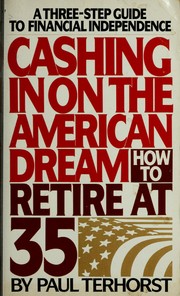
How and why an accountant retired at thirty-three, and how others can too.
Recommended by: Mark Cuban
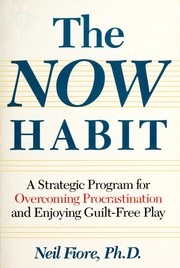
A strategy for overcoming the causes of procrastination.
“One of the most important books I've read in the past 10 years. Here's the gist: take action on an idea as soon as you think of it so that you don't forget about it or let your inaction torture you.” — Andrew Wilkinson
Source: Essay
Recommended by: Andrew Wilkinson, Derek Sivers
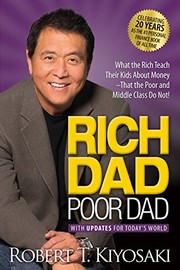
Two fathers contrasted to argue that schools fail to teach how money works.
“Not a great book, but communicates a very valuable mindset. I’m reading it to my son who wants to learn how to make money. Its simplistic and repeated message aims to get you out of the employee mindset, and to only spend your money on income-generating assets.” — Derek Sivers
Source: Derek Sivers book notes (primary, rated list) · Rating: 4/10
Recommended by: David Perell, Derek Sivers, Mohnish Pabrai and 7 others
Change behaviour by changing what you link with pain and pleasure.
“This 1992 book changed everything about my life. It's my Bible. Most of my beliefs come from it.” — Derek Sivers
Source: Book notes by Derek Sivers
Recommended by: Derek Sivers, Guy Spier, Nat Eliason and 2 others
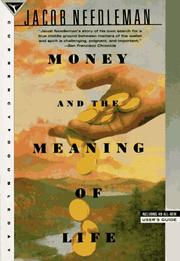
Myth, psychology and Sufi wisdom on how money can become a means of self-knowledge.
Recommended by: Mohnish Pabrai
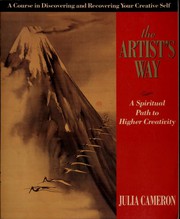
A course in the creative process and in living an artist's life.
“This makes me actually flash back to our last conversation, because we have some proof for this in a different form, which is Morning Pages from The Artist's Way, Julia Cameron.” — Tim Ferriss
Recommended by: Tim Ferriss, Brian Koppelman
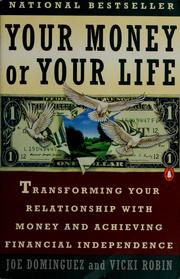
A nine-step programme that counts spending in hours of life energy.
Recommended by: Ali Abdaal, Graham Stephan and 1 other
How to use mind maps for learning, memory, concentration and planning.
Recommended by: Mohnish Pabrai
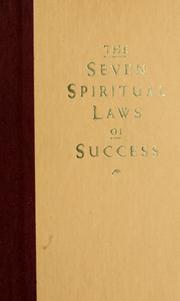
Seven principles, based on natural laws, for success in every area of life.
Recommended by: Mohnish Pabrai
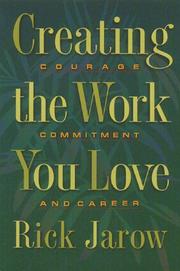
Finding a vocation through spiritual self-realisation and the chakras.
Recommended by: Mohnish Pabrai

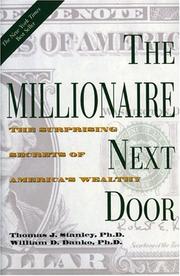
Survey research showing most American millionaires live modestly and save hard.
Recommended by: Jim Collins, Mohnish Pabrai and 3 others
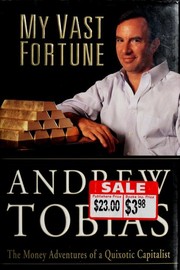
A money writer's adventures, from Russian anti-smoking ads to unseen Miami property.
Recommended by: Mohnish Pabrai
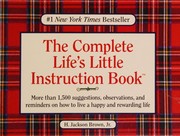
Over 1,500 short pieces of advice on living a good life.
Recommended by: Scott Belsky
A collection of Benjamin Franklin's sayings and quotations.
Recommended by: Mohnish Pabrai
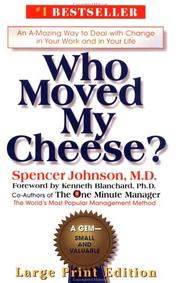
Recommended by: Tony Hsieh, Daymond John
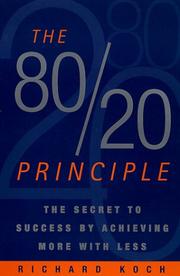
Get more with less by finding the 20% of effort that yields 80% of results.
Recommended by: Keith Rabois, Tim Ferriss, Ana Fabrega
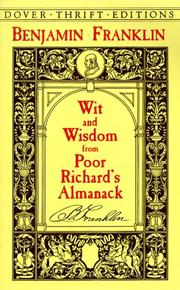
Aphorisms and common-sense sayings from a popular colonial American almanac.
Recommended by: Blake Mycoskie
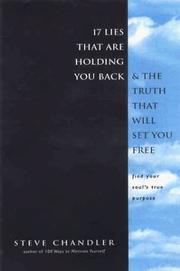
Seventeen common beliefs that hold people back, and the truths that replace them.
Recommended by: Mohnish Pabrai

Twelve practices for bringing creativity into work and personal life.
“Leadership coach and famous orchestra conductor collaborate on a book about relationships, art, personal development, children, and practice. Somewhat scattered but had some really interesting ideas.” — Derek Sivers
Source: Derek Sivers book notes (primary, rated list) · Rating: 6/10
Recommended by: Derek Sivers, Patrick Collison
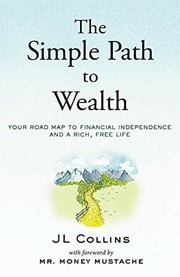
A narrow, plain plan for saving and investing, from letters to a daughter.
Recommended by: Mr. Money Mustache
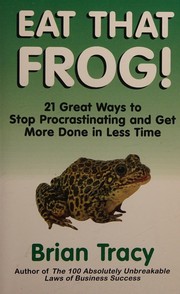
How to stop procrastinating by doing the most important task first.
Recommended by: Nat Eliason
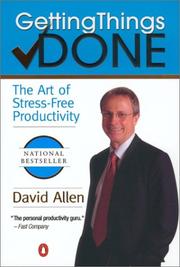
Get commitments out of your head into a trusted system, and decide next actions.
“Classic book with near-cult following. How to manage every last itty bitty tiny thing in your life. Keep your inbox empty. Re-read 16 years later. Still great.” — Derek Sivers
Source: Derek Sivers book notes (primary, rated list) · Rating: 9/10
Recommended by: Andrew Wilkinson, Derek Sivers, Tony Hsieh and 6 others
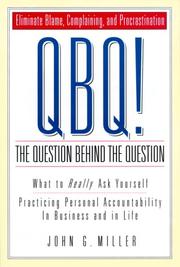
Personal accountability: asking better questions instead of blaming and complaining.
Recommended by: The Barefoot Investor
Recommended by: Mohnish Pabrai
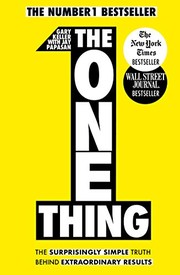
Extraordinary results come from narrowing focus to the one thing that matters most.
Recommended by: David Cancel, Alexis Ohanian, Austen Allred and 3 others
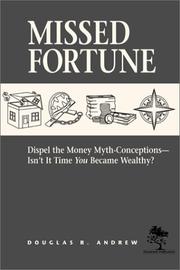
How flawed 'money myth-conceptions' keep people from becoming wealthy.
Recommended by: Mohnish Pabrai
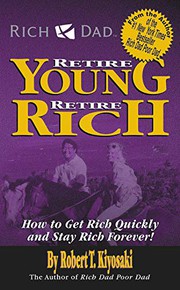
How buying income-producing assets can make a person financially independent early.
Recommended by: Mohnish Pabrai
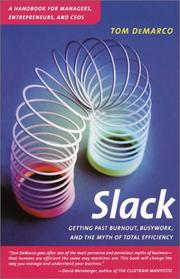
How to get past burnout, busywork and the myth of total efficiency at work.
Recommended by: Patrick Collison, Ev Williams
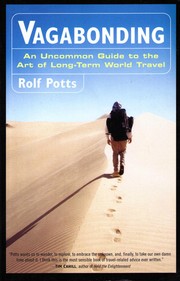
How to take long-term travel by leaving work for months at a time.
“I read it long after release, when its ideas are thoroughly ingested into my culture, so it had few surprises. I prefer his newer “Vagabond’s Way”.” — Derek Sivers
Source: Derek Sivers book notes (primary, rated list) · Rating: 5/10
Recommended by: Derek Sivers, Nat Eliason, Tim Ferriss
Personal finance advice from the investment firm Neuberger Berman.
Recommended by: Mohnish Pabrai
True stories of people who found meaningful work and lives.
Recommended by: Ev Williams
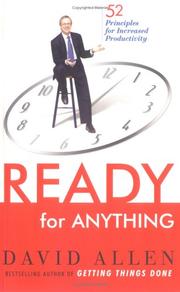
52 principles for getting things done with less stress: mindset, priorities, action.
“I read this in 2004, before Getting Things Done (same author), and liked it more, because it's more philosophical than instructional. It made a big impact on me then. I was just re-reading now for a little refresher.” — Derek Sivers
Source: Derek Sivers book notes (primary, rated list) · Rating: 5/10
Recommended by: Derek Sivers, Ev Williams
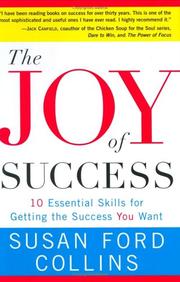
Ten skills for getting success while spending time only on what matters.
Recommended by: Mohnish Pabrai
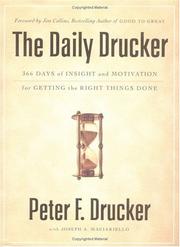
366 daily readings from management writing, each with an action point.
Why one extra degree of effort makes the difference.
Recommended by: Tony Hsieh
How to find and keep your life's work through passion, play and creativity.
Recommended by: Ann Handley
Why one extra degree of effort, in business and life, separates good from great.
Recommended by: Tony Hsieh
The case that disorder is often more efficient than imposed order.
“This idea comes from a wonderful book called A Perfect Mess” — Marc Andreessen
Source: The Pmarca Guide to Personal Productivity
Recommended by: Marc Andreessen
How a college dropout with no family money made himself a fortune.
“Shockingly honest thoughts from a filthy rich bastard.” — Derek Sivers
Source: Book notes by Derek Sivers
Recommended by: Andrew Wilkinson, Derek Sivers, Sam Parr and 1 other
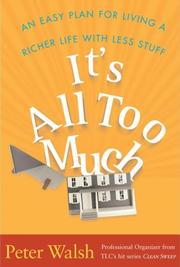
An easy plan for clearing clutter and living a richer life with less stuff.
“It's All Too Much, and it actually preceded her book at least in English. I thought it was so valuable, that in this really huge book I did called Cool Tools, I list it as the very first tool, which was how to deal with all this stuff, how not to have a bunch of stuff.” — Kevin Kelly
Source: The Tim Ferriss Show Transcripts: Kevin Kelly – AI, Virtual Reality, and The Inevitable (#164)
Recommended by: Kevin Kelly
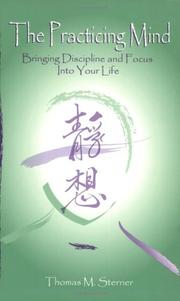
How present-moment awareness brings discipline and focus to everyday life.
“Great simple philosophy: Life itself is one long practice session. Everything in life worth achieving requires practice. Practice is not just for artistic or athletic skill, but practicing patience, practicing communication, practicing anything you do in life. The process/practice itself is the real goal, not the outcome.” — Derek Sivers
Source: Derek Sivers book notes (primary, rated list) · Rating: 8/10
Recommended by: Derek Sivers, Nat Eliason
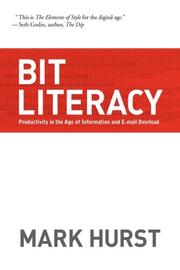
How to manage email, files and information without being overwhelmed.
Recommended by: Ev Williams
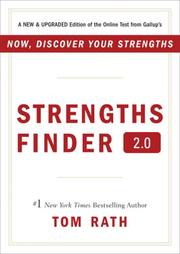
Gallup's assessment of a person's talents across 34 themes, and how to use them.
Recommended by: The Barefoot Investor
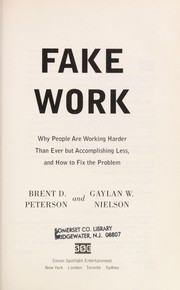
Why people work harder but achieve less, and how to replace fake work with real work.
Recommended by: Tony Hsieh
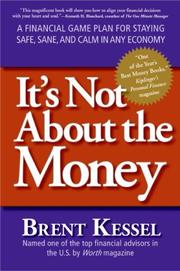
The psychological and spiritual types behind how people handle money.
Recommended by: Mohnish Pabrai
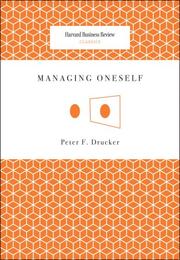
Knowledge workers must run their own careers by knowing their strengths and values.
Recommended by: Nat Eliason, Patrick Collison and 4 others
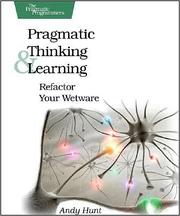
Cognitive science and learning theory applied to thinking and learning better.
“A great curated collection of facts about how to learn effectively and think clearly. Since it's written by a programmer, it makes many computer analogies that fellow programmers will appreciate. Non-programmers might feel a little left out.” — Derek Sivers
Source: Derek Sivers book notes (primary, rated list) · Rating: 5/10
Recommended by: Derek Sivers, Nat Eliason
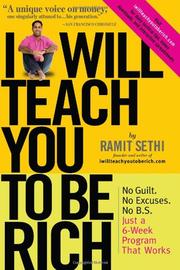
A six-week programme to automate banking, credit, saving and investing.
“An amazing book about consumer finance and a healthy approach to managing your money. If you are age 18-35, this is a must-read! My notes are scarce, so get the book. Even if over 35, you might find some good tips on lowering your fees on various services, and a good reminder of good savings practices.” — Derek Sivers
Source: Derek Sivers book notes (primary, rated list) · Rating: 7/10
Recommended by: Derek Sivers, Mohnish Pabrai, Nat Eliason and 3 others
Argues that the quality of a life depends on what a person pays attention to.
“Well-intentioned book I couldn't stomach because of her awkwardly flowerly writing style. Also I've read a lot about focus and flow, so this was mostly a repeat covered better in other books.” — Derek Sivers
Source: Derek Sivers book notes (primary, rated list) · Rating: 1/10
Recommended by: Derek Sivers, Mohnish Pabrai
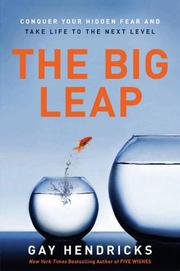
The 'Upper Limit Problem': how people sabotage themselves when good things happen.
Recommended by: Andrew Wilkinson, Noah Kagan

How 'safe' products, from money funds to principal-protected notes, failed in 2008.
Recommended by: Mohnish Pabrai
How the brain handles distraction and focus, and how to work smarter.
Recommended by: Mohnish Pabrai, Noah Kagan
A system for getting results in work and life, the Agile Results method.
Recommended by: Nat Eliason
How to get what you need from your boss, step by step.
Recommended by: Tim Ferriss
How to turn creative ideas into productive and profitable ventures.
“The full title - “Making Ideas Happen: Overcoming the Obstacles Between Vision and Reality” - describes its contents perfectly. Great book on that subject.” — Derek Sivers
Source: Derek Sivers book notes (primary, rated list) · Rating: 6/10
Recommended by: Derek Sivers, Mohnish Pabrai, Guy Kawasaki and 1 other
How to live and work on your own terms rather than as convention expects.
Recommended by: Nat Eliason
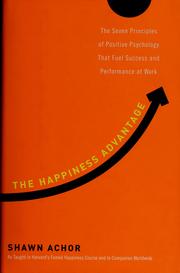
Seven principles from positive psychology for using happiness to fuel success.
Recommended by: Tony Hsieh
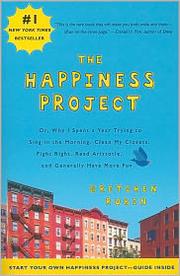
A writer's year-long experiment in becoming happier, month by month.
Recommended by: Jake Knapp
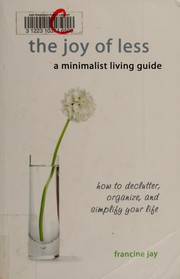
A light guide to minimalist living: how to declutter and simplify your home.
Recommended by: Mohnish Pabrai
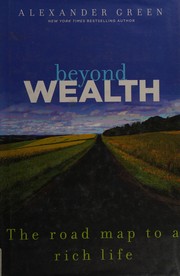
A road map to a rich life of meaning and purpose beyond status and possessions.
Recommended by: Ali Abdaal
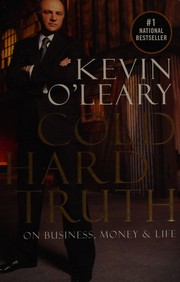
An investor's life story and his rules for business and personal money.
Recommended by: Mohnish Pabrai

How to beat resistance, the inner enemy that stops creative work.
“A true manifesto. A call to action. A kick in the butt for any creative person. Great thoughts on overcoming the resistance to creating.” — Derek Sivers
Source: Derek Sivers book notes (primary, rated list) · Rating: 9/10
Recommended by: David Cancel, Derek Sivers
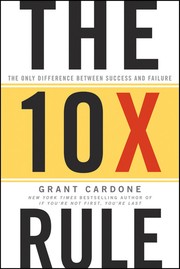
Big goals call for a fourth degree of action, massive action, beyond normal effort.
Recommended by: David Cancel, Ran Segall
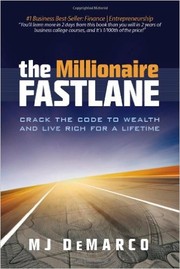
Why jobs, 401(k)s and frugality are a slow lane, and business ownership a fast one.
Recommended by: Nat Eliason, Ali Abdaal
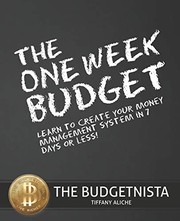
How to set up a money management system in a week so bills pay themselves.
Recommended by: Warren Buffett

An Edwardian essay on living deliberately below one's means.
Recommended by: Morgan Housel
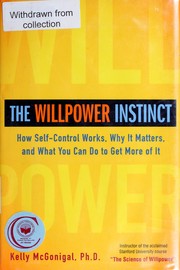
Self-control as a physical capacity, and how to build it, from a Stanford course.
“Amazing book about willpower from Stanford psychology professor who teaches just this. Killer first point: The best way to improve your self-control is to see how and why you lose control. This is a better book than the other book on Willpower here on my list, because it's more actionable, better written, better presented. Really amazing (IF you act on it!)” — Derek Sivers
Source: Derek Sivers book notes (primary, rated list) · Rating: 9/10
Recommended by: Derek Sivers, Mohnish Pabrai, Nat Eliason and 3 others
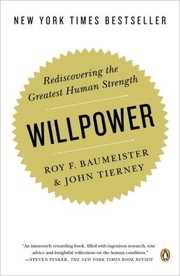
What research says about willpower, and practical ways to increase it.
“You have a finite amount of willpower that becomes depleted as you use it. Two traits that consistently predict “positive outcomes” in life: intelligence and self-control. Most major problems, personal and social, center on failure of self-control. When people were asked about their failings, a lack of self-control was at the top of the list. So let's talk about self-control....” — Derek Sivers
Source: Derek Sivers book notes (primary, rated list) · Rating: 8/10
Recommended by: Derek Sivers, Michael Mauboussin and 1 other

Using an "energy mind" to reach creativity without years of meditation.
Recommended by: Ev Williams
A mindfulness course for emotional intelligence, creativity and happiness.
Recommended by: Arianna Huffington, Matt Mullenweg and 1 other
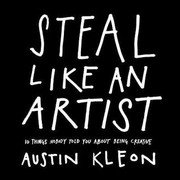
Ten short lessons on creative work: nothing is original, so copy well.
“Short, inspiring insights into creativity and the creative life: the day job, the mindset, etc. Also read his other book “Show Your Work”.” — Derek Sivers
Source: Derek Sivers book notes (primary, rated list) · Rating: 8/10
Recommended by: Derek Sivers, Mohnish Pabrai, Alex and Books and 3 others
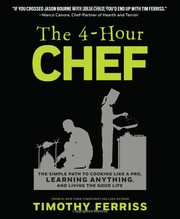
Learning to cook as a route to learning any skill, with chefs' recipes and tricks.
“Not about being a chef, but about learning itself. 672 pages long and I had a new baby at the time, so I didn't give this the attention it deserves.” — Derek Sivers
Source: Derek Sivers book notes (primary, rated list) · Rating: 4/10
Recommended by: Derek Sivers, Nat Eliason, Tim Ferriss
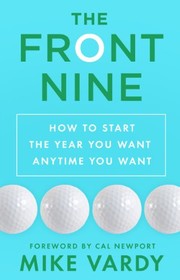
Using lessons from golf to set goals and restart your year at any time.
“Mike is the former editor-in-chief of Lifehack.org - an experience that transformed him into a incisive commentator on what works and what doesn't in the world of productivity. His new book takes a surprisingly nuanced look at what it (really) takes to get important projects from conception to completion.” — Cal Newport
Source: Two Books To Keep On Your New Year Radar
Recommended by: Cal Newport
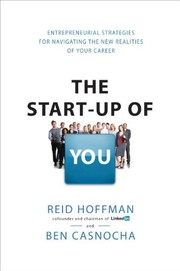
Run your career the way an entrepreneur runs a startup.
Recommended by: Mohnish Pabrai, Jack Dorsey and 4 others
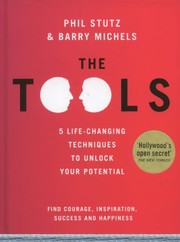
Five quick psychological tools for turning problems into courage and creativity.
“I also like The Tools. I give that out sometimes.” — Graham Duncan
Source: The Tim Ferriss Show Transcripts: Graham Duncan (#362)
Recommended by: Graham Duncan
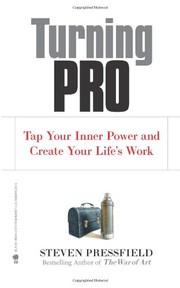
How to defeat resistance, the enemy of an authentic life.
“In the same vein as his other books “Do the Work” and ”War of Art” - but a message that needs to be said again and again to really get through. It's all about the resistance, avoiding distractions, getting serious. Here he dives more into the mindset shift of thinking of your art as a hobby versus a real career. This stuff shakes me to the core, every time.” — Derek Sivers
Source: Derek Sivers book notes (primary, rated list) · Rating: 9/10
Recommended by: Derek Sivers, Nat Eliason
Thoughts and advice on living a more fulfilling and successful life.
Recommended by: Gary Vaynerchuk
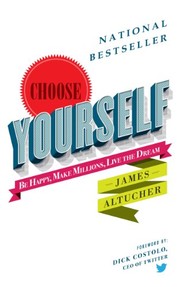
Why the old paths to security have crumbled, and how to build your own success.
“Anyone who likes my writing will probably LOVE his writing. We've got a very similar style and approach. I was smiling most of the way through, reading things I could have (and wish I would have) written myself. His vulnerability is so endearing.” — Derek Sivers
Source: Derek Sivers book notes (primary, rated list) · Rating: 7/10
Recommended by: Derek Sivers, Nat Eliason
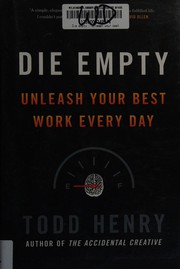
Why to do your important work now, before all your tomorrows run out.
“Motivating thoughts on doing your work. Your work is the expression of your priorities. “Work” = creating value where it didn't previously exist. An interesting definition of three kinds of work: mapping, making, and meshing.” — Derek Sivers
Source: Derek Sivers book notes (primary, rated list) · Rating: 6/10
Recommended by: Derek Sivers, David Kadavy
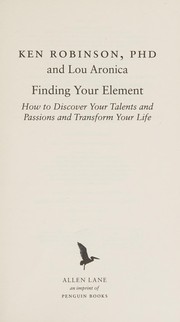
A practical guide to discovering your talents and passions.
Recommended by: Tony Hsieh
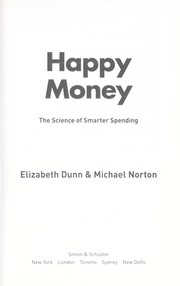
Research on how to spend money in ways that make people happier.
Recommended by: Mohnish Pabrai, Tim Ferriss
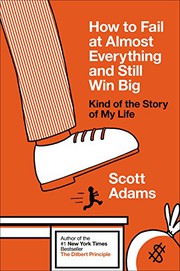
The Dilbert creator's many failures and what they taught him about success.
“Random assortment of life tips/hacks from the creator of Dilbert. Interesting common thread of making your life a system for increasing your odds at success. But I liked the random tips, too.” — Derek Sivers
Source: Derek Sivers book notes (primary, rated list) · Rating: 7/10
Recommended by: Derek Sivers, Mohnish Pabrai and 3 others
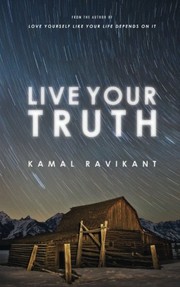
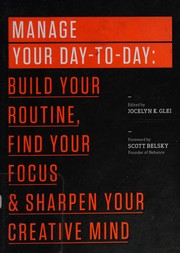
How to build a routine, find focus and do creative work instead of busywork.
Recommended by: Nat Eliason
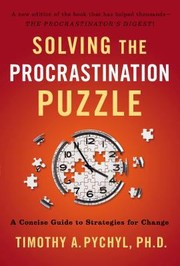
Why people put things off, with research-based strategies to stop.
Recommended by: Mohnish Pabrai
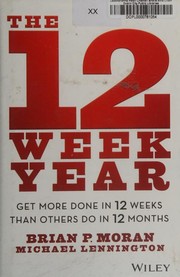
Plan and work as if a year were twelve weeks long, to keep focus on urgent tasks.
Recommended by: Nat Eliason, Sarah Pritula
Moving from time management to time investment for overloaded people.
“Elizabeth runs a successful consulting business that helps people make more meaningful use of their time. If you're looking to focus less on the unimportant and more on what really matters, this book offers tested advice for achieving this goal.” — Cal Newport
Source: Two Books To Keep On Your New Year Radar
Recommended by: Cal Newport
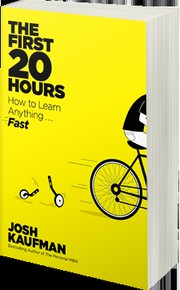
How to learn a new skill fast: break it down, practise well, remove barriers.
Recommended by: Nat Eliason, Justin Kan
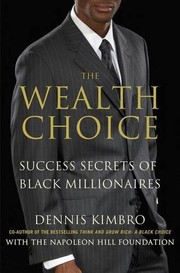
Lessons on success and wealth from African American millionaires.
Recommended by: Warren Buffett
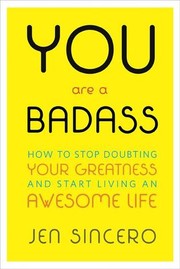
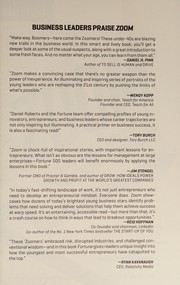
Lessons from Fortune's 40 Under 40 on how top founders and leaders built careers.
Recommended by: Mohnish Pabrai
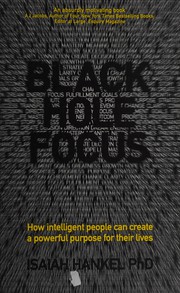
How to build a focus strong enough to give your life a powerful purpose.
Recommended by: Nat Eliason
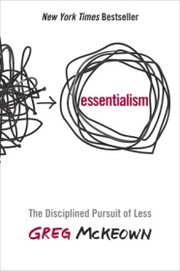
A method for finding the few activities that matter and dropping the rest.
“My favorite book of 2014. I bought it for the whole team at AppSumo.” — Noah Kagan
Source: The 25 Best Business Books I Ever Read (Out of 697)
Recommended by: Austen Allred, Matt Mullenweg, Nat Eliason and 10 others
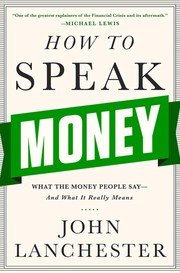
How finance and economics work, decoded from the language of money people.
Recommended by: Mohnish Pabrai
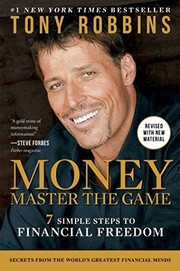
Interviews with 50 investors, from Dalio to Bogle, turned into money advice.
“…books I've recommended, highlighted to death, or forced on friends.” — Andrew Wilkinson
Source: Andrew Wilkinson's Bookshelf, neverenough.com
Recommended by: Andrew Wilkinson, Derek Sivers, Nat Eliason and 3 others

A former workaholic's cure for anxiety and burnout: play.
Recommended by: Chase Jarvis, Tim Ferriss, Tony Robbins
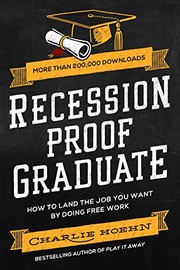
A career guide for graduates: how to land the job you want by doing free work.
Recommended by: Noah Kagan, Tim Ferriss
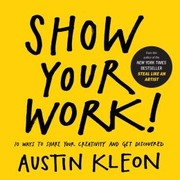
How creative people can share their process to get found by an audience.
“Short inspiring book about sharing your work online. Really healthy perspective. Makes me want to do it much more.” — Derek Sivers
Source: Derek Sivers book notes (primary, rated list) · Rating: 7/10
Recommended by: Ali Abdaal, Derek Sivers, Chase Jarvis and 1 other
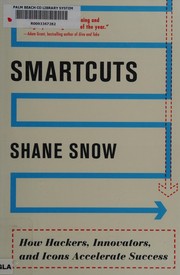
Nine principles of lateral thinking that innovators use to reach goals faster.
“Inspiring study of how successful people took smart shortcuts and bypassed the long-slogging dues-paying process. Great insights on momentum. Read the whole book for specific stories of Jimmy Fallon, Skrillex, Elon Musk, David Heinemeier Hansson, and Michelle Phan.” — Derek Sivers
Source: Derek Sivers book notes (primary, rated list) · Rating: 8/10
Recommended by: Derek Sivers, Nat Eliason, Noah Kagan
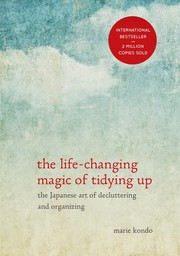
A method for tidying a home once, so that it stays simple and ordered.
Recommended by: Nat Eliason, Patrick Collison, David Kadavy and 1 other
Techniques, from precommitment to rejection therapy, for summoning motivation.
Recommended by: Nat Eliason
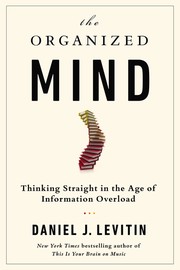
How the brain handles a flood of information and decisions, and how to organise it.
Recommended by: Mohnish Pabrai, Keith Rabois, Satya Nadella
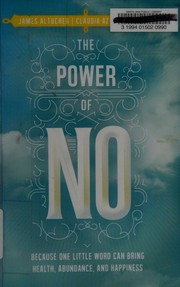
Answers to readers' questions on saying no to what harms a life.
“Quite scattered book, but inside the mess was a nice reminder of the importance of saying no to anything that doesn't serve you well.” — Derek Sivers
Source: Derek Sivers book notes (primary, rated list) · Rating: 3/10
Recommended by: Derek Sivers, Nat Eliason
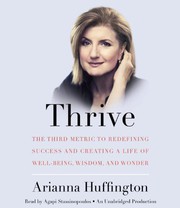
Why success should be redefined to include well-being, wisdom and wonder.
Recommended by: Sheryl Sandberg
The risks women face when they out-earn their partners, and how to handle them.
Recommended by: Sheryl Sandberg
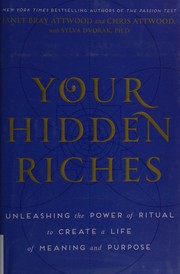
How daily rituals can bring rhythm, balance and connection to life.
Recommended by: Jim Kwik
Interviews with conservationists and environmentalists on why they do their work.
Recommended by: Richard Branson
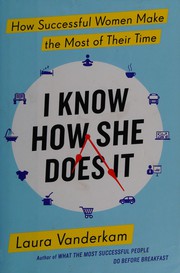
How working women with families actually spend their time.
Recommended by: Sheryl Sandberg
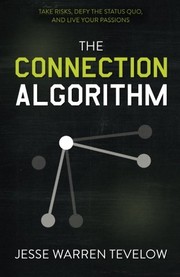
Strategies for taking risks, defying the status quo and living your passions.
Recommended by: Brad Feld
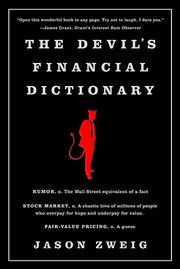
A satirical dictionary of Wall Street terms.
How doodling, a simple visual language, helps anyone think better.
Recommended by: Tony Hsieh
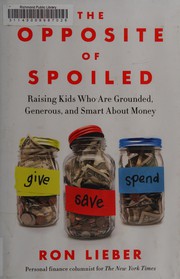
Children's questions about money, and how parents can answer them.
Recommended by: Alfred Lin
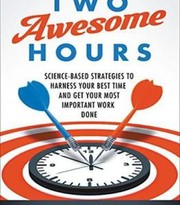
Neuroscience-based ways to create two hours of peak productivity each day.
Recommended by: Mohnish Pabrai
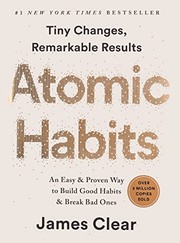
Build habits by making them obvious, attractive, easy and satisfying.
“Last October, my friend James Clear published the breakout hit book, Atomic Habits. As we both discovered in the months that followed, we have many readers in common.” — Cal Newport
Source: The Atomic Minimalist: My Conversation with James Clear
Recommended by: Ali Abdaal, Balaji S. Srinivasan and 22 others
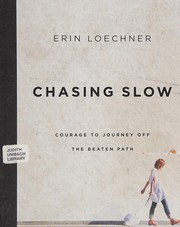
A Christian memoir of choosing simplicity over the race for more.
Recommended by: Paul Jarvis
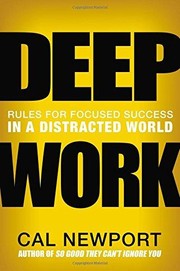
Why distraction-free concentration is rare and valuable, and how to train for it.
“Crucial subject, dear to me: shutting out distractions for deep productive concentrated work. No huge surprises but great supporting thoughts. I liked the point of considering the downside of the internet, instead of only the positives.” — Derek Sivers
Source: Derek Sivers book notes (primary, rated list) · Rating: 7/10
Recommended by: Derek Sivers, Nat Eliason, Nir Eyal and 7 others
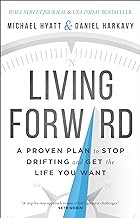
How to write a life plan and live an intentional life instead of drifting.
Recommended by: Mike Maples, Jr., Tony Robbins
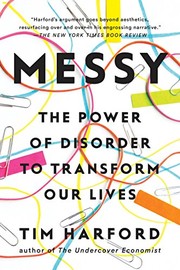
The benefits of disorder at home, at work and in the classroom.
Recommended by: Zoë Foster Blake
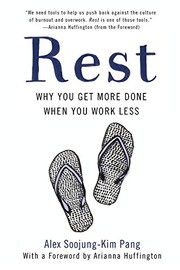
Why working better means working less and resting better.
Recommended by: Arianna Huffington, Matej Latin
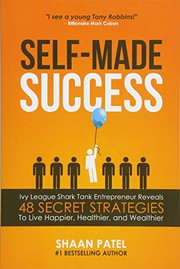
48 strategies to live a happier, healthier and wealthier life.
Recommended by: Mark Cuban
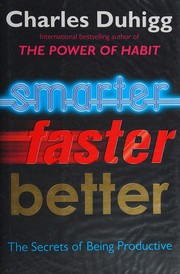
Productivity as a matter of how people think, set goals, build teams and decide.
Recommended by: Mohnish Pabrai, Sarah Pritula
Why to stop trying to be positive all the time and accept life's problems instead.
“The opposite of every other book. Don’t try. Give up. Be wrong. Lower your standards. Stop believing in yourself. Follow the pain. And oh yeah, kill yourself. Each point is profoundly true, useful, and more powerful than the usual positivity. Succinct but surprisingly deep, I read it in one night, then read it again a month later.” — Derek Sivers
Source: Derek Sivers book notes (primary, rated list) · Rating: 9/10
Recommended by: Derek Sivers, Nat Eliason
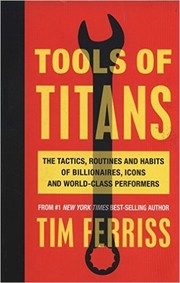
Routines, tools and advice from over 200 podcast guests on health, wealth and wisdom.
“A very useful collection of notes from hundreds of hours of Tim's podcast interviews. It's definitely a mix of thoughts and advice from a mix of people. A real collage. The first quarter of the book, full of milligram measurements of things you could be ingesting, almost made me quit, but the 2nd half of the book had some great ideas.” — Derek Sivers
Source: Derek Sivers book notes (primary, rated list) · Rating: 5/10
Recommended by: Balaji S. Srinivasan, Derek Sivers and 7 others
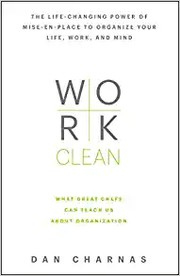
How chefs' mise-en-place can organise any kind of work.
Recommended by: Nat Eliason
A former Navy SEAL's mental and physical practices for reaching goals.
Recommended by: Alex and Books
Niklas Luhmann's slip-box method of note-taking, and why it works.
Recommended by: Ali Abdaal, Nat Eliason
A process for making good decisions about money, career, health and family.
Recommended by: Kathryn Minshew
Advice on success and life collected from many mentors.
Recommended by: Guy Spier, Jim Kwik, Tony Robbins and 1 other
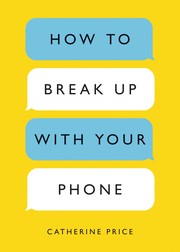
A practical plan to break up with your phone and build a better relationship with it.
Recommended by: The Barefoot Investor
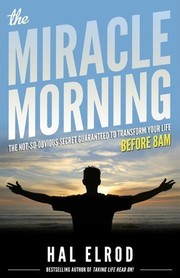
A daily morning routine, the SAVERS, meant to change results before the day starts.
Recommended by: John D Saunders
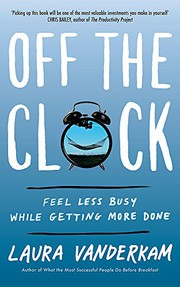
Seven principles for feeling less pressed for time while getting more done.
Recommended by: Cal Newport
How one day of healthy choices, drawn from studies and old practices, builds a life.
Recommended by: Nat Eliason
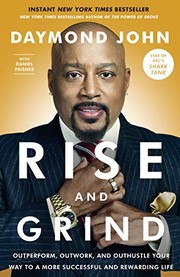
How grit, persistence and hard work drive successful businesses and people.
Recommended by: Chelsea Krost
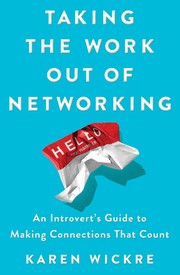
Networking advice for introverts from a former Google and Twitter executive.
Recommended by: Ryan Hoover
A financial plan for women who want short-term clarity and long-term security.
Recommended by: Sheryl Sandberg
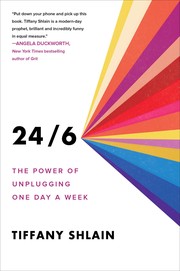
How turning off screens one day a week brings more time, creativity and connection.
Recommended by: Arianna Huffington
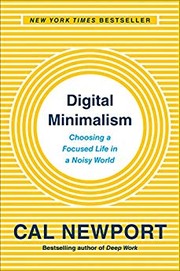
Why living well with technology means spending much less time using it.
“I finally got around to reading his most recent book, Digital Minimalism: Choosing a Focused Life in a Noisy World and my friends were correct. Newport is famous for being a millennial, computer scientist, and a book author who doesn’t have a social media account. Digital Minimalism is complementary to Jaron Lanier‘s book Ten Arguments for Deleting Your Social Media Accounts Right Now, but I found Newport a lot more comfortable and convincing.” — Brad Feld
Source: Book: Digital Minimalism — Feld Thoughts
Recommended by: Brad Feld, Nat Eliason, Alex Lieberman and 1 other
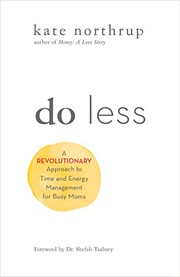
A guide for working women and mothers to have more in life by doing less.
Recommended by: Marie Forleo
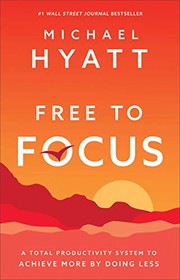
A system for managing time and raising personal productivity.
Recommended by: Arianna Huffington, Cal Newport
Practical, humorous advice on budgeting, careers and adult life.
Recommended by: Arianna Huffington
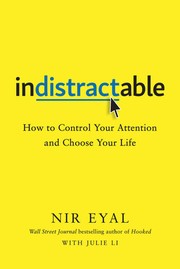
Distraction comes from escaping discomfort, not technology, and how to manage it.
“A specific guide for how to avoid distraction in your life. 95% of it was how-to stuff I didn't find useful because I'm already doing all of it. If you're not, this book is much more useful to you. It had two interesting points for me: about dissatisfaction driving motivation, and filling your daily calendar with a template of how you want to spend your day.” — Derek Sivers
Source: Derek Sivers book notes (primary, rated list) · Rating: 2/10
Recommended by: Ana Fabrega, Balaji S. Srinivasan and 6 others
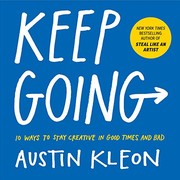
Advice on staying creative and productive when the world seems out of control.
Recommended by: Ryan Holiday
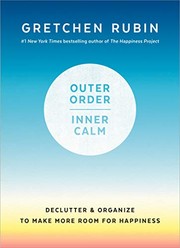
An illustrated guide to decluttering and taking control of one's possessions.
Recommended by: Ramit Sethi
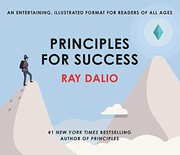
An illustrated, shortened version of the book Principles.
Why financial literacy is how people of colour can build and pass on wealth.
Recommended by: John D Saunders

A guide to finding your purpose and honouring your calling.
Recommended by: Arianna Huffington
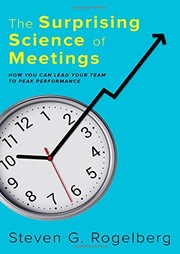
Research on why meetings fail and how to make them worth the time.
Recommended by: Arianna Huffington
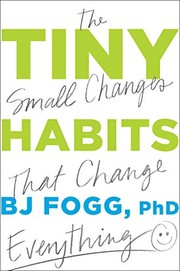
How to build a happier, healthier life by starting with very small habits.
Recommended by: Arianna Huffington, Ramit Sethi
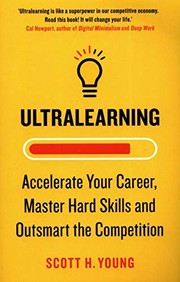
Techniques for teaching yourself hard skills fast, from a self-taught MIT curriculum.
Recommended by: Cal Newport
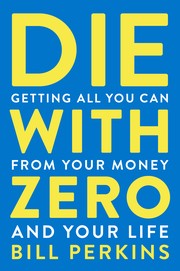
Why to spend and live fully while alive, rather than die with money unspent.
Recommended by: Ali Abdaal, Nat Eliason, James Altucher
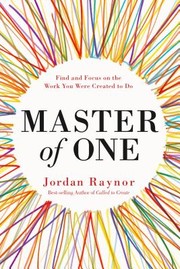
Why to stop doing it all and focus on the one work you were made to do.
Recommended by: Cynthia Marshall

A simple system of three alarms to improve health, wealth and relationships.
Recommended by: Ali Abdaal
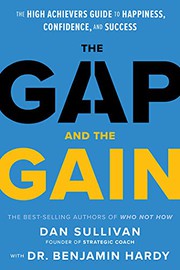
Why successful people focus on 'the gain', not 'the gap'.
Recommended by: Mel Robbins
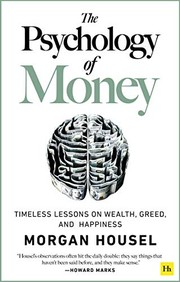
Twenty short essays on why behaviour matters more than knowledge with money.
“Example: Morgan Housel has sold 1M+ copies of "The Psychology of Money" with them (though he probably didn't need much help 😝 - if you haven't read this book yet, it's a MUST)” — Ana Fabrega
Source: Fab Fridays 96: Book Deal! - by Ana Lorena - Fab Fridays
Recommended by: Ana Fabrega, Andrew Wilkinson, Derek Sivers and 11 others
Finding success, happiness and purpose in the second half of life.
Recommended by: Andrew Wilkinson

Short pieces giving conflicting philosophies of how to live.
“I also recommend Derek's other books (How To Live is especially good).” — Andrew Wilkinson
Source: Newsletter
Recommended by: Andrew Wilkinson
An investor's thinking about risk applied to the risks of everyday life.
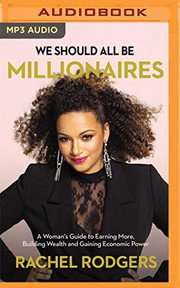
A step-by-step path for women to earn more, build wealth and gain economic power.
Recommended by: Sarah Pritula
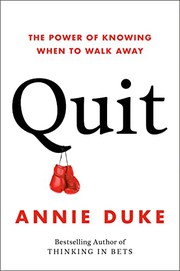
Why people stick too long with failing projects and careers, and how to quit well.
“Annie Duke, Quit: The Power of Knowing When to Walk Away (New York: Portfolio, 2022)” — Michael Mauboussin
Source: Capital Allocation: Results, Analysis, and Assessment, page 66
Recommended by: Ev Williams, Michael Mauboussin
How to find time for creative work in the scattered minutes of a day.
Recommended by: Ali Abdaal
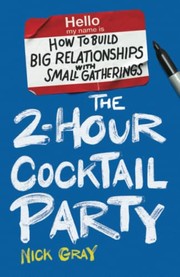
Step-by-step rules for hosting short, structured parties that build relationships.
Recommended by: Andrew Wilkinson, Austin Rief
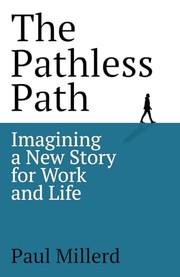
A new story for work and life, beyond the default career path.
Recommended by: Ali Abdaal
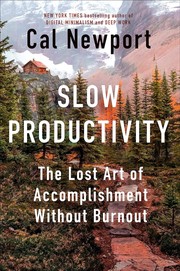
Doing fewer things at a natural pace, as an answer to busyness and burnout.
Recommended by: Andrew Wilkinson
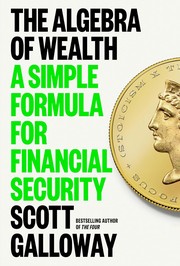
Rules for building financial security in the current economy.
Recommended by: Andrew Wilkinson
A philosophy of time for mortals, and how to make the most of a finite life.
Recommended by: Matt Mullenweg
Applying product design methods to the way you organise your own work.
Recommended by: David Perell, Nat Eliason
How to apply design thinking to building a well-lived, joyful life.
Recommended by: Alfred Lin, Jenny Chu
Nine toddler traits, such as imagination and determination, that adults can relearn.
Recommended by: Richard Branson
Examples of people who turned their concern for the world into their work.
Recommended by: Richard Branson
How to leave an average job, start a business and build the career you want.
Recommended by: Cynthia Johnson
The research showing that timing is a science, and how to make 'when' decisions.
Recommended by: Arianna Huffington
Lessons from extraordinary lives on life's ultimate questions.
Recommended by: Mike Cannon-Brookes
 Benjamin Franklinwrote 4 books here
 Cal Newportwrote 4 books here
 Peter F. Druckerwrote 3 books here
 Tim Ferrisswrote 3 books here
 Ray Daliowrote 2 books here
 Jason Zweigwrote 2 books here
 Robert Greenewrote 2 books here
 Seth Godinwrote 2 books here
 Ryan Holidaywrote 2 books here
 James Altucherwrote 2 books here
 Robert Kiyosakiwrote 2 books here
 Tony Robbinswrote 2 books here
Show all 33
 Kevin Kellywrote 1 book here
 Morgan Houselwrote 1 book here
 Reid Hoffmanwrote 1 book here
 Stephen Coveywrote 1 book here
 David Heinemeier Hanssonwrote 1 book here
 Whitney Tilsonwrote 1 book here
 Annie Dukewrote 1 book here
 Arianna Huffingtonwrote 1 book here
 Chade-Meng Tanwrote 1 book here
 David Schwartzwrote 1 book here
 Daymond Johnwrote 1 book here
 Derek Siverswrote 1 book here
 John D Saunderswrote 1 book here
 Nir Eyalwrote 1 book here
 Oprah Winfreywrote 1 book here
 Ramit Sethiwrote 1 book here
 Scott Belskywrote 1 book here
 Nat Eliasonrecommends 49 books hereDerek Siversrecommends 45 books here
 Mohnish Pabrairecommends 44 books hereTim Ferrissrecommends 21 books hereArianna Huffingtonrecommends 11 books here
 Tony Hsiehrecommends 11 books hereCal Newportrecommends 10 books here
 Ev Williamsrecommends 10 books hereTony Robbinsrecommends 9 books here
Show all 145
 David Cancelrecommends 7 books here
 Matt Mullenwegrecommends 7 books here
 Ran Segallrecommends 7 books here
 Anthony Pomplianorecommends 6 books here
 Naval Ravikantrecommends 6 books here
 Noah Kaganrecommends 6 books here
 Tom Bilyeurecommends 6 books here
 Brad Feldrecommends 5 books here
 Jordan Hughesrecommends 5 books here
 Nick Huberrecommends 5 books hereNir Eyalrecommends 5 books here
 Sheryl Sandbergrecommends 5 books hereRyan Holidayrecommends 4 books here
 Ana Fabregarecommends 4 books here
 Graham Stephanrecommends 4 books hereJohn D Saundersrecommends 4 books here
 Keith Raboisrecommends 4 books here
 Patrick Collisonrecommends 4 books here
 Richard Bransonrecommends 4 books here
 Jim Collinsrecommends 3 books here
 Michael Mauboussinrecommends 3 books hereRay Daliorecommends 3 books hereKevin Kellyrecommends 3 books here
 Alexis Ohanianrecommends 3 books here
 Alfred Linrecommends 3 books here
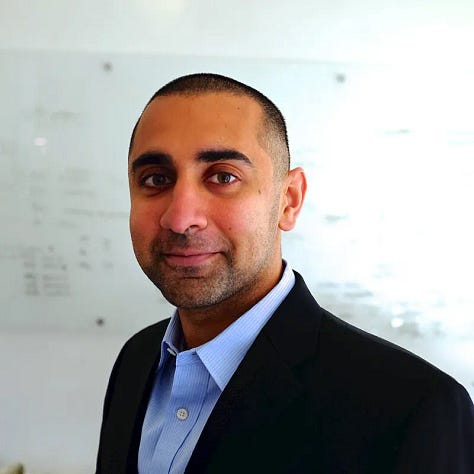 Balaji S. Srinivasanrecommends 3 books here
 Chase Jarvisrecommends 3 books here
 David Kadavyrecommends 3 books hereJames Altucherrecommends 3 books here
 Justin Kanrecommends 3 books here
 Mark Cubanrecommends 3 books here
 Michael Batkorecommends 3 books here
 Terrance McArthurrecommends 3 books here
 Zoë Foster Blakerecommends 3 books here
 Howard Marksrecommends 2 books here
 Marc Andreessenrecommends 2 books here
 Warren Buffettrecommends 2 books hereReid Hoffmanrecommends 2 books here
 Guy Kawasakirecommends 2 books here
 Guy Spierrecommends 2 books here
 Simon Sinekrecommends 2 books here
 Abi Tyas Tunggalrecommends 2 books here
 Ann Handleyrecommends 2 books here
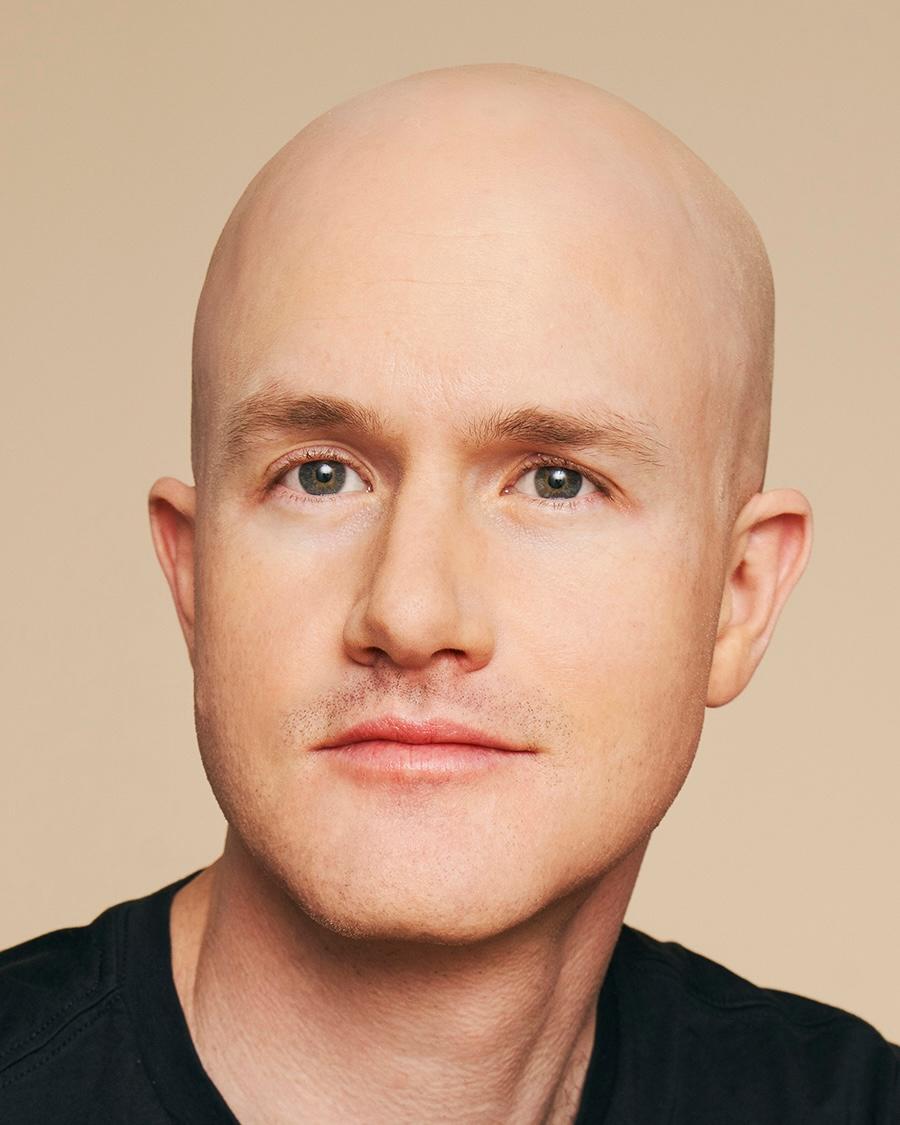 Brian Armstrongrecommends 2 books here
 Casey Neistatrecommends 2 books hereDaymond Johnrecommends 2 books here
 Drew Houstonrecommends 2 books here
 Fred Schebestarecommends 2 books here
 Jack Dorseyrecommends 2 books here
 Jake Knapprecommends 2 books here
 Matej Latinrecommends 2 books here
 Mel Robbinsrecommends 2 books here
 Michael Bloombergrecommends 2 books here
 Nate O'Brienrecommends 2 books here
 Paul Jarvisrecommends 2 books hereRamit Sethirecommends 2 books here
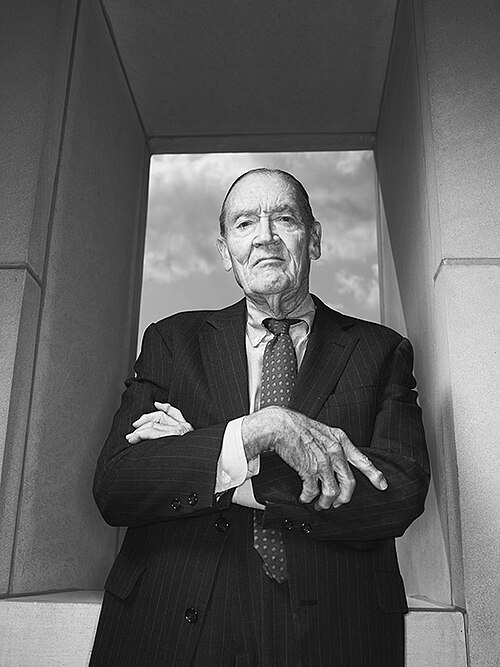 John C. Boglerecommends 1 book here
 Marc Benioffrecommends 1 book hereMorgan Houselrecommends 1 book here
 Allen Gannettrecommends 1 book here
 Bill Gatesrecommends 1 book here
 Biz Stonerecommends 1 book here
 Blake Mycoskierecommends 1 book here
 Bryan Johnsonrecommends 1 book here
 Chelsea Krostrecommends 1 book here
 Cynthia Johnsonrecommends 1 book here
 Cynthia Marshallrecommends 1 book here
 David Hellmannrecommends 1 book here
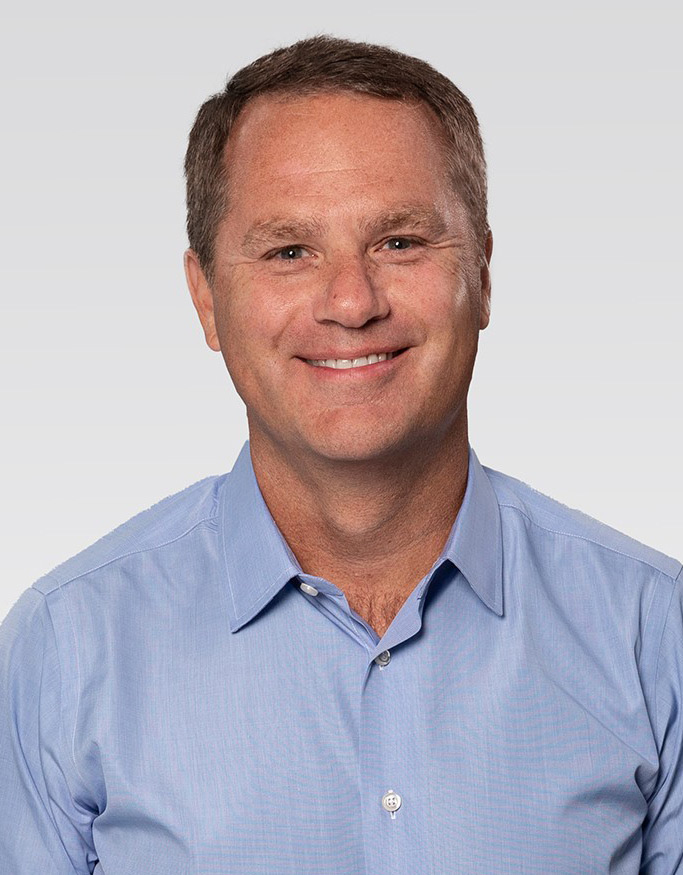 Doug McMillonrecommends 1 book here
 Dustin Moskovitzrecommends 1 book here
 Emmett Shearrecommends 1 book here
 Gary Vaynerchukrecommends 1 book here
 George Hatzisrecommends 1 book here
 Graham Duncanrecommends 1 book here
 Jackie Vullinghsrecommends 1 book here
 Jane McGonigalrecommends 1 book here
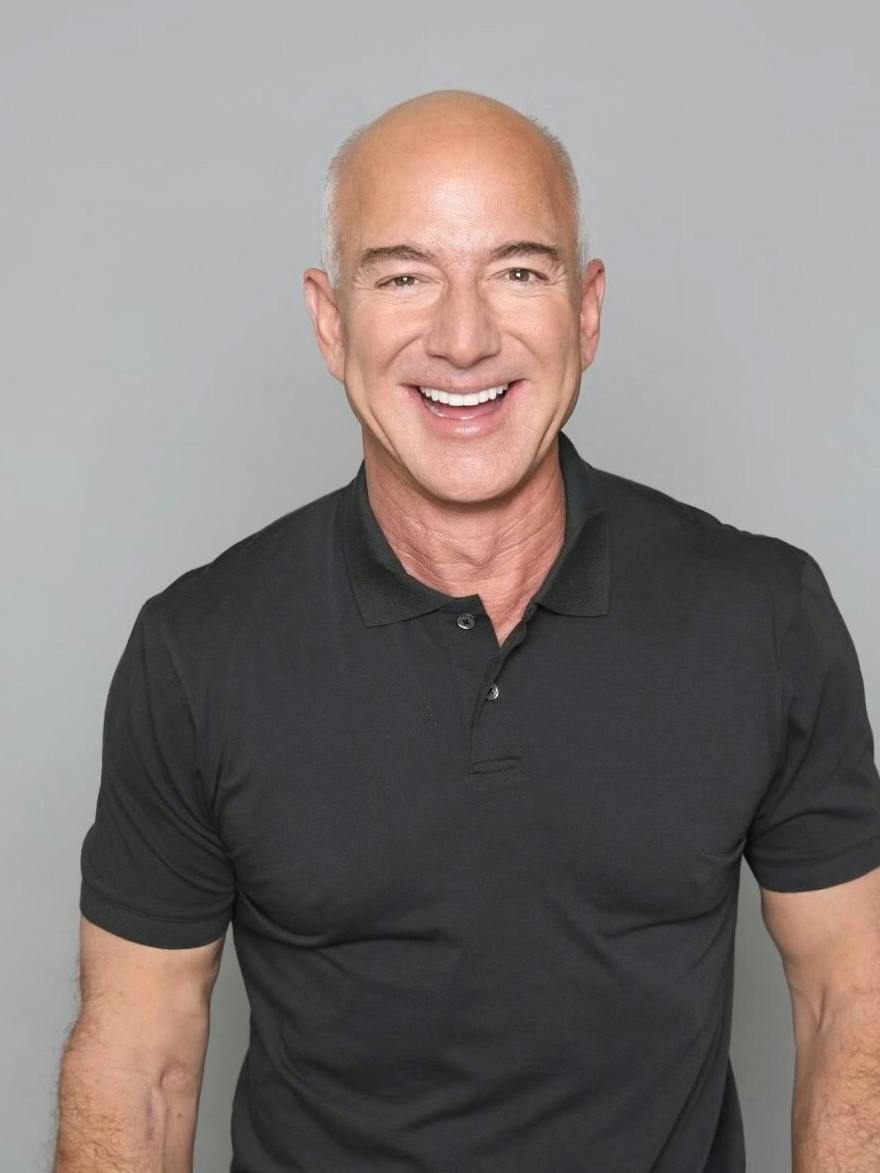 Jeff Bezosrecommends 1 book here
 Joel Connollyrecommends 1 book here
 Johnnie Gomezrecommends 1 book here
 Julie Zhuorecommends 1 book here
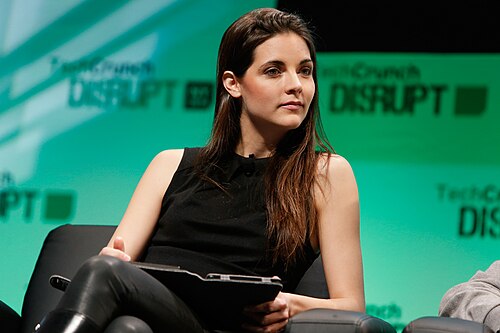 Kathryn Minshewrecommends 1 book here
 Kevin Roserecommends 1 book here
 Kevin Systromrecommends 1 book here
 Maria Popovarecommends 1 book here
 Marie Forleorecommends 1 book here
 Mark Zuckerbergrecommends 1 book here
 Mike Cannon-Brookesrecommends 1 book here
 Mike Maples, Jr.recommends 1 book here
 Mr. Beastrecommends 1 book here
 Nathan Murphyrecommends 1 book here
 Niki Scevakrecommends 1 book here
 Pieter Levelsrecommends 1 book here
 Rana el Kalioubyrecommends 1 book here
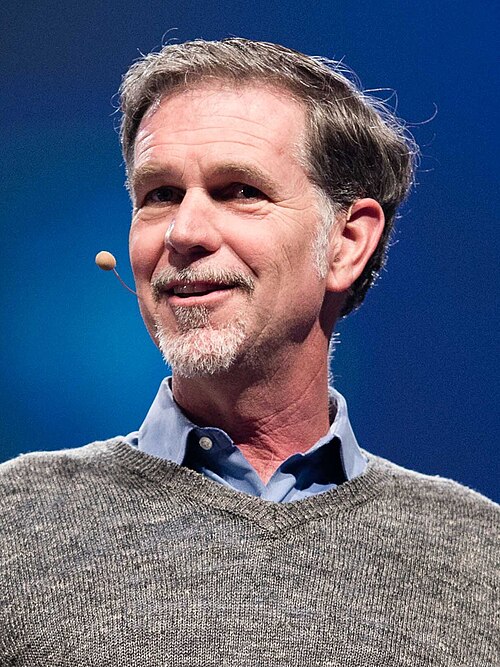 Reed Hastingsrecommends 1 book here
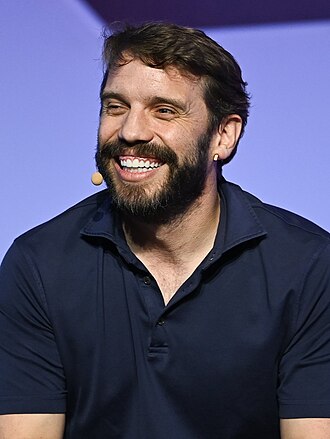 Ryan Petersenrecommends 1 book here
 Satya Nadellarecommends 1 book hereScott Belskyrecommends 1 book here
 Sophia Amorusorecommends 1 book here
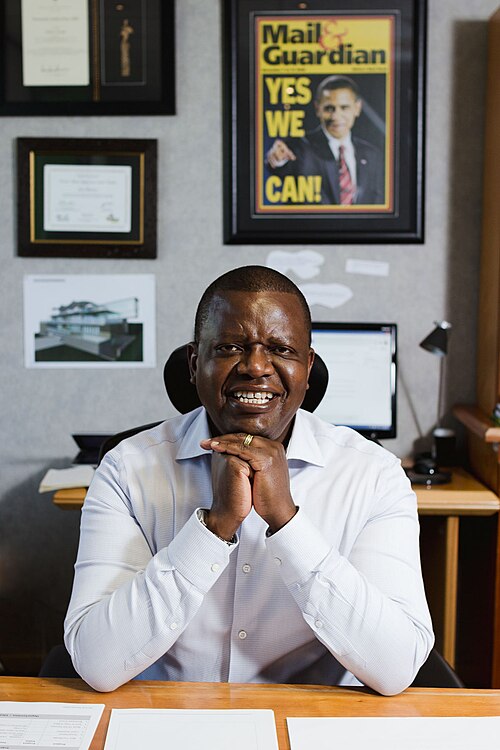 Trevor Ncuberecommends 1 book here
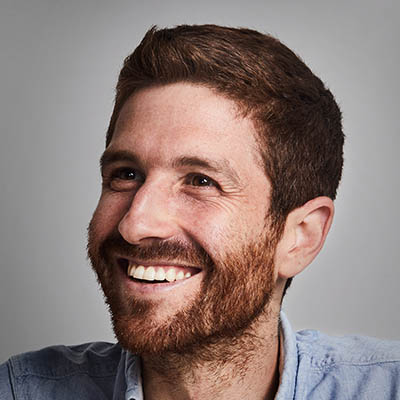 Tristan Harrisrecommends 1 book here
 Veronica Belmontrecommends 1 book here
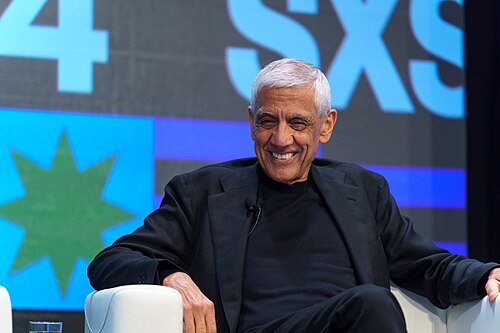 Vinod Khoslarecommends 1 book here
 Vlad Magdalinrecommends 1 book here
 Zack Oniskorecommends 1 book here