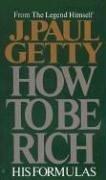
How to be Rich
The first recognised billionaire's lessons on money and economics.
Summary
J. Paul Getty, the first generally recognised billionaire, draws on his own experience to explain money and economics in language that a reader on Open Library describes as readable even for a novice. He is down to earth and philosophical about what wealth is and what it means to have it.
Getty explains in simple terms how stocks, bonds and real estate work. He discusses running a business and the effect of sound business decisions on the wider economy, and stresses the importance of paying employees as well as one can afford, since they are ultimately the people who buy what the company makes. He is modest about real estate and possessions, noting that someone with four mansions and five yachts has no time to use them. His case is that being rich is not about piling up possessions but about investing back into the communities from which wealth comes.
Key takeaways 4
- Stocks, bonds and real estate can be explained in plain terms.
- Paying employees well supports the market for a company's products.
- Owning more possessions than one can use is pointless.
- Wealth should be reinvested in the communities that produced it.
Who should read it
Readers interested in business and personal wealth from the perspective of a twentieth-century tycoon.
Who recommended it 1 · 1 direct
Similar books 6
Chosen by shared topics, the entries that hold them, and the people who recommended both.
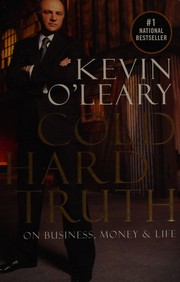
An investor's life story and his rules for business and personal money.
Recommended by: Mohnish Pabrai
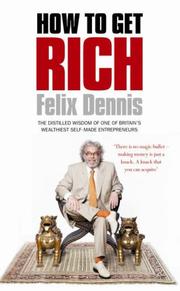
How a college dropout with no family money made himself a fortune.
“Shockingly honest thoughts from a filthy rich bastard.” — Derek Sivers
Source: Book notes by Derek Sivers
Recommended by: Andrew Wilkinson, Derek Sivers, Sam Parr and 1 other
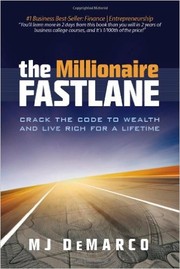
Why jobs, 401(k)s and frugality are a slow lane, and business ownership a fast one.
Recommended by: Nat Eliason, Ali Abdaal
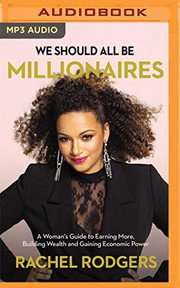
A step-by-step path for women to earn more, build wealth and gain economic power.
Recommended by: Sarah Pritula
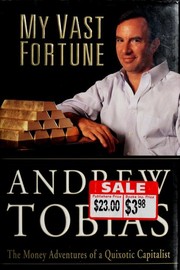
A money writer's adventures, from Russian anti-smoking ads to unseen Miami property.
Recommended by: Mohnish Pabrai
How to leave an average job, start a business and build the career you want.
Recommended by: Cynthia Johnson