
Entrepreneurship and Startups
Founding, financing and scaling new ventures, including venture capital, product-market fit and the founder's own experience of building something. Read by founders, early employees and investors in young companies.
Start here
- Innovation and EntrepreneurshipPeter F. Drucker, 1985
- Sam Walton: Made in AmericaSam Walton, John Huey, 1992
- The Innovator's DilemmaClayton Christensen, 1997
- The Innovator's SolutionClayton Christensen, Michael E. Raynor, 2003
- Howard Hughes: His Life and MadnessDonald L. Barlett, James B. Steele, 2004
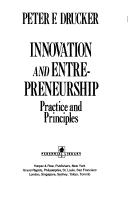
Innovation as a learnable discipline, with seven sources of opportunity to search.
Recommended by: Patrick Collison, Patrick O'Shaughnessy and 1 other
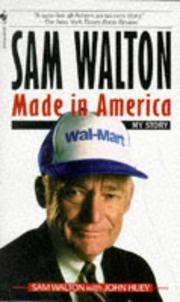
How Walmart grew from one Arkansas store by cutting costs and prices.
Recommended by: David Cancel, David Perell, Mohnish Pabrai and 4 others
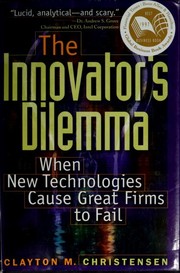
Why well-run firms lose to cheaper, worse products that enter at the market's bottom.
“Clayton Christensen's big "aha" in Innovator's Dilemma is that eventually a product will become over-featured and as a result feature growth will slow, and along with it innovation.” — Bill Gurley
Source: Picture Proof of the Innovator’s Dilemma: SlideRocket
Recommended by: Bill Gurley, Drew Houston, Jim Collins and 29 others
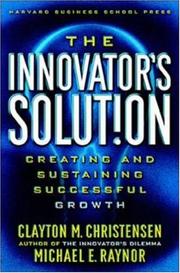
How a company can build new businesses through low-end and new-market disruption.
“Required reading for business-owners and investors. Shows how technology improves faster than people's ability to use it, so when someone says a technology is “not good enough”, add “yet” and prepare for disruption.” — Derek Sivers
Source: Derek Sivers book notes (primary, rated list) · Rating: 8/10
Recommended by: Derek Sivers, Keith Rabois and 3 others

Howard Hughes as aviator, film producer and Las Vegas hotel owner, and his decline.
Recommended by: Elon Musk
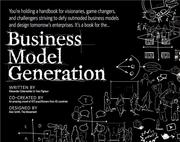
The Business Model Canvas: nine blocks for how a firm creates and captures value.
Recommended by: Nir Eyal
The story of how Twitter was founded and of the founders who built it.
“Hatching Twitter tried to do this around the story of Twitter but had to do this at the expense of the depth of the characters to fit into the 300 pages that a non-fiction book like this ends up being due to publishing industry constraints so it has a chance of ending up on a best seller list.” — Brad Feld
Source: Book: Hatching Twitter — Feld Thoughts
Recommended by: Brad Feld, Alexis Ohanian, Casey Neistat and 2 others
Why startups should build something new and own a small market before growing.
“Inspired by modern tech classics like Zero to One and The Hard Thing About Hard Things, I wrote the book to be succinct, thorough, and accessible.” — Chris Dixon
Source: I wrote a book: Read Write Own — cdixon
Recommended by: Balaji S. Srinivasan, Chris Dixon and 38 others
How a running-shoe importer became Nike, surviving one cash crisis after another.
“…books I've recommended, highlighted to death, or forced on friends.” — Andrew Wilkinson
Source: Andrew Wilkinson's Bookshelf, neverenough.com
Recommended by: Andrew Wilkinson, Bill Gates, Bill Gurley and 27 others
How Theranos reached a $9 billion value with blood tests that never worked.
Recommended by: Alfred Lin, Bill Gates, Andrew Chen and 7 others
How Uber grew on subsidies and aggression until its founder was pushed out in 2017.
“But, the best book of last weekend was Super Pumped: The Battle for Uber by Mike Isaac.” — Brad Feld
Source: Book: Super Pumped: The Battle for Uber — Feld Thoughts
Recommended by: Brad Feld, Alexis Ohanian, Andrew Wilkinson and 4 others
Venture capital from Arthur Rock to SoftBank, and why a few big bets pay for all.
Recommended by: Andrew Wilkinson, Anthony Pompliano and 4 others
A milkshake-machine salesman finds the McDonald brothers and builds the franchise.
Recommended by: Mohnish Pabrai
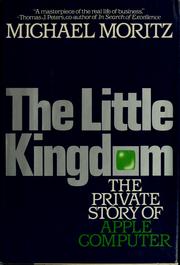
Apple's growth from a garage workshop to a company with over $1 billion in sales.
Recommended by: Keith Rabois, Patrick Collison

McDonald's to the mid-1980s, from the brothers' stand to Kroc's franchise system.
Recommended by: Mohnish Pabrai
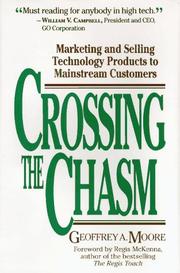
Why tech products stall between early adopters and the mainstream, and how to cross.
“I figured there was probably a formula in some of the best business books out there, and so I re-read Lean Startup, Crossing the Chasm, Innovator's Dilemma, and many others.” — Andrew Chen
Source: How to write a business book — behind the scenes from THE COLD START PROBLEM
Recommended by: Andrew Chen, Andrew Wilkinson, Bill Gurley and 14 others
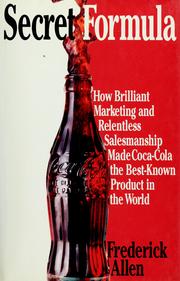
How Asa Candler built Coca-Cola and Robert Woodruff made it a global brand.
“Great Book to help understand Coca-Cola.” — Mohnish Pabrai
Source: Mohnish's Bookshelf — Books on Entrepreneurship, Management and Leadership, entry 202
Recommended by: Mohnish Pabrai
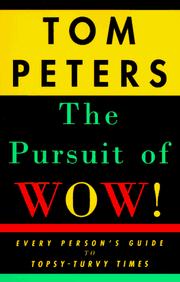
210 short pieces of business advice for a fast-changing early-1990s economy.
Recommended by: Mohnish Pabrai
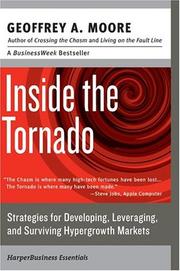
How to move a tech product past early adopters into a fast-growing mass market.
“Moore, Geoffrey A., Inside the Tornado (New York: HarperBusiness, 1995)” — Michael Mauboussin
Source: Exploring Network Economics, page 15
Recommended by: Michael Mauboussin, Mohnish Pabrai
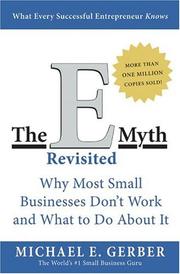
Small firms fail when technicians run them; build systems that run the business.
“Absolutely everyone who is an entrepreneur or wants to be one needs to read this book. I first read it after 10 years of successfully running my company, and was still blown away and totally humbled by its wisdom. Re-reading it today, I'm amazed how my view of business was completely changed by this one little book.” — Derek Sivers
Source: Book notes by Derek Sivers
Recommended by: Derek Sivers, Tim Ferriss, Tom Bilyeu and 6 others
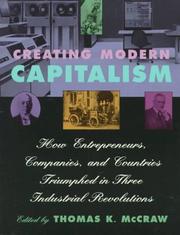
How Britain, Germany, Japan and the US each built their own form of capitalism.
Recommended by: Mohnish Pabrai
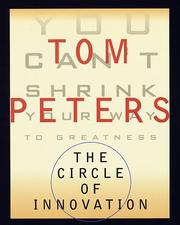
Cost-cutting can't produce growth; a company must stand out to win.
Recommended by: Mohnish Pabrai
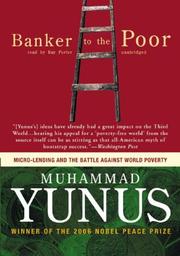
How $27 lent to 42 villagers grew into Grameen Bank and microcredit.
Recommended by: Mohnish Pabrai, The Barefoot Investor
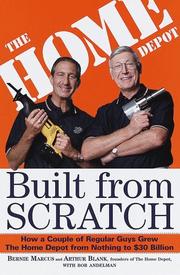
How two fired executives built Home Depot into a national chain.
“Also, Bernie Marcus and Arthur Blank with Bob Andelman, Built from Scratch (New York: Times Books, 1999), 180-183” — Michael Mauboussin
Source: Measuring the Moat: Assessing the Magnitude and Sustainability of Value Creation, page 47
Recommended by: Michael Mauboussin, Mohnish Pabrai and 3 others
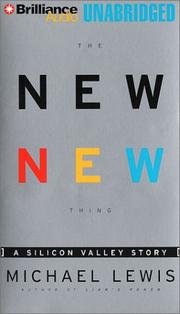
Jim Clark, founder of Silicon Graphics and Netscape, starts a third company in 1999.
“The recent book "The New, New Thing" by Michael Lewis, about the career of venture capitalist Jim Clark (Silicon Graphics, Netscape, Healtheon), makes it clear that in many cases, today's entrepreneur isn't thinking idea/startup/company as might have been the case in the past; rather, it's idea/startup/IPO.” — Howard Marks
Source: bubble.com, page 7
Recommended by: Austen Allred, Howard Marks, Jim Collins and 4 others
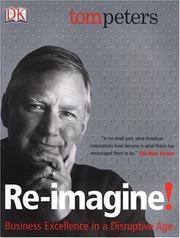
A manifesto to rebuild firms for an age of automated white-collar work and design.
“Too many great Tom Peters books, start with this one.” — David Cancel
Source: The Books Every Startup CEO Should Read — David Cancel, Medium
Recommended by: David Cancel
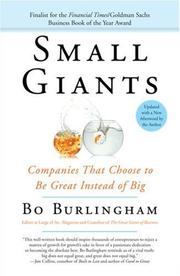
Fourteen companies, such as Anchor Brewing and Zingerman's, that chose to stay small.
Recommended by: Mohnish Pabrai, Noah Kagan, Tom Peters and 1 other
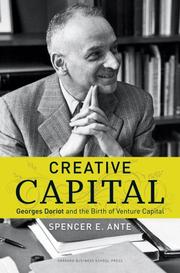
Georges Doriot, who showed that investing in small, risky firms could pay.
“For a biography of Georges Doriot, see Spencer E. Ante, Creative Capital: Georges Doriot and the Birth of Venture Capital (Boston, MA: Harvard Business Press, 2008)” — Michael Mauboussin
Source: Public to Private Equity in the United States: A Long-Term Look, page 63
Recommended by: Michael Mauboussin, Patrick Collison
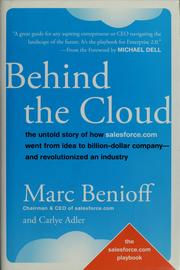
How Salesforce was built, set out as 111 plays on marketing, sales and growth.
“This morning, I spent three hours on the coach and plowed through Behind the Cloud: The Untold Story of How Salesforce.com Went from Idea to Billion-Dollar Company-and Revolutionized an Industry. It was excellent.” — Brad Feld
Source: Book: Behind the Cloud — Feld Thoughts
Recommended by: Brad Feld, David Cancel, David Sacks and 4 others

Why most government efforts to build venture capital sectors fail.
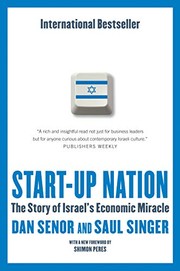
Why Israel produces so many tech start-ups, from military service to immigration.
Recommended by: Balaji S. Srinivasan
Lessons on fearlessness drawn from the life of the rapper 50 Cent.
Recommended by: Nat Eliason
From LinkExchange to Zappos, and the case for building a company on its culture.
Recommended by: Mohnish Pabrai, Tony Hsieh, Ev Williams and 2 others
Steve Jobs's life and Apple's products, from forty interviews with him and many more.
Recommended by: Mohnish Pabrai, Patrick Collison and 17 others
Innovation as a game played by the state, capital markets and competition.
“He wrote this book, which I really recommend, it's called Doing Capitalism” — Marc Andreessen
Source: Dwarkesh Podcast — Marc Andreessen (transcript)
Recommended by: Marc Andreessen
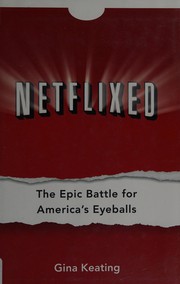
Netflix from its 1997 founding to Qwikster in 2011, and its war with Blockbuster.
Recommended by: Balaji S. Srinivasan
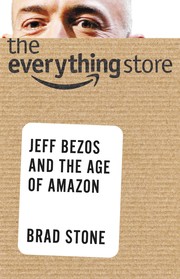
Amazon's first two decades, from an online bookshop to selling nearly everything.
Recommended by: Andrew Wilkinson, Jim Collins and 8 others
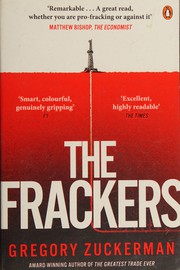
The wildcatters, from George Mitchell to Harold Hamm, who started the shale boom.
Recommended by: Mohnish Pabrai
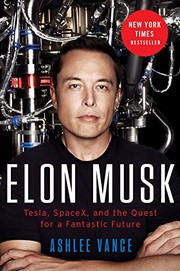
Musk's life from South Africa and PayPal to running SpaceX and Tesla at once.
“Last night I finished Elon Musk: Tesla, SpaceX, and the Quest for a Fantastic Future by Ashlee Vance.” — Brad Feld
Source: Book: Elon Musk: Tesla, SpaceX, and the Quest for a Fantastic Future — Feld Thoughts
Recommended by: Austen Allred, Brad Feld, David Perell and 12 others
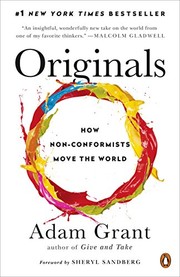
How people champion new ideas, and how leaders can encourage originality.
Recommended by: David Perell, Mohnish Pabrai and 9 others
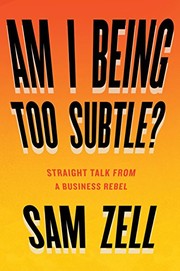
From student apartments in Ann Arbor to selling Equity Office to Blackstone in 2007.
“Sam Zell’s autobiography Am I Being Too Subtle? was awesome.” — Brad Feld
Source: Book: Am I Being Too Subtle? — Feld Thoughts
Recommended by: Brad Feld, Codie Sanchez
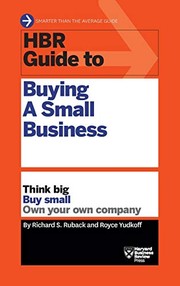
How to search for, buy and run a small business as its owner-manager.
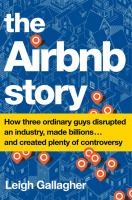
Airbnb from three air mattresses in 2007 to a global lodging business.
Recommended by: Brian Chesky, Reid Hoffman, Tony Hsieh
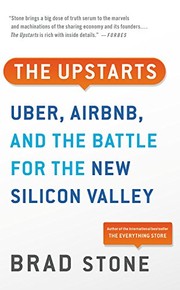
How Uber and Airbnb built businesses in regulated markets by acting first.
Recommended by: Sean Ellis
When and how to put speed before efficiency to capture a market before rivals.
“A great book on blitzscaling: An insightful book on how to scale at a very fast pace and more importantly WHEN.” — Vinod Khosla
Source: 2019 Book Recommendations — Vinod Khosla, Medium
Recommended by: Vinod Khosla, Anthony Pompliano, Bill Gates and 7 others
Building Creative Artists Agency into Hollywood's top agency, then failing at Disney.
Recommended by: Ben Horowitz, Benedict Evans and 4 others
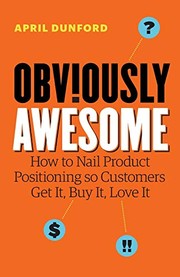
How to position software so it clearly wins for a chosen market.
Recommended by: Nat Eliason
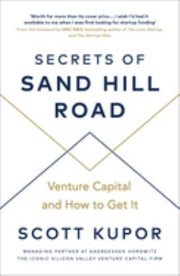
How venture capital works, from fund economics to term sheets, for founders.
Recommended by: Benedict Evans, Eric Schmidt, Gaby Goldberg and 3 others
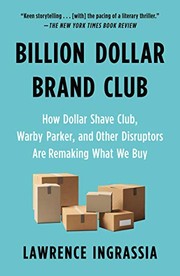
How Dollar Shave Club, Warby Parker and other online brands took on incumbents.
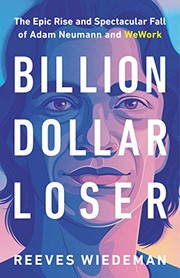
The rise of WeWork and Adam Neumann and its failed public offering.
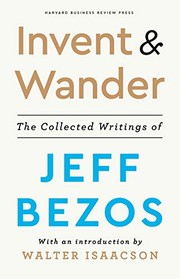
Amazon's shareholder letters from 1997 to 2019, with speeches and interviews.

How to launch a network product that is worthless until enough people use it.
Recommended by: Marc Andreessen, Reid Hoffman
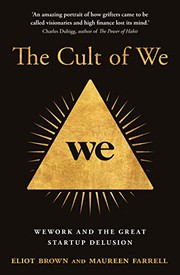
WeWork's rise under Adam Neumann, the failed 2019 IPO and SoftBank's rescue.
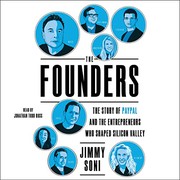
PayPal from Confinity and X.com through the merger to the 2002 sale to eBay.
Recommended by: David Sacks, Elon Musk, Keith Rabois and 3 others
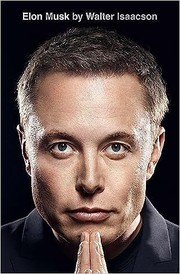
Two years shadowing Musk, across SpaceX, Tesla, Neuralink and the buying of Twitter.
Recommended by: Andrew Wilkinson, Terrance McArthur
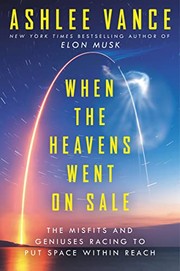
Four companies, from Planet Labs to Rocket Lab, racing to build cheap satellites.
Masayoshi Son's rise from Kyushu to SoftBank, Yahoo Japan and the Vision Fund.
Recommended by: Andrew Wilkinson
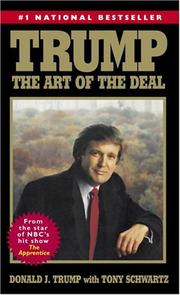
A New York property developer's account of his own deals.
Recommended by: Marc Andreessen, Shane Parrish
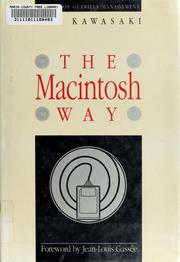
The history of Apple's Macintosh division and how it marketed the computer.
Recommended by: Mohnish Pabrai, Naval Ravikant
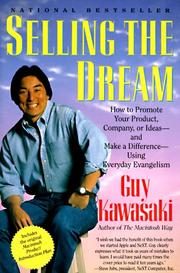
A handbook for business evangelism: using passion and strategy to sell an idea.
Recommended by: Mohnish Pabrai
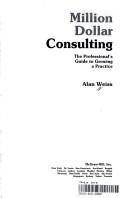
Why consultants should charge for the value they create rather than their time.
“My college girlfriend's rich dad gave me this because I wanted to get rich too. He said read it and you'll be rich. Good advice.” — Noah Kagan
Source: The 25 Best Business Books I Ever Read (Out of 697)
Recommended by: Nat Eliason, Noah Kagan
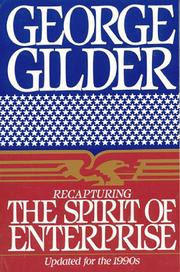
The case that growth comes from entrepreneurs who take risks others will not.
“on how economic systems that encourage aggressive entrepreneurship build the most for the benefit of the most” — Marc Andreessen
Source: @pmarca, companion thread to 'It's Time to Build'
Recommended by: Marc Andreessen
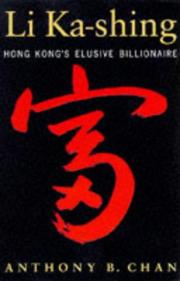
Li Ka-shing's rise from a poor family that fled to Hong Kong to billionaire.
Recommended by: Mohnish Pabrai
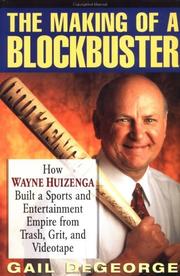
Wayne Huizenga's roll-ups of waste hauling, video rental and car dealerships.
“The Wayne Huizenga Story. On my Top Ten List. Awesome. An inspiration.” — Mohnish Pabrai
Source: Mohnish's Bookshelf — Books on Entrepreneurship, Management and Leadership, entry 270
Recommended by: Mohnish Pabrai
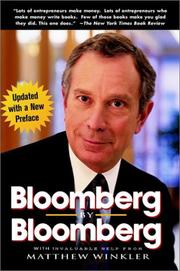
How the founder of a financial data company built it, in his own words.
Recommended by: Mohnish Pabrai
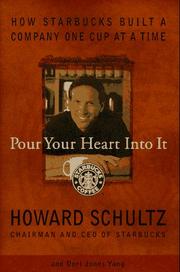
How a Seattle coffee bean seller became Starbucks, from the founder's side.
Recommended by: Mohnish Pabrai
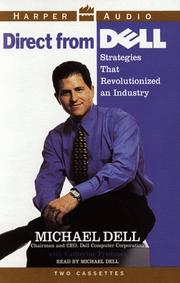
How build-to-order, direct sales and negative working capital built a PC giant.
Recommended by: Mohnish Pabrai, Andrew Grove
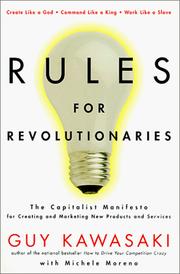
How to create and launch new products, from the Macintosh years onward.
Recommended by: Mohnish Pabrai
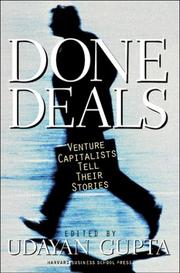
Oral histories from the first generation of venture capitalists.
Recommended by: Niki Scevak
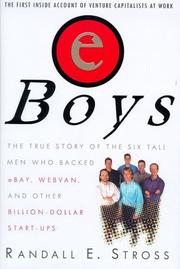
Two years inside Benchmark Capital's partner meetings during the internet boom.
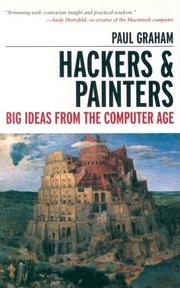
Essays on programming, startups, wealth and thinking for yourself.
“A collection of essays from one of the best. Loosely about intelligence, entrepreneurship, programming, and questioning norms. Many brilliant ideas and insights.” — Derek Sivers
Source: Derek Sivers book notes (primary, rated list) · Rating: 7/10
Recommended by: Derek Sivers, Keith Rabois and 6 others
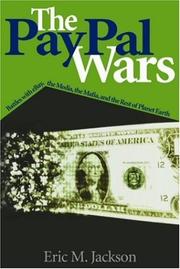
PayPal from its founding to the eBay sale, told by an early employee.
Recommended by: Sahil Lavingia
Venture capital as finance: valuing startups, reading terms and expected returns.
Interviews with 32 founders about the early days of their companies, before success.
“Long in-depth interviews with company founders, telling their tales of how they started. Lots of stories with a few usable gems.” — Derek Sivers
Source: Derek Sivers book notes (primary, rated list) · Rating: 1/10
Recommended by: Derek Sivers, Paul Graham, Ryan Holiday and 8 others
Contrarian rules for running a small, profitable company without venture capital.
“Jason Fried has written Rework with David Heinemeier Hansson, his co-founder at 37signals. The back of the book states, in part, that "planning is guessing," and "inspiration is perishable.” — Tom Peters
Source: Link Roundup #14
Recommended by: Andrew Wilkinson, Tom Peters, Jason Fried and 6 others
How firms invent new business models to reach markets their current one cannot.
How to build a deliberately small, niche software business that pays.
“Great how-to guide about being a micropreneur: an entrepreneur running many small but profitable businesses.” — Derek Sivers
Source: Derek Sivers book notes (primary, rated list) · Rating: 6/10
Recommended by: Derek Sivers
Leon Leonwood Bean and the Maine outfitter he founded.
Recommended by: Mohnish Pabrai

The outbound sales team model that many software companies copied.
Recommended by: David Cancel
A few financial rules for owner-run businesses, starting with labour efficiency.
Recommended by: Nat Eliason
How venture funds work: LP terms, fund mechanics and how returns reach investors.
“In the fall of 2010 Mahendra Ramsinghani reached out to me by email about a new book he was working on called The Business of Venture Capital: Insights from Leading Practitioners on the Art of Raising a Fund, Deal Structuring, Value Creation, and Exit Strategies.” — Brad Feld
Source: Book: The Business of Venture Capital — Feld Thoughts
Recommended by: Brad Feld

A summer inside Y Combinator, watching how the accelerator shapes its startups.
Recommended by: Garry Tan, Paul Graham
How three Brazilians built Garantia, AmBev and 3G Capital on meritocracy and thrift.
Recommended by: Warren Buffett
How Facebook, Dropbox and Airbnb grew by growth hacking instead of paid marketing.
Recommended by: Nat Eliason, Andrew Chen, Andy Budd
Why startups fail for lack of distribution, and how to test channels for customers.
Recommended by: Nat Eliason, Alex Lieberman, Alexis Ohanian and 7 others
How China's private entrepreneurs, from Alibaba to Xiaomi, built companies at scale.
Practical instructions for starting a company or another organisation.
Recommended by: Mohnish Pabrai, Ev Williams, Keith Rabois and 1 other
How an ordinary business can add subscriptions for steady recurring revenue.
How Kenya's tech startups and M-Pesa grew, with interviews with their founders.
How to turn an existing business into a franchise system.
Seven parts of a playbook for growing a software company's sales.
Recommended by: David Cancel
The Ansari X Prize and the start of commercial human spaceflight.
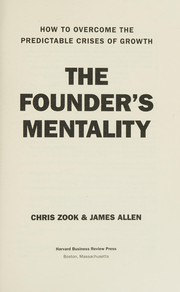
Why most companies stall for internal reasons as they grow.
A worker's guide to the gig economy and how platforms price labour.
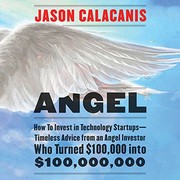
An angel investor's rules for picking, backing and helping early-stage startups.

What older consumers want and buy, against the stereotypes firms design for.
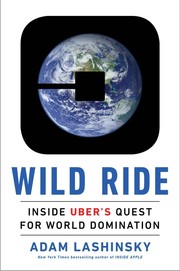
Uber under Travis Kalanick, reported just before he was forced out.
Recommended by: Alfred Lin
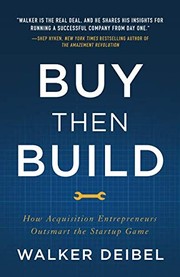
Why buying a small business beats starting one, and how to find, fund and buy it.
How to run a company as it grows from ten employees to several thousand.
Recommended by: Balaji S. Srinivasan, Matt Mullenweg and 10 others
SpaceX, Blue Origin and the policy fights that opened space to private launchers.

Musk, Bezos, Branson and others in the race to open space to private companies.
Four women who became venture capitalists in male-dominated Silicon Valley.
Recommended by: Melinda Gates, Reid Hoffman
How to design a free tier that turns users into paying customers.
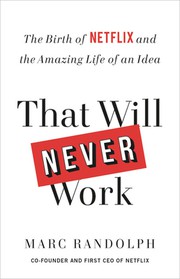
How Netflix was founded, told by its first chief executive.
Recommended by: Reed Hastings
How startup brands such as Casper and Allbirds built loyal customers.
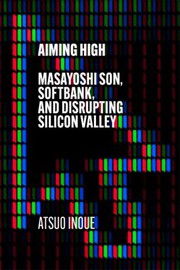
Masayoshi Son's life, from a Korean immigrant family in Japan to building SoftBank.
How companies go public, and the direct listings and SPACs that challenge the IPO.
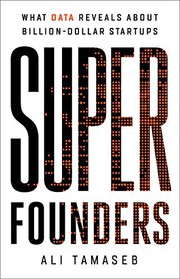
Data on 30,000 startups testing what predicts a billion-dollar outcome.
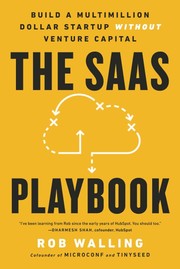
A guide for bootstrapped software founders: pricing, churn and growth plateaus.
The service practices that made Eleven Madison Park a top restaurant.
Recommended by: Matt Mullenweg
A media executive's memoir spanning Paramount, Fox and IAC.
Recommended by: Bill Gates
The AI boom after ChatGPT, reported from inside Silicon Valley's funding rounds.
How Firestone was built, and what the tyre trade taught about business.
Recommended by: Andrew Wilkinson, Charlie Munger and 1 other
A biography of Harvey Firestone, founder of the Firestone Tire and Rubber Company.
Recommended by: Mohnish Pabrai
The first recognised billionaire's lessons on money and economics.
Recommended by: Mohnish Pabrai
Recommended by: Patrick Collison
Why most small businesses fail: technicians who start them are not entrepreneurs.
Recommended by: Nat Eliason
How a tyre dealer built hundreds of stores on profit sharing.
“If you want to read one book, read the autobiography of Les Schwab... He ran tire shops in the Midwest and made a fortune” — Charlie Munger
Source: Notes from the 2004 Berkshire Hathaway Annual Meeting, by Whitney Tilson, p. 35
Recommended by: Charlie Munger
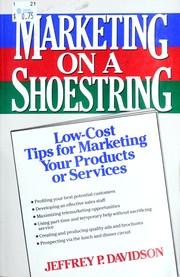
Low-cost ways to market and promote a small business.
Recommended by: Mohnish Pabrai
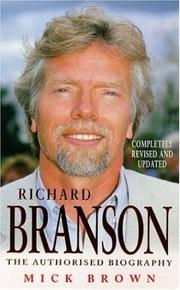
The authorised life of Richard Branson, founder of Virgin Music and Virgin Atlantic.
Recommended by: Mohnish Pabrai
Recommended by: Mohnish Pabrai
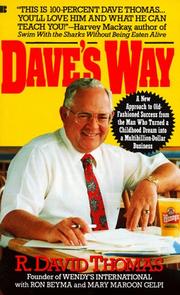
The founder of Wendy's on his life and building the restaurant chain.
Recommended by: Mohnish Pabrai
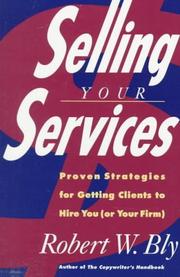
Strategies for getting clients to hire you for any kind of service.
Recommended by: Mohnish Pabrai
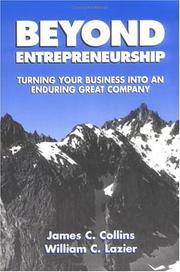
How leaders turn a founder-driven startup into a company that lasts.
Recommended by: Reed Hastings

Hundreds of low-cost marketing ideas for small-business owners to win clients.
“There's a concept from a book that I had read on that roof called Guerilla Marketing, which is like how do you get attention and users for your product if you have no -” — Drew Houston
Source: The Tim Ferriss Show Transcripts: Drew Houston (#334)
Recommended by: Drew Houston

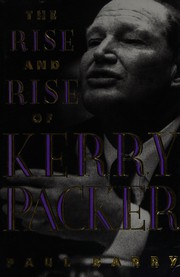
Recommended by: The Barefoot Investor
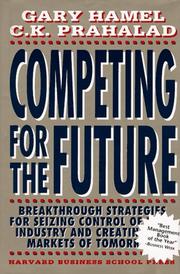
How firms lead future industries by seeing tomorrow's chances and building skills.
Recommended by: Mohnish Pabrai

Strategies for firms that imitate other companies' innovations.
Recommended by: Mohnish Pabrai
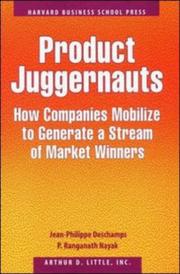
How companies lead markets by producing a steady stream of new products.
Recommended by: Mohnish Pabrai
Conversations with the man who led India's largest conglomerate for six decades.
Recommended by: Mohnish Pabrai
How Lillian Vernon built a mail-order business from her kitchen table.
Recommended by: Mohnish Pabrai
Stories of people who turned an idea or a small business into millions.
“The next book is How to Make Millions with Your Ideas-subtitle, An Entrepreneur's Guide.” — Tim Ferriss
Source: The Tim Ferriss Show Transcripts: Books I’ve Loved — Tim’s Four Must-Read Books (#400)
Recommended by: Tim Ferriss
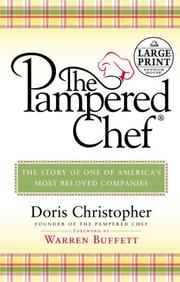
How a basement kitchenware business grew into a billion-dollar company.
Recommended by: Mohnish Pabrai
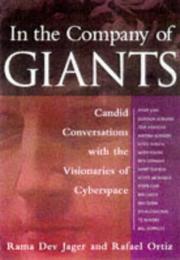
Interviews with the founders of the digital world's largest companies.
Recommended by: Keith Rabois, Patrick Collison
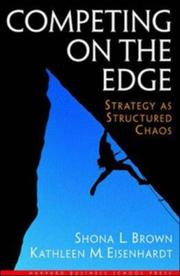
Strategy as constant reshaping of advantage in fast, unpredictable markets.
Recommended by: Mohnish Pabrai
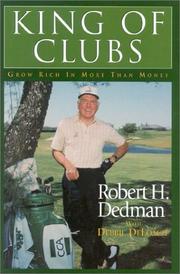
A club developer's autobiography and his rules for a life rich in more than money.
Recommended by: Blake Mycoskie
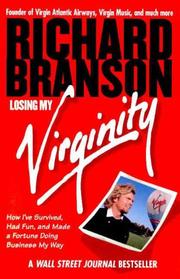
The Virgin Group founder's autobiography, from music to airlines.
“His biography, Losing My Virginity, is another terrific read.” — Mohnish Pabrai
Source: Pabrai Investment Funds letter to partners (101103), page 6
Recommended by: Mohnish Pabrai, Iman Gadzhi and 1 other
Recommended by: Mohnish Pabrai
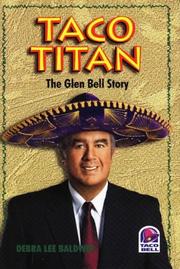
Glen Bell's rise from poverty to build Taco Bell and sell it for $130 million.
Recommended by: Mohnish Pabrai
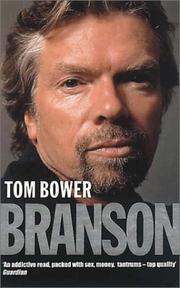
A biography of Richard Branson focused on how he created and sold himself.
Recommended by: The Barefoot Investor
A marketing adviser's ideas for growing a business or a career.
“Years ago, I picked up a copy of this book, and it opened my eyes to Jay's philosophy on wealth creation through proven systems. He has since become my mentor, and I can tell you with confidence that his program will help you leverage the unseen resources right in front of you to help increase your earnings and reach your goals.” — Ramit Sethi
Source: Here are 50 books I recommend
Recommended by: Nat Eliason, Ramit Sethi, Andrew Wilkinson and 1 other
A venture adviser on startups and the trap of the deferred life plan.
Recommended by: Nat Eliason, Patrick Collison, Ev Williams and 3 others
True tales of the young entrepreneurs, engineers and dreamers of Silicon Valley.
Recommended by: Mohnish Pabrai
How new businesses start and evolve, and how their founders plan them.
“Branson reinforces Amar Bhide’s (author of The Origin and Evolution of New Businesses) thesis that most startups are low-risk ventures.” — Mohnish Pabrai
Source: Pabrai Investment Funds letter to partners (101103), page 6
Recommended by: Mohnish Pabrai
How entrepreneurs from Wedgwood to Dell earned consumers' trust in their brands.
Recommended by: Mohnish Pabrai
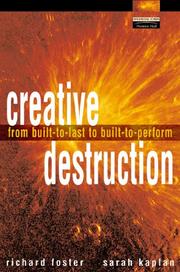
Why long-lived companies underperform the market, and how to transform them.
“Richard Foster and Sarah Kaplan, Creative Destruction (New York: Doubleday, 2001)” — Michael Mauboussin
Source: Innovation and Markets: How Innovation Affects the Investing Process, page 20
Recommended by: Michael Mauboussin, Mohnish Pabrai
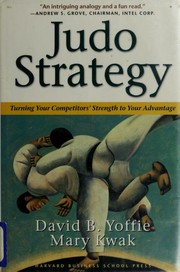
How a firm can turn a competitor's strengths to its own advantage.
Recommended by: Mohnish Pabrai
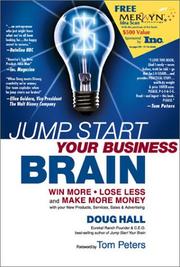
Data-proven methods for sales and marketing from 4,000 product launches.
Recommended by: Mohnish Pabrai
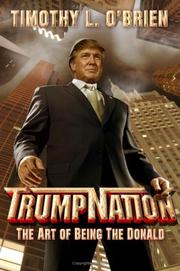
A business journalist on the reality behind Donald Trump's public image.
Recommended by: The Barefoot Investor
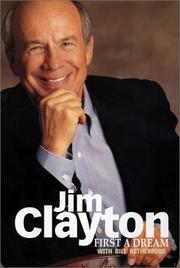
The founder of Clayton Homes on building the mobile home business.
Recommended by: Mohnish Pabrai, Warren Buffett
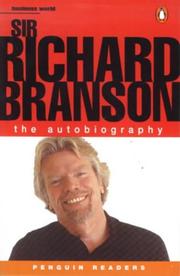
The Virgin founder's life, from balloon flights to battles with British Airways.
Recommended by: Mohnish Pabrai
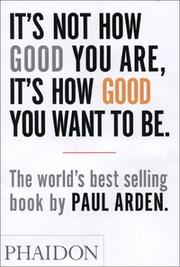
Short advice on success and ambition from an advertising creative.
Recommended by: Ran Segall, Casey Neistat

A rock musician's philosophy of money, success and the American dream.
Recommended by: The Barefoot Investor
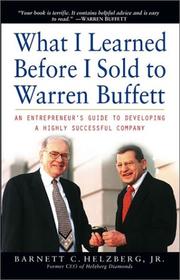
Advice on building a solid company, from growing a family jewellery business.
Recommended by: Mohnish Pabrai
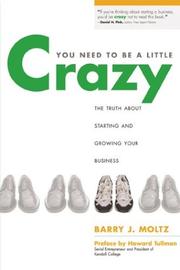
An entrepreneur's successes and failures, with advice on starting a business.
“I read You Need to Be a Little Crazy : The Truth about Starting and Growing Your Business over the holiday break. Barry Moltz’s marketing and PR Director Sarah Moore sent me Barry’s book after sending me an email suggesting my blog fit with Barry’s writing. While I probably have read my lifetime supply of “entrepreneur / startup books” I decided I’d give this a try since (a) Sarah asked nicely and (b) I once had the domain “entrepreneursarecrazy.com” (with some weird idea of writing something …” — Brad Feld
Source: Book Review: You Need To Be A Little Crazy — Feld Thoughts
Recommended by: Brad Feld, Mohnish Pabrai
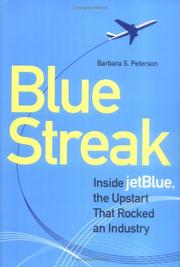
The history and management of JetBlue Airways and its challenge to older airlines.
Recommended by: Mohnish Pabrai
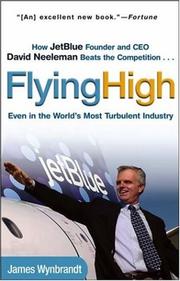
The career of David Neeleman, from teenage ventures to founding JetBlue.
Recommended by: Mohnish Pabrai
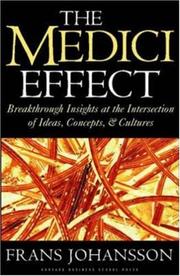
Why innovation comes where fields, industries and cultures meet.
Recommended by: Mohnish Pabrai
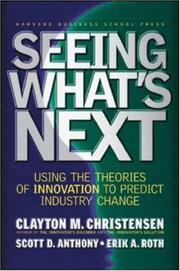
Disruption theory used to forecast how industries will change.
“also Clayton M. Christensen, Scott D. Anthony, and Erik A. Roth, Seeing What’s Next: Using the Theories of Innovation to Predict Industry Change (Boston, MA: Harvard Business School Press, 2004)” — Michael Mauboussin
Source: Untangling Skill and Luck: How to Think About Outcomes - Past, Present, and Future, page 31
Recommended by: Michael Mauboussin, Ev Williams
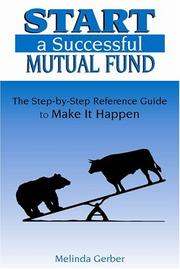
How to get a mutual fund off the ground: what to do, what it costs, how it works.
Recommended by: Mohnish Pabrai
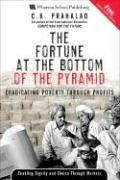
How companies can serve the world's poor profitably and reduce poverty in doing so.
Recommended by: Mohnish Pabrai
How venture funds raise, invest and exit, and what the data show about their returns.
“Gompers, Paul, and Josh Lerner, The Venture Capital Cycle, Second Edition (Cambridge, MA: MIT Press, 2004)” — Michael Mauboussin
Source: Public to Private Equity in the United States: A Long-Term Look, page 67
Recommended by: Michael Mauboussin
How a dyslexic entrepreneur built Kinko's copy shops into a national chain.
Recommended by: Mohnish Pabrai
Why businesses innovate best by deepening what they already do well.
Recommended by: Ev Williams, Keith Rabois

How decades of Bay Area electronics innovation built Silicon Valley.
Recommended by: Patrick Collison
Case studies and advice on doing business in China.
Recommended by: Mohnish Pabrai
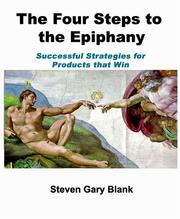
Customer development: how startups find customers before building the full product.
“Buy it, read it, keep it under your pillow and absorb it via osmosis.” — Marc Andreessen
Source: Book of the week: Best book for tech entrepreneurs this year, blog.pmarca.com
Recommended by: Andrew Chen, Marc Andreessen, Brad Feld and 2 others
How to design and build web applications.
Recommended by: Girish Mathrubootham, John Maeda
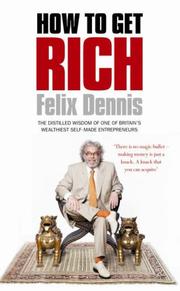
How a college dropout with no family money made himself a fortune.
“Shockingly honest thoughts from a filthy rich bastard.” — Derek Sivers
Source: Book notes by Derek Sivers
Recommended by: Andrew Wilkinson, Derek Sivers, Sam Parr and 1 other
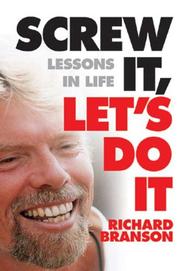
The lessons that guided Virgin's founder in business and in life.
Recommended by: Mohnish Pabrai
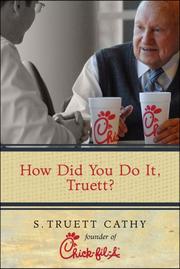
How the founder of Chick-fil-A turned a small diner into a large business.
Recommended by: Mohnish Pabrai
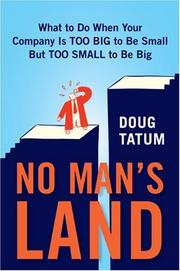
How to manage and plan the growth of a small business.
Recommended by: Sophia Amoruso
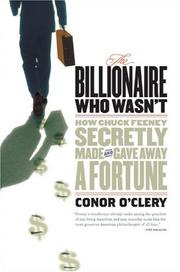
How Chuck Feeney made a fortune from Duty Free Shoppers and gave it away in secret.
“I just finished it and it's incredibly inspiring. He died last year, giving away over $8 billion in his lifetime.” — Andrew Wilkinson
Source: Newsletter
Recommended by: Andrew Wilkinson, Mohnish Pabrai
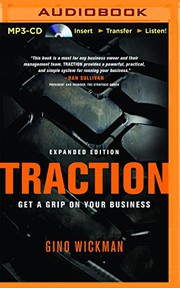
A system for running and planning a growing entrepreneurial business.
Recommended by: Nat Eliason
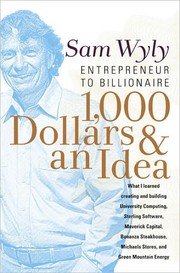
An entrepreneur's memoir of building and selling one company after another.
Recommended by: Mohnish Pabrai
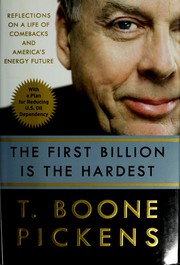
An oilman's life of comebacks and his plan to cut America's dependence on oil.
Recommended by: Mohnish Pabrai
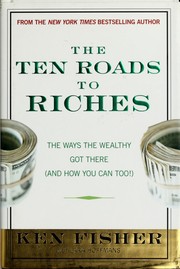
Ten ways large fortunes have been made, drawn from the Forbes list of the rich.
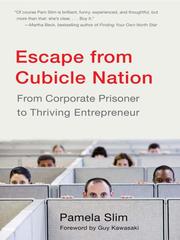
How to leave a corporate job and start your own business.
Recommended by: Nat Eliason
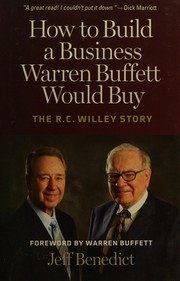
The Utah furniture retailer R.C. Willey and how it came to be bought by Berkshire.
Recommended by: Mohnish Pabrai
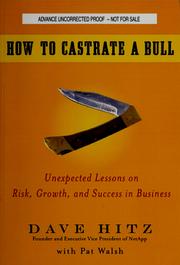
A NetApp founder on risk, growth and building a successful business.
Recommended by: Aaron Levie
A biography of Sam Zell, the contrarian real estate investor.
Recommended by: Mohnish Pabrai
The history of Betfair, the internet betting exchange.
Recommended by: Mohnish Pabrai
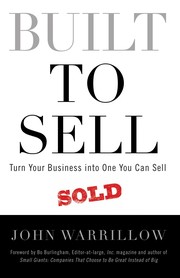
How to build a business that runs without its owner, so that it can be sold.
Recommended by: Mohnish Pabrai, Nat Eliason, Nick Huber
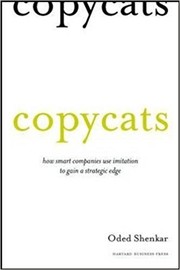
Why imitating others' innovations matters as much as innovating.
Recommended by: Mohnish Pabrai
Lessons from Techstars for speeding up a startup.
Recommended by: Brad Feld
How to turn creative ideas into productive and profitable ventures.
“The full title - “Making Ideas Happen: Overcoming the Obstacles Between Vision and Reality” - describes its contents perfectly. Great book on that subject.” — Derek Sivers
Source: Derek Sivers book notes (primary, rated list) · Rating: 6/10
Recommended by: Derek Sivers, Mohnish Pabrai, Guy Kawasaki and 1 other
A young man builds a global metals-recycling business from Hong Kong.
Recommended by: Mohnish Pabrai
Twelve proclamations for creative firms to win business without free pitches.
Recommended by: Johnnie Gomez

Lessons from building CD Baby from a side project to an $85 million business.
“Anything You Want. I recommend people check it out.” — Tim Ferriss
Recommended by: Nat Eliason, Tim Ferriss, Ali Abdaal and 2 others
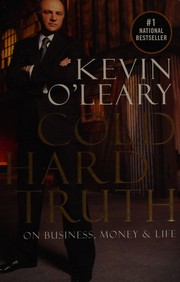
An investor's life story and his rules for business and personal money.
Recommended by: Mohnish Pabrai
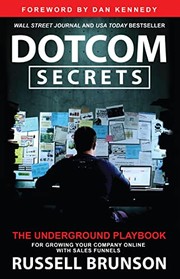
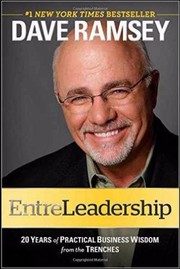
A step-by-step playbook for growing a small business, from Ramsey's own company.
“If you want to learn how to work on your business, not in it, read this.” — David Cancel
Source: The Books Every Startup CEO Should Read — David Cancel, Medium
Recommended by: David Cancel, Nick Huber
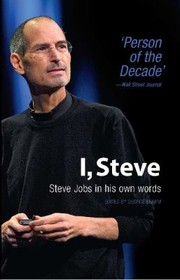
Steve Jobs's own words on business, technology, Apple and life.
Recommended by: Mohnish Pabrai

How Aravind Eye Hospital became the world's largest provider of eye care.
Recommended by: Mohnish Pabrai
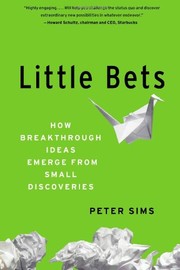
How small experiments and early failures lead to breakthroughs.
“Examples of the fact that much success or creativity comes from trying many things, failing fast, getting feedback, trying more things, and deliberate practice. Stories from Pixar, Chris Rock, Silicon Valley, Frank Gehry.” — Derek Sivers
Source: Derek Sivers book notes (primary, rated list) · Rating: 4/10
Recommended by: Derek Sivers, Kathryn Minshew
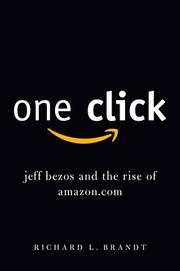
Jeff Bezos and Amazon's early years, from D. E. Shaw to the founding in 1994.
Recommended by: Mohnish Pabrai
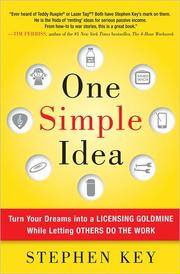
How to license a product idea to companies and let them do the work.
“Good introduction into the world of licensing your ideas to companies that manufacture products.” — Derek Sivers
Source: Derek Sivers book notes (primary, rated list) · Rating: 4/10
Recommended by: Derek Sivers, Tim Ferriss
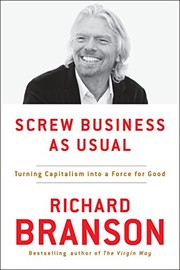
Changing the rules of business as an entrepreneur, from Virgin's founder.
Recommended by: Brett Adcock, Elon Musk
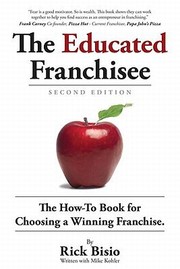
How to find, vet and buy the right franchise.
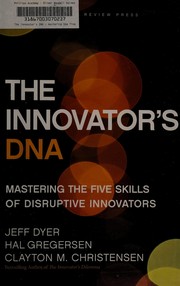
What innovative entrepreneurs and executives do differently from other managers.
How Method's eco-friendly cleaners took shelf space from P&G and Unilever.
Recommended by: Keith Rabois
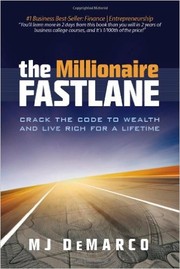
Why jobs, 401(k)s and frugality are a slow lane, and business ownership a fast one.
Recommended by: Nat Eliason, Ali Abdaal
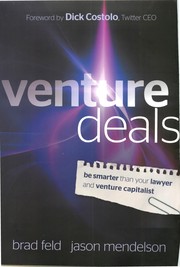
Venture financing term by term, for founders negotiating their first rounds.
Recommended by: Patrick Collison, Brad Feld, Gaby Goldberg and 4 others
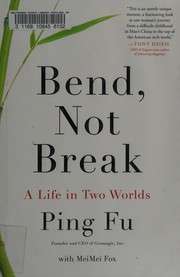
A memoir from child soldier and political prisoner in China to American CEO.
Recommended by: Simon Sinek
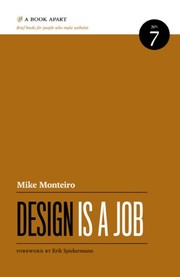
How designers do the job: contracts, selling design and working with clients.
Recommended by: Jordan Hughes
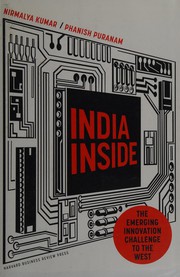
Why the West's monopoly on innovation is over, and India's part in that.
Recommended by: Mohnish Pabrai
183 tips for small business owners, from hiring to finance, PR and sales.
Recommended by: Simon Sinek
How to build a community of entrepreneurs in any city.
How people built small businesses on a hundred dollars or less.
Recommended by: Nat Eliason, Matej Latin, Tony Hsieh
Lessons in 'unreasonable thinking' from building companies and giving away wealth.
Recommended by: Mohnish Pabrai, Bill Gates
How entrepreneurs spread four centuries of progress to the world's excluded majority.
Recommended by: Mohnish Pabrai
The skills for professional success that college does not teach.
Recommended by: Nat Eliason
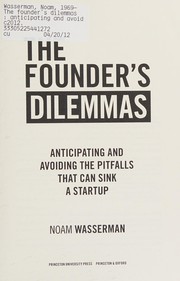
Data on 10,000 founders: co-founders, hiring, investors, control and succession.
“The Founder’s Dilemmas by Noam Wasserman is another book that belongs on every entrepreneur’s bookshelf. It’s excellent.” — Brad Feld
Source: Book: The Founder's Dilemmas — Feld Thoughts
Recommended by: Brad Feld, Patrick Collison, Leo Polovets
How a farmer's method for growing giant pumpkins applies to growing a business.
Recommended by: Guy Kawasaki
A step-by-step guide to finding customers, a market and product-market fit.
Recommended by: Patrick Collison, Matej Latin and 1 other
Thoughts and advice on living a more fulfilling and successful life.
Recommended by: Gary Vaynerchuk
The business rules and professional practices design school does not teach.
Recommended by: Ran Segall, John D Saunders
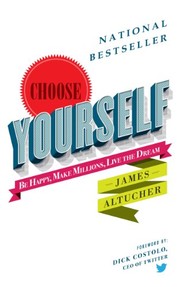
Why the old paths to security have crumbled, and how to build your own success.
“Anyone who likes my writing will probably LOVE his writing. We've got a very similar style and approach. I was smiling most of the way through, reading things I could have (and wish I would have) written myself. His vulnerability is so endearing.” — Derek Sivers
Source: Derek Sivers book notes (primary, rated list) · Rating: 7/10
Recommended by: Derek Sivers, Nat Eliason
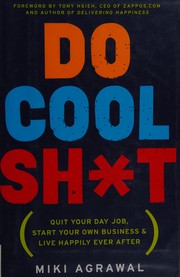
A manifesto for finding one's own path to entrepreneurship through bold action.
Recommended by: Jim Kwik, Tony Hsieh
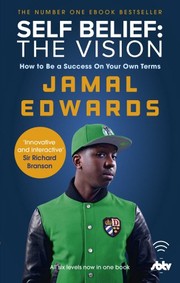
How a teenager with a camera built a music media empire on his own terms.
Recommended by: Richard Branson
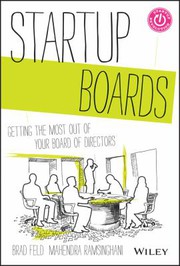
How a founder should build and manage a board of directors.
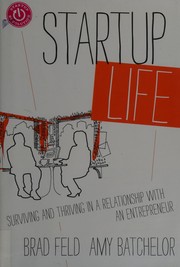
What it takes to sustain a relationship with an entrepreneur.
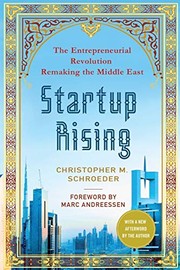
How entrepreneurs and tech investors are building companies in the Middle East.
“I had a copy of Startup Rising on my Kindle from a while ago but had never read it.” — Brad Feld
Source: Book: Startup Rising — Feld Thoughts
Recommended by: Brad Feld, Andrew Chen
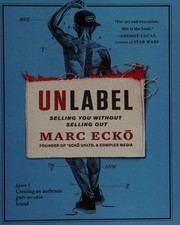
The founder of a clothing empire's formula for building an authentic brand.
Recommended by: Chase Jarvis
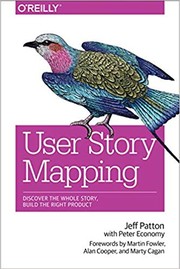
How story mapping keeps a product team focused on users and the whole story.
“Years ago, product coach Jeff Patton (the author of User Story Mapping: Discover the Whole Story; Build the Right Product), coined the phrase, "build to learn vs build to earn" to describe the difference between product discovery and product delivery.2” — Marty Cagan
Source: Build to Learn vs Build to Earn
Recommended by: Marty Cagan
How start-ups create most new jobs, and policies to help them do it.
“As John and I were talking, he slid his book, Where The Jobs Are: Entrepreneurship and the Soul of the American Economy, across the table to me. I turned the pages and then over the weekend I read it while laying on the couch after a run.” — Brad Feld
Source: Book: Where The Jobs Are — Feld Thoughts
Recommended by: Brad Feld

How to use the internet to build something, from a co-founder of reddit.
“The scrappy story of the founding of Reddit by Alexis Ohanian.” — Eric Jorgenson
Source: Business Narratives, the best kind of "business book" — Eric Jorgenson
Recommended by: Eric Jorgenson, Garry Tan, Justin Kan

How a young woman went from dumpster diving to founding a fast-growing retailer.
Recommended by: Audrey Gelman
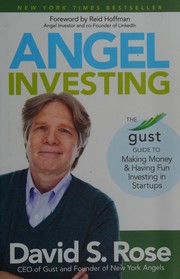
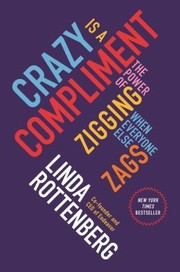
How to take smart risks and act like an entrepreneur, from facing fear to critics.
“If I’m describing you when you see the phrase “first time or aspiring entrepreneur”, grab Crazy is a Compliment and pre-order Startup Opportunities.” — Brad Feld
Source: Book: Crazy is a Compliment — Feld Thoughts
Recommended by: Brad Feld, Mohnish Pabrai
A business guide for people who do not fit the usual mould.
Recommended by: Paul Jarvis

Take profit first from each sale and run the business on what remains.
Recommended by: Nat Eliason, John D Saunders, Ran Segall
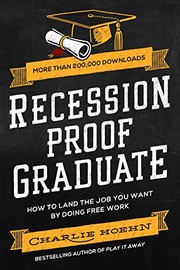
A career guide for graduates: how to land the job you want by doing free work.
Recommended by: Noah Kagan, Tim Ferriss
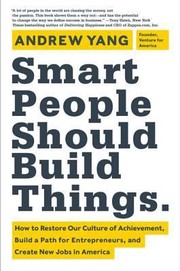
Why top graduates should found businesses instead of going into finance or law.
Recommended by: Reid Hoffman
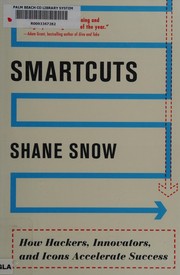
Nine principles of lateral thinking that innovators use to reach goals faster.
“Inspiring study of how successful people took smart shortcuts and bypassed the long-slogging dues-paying process. Great insights on momentum. Read the whole book for specific stories of Jimmy Fallon, Skrillex, Elon Musk, David Heinemeier Hansson, and Michelle Phan.” — Derek Sivers
Source: Derek Sivers book notes (primary, rated list) · Rating: 8/10
Recommended by: Derek Sivers, Nat Eliason, Noah Kagan
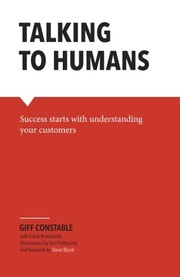
A short guide to interviewing customers to test a start-up idea before building it.
Recommended by: Ron Conway
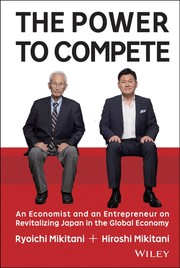
Rakuten's founder and his economist father debate how Japan can compete again.
Recommended by: Bill Gates, Mohnish Pabrai
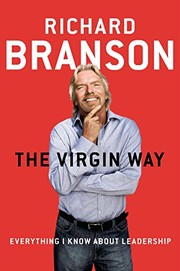
Leadership lessons from forty years of building the Virgin Group.
Recommended by: Mohnish Pabrai
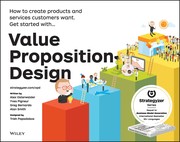
A process for designing and testing value propositions that customers want.
Recommended by: John D Saunders
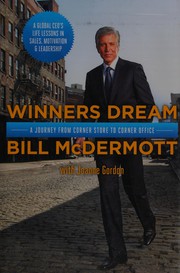
How SAP's chief executive rose from a corner store to the corner office.
Recommended by: Mohnish Pabrai
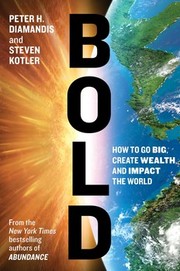
How to use prize competitions, crowdfunding and communities to go big.
Recommended by: Nat Eliason, Tom Bilyeu, James Altucher
How to anticipate change and create your own opportunities in business.
Recommended by: Tom Bilyeu
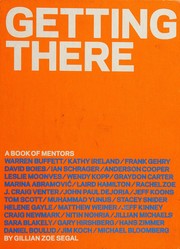
Thirty leaders in diverse fields on their paths to success.
Recommended by: Mohnish Pabrai
A refugee from Nazi Germany on learning a trade and building a life in Palestine.
Recommended by: Mohnish Pabrai
How to build a fast, streamlined sales engine with new tools and techniques.
Recommended by: Justin Kan, Sam Altman
How to automate a sales process with email, through the five phases of a prospect.
Recommended by: Daymond John
Lessons in enduring leadership from figures such as Henry Ford and Coco Chanel.
Recommended by: Richard Branson
How to judge whether a startup idea is worth quitting your day job for.
Strategies for taking risks, defying the status quo and living your passions.
Recommended by: Brad Feld
Lessons in innovation and enterprise from pirates, hustlers and other outsiders.
Recommended by: Jason Fried
Using data, technology and inbound selling to hire, train and manage a sales team.
Recommended by: David Cancel, Nat Eliason, Noah Kagan
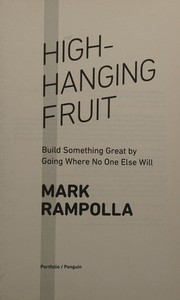
Why entrepreneurs should reach for hard, purpose-driven opportunities.
Recommended by: Jason Fried
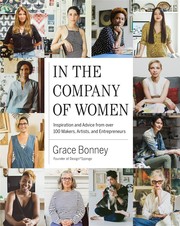
Over 100 women makers, artists and entrepreneurs on creativity and business.
Recommended by: Sheryl Sandberg
How startups raise money from corporate venture arms, from 100-plus interviews.
Recommended by: Cynthia Johnson
How companies win by inventing a new market category and dominating it.
Recommended by: Anthony Pompliano, David Cancel
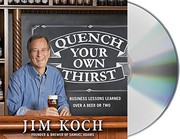
A brewer's business lessons, anecdotes and advice for building a career or a company.
Recommended by: Tony Hsieh
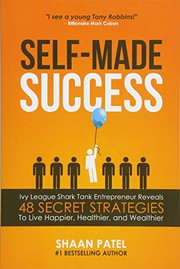
48 strategies to live a happier, healthier and wealthier life.
Recommended by: Mark Cuban
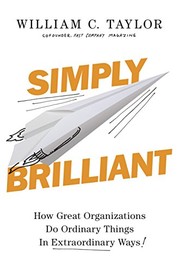
How business innovation can come from ordinary companies in ordinary fields.
Recommended by: Tom Peters
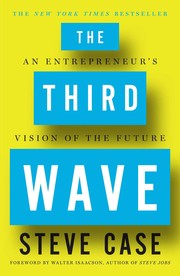
AOL's co-founder on the next wave of the internet and the disruption it brings.
“Every entrepreneur out there should grab a copy of The Third Wave: An Entrepreneur’s Vision of the Future by Steve Case and read it.” — Brad Feld
Source: Book: The Third Wave: An Entrepreneur's Vision of the Future — Feld Thoughts
Recommended by: Brad Feld, Alfred Lin, George Hatzis and 1 other
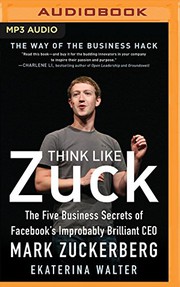
The five business principles behind Mark Zuckerberg's success with Facebook.
Recommended by: Gary Vaynerchuk
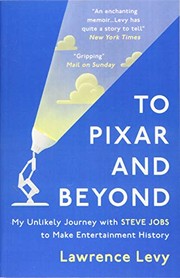
A Pixar executive's account of the company's rise in computer animation.
Recommended by: Michael Batko
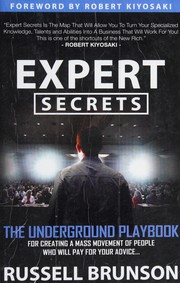
What to say in online sales funnels to turn visitors into customers.
Recommended by: Ran Segall
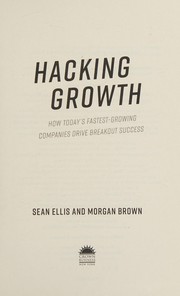
A method for growing market share through cross-functional teams and testing.
Recommended by: Sean Ellis
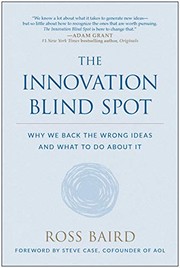
The innovators investors overlook, and what that costs economic growth.
“Recently, my friend Ross Baird came out with a new book, The Innovation Blind Spot. In the book, Ross outlines and diagnoses a problem that I’ve been exploring for over a decade: our innovation economy neglects many people and ideas. Ross kicks off the book with some pretty stark statistics: despite the fact that promising startup communities (such as my hometown of Boulder) are thriving, in most communities in America, firm creation is the lowest it’s been in a generation.” — Brad Feld
Source: Book: The Innovation Blind Spot — Feld Thoughts
Recommended by: Brad Feld
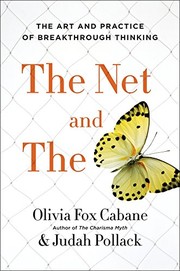
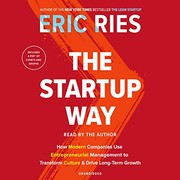
How established companies can bring startup methods into their culture.
Recommended by: Aaron Levie, Paul Graham
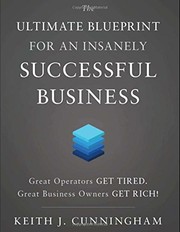
What big businesses did right, as lessons for owners of small ones.
Recommended by: Ran Segall
A creative director's advice on inspiration, self-promotion and creative block.
Recommended by: Ran Segall
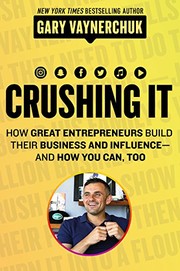
Why a strong personal brand matters even more for entrepreneurs today.
Recommended by: Nate O'Brien, Ryan Hoover, Tony Hsieh
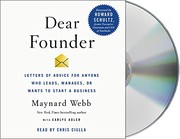
Nearly eighty letters of advice for founders on building a company.
Recommended by: Meg Whitman
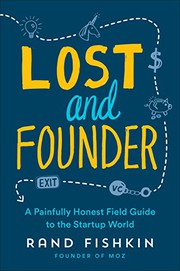
A founder on creating, running and leaving a tech company, with advice for others.
Recommended by: Jake Knapp
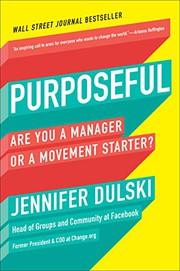
How to turn a mission into a movement for change, at work or in a community.
Recommended by: Arianna Huffington
What sets apart serial innovators, from the lives of eight of them.
Recommended by: Keith Rabois
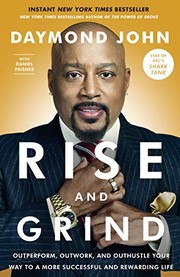
How grit, persistence and hard work drive successful businesses and people.
Recommended by: Chelsea Krost
Where politics meets startups taking on incumbents in regulated industries.
“I enjoyed Bradley Tusk’s new book, The Fixer: My Adventures Saving Startups from Death by Politics.” — Brad Feld
Source: Book: The Fixer — Feld Thoughts
Recommended by: Brad Feld, Audrey Gelman, Michael Bloomberg
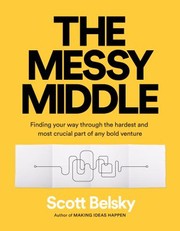
How to navigate the volatile middle stretch of new ventures and creative projects.
“Many of you are either in the messy middle or aspire to be (whether you realize it or not.) And, if you don’t aspire to be in the messy middle, but hope to one day be a large company, you may as well deal with the reality that you’ll enjoy time in the messy middle.” — Brad Feld
Source: Book: The Messy Middle — Feld Thoughts
Recommended by: Brad Feld, Jackie Vullinghs

A student tracks down Bill Gates, Lady Gaga and others to learn how they broke in.
Recommended by: Ran Segall

Case studies of Israeli inventions and how they were brought to market.
A road map for teams from a design sprint's ideas to real outcomes.
Recommended by: Jake Knapp
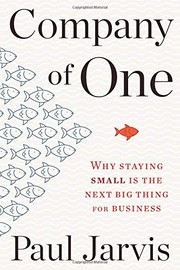
Why a business can stay small on purpose instead of chasing growth.
Recommended by: Eric Jorgenson, Cal Newport, David Hellmann and 3 others
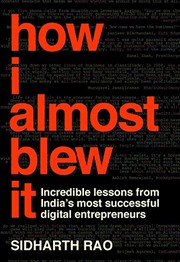
Indian entrepreneurs on the moments their companies nearly failed.
Recommended by: Girish Mathrubootham
An entrepreneur's life story and his case for the businesses capitalism builds.
Recommended by: Jason Calacanis, Terrance McArthur
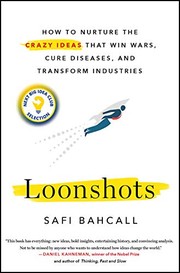
Why organisations kill breakthrough projects, and how structure can protect them.
“This book explores the beauty, quirkiness, and complexity of ideas, especially new and out-of-the-box ones.” — Vinod Khosla
Source: 2019 Book Recommendations — Vinod Khosla, Medium
Recommended by: Keith Rabois, Vinod Khosla and 8 others
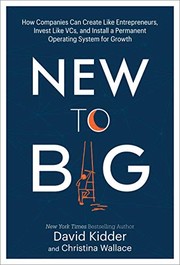
How large companies can build new businesses and products like startups.
Recommended by: Kathryn Minshew
How to turn followers into fans and build a business around them.
Recommended by: Jan Losert
The founder of Girls in Tech on the realities of start-up life for women.
Recommended by: Arianna Huffington
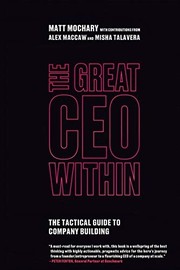
An operating manual for founders scaling from a few people to a few hundred.
Recommended by: Nat Eliason, Alexis Ohanian, Ali Abdaal and 4 others
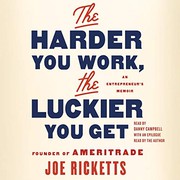
How a working-class Nebraskan founded TD Ameritrade and opened up Wall Street.
Recommended by: Donald Trump
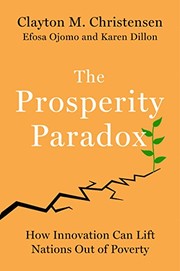
Why aid rarely lifts poor countries, and a framework built on innovation instead.
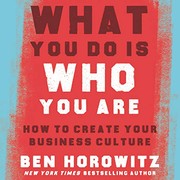
Culture is how people behave when the leader is absent, and must be designed.
Recommended by: Matt Mullenweg, Vinod Khosla, Andrew Chen and 2 others
An expanded edition of a guide for entrepreneurs, with material from later research.
Two decades of short reflections on entrepreneurship, creativity and philosophy.
Recommended by: Johnnie Gomez
A process for using power in negotiations to close deals and reach a chosen outcome.
Recommended by: James Altucher
How investors and entrepreneurs who are not billionaires can join the space industry.
Naval Ravikant's ideas on building wealth and being happy, gathered from his talks.
Recommended by: Balaji S. Srinivasan, Nat Eliason and 9 others
How to build a thriving local startup ecosystem.
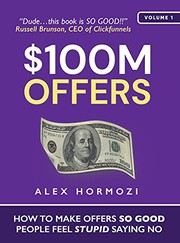
A framework for building offers so strong that customers find them hard to refuse.
Recommended by: Ali Abdaal
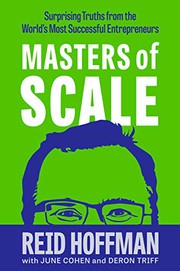
Lessons on scaling a business from the world's most successful entrepreneurs.
A children's story of the small digger that worked to free the stuck ship Ever Given.
Recommended by: Keith Wasserman, Terrance McArthur
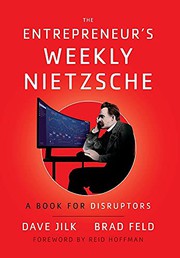
52 essays, one a week, that apply Nietzsche's ideas to entrepreneurship.
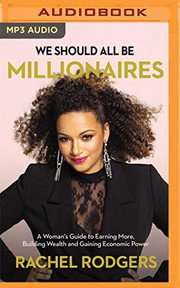
A step-by-step path for women to earn more, build wealth and gain economic power.
Recommended by: Sarah Pritula
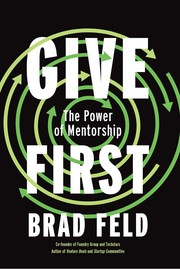
Why mentorship without strings attached builds lasting startup communities.
Recommended by: Brad Feld
Why neoliberal capitalism is failing, and the Dynamic Capitalism taking its place.
Recommended by: Brad Feld
A guide for creatives to freelancing: branding, paperwork, clients and pricing.
Recommended by: Johnnie Gomez
An operating framework for growing firms: priorities, data and meeting rhythm.
Recommended by: Julie Stevanja
How to leave an average job, start a business and build the career you want.
Recommended by: Cynthia Johnson
An investor's blog posts on starting and running technology companies.
Recommended by: Brian Armstrong, Marc Andreessen
“my friend Nick Huber's excellent new book on how to get rich by starting blue collar businesses” — Andrew Wilkinson
Source: Newsletter
Recommended by: Andrew Wilkinson
A simple guide to leaving a job to start and grow your own agency.
Recommended by: Andrew Wilkinson
 Brad Feldwrote 10 books here
 Clayton Christensenwrote 5 books here
 Guy Kawasakiwrote 4 books here
 Richard Bransonwrote 4 books here
 Walter Isaacsonwrote 3 books here
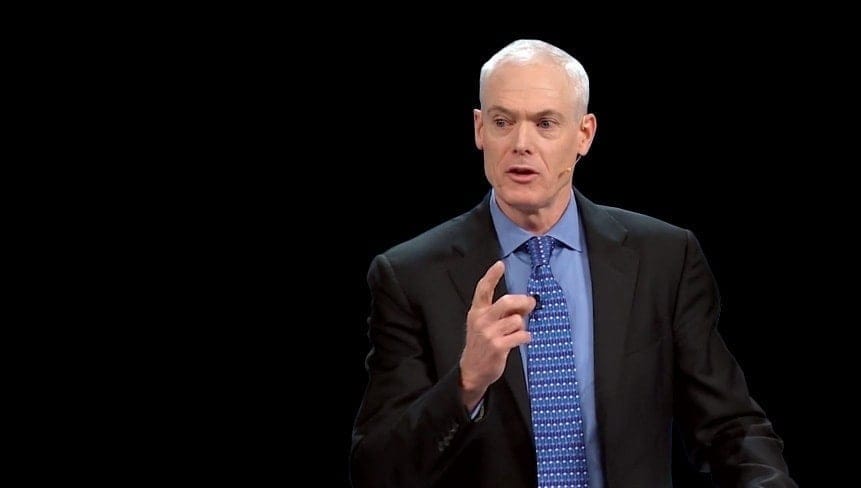 Jim Collinswrote 2 books here
 Brad Stonewrote 2 books here
 Geoffrey A. Moorewrote 2 books here
 Reid Hoffmanwrote 2 books here
 Randall E. Strosswrote 2 books here
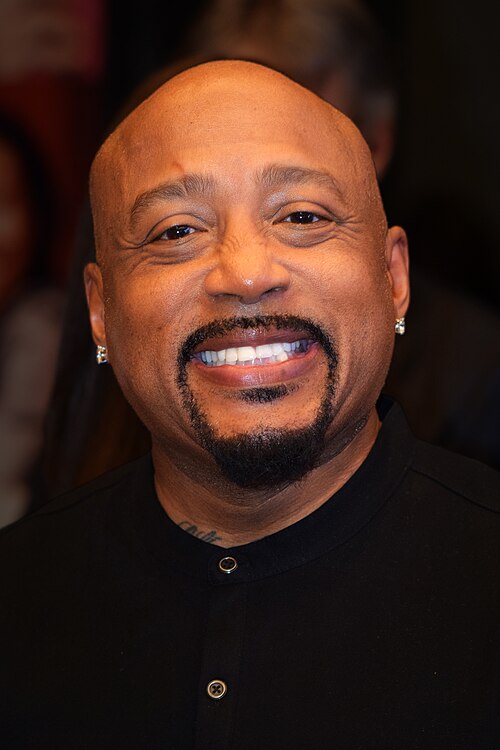 Daymond Johnwrote 2 books here
Show all 56
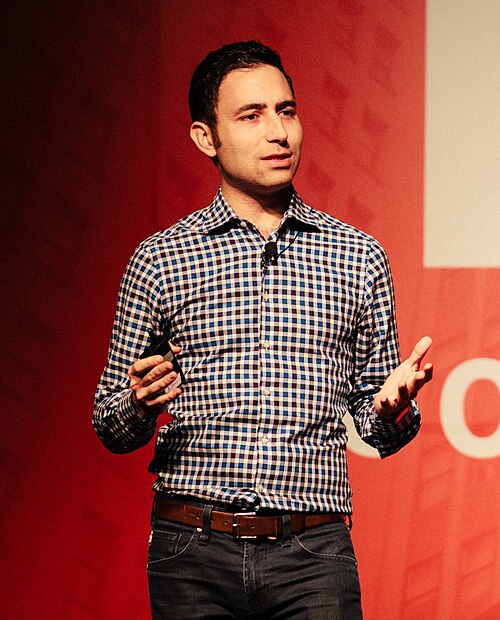 Scott Belskywrote 2 books here
 Ben Horowitzwrote 1 book here
 Michael Lewiswrote 1 book here
 Paul Grahamwrote 1 book here
 Peter F. Druckerwrote 1 book here
 Peter Thielwrote 1 book here
 Sebastian Mallabywrote 1 book here
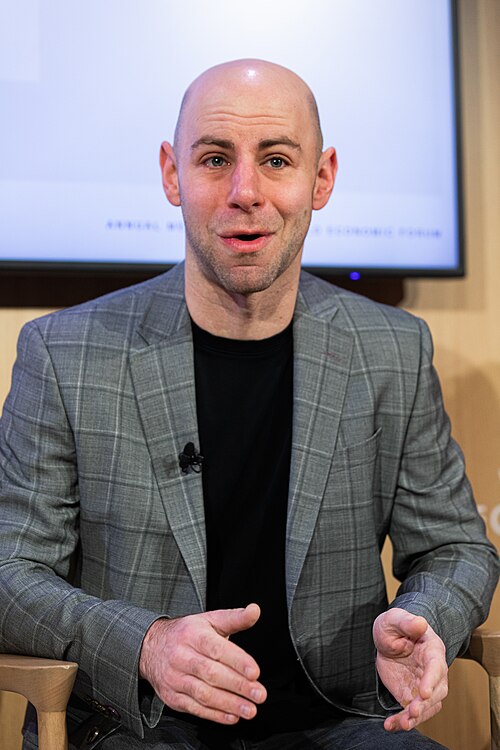 Adam Grantwrote 1 book here
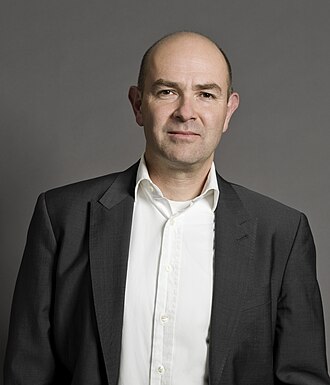 Chris Andersonwrote 1 book here
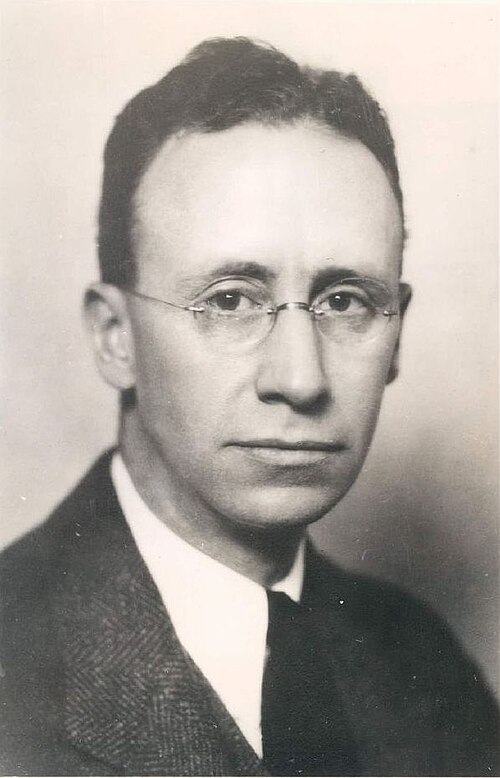 Frederick Lewis Allenwrote 1 book here
 Gregory Zuckermanwrote 1 book here
 Ken Fisherwrote 1 book here
 Marc Benioffwrote 1 book here
 Robert Greenewrote 1 book here
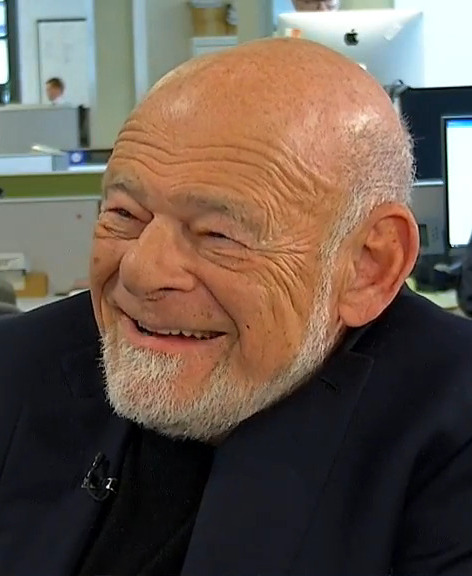 Sam Zellwrote 1 book here
 David Heinemeier Hanssonwrote 1 book here
 Howard Schultzwrote 1 book here
 Michael Dellwrote 1 book here
 Ryan Holidaywrote 1 book here
 Safi Bahcallwrote 1 book here
 Alexis Ohanianwrote 1 book here
 Andrew Chenwrote 1 book here
 Chris Dixonwrote 1 book here
 Derek Siverswrote 1 book here
 Donald Trumpwrote 1 book here
 Gary Vaynerchukwrote 1 book here
 James Altucherwrote 1 book here
 Jason Calacaniswrote 1 book here
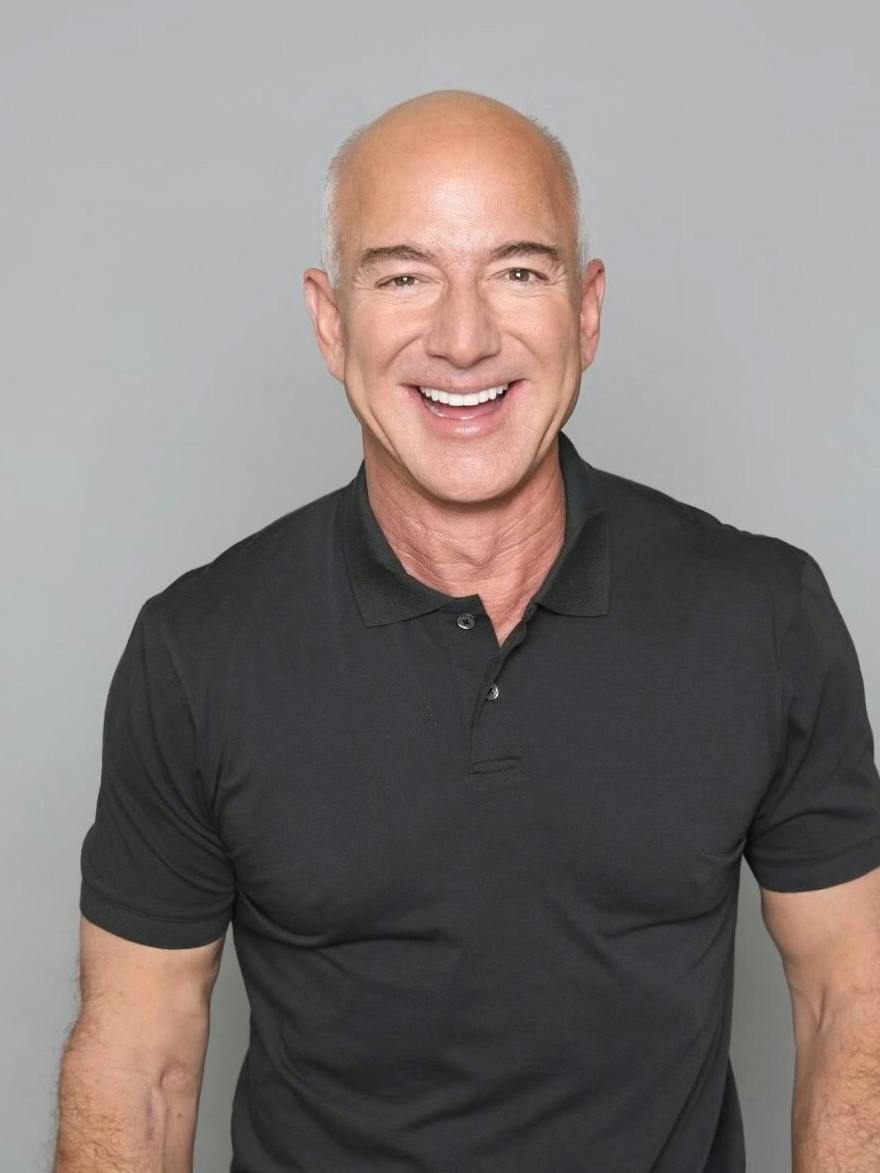 Jeff Bezoswrote 1 book here
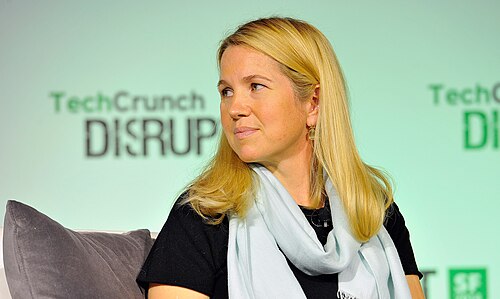 Jessica Livingstonwrote 1 book here
 Michael Bloombergwrote 1 book here
 Nick Huberwrote 1 book here
 Paul Jarviswrote 1 book here
 Peter Diamandiswrote 1 book here
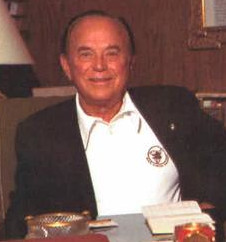 Ray Krocwrote 1 book here
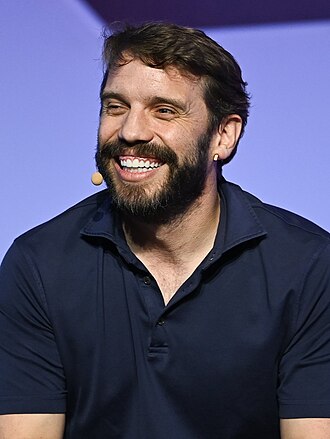 Ryan Petersenwrote 1 book here
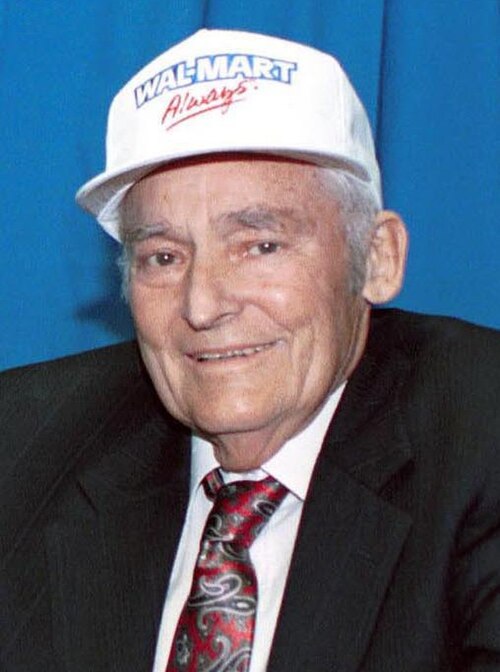 Sam Waltonwrote 1 book here
 Sophia Amorusowrote 1 book here
 Tony Hsiehwrote 1 book here
 Mohnish Pabrairecommends 95 books hereBrad Feldrecommends 28 books here
 Nat Eliasonrecommends 25 books here
 Marc Andreessenrecommends 15 books here
 David Cancelrecommends 15 books here
 Keith Raboisrecommends 15 books hereDerek Siversrecommends 13 books here
 Patrick Collisonrecommends 12 books here
 Michael Mauboussinrecommends 11 books hereReid Hoffmanrecommends 11 books hereAndrew Chenrecommends 9 books here
Show all 178
 Ran Segallrecommends 9 books here
 Tim Ferrissrecommends 9 books here
 Bill Gatesrecommends 8 books here
 Ev Williamsrecommends 8 books hereTony Hsiehrecommends 8 books hereAlexis Ohanianrecommends 7 books here
 Anthony Pomplianorecommends 7 books hereJeff Bezosrecommends 7 books here
 Matt Mullenwegrecommends 7 books herePaul Grahamrecommends 6 books here
 Aaron Levierecommends 6 books here
 Alfred Linrecommends 6 books here
 Balaji S. Srinivasanrecommends 6 books here
 Brett Adcockrecommends 6 books here
 Drew Houstonrecommends 6 books hereNick Huberrecommends 6 books here
 Terrance McArthurrecommends 6 books here
 Simon Sinekrecommends 5 books here
 Codie Sanchezrecommends 5 books here
 Elon Muskrecommends 5 books here
 John D Saundersrecommends 5 books here
 Nir Eyalrecommends 5 books here
 Noah Kaganrecommends 5 books here
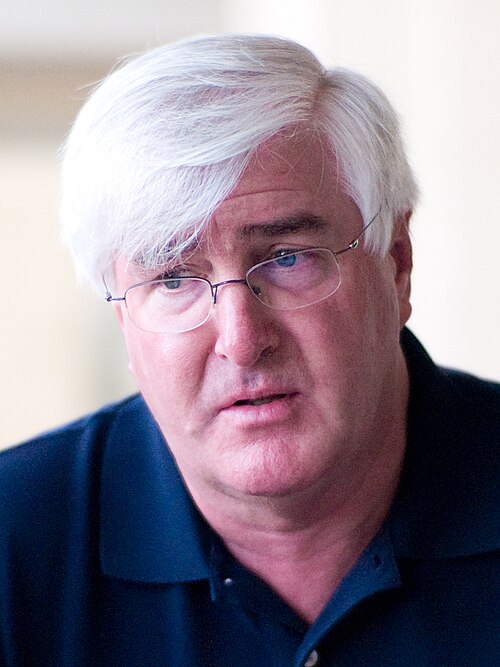 Ron Conwayrecommends 5 books hereJim Collinsrecommends 4 books hereGuy Kawasakirecommends 4 books here
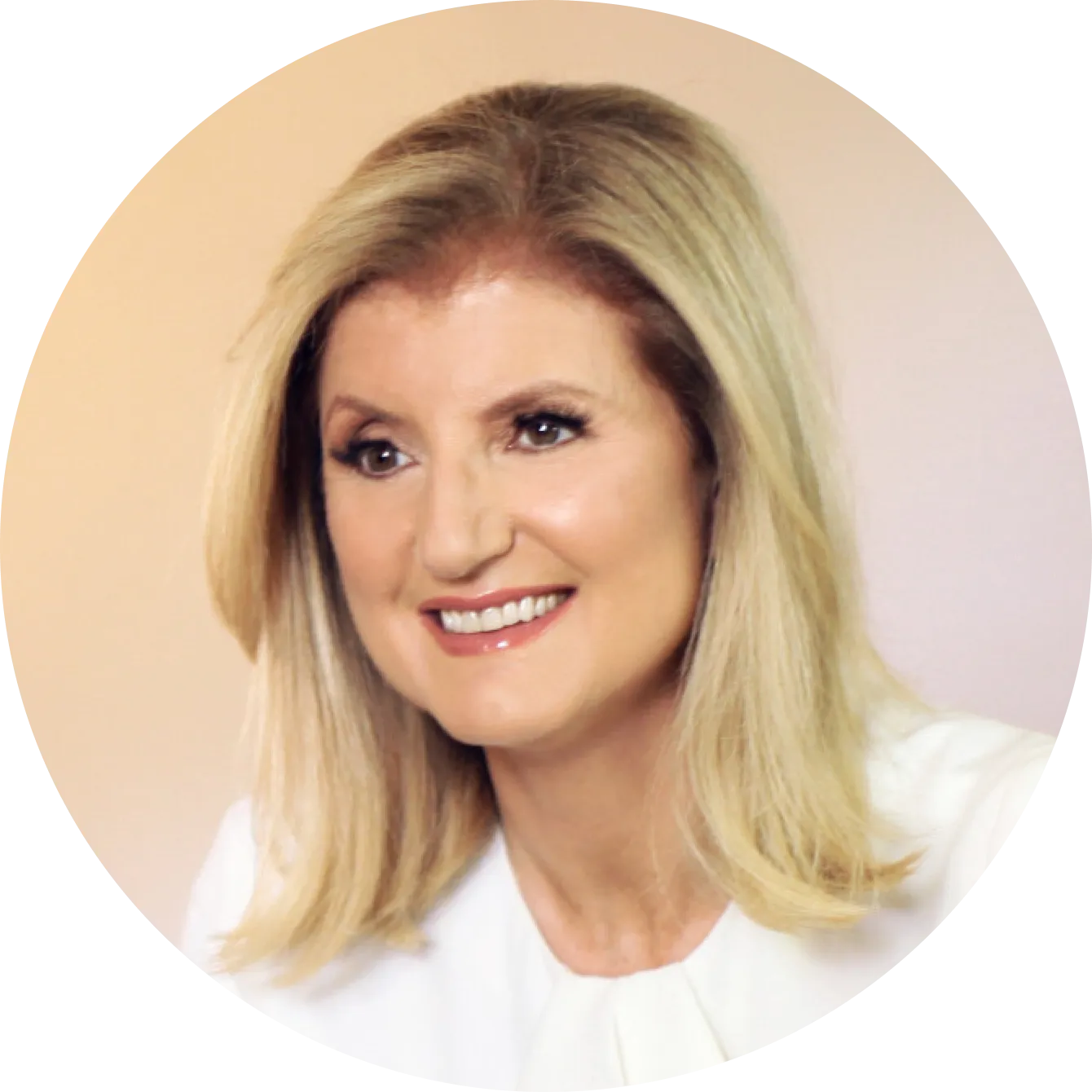 Arianna Huffingtonrecommends 4 books here
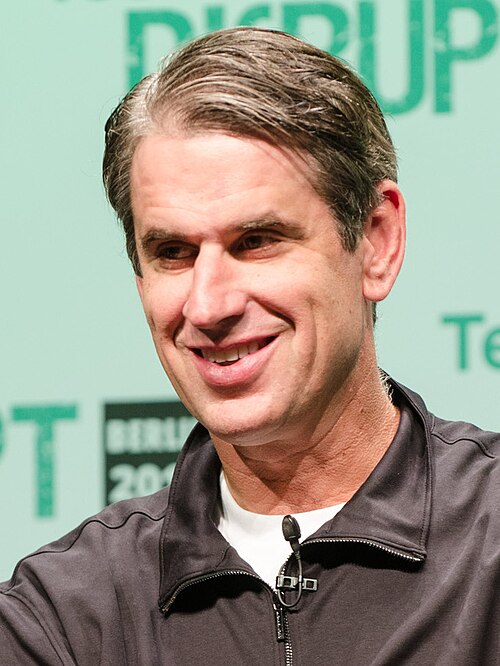 Bill Gurleyrecommends 4 books here
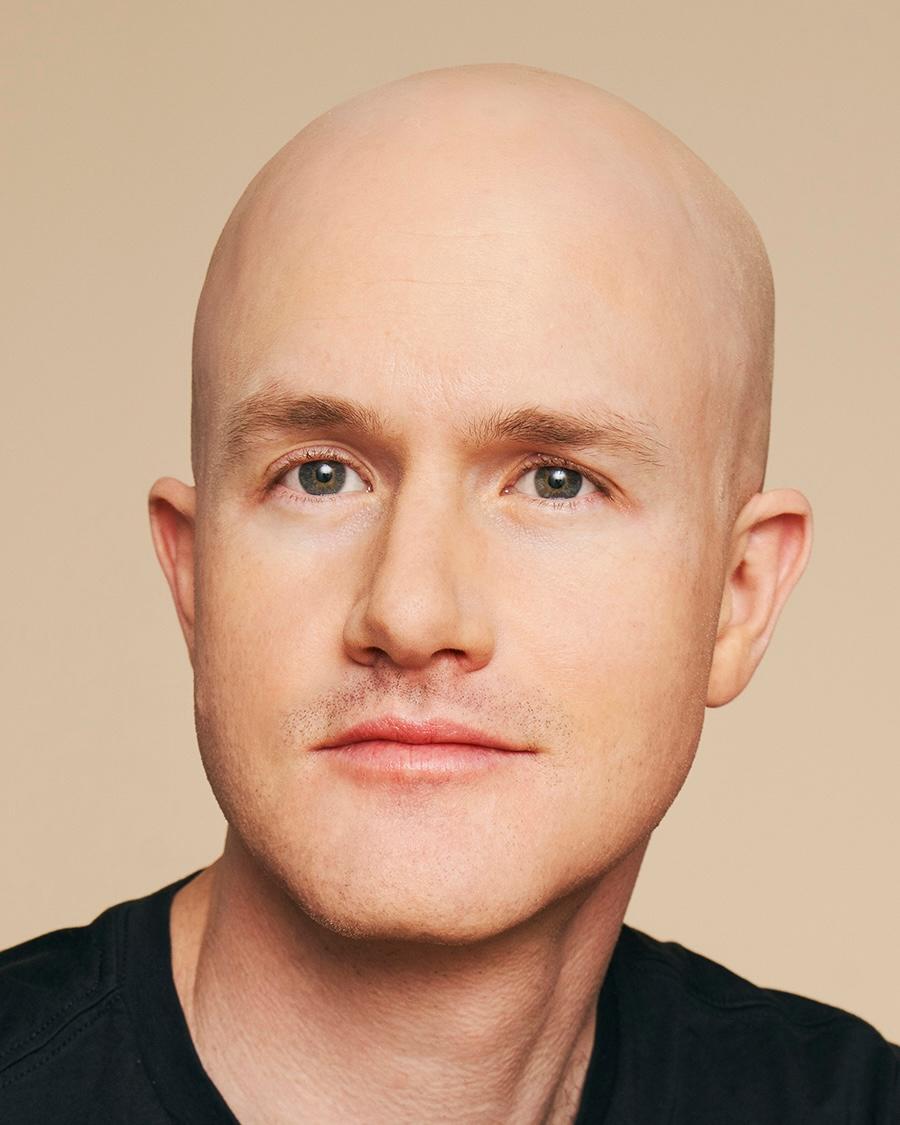 Brian Armstrongrecommends 4 books here
 Changpeng Zhaorecommends 4 books hereChris Dixonrecommends 4 books here
 Matej Latinrecommends 4 books here
 Max Levchinrecommends 4 books here
 Michael Batkorecommends 4 books hereRyan Petersenrecommends 4 books here
 Tom Bilyeurecommends 4 books here
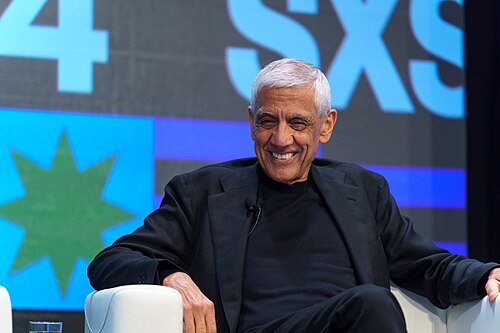 Vinod Khoslarecommends 4 books hereBen Horowitzrecommends 3 books here
 Howard Marksrecommends 3 books here
 Warren Buffettrecommends 3 books here
 Eric Schmidtrecommends 3 books hereRyan Holidayrecommends 3 books here
 Brian Cheskyrecommends 3 books here
 Casey Neistatrecommends 3 books hereGary Vaynerchukrecommends 3 books here
 George Hatzisrecommends 3 books hereJames Altucherrecommends 3 books hereJason Calacanisrecommends 3 books here
 Johnnie Gomezrecommends 3 books here
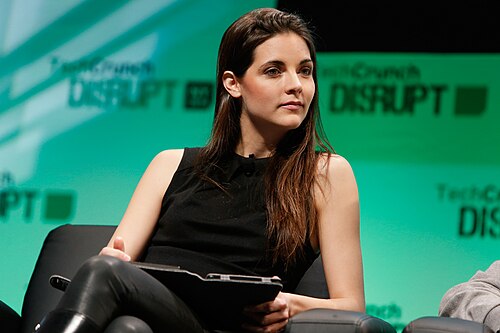 Kathryn Minshewrecommends 3 books here
 Leo Polovetsrecommends 3 books here
 Mark Cubanrecommends 3 books here
 Naval Ravikantrecommends 3 books here
 Niki Scevakrecommends 3 books here
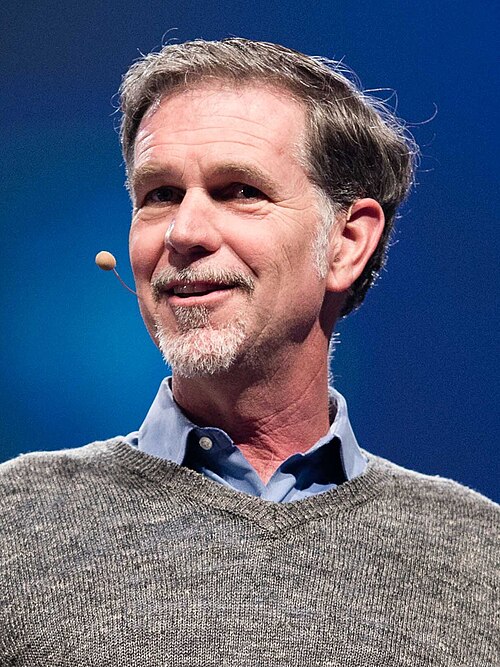 Reed Hastingsrecommends 3 books hereRichard Bransonrecommends 3 books here
 Sam Altmanrecommends 3 books here
 Andrew S. Groverecommends 2 books here
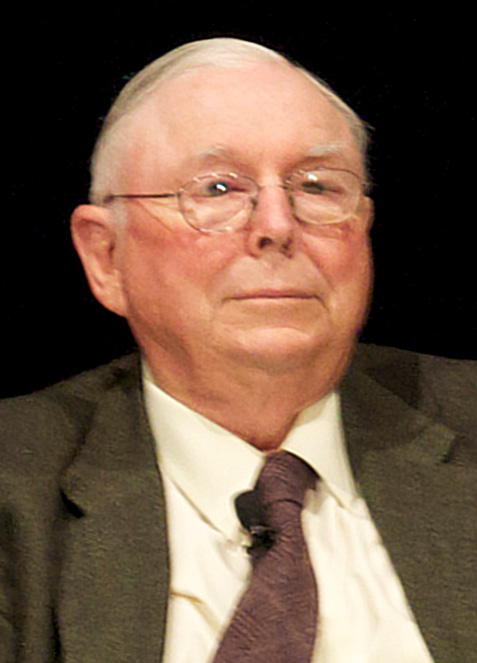 Charlie Mungerrecommends 2 books herePeter Thielrecommends 2 books here
 Ray Daliorecommends 2 books here
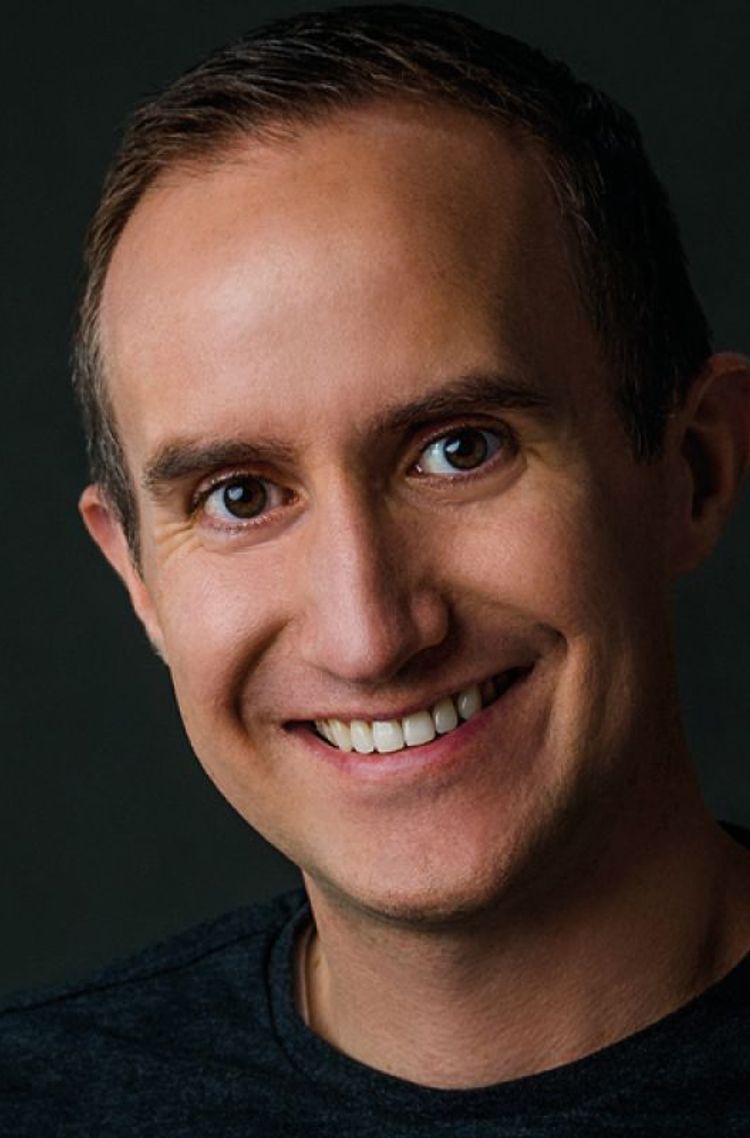 Morgan Houselrecommends 2 books here
 Ana Fabregarecommends 2 books here
 Audrey Gelmanrecommends 2 books here
 Cynthia Johnsonrecommends 2 books here
 David Hellmannrecommends 2 books here
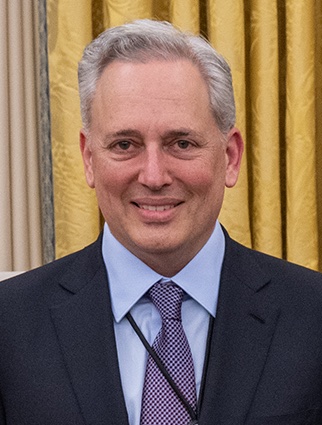 David Sacksrecommends 2 books here
 Fred Wilsonrecommends 2 books here
 Gaby Goldbergrecommends 2 books here
 Garry Tanrecommends 2 books here
 Jackie Vullinghsrecommends 2 books here
 Jake Knapprecommends 2 books here
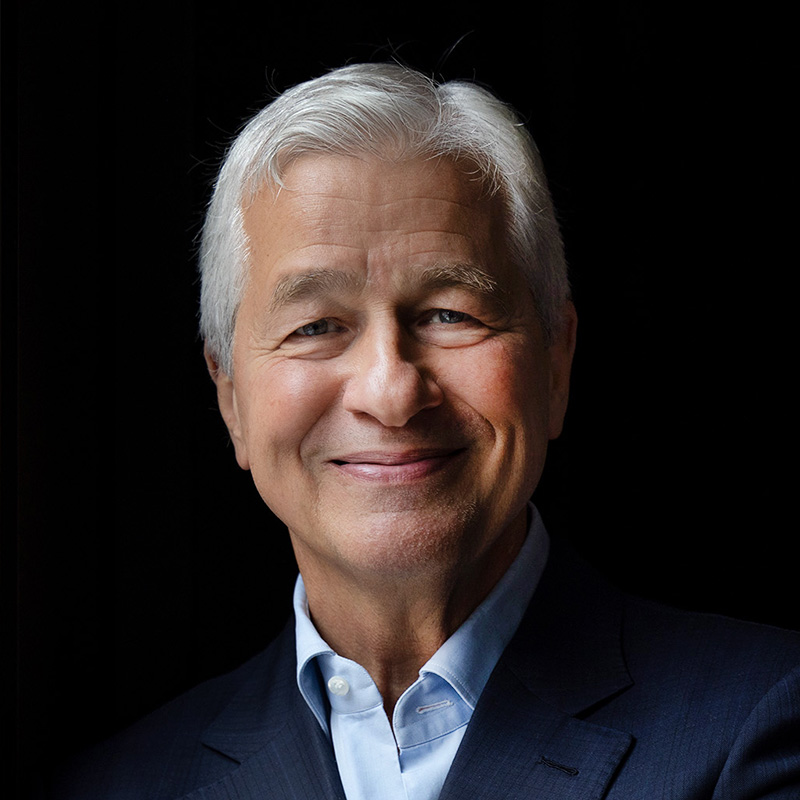 Jamie Dimonrecommends 2 books here
 John Maedarecommends 2 books here
 Jordan Hughesrecommends 2 books here
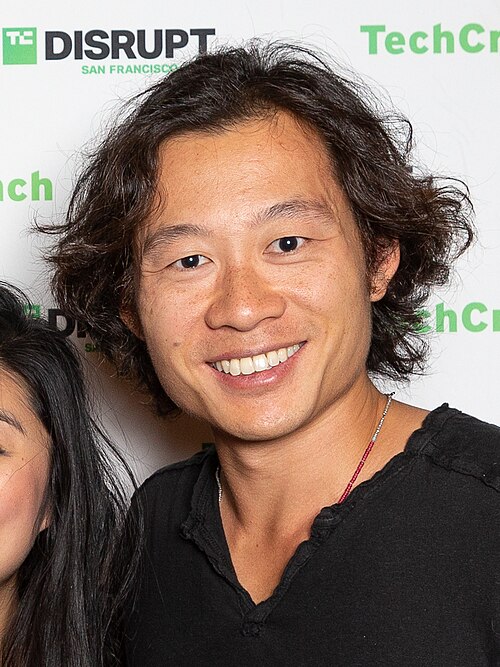 Justin Kanrecommends 2 books hereMichael Bloombergrecommends 2 books here
 Mr. Beastrecommends 2 books herePaul Jarvisrecommends 2 books here
 Satya Nadellarecommends 2 books here
 Sheryl Sandbergrecommends 2 books hereSophia Amorusorecommends 2 books here
 Tony Robbinsrecommends 2 books here
 Daniel Kahnemanrecommends 1 book here
 Nassim Nicholas Talebrecommends 1 book here
 John Doerrrecommends 1 book here
 Kevin Kellyrecommends 1 book hereMarc Benioffrecommends 1 book hereDavid Heinemeier Hanssonrecommends 1 book hereSafi Bahcallrecommends 1 book here
 Biz Stonerecommends 1 book here
 Blake Mycoskierecommends 1 book here
 Cal Newportrecommends 1 book here
 Caterina Fakerecommends 1 book here
 Chase Jarvisrecommends 1 book here
 Chelsea Krostrecommends 1 book here
 Chris Fussellrecommends 1 book here
 Daniel Ekrecommends 1 book hereDaymond Johnrecommends 1 book hereDonald Trumprecommends 1 book here
 Doug McMillonrecommends 1 book here
 Dustin Moskovitzrecommends 1 book here
 Eric Weinsteinrecommends 1 book here
 Fred Schebestarecommends 1 book here
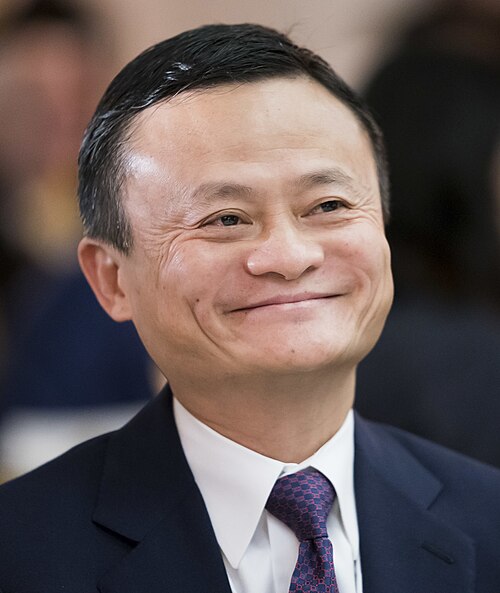 Jack Marecommends 1 book here
 Jensen Huangrecommends 1 book here
 Joel Connollyrecommends 1 book here
 John Hendersonrecommends 1 book here
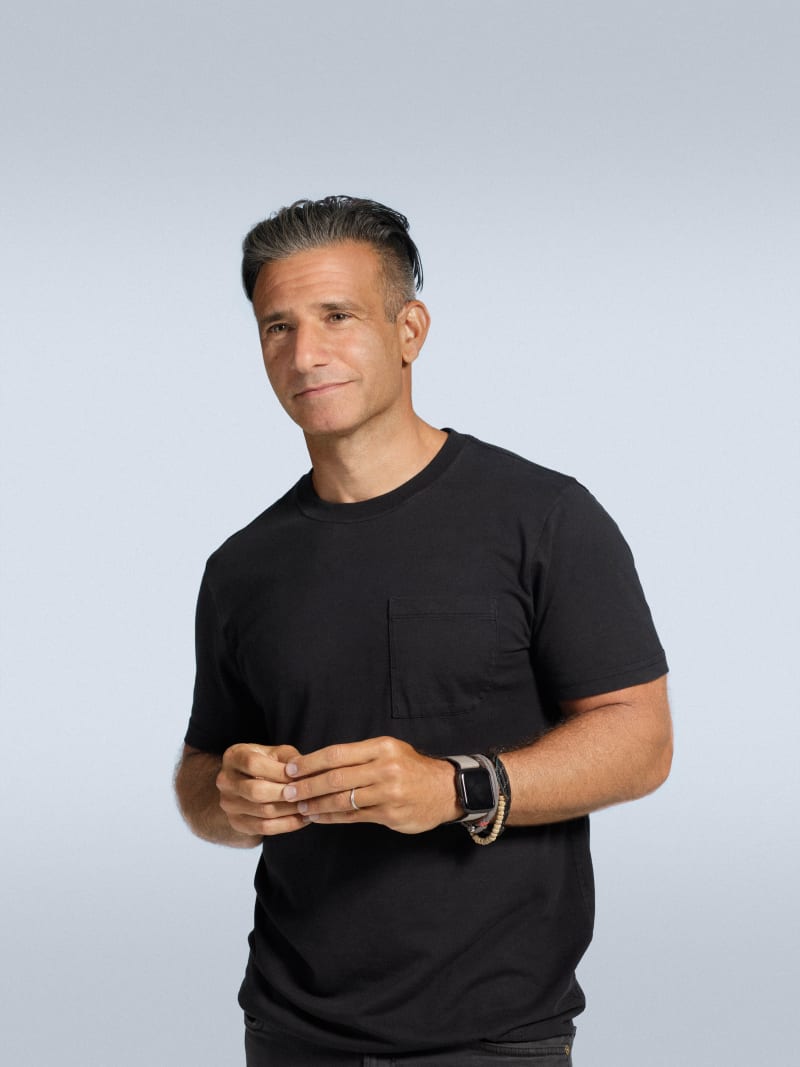 Josh Wolferecommends 1 book here
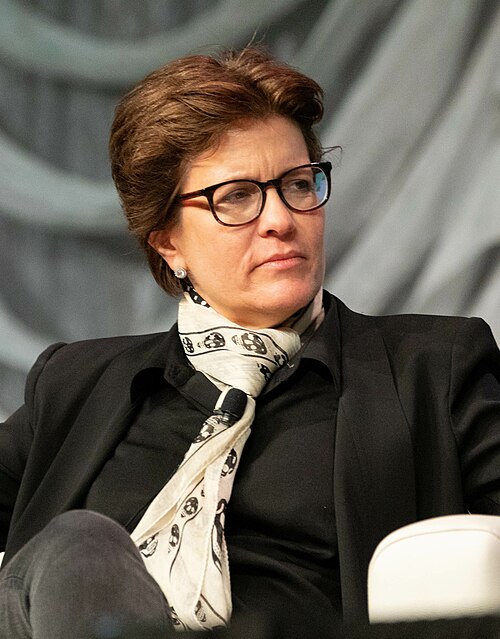 Kara Swisherrecommends 1 book here
 Luis von Ahnrecommends 1 book here
 Marty Caganrecommends 1 book here
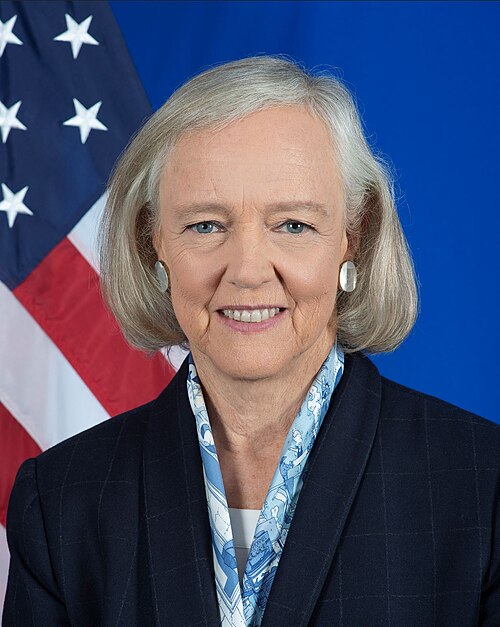 Meg Whitmanrecommends 1 book here
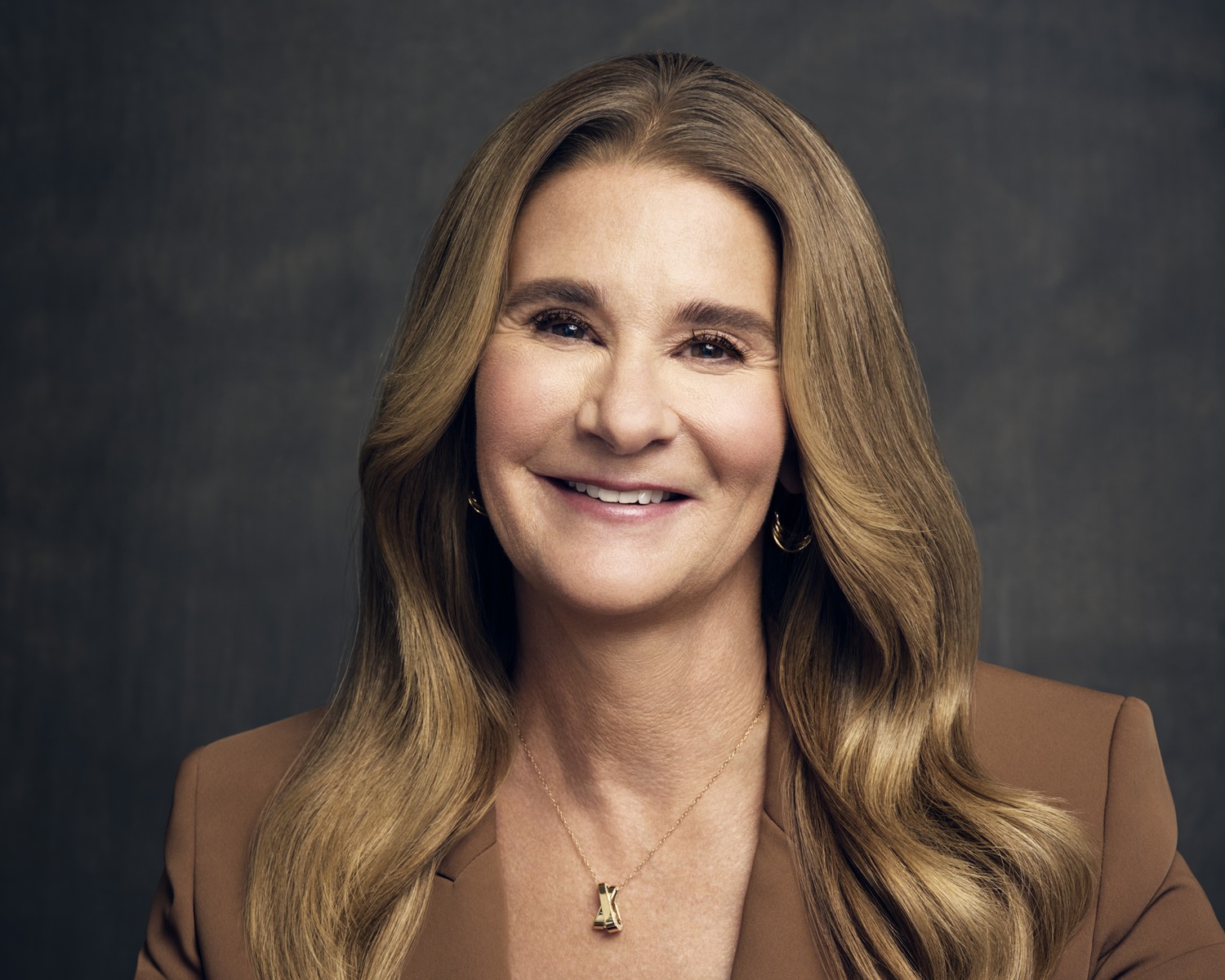 Melinda Gatesrecommends 1 book here
 Nate O'Brienrecommends 1 book here
 Nick Crockerrecommends 1 book here
 Nick Molnarrecommends 1 book here
 Ramit Sethirecommends 1 book here
 Samantha Wongrecommends 1 book hereScott Belskyrecommends 1 book here
 Steve Jobsrecommends 1 book here
 Susan Cainrecommends 1 book here
 Tim O’Reillyrecommends 1 book here
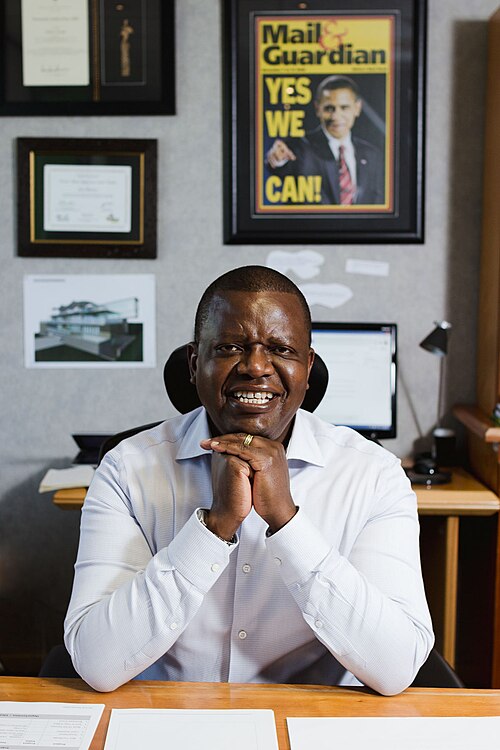 Trevor Ncuberecommends 1 book here
 Vlad Tenevrecommends 1 book here
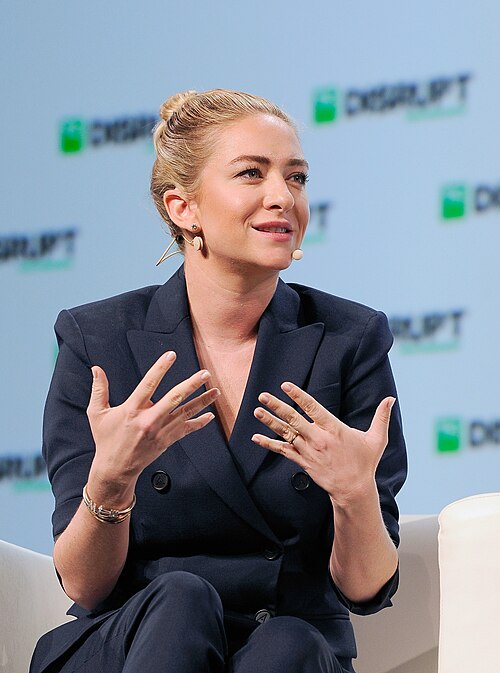 Whitney Wolfe Herdrecommends 1 book here