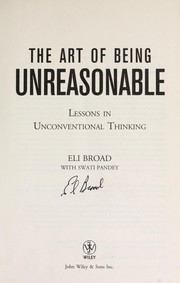
The Art of Being Unreasonable
Lessons in 'unreasonable thinking' from building companies and giving away wealth.
Summary
Eli Broad, a billionaire entrepreneur and philanthropist, credits "unreasonable thinking" with helping him build two Fortune 500 companies, amass a personal fortune of billions and develop a new approach to philanthropy. With his money he helped fund scientific research institutes, reform of K-12 education and some of the world's leading museums of contemporary art.
"Reasonable" people, Broad writes, find all the reasons why something new cannot be done, because no one has done it that way before. He sets out the unorthodox principles behind his success, covering negotiation, risk-taking, investing and hiring. The publisher presents them as success principles drawn from his business career and his giving. The sources read here list the areas he covers but not the specific rules or stories he uses to illustrate them.
Key takeaways 4
- Broad built two Fortune 500 companies by ignoring conventional limits.
- Reasonable people talk themselves out of new ideas.
- His principles cover negotiation, risk, investing and hiring.
- Broad applied the same thinking to philanthropy in science, education and art.
Who should read it
Entrepreneurs and philanthropists who want a billionaire's unconventional rules.
Who recommended it 2 · 1 direct
Similar books 6
Chosen by shared topics, the entries that hold them, and the people who recommended both.
An oilman's life of comebacks and his plan to cut America's dependence on oil.
Recommended by: Mohnish Pabrai
An entrepreneur's life story and his case for the businesses capitalism builds.
Recommended by: Jason Calacanis, Terrance McArthur
How a running-shoe importer became Nike, surviving one cash crisis after another.
“…books I've recommended, highlighted to death, or forced on friends.” — Andrew Wilkinson
Source: Andrew Wilkinson's Bookshelf, neverenough.com
Recommended by: Andrew Wilkinson, Bill Gates, Bill Gurley and 27 others
How a working-class Nebraskan founded TD Ameritrade and opened up Wall Street.
Recommended by: Donald Trump
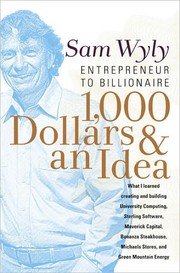
An entrepreneur's memoir of building and selling one company after another.
Recommended by: Mohnish Pabrai
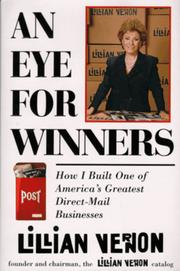
How Lillian Vernon built a mail-order business from her kitchen table.
Recommended by: Mohnish Pabrai
Where it sits in the reference 5
As an Amazon Associate I earn from qualifying purchases.