Founders and Entrepreneurs
Lives of people who started companies, told by the founders themselves or by biographers, from Ray Kroc and Sam Walton to Steve Jobs and Elon Musk.
Start here
- Made in JapanAkio Morita, Edwin M. Reingold, Mitsuko Shimomura, 1986
- Sam Walton: Made in AmericaSam Walton, John Huey, 1992
- Swimming AcrossAndrew S. Grove, 2001
- Shoe DogPhil Knight, 2016
- Walt Disney: An American OriginalBob Thomas, 1976
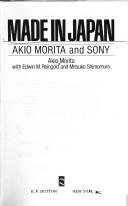
How Sony grew from Tokyo's ruins, and how Japanese and American business differ.
Recommended by: Jim Collins
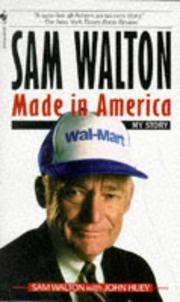
How Walmart grew from one Arkansas store by cutting costs and prices.
Recommended by: David Cancel, David Perell, Mohnish Pabrai and 4 others
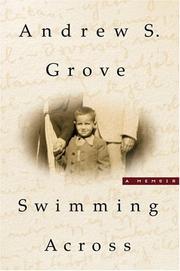
A Jewish boy survives the war and Soviet rule in Hungary and escapes to America.
Recommended by: Keith Rabois, Patrick Collison, Ben Horowitz
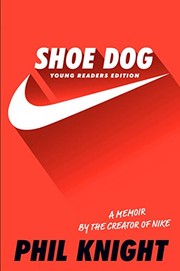
How a running-shoe importer became Nike, surviving one cash crisis after another.
“…books I've recommended, highlighted to death, or forced on friends.” — Andrew Wilkinson
Source: Andrew Wilkinson's Bookshelf, neverenough.com
Recommended by: Andrew Wilkinson, Bill Gates, Bill Gurley and 27 others

The life of Walt Disney, written with his family's cooperation.
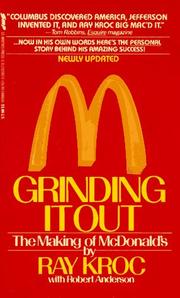
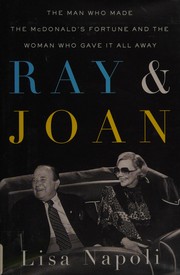
A milkshake-machine salesman finds the McDonald brothers and builds the franchise.
Recommended by: Mohnish Pabrai
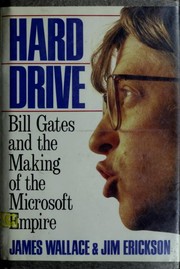
A critical history of Bill Gates and the early Microsoft, from Lakeside School on.
Recommended by: Mohnish Pabrai, Patrick Collison and 3 others
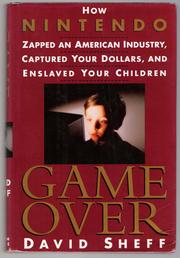

Bill Gates from Harvard and Microsoft BASIC to the IBM deal that made Microsoft.
Recommended by: Ev Williams
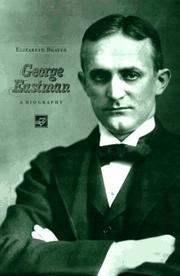
How a bank clerk simplified photography and built Eastman Kodak.
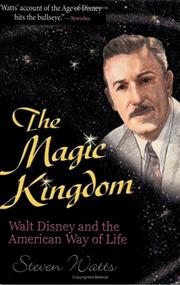
A cultural history of Walt Disney and the American values his work spread.
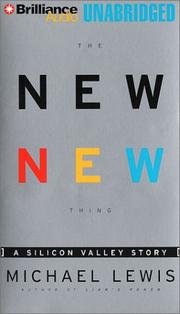
Jim Clark, founder of Silicon Graphics and Netscape, starts a third company in 1999.
“The recent book "The New, New Thing" by Michael Lewis, about the career of venture capitalist Jim Clark (Silicon Graphics, Netscape, Healtheon), makes it clear that in many cases, today's entrepreneur isn't thinking idea/startup/company as might have been the case in the past; rather, it's idea/startup/IPO.” — Howard Marks
Source: bubble.com, page 7
Recommended by: Austen Allred, Howard Marks, Jim Collins and 4 others
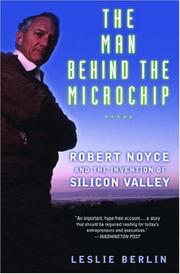
Robert Noyce, Fairchild Semiconductor and the founding of Intel.
Recommended by: Jim Collins, Mohnish Pabrai and 2 others
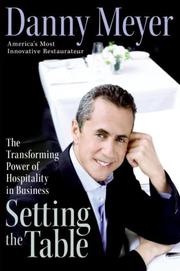
Enlightened hospitality: put employees first, then guests, community and investors.
Recommended by: Patrick Collison, Fred Wilson, Niki Scevak and 2 others
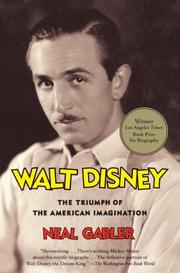
Walt Disney's life from Missouri to Mickey Mouse, the 1941 strike and Disneyland.
“the author, Neal Gabler, who has written the best biography on Walt Disney. And it's a phenomenal book.” — Marc Andreessen
Source: The Tim Ferriss Show Transcripts: Marc Andreessen (#163)
Recommended by: Marc Andreessen, Brian Chesky
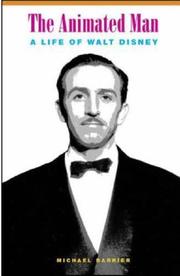
The life of Walt Disney, strongest on how his studio made animation.
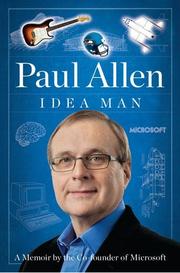
A Microsoft co-founder's memoir of his ventures, successes and failures.
Recommended by: Mohnish Pabrai
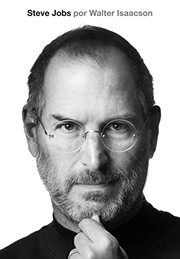
Steve Jobs's life and Apple's products, from forty interviews with him and many more.
Recommended by: Mohnish Pabrai, Patrick Collison and 17 others
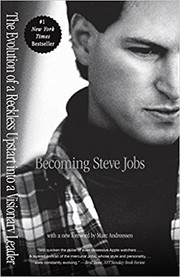
How the NeXT and Pixar years changed Steve Jobs into the leader who rebuilt Apple.
Recommended by: Jim Collins, Keith Rabois, Mohnish Pabrai and 6 others
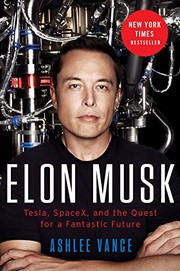
Musk's life from South Africa and PayPal to running SpaceX and Tesla at once.
“Last night I finished Elon Musk: Tesla, SpaceX, and the Quest for a Fantastic Future by Ashlee Vance.” — Brad Feld
Source: Book: Elon Musk: Tesla, SpaceX, and the Quest for a Fantastic Future — Feld Thoughts
Recommended by: Austen Allred, Brad Feld, David Perell and 12 others
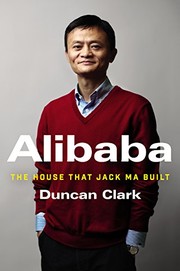
Alibaba from Jack Ma's Hangzhou apartment to its 2014 New York listing.
Recommended by: Patrick Collison
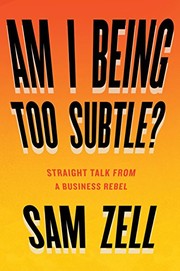
From student apartments in Ann Arbor to selling Equity Office to Blackstone in 2007.
“Sam Zell’s autobiography Am I Being Too Subtle? was awesome.” — Brad Feld
Source: Book: Am I Being Too Subtle? — Feld Thoughts
Recommended by: Brad Feld, Codie Sanchez
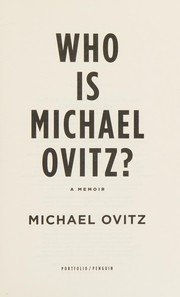
Building Creative Artists Agency into Hollywood's top agency, then failing at Disney.
Recommended by: Ben Horowitz, Benedict Evans and 4 others
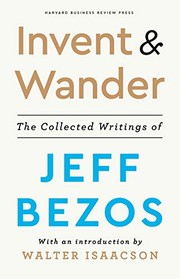
Amazon's shareholder letters from 1997 to 2019, with speeches and interviews.
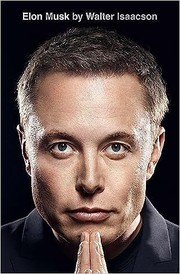
Two years shadowing Musk, across SpaceX, Tesla, Neuralink and the buying of Twitter.
Recommended by: Andrew Wilkinson, Terrance McArthur
A biography of Bill Gates covering his reinvention after Microsoft.
Recommended by: Andrew Wilkinson
Masayoshi Son's rise from Kyushu to SoftBank, Yahoo Japan and the Vision Fund.
Recommended by: Andrew Wilkinson
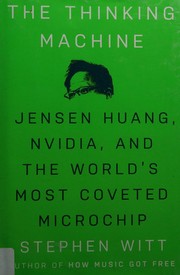
Jensen Huang and how Nvidia came to power the move to artificial intelligence.
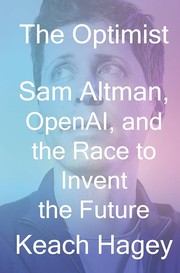
Sam Altman's life, including his November 2023 firing and return at OpenAI.
Recommended by: Andrew Wilkinson
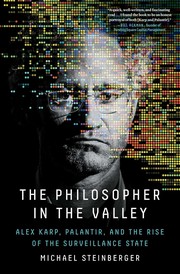
Alex Karp and Palantir's path from CIA funding to the surveillance state.
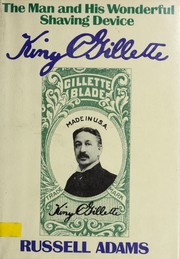
King Gillette, his safety razor and the disputed give-away-the-handle story.
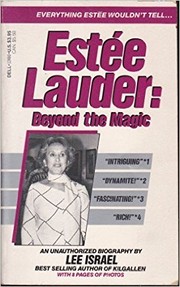
An unauthorised biography of Estée Lauder and how she built her cosmetics company.
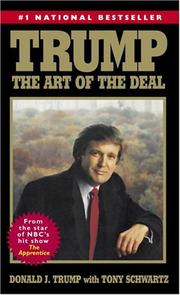
A New York property developer's account of his own deals.
Recommended by: Marc Andreessen, Shane Parrish
How Sam Walton built Wal-Mart and became America's richest man.
The rise and failure of NeXT, the company Steve Jobs founded after leaving Apple.
Recommended by: Keith Rabois, Mohnish Pabrai
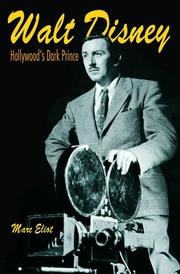
A hostile biography of Walt Disney, including the claim he informed for the FBI.
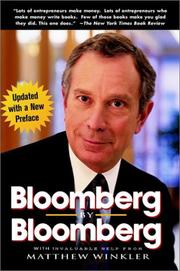
How the founder of a financial data company built it, in his own words.
Recommended by: Mohnish Pabrai
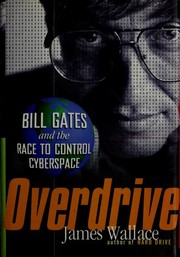
Bill Gates's fight to keep Microsoft on top, from the browser wars to antitrust.
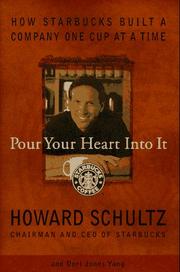
How a Seattle coffee bean seller became Starbucks, from the founder's side.
Recommended by: Mohnish Pabrai
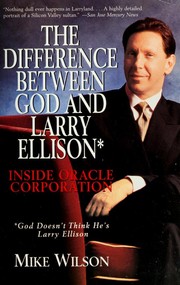
Larry Ellison and the rise of Oracle, told without his blessing.
Recommended by: Mohnish Pabrai
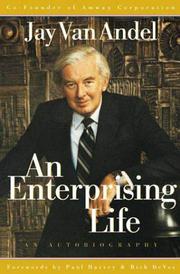
Amway's co-founder on his life and on building the company with Rich DeVos.
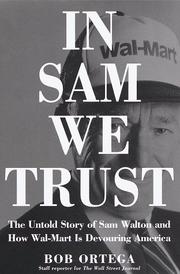
A critical history of Walmart and Sam Walton by a reporter who covered the company.
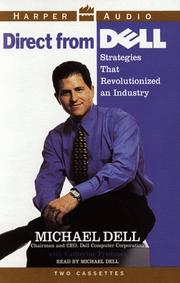
How build-to-order, direct sales and negative working capital built a PC giant.
Recommended by: Mohnish Pabrai, Andrew Grove
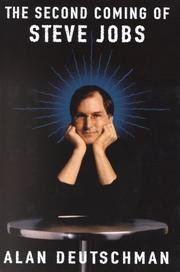
Steve Jobs's years at NeXT and Pixar and his return to Apple.
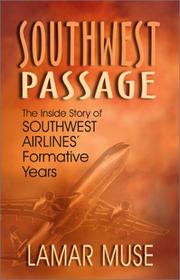
Southwest Airlines' first decade, told by its founding chief executive.
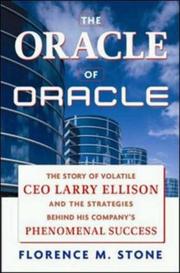
Larry Ellison and the strategies behind Oracle's growth.

An unauthorised, critical account of Larry Ellison and the rise of Oracle.
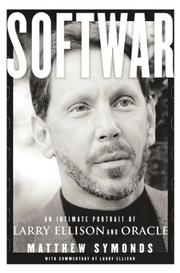
Larry Ellison and Oracle, with Ellison's own footnotes disputing the text.
Recommended by: Andrew Wilkinson, Aaron Levie
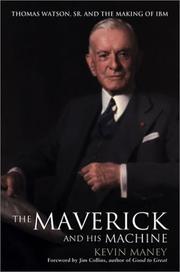
Thomas Watson Sr. and how he built IBM and its sales culture.
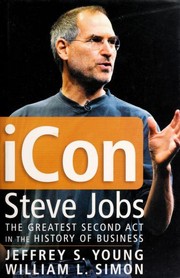
Steve Jobs's success at Pixar and his revival of Apple with the iMac and iPod.
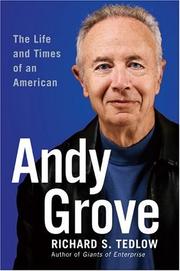
The life of Andy Grove, from Nazi-occupied Hungary to running Intel.
Recommended by: Keith Rabois, Patrick Collison
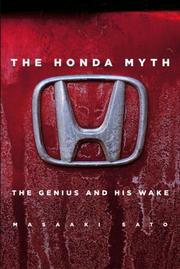
A revisionist Japanese history of Soichiro Honda and his successors at Honda.
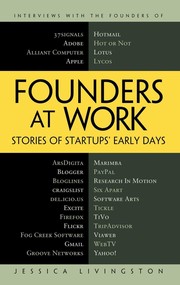
Interviews with 32 founders about the early days of their companies, before success.
“Long in-depth interviews with company founders, telling their tales of how they started. Lots of stories with a few usable gems.” — Derek Sivers
Source: Derek Sivers book notes (primary, rated list) · Rating: 1/10
Recommended by: Derek Sivers, Paul Graham, Ryan Holiday and 8 others
The management lessons of Steve Jobs's second tenure at Apple.
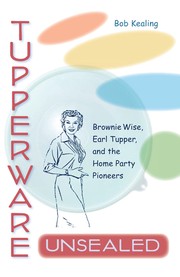
Brownie Wise and the home-party sales network that made Tupperware.
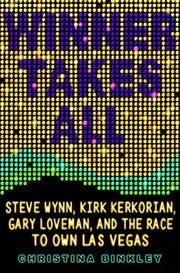
How Steve Wynn, Kirk Kerkorian and Sheldon Adelson built modern Las Vegas.
Leon Leonwood Bean and the Maine outfitter he founded.
Recommended by: Mohnish Pabrai
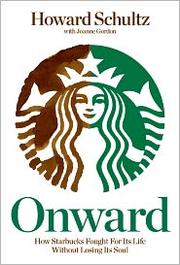
How Starbucks's founder returned as chief executive and turned the company around.
Recommended by: Tom Bilyeu, Ron Conway
Walt Disney's Kansas City years, 1919-1928, and how his first company went bust.
The life of Sol Price, who invented the warehouse club and taught Costco.
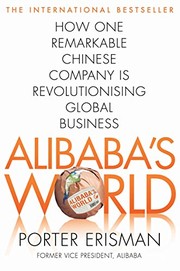
An early Western executive on of Alibaba's first decade and its fight with eBay.
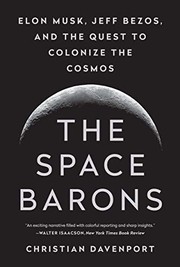
Musk, Bezos, Branson and others in the race to open space to private companies.
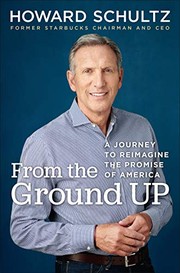
Starbucks's turnaround, and the responsibilities its chief saw for business.
Recommended by: Bill Gates
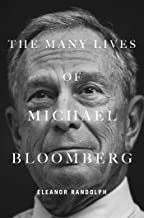
Michael Bloomberg's life, and the data machine that made his fortune.
Recommended by: Andrew Wilkinson
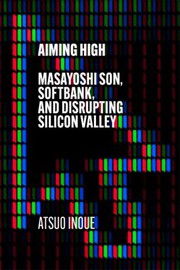
Masayoshi Son's life, from a Korean immigrant family in Japan to building SoftBank.
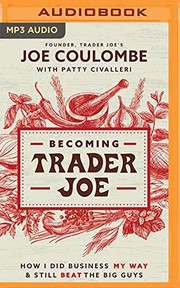
Trader Joe's founder on the reasoning behind each decision in building the chain.
Dell's growth from a dormitory, the fight to take it private, and the EMC deal.
Recommended by: Andrew Wilkinson, Bill Gates, Eric Schmidt and 6 others
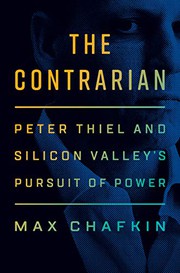
A critical biography of Peter Thiel, from PayPal and Palantir to politics.
Recommended by: Andrew Wilkinson

An investigative case against the power of the Gates Foundation.
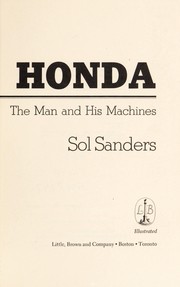
An early Western biography of Soichiro Honda and his motorcycles and cars.
The history of Peter Kiewit Sons' and the man who led it.
Recommended by: Mohnish Pabrai
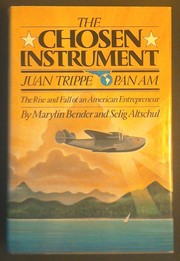
Juan Trippe and the rise and fall of Pan American World Airways.
Recommended by: Patrick Collison
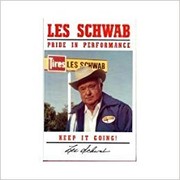
How a tyre dealer built hundreds of stores on profit sharing.
“If you want to read one book, read the autobiography of Les Schwab... He ran tire shops in the Midwest and made a fortune” — Charlie Munger
Source: Notes from the 2004 Berkshire Hathaway Annual Meeting, by Whitney Tilson, p. 35
Recommended by: Charlie Munger
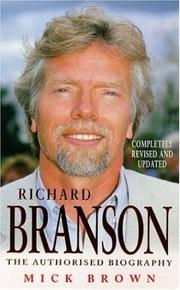
The authorised life of Richard Branson, founder of Virgin Music and Virgin Atlantic.
Recommended by: Mohnish Pabrai
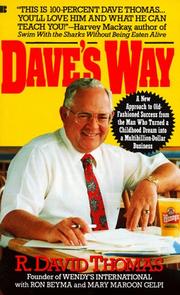
The founder of Wendy's on his life and building the restaurant chain.
Recommended by: Mohnish Pabrai

The founding Warner brothers and their studio, told from inside the family.
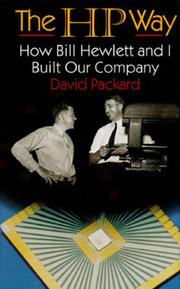
How two Stanford friends founded Hewlett-Packard and the way they ran it.
Recommended by: Mohnish Pabrai
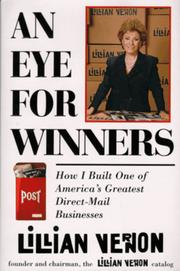
How Lillian Vernon built a mail-order business from her kitchen table.
Recommended by: Mohnish Pabrai
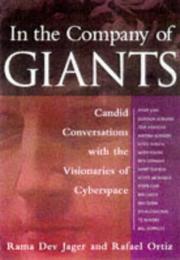
Interviews with the founders of the digital world's largest companies.
Recommended by: Keith Rabois, Patrick Collison
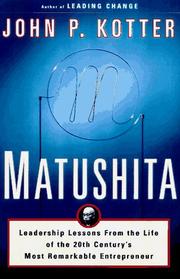
Konosuke Matsushita's rise from childhood poverty to a great company, and how he led.
Recommended by: Mohnish Pabrai
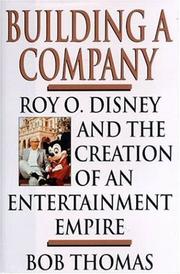
Roy O. Disney, Walt's brother, who handled the money and built the company.
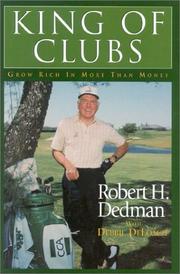
A club developer's autobiography and his rules for a life rich in more than money.
Recommended by: Blake Mycoskie
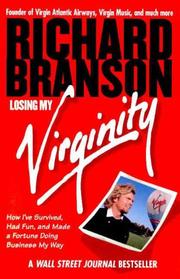
The Virgin Group founder's autobiography, from music to airlines.
“His biography, Losing My Virginity, is another terrific read.” — Mohnish Pabrai
Source: Pabrai Investment Funds letter to partners (101103), page 6
Recommended by: Mohnish Pabrai, Iman Gadzhi and 1 other
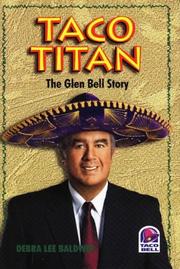
Glen Bell's rise from poverty to build Taco Bell and sell it for $130 million.
Recommended by: Mohnish Pabrai
A biography of Richard Branson focused on how he created and sold himself.
Recommended by: The Barefoot Investor
A business journalist on the reality behind Donald Trump's public image.
Recommended by: The Barefoot Investor
The founder of Clayton Homes on building the mobile home business.
Recommended by: Mohnish Pabrai, Warren Buffett
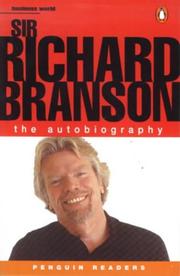
The Virgin founder's life, from balloon flights to battles with British Airways.
Recommended by: Mohnish Pabrai
Profiles of business leaders from Investor's Business Daily's column.
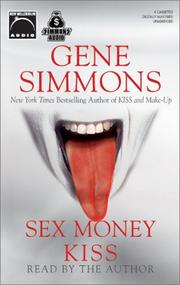
A rock musician's philosophy of money, success and the American dream.
Recommended by: The Barefoot Investor
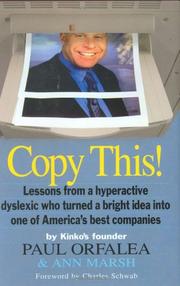
How a dyslexic entrepreneur built Kinko's copy shops into a national chain.
Recommended by: Mohnish Pabrai
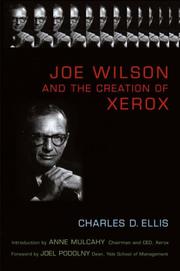
The leader who built Xerox and its plain-paper photocopier.
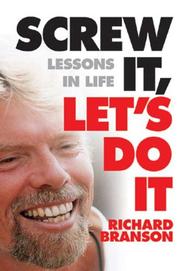
The lessons that guided Virgin's founder in business and in life.
Recommended by: Mohnish Pabrai
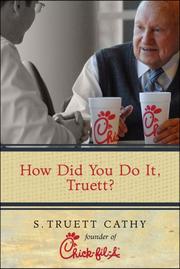
How the founder of Chick-fil-A turned a small diner into a large business.
Recommended by: Mohnish Pabrai
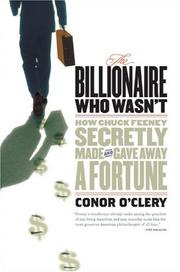
How Chuck Feeney made a fortune from Duty Free Shoppers and gave it away in secret.
“I just finished it and it's incredibly inspiring. He died last year, giving away over $8 billion in his lifetime.” — Andrew Wilkinson
Source: Newsletter
Recommended by: Andrew Wilkinson, Mohnish Pabrai
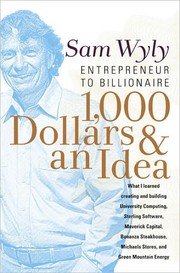
An entrepreneur's memoir of building and selling one company after another.
Recommended by: Mohnish Pabrai
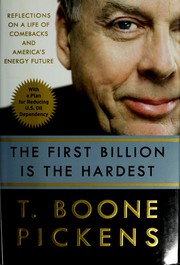
An oilman's life of comebacks and his plan to cut America's dependence on oil.
Recommended by: Mohnish Pabrai
An early account of Jack Ma and the founding of Alibaba.
Recommended by: Mohnish Pabrai
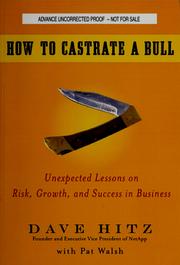
A NetApp founder on risk, growth and building a successful business.
Recommended by: Aaron Levie
A biography of Sam Zell, the contrarian real estate investor.
Recommended by: Mohnish Pabrai
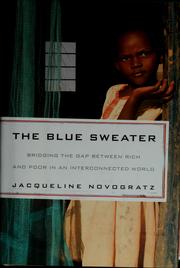
A memoir of moving from international banking to founding Acumen, an impact investor.
Recommended by: Mohnish Pabrai
A young man builds a global metals-recycling business from Hong Kong.
Recommended by: Mohnish Pabrai

Lessons from building CD Baby from a side project to an $85 million business.
“Anything You Want. I recommend people check it out.” — Tim Ferriss
Recommended by: Nat Eliason, Tim Ferriss, Ali Abdaal and 2 others
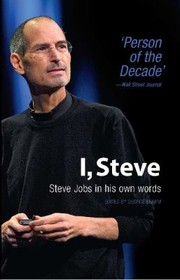
Steve Jobs's own words on business, technology, Apple and life.
Recommended by: Mohnish Pabrai
Jeff Bezos and Amazon's early years, from D. E. Shaw to the founding in 1994.
Recommended by: Mohnish Pabrai
An authorised biography of Ralph Roberts and the story of Comcast, which he founded.
A memoir from child soldier and political prisoner in China to American CEO.
Recommended by: Simon Sinek
Lessons in 'unreasonable thinking' from building companies and giving away wealth.
Recommended by: Mohnish Pabrai, Bill Gates
Amancio Ortega and Zara's fast-fashion model of short cycles and nearby factories.
A manifesto for finding one's own path to entrepreneurship through bold action.
Recommended by: Jim Kwik, Tony Hsieh
The short life of Danny Lewin and Akamai Technologies, which changed the internet.
“Yesterday I read No Better Time: The Brief, Remarkable Life of Danny Lewin, the Genius Who Transformed the Internet. It was awesome and I recommend it for any entrepreneur out there either working on a company or thinking about starting a company.” — Brad Feld
Source: Book: No Better Time — Feld Thoughts
Recommended by: Brad Feld
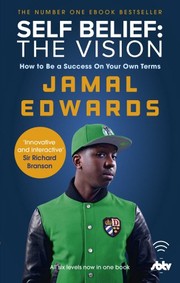
How a teenager with a camera built a music media empire on his own terms.
Recommended by: Richard Branson
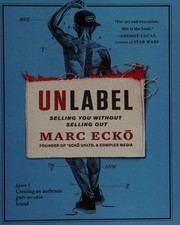
The founder of a clothing empire's formula for building an authentic brand.
Recommended by: Chase Jarvis
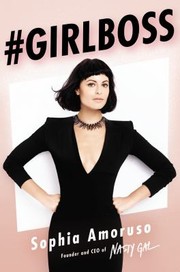
How a young woman went from dumpster diving to founding a fast-growing retailer.
Recommended by: Audrey Gelman
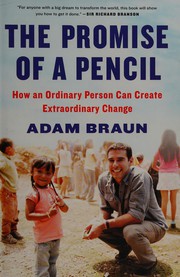
How a young man turned $25 into more than 200 schools around the world.
Recommended by: Jim Kwik, Richard Branson
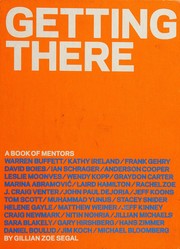
Thirty leaders in diverse fields on their paths to success.
Recommended by: Mohnish Pabrai
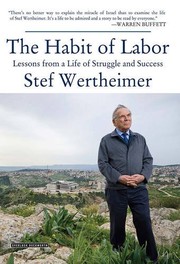
A refugee from Nazi Germany on learning a trade and building a life in Palestine.
Recommended by: Mohnish Pabrai
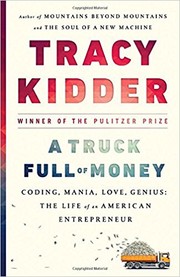
Paul English, a poor boy from working-class Boston who made a fortune in tech.
“And, if you are an entrepreneur, investor, or curious about the intersection of mental health and entrepreneurship, or just love a great non-fiction book that reads like a novel, A Truck Full of Money should be the next book you read.” — Brad Feld
Source: Book: A Truck Full of Money — Feld Thoughts
Recommended by: Brad Feld
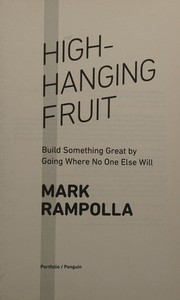
Why entrepreneurs should reach for hard, purpose-driven opportunities.
Recommended by: Jason Fried
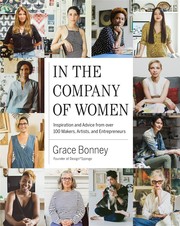
Over 100 women makers, artists and entrepreneurs on creativity and business.
Recommended by: Sheryl Sandberg
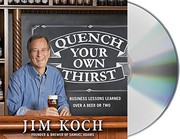
A brewer's business lessons, anecdotes and advice for building a career or a company.
Recommended by: Tony Hsieh
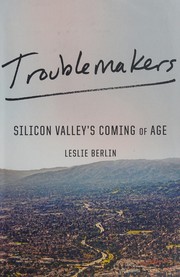
Seven pioneers of the Silicon Valley generation that started five industries.
Recommended by: Keith Rabois, Vinod Khosla, Aileen Lee and 1 other
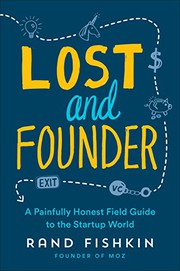
A founder on creating, running and leaving a tech company, with advice for others.
Recommended by: Jake Knapp
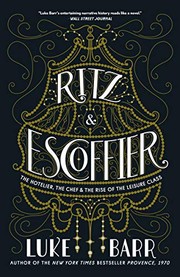
How the hotelier César Ritz and the chef Auguste Escoffier made luxury hotels.
Recommended by: Andrew Wilkinson

A student tracks down Bill Gates, Lady Gaga and others to learn how they broke in.
Recommended by: Ran Segall
A nightclub promoter, unhappy at the top, asks what the opposite of his life is.
Recommended by: Bill Gates, Michael Bloomberg
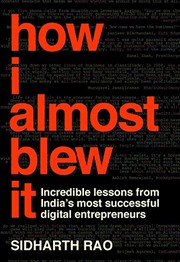
Indian entrepreneurs on the moments their companies nearly failed.
Recommended by: Girish Mathrubootham
An entrepreneur's life story and his case for the businesses capitalism builds.
Recommended by: Jason Calacanis, Terrance McArthur
The founder of Girls in Tech on the realities of start-up life for women.
Recommended by: Arianna Huffington
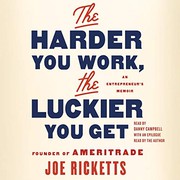
How a working-class Nebraskan founded TD Ameritrade and opened up Wall Street.
Recommended by: Donald Trump
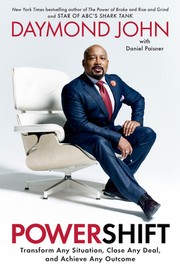
A process for using power in negotiations to close deals and reach a chosen outcome.
Recommended by: James Altucher
The memoir of the restaurateur behind Balthazar and Pastis in New York.
Recommended by: Andrew Wilkinson
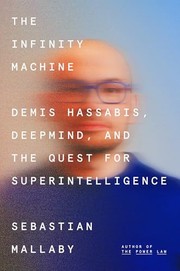
Fifteen years of AI through Demis Hassabis and DeepMind, from AlphaGo to AlphaFold.
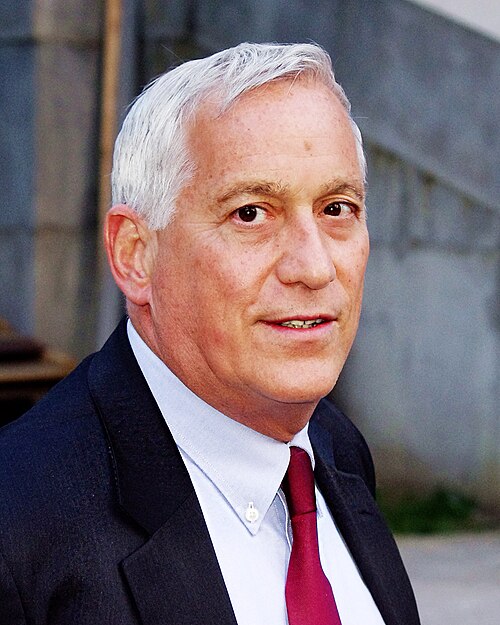 Walter Isaacsonwrote 3 books here
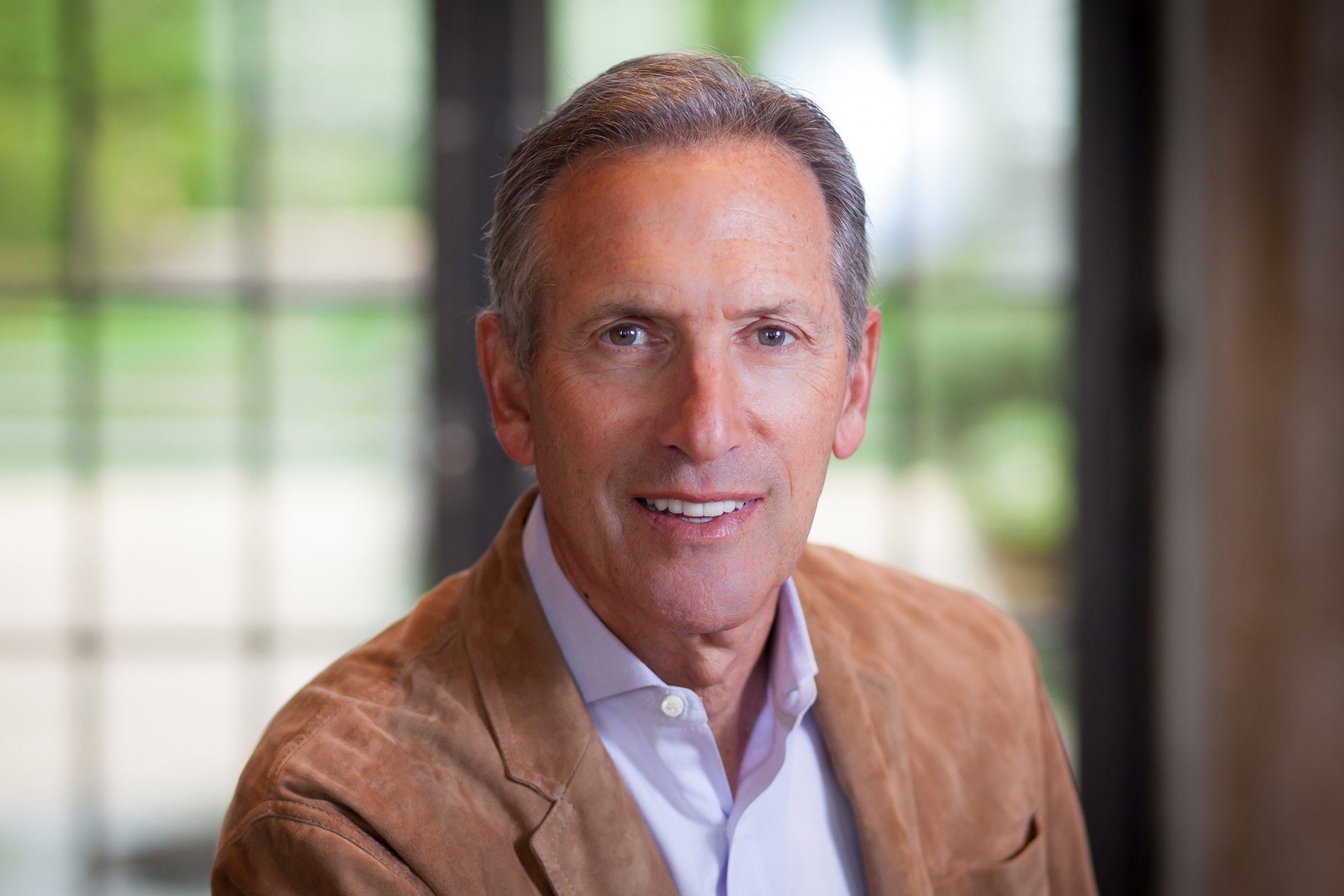 Howard Schultzwrote 3 books here
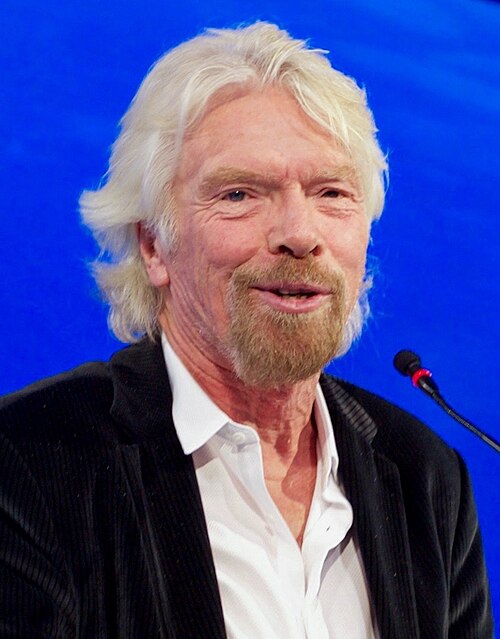 Richard Bransonwrote 3 books here
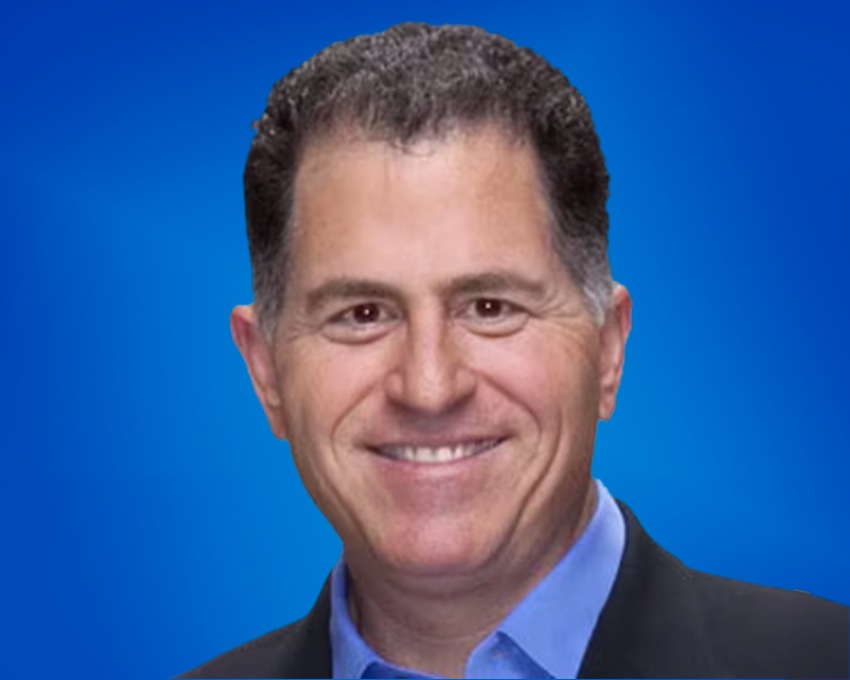 Michael Dellwrote 2 books here
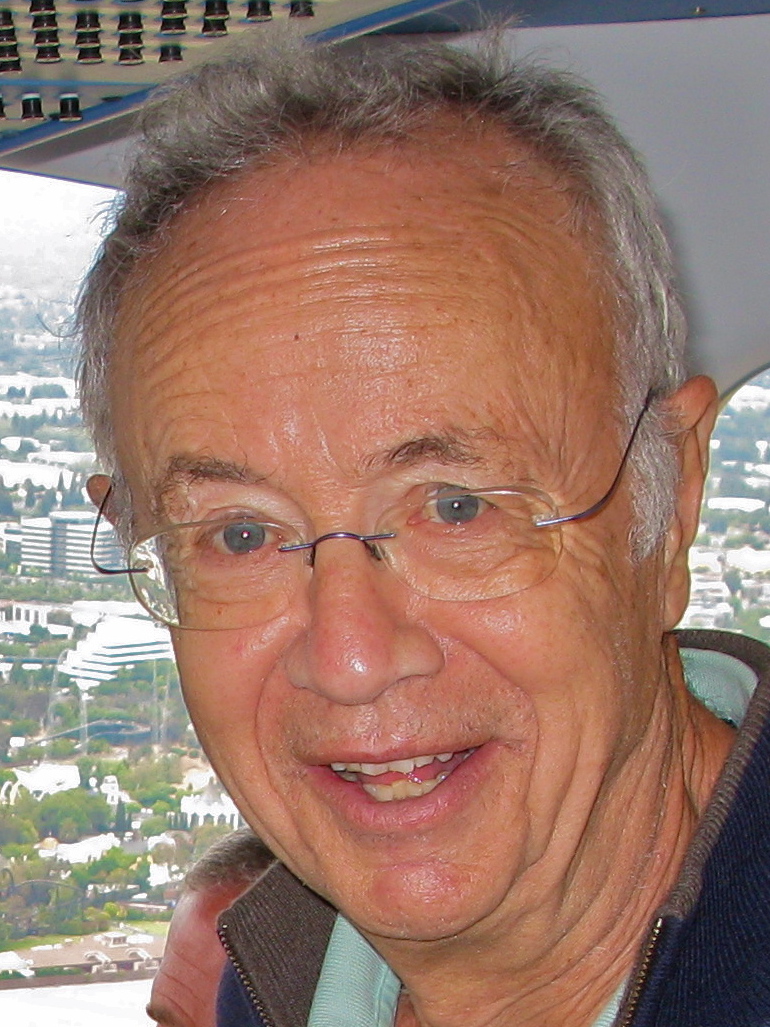 Andrew S. Grovewrote 1 book here
 Michael Lewiswrote 1 book here
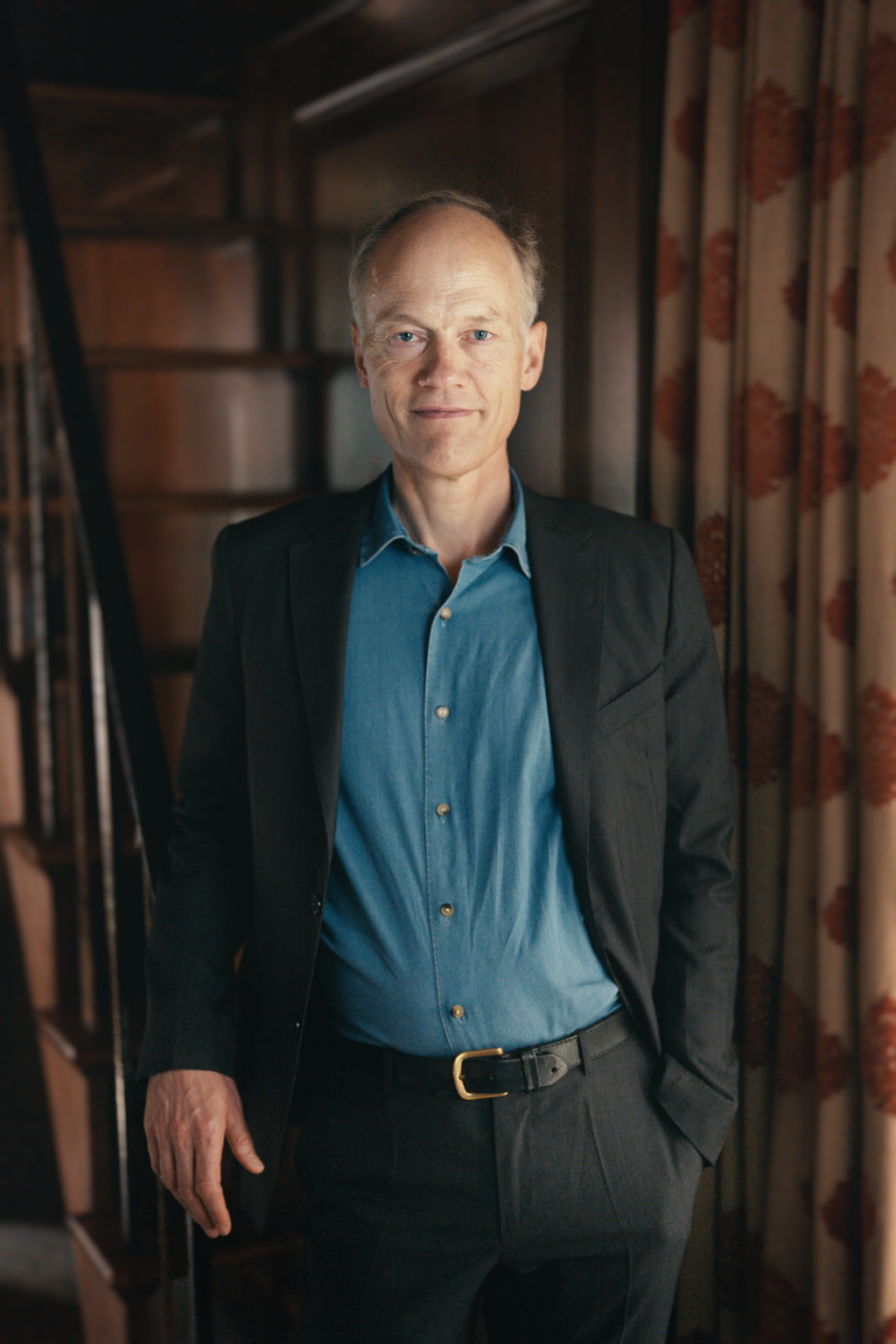 Sebastian Mallabywrote 1 book here
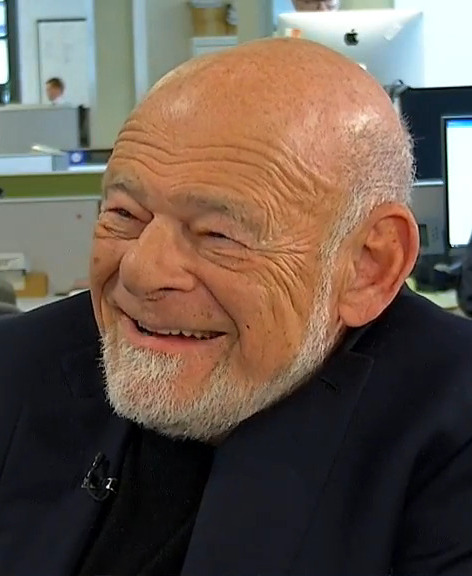 Sam Zellwrote 1 book here
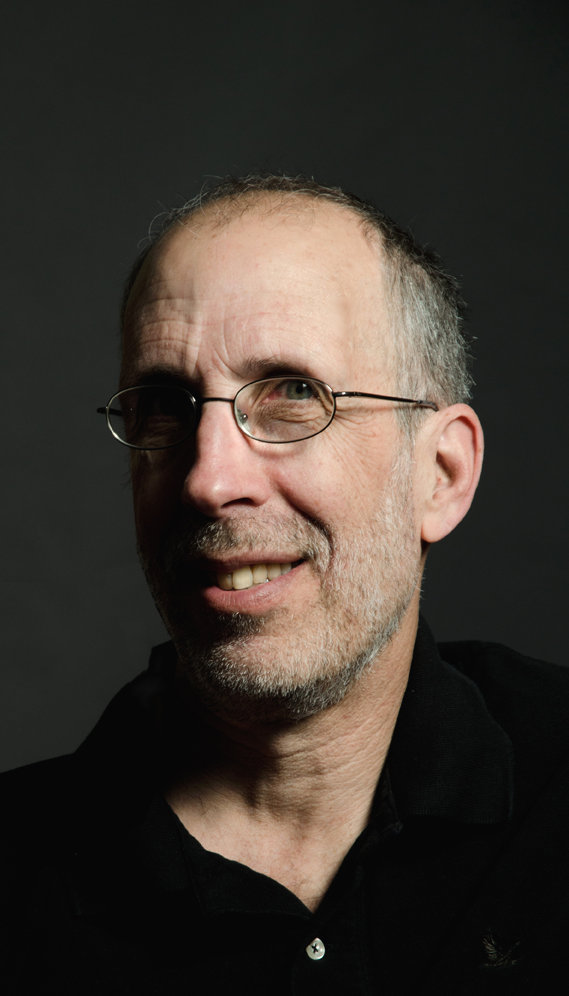 Randall E. Strosswrote 1 book here
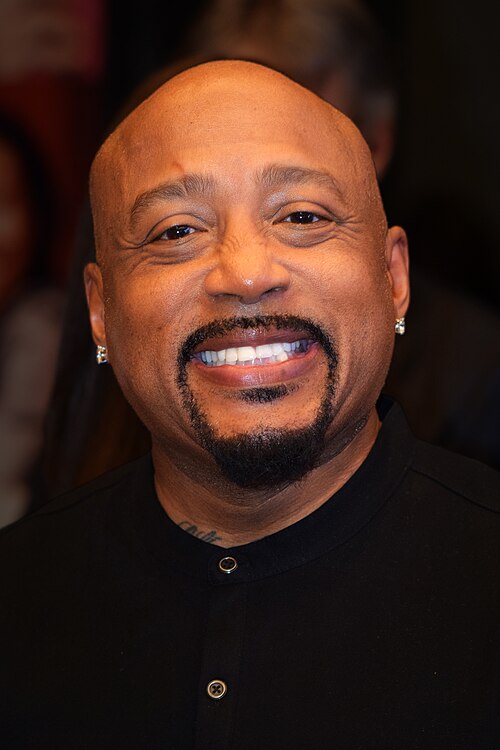 Daymond Johnwrote 1 book here
Show all 22
 Derek Siverswrote 1 book here
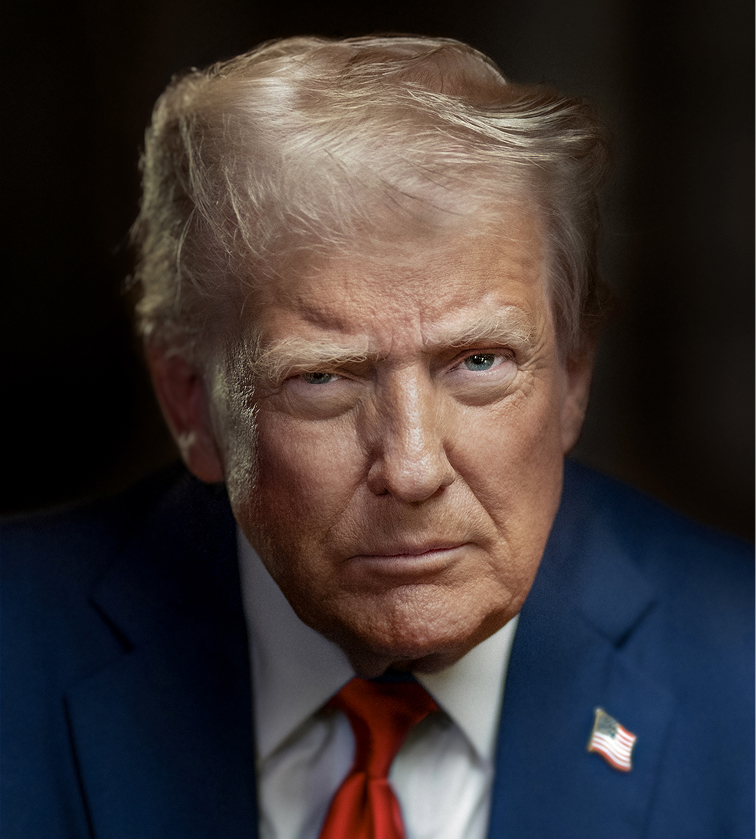 Donald Trumpwrote 1 book here
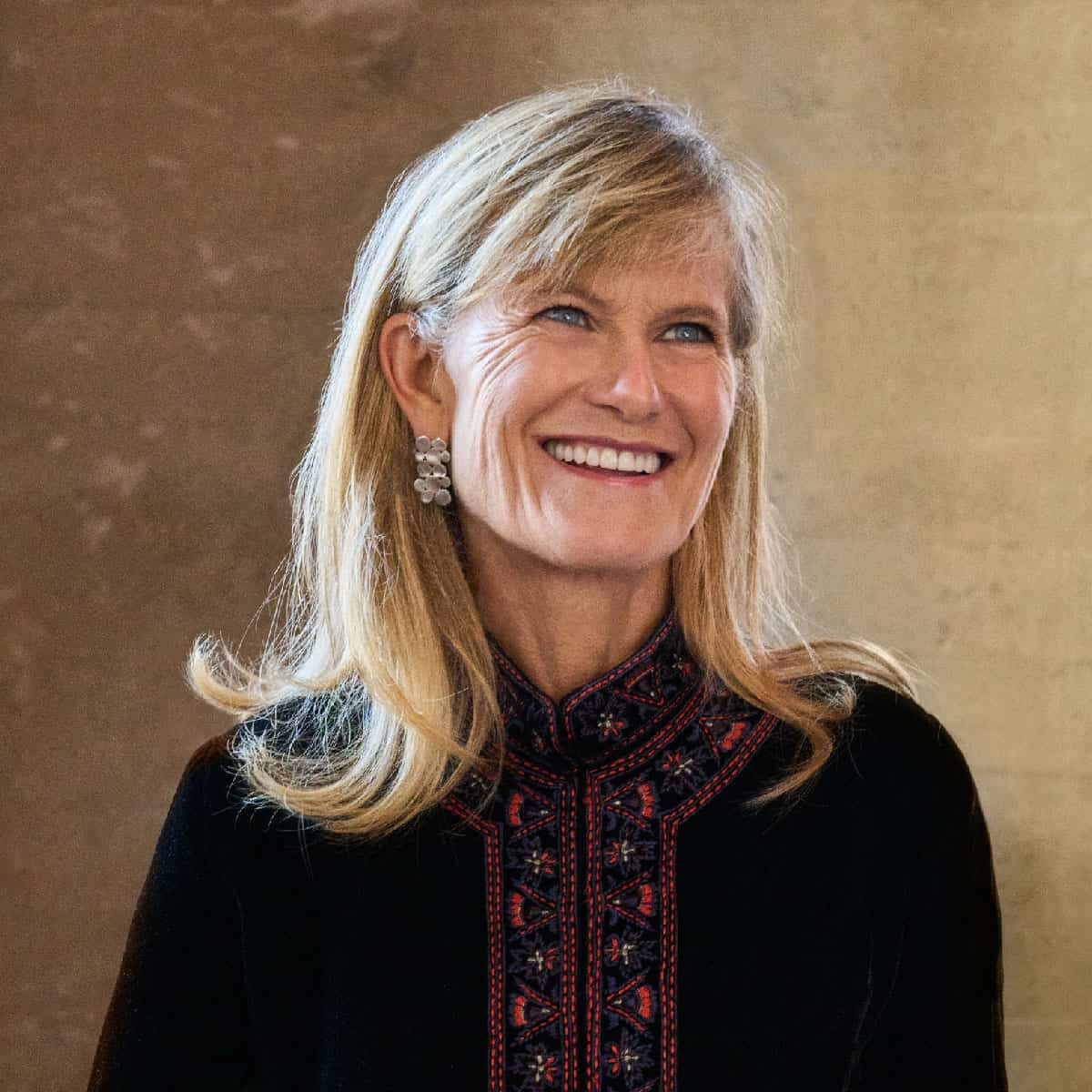 Jacqueline Novogratzwrote 1 book here
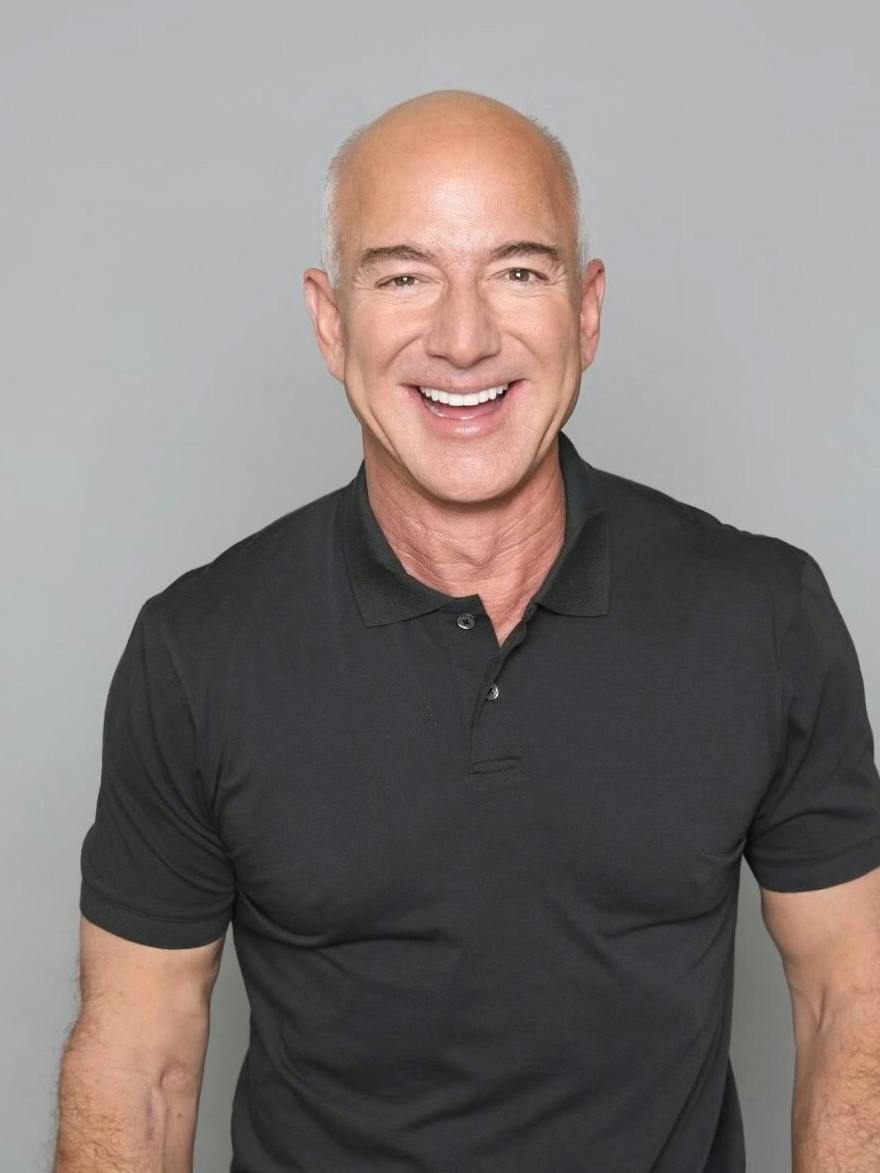 Jeff Bezoswrote 1 book here
 Jessica Livingstonwrote 1 book here
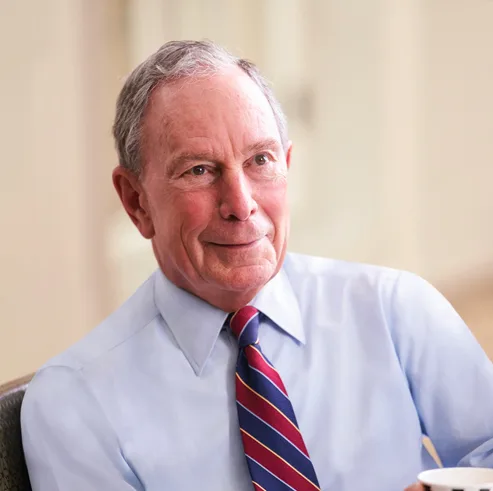 Michael Bloombergwrote 1 book here
 Ray Krocwrote 1 book here
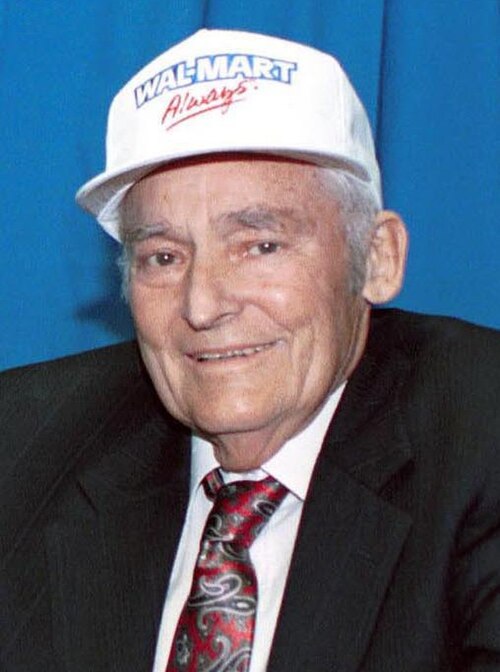 Sam Waltonwrote 1 book here
 Sophia Amorusowrote 1 book here
 Mohnish Pabrairecommends 41 books here
 Patrick Collisonrecommends 9 books here
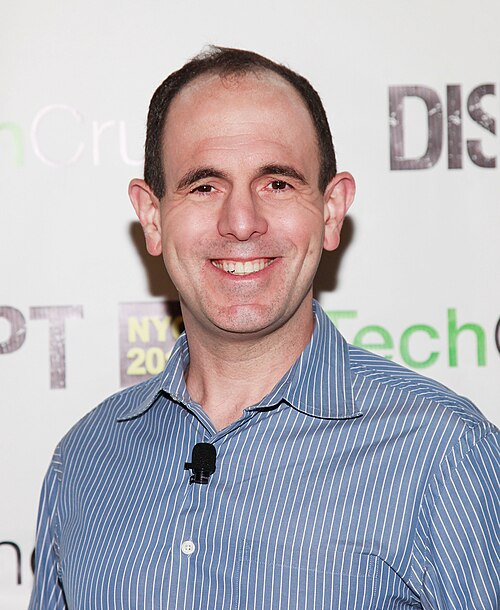 Keith Raboisrecommends 8 books here
 Bill Gatesrecommends 7 books here
 Marc Andreessenrecommends 6 books here
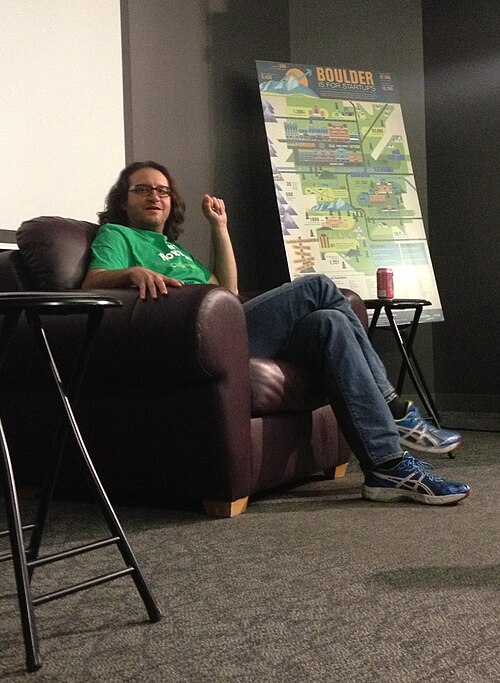 Brad Feldrecommends 6 books here
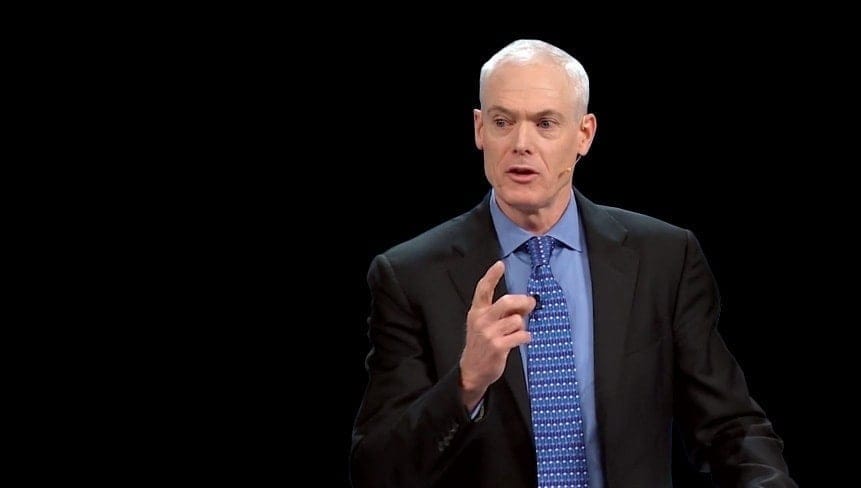 Jim Collinsrecommends 5 books here
 David Cancelrecommends 4 books here
 Terrance McArthurrecommends 4 books here
Show all 101
 Warren Buffettrecommends 3 books here
 Aaron Levierecommends 3 books here
 Drew Houstonrecommends 3 books here
 Jason Calacanisrecommends 3 books hereRichard Bransonrecommends 3 books here
 Ben Horowitzrecommends 2 books here
 Charlie Mungerrecommends 2 books here
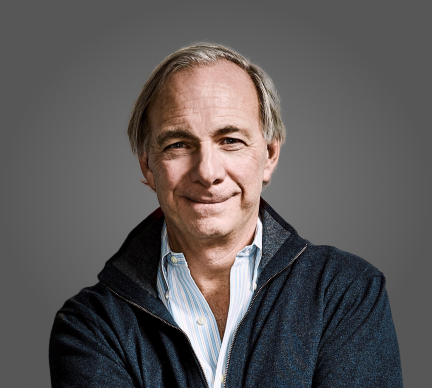 Ray Daliorecommends 2 books here
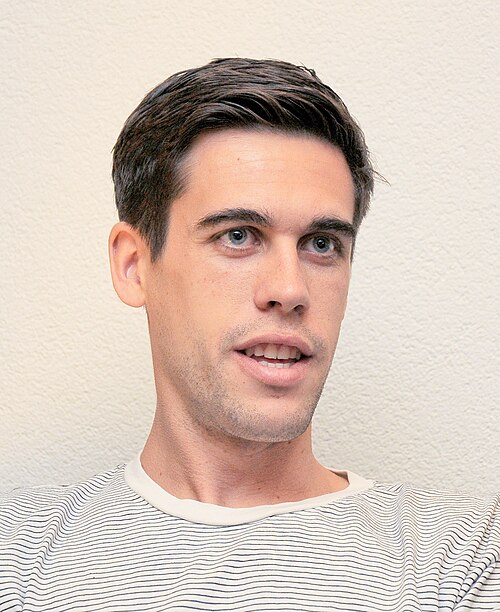 Ryan Holidayrecommends 2 books here
 Simon Sinekrecommends 2 books here
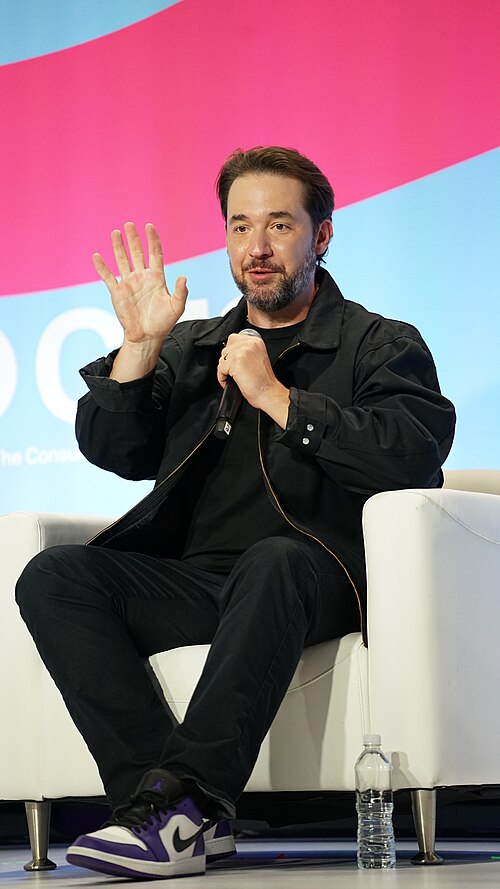 Alexis Ohanianrecommends 2 books here
 Andrew Chenrecommends 2 books here
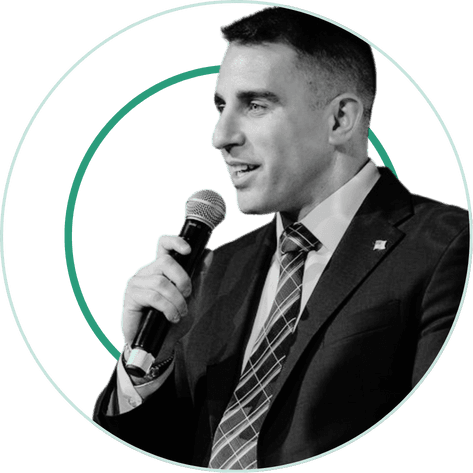 Anthony Pomplianorecommends 2 books here
 Brett Adcockrecommends 2 books here
 Brian Armstrongrecommends 2 books here
 Brian Cheskyrecommends 2 books hereDerek Siversrecommends 2 books here
 Fred Wilsonrecommends 2 books here
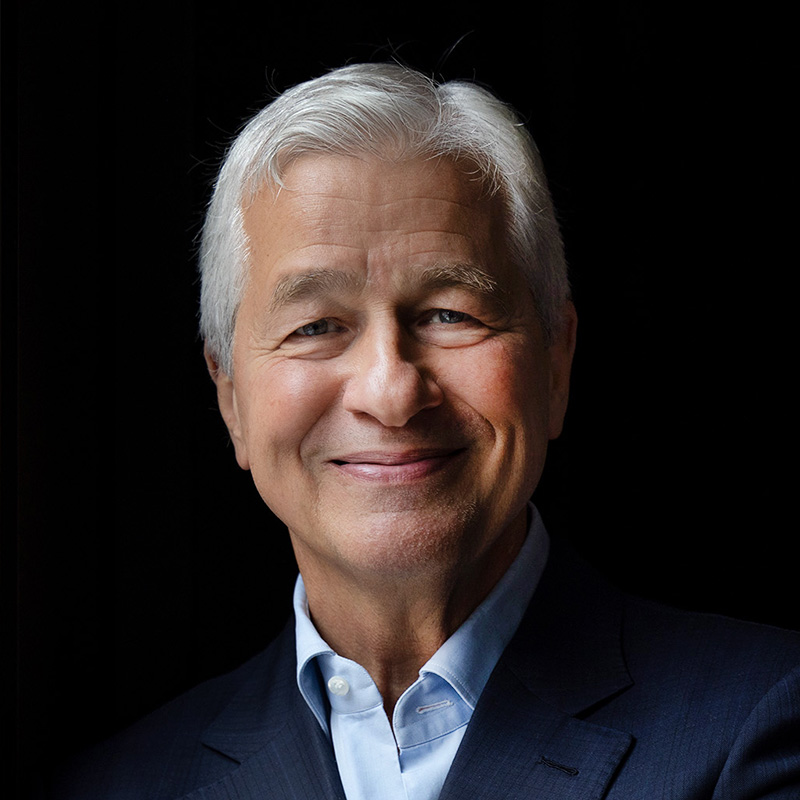 Jamie Dimonrecommends 2 books hereJeff Bezosrecommends 2 books here
 Michael Batkorecommends 2 books here
 Mr. Beastrecommends 2 books here
 Niki Scevakrecommends 2 books here
 Ran Segallrecommends 2 books here
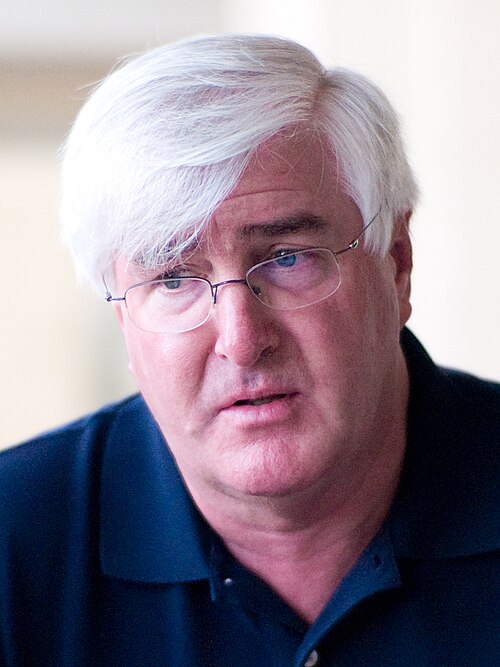 Ron Conwayrecommends 2 books here
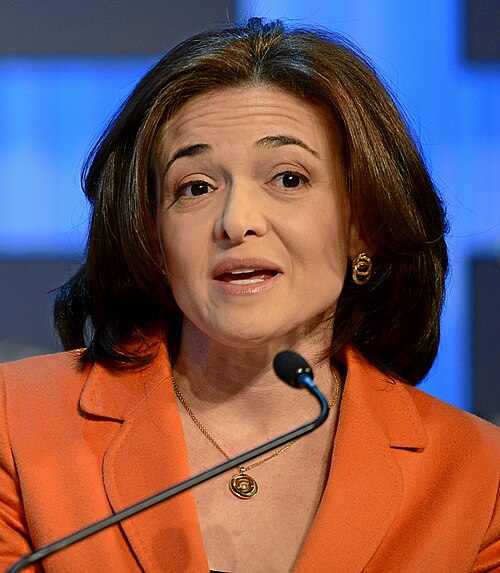 Sheryl Sandbergrecommends 2 books here
 Tony Hsiehrecommends 2 books hereAndrew S. Groverecommends 1 book here
 Howard Marksrecommends 1 book here
 Paul Grahamrecommends 1 book here
 Ed Catmullrecommends 1 book here
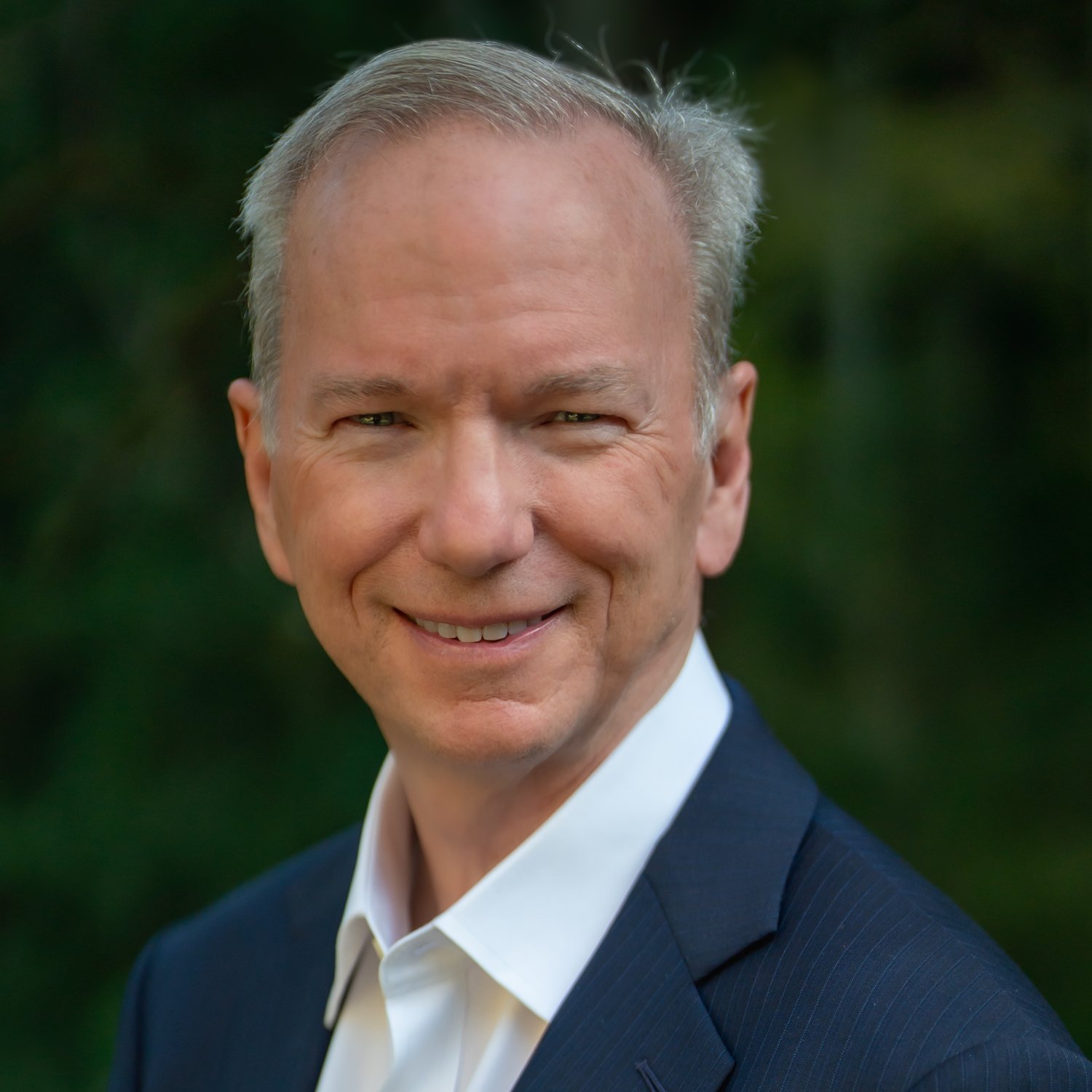 Eric Schmidtrecommends 1 book here
 John Doerrrecommends 1 book here
 Marc Benioffrecommends 1 book here
 Morgan Houselrecommends 1 book here
 Aileen Leerecommends 1 book here
 Alfred Linrecommends 1 book here
 Arianna Huffingtonrecommends 1 book here
 Audrey Gelmanrecommends 1 book here
 Bill Gurleyrecommends 1 book here
 Blake Mycoskierecommends 1 book here
 Chase Jarvisrecommends 1 book here
 Chris Fussellrecommends 1 book here
 Codie Sanchezrecommends 1 book here
 Daniel Ekrecommends 1 book here
 David Hellmannrecommends 1 book hereDonald Trumprecommends 1 book here
 Elon Muskrecommends 1 book here
 Ev Williamsrecommends 1 book here
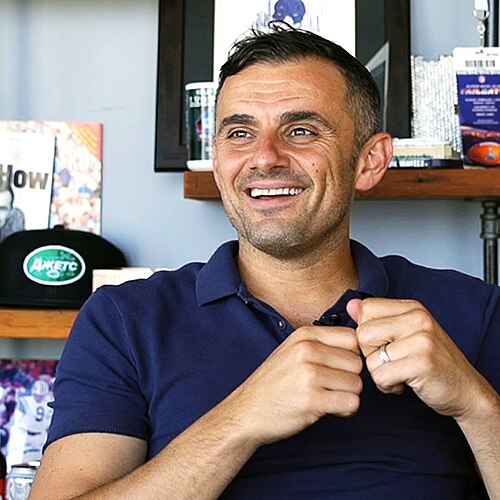 Gary Vaynerchukrecommends 1 book here
 George Hatzisrecommends 1 book here
 Jack Dorseyrecommends 1 book here
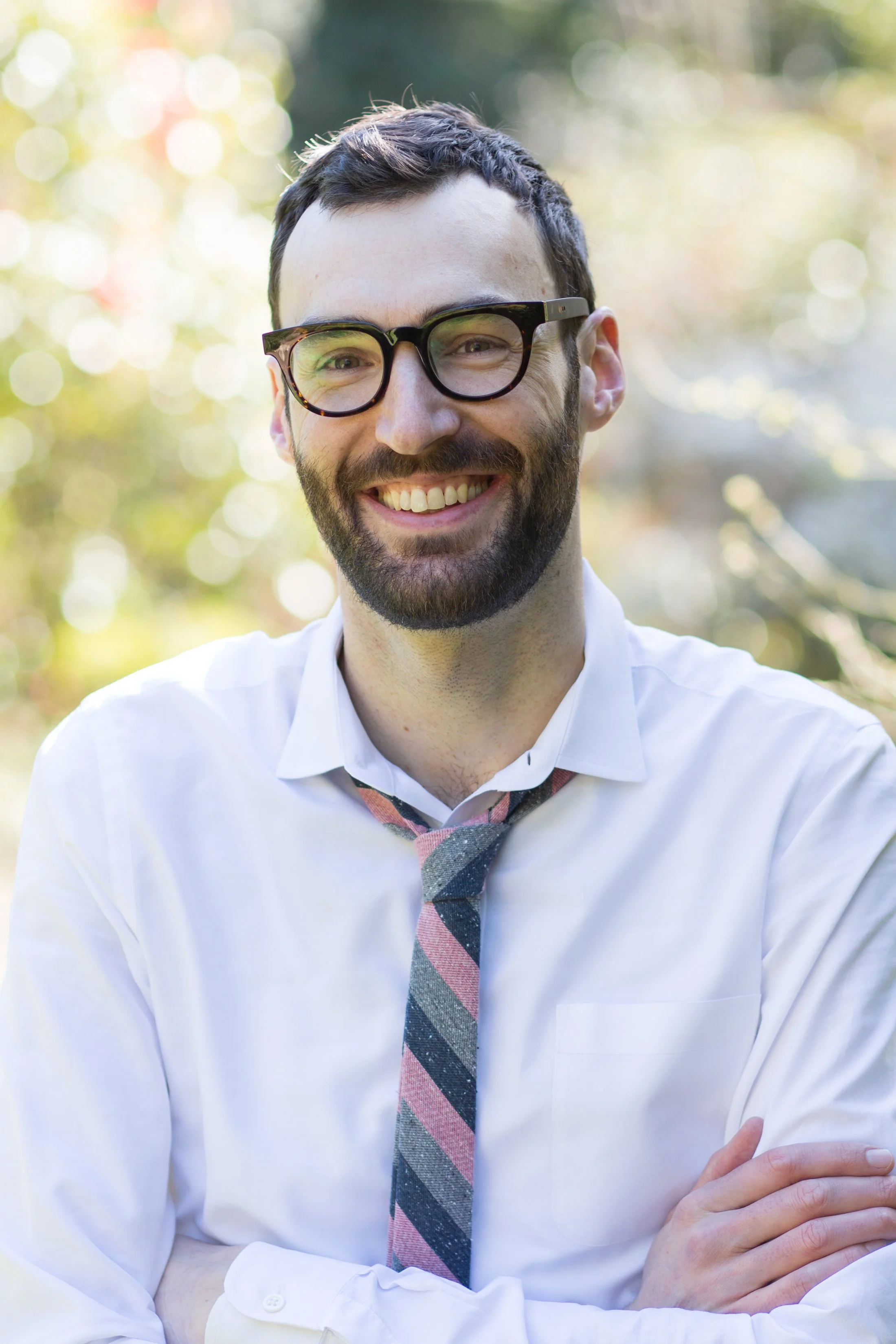 Jake Knapprecommends 1 book here
 James Altucherrecommends 1 book hereMichael Bloombergrecommends 1 book here
 Nat Eliasonrecommends 1 book here
 Nick Huberrecommends 1 book here
 Nick Molnarrecommends 1 book here
 Paul Jarvisrecommends 1 book here
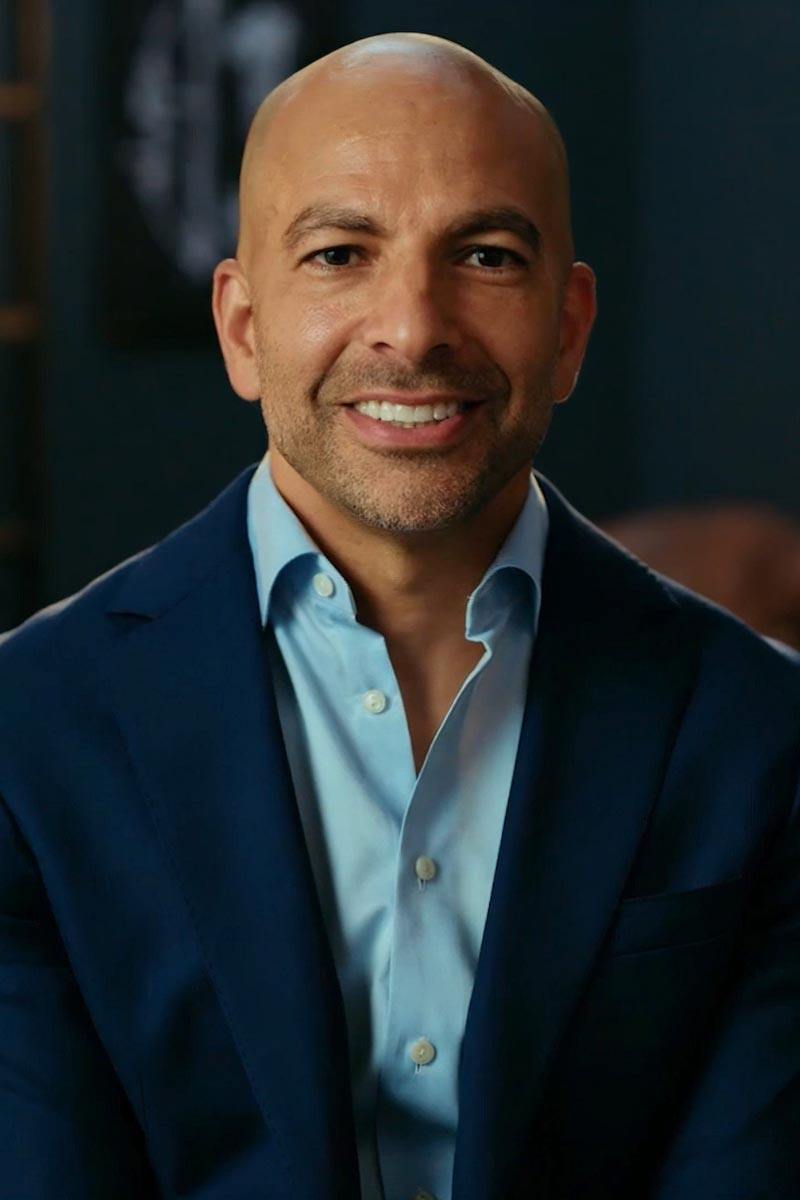 Peter Attiarecommends 1 book here
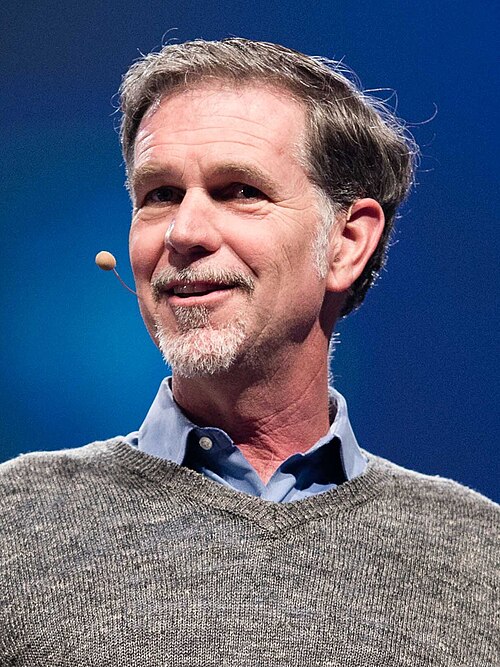 Reed Hastingsrecommends 1 book here
 Samantha Wongrecommends 1 book here
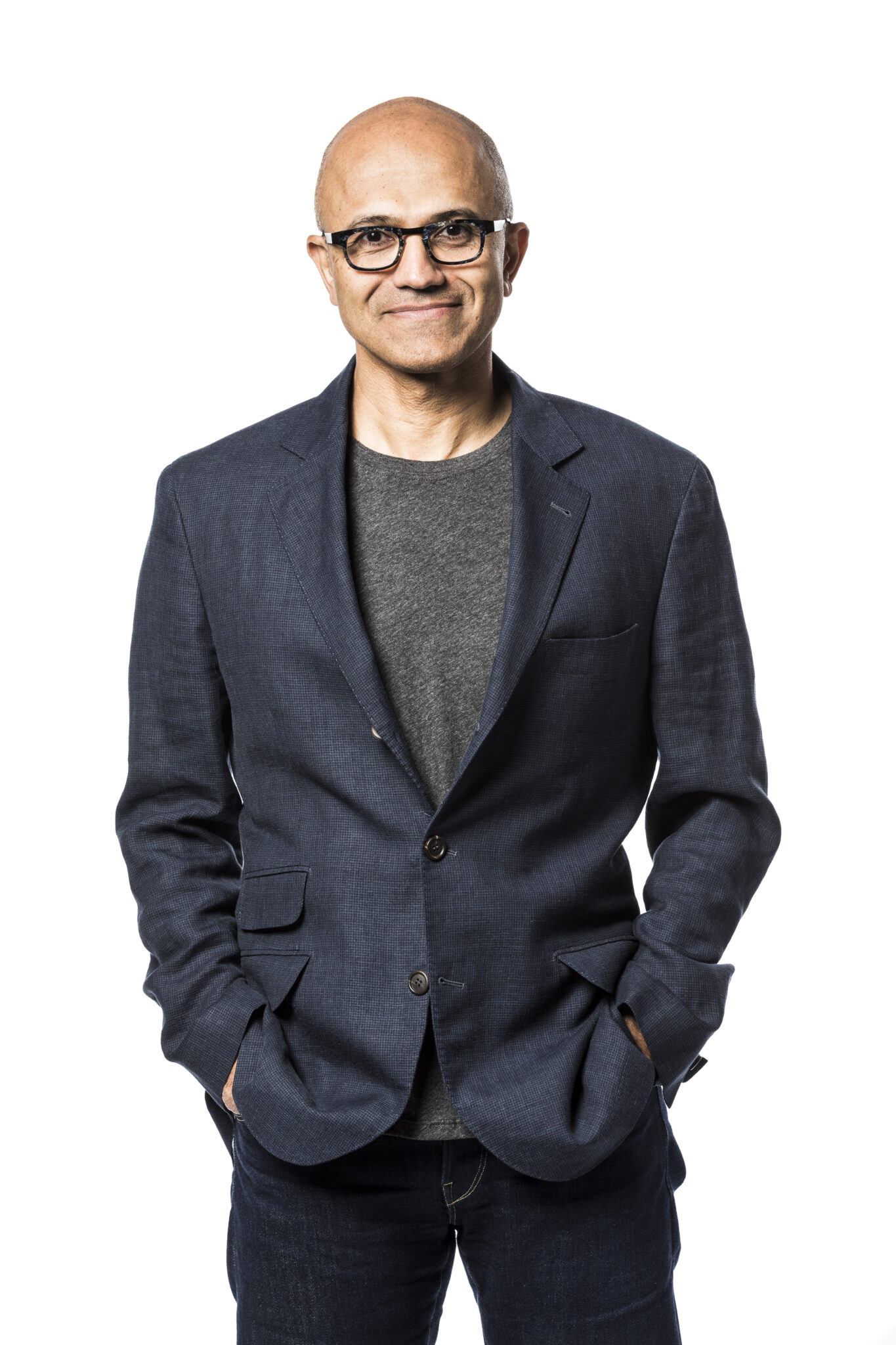 Satya Nadellarecommends 1 book here
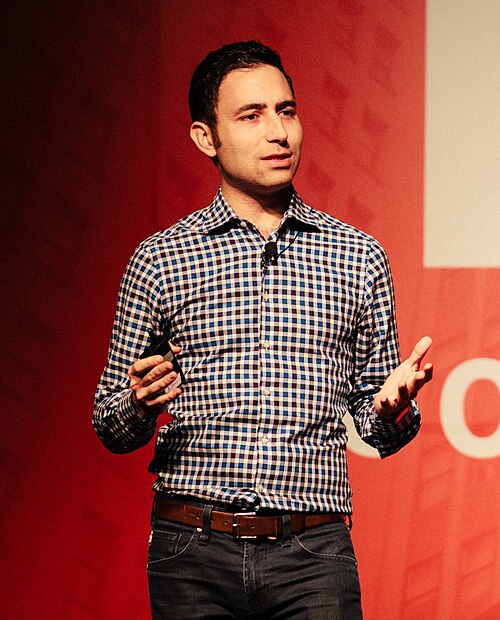 Scott Belskyrecommends 1 book here
 Tim Ferrissrecommends 1 book here
 Tom Bilyeurecommends 1 book here
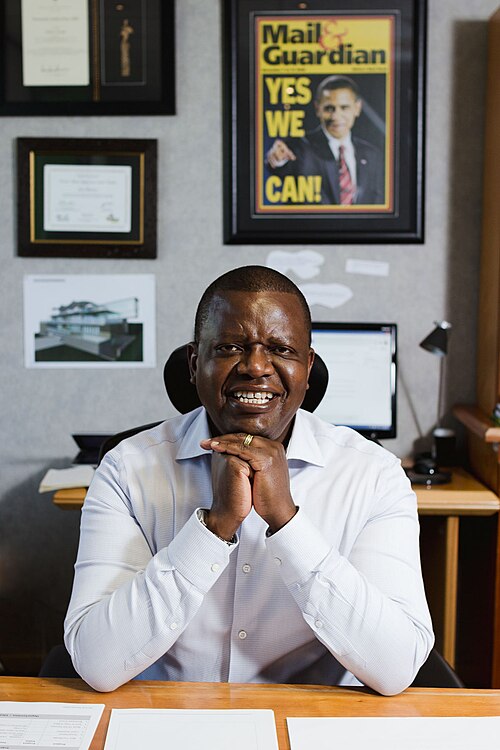 Trevor Ncuberecommends 1 book here
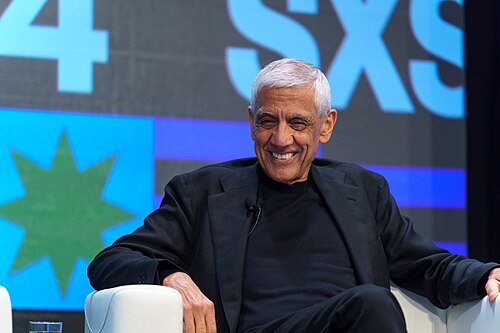 Vinod Khoslarecommends 1 book here
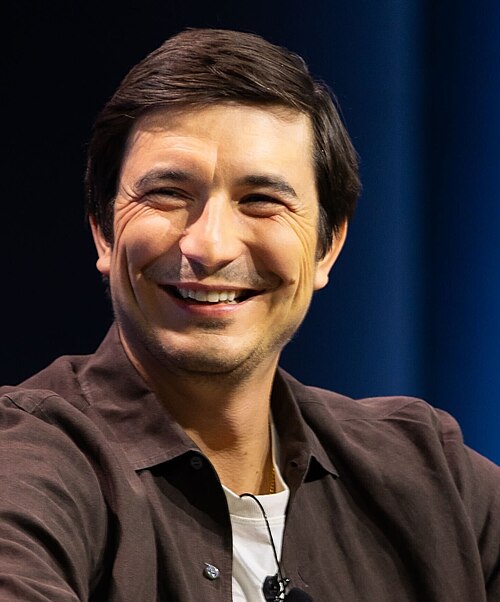 Vlad Tenevrecommends 1 book here