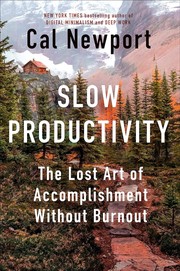
Slow Productivity
Doing fewer things at a natural pace, as an answer to busyness and burnout.
Summary
Cal Newport argues that the current idea of productivity treats busyness as a proxy for useful effort and produces endless task lists, constant meetings and burnout. He rejects both hustle culture and the abandonment of ambition, and proposes slow productivity as a sustainable alternative.
He draws his principles from the habits of traditional knowledge workers who produced lasting work long before email, among them Galileo, Isaac Newton, Jane Austen and Georgia O'Keeffe. The book combines cultural criticism of standard productivity with step-by-step advice: cutting and managing workload aggressively, working at a varied pace through the year with seasonal variation, and judging performance by the long-term quality of the work rather than by activity. Each principle comes with examples from the lives of these earlier thinkers and with practical rules for applying it in a modern office job.
Key takeaways 5
- Visible busyness is a poor measure of valuable knowledge work.
- Taking on fewer things at once lets each one get done well.
- Work can follow a seasonal rhythm, with intense periods and slower ones.
- Quality that lasts is a better target than volume of output.
- Scientists, writers and artists of earlier centuries offer working models for modern knowledge work.
Who should read it
Knowledge workers and managers overwhelmed by meetings and task lists who want a principled way to do less and better work.
Who recommended it 1 · 1 direct
Similar books 6
Chosen by shared topics, the entries that hold them, and the people who recommended both.
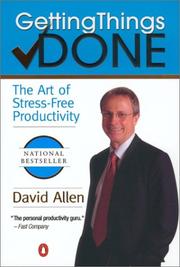
Get commitments out of your head into a trusted system, and decide next actions.
“Classic book with near-cult following. How to manage every last itty bitty tiny thing in your life. Keep your inbox empty. Re-read 16 years later. Still great.” — Derek Sivers
Source: Derek Sivers book notes (primary, rated list) · Rating: 9/10
Recommended by: Andrew Wilkinson, Derek Sivers, Tony Hsieh and 6 others
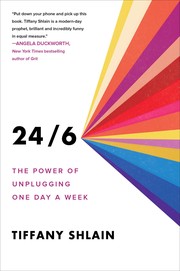
How turning off screens one day a week brings more time, creativity and connection.
Recommended by: Arianna Huffington
A philosophy of time for mortals, and how to make the most of a finite life.
Recommended by: Matt Mullenweg
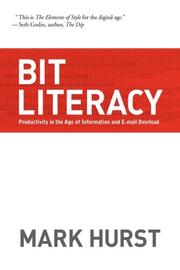
How to manage email, files and information without being overwhelmed.
Recommended by: Ev Williams
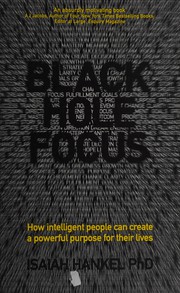
How to build a focus strong enough to give your life a powerful purpose.
Recommended by: Nat Eliason
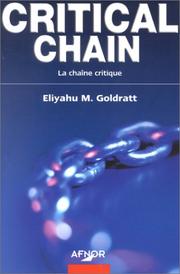
A novel applying the theory of constraints to finishing projects on time.