
Psychology and Behaviour
The mind and behaviour — cognition, bias, emotion, motivation, personality and social psychology — including the popular behavioural-science canon. Read by anyone trying to understand why people, themselves included, act as they do.
Start here
- Extraordinary Popular Delusions and the Madness of CrowdsCharles Mackay, 1841
- The Crowd: A Study of the Popular MindGustave Le Bon, 1895
- The True BelieverEric Hoffer, 1951
- GroupthinkIrving L. Janis, 1972
- Flow: The Psychology of Optimal ExperienceMihaly Csikszentmihalyi, 1990
Crowd manias from the Mississippi scheme and South Sea Bubble to witch trials.
“We find whole communities suddenly fix their minds upon one object, and go mad in its pursuit,” wrote Charles Mackay in Extraordinary Popular Delusions and the Madness of Crowds (1841), which contains descriptions of early speculative manias.” — Jeremy Grantham
Source: Valuing AI: Extreme Bubble, New Golden Era - or Both?, page 6
Recommended by: Barton Biggs, Bernard Baruch and 6 others
How individuals lose judgement in a crowd and how leaders sway crowds.
Recommended by: Frank Martin, Mohnish Pabrai, Peter Cundill and 1 other

Why mass movements of every kind draw the same frustrated people and use one method.
“And here the best book is called the True Believer, which is the Eric Hoffer book.” — Marc Andreessen
Recommended by: Joe Rosenberg, Marc Andreessen and 6 others
How the wish for agreement in close groups led to fiascos like the Bay of Pigs.
“Irving Janis, Groupthink: Psychological Studies of Policy Decisions and Fiascoes, 2nd ed. (Boston, MA: Houghton Mifflin, 1982)” — Michael Mauboussin
Source: Building an Effective Team: How to Manage a Team to Make Good Decisions, page 17
Recommended by: Adam Weiss, Barton Biggs, Michael Mauboussin
Flow, the state of full absorption in a hard task, and how to find it more often.
“…books I've recommended, highlighted to death, or forced on friends.” — Andrew Wilkinson
Source: Andrew Wilkinson's Bookshelf, neverenough.com
Recommended by: Andrew Wilkinson, Jim Collins and 2 others

Papers on how people choose under risk, from prospect theory to framing.
A 20-year test of 28,000 expert forecasts: foxes with many models beat hedgehogs.
“All pundits and commentators should publish their prediction track records, yet don't. What to pay attention to and what to ignore.” — Marc Andreessen
Source: @pmarca, 'Thread: Books I've recently read and recommend'
Recommended by: Marc Andreessen, Michael Mauboussin and 2 others
Speeches making the case for a latticework of mental models from many fields.
“…books I've recommended, highlighted to death, or forced on friends.” — Andrew Wilkinson
Source: Andrew Wilkinson's Bookshelf, neverenough.com
Recommended by: Andrew Wilkinson, Charlie Munger and 26 others
How slot machines are designed to keep gamblers playing longer.
Recommended by: Nir Eyal, Tristan Harris
Where you direct attention just before a message shapes how it is received.
“An interesting look at a single topic: what someone encounters beforehand greatly affects the influence of what comes after. Priming.” — Derek Sivers
Source: Derek Sivers book notes (primary, rated list) · Rating: 6/10
Recommended by: Derek Sivers, Michael Mauboussin and 1 other
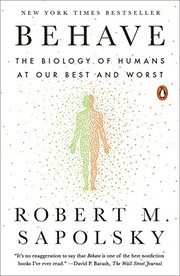
Explains an action by tracing its causes back from neurons to hormones to evolution.
“…books I've recommended, highlighted to death, or forced on friends.” — Andrew Wilkinson
Source: Andrew Wilkinson's Bookshelf, neverenough.com
Recommended by: Andrew Wilkinson, Vinod Khosla, Bill Gates and 5 others
Techniques for handling people, being liked and winning others to your view.
“If you want to learn what people want, read Dale Carnegie's How to Win Friends and Influence People.” — Paul Graham
Source: Why Smart People Have Bad Ideas
Recommended by: Mohnish Pabrai, Patrick Collison and 14 others

How 1950s advertisers used psychological research to sway buyers.
Performing under pressure by quieting the self-interference that spoils play.
“When I played tennis as a teenager, I remember reading The Inner Game of Tennis: The Classic Guide to the Mental Side of Peak Performance by Tim Gallwey. Near the end of my recent sabbatical + birthday vacation, after almost seven weeks of tennis where I played at least five days a week, I decided to read it again.” — Brad Feld
Source: Book: The Inner Game of Tennis — Feld Thoughts
Recommended by: Bill Gates, Brad Feld, Nat Eliason and 1 other
What organisational culture is, how it forms, and how it bears on leadership.
Sex evolved as a defence against parasites, and that shapes human mating.
“I really highly, highly recommend picking up Genome, The Red Queen, Origins of Virtue, The Rational Optimist, and The Evolution of Everything.” — Naval Ravikant
Source: The Tim Ferriss Show — Naval Ravikant Q&A, full transcript
Recommended by: Mohnish Pabrai, Naval Ravikant, Seth Klarman and 1 other
Language as a human instinct, and what science knows of grammar and learning.
“He gave me this book called The Language Instinct, written by Steven Pinker... And Pinker proves his point pretty well.” — Charlie Munger
Source: Poor Charlie's Almanack, Talk Two: A Lesson on Elementary, Worldly Wisdom
Recommended by: Charlie Munger, Michael Mauboussin and 3 others
Evolutionary psychology explained through Darwin's own life and behaviour.
Recommended by: Mohnish Pabrai, Ryan Holiday, Morgan Housel and 2 others
Chronic stress and how it affects the quality of decisions.
“Robert M. Sapolsky, Why Zebras Don’t Get Ulcers: Un Updated Guide to Stress, Stress-Related Disease, and Coping (New York: W.H. Freeman and Company, 1994)” — Michael Mauboussin
Source: Long-Term Investing: How I Learned to Stop Worrying and Ignore Volatility, page 6
Recommended by: Jim Collins, Michael Mauboussin
Preference falsification: why people hide their views and how that hides change.
“So this is one of the all time great books. Incredible.” — Marc Andreessen
Source: Lex Fridman Podcast #458 transcript — Marc Andreessen
Recommended by: Marc Andreessen
Thirty-three strategies of conflict drawn from Napoleon, Hannibal, Thatcher and more.
Recommended by: Ryan Holiday
Forty-eight rules for gaining and keeping power, each shown by historical episodes.
“Warning: some think this book is pure evil. But power exists, so it can only help to understand it better, even if you choose not to wield it.” — Derek Sivers
Source: Derek Sivers book notes (primary, rated list) · Rating: 8/10
Recommended by: Derek Sivers, Nat Eliason, Ryan Holiday and 4 others
Why parents have less effect on how children turn out than people assume.
“the one thing that I found to be really interesting, and to some degree liberating, is the work of Judith Rich Harris” — Michael Mauboussin
Source: The Tim Ferriss Show #659 — official transcript
Recommended by: Michael Mauboussin
A step-by-step approach to business negotiation from Wharton's negotiation workshop.
Data showing that low-expectation stocks beat popular ones over the long run.
“all these people really were helpful in forming and getting me involved in investing” — Joel Greenblatt
Source: Masters in Business transcript: Joel Greenblatt (2018)
Recommended by: Joel Greenblatt, Michael Mauboussin and 2 others
What watching shoppers in stores shows about how visits turn into sales.
Seducer types, victim types and a step-by-step process of attraction from history.
Recommended by: Nat Eliason
Seven everyday ways memory fails, from fading over time to blocking a known name.
Recommended by: Shane Parrish
How genes and experience interact, each shaping how the other acts.
Recommended by: Naval Ravikant
Beyond a point, more options make people less likely to choose and less satisfied.
“Faced with many options or decisions in your life? This will change the way you look at them. We feel worse when we have too many options.” — Derek Sivers
Source: Derek Sivers book notes (primary, rated list) · Rating: 9/10
Recommended by: Derek Sivers, Nat Eliason, Nick Sleep and 1 other
People who think ability grows with effort learn more than those who think it fixed.
“One of the reasons I loved Mindset is because it's solutions-oriented.” — Bill Gates
Source: Gates Notes review of Mindset
Recommended by: Bill Gates, Derek Sivers, Michael Mauboussin and 16 others
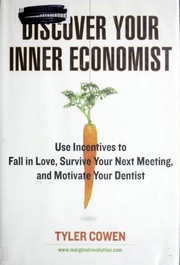
Economics for daily life: motivating people, choosing food, giving to charity.
“Recommendations for the transactions of life. When to give to charity, what restaurants to choose, what insurance to buy, etc. He makes a rational case for these, often surprising, from an economics point of view.” — Derek Sivers
Source: Derek Sivers book notes (primary, rated list) · Rating: 8/10
Recommended by: Derek Sivers, Graham Duncan
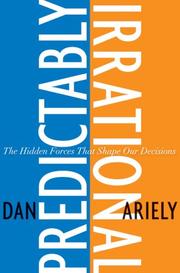
Experiments showing that people depart from rational choice in repeatable ways.
“My favorite type of book: pointing out and understanding all of the counter-intuitive things people do.” — Derek Sivers
Source: Derek Sivers book notes (primary, rated list) · Rating: 7/10
Recommended by: Derek Sivers, Michael Mauboussin and 10 others
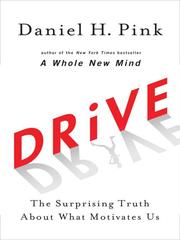
Rewards work for routine tasks; creative work runs on autonomy, mastery and purpose.
“Essential for all managers. Deep surprising study of motivation at work. Extrinsic vs intrinsic. Work vs play. When money is used as an external reward for some activity, the subjects lose intrinsic interest for the activity.” — Derek Sivers
Source: Derek Sivers book notes (primary, rated list) · Rating: 8/10
Recommended by: Derek Sivers, Michael Mauboussin and 4 others
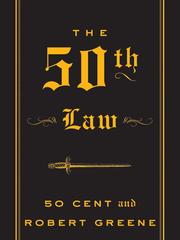
Lessons on fearlessness drawn from the life of the rapper 50 Cent.
Recommended by: Nat Eliason
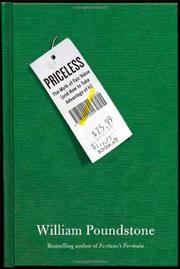
People have no fixed sense of value, so context and anchors set the prices they pay.
“For a good popular treatment of this topic, see William Poundstone, Priceless: The Myth of Fair Value (and How to Take Advantage of It) (New York: Hill and Wang” — Michael Mauboussin
Source: Blaming the Rat: Incentives, Motivation, and How They Interact, page 14
Recommended by: Michael Mauboussin, Mohnish Pabrai and 1 other

Evidence that violence of nearly every kind has declined over history, and why.
“I think the one that has had the biggest impact on me and the one that I've given the most number of people has been [The Better Angels of Our Nature].” — Eric Schmidt
Source: The Tim Ferriss Show Transcripts: Eric Schmidt (#367)
Recommended by: Bill Gates, Eric Schmidt, Mohnish Pabrai and 7 others
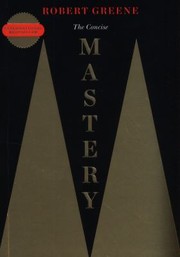
How masters from Leonardo to Faraday found a life's task and served apprenticeships.
“Mostly detailed historical biographical tales of ”masters” like DaVinci, Darwin, Mozart, Proust, Goethe, Wright Brothers, Einstein, Coltrane, Martha Graham, etc. Lessons dissected from their successes, and categorized. Similar format to his great book “48 Laws of Power”, but a little less effective here. The biographies were interesting, but lessons were mostly conventional wisdom.” — Derek Sivers
Source: Derek Sivers book notes (primary, rated list) · Rating: 5/10
Recommended by: Derek Sivers, Nat Eliason, Ryan Holiday and 6 others
Experiments showing most cheating is many people cheating a little.
Recommended by: Mohnish Pabrai
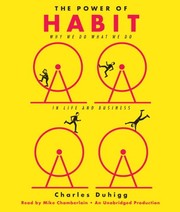
The habit loop of cue, routine and reward, and how to change a habit by its routine.
“Great dissection and analysis of what creates habits, and the power of changing just one of three steps in the habit loop.” — Derek Sivers
Source: Derek Sivers book notes (primary, rated list) · Rating: 7/10
Recommended by: Derek Sivers, Mohnish Pabrai, Nat Eliason and 7 others
Most decisions improve if you wait until the last responsible moment.
Recommended by: Tom Peters
Givers, takers and matchers, and why givers end up both at the bottom and the top.
“If you feel you are too generous, or too greedy, or are wary and insist on reciprocation, consider reading this research-based look at the subject of these different personality types. Counter-intuitive findings.” — Derek Sivers
Source: Derek Sivers book notes (primary, rated list) · Rating: 6/10
Recommended by: Derek Sivers, Mohnish Pabrai, Alex Lieberman and 4 others
People can't act randomly, and how to exploit that in games, tests and markets.
Recommended by: Mohnish Pabrai
What the marshmallow test shows about self-control, and how to master it.
How behavioural economics was built against economists who assumed rational agents.
“He opens his new book, Misbehaving, with Vilfredo Pareto’s assertion that “the foundation of political economy and, in general, of every social science, is evidently psychology.” — Howard Marks
Source: On the Couch, page 1
Recommended by: Howard Marks, Michael Mauboussin and 2 others
How people champion new ideas, and how leaders can encourage originality.
Recommended by: David Perell, Mohnish Pabrai and 9 others
Experiments showing people work for meaning and recognition, not just money.
Recommended by: Tim Ferriss, Alfred Lin
Why money is hard to think about, and the errors people make in spending.
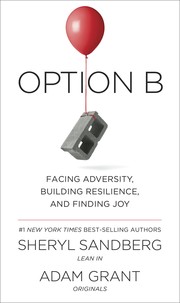
Building resilience after loss, starting from the sudden death of a husband.
“I read Sheryl Sandberg and Adam Grant’s book Option B: Facing Adversity, Building Resilience, and Finding Joy a few weeks ago. It’s a must read for every human on this planet.” — Brad Feld
Source: Book: Option B — Feld Thoughts
Recommended by: Brad Feld, Sheryl Sandberg
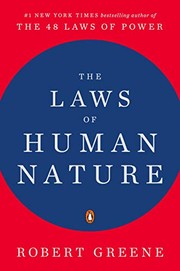
Eighteen patterns of human behaviour, from irrationality on, and how to handle them.
“If you've ever been curious about psychology or human behavior, it is by far the most comprehensive and memorable book I've found.” — Andrew Wilkinson
Source: Newsletter
Recommended by: Andrew Wilkinson, Library Mindset
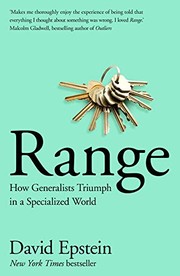
Early specialisation works only where rules are stable; elsewhere breadth wins.
“In the book Range: Why Generalists Triumph in a Specialist World2, author David Epstein argues that many fields have gone so overboard with specialization that generalists are now the more valuable problem solvers.” — Bill Nygren
Source: Bill Nygren Market Commentary | 2Q19
Recommended by: Bill Gates, Bill Nygren, Michael Mauboussin and 12 others
Lessons from 25 years of interviews with investors from Templeton to Munger.
“See William Green, Richer, Wiser, Happier: How the World’s Greatest Investors Win in Markets and Life (New York: Scribner, 2021)” — Michael Mauboussin
Source: Birth, Death, and Wealth Creation: Why Investors Need to Understand Corporate Demographics, page 24
Recommended by: Michael Mauboussin, Nick Sleep
366 daily lessons on power, seduction, mastery, strategy and human nature.
Recommended by: Ryan Holiday
Rethinking your beliefs is a skill apart from intelligence, and how to practise it.
“In his book Think Again,1 author Adam Grant points out, “Intelligence is traditionally viewed as the ability to think and learn.” — Bill Nygren
Source: Bill Nygren Market Commentary | 1Q21
Recommended by: Bill Nygren, Jim O'Shaughnessy and 1 other
How the internet can spread generosity and make giving a force for good.
Recommended by: Bill Gates
How poker players, hedge fund managers and venture capitalists think about risk.
Common knowledge, where everyone knows that everyone knows, and what it does.
Recommended by: Bill Gates
Essays on reading crowd opinion as a signal to think the opposite.
Experiments from psychology showing the systematic errors in how people reason.
How biases such as anchoring and the winner's curse distort bargaining.
How positional spending on status goods drives American consumption.
Behavioural finance for practitioners: mental shortcuts, framing and market errors.
How cognitive dissonance drives people to justify their mistakes, not admit them.
“We are wired for self-justification. We create fictions that absolve us of responsibility, restoring our belief that we are smart, moral, and right — a belief that often keeps us on a course that is dumb, immoral, and wrong.” — Derek Sivers
Source: Derek Sivers book notes (primary, rated list) · Rating: 3/10
Recommended by: Derek Sivers, Howard Marks, Mohnish Pabrai and 3 others
Why people misjudge, with thinking tools from Munger, Buffett, Darwin and Feynman.
“…books I've recommended, highlighted to death, or forced on friends.” — Andrew Wilkinson
Source: Andrew Wilkinson's Bookshelf, neverenough.com
Recommended by: Andrew Wilkinson, David Perell, Derek Sivers and 9 others
Why expert predictions fail so often, and why people keep believing them.
Recommended by: The Barefoot Investor
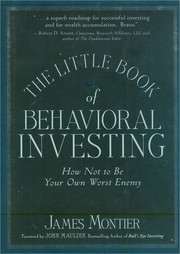
The biases that wreck investment decisions, and practical fixes for each.
Recommended by: Mohnish Pabrai
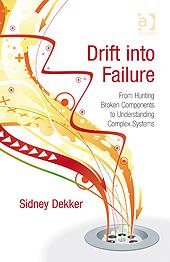
How complex systems, from subprime lending to space shuttles, drift into failure.
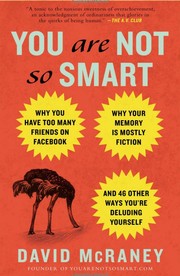
One mental bias per chapter, the research behind it and how people fall for it.
“Great summary of 46 cognitive biases. Much of it covered in other books like Predictably Irrational, but if you haven't read those, this is a great starting book. Otherwise, just a good reminder, and worth reading.” — Derek Sivers
Source: Derek Sivers book notes (primary, rated list) · Rating: 6/10
Recommended by: Derek Sivers
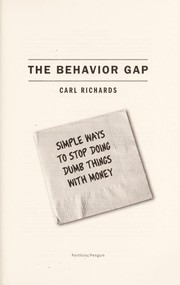
Sketches of the gap between what people know to do with money and what they do.
Why humans tell stories: a rehearsal for life's social problems.
“Jonathan Gottschall, The Storytelling Animal: How Stories Make Us Human (New York: Houghton Mifflin Harcourt, 2012)” — Michael Mauboussin
Source: Who Is On the Other Side? You Need Good BAIT to Land a Winner, page 36
Recommended by: Michael Mauboussin
Psychopathic traits on a scale, and where business rewards them.
Recommended by: Morgan Housel

Principles of observation, inference and avoiding error, from the Holmes stories.
Recommended by: Mohnish Pabrai, Patrick O'Shaughnessy and 1 other

Six principles that make products and ideas spread by word of mouth.
Recommended by: Nat Eliason, Tony Hsieh, Changpeng Zhao and 1 other
Why people misjudge advantage, and how underdogs win.
“…books I've recommended, highlighted to death, or forced on friends.” — Andrew Wilkinson
Source: Andrew Wilkinson's Bookshelf, neverenough.com
Recommended by: Andrew Wilkinson, John C. Bogle and 2 others
How a shortage of money or time narrows attention and weakens decisions.
Recommended by: Mohnish Pabrai, Daniel Kahneman and 1 other
What a four-year forecasting tournament showed about the best forecasters' habits.
“In a book many in our research department have enjoyed, Superforecasting: The Art and Science of Prediction, Philip Tetlock and Dan Gardner state: “The humility required for good judgment is not self-doubt—the sense that you are untalented, unintelligent, or unworthy.” — Bill Nygren
Source: Bill Nygren Market Commentary | 1Q17
Recommended by: Bill Nygren, Mark Leonard and 11 others
Munger's and Buffett's ideas on avoiding error, as a dialogue built from their words.
How ego harms a person in aspiration, success and failure, and how to check it.
“Forget yourself and focus on the work. Be humble and persistent. Value discipline and results, not passion and confidence. Be lesser, do more. This message is crucial, but the opposite of almost every other book. I wish everyone would read this. I need to re-read it each year. It's that important. It's easy to read this and say “oh yeah I've got my ego under control”, but the problem is deeper than that.” — Derek Sivers
Source: Derek Sivers book notes (primary, rated list) · Rating: 9/10
Recommended by: Andrew Wilkinson, David Cancel, Derek Sivers and 5 others
What neuroscience, psychology and biology reveal about how people treat money.
How Daniel Kahneman and Amos Tversky worked together on heuristics and biases.
Recommended by: Andrew Wilkinson, Mohnish Pabrai, Ray Dalio and 6 others
Reason evolved to justify ourselves and persuade others, not to think alone.
Behavioural genetics on how much of who we are is inherited.
Recommended by: James Cameron, Michael Mauboussin
Why complex systems fail, from Volkswagen to Everest, and how to design against it.
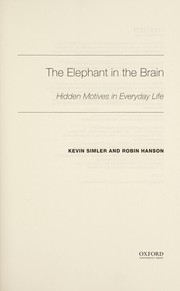
How people hide their real motives from themselves in order to hide them from others.
“You have hidden motives and subconscious incentives. Two reasons for doing anything: a good reason and the real reason. Instititutions do this too: wasteful because they’re serving hidden purposes no one acknowledges. Great insights throughout.” — Derek Sivers
Source: Derek Sivers book notes (primary, rated list) · Rating: 8/10
Recommended by: Derek Sivers, Nat Eliason, Tyler Cowen and 4 others
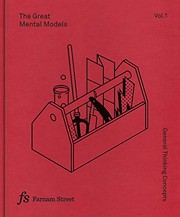
Thinking tools drawn from many fields, after Munger's latticework of models.
“Also it pairs very well with the last recommendation I'm going to do here, The Great Mental Models.” — Matt Mullenweg
Recommended by: Matt Mullenweg, Ana Fabrega and 3 others
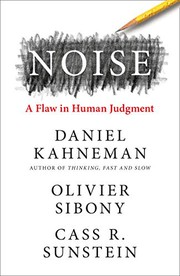
Unwanted variation in judgements that should match, and why organisations ignore it.
“Daniel Kahneman, Olivier Sibony, and Cass R. Sunstein, Noise: A Flaw in Human Judgment (New York: Little, Brown Spark, 2021), 156-158” — Michael Mauboussin
Source: The Impact of Intangibles on Base Rates, page 10
Recommended by: Michael Mauboussin
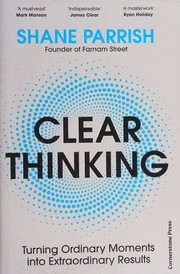
How four default reactions decide most choices before any conscious decision.

Reflections on simple living, written from a life in the woods.
“In the classic Walden, Henry David Thoreau echoes Warren Buffett on having an inner scorecard and defining your own success:” — Shane Parrish
Source: Henry David Thoreau on Success
Recommended by: Mohnish Pabrai, Nat Eliason, Shane Parrish and 1 other
A memoir of surviving Auschwitz and a psychologist's guide to healing from trauma.
“Maybe the best book I've read in years.” — Morgan Housel
Source: A Few Good Books · Collaborative Fund
Recommended by: Bill Gates, Morgan Housel
A study of religious experience through vivid first-hand accounts.
Recommended by: Mark Zuckerberg

A psychologist's study of modern people's spiritual search.
Recommended by: Mohnish Pabrai
Techniques for breaking the habit of worry.
“So rather than just speculate at every turn, trying to gather as much information as possible, and this actually makes me think of Dale Carnegie in How to Stop Worrying and Start Living.” — Tim Ferriss
Recommended by: Tim Ferriss, Ran Segall
Thirteen principles of getting rich, claimed to come from studying 500 wealthy men.
Recommended by: Jim Clayton, Mohnish Pabrai, Tom Bilyeu and 7 others
A short method for producing creative ideas.
Recommended by: Patrick O'Shaughnessy

Why people flee from freedom into totalitarianism: a psychoanalyst's account.
Recommended by: Nat Eliason

How a person must work on knowledge and being together to find inner unity.
Recommended by: Shane Parrish
Whether clinical judgement or statistical formulas predict better in psychology.
“Paul E. Meehl, Clinical versus Statistical Prediction: A Theoretical Analysis and a Review of the Evidence (Minneapolis, MN: University of Minnesota Press, 1954)” — Michael Mauboussin
Source: BIN There, Done That: How to Reduce the Sources of Forecasting Error, page 14
Recommended by: Michael Mauboussin, Daniel Kahneman

Social scientists observe a group whose prophecy of the world's end fails.
Recommended by: David Heinemeier Hansson
Essays that set out the fundamentals of a psychological system of archetypes.
Recommended by: Ricardo Semler
The size of your thinking sets the size of your results, and how to think bigger.
“A classic self-help book. Exactly what you'd expect. But very good.” — Derek Sivers
Source: Derek Sivers book notes (primary, rated list) · Rating: 7/10
Recommended by: Ali Abdaal, Derek Sivers, Mohnish Pabrai and 3 others
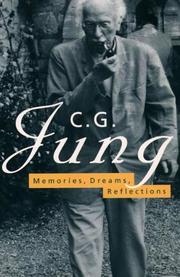
A psychiatrist's own story of his life, told late in life with a colleague.
Recommended by: Arianna Huffington
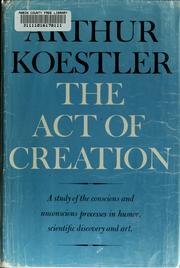
Creativity in humour, science and art as 'bisociation': joining two unrelated frames.
Recommended by: Patrick Collison, Patrick O'Shaughnessy and 1 other
Essays toward a theory of teaching built on what is known about human growth.
Recommended by: Patrick Collison
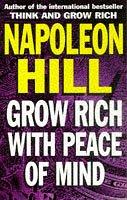
How to get what you want and enjoy peace of mind, from the author's later work.
“His first book, “Think and Grow Rich”, was a huge influence on me as a teenager. I recently heard he wrote a major update to it shortly before he died, that some say is much better. I guess my tastes have changed because though this book has good intentions, and might have made a big impact on me long ago, now I found it almost unreadably vague and had to stop. The order in which we read books really does make a big difference.” — Derek Sivers
Source: Derek Sivers book notes (primary, rated list) · Rating: 1/10
Recommended by: Derek Sivers, The Barefoot Investor
Life in Nazi concentration camps, and logotherapy: finding meaning to survive.
“What's more certain to me is that we all need a why, as Viktor Frankl told us in Man's Search for Meaning.” — David Heinemeier Hansson
Source: Universal Basic Dead End
Recommended by: David Heinemeier Hansson, David Perell and 29 others
A psychologist's thirty-year study of a man with almost limitless memory.
“Anyone who's interested in memory and mind and the vast differences between people might be interested in this, it's called The Mind of a Mnemonist, I think is how it's pronounced, like mnemonic device, M-N-E-M-O-N-I-S-T, a little book about a vast memory.” — Tim Ferriss
Recommended by: Tim Ferriss
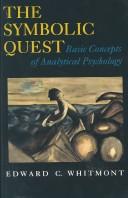
The basic concepts of Jung's analytical psychology: archetypes, the self and healing.
Recommended by: Guy Spier
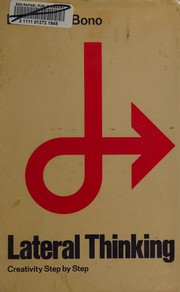
A textbook of creative thinking.
“I haven't read it in decades, but Edward de Bono, Six Thinking Hats, he also had, I believe, a book called Lateral Thinking, which I found helpful.” — Tim Ferriss
Recommended by: Patrick O'Shaughnessy, Tim Ferriss
The legend of the Holy Grail and what it reveals about the psyche.
Recommended by: Guy Spier
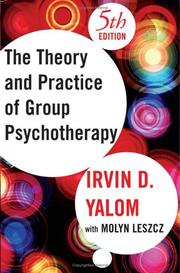
The standard text on group psychotherapy, revised with recent research.
Recommended by: Mohnish Pabrai
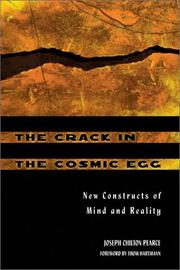
Culture as a "cosmic egg" of logical thought, and how the mind can break out of it.
Recommended by: Adam Robinson
What drives artists and scientists to create, and why it is not neurosis.
Recommended by: Patrick Collison
How people's beliefs and behaviour are shaped by others.
Recommended by: Ramit Sethi, Sahil Lavingia

How the mind allocates its limited mental resources in attention and effort.

How people and cultures react to death, and what that reaction does to them.
Recommended by: Nat Eliason, Eric Weinstein, Marc Andreessen
Recommended by: Patrick Collison
“If you want to know how some psychotherapists have worked with these things, I think an oldie but a goodie, The Healing Journey by Claudio Naranjo, I think is excellent.” — Tim Ferriss
Recommended by: Tim Ferriss
Mind-mapping techniques to raise intelligence and creativity.
Recommended by: Mohnish Pabrai
Assertiveness training: how to say no and stand up for yourself without guilt.
Recommended by: Brian Armstrong
Cognitive psychology applied to how leaders misperceive each other in foreign policy.
Recommended by: Bill Gates
The theory that consciousness is learned, arising from a once two-chambered mind.
Recommended by: Patrick O'Shaughnessy, Adam Robinson and 3 others

Western and Eastern models of the mind compared on ego, instinct and consciousness.
Recommended by: Mohnish Pabrai
A neurologist on the kinds of luck behind scientific discovery.
“wrote an outstanding book called Chase, Chance, and Creativity … It's the best book I've read on the role of luck, chance, and serendipity” — Marc Andreessen
Source: Luck and the Entrepreneur: The four kinds of luck, blog.pmarca.com
Recommended by: Marc Andreessen
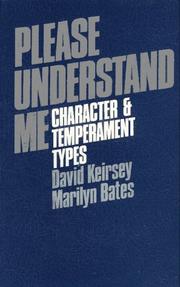
A 70-question test that sorts readers into 16 temperament types, like Myers-Briggs.
Recommended by: Mohnish Pabrai

What the few who manipulate others know about influence that others do not.
Recommended by: Naval Ravikant
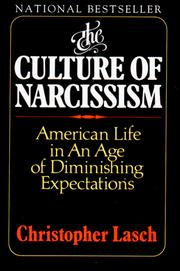
A critique of the narcissistic personality that modern American culture produces.
Recommended by: Antonio García Martínez
Why facing problems, though painful, is how people grow mentally and spiritually.
“Profound truths and bold opinions on discipline, life, and love, written by a psychiatrist in 1978. It's been a best-seller all these years for a good reason.” — Derek Sivers
Source: Derek Sivers book notes (primary, rated list) · Rating: 8/10
Recommended by: Derek Sivers, Jim Collins, John Maeda and 1 other

Improvisation techniques and exercises for training spontaneity and storytelling.
Recommended by: Patrick O'Shaughnessy
How we see our surroundings, our place and movement in them, and what things afford.
Recommended by: Bret Victor

Metaphor as a basic mechanism of thought that shapes how people understand the world.
“Going to go a little esoteric for this next one and talk about a book, which is a little more academic, which is by an author named George Lakoff and it's called Metaphors We Live By. There's definitely a writing theme here.” — Matt Mullenweg
Recommended by: David Perell, Matt Mullenweg, Nat Eliason and 2 others
Case histories of patients with strange neurological disorders.
Recommended by: Eric Weinstein

How sensitive children who meet their parents' needs lose touch with the true self.
Recommended by: Mohnish Pabrai

Why many successful children and adults feel empty, and how to break the cycle.
Recommended by: Mohnish Pabrai, Tim Ferriss
Thirty-five papers on judgmental heuristics and the biases they produce.
“Research regarding this problem was originally presented in Amos Tversky and Daniel Kahneman, “Evidential Impact of Base Rates,” in Daniel Kahneman, Paul Slovic, and Amos Tversky (eds.) Judgment under Uncertainty: Heuristics and Biases (Cambridge, UK: Cambridge University Press, 1982), 153-160” — Michael Mauboussin
Source: Cultivating Your Judgment Skills: A Framework for Improving the Quality of Decisions, page 13
Recommended by: Michael Mauboussin, Adam Robinson
Recommended by: Brian Armstrong
How thought and emotion are integrated as people develop through life.
Recommended by: Ray Dalio
Behavioural training methods for animals and people, explained with examples.
Recommended by: Naval Ravikant, Tim Ferriss, Nir Eyal and 1 other
Recommended by: Brian Armstrong
Practical steps to dissolve the fears the author links to disease.
Recommended by: Mohnish Pabrai
How women can use anger as a signal to change patterns in close relationships.
Recommended by: Brené Brown
"Loving too much" as a pattern some women develop from their family backgrounds.
Recommended by: Noah Kagan

How to set goals, reach them and enjoy what they bring.
Recommended by: David Cancel
How athletes train the mind to perform at critical moments.
“I somehow found a book called Mental Toughness Training for Sports by a guy named James Loehr, spelled L-O-E-H-R, who Josh Waitzkin actually also knows.” — Tim Ferriss
Recommended by: Tim Ferriss
A theory of how the human mind works and how thought arises.
Recommended by: Patrick Collison
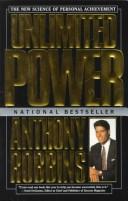
Methods for mastering personal and professional life by using the power of the mind.
“I'm biased because in high school, I read Unlimited Power by Tony, which had an impact. I then, when I got out of college and I had my first job and I was commuting in my piece of shit minivan, the green machine, which was just a complete disaster of a car but I was trapped on 101 in the Bay Area, for people who know, just bumper-to-bumper in rush hour, to and from Mountain View to San Jose to work, and I would listen to this used set.” — Tim Ferriss
Source: The Tim Ferriss Show Transcripts: Random Show - Fasting, Biohacking, and Tony Robbins (#333)
Recommended by: Tim Ferriss, Tony Robbins
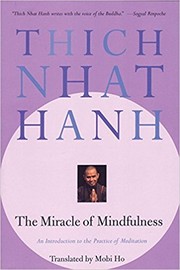
Exercises for being fully aware in everyday tasks such as washing the dishes.
Recommended by: Kevin Rose
Home-study course rather than a trade book.
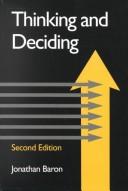
A text on human judgment, decision making and rationality.
“Baron, Jonathan, Thinking and Deciding, 3rd ed. (Cambridge, UK: Cambridge University Press, 2000)” — Michael Mauboussin
Source: Decision-Making for Investors: Theory, Practice, and Pitfalls, page 19
Recommended by: Michael Mauboussin, Mohnish Pabrai and 1 other
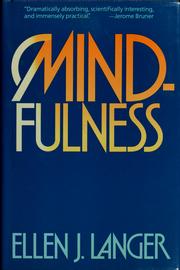
How acting on routine leads to error and pain, and what thinking mindfully changes.
Recommended by: Arianna Huffington
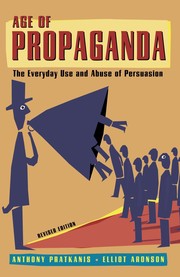
How persuasion and propaganda work through advertising, television and opinion.
Recommended by: Ramit Sethi, Tim Ferriss
Change behaviour by changing what you link with pain and pleasure.
“This 1992 book changed everything about my life. It's my Bible. Most of my beliefs come from it.” — Derek Sivers
Source: Book notes by Derek Sivers
Recommended by: Derek Sivers, Guy Spier, Nat Eliason and 2 others
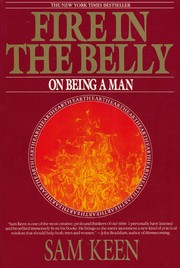
How people come to believe questionable or false things.
Recommended by: Mohnish Pabrai
Why economic models fail when they assume people act fully rationally.
How consciousness and the senses evolved, and the history of the mind.
Recommended by: Mohnish Pabrai, Nassim Nicholas Taleb
The Enneagram's personality types, with a test to find your own.
Recommended by: Ray Dalio
Compiled passages on conscious evolution and the psychology of inner growth.
Recommended by: Mohnish Pabrai
A counsellor's guide to the differences between men and women in relationships.
Recommended by: Mohnish Pabrai

The Anomalies columns: systematic departures from standard economic theory.
“Richard H. Thaler, The Winner’s Curse: Paradoxes and Anomalies of Economic Life (Princeton, NJ: Princeton University Press, 1992, 157-158” — Michael Mauboussin
Source: Capital Ideas Revisited - Part 2: Thoughts on Beating a Mostly-Efficient Stock Market, page 9
Recommended by: Michael Mauboussin
The foundational papers of behavioural finance, collected.
A step-by-step guide to mindfulness meditation for beginners.
“Thoughts and instruction on Vipassana meditation, explained clearly.” — Derek Sivers
Source: Derek Sivers book notes (primary, rated list) · Rating: 5/10
Recommended by: Derek Sivers, Shane Parrish, Vinod Khosla
How to use mind maps for learning, memory, concentration and planning.
Recommended by: Mohnish Pabrai
A neurologist's case that emotion and feeling are part of reason.
“Antonio R. Damasio, Descartes’ Error: Emotion, Reason and the Human Brain (New York: Avon Books, 1994), 3-10” — Michael Mauboussin
Source: Mine Your Mind: Neuroscience and Investing, page 6
Recommended by: Michael Mauboussin, Mohnish Pabrai

Whether adults can meet the mental demands of modern life.
Recommended by: Graham Duncan, Ray Dalio
The claim that intelligence shapes income and status in America, and its effects.
Recommended by: Eric Weinstein
A unified theory of human mating, from the largest study of mating behaviour.
Recommended by: Ryan Holiday

A simple path to cultivating mindfulness meditation in everyday life.
Recommended by: Tristan Harris
A psychiatrist's memoir of her own manic-depressive illness.
How the Enneagram's personality types explain relationships.
Recommended by: Tim Ferriss
Why emotional intelligence matters as much as IQ for success in work and life.
“Then I stumbled across a book, Emotional Intelligence, by Daniel Goleman, and I was like, oh my god.” — Drew Houston
Source: The Tim Ferriss Show Transcripts: Drew Houston (#334)
Recommended by: Drew Houston, Jim Collins and 2 others
Computer models of how minds make analogies and create.
Recommended by: Patrick Collison

Five hundred practical, moral and funny questions to think over or start talk.
Recommended by: Mohnish Pabrai
Questions on the search for one's soul, such as what you would do as God for a day.
Recommended by: Mohnish Pabrai

Two medieval tales read as maps of the wounded feeling function in men and women.
Recommended by: Guy Spier
A book of renewal for leaders whose winning at work means losing at life.
Recommended by: Mohnish Pabrai
What leads to creative moments, for artists at the easel or scientists in the lab.
Recommended by: Patrick O'Shaughnessy
Why God does not need people to be perfect, and how to forgive oneself.
Recommended by: Mohnish Pabrai

Recommended by: Mohnish Pabrai
How education can bring children into their culture, using cultural psychology.
Recommended by: Patrick Collison
A personality type of high sensitivity, its limits and how to make the most of it.
Recommended by: Graham Duncan
Why love so often falls short of filling a deep need, and how to find it.
Recommended by: Naval Ravikant
The five qualities of the Polynesian idea of aloha as a cure for stress.
Recommended by: Mohnish Pabrai
Why people drift through their days, and how to find flow in everyday life.
Recommended by: Mohnish Pabrai
The mind's functions and quirks explained by evolution.
“Wilson was great, "How the Mind Works" Steven Pinker. I love "The Operator" about David Geffen and I like reading biology - sorry, biographies.” — Josh Wolfe
Source: Transcript: Josh Wolfe
Recommended by: Josh Wolfe, Michael Mauboussin and 2 others
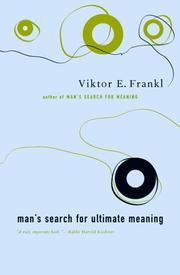
A psychotherapist on the human need for meaning and the search for ultimate answers.
Recommended by: Mohnish Pabrai
Why some groups of talented people achieve greatness and others never do.
Recommended by: Mohnish Pabrai, Patrick Collison
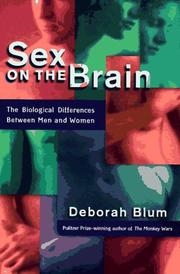
What biology and behaviour research say about differences between the sexes.
Recommended by: Ryan Holiday

How to spot subtle warning signs of violence and trust the intuition that sees them.
“Gavin de Becker has helped politicians, actors, and other high-profile individuals recognize and react to violent threats. In The Gift of Fear, he offers a look at violent behavior and exactly how you can recognize it before it's too late.” — Ramit Sethi
Source: Here are 50 books I recommend
Recommended by: Ramit Sethi, Tim Ferriss
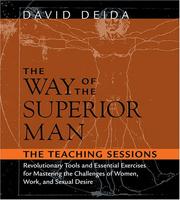
Lessons for men on masculinity, purpose and relationships with women.
Recommended by: Ali Abdaal, Iman Gadzhi, Nat Eliason and 1 other
Buddhist teaching on facing suffering and finding peace of mind.
“Profound philosophy on facing the negative emotions head-on and getting to know them well, instead of trying to avoid them or escape.” — Derek Sivers
Source: Derek Sivers book notes (primary, rated list) · Rating: 9/10
Recommended by: Derek Sivers, Jerry Colonna, Brené Brown
A scale of human consciousness and a claimed method to test any statement's truth.
Recommended by: Mohnish Pabrai
How firefighters, pilots and other experts decide under time pressure.
“Gary Klein, Sources of Power: How People Make Decisions (Cambridge, MA: MIT Press, 1998)” — Michael Mauboussin
Source: A Process for Outperformance: Thoughts on Organizing for Investing Success, page 4
Recommended by: Michael Mauboussin, Mohnish Pabrai

Sun Tzu's strategies of war applied to helping women win at love.
Recommended by: Sam Altman
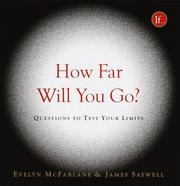
Five hundred questions that probe the limits of what you would do.
Recommended by: Mohnish Pabrai
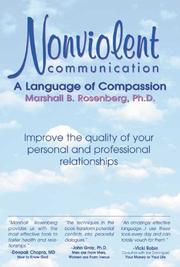
Four steps to speak without blame: observations, feelings, needs and requests.
“After years of so many people telling how much this book has helped them, I finally read it. And yeah, it’s impressive. Very compassionate and actively empathetic. Everyone who communicates should read this and take it to heart.” — Derek Sivers
Source: Derek Sivers book notes (primary, rated list) · Rating: 8/10
Recommended by: Andrew Wilkinson, Derek Sivers and 4 others
Creative genius explained as a Darwinian process of variation and selection.
Recommended by: Patrick Collison
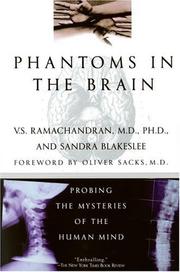
What patients with odd neurological disorders reveal about the brain and the self.
Recommended by: Tom Bilyeu
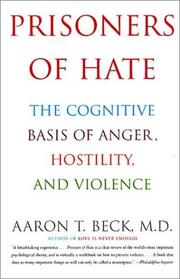
Cognitive therapy applied to the thinking behind anger, hostility and violence.
Recommended by: Mohnish Pabrai

How cognitive limits shape the work of intelligence analysts.
Recommended by: Mohnish Pabrai
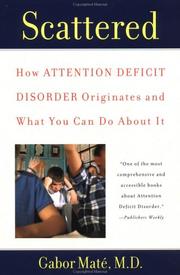
Attention deficit disorder as rooted in emotional environment, and how it heals.
Recommended by: Andrew Wilkinson
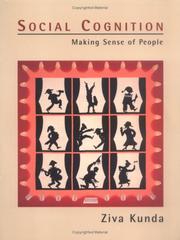
A survey of research on how we make sense of other people and ourselves.
Recommended by: Mohnish Pabrai, Nassim Nicholas Taleb
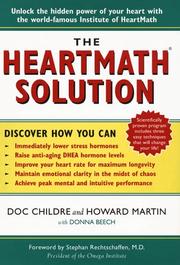
A system for aligning heart rhythms with the brain to reduce stress.
Recommended by: Adam Robinson
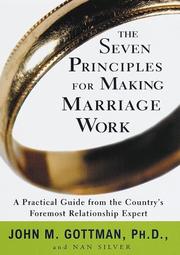
Seven principles for a lasting marriage, from years of observing couples.
Recommended by: Andrew Wilkinson
Leading researchers on the science of well-being and happiness.
Recommended by: Ray Dalio

Seventeen common beliefs that hold people back, and the truths that replace them.
Recommended by: Mohnish Pabrai

A guide for parents through their children's adolescence.
Recommended by: Mohnish Pabrai
How self-deception undermines leaders, told as a story set at a company.
Recommended by: Mohnish Pabrai, Girish Mathrubootham and 2 others
Why evolved instincts push people toward bad choices on money, food and sex.
Recommended by: Mohnish Pabrai, Nassim Nicholas Taleb
A journalist learns memory techniques and wins the US Memory Championship.
“For those fascinated with memory. Riveting page-turner about a journalist (with no particularly good memory) who went to cover a memory championship event. Intrigued and befriending some competitors, he starts practicing, and a year later wins the U.S. memory championship event himself. Inspiring dive into the subject of memorization.” — Derek Sivers
Source: Derek Sivers book notes (primary, rated list) · Rating: 8/10
Recommended by: Bill Gates, Derek Sivers, Mohnish Pabrai and 5 others

Twelve practices for bringing creativity into work and personal life.
“Leadership coach and famous orchestra conductor collaborate on a book about relationships, art, personal development, children, and practice. Somewhat scattered but had some really interesting ideas.” — Derek Sivers
Source: Derek Sivers book notes (primary, rated list) · Rating: 6/10
Recommended by: Derek Sivers, Patrick Collison
What cognitive science shows about how much babies know and learn.
Recommended by: Steve Jurvetson
How ideas and behaviour spread like epidemics, and the three factors that tip them.
“As Yogi Berra said, "It's tough to make predictions, especially about the future." As anyone who has read Malcolm Gladwell's book, THE TIPPING POINT, will understand, pressures for a significant reversal can build with no apparent effect until they reach a certain point.” — Christopher Browne
Source: Tweedy, Browne Fund Inc. N-CSR shareholder report, fiscal year ended March 31, 2006
Recommended by: Christopher Browne, Jim Collins and 6 others
A model of accelerated psychodynamic therapy built on the power of emotion.
Recommended by: Guy Spier
How to listen with full attention in an age of distraction.
Recommended by: Mohnish Pabrai
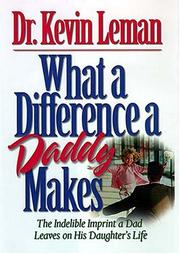
How involved fathers help their daughters succeed, from research on fatherhood.
Recommended by: Mohnish Pabrai
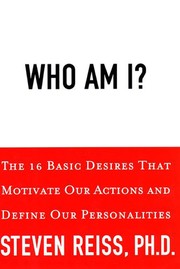
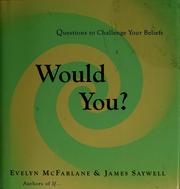
More than a hundred pairs of questions that test your priorities and values.
Recommended by: Mohnish Pabrai

Why people mistake luck for skill, above all in markets.
“Fooled By Randomness was unquestionably the best non-fiction book I read in 2005.” — Brad Feld
Source: Book Review: Fooled By Randomness — Feld Thoughts
Recommended by: Barton Biggs, Brad Feld, Derek Sivers and 15 others
Recommended by: Sheryl Sandberg
Psychology and counselling methods applied to coaching executives.
Recommended by: Michael Batko
Positive psychology and what science shows about lasting happiness.
Recommended by: Simon Sinek
A Buddhist teacher's spiritual memoir of faith.
“So on that plane ride from New York to Arizona to Canyon Ranch, I read three books, When Things Fall Apart by Ani Pema Chödrön, Faith by Sharon Salzberg, and Let Your Life Speak by Parker Palmer.” — Jerry Colonna
Source: The Tim Ferriss Show Transcripts: Jerry Colonna (#373)
Recommended by: Jerry Colonna
The research on intuitive judgement and its biases, collected.
“Paul Slovic, Melissa Finucane, Ellen Peters, and Donald G. MacGregor, “The Affect Heuristic,” in Heuristics and Biases: The Psychology of Intuitive Judgment, ed. Thomas Gilovich, Dale Griffin, and Daniel Kahneman (Cambridge: Cambridge University Press, 2002), 397-420” — Michael Mauboussin
Source: Interdisciplinary Perspectives on Risk, page 5
Recommended by: Michael Mauboussin
How to love as an adult, drawing on Buddhist ideas about relationships.
Recommended by: Andrew Wilkinson
The adaptive unconscious, and why introspection is a poor path to self-knowledge.
Recommended by: Mohnish Pabrai, Nassim Nicholas Taleb
How the synapses between neurons make each person who they are.
Recommended by: Mohnish Pabrai
Why the mind is not a blank slate, and the moral and political stakes of that.
Recommended by: Mohnish Pabrai, Marc Andreessen and 1 other
Why some people survive disasters that kill others in the same circumstances.
“Endnotes Laurence Gonzales, Deep Survival: Who Lives, Who Dies, and Why (New York: W.W. Norton & Company, 2003), 119” — Michael Mauboussin
Source: Celebrating the Summit: Making an Informed Decision After a Large Price Gain, page 25
Recommended by: Michael Mauboussin, Patrick O'Shaughnessy
Why attractive things work better, and how emotion shapes design.
Recommended by: Nir Eyal
How the idea of flow applies to business and leadership.
Recommended by: Mohnish Pabrai

A guide to accepting oneself.
“Yeah, so much here. First of all, shout out to Tara Brach for Radical Acceptance. What a brilliant book.” — Jerry Colonna
Source: The Tim Ferriss Show Transcripts: Jerry Colonna (#373)
Recommended by: Jerry Colonna, Tim Ferriss, Brené Brown
How Eastern and Western cultures see and think about the world differently.
Recommended by: Satya Nadella
Ten skills for getting success while spending time only on what matters.
Recommended by: Mohnish Pabrai
Why Western life has improved so much while people feel less happy.
Recommended by: Mohnish Pabrai
What intimidation is, why it happens and how to avoid falling victim to it.
Recommended by: The Barefoot Investor
How snap judgments work, when to trust them and when they mislead.
“Malcolm Gladwell, Blink: The Power of Thinking Without Thinking (New York: Little, Brown and Company, 2005)” — Michael Mauboussin
Source: Are You an Expert? Experts and Markets, page 9
Recommended by: Michael Mauboussin, Mohnish Pabrai and 2 others
Leadership as the ability to change minds, and what moves them.
Recommended by: Ray Dalio
Why television and video games have grown more complex and demanding.
Recommended by: Ev Williams
Why innovation comes where fields, industries and cultures meet.
Recommended by: Mohnish Pabrai
How the brain's chemicals and structures shape everyday experience.
Recommended by: Mohnish Pabrai, Ev Williams
Advice on living, drawn from a psychiatrist's thirty years with patients.
“Powerful and profound life lessons from a psychiatrist who's been listening to people's problems for decades.” — Derek Sivers
Source: Derek Sivers book notes (primary, rated list) · Rating: 9/10
Recommended by: Andrew Wilkinson, Derek Sivers, Nat Eliason and 1 other
Why creative, holistic right-brain thinkers will lead the future economy.
Recommended by: Ray Dalio
A second collection of behavioural finance papers, more theoretical than the first.
A doctor on why affluent Americans are overworked, stressed and never satisfied.
Recommended by: Simon Sinek
How the process of grieving helps people live with loss.
“I don't recall what all the books were, but the two that really made a difference for me were Elisabeth Kübler-Ross's and David Kessler's posthumous book On Grief and Grieving, and the Tibetan Book of Living and Dying. Each allowed me to process and understand the emotions I was going through.” — Matt Mullenweg
Source: Books on Grieving
Recommended by: Matt Mullenweg, Tim Ferriss
How psychopaths get hired and rise in companies, and how to spot them.
Recommended by: Mohnish Pabrai
Inside a community of men perfecting seduction techniques, and one man's doubts.
Recommended by: Ryan Holiday, Nat Eliason
Ancient wisdom on happiness tested against modern psychology and brain research.
“Psychology professor's digestible but deep insight into how our minds work, around the topic of happiness. Great metaphor of a rider on the back of an elephant. Rider is reasoning, elephant is emotions. Rider has limited control of what the elephant does. Surprising insights into ethics and morality. See my notes for great quotes, but read the whole well-written book.” — Derek Sivers
Source: Derek Sivers book notes (primary, rated list) · Rating: 9/10
Recommended by: Andrew Wilkinson, Derek Sivers, Tony Hsieh
Why teenagers from affluent, loving families are often unhappy.
Recommended by: Nat Eliason
How the mind can stay sharp, and grow wiser, as the brain ages.
Recommended by: Mohnish Pabrai, Nassim Nicholas Taleb
The case that disorder is often more efficient than imposed order.
“This idea comes from a wonderful book called A Perfect Mess” — Marc Andreessen
Source: The Pmarca Guide to Personal Productivity
Recommended by: Marc Andreessen
Short reflections and practices for starting mindfulness, read at random or daily.
Recommended by: Ev Williams
How plate size, brand names and habit make people eat more than they realise.
Recommended by: Ramit Sethi
Essays on investing philosophy, psychology, competition and science.
“My colleague Michael Mauboussin applied some of Gould’s analysis to investing in Chapter 6 of his book More Than You Know.” — Bill Miller
Source: 2006 Q4 Market Commentary
Recommended by: Bill Miller and 1 other
What research on women's brains shows about how they shape women's lives.
Recommended by: Brian Armstrong
How brain science is changing the way we live, work and love.
Recommended by: Simon Sinek
Why warmth and kindness matter as life grows faster and more impersonal.
Recommended by: Peter Mallouk
How kindness, trust and fair play build a business and a career.
Recommended by: Tom Peters
How present-moment awareness brings discipline and focus to everyday life.
“Great simple philosophy: Life itself is one long practice session. Everything in life worth achieving requires practice. Practice is not just for artistic or athletic skill, but practicing patience, practicing communication, practicing anything you do in life. The process/practice itself is the real goal, not the outcome.” — Derek Sivers
Source: Derek Sivers book notes (primary, rated list) · Rating: 8/10
Recommended by: Derek Sivers, Nat Eliason
Conference papers on creativity and the neuroscience of the brain.
Recommended by: Ray Dalio
Lessons on happiness from a popular Harvard course.
Recommended by: Tony Hsieh
Happiness as a skill, with simple exercises to train the mind.
Recommended by: Richard Branson, Daniel Petre
Techniques for understanding one's own financial psychology.
Recommended by: Patrick O'Shaughnessy
How a hotelier rebuilt his company after the dot-com crash left it exposed.
Recommended by: Tony Hsieh
Gallup's assessment of a person's talents across 34 themes, and how to use them.
Recommended by: The Barefoot Investor
What a chess prodigy turned tai chi champion learned about learning itself.
“Chess master becomes Tai Chi master, realizes his real genius is learning, and shares his insights and stories.” — Derek Sivers
Source: Derek Sivers book notes (primary, rated list) · Rating: 7/10
Recommended by: David Perell, Derek Sivers, Nat Eliason and 6 others
Scientists and patients who show that the brain can change its own structure.
Recommended by: Tom Bilyeu
How judging firms by their results corrupts most business research and advice.
“Phil Rosenzweig’s must-read book, The Halo Effect, shows this idea is alive and well in the business world.” — Michael Mauboussin
Source: Was Harry Potter Inevitable? Cumulative Advantage, Counterfactuals, and the Halo Effect, page 7
Recommended by: Michael Mauboussin, Ev Williams and 1 other
How chasing happiness makes us miserable, and a way out through acceptance therapy.
Recommended by: Shane Parrish
Evolutionary psychology's answers to puzzles of sex, love and work.
Recommended by: Ryan Holiday
The neuroscience and psychology of investment decisions.
“Jason Zweig, Your Money and Your Brain: How the New Science of Neuroeconomics Can Help Make You Rich (New York: Simon & Schuster, 2007), 57-61” — Michael Mauboussin
Source: New Business Boom and Bust: How Capitalism Experiments, page 9
Recommended by: Michael Mauboussin, Mohnish Pabrai
How financial advisers can spot clients' biases and adjust their portfolios.
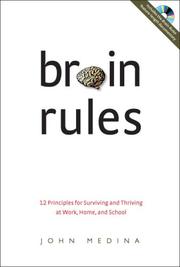
What brain science says about learning, sleep, stress, memory and multitasking.
“New scientific insights into why our brains work this way, and how to use what we now know to learn or work better.” — Derek Sivers
Source: Derek Sivers book notes (primary, rated list) · Rating: 8/10
Recommended by: Derek Sivers, Mohnish Pabrai, Nat Eliason and 2 others
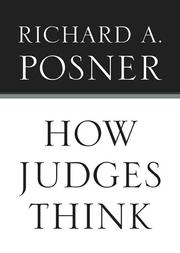
How judges actually decide cases in the American legal system.
Recommended by: Patrick Collison
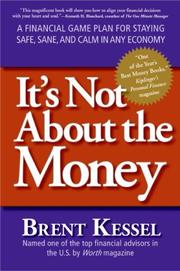
The psychological and spiritual types behind how people handle money.
Recommended by: Mohnish Pabrai
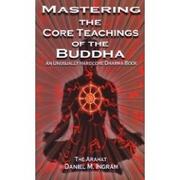
Why enlightenment is attainable, using meditation as a method for examining reality.
Recommended by: Naval Ravikant
Tools to understand users' reasons for doing things, and to design for them.
Recommended by: David Kadavy
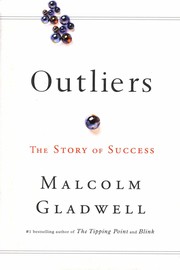
How timing, culture and accumulated advantage explain exceptional success.
“Deep study of why some people are so much more successful. Often due to circumstances and early opportunities, but really comes down to the fact that it takes about 10,000 hours of hard work to master something.” — Derek Sivers
Source: Derek Sivers book notes (primary, rated list) · Rating: 5/10
Recommended by: Derek Sivers, Howard Marks and 11 others
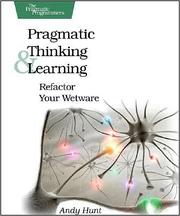
Cognitive science and learning theory applied to thinking and learning better.
“A great curated collection of facts about how to learn effectively and think clearly. Since it's written by a programmer, it makes many computer analogies that fellow programmers will appreciate. Non-programmers might feel a little left out.” — Derek Sivers
Source: Derek Sivers book notes (primary, rated list) · Rating: 5/10
Recommended by: Derek Sivers, Nat Eliason
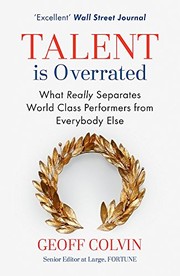
Deliberate practice, not innate talent, explains world-class performance.
“Talent is not innate - it comes from thousands of hours of deliberate practice: focused improving of your shortcomings. That's it. If you can get past the first 20% of the book that just asks questions, the next 60% is quite good.” — Derek Sivers
Source: Derek Sivers book notes (primary, rated list) · Rating: 6/10
Recommended by: Derek Sivers, Michael Mauboussin and 3 others
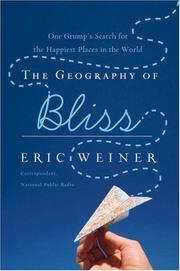
A grumpy traveller's search for the world's happiest places.
“Cranky NPR reporter dives deep into Iceland, Bhutan, Qatar, Holland, Switzerland, Thailand, India and Moldova to find out why people are happy (or not) in each. So beautifully written with astounding insights into culture and happiness. Amazing. Been thinking about it for weeks afterwards.” — Derek Sivers
Source: Derek Sivers book notes (primary, rated list) · Rating: 8/10
Recommended by: Andrew Wilkinson, Derek Sivers
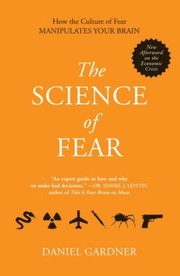
Why people fear the wrong things, from the psychology of risk.
Recommended by: Morgan Housel
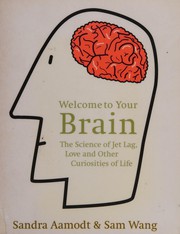
How the brain really works, explained through puzzles of everyday behaviour.
Recommended by: Ray Dalio
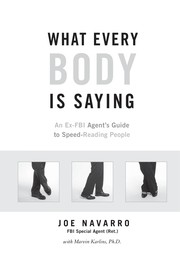
How to read what people's body language says about what they think.
Recommended by: Nat Eliason
Fifty experimental findings on persuasion, and how to apply each.
Recommended by: Mohnish Pabrai, Charlie Munger
Self-help tips that come straight from scientific research.
Recommended by: Jeff Atwood
How psychology, which Keynes called animal spirits, drives the economy.
Recommended by: Jim Collins, Mohnish Pabrai
How neuroscience and Buddhist practice together build happiness, love and wisdom.
Recommended by: Andrew Wilkinson

Why luck plays a larger part in life than people admit, and how to deal with it.
Recommended by: Mohnish Pabrai
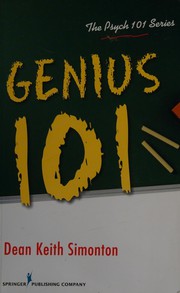
What genius is and how it appears in art, science and other fields.
Recommended by: Mohnish Pabrai
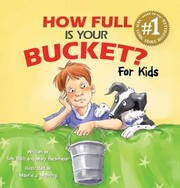
How brief daily interactions affect relationships, productivity and health.
Recommended by: Peter Mallouk

Buddhist teaching on facing the anxiety of everyday life rather than escaping it.
Recommended by: Safi Bahcall

Argues that the quality of a life depends on what a person pays attention to.
“Well-intentioned book I couldn't stomach because of her awkwardly flowerly writing style. Also I've read a lot about focus and flow, so this was mostly a repeat covered better in other books.” — Derek Sivers
Source: Derek Sivers book notes (primary, rated list) · Rating: 1/10
Recommended by: Derek Sivers, Mohnish Pabrai
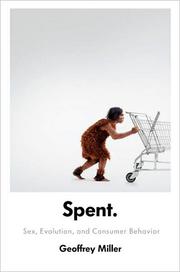
The evolved instincts behind how people work, shop and spend.
Recommended by: Keith Rabois, Nir Eyal and 1 other
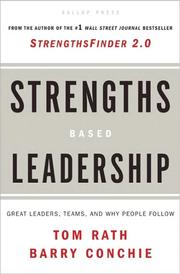
Gallup's research on how leaders use their strengths and those of their teams.
Recommended by: Brian Armstrong
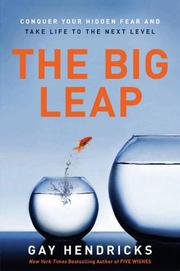
The 'Upper Limit Problem': how people sabotage themselves when good things happen.
Recommended by: Andrew Wilkinson, Noah Kagan

Why small actions and gestures matter in life and career.
Recommended by: Tom Peters
How talent is grown, not born, through a brain mechanism training can tap.
“A great book showing that deep practice - (struggling in certain targeted ways - operating at the edges of your ability, where you make mistakes - experiences where you're forced to slow down, make errors, and correct them) - is what really makes you improve at anything.” — Derek Sivers
Source: Derek Sivers book notes (primary, rated list) · Rating: 8/10
Recommended by: Derek Sivers, Michael Mauboussin and 5 others
Eight mistakes experienced decision-makers repeat, and a correction for each.
Recommended by: Mohnish Pabrai and 1 other
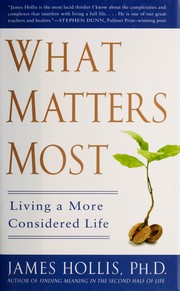
A Jungian approach to finding meaning and an authentic path.
Recommended by: Andrew Wilkinson
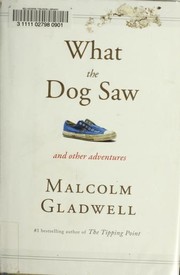
Essays on puzzles such as choking versus panicking and why ketchup has one variety.
“A pretty-good collection of his articles from the past few years. While most are somewhat interesting, it felt a little like surfing the net or TV. Lots of “huh”, but no lasting insights. More entertainment than education.” — Derek Sivers
Source: Derek Sivers book notes (primary, rated list) · Rating: 2/10
Recommended by: Derek Sivers, Mohnish Pabrai
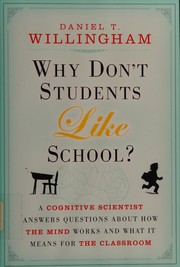
What cognitive science says about how students learn, for classroom teachers.
Recommended by: Bill Gates
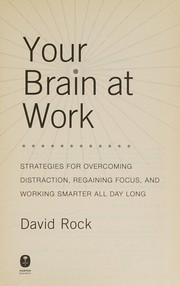
How the brain handles distraction and focus, and how to work smarter.
Recommended by: Mohnish Pabrai, Noah Kagan
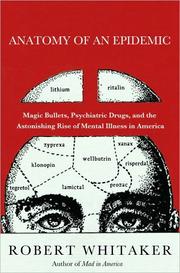
Why the number of people disabled by mental illness rose with psychiatric drugs.
Recommended by: Tim Ferriss

How adult attachment styles shape how people find and keep love.
Recommended by: Andrew Wilkinson
A step-by-step programme for turning the mind from dissatisfaction toward joy.
Recommended by: Bill Gates, Melinda Gates
A former Olympian on what sport reveals about talent, practice and excellence.
Recommended by: The Barefoot Investor
How to design graphical user interfaces around how the mind works.
Recommended by: Nir Eyal
Trauma as an injury held in the body, and how attention to the body heals it.
Recommended by: Mohnish Pabrai
Gender, emotion and power at work, and how to be rational about emotions.
Recommended by: Diana Kimball
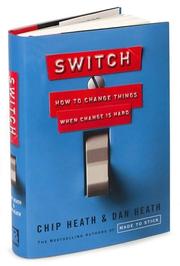
Change made easier: direct the rational rider, motivate the emotional elephant.
“Great great great great GREAT psychology book about real ways to make change last - both personal and organizational. So many powerful insights, based on fact not theory. Inspiring counterintuitive stories of huge organizational change against all odds. Highly recommended for everyone.” — Derek Sivers
Source: Derek Sivers book notes (primary, rated list) · Rating: 9/10
Recommended by: Andrew Wilkinson, Derek Sivers and 3 others
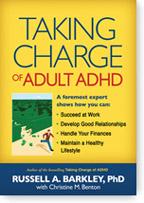
A researcher's guide for adults with ADHD to getting care and helping themselves.
Recommended by: Andrew Wilkinson
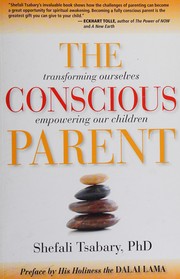
How parents who become aware of their own emotions can raise their children better.
Recommended by: Albert Wenger
The mental side of professional fighting, from a writer who stepped into the ring.
Recommended by: Nat Eliason
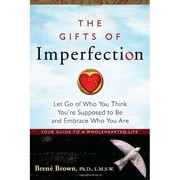
Courage, compassion and connection as choices that lead to wholehearted living.
Recommended by: Brené Brown, Melinda Gates
Seven principles from positive psychology for using happiness to fuel success.
Recommended by: Tony Hsieh
A writer's year-long experiment in becoming happier, month by month.
Recommended by: Jake Knapp
What reading on the internet may be doing to human thought and the brain.
Recommended by: Nat Eliason, Iman Gadzhi
Seven patterns, such as the adjacent possible, in the settings that produce ideas.
Recommended by: Andrew Wilkinson, Bill Gates, Mohnish Pabrai and 3 others
Advice on living, loving and happiness from over 1,000 older Americans.
Recommended by: Morgan Housel
How Buddhism and Western psychotherapy each approach freedom from suffering.
Recommended by: Tim Ferriss
Where fears come from, how to understand them, and how to find courage to face them.
Recommended by: Naval Ravikant
Why common sense misleads people when they try to explain how the world works.
“Tonight’s book was Everything Is Obvious* which was cleverly subtitled *Once You Know The Answer with a special bonus subtitle How Common Sense Fails Us by Duncan Watts. And yes – for those of you keeping track at home, I didn’t read a book last night; I was working on mine instead. I enjoyed this book.” — Brad Feld
Source: Book: Everything Is Obvious* — Feld Thoughts
Recommended by: Brad Feld, Derek Sivers, Michael Mauboussin and 1 other
How much of the brain's work runs beyond the reach of the conscious mind.
Recommended by: Patrick O'Shaughnessy, Tom Bilyeu, Ray Dalio
A meditation practice aimed at slower, more attentive sex for women.
Recommended by: Tony Robbins
What happens as technology stands in for people's experience of nature.
Recommended by: Patrick Collison
How evolution shapes what we eat, buy and give as consumers.
Recommended by: Mohnish Pabrai
Psychedelics for spiritual, therapeutic and problem-solving use.
Recommended by: Nat Eliason, Naval Ravikant
How organisations find exceptional talent before others do.
Recommended by: Mohnish Pabrai
The hidden sources of love, character and achievement, and how people succeed.
Recommended by: Mohnish Pabrai
What a palliative-care worker learned from the regrets of the dying.
Recommended by: Mike Maples, Jr.
How brain development explains children's behaviour, and how parents can respond.
Recommended by: Graham Duncan, Zoë Foster Blake
Self-control as a physical capacity, and how to build it, from a Stanford course.
“Amazing book about willpower from Stanford psychology professor who teaches just this. Killer first point: The best way to improve your self-control is to see how and why you lose control. This is a better book than the other book on Willpower here on my list, because it's more actionable, better written, better presented. Really amazing (IF you act on it!)” — Derek Sivers
Source: Derek Sivers book notes (primary, rated list) · Rating: 9/10
Recommended by: Derek Sivers, Mohnish Pabrai, Nat Eliason and 3 others
A neuroscientist argues our lives are not wholly set by physical processes.
“Michael S. Gazzaniga, Who’s In Charge?: Free Will and the Science of the Brain (New York: HarperCollins, 2011), 53-54” — Michael Mauboussin
Source: Outcome Bias and the Interpreter: How Our Minds Confuse Skill and Luck, page 9
Recommended by: Michael Mauboussin, Ray Dalio
What research says about willpower, and practical ways to increase it.
“You have a finite amount of willpower that becomes depleted as you use it. Two traits that consistently predict “positive outcomes” in life: intelligence and self-control. Most major problems, personal and social, center on failure of self-control. When people were asked about their failings, a lack of self-control was at the top of the list. So let's talk about self-control....” — Derek Sivers
Source: Derek Sivers book notes (primary, rated list) · Rating: 8/10
Recommended by: Derek Sivers, Michael Mauboussin and 1 other
How understanding a partner's brain and attachment style eases conflict.
Recommended by: Andrew Wilkinson
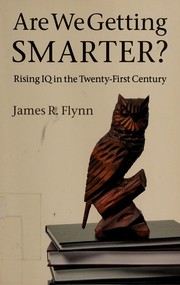
Why IQ scores have risen from one generation to the next, the Flynn effect.
Recommended by: Mohnish Pabrai
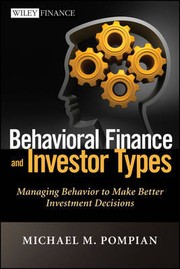
How investors fall into behavioural types, and how each should invest.

The Minnesota study showing twins raised apart are as alike as those raised together.
Recommended by: Mohnish Pabrai
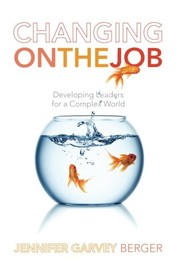
How leaders can grow to solve more complex problems.
Recommended by: Graham Duncan
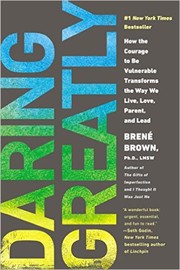
Research on shame and vulnerability, and why vulnerability comes before connection.
“I think it's Brene Brown's book, Daring Greatly, talks about this really well. Or Krista Tippett on Becoming Wise, another great book.” — Matt Mullenweg
Recommended by: Matt Mullenweg, Tom Bilyeu, Tony Hsieh and 4 others
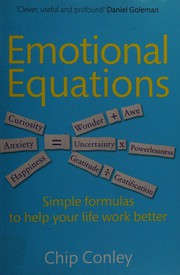
Simple equations for understanding and handling emotions in work and life.
Recommended by: Tony Hsieh
Why character, grit and curiosity matter more to children's success than test scores.
Recommended by: Mohnish Pabrai, Bill Gates
A short case for self-acceptance and self-esteem as the base of a good life.
Recommended by: Nat Eliason, Naval Ravikant, Garry Tan and 1 other
A neuroscientist examines his own former life on drugs and the science of addiction.
Recommended by: Nir Eyal
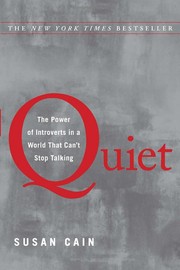
How schools and workplaces built for extroverts waste what introverts offer.
“Any introvert should like this book. Wonderful info and insights about introversion. It'll help you defend your preference for low-stimulus environments. Since reading it, I feel better about insisting on my quiet/alone time.” — Derek Sivers
Source: Derek Sivers book notes (primary, rated list) · Rating: 9/10
Recommended by: Brad Feld, Derek Sivers, Michael Mauboussin and 7 others
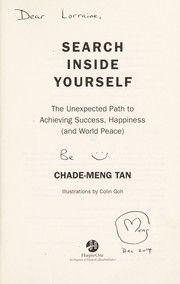
A mindfulness course for emotional intelligence, creativity and happiness.
Recommended by: Arianna Huffington, Matt Mullenweg and 1 other
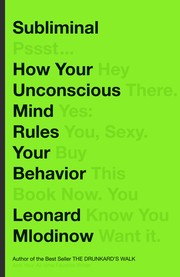
How the unconscious mind shapes perception, judgement and dealings with others.
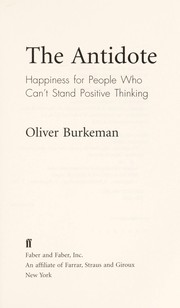
Why chasing positive thinking makes people unhappy, and the case for the negative.
“Surprisingly deep and philosophical. The first book I've read in years that makes me want to read it twice. The title and cover make it seem like light pop, but it's a wonderfully-cynical British journalist diving into Stoicism, meditation, death, etc.” — Derek Sivers
Source: Derek Sivers book notes (primary, rated list) · Rating: 8/10
Recommended by: Derek Sivers, Paul Jarvis
Charisma broken into its components, and how it works.
Recommended by: Derek Sivers, Patrick Collison and 1 other
Why the twenties matter, against the hype that trivialises that decade of life.
Recommended by: Nat Eliason, John Doerr
How testosterone feeds traders' winning streaks and appetite for risk.
“John Coates, The Hour Between Dog and Wolf: Risk Taking, Gut Feelings, and the Biology of Boom and Bust (New York: The Penguin Press, 2012)” — Michael Mauboussin
Source: Methods to Improve Decisions: Five Common Mistakes and How to Address Them, page 14
Recommended by: Michael Mauboussin, Nassim Nicholas Taleb
Field-tested tips for improving skills in sport, music, art, maths and business.
“First he wrote The Talent Code, which I also highly recommend, then he distilled all that research about deliberate practice into 52 actionable tips. Amazing and inspiring, you can read the whole thing in 90 minutes, then get to work!” — Derek Sivers
Source: Derek Sivers book notes (primary, rated list) · Rating: 8/10
Recommended by: Derek Sivers, Nat Eliason, David Cancel
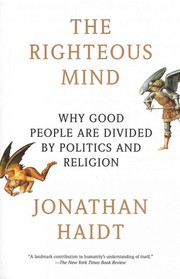
The origins of morality, and how they explain religion, politics and culture wars.
“Brilliant insights into human nature. Moral reasoning, inventing victims, emotional reactions, the elephant (emotions) and its rider (explanations). Intuition reacts then logic confabulates a reason. Survival of the fittest applied to groups. Understanding religion and tradition. Great from start to finish.” — Derek Sivers
Source: Derek Sivers book notes (primary, rated list) · Rating: 9/10
Recommended by: Derek Sivers, Ali Abdaal, Jackie Vullinghs and 3 others
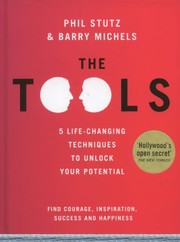
Five quick psychological tools for turning problems into courage and creativity.
“I also like The Tools. I give that out sometimes.” — Graham Duncan
Source: The Tim Ferriss Show Transcripts: Graham Duncan (#362)
Recommended by: Graham Duncan
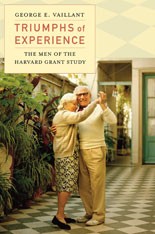
What the Grant Study, which followed 200 men for life, found about ageing well.
Recommended by: Andrew Wilkinson, David Kadavy
Greek wisdom on generosity and love for reconnecting with your true self.
Recommended by: Simon Sinek
The science of the unconscious biases that good people hold toward others.
Recommended by: Mohnish Pabrai
Four traps that ruin decisions, such as narrow framing, and a process to beat each.
“Interesting and insightful dive into the subject of how to make big decisions. Specific useful advice.” — Derek Sivers
Source: Derek Sivers book notes (primary, rated list) · Rating: 8/10
Recommended by: Andrew Wilkinson, Derek Sivers and 6 others
How the surroundings people live in shape their thought and behaviour.
“Fun read about our biases and how our brain functions.” — Vinod Khosla
Source: 2017 Book Recommendations — Vinod Khosla, Medium
Recommended by: Patrick O'Shaughnessy, Vinod Khosla
How the surroundings people live in shape their thought and behaviour.
Recommended by: Vinod Khosla
Research on how to spend money in ways that make people happier.
Recommended by: Mohnish Pabrai, Tim Ferriss
A short case against all lying, white lies included.
“A tiny booklet, like a long article, about why lying is bad. Not as many insights as I expected.” — Derek Sivers
Source: Derek Sivers book notes (primary, rated list) · Rating: 3/10
Recommended by: Derek Sivers, Nat Eliason, Naval Ravikant and 4 others
The traits that let top performers thrive under pressure and keep going.
Recommended by: Tom Bilyeu, Anthony Pompliano, David Cancel and 1 other
When, why and how insights form, and what blocks them.
“I really wanted to like this book, but couldn't stomach the writing style. Instead of presenting his conclusions, you have to slog forever through his tales of how he went about his research, and how he felt about each step along the way to writing this book. I couldn't finish it.” — Derek Sivers
Source: Derek Sivers book notes (primary, rated list) · Rating: 0/10
Recommended by: Derek Sivers, Mohnish Pabrai
Why people put things off, with research-based strategies to stop.
Recommended by: Mohnish Pabrai
Synchronicity as an acausal connecting principle, and research on ESP.
Recommended by: Ricardo Semler
Alfred Adler's psychology taught through five nights of dialogue.
“This book is oddly written (it's translated from Japanese), but it changed my life.” — Andrew Wilkinson
Source: Newsletter
Recommended by: Ali Abdaal, Andrew Wilkinson, Derek Sivers and 11 others
A series on office life through The Office: sociopaths, clueless managers and losers.
Recommended by: Nat Eliason
Why setbacks are inevitable, and what people can learn from them.
Recommended by: Ray Dalio
How the restless mind creates stress, and strategies for a more peaceful life.
Recommended by: Andrew Wilkinson
What genetics, neuroscience and psychology reveal about how people compete.
Recommended by: Ran Segall
How traders can improve their results by transforming themselves.
Why Western politics split between crazy and sane, and how to restore reason.
Recommended by: Patrick Collison
What research shows about how people learn, against common study habits.
Recommended by: Nat Eliason
How people read others' thoughts and feelings, and how misreading them causes rifts.
“Many brilliant insights, especially about over-estimating the differences between you and others, thereby separating into us-vs-them tribalism.” — Derek Sivers
Source: Derek Sivers book notes (primary, rated list) · Rating: 8/10
Recommended by: Derek Sivers, Nat Eliason
Why some people seem to make no sense to us, and how to reason with them.
Recommended by: Karlene Markham
How trauma reshapes the body and brain, and the treatments that help survivors.
Recommended by: Matt Mullenweg, Brené Brown, Garry Tan and 2 others
How the brain handles a flood of information and decisions, and how to organise it.
Recommended by: Mohnish Pabrai, Keith Rabois, Satya Nadella
Answers to readers' questions on saying no to what harms a life.
“Quite scattered book, but inside the mess was a nice reminder of the importance of saying no to anything that doesn't serve you well.” — Derek Sivers
Source: Derek Sivers book notes (primary, rated list) · Rating: 3/10
Recommended by: Derek Sivers, Nat Eliason
How extreme-sports athletes use flow states to push performance further.
Recommended by: Nat Eliason, Adam Fisher, Chase Jarvis and 2 others
Twelve rules for living, each drawn from clinical practice, biology and myth.
“A unique thinker with strong opinions presented as indisputable fact. More surprisingly interesting ideas than almost any book I've ever read. Extremely thoughtful, but occasionally abruptly concludes with an unsupported point. It has a conservative “this is how it is” certainty. It’s a broad collection of thoughtful insights on life, mixed with a lot of Bible interpretation.” — Derek Sivers
Source: Derek Sivers book notes (primary, rated list) · Rating: 9/10
Recommended by: Derek Sivers, Guy Spier, Nat Eliason and 8 others
How curiosity and asking questions improve work and relationships.
Recommended by: Mohnish Pabrai, Patrick O'Shaughnessy and 1 other
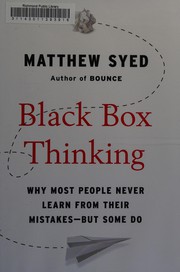
Why aviation learns from every failure while fields like medicine hide theirs.
Recommended by: Richard Branson, Daniel Ek
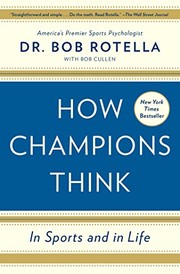
A sports psychologist on how champions think, in sport and in life.
Recommended by: Mohnish Pabrai
Why success at school and at work predicts happiness so poorly.
Recommended by: Tim Ferriss
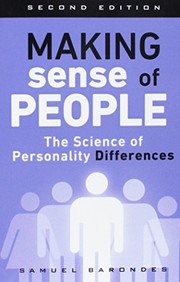
The science of personality, as tools for judging people more systematically.
Recommended by: Graham Duncan

A dating book for men built on what evolutionary psychology says women want.
Recommended by: Andrew Chen
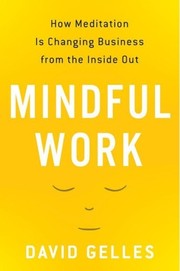
How meditation and mindfulness entered business and leadership.
Recommended by: Arianna Huffington

How finding love, dating and relationships have changed from earlier generations.
Recommended by: Nat Eliason
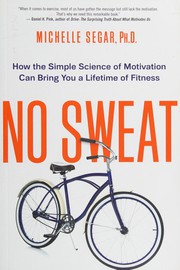
A four-point program, built on motivation research, for sticking with exercise.
Recommended by: Arianna Huffington
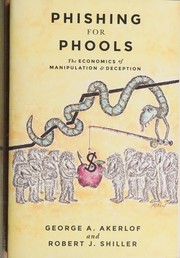
How free markets produce manipulation and deception as well as goods.
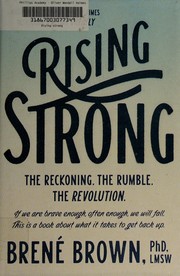
How to get back up after a fall by owning stories of failure and heartbreak.
Recommended by: Brené Brown
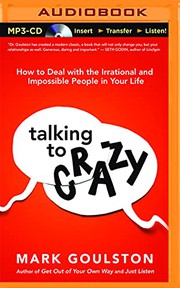
How to deal with irrational, volatile and manipulative people at work and at home.
Recommended by: Cynthia Johnson
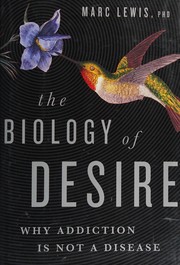
Addiction as learning in the brain, not a disease, by a neuroscientist and ex-addict.
Recommended by: Esther Dyson
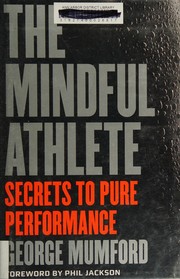
The mindfulness methods of a coach to NBA stars, Michael Jordan among them.
Recommended by: Arianna Huffington
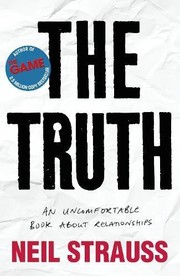
A dating expert's memoir of facing monogamy and fidelity.
“Deep look at romantic relationships. Neil’s autobiography of transformation from being a womanizing sex addict, through therapy, concluding with commitment to his girlfriend. But interlaced in his story are powerful lessons about relationships.” — Derek Sivers
Source: Derek Sivers book notes (primary, rated list) · Rating: 7/10
Recommended by: Derek Sivers, Ryan Holiday, Nat Eliason
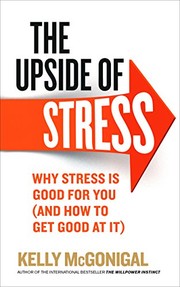
A psychologist's case that stress can be good for people.
Recommended by: Austen Allred, Keith Rabois and 1 other
Neuroscience-based ways to create two hours of peak productivity each day.
Recommended by: Mohnish Pabrai
What makes winners succeed, from motivation to performance.
Recommended by: Richard Branson
Build habits by making them obvious, attractive, easy and satisfying.
“Last October, my friend James Clear published the breakout hit book, Atomic Habits. As we both discovered in the months that followed, we have many readers in common.” — Cal Newport
Source: The Atomic Minimalist: My Conversation with James Clear
Recommended by: Ali Abdaal, Balaji S. Srinivasan and 22 others

Tibetan Buddhist practice of lucid dreaming and dream yoga.
Recommended by: Naval Ravikant
Why outstanding achievement comes from passion and persistence rather than talent.
“Grit is her word for persistence, focus, endurance, and constant improvement. Great thoughts on this point. If interested in it, also read the books here about deliberate practice.” — Derek Sivers
Source: Derek Sivers book notes (primary, rated list) · Rating: 7/10
Recommended by: Derek Sivers, Michael Mauboussin, Tom Bilyeu and 5 others
“Brilliant and profound yet totally entertaining philosophy book by one of my favorite people. Gives an approachable overview of past philosophies and shows how they apply to your life today better than the harmful pop-self-help-positivity stuff. Amazing perspectives on desires, death, relationships, anger, and how being present doesn’t matter as much as the story you tell yourself afterwards. His fun writing style isn’t reflected in my notes here. Get the book.” — Derek Sivers
Source: Derek Sivers book notes (primary, rated list) · Rating: 9/10
Recommended by: Ali Abdaal, Derek Sivers, Reese Witherspoon
How anyone can raise their happiness set point by cultivating joy.
“And he has a book called Joy on Demand, which is fantastic. I thought it was a fantastic title.” — Tim Ferriss
Source: The Tim Ferriss Show Transcripts: Susan Cain (#357)
Recommended by: Tim Ferriss
The benefits of disorder at home, at work and in the classroom.
Recommended by: Zoë Foster Blake
Attracting women through honest self-development instead of pickup tactics.
Recommended by: Nat Eliason
How experts in music, chess, medicine and sport excel through deliberate practice.
“After being quoted in many books, the guy who coined “deliberate practice”, and spent his career studying just that, finally writes his own take on it. But I've already loved “The Talent Code”, “The Little Book of Talent”, “Moonwalking with Einstein”, “Talent is Overrated”, and “Little Bets”, which are all about this same field. So I didn't get much new out of it, but if you haven't already read those, maybe start here at the horse's mouth.” — Derek Sivers
Source: Derek Sivers book notes (primary, rated list) · Rating: 7/10
Recommended by: Derek Sivers, Michael Mauboussin and 1 other
What makes partnerships succeed, told through the stories of famous pairs.
Recommended by: Mohnish Pabrai
Why working better means working less and resting better.
Recommended by: Arianna Huffington, Matej Latin
Productivity as a matter of how people think, set goals, build teams and decide.
Recommended by: Mohnish Pabrai, Sarah Pritula
An engineer's approach to happiness: the illusions and brain flaws behind suffering.
Recommended by: Andrew Wilkinson, Peter Attia
Chance shapes success more than people think; what that means for fairer economies.
Recommended by: Mohnish Pabrai
A model of adventure for living a life full of memorable experiences.
Recommended by: Jim Kwik
Why chasing constant positive experience backfires, and why accepting the bad helps.
Recommended by: Ran Segall, Johnnie Gomez, Matej Latin and 1 other
Why to stop trying to be positive all the time and accept life's problems instead.
“The opposite of every other book. Don’t try. Give up. Be wrong. Lower your standards. Stop believing in yourself. Follow the pain. And oh yeah, kill yourself. Each point is profoundly true, useful, and more powerful than the usual positivity. Succinct but surprisingly deep, I read it in one night, then read it again a month later.” — Derek Sivers
Source: Derek Sivers book notes (primary, rated list) · Rating: 9/10
Recommended by: Derek Sivers, Nat Eliason
Routines, tools and advice from over 200 podcast guests on health, wealth and wisdom.
“A very useful collection of notes from hundreds of hours of Tim's podcast interviews. It's definitely a mix of thoughts and advice from a mix of people. A real collage. The first quarter of the book, full of milligram measurements of things you could be ingesting, almost made me quit, but the 2nd half of the book had some great ideas.” — Derek Sivers
Source: Derek Sivers book notes (primary, rated list) · Rating: 5/10
Recommended by: Balaji S. Srinivasan, Derek Sivers and 7 others
What tribal societies teach about loyalty, belonging and the search for meaning.
“Tribes are so powerful, and so overlooked.” — Morgan Housel
Source: A Few Good Books · Collaborative Fund
Recommended by: Morgan Housel, Alfred Lin, Tim Ferriss
Fifty-two weekly meditations for a year of self-discovery.
Recommended by: Arianna Huffington
The science and art of how fonts affect what we read and the choices we make.
Recommended by: Jeremiah Shoaf
A spiritual guide to self-acceptance and freedom from stress and anger.
“And I was in there maybe three months ago, listening to Byron Katie's new book, A Mind at Home with Itself.” — Graham Duncan
Source: The Tim Ferriss Show Transcripts: Graham Duncan (#362)
Recommended by: Graham Duncan, Tony Robbins
What science shows about how meditation changes the mind, brain and body.
Recommended by: Peter Attia
How perception works in the brain, and how to see differently.
Recommended by: Bryan Johnson
A lifelong sufferer turns her inquiry on anxiety and how to live with it.
Recommended by: George Hatzis
How the brain constructs emotions, and their social side.
Recommended by: Emmett Shear
How popularity in youth shapes development and still affects happiness and success.
Recommended by: Susan Cain
How to design moments that make experiences richer and more memorable.
Recommended by: Jake Knapp, Joel Connolly, Michael Batko
A grieving man walks the Camino de Santiago after scattering his father's ashes.
Recommended by: Matt Mullenweg
An FBI counterintelligence system for earning trust, built from recruiting sources.
Recommended by: Kevin Rose
The pleasures of solitude and solo travel across four cities, Paris among them.
Recommended by: Arianna Huffington
A mindfulness meditation practice for awareness and well-being.
Recommended by: Arianna Huffington
How to find your community: first know yourself, then find your people.
Recommended by: Matt Mullenweg
Tools and stories for making complex, long-range decisions.
Recommended by: Alfred Lin, Chris Dixon
The history and revival of psychedelic research, and the author's own trips.
“There's a good book Michael Pollan wrote recently called How to Change your Mind, and I think it is a brilliant book everybody should read.” — Naval Ravikant
Source: Naval's Recommended Reading — The Almanack of Naval Ravikant
Recommended by: Jim Collins, Vinod Khosla, Bill Gates and 8 others

A woman's story of a failed marriage to a pastor, and choosing herself over it.
Recommended by: Claire Diaz-Ortiz
Why ordinary things such as confetti, blossoms and baby animals bring us joy.
Recommended by: Arianna Huffington
A therapist's guide to answering your soul's calling in the second half of life.
“I love this line from Dr. James Hollis' incredible book (one of my favorites from the last few years)” — Andrew Wilkinson
Source: Essay
Recommended by: Andrew Wilkinson
Depression and anxiety traced to lost connections to work, people and values.
Recommended by: Andrew Wilkinson, Arianna Huffington and 2 others
The brain science that matters to designers and how it shapes people's daily use.
Recommended by: Ryan Hoover
What sets apart serial innovators, from the lives of eight of them.
Recommended by: Keith Rabois

Why women's anger is justified and can be a tool for change.
Recommended by: Alexis Ohanian, Kathryn Minshew
A new approach to depression that links it to inflammation in the body.
Recommended by: Vinod Khosla
How dopamine drives desire, love, addiction and creativity.
“A book about dopamine, the most powerful chemical in your brain that we rarely think about has so much influence on the world.” — Morgan Housel
Source: A Few Good Books · Collaborative Fund
Recommended by: Morgan Housel

The evolutionary and cultural roots of hate, and how people can change.
Recommended by: Kathryn Minshew
How challenges in human evolution shaped our psychology.
Recommended by: Eric Weinstein
A way to share kindness for every day of the year.
Recommended by: Arianna Huffington
The psychology behind advertising and marketing ideas that defy logic but work.
“Insights into marketing, design, advertising, positioning, and business strategy. Argues for doing what seems illogical in theory, but works in practice because psychology isn't science. Often counter-intuitive, so worth a little extra verbosity.” — Derek Sivers
Source: Derek Sivers book notes (primary, rated list) · Rating: 7/10
Recommended by: Derek Sivers, Nassim Nicholas Taleb
Why women burn out differently from men, and a science-based plan to manage stress.
Recommended by: Mel Robbins
How hallucinogens and indigenous practice can be used in psychotherapy.
Recommended by: Tim Ferriss
Why people feel hopeless at a time of material plenty: a book about hope.
“Yesterday, I started my day by finishing A People’s History of American Empire: The American Empire Project, A Graphic Adaptation and ended my day by finishing Everything Is F*cked: A Book About Hope. In between Amy took me to see John Wick: Chapter 3 – Parabellum (or maybe I took her to see it.) All three experiences were satisfactory.” — Brad Feld
Source: Book: Everything Is Fucked — Feld Thoughts
Recommended by: Andrew Wilkinson, Brad Feld
How eye contact can build relationships and confidence and win negotiations.
Recommended by: Sheryl Sandberg
Marcus Aurelius's life and the Stoic philosophy of his Meditations.
Recommended by: Patrick Bet-David, Ryan Holiday
Distraction comes from escaping discomfort, not technology, and how to manage it.
“A specific guide for how to avoid distraction in your life. 95% of it was how-to stuff I didn't find useful because I'm already doing all of it. If you're not, this book is much more useful to you. It had two interesting points for me: about dissatisfaction driving motivation, and filling your daily calendar with a template of how you want to spend your day.” — Derek Sivers
Source: Derek Sivers book notes (primary, rated list) · Rating: 2/10
Recommended by: Ana Fabrega, Balaji S. Srinivasan and 6 others
Why finding one's way later in life can be an advantage.
Recommended by: Arianna Huffington
A therapist's own hard stretch, told alongside the stories of four of her patients.
Recommended by: Andrew Wilkinson, Claire Diaz-Ortiz
How popular stories spread like epidemics and drive economic events.
“Robert J. Shiller, Narrative Economics: How Stories Go Viral and Drive Major Economic Events (Princeton, NJ: Princeton University Press, 2019)” — Michael Mauboussin
Source: Who Is On the Other Side? A Framework for Understanding Market (In)Efficiency
Recommended by: Michael Mauboussin, Jackie Vullinghs
An illustrated guide to handling emotions at work while staying professional.
Recommended by: Cal Newport
How sleep, diet and social media feed ADHD-like traits, with Trump as a case study.
Recommended by: Andrew Wilkinson
A design framework from behavioural science: begin with the behaviour to change.
Recommended by: Chelsea Krost
Why people so often misread strangers, from traffic stops to spies.
Recommended by: Melinda Gates, Patrick Bet-David and 1 other
A dialogue between a philosopher and a young man on how to live a happy life.
“The sequel to the great “Courage to be Disliked”. The philosophy of Alfred Adler, on education, self-reliance, coming to terms with your past, focusing on solutions instead of problems, and active loving. Be warned, the format is strange: a dialog between an angry youth and calm philosopher. You can skim over what the youth says, since it's just angry objections.” — Derek Sivers
Source: Derek Sivers book notes (primary, rated list) · Rating: 7/10
Recommended by: Derek Sivers, Ryan Hoover
How exercise ties to human joys: self-expression, social connection and mastery.
Recommended by: Keith Rabois, Kevin Rose
A comedian's memoir of trauma, evil and resilience.
Recommended by: Zoë Foster Blake
A psychologist on how empathy can be built, even in divided times.
Recommended by: Arianna Huffington

The true story of the sex lives of three American women, from years of reporting.
Recommended by: Zoë Foster Blake
How to build a happier, healthier life by starting with very small habits.
Recommended by: Arianna Huffington, Ramit Sethi
How nations cope with devastating crises and change.
Recommended by: Bill Gates
A guide to having more honest and constructive arguments.
Recommended by: Ryan Hoover, Sahil Lavingia
Seven practices, steadiness to timelessness, joining brain science and meditation.
Recommended by: Andrew Wilkinson
Why successful people focus on 'the gain', not 'the gap'.
Recommended by: Mel Robbins
Twenty short essays on why behaviour matters more than knowledge with money.
“Example: Morgan Housel has sold 1M+ copies of "The Psychology of Money" with them (though he probably didn't need much help 😝 - if you haven't read this book yet, it's a MUST)” — Ana Fabrega
Source: Fab Fridays 96: Book Deal! - by Ana Lorena - Fab Fridays
Recommended by: Ana Fabrega, Andrew Wilkinson, Derek Sivers and 11 others
How the West became psychologically peculiar and particularly prosperous.
Recommended by: Marc Andreessen
How being different, socially, physically or mentally, can be a person's strength.
Recommended by: Susan Cain
Lectures a psychiatrist gave months after leaving the Nazi camps, on finding hope.
Recommended by: Ryan Holiday
Attention deficit disorder in adults and children, and how to manage it.
Recommended by: Andrew Wilkinson
Eighty-seven emotions and experiences, mapped with language for each.
Recommended by: Brené Brown
Twelve more rules for balancing order and chaos in modern life.
“Deep philosophy. Interesting voice. Great uncommon insights. Jungian. Brings almost any topic back to stories. Story of Pinnochio, stories in the Bible, story of your life. Stresses the importance of convention and social norms. 1st chapter had me talking about this book with friends immediately, loving it. 2nd chapter onwards, it was a tougher read. Needs a ruthless editor.” — Derek Sivers
Source: Derek Sivers book notes (primary, rated list) · Rating: 7/10
Recommended by: Derek Sivers, Naval Ravikant
Finding success, happiness and purpose in the second half of life.
Recommended by: Andrew Wilkinson

How to set healthy boundaries at work and with partners, friends and family.
Recommended by: Mel Robbins
Teachings that hold enlightenment needs no effort, only watchful awareness.
“I've been really enjoying Anthony de Mello's book Stop Fixing Yourself on this topic. It's a serious bucket of cold water over the head for anyone who's an obsessive striver.” — Andrew Wilkinson
Source: Newsletter
Recommended by: Andrew Wilkinson
Five centuries of financial and religious manias, and why people go mad in groups.
“Narratives, says William Bernstein, author of The Delusions of Crowds: Why People Go Mad in Groups (2021), are “the pathogens that spread the bubble disease throughout a society.” — Jeremy Grantham
Source: Valuing AI: Extreme Bubble, New Golden Era - or Both?, page 4
Recommended by: Jeremy Grantham, Michael Mauboussin
Why people see what they want to see, and how to see things as they are.
Recommended by: Julia Galef, Vitalik Buterin
A four-stage path to integrity as the cure for psychological suffering.
Recommended by: Melinda Gates
Applying behavioural science to make transport better for people.
Rene Girard's theory that people imitate each other's desires, applied to business.
“Pop explanation of René Girard’s anthropology of mimetic theory. We all imitate, but are rarely aware of it. Many relatable examples, though not a clear takeaway.” — Derek Sivers
Source: Derek Sivers book notes (primary, rated list) · Rating: 7/10
Recommended by: Derek Sivers, Andrew Wilkinson and 4 others
Mental disorders as metabolic disorders of the brain, and the treatments that follow.
Recommended by: Andrew Wilkinson
Why people stick too long with failing projects and careers, and how to quit well.
“Annie Duke, Quit: The Power of Knowing When to Walk Away (New York: Portfolio, 2022)” — Michael Mauboussin
Source: Capital Allocation: Results, Analysis, and Assessment, page 66
Recommended by: Ev Williams, Michael Mauboussin
What the longest scientific study of happiness says makes a good life.
“a new book by Robert Waldinger, the study's current director, and it drove this home.” — Andrew Wilkinson
Source: Essay
Recommended by: Andrew Wilkinson
A neurobiologist's case that free will does not exist, and what follows for morality.
“See Robert M. Sapolsky, Determined: A Science of Life Without Free Will (New York: Penguin Press, 2023), 154-202” — Michael Mauboussin
Source: Pattern Recognition: Opportunities and Limits, page 12
Recommended by: Andrew Wilkinson, Michael Mauboussin
How to see other people deeply and make them feel seen.
“First part was great - so empathetic - about how and why to really get to know someone. I skipped the middle part about difficult conversations in the Culture Wars. Last part was great, about what it is to be wise.” — Derek Sivers
Source: Derek Sivers book notes (primary, rated list) · Rating: 8/10
Recommended by: Andrew Wilkinson, Bill Gates, Derek Sivers
Twenty-three short essays on the parts of human behaviour that never change.
“There are many things that never change” — Andrew Wilkinson
Source: Newsletter
Recommended by: Andrew Wilkinson
Daily strategies for adults with ADHD to reach their goals and manage life.
Recommended by: Andrew Wilkinson
The science of wellbeing and how it can guide public policy.
Recommended by: Andrew Wilkinson
The sense foraging technique: using sensation to break patterns and relieve anxiety.
Recommended by: Andrew Wilkinson
The lessons of The Tipping Point reframed, with cases from Miami to the Ivy League.
Recommended by: Andrew Wilkinson
The three kinds of conversation, practical, emotional and social, and how to connect.
Recommended by: Andrew Wilkinson

Why adolescents' mental health fell sharply in the early 2010s.
Recommended by: Andrew Wilkinson, Bill Gates and 1 other
Reframing beliefs by whether they are useful, not whether they are true.
“Derek is one of my favorite writers, and his latest book is focused on a simple idea: our beliefs are often not necessarily true, but simply useful to us. That beliefs are tools, not truths.” — Andrew Wilkinson
Source: Newsletter
Recommended by: Andrew Wilkinson
Why most people spend money badly, and how to spend it well.
“Philosophical thoughts on what to do with your money, which then relates to happiness, independence, envy, scarcity, and more. Putting money into savings is like buying independence. Imagine a 5-star chef cooks the most amazing meals for you 3× a day, every day. You’d lose the joy of a great meal since it’s no longer scarce. Implications for life?” — Derek Sivers
Source: Derek Sivers book notes (primary, rated list) · Rating: 7/10
Recommended by: Derek Sivers
The shared traits of adult children of alcoholics, with hints for recovery.
Recommended by: Chamath Palihapitiya
Antifragility, the opposite of fragility, in things that gain from disorder.
Recommended by: Patrick Collison
How shame hurts women's lives, and strategies for courage and connection.
Recommended by: Brené Brown
Questions about love, romance and sex that set the imagination to work.
Recommended by: Mohnish Pabrai
Recommended by: Richard Branson
Nine toddler traits, such as imagination and determination, that adults can relearn.
Recommended by: Richard Branson
A powerlifter's guide to the mental training behind world-class strength.
Recommended by: Nat Eliason
A method of parallel thinking that lets groups think together in coordinated steps.
Recommended by: Tim Ferriss
Ninety-nine errors of reasoning people make in business and private life.
Recommended by: Michael Batko
The research showing that timing is a science, and how to make 'when' decisions.
Recommended by: Arianna Huffington
The creative process, from interviews with 40 winners of MacArthur fellowships.
Recommended by: Guy Kawasaki
How the mind deludes us, and how Buddhist meditation helps us see the world clearly.
Recommended by: Matt Mullenweg, Nick Thompson, Kevin Rose and 1 other
 Robert Greenewrote 7 books here
 Daniel Kahnemanwrote 6 books here
 Richard H. Thalerwrote 5 books here
 Adam Grantwrote 4 books here
 Dan Arielywrote 4 books here
 Brené Brownwrote 4 books here
 Robert J. Shillerwrote 3 books here
 Morgan Houselwrote 3 books here
 Michael Mauboussinwrote 2 books here
 Robert B. Cialdiniwrote 2 books here
Show all 44
 Matt Ridleywrote 2 books here
 Rory Sutherlandwrote 2 books here
 Dan Gardnerwrote 2 books here
 Van K. Tharpwrote 2 books here
 Brian Grazerwrote 2 books here
 Chade-Meng Tanwrote 2 books here
 David Brookswrote 2 books here
 Charlie Mungerwrote 1 book here
 Michael Lewiswrote 1 book here
 Nassim Nicholas Talebwrote 1 book here
 Chris Andersonwrote 1 book here
 Frank Partnoywrote 1 book here
 Jason Zweigwrote 1 book here
 Tyler Cowenwrote 1 book here
 Ryan Holidaywrote 1 book here
 Annie Dukewrote 1 book here
 David Schwartzwrote 1 book here
 Derek Siverswrote 1 book here
 James Altucherwrote 1 book here
 James Montierwrote 1 book here
 Julia Galefwrote 1 book here
 Nir Eyalwrote 1 book here
 Sheryl Sandbergwrote 1 book here
 Susan Cainwrote 1 book here
 Tim Ferrisswrote 1 book here
 Tony Robbinswrote 1 book here
 Tucker Maxwrote 1 book here
 Mohnish Pabrairecommends 126 books hereDerek Siversrecommends 69 books here
 Nat Eliasonrecommends 57 books hereMichael Mauboussinrecommends 53 books hereTim Ferrissrecommends 34 books here
 Naval Ravikantrecommends 25 books here
 Patrick Collisonrecommends 22 books here
 Bill Gatesrecommends 21 books here
 Marc Andreessenrecommends 18 books here
 Arianna Huffingtonrecommends 18 books here
 Ray Daliorecommends 17 books here
Show all 222
Nir Eyalrecommends 17 books hereRyan Holidayrecommends 15 books here Tony Hsiehrecommends 14 books hereNassim Nicholas Talebrecommends 13 books here
 Matt Mullenwegrecommends 13 books hereBrené Brownrecommends 12 books here
 Tom Bilyeurecommends 12 books here
 Vinod Khoslarecommends 11 books here
 Ev Williamsrecommends 10 books here
 Keith Raboisrecommends 10 books here
 Jim Collinsrecommends 9 books here
 Alfred Linrecommends 9 books here
 Anthony Pomplianorecommends 9 books here
 Mel Robbinsrecommends 9 books here
 Brad Feldrecommends 8 books hereMorgan Houselrecommends 8 books here
 Simon Sinekrecommends 8 books here
 Graham Duncanrecommends 8 books here
 Guy Spierrecommends 7 books here
 Eric Weinsteinrecommends 7 books hereJames Altucherrecommends 7 books here
 Terrance McArthurrecommends 7 books hereTony Robbinsrecommends 7 books here
 Tristan Harrisrecommends 7 books hereCharlie Mungerrecommends 6 books here
 Ana Fabregarecommends 6 books here
 Brian Armstrongrecommends 6 books here
 David Cancelrecommends 6 books here
 Kevin Roserecommends 6 books here
 Melinda Gatesrecommends 6 books here
 Michael Batkorecommends 6 books here
 Peter Attiarecommends 6 books here
 Ramit Sethirecommends 6 books here
 Richard Bransonrecommends 6 books here
 Howard Marksrecommends 5 books here
 Tobi Lütkerecommends 5 books here
 Zoë Foster Blakerecommends 5 books hereTyler Cowenrecommends 4 books here
 Alexis Ohanianrecommends 4 books here
 Antonio García Martínezrecommends 4 books here
 Bryan Johnsonrecommends 4 books here
 Garry Tanrecommends 4 books here
 Matej Latinrecommends 4 books here
 Nick Huberrecommends 4 books here
 Patrick Bet-Davidrecommends 4 books here
 Ran Segallrecommends 4 books here
 Sam Altmanrecommends 4 books here
 Satya Nadellarecommends 4 books hereSheryl Sandbergrecommends 4 books hereSusan Cainrecommends 4 books here
 Warren Buffettrecommends 3 books here
 Reid Hoffmanrecommends 3 books here
 Bill Nygrenrecommends 3 books here
 Safi Bahcallrecommends 3 books here
 Balaji S. Srinivasanrecommends 3 books here
 Cal Newportrecommends 3 books here
 Chamath Palihapitiyarecommends 3 books here
 David Kadavyrecommends 3 books here
 Emmett Shearrecommends 3 books here
 George Hatzisrecommends 3 books here
 Jackie Vullinghsrecommends 3 books here
 Jake Knapprecommends 3 books here
 Jerry Colonnarecommends 3 books hereJulia Galefrecommends 3 books here
 Kathryn Minshewrecommends 3 books here
 Nathan Murphyrecommends 3 books here
 Noah Kaganrecommends 3 books here
 Peter Malloukrecommends 3 books here
 Raoul Palrecommends 3 books here
 Ryan Petersenrecommends 3 books here
 Stewart Butterfieldrecommends 3 books hereDaniel Kahnemanrecommends 2 books here
 John C. Boglerecommends 2 books here
 Jeremy Granthamrecommends 2 books here
 John Doerrrecommends 2 books here
 David Heinemeier Hanssonrecommends 2 books here
 Abi Tyas Tunggalrecommends 2 books here
 Albert Wengerrecommends 2 books here
 Andrew Chenrecommends 2 books here
 Bret Victorrecommends 2 books here
 Changpeng Zhaorecommends 2 books here
 Chase Jarvisrecommends 2 books here
 Claire Diaz-Ortizrecommends 2 books here
 Daniel Ekrecommends 2 books here
 Daniel Petrerecommends 2 books here
 Drew Houstonrecommends 2 books here
 Esther Dysonrecommends 2 books here
 Graham Stephanrecommends 2 books here
 James Cameronrecommends 2 books here
 Jane McGonigalrecommends 2 books here
 John D Saundersrecommends 2 books here
 Jordan Hughesrecommends 2 books here
 Josh Wolferecommends 2 books here
 Justin Kanrecommends 2 books here
 Maria Popovarecommends 2 books here
 Mark Zuckerbergrecommends 2 books here
 Mike Maples, Jr.recommends 2 books here
 Paul Grahamrecommends 1 book here
 Peter Thielrecommends 1 book here
 Bill Millerrecommends 1 book here
 Eric Schmidtrecommends 1 book here
 James P. O'Shaughnessyrecommends 1 book hereJason Zweigrecommends 1 book here
 Prem Watsarecommends 1 book here
 Seth Klarmanrecommends 1 book here
 Francois Rochonrecommends 1 book here
 Guy Kawasakirecommends 1 book here
 Adam Fisherrecommends 1 book here
 Allen Gannettrecommends 1 book here
 Ben Silbermannrecommends 1 book here
 Bernard Baruchrecommends 1 book here
 Biz Stonerecommends 1 book here
 Brett Adcockrecommends 1 book here
 Charles Kochrecommends 1 book here
 Chelsea Krostrecommends 1 book here
 Chris Dixonrecommends 1 book here
 Codie Sanchezrecommends 1 book here
 Cristina Cordovarecommends 1 book here
 Cynthia Johnsonrecommends 1 book here
 David Hellmannrecommends 1 book here
 Daymond Johnrecommends 1 book here
 Diana Kimballrecommends 1 book here
 Donald Trumprecommends 1 book here
 Dustin Moskovitzrecommends 1 book here
 Elon Muskrecommends 1 book here
 Fred Schebestarecommends 1 book here
 Jack Dorseyrecommends 1 book here
 Jason Calacanisrecommends 1 book here
 Jeff Atwoodrecommends 1 book here
 Jeff Bezosrecommends 1 book here
 Jensen Huangrecommends 1 book here
 Joel Connollyrecommends 1 book here
 John Arnoldrecommends 1 book here
 John Maedarecommends 1 book here
 Johnnie Gomezrecommends 1 book here
 Julie Zhuorecommends 1 book here
 Marissa Mayerrecommends 1 book here
 Mark Cubanrecommends 1 book here
 Max Levchinrecommends 1 book here
 Nate O'Brienrecommends 1 book here
 Niki Scevakrecommends 1 book here
 Paul Bassatrecommends 1 book here
 Paul Jarvisrecommends 1 book here
 Pieter Levelsrecommends 1 book here
 Reese Witherspoonrecommends 1 book here
 Steve Jurvetsonrecommends 1 book here
 Stewart Brandrecommends 1 book here
 Strauss Zelnickrecommends 1 book here
 Susan J. Fowlerrecommends 1 book here
 Trevor Ncuberecommends 1 book here
 Vitalik Buterinrecommends 1 book here
 Whitney Wolfe Herdrecommends 1 book here