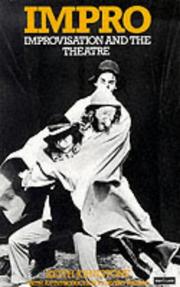
Impro
Improvisation techniques and exercises for training spontaneity and storytelling.
Summary
Johnstone, a theatre educator, sets out the improvisation techniques and exercises he developed to train spontaneity and narrative skill. They began at the Royal Court Theatre in London, where George Devine and Tony Richardson commissioned a play from him in 1956 and where he later became associate artistic director, working as a play reader and director and helping run the Writers' Group. He developed the methods further in an actors' studio, in demonstrations to schools and colleges, and in a company of performers.
The book, written in 1979, is divided into four sections: Status, Spontaneity, Narrative Skills, and Masks and Trance. Much of it draws on his experience as a teacher and at the Royal Court.
Key takeaways 3
- Improvisation techniques can train spontaneity and storytelling in actors and non-actors.
- Johnstone organises his teaching around status, spontaneity, narrative skills, and masks and trance.
- His methods were developed at the Royal Court Theatre and tested in schools and with a performing company.
Who should read it
Actors, teachers and anyone interested in creativity and social behaviour who want the classic text on improvisation.
Who recommended it 1 · 1 direct
Similar books 6
Chosen by shared topics, the entries that hold them, and the people who recommended both.
What leads to creative moments, for artists at the easel or scientists in the lab.
Recommended by: Patrick O'Shaughnessy
The creative process, from interviews with 40 winners of MacArthur fellowships.
Recommended by: Guy Kawasaki
How curiosity and asking questions improve work and relationships.
Recommended by: Mohnish Pabrai, Patrick O'Shaughnessy and 1 other
A short method for producing creative ideas.
Recommended by: Patrick O'Shaughnessy
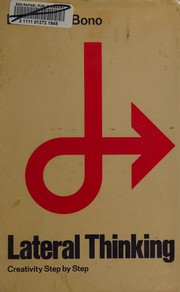
A textbook of creative thinking.
“I haven't read it in decades, but Edward de Bono, Six Thinking Hats, he also had, I believe, a book called Lateral Thinking, which I found helpful.” — Tim Ferriss
Recommended by: Patrick O'Shaughnessy, Tim Ferriss
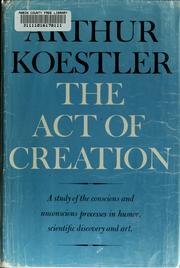
Creativity in humour, science and art as 'bisociation': joining two unrelated frames.
Recommended by: Patrick Collison, Patrick O'Shaughnessy and 1 other