Art and Design
Fine art, architecture, photography, typography, graphic and product design, film and music, plus the practice and criticism of making things. Read by designers, makers and people who care what the world looks and sounds like.
Start here
- Lives of the ArtistsGiorgio Vasari, 1550
- The Death and Life of Great American CitiesJane Jacobs, 1961
- Confessions of an Advertising ManDavid Ogilvy, 1963
- A Pattern LanguageChristopher Alexander, 1977
- Ogilvy on AdvertisingDavid Ogilvy, 1983

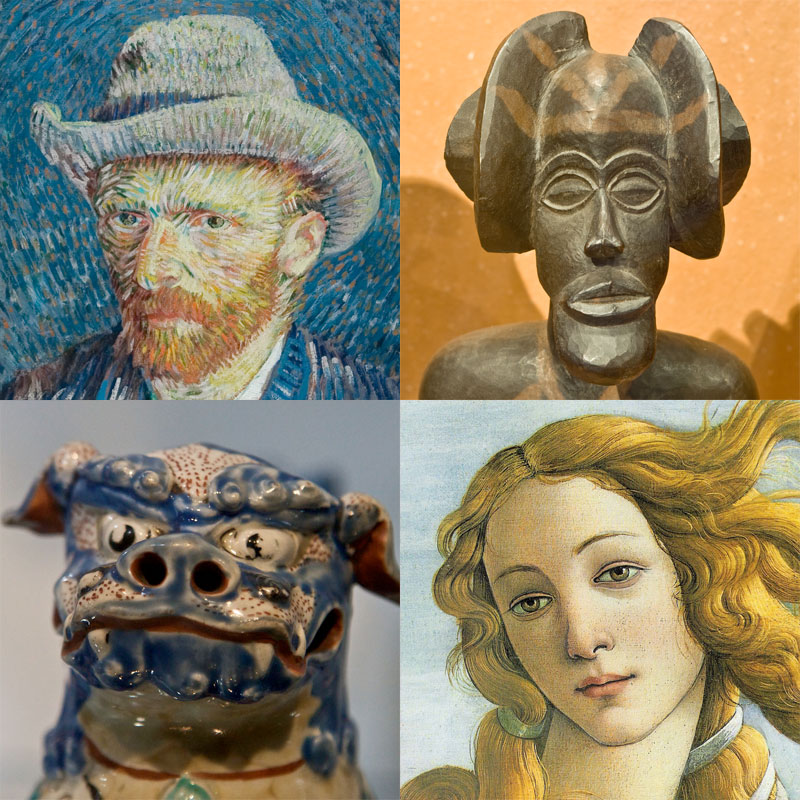
Lives of the painters, sculptors and architects of the Italian Renaissance.
“Vasari, Lives of the Artists” — Paul Graham
Source: Rarely-Asked Questions — paulgraham.com
Recommended by: Paul Graham
What makes city streets work, and how 1950s planning and slum clearance broke them.
Recommended by: Patrick Collison, Chris Dixon, Daniel Burka and 2 others
How to win and keep agency clients and write advertising that sells.
Recommended by: Mohnish Pabrai, David Cancel, Sam Parr

253 patterns for building, from the layout of towns down to a window seat.
Recommended by: Patrick Collison, Stewart Brand and 2 others
Rules for advertising that sells, drawn from direct-response testing.
“Ogilvy is a brilliant guy and a terrific writer. Really enjoyed this book and learned a lot.” — Mohnish Pabrai
Source: Mohnish's Bookshelf — Books on Sales & Marketing, entry 40
Recommended by: Mohnish Pabrai, David Cancel, Ev Williams and 1 other
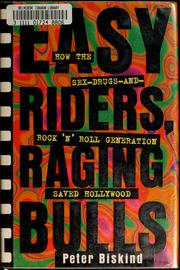
How young directors and drugs remade Hollywood in the 1970s, from Easy Rider on.
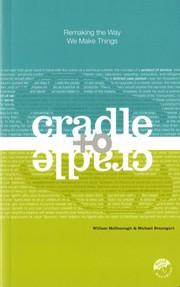
Design products on nature's model, where waste becomes food for the next cycle.
“Cradle to Cradle," yeah, like Bill McDonough's book, which also came out around this time, was hugely influential.” — Joe Gebbia
Source: The Tim Ferriss Show Transcripts: Joe Gebbia (#301)
Recommended by: Joe Gebbia
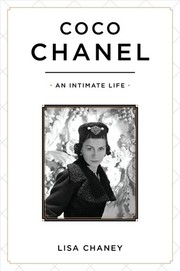
Chanel's origins, her creative work and her private suffering, from new research.
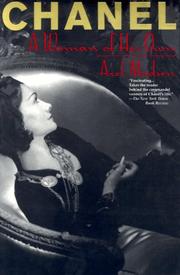
How Coco Chanel rose from an orphaned pauper to rule French fashion.
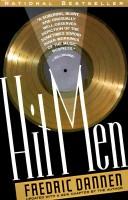
How the music business works in contracts and money, from a music lawyer.
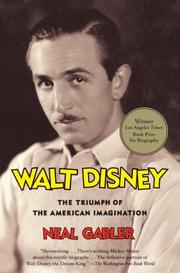
Walt Disney's life from Missouri to Mickey Mouse, the 1941 strike and Disneyland.
“the author, Neal Gabler, who has written the best biography on Walt Disney. And it's a phenomenal book.” — Marc Andreessen
Source: The Tim Ferriss Show Transcripts: Marc Andreessen (#163)
Recommended by: Marc Andreessen, Brian Chesky
An inside look at the art world's auctions, fairs and studios.
How prices are set in the contemporary art market, from dealers to auction houses.
Recommended by: Tim Ferriss, Vinod Khosla, Diana Kimball
A four-step model for habit-forming products: trigger, action, reward, investment.
Recommended by: David Cancel, Nat Eliason, Nir Eyal and 6 others
Leonardo's life read through his notebooks, where art and science were one pursuit.
“Leonardo da Vinci, which I recommended in 2018, remains my favorite.” — The Rational Walk
Source: What I've Been Reading - The Rational Walk
Recommended by: Bill Gates, The Rational Walk, Austen Allred and 7 others
Research on how people see, remember, decide and feel, applied to design.
Recommended by: Jan Losert, Johnnie Gomez, Nir Eyal
Camera angles, continuity, cutting, close-ups and composition: the basics of a shot.

A biography of Gabrielle Chanel by a former French Vogue editor who knew her.
What it is like to write films for Hollywood, from a screenwriter's own career.
“William Goldman, Adventures in the Screen Trade: A Personal View of Hollywood and Screenwriting (New York: Warner Books, 1983), 39” — Michael Mauboussin
Source: Who Is On the Other Side? A Framework for Understanding Market (In)Efficiency
Recommended by: Michael Mauboussin, Tim Ferriss
A filmmaker's theory of the image as a vessel of time rather than information.
Why objects confuse people, and how affordances, signifiers and feedback fix them.
“Designing software is difficult, to be sure, but designing a door is difficult too.” — Jeff Atwood
Source: Recommended Reading for Developers — Coding Horror
Recommended by: Andrew Chen, Jeff Atwood, Ran Segall and 10 others
How storyboards become shots, and how shots are built into film sequences.
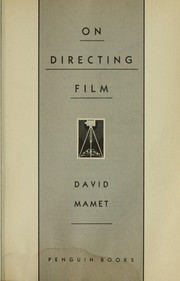
Directing as finding the simplest images that carry the story.
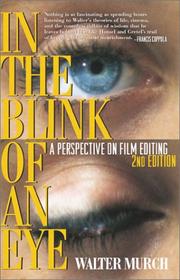
Film editing explained: why cuts work when they follow the rhythm of thought.
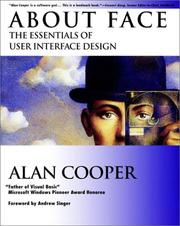
Goal-directed design and personas: fitting software to how users think it works.
Recommended by: Jeff Atwood, Patrick Collison
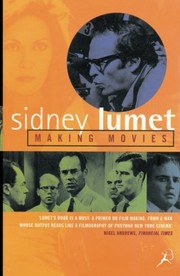
How a film comes together, from the first script reading to the final mix.
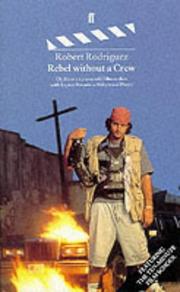
The production diary of El Mariachi, a feature film made for $7,000.

A method for playing music free of the fear and self-judgment that freeze performers.
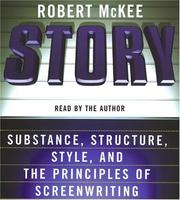
How screen stories are built, from scene construction to subtext.
“A masterpiece about screenwriting. Everyone who writes fiction must read this book. Cinema fans should read this book, even if you have no intention to write. It’s a film school masterclass. It also has surprisingly good insights into life: the story we all create by living.” — Derek Sivers
Source: Derek Sivers book notes (primary, rated list) · Rating: 8/10
Recommended by: Derek Sivers
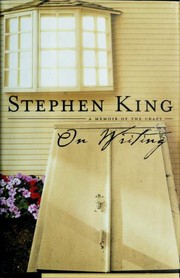
A memoir of the writing craft, and why story comes before plot.
“As Amy watched the Seahawks decimate the Broncos, I read Stephen King’s On Writing: A Memoir of the Craft. The result – Amy was sad while I was delighted.” — Brad Feld
Source: Book: On Writing — Feld Thoughts
Recommended by: Brad Feld, Derek Sivers, Nat Eliason and 3 others
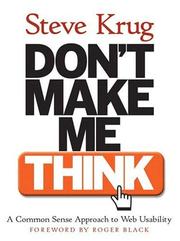
Web usability: why every page should be self-evident and how to test that it is.
“The classic book of web usability. Required reading for anyone who makes websites.” — Derek Sivers
Source: Derek Sivers book notes (primary, rated list) · Rating: 7/10
Recommended by: Brian Armstrong, Derek Sivers, Jeff Atwood and 8 others
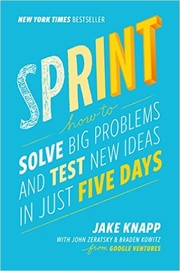
A five-day process for answering a business question by prototyping and testing.
Recommended by: Andy Budd, Jessica Hische, Marty Cagan and 1 other
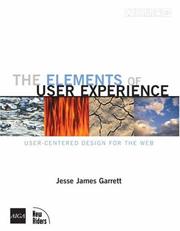
Five planes of design, from strategy to surface, for breaking down design problems.
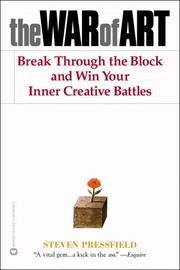
How to beat Resistance, the inner force that keeps people from creative work.
“This book is a must-read for creatives navigating the challenges of living a creative life. It came to me when I needed it the most, and pushed me to examine my internal obstacles and change my attitude towards creating.” — Ana Fabrega
Source: Fab Fridays 10: Silver Lining in this Crisis
Recommended by: Ana Fabrega, Derek Sivers, Mohnish Pabrai and 11 others
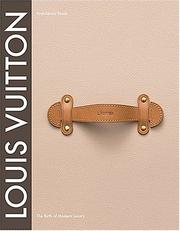
The house history of Louis Vuitton, the brand at the centre of its luxury group.

Rules and a beat sheet for writing a marketable screenplay.
Recommended by: Eric Weinstein
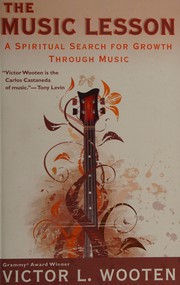
A novel in which a teacher upends a musician's ideas about practice and mistakes.
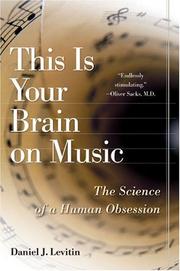
What the brain does with rhythm, timbre and expectation when people hear music.
Recommended by: Vinod Khosla
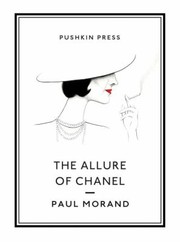
Gabrielle Chanel on her life, as she told it to a writer in Switzerland.
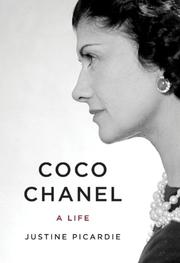
A biography of Gabrielle Chanel from French and British archives, business included.

Recording from cylinder to Pro Tools: should it capture reality or improve on it?
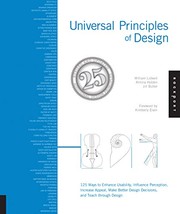
A cross-disciplinary reference of 125 design principles, each with examples.
Recommended by: Ran Segall
How the spaces it is made for, from cathedrals to earbuds, shape music.
“Some interesting historical perspectives I hadn't thought of, like how the venue's reverberation changed composition. Highlight for me was the Byrne/Eno creative thoughts on their approach to writing and recording music, which I've always loved.” — Derek Sivers
Source: Derek Sivers book notes (primary, rated list) · Rating: 5/10
Recommended by: Derek Sivers, Jim Collins, Eric Weinstein
A dealer on what decides the value of art: commercial, social and intrinsic.
How artists, writers and composers structure their working days.
“Collections of the creative routines of famous writers, artists, musicians, and scientists. Some interesting insights, but mostly reinforcing proof that it's important to keep a daily routine to put aside time for your creative work.” — Derek Sivers
Source: Derek Sivers book notes (primary, rated list) · Rating: 5/10
Recommended by: Derek Sivers, Jim Collins, Nat Eliason and 2 others
How IKEA constructed its Swedishness as a brand, by a design historian.
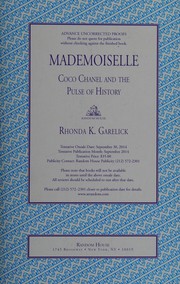
Gabrielle Chanel's business and designs, read alongside the politics of her time.
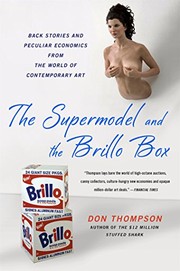
How prices form in the contemporary art market, auction guarantees included.
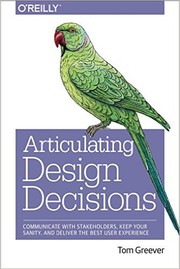
How designers persuade engineers, managers and executives that a design is right.
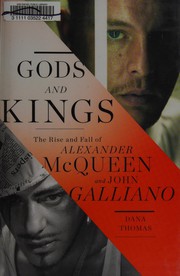
Alexander McQueen and John Galliano, from London art school to Paris fashion houses.
Strategies for electronic music producers stuck starting, finishing or arranging.
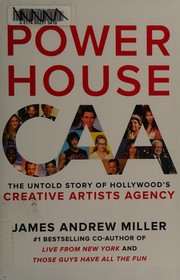
An oral history of CAA and how it changed the Hollywood talent agency.
Recommended by: Joel Connolly
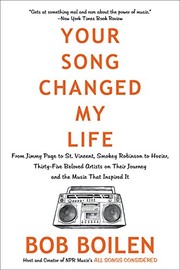
Musicians describe the one song that made them want to make music.
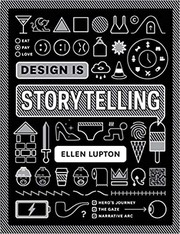
Design treated as narrative: story arc, empathy, surprise and sequence.

Specific design tactics for developers: spacing, type, colour and shadows.
Recommended by: Charlie Marie Prangley, Jordan Hughes
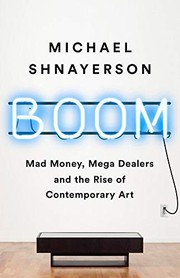
The rise of the mega-galleries and the money in the contemporary art market.

Psychology findings such as Fitts's and Hick's laws applied to interface design.
Recommended by: Ran Segall
Reflections on creativity as a way of being rather than a process.
Recommended by: Eric Jorgenson
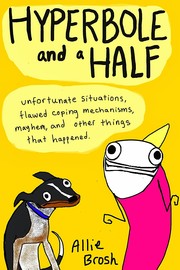
Comic stories from a blog, told with text and deliberately crude drawings.
Recommended by: Bill Gates, Mohnish Pabrai
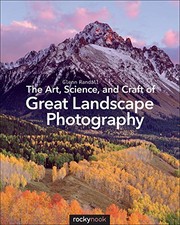
How to turn moments of natural beauty into photographs that move viewers.
Recommended by: Nat Eliason
A painting teacher's philosophical and practical notes on an approach to art.
Recommended by: Jack Dorsey, Ron Conway
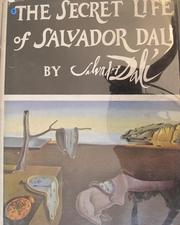
The painter's early autobiography, up to his late thirties.
Recommended by: Naval Ravikant
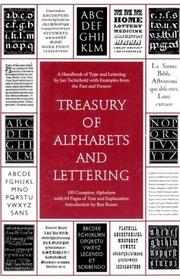
176 type specimens of timeless beauty, most in complete alphabets.
Recommended by: David Kadavy

An essay on typography, lettering, book design and the social side of printing.
Recommended by: Patrick Collison, Jeremiah Shoaf
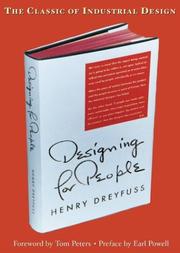
An industrial designer on designing products around the human body.
Recommended by: Patrick Collison, Bret Victor
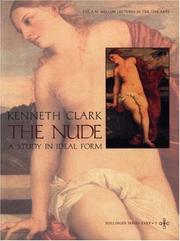
How the ideal nude has changed in art from the Greeks to Renoir and Moore.
Recommended by: Patrick Collison
The plots of a hundred great operas, told for listeners.
Recommended by: Eric Weinstein
A history of mechanical and engineering drawing.
Recommended by: Patrick Collison

The process of design: how to invent things with new physical order and form.
Recommended by: Patrick Collison
A theoretical foundation for information visualization, from a cartographer's work.
Recommended by: Patrick Collison
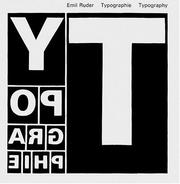
A manual of the Swiss style: grids, asymmetric layouts and sans-serif type.
Recommended by: Jeremiah Shoaf

A history of Western civilisation through its art, buildings, books and people.
“Here are the most exciting ones I can think of: Clark, Civilisation” — Paul Graham
Source: Rarely-Asked Questions — paulgraham.com
Recommended by: Patrick Collison, Paul Graham
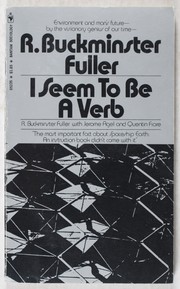
A designer and inventor's case that man can for the first time succeed in his world.
Recommended by: Chris Sacca
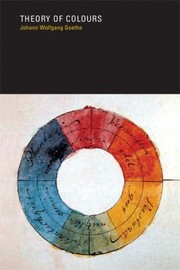
A poet's theory of colour as we perceive it, against the physics of light.
Recommended by: Ed Cooke
Essays on how design shapes the way people see the world around them.
Recommended by: Patrick Collison, Adam Ho, Coleen Baik and 1 other

Architects' manifestos and programs, 1903 to 1963, that shaped modern architecture.
Recommended by: Patrick Collison
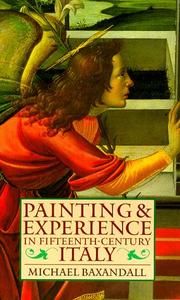
Fifteenth-century Italian painting, and reading social history from its style.
Recommended by: Paul Graham
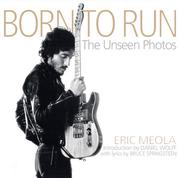
A musician's autobiography, from a Catholic childhood in Freehold, New Jersey.
Recommended by: Bob Iger

How a timeless way of building was used to revise a university's campus plan.
Recommended by: Patrick Collison
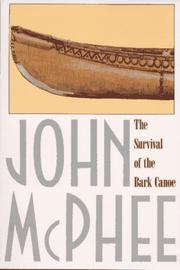
A man who builds birch-bark canoes with the old Indian tools and methods.
Recommended by: Nick Thompson
A designer's guide to reading the man-made environment.
Recommended by: Yves Béhar
The modal system of Turkish art music, including the music of the Whirling Dervishes.
Recommended by: Eric Weinstein

A retroactive manifesto for Manhattan's architecture over a century.
Recommended by: Matt Mullenweg

How the English country house and its social role changed since the Middle Ages.
“Girouard, Life in the English Country House” — Paul Graham
Source: Rarely-Asked Questions — paulgraham.com
Recommended by: Paul Graham
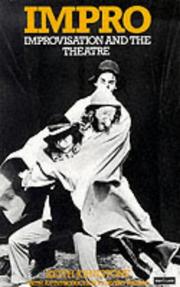
Improvisation techniques and exercises for training spontaneity and storytelling.
Recommended by: Patrick O'Shaughnessy

Why today's theory of architecture is bankrupt, and a way of building that lasts.
Recommended by: Daniel Burka, David Perell
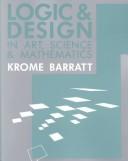
Design in art, science and mathematics: number, ratio, scale and their logic.
Recommended by: Patrick Collison, Bret Victor
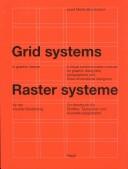
A manual on grid systems for graphic designers, typographers and exhibitions.
Recommended by: Patrick Collison, Ran Segall
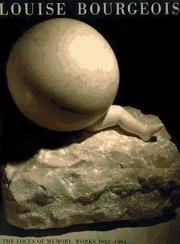
Fifty years of a sculptor's drawings, with her own observations on them.
“There's one called Drawings and Observations by the artist Louise Bourgeois, which is fantastic, and I've given that to so many people, as well as The Principles of Uncertainty by Maira Kalman.” — Caterina Fake
Source: The Tim Ferriss Show Transcripts: Caterina Fake (#360)
Recommended by: Caterina Fake
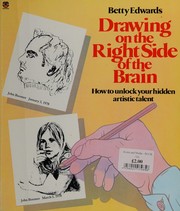
A drawing course built on visual perception and the brain's right hemisphere.
Recommended by: Patrick Collison, Ran Segall, Adam Robinson
The relative size of things in the universe, each step adding another zero.
Recommended by: Stewart Brand
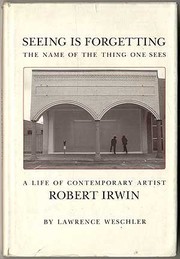
A life of the artist Robert Irwin and his move into the philosophy of perception.
Recommended by: Jack Dorsey

A surreal encyclopedia of an imaginary world, written in an invented script.
Recommended by: Patrick Collison

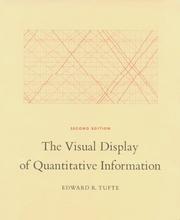
The theory and practice of designing statistical graphics, charts and tables.
“The classic text is Edward R. Tufte, The Visual Display of Quantitative Information, 2nd Ed. (Cheshire, CT: Graphics Press, 2001)” — Michael Mauboussin
Source: Feedback: Information as a Basis for Improvement, page 18
Recommended by: Jeff Atwood, Jim Collins, Michael Mauboussin and 3 others
Methods for showing data in graphs in science and technology.
Recommended by: Bret Victor
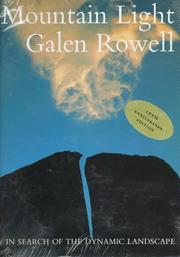
Eighty outdoor colour photographs and the stories of how each one was made.
Recommended by: Adam Gazzaley
A film critic's account of two weeks at the Cannes Film Festival.
Recommended by: Mohnish Pabrai
The life and work of the engineer and inventor Buckminster Fuller.
Recommended by: Patrick Collison
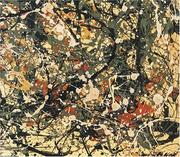
The sources of the painter's work, with the art of the painters he admired.
Recommended by: Mohnish Pabrai
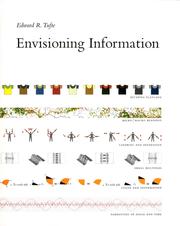
How to show complex information on flat paper or screens, with many examples.
“The bibles of information design. Nothing comparable exists.” — Bret Victor
Source: Links — Bret Victor (his five-star list)
Recommended by: Bret Victor, Jeff Atwood, Jim Collins and 2 others
The nature of creativity, and the failings of universities and corporations.
Recommended by: Mohnish Pabrai
Essays on the zest, gusto and curiosity a writer needs.
Recommended by: Susan J. Fowler
Listening and making music as paths to self-discovery and creativity.
“Everyone should read this book of little essays about listening. It teaches your ears to pay more attention. It calls your attention to sounds you hadn't noticed.” — Derek Sivers
Source: Book notes by Derek Sivers
Recommended by: Derek Sivers

A journey through the world's musical traditions and the idea that all is sound.
“It's called, The World is Sound or Nada Brahma.” — Matt Mullenweg
Recommended by: Matt Mullenweg
An introduction to typefaces, type and page layout.
Recommended by: Jeremiah Shoaf
A course in the creative process and in living an artist's life.
“This makes me actually flash back to our last conversation, because we have some proof for this in a different form, which is Morning Pages from The Artist's Way, Julia Cameron.” — Tim Ferriss
Recommended by: Tim Ferriss, Brian Koppelman
A manual of typography: its art, its history and its technical detail.
“I am obsessed with proportions, ever since reading The Elements of Typographic Style.” — David Kadavy
Source: De Stijl Five of Clubs
Recommended by: David Kadavy, Patrick Collison and 1 other
A plain guide to typography: what type is and how to use it for clear meaning.
Recommended by: Jeremiah Shoaf
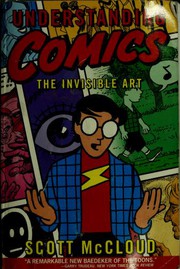
How comics work as an art form and how they are made.
“The pedagogical potential of the comic form is vast and mostly untapped.” — Bret Victor
Source: Links — Bret Victor (his five-star list)
Recommended by: Bret Victor, Patrick Collison, Daniel Burka and 1 other
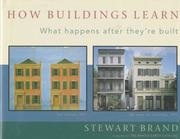
Buildings as processes that change after they are built, and how to design for it.
“Through Stewart Brand's work, beginning with How Buildings Learn (one of my favorite books) and his work with the Long Now Foundation, I learned to look at time differently, and technology differently, and to think about how time is cooked into everything we do today, especially as regards the ephemeral nature of all the time spent on computers and in online media.” — Caterina Fake
Source: The Anthrobscene – Caterina.net
Recommended by: Caterina Fake, Derek Sivers, Kevin Kelly and 4 others
The basic principles of design for people with no training in it.
Recommended by: Ran Segall, David Kadavy
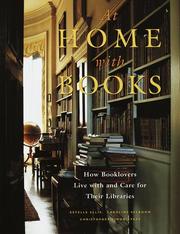
Private libraries and how book lovers live with and arrange their books.
Recommended by: Mohnish Pabrai
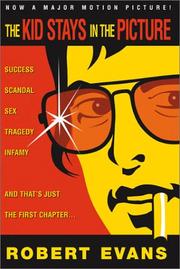
A Hollywood producer's life behind The Godfather, Chinatown and Rosemary's Baby.
“Robert Evans went from 50's movie star to running Paramount Pictures during its Godfather heyday, only to fall flat on his face and go broke in the eighties. Pure Hollywood popcorn and full of fun (probably half-true) anecdotes about seemingly every…” — Andrew Wilkinson
Source: Newsletter
Recommended by: Andrew Wilkinson, David Cancel
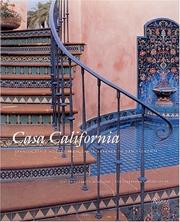
Twenty-one Spanish-revival houses in Southern California, in pictures.
Recommended by: Mohnish Pabrai
What leads to creative moments, for artists at the easel or scientists in the lab.
Recommended by: Patrick O'Shaughnessy
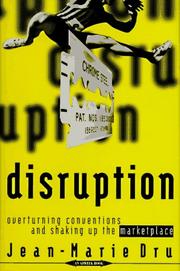
How advertising and business find breakthrough ideas by breaking conventions.
Recommended by: Mohnish Pabrai
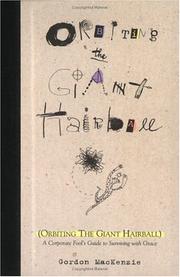
How to stay creative inside a large corporation, from thirty years at Hallmark.
Recommended by: John Maeda
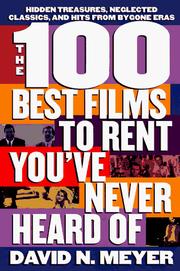
Reviews of 100 overlooked films across westerns, comedies, romance and more.
Recommended by: Mohnish Pabrai

How to present information so that pictures and charts explain clearly.
“The bibles of information design. Nothing comparable exists.” — Bret Victor
Source: Links — Bret Victor (his five-star list)
Recommended by: Bret Victor, Jeff Atwood, Jim Collins and 1 other
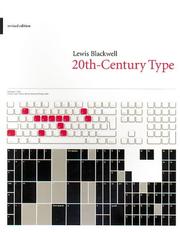
A history of typography and type design through the twentieth century.
Recommended by: Jeremiah Shoaf
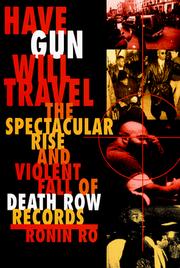
The history of Death Row Records and the rap culture around it.
Recommended by: Bill Gurley
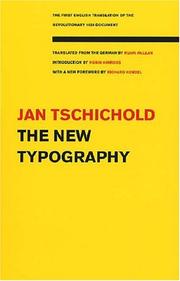
A treatise on book and graphic design for the machine age.
Recommended by: Patrick Collison, David Kadavy and 1 other
A graphic novel of four generations of the Corrigan men.
Recommended by: Ev Williams

Why computerised products are hard to use, and how interaction design fixes it.
“This is probably my favorite book that I read all year. Alan Cooper's classic book that builds a business case on creating products from a user-centered view rather than business or technology. Introduces the definition of "interaction design" versus other design disciplines, the creation and use of personas, how engineers design software experiences, etc.” — Andrew Chen
Source: What I’m reading: Interaction design, Riddles, and more
Recommended by: Andrew Chen, Brian Armstrong, Jeff Atwood and 2 others
The Times critics' original reviews of their 1,000 best films.
Recommended by: Mohnish Pabrai
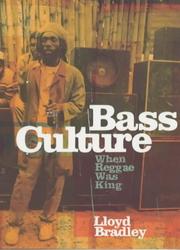
A history of reggae music and the Jamaicans who made it.
Recommended by: Daniel Ek
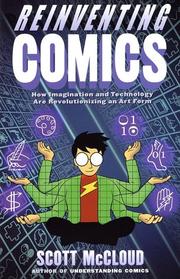
Twelve revolutions in how comics are made, published and read, digital ones included.
“The pedagogical potential of the comic form is vast and mostly untapped.” — Bret Victor
Source: Links — Bret Victor (his five-star list)
Recommended by: Bret Victor
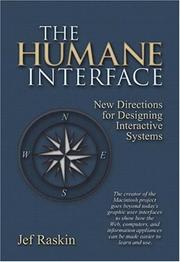
A guide to interactive system design that goes beyond today's widgets and habits.
“Another classic analytic look at interface design.” — Bret Victor
Source: Links — Bret Victor (his five-star list)
Recommended by: Bret Victor, Patrick Collison and 1 other
The philosophy and work of the designers Charles and Ray Eames.
Recommended by: Yves Béhar
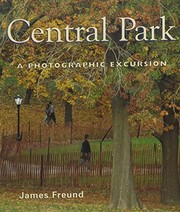
More than 250 photographs of New York's Central Park.
Recommended by: Mohnish Pabrai
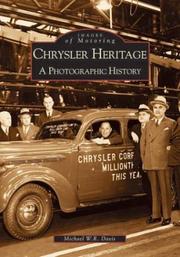
A photographic history of the Chrysler Corporation.
Recommended by: Mohnish Pabrai
Recommended by: Jeremiah Shoaf
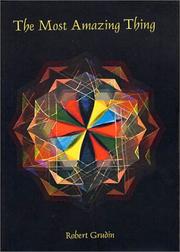
A down-and-out man escapes a shootout with billions and crosses America.
Recommended by: Mohnish Pabrai

User interface design explained for analytical programmers.
Recommended by: Ev Williams
The forest of Barro Colorado Island in photographs and ecology.
Recommended by: Ray Dalio

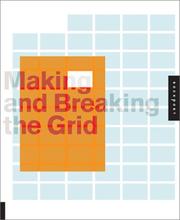
A graphic design workshop on using grids for layout, and on breaking them.
Recommended by: Jan Losert

The paintings and production art of the animated film Spirited Away.
Recommended by: Tim Ferriss
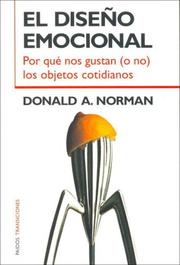
Why attractive things work better, and how emotion shapes design.
Recommended by: Nir Eyal
Short advice on success and ambition from an advertising creative.
Recommended by: Ran Segall, Casey Neistat
A framework and vocabulary for understanding games and game design.
“A comprehensive and insightful analysis of interactive design.” — Bret Victor
Source: Links — Bret Victor (his five-star list)
Recommended by: Bret Victor
Five disciplines to close the gap between brand strategy and its execution.
Recommended by: Andy Budd, Ran Segall
How type should look and how to set it as a professional does.
Recommended by: Jeremiah Shoaf
How to design websites that guard against user errors.
Recommended by: John Maeda
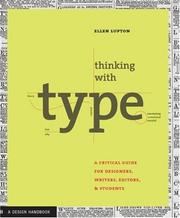
A primer of practical typographic design, for direct use in work.
Recommended by: Patrick Collison, David Kadavy and 1 other
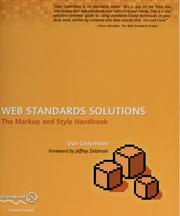
How to apply web standards in markup and style to build effective pages.
Recommended by: Zack Onisko
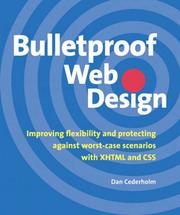
How to build flexible websites with XHTML and CSS.
“When I first started MetaLab, Dan Cederholm was my hero. Bulletproof Web Design was the first book I read when I was learning the ropes.” — Andrew Wilkinson
Source: Essay
Recommended by: Andrew Wilkinson
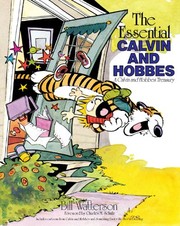
Every strip of a comic about a boy and his tiger, who is real only to him.
Recommended by: Paul Graham
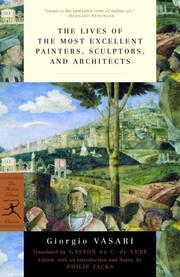
A Renaissance painter's lives of his fellow artists.
Recommended by: Ryan Holiday
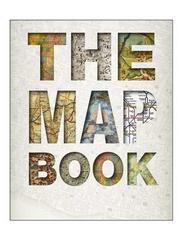
About 175 maps over four thousand years, showing how knowledge of the world grew.
Recommended by: Stewart Brand
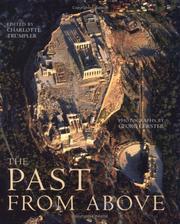
Aerial photographs of 250 of the world's great archaeological sites.
Recommended by: Stewart Brand
A photographer's memoir in pictures, from portraits to her private life.
Recommended by: Patrick Collison
How seeing turns into showing: turning data and evidence into explanation.
“The bibles of information design. Nothing comparable exists.” — Bret Victor
Source: Links — Bret Victor (his five-star list)
Recommended by: Bret Victor, Jeff Atwood, Patrick Collison
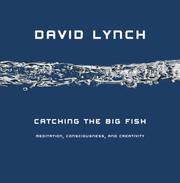
A filmmaker on catching ideas and the creative value of Transcendental Meditation.
Recommended by: Arianna Huffington
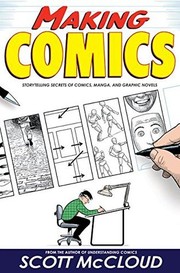
How to construct comics, taught in comic form.
“The pedagogical potential of the comic form is vast and mostly untapped.” — Bret Victor
Source: Links — Bret Victor (his five-star list)
Recommended by: Bret Victor, Kevin Kelly
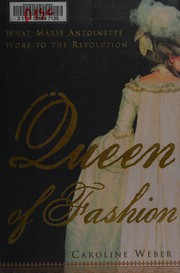
How Marie Antoinette used fashion as a political weapon, and how it led to her fall.
Recommended by: Sheryl Sandberg
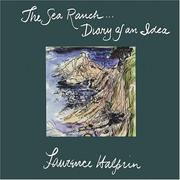
A diary of ideas for building on the Pacific coast by living lightly on the land.
Recommended by: Patrick Collison
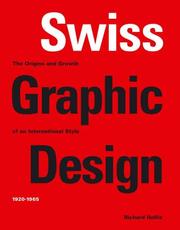
How the Swiss style of graphic design began and grew, as part of modernism.
Recommended by: Patrick Collison
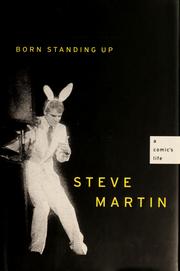
A comedian's eighteen years building a stand-up act, and why he quit it.
“A simple autobiography of his early years. Interesting tale, though no usable lessons for me.” — Derek Sivers
Source: Derek Sivers book notes (primary, rated list) · Rating: 2/10
Recommended by: Derek Sivers, Bill Gurley, James Altucher and 3 others
How to write the documentation that turns website designs into reality.
Recommended by: Patrick Collison
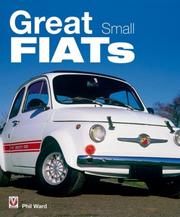
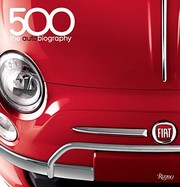
Fiat's small economical cars, from the Topolino to the Panda, model by model.
Recommended by: Mohnish Pabrai
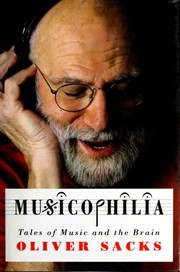
How music acts on the brain, through patients, musicians and ordinary people.
Recommended by: Tim Ferriss
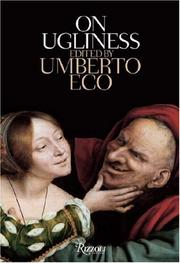
The idea of ugliness through history, as shown in art, literature and architecture.
Recommended by: Patrick Collison
How to design and deliver simple, creative slide presentations.
Recommended by: Nir Eyal
How the creator of Peanuts drew his private life into the strip.
Recommended by: Marc Andreessen
Design as its own discipline: sketching to find the right design before building.
Recommended by: Nir Eyal
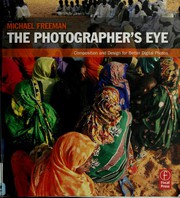
Composition and design as the key to a strong photograph.
Recommended by: Nat Eliason
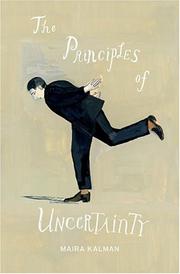
An artist's illustrated mix of personal story, documentary and travelogue.
“There's one called Drawings and Observations by the artist Louise Bourgeois, which is fantastic, and I've given that to so many people, as well as The Principles of Uncertainty by Maira Kalman.” — Caterina Fake
Source: The Tim Ferriss Show Transcripts: Caterina Fake (#360)
Recommended by: Caterina Fake
A guide to the fundamentals of brand identity and rebranding.
Recommended by: Ran Segall
Tools to understand users' reasons for doing things, and to design for them.
Recommended by: David Kadavy

An A-to-Z perfume guide whose authors praise, joke about and scold each scent.
Recommended by: Eric Weinstein
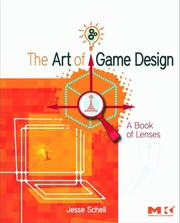
Game design principles drawn from psychology, with 100+ sets of questions to ask.
Recommended by: Nir Eyal, Ryan Hoover
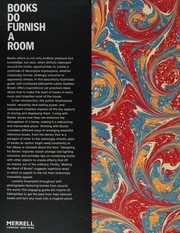
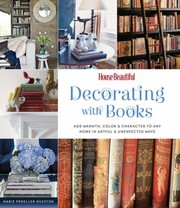
How books are used in interior decoration, in pictures.
Recommended by: Mohnish Pabrai
Life stories from sixty-five countries in more than 440 colour photographs.
Recommended by: Mohnish Pabrai
The working studios and daily routines of contemporary painters.
Recommended by: Patrick Collison
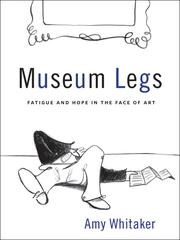
An irreverent look at why museums tire visitors and how to enjoy them.
Recommended by: John Maeda
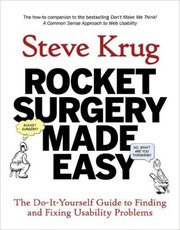
A do-it-yourself guide to usability testing and fixing what it finds.
Recommended by: Nir Eyal
Money and power inside New York's Metropolitan Museum of Art.
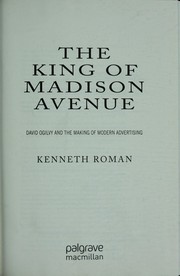
David Ogilvy's life and the making of his famous advertising campaigns.
Recommended by: Andrew Wilkinson, Mohnish Pabrai
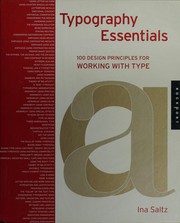
The essential rules of using type well, for designers in every medium.
Recommended by: Jeremiah Shoaf
A collection of the webcomic of romance, sarcasm, maths and language.
Recommended by: Bill Gates, Naval Ravikant
Two million years of human history, told through 100 objects in the British Museum.
Recommended by: Mohnish Pabrai, Stewart Brand
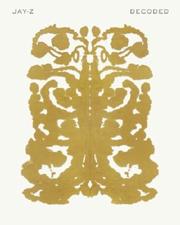
A rapper's memoir told through his lyrics, with analysis of their meaning.
Recommended by: Mark Zuckerberg, Sahil Lavingia
How to design graphical user interfaces around how the mind works.
Recommended by: Nir Eyal
More than 80 games for meetings to break down barriers and generate ideas.
Recommended by: Andy Budd
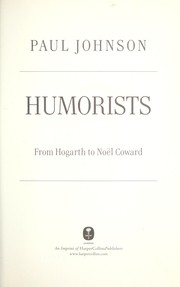
Biographical portraits of the great humorists and wits.
Recommended by: Mohnish Pabrai
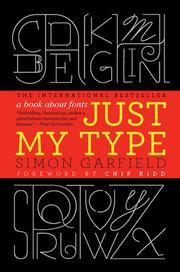
A personal tour of fonts, past and present: how they are designed and used.
Recommended by: Jeremiah Shoaf

An actor and comedian on Cambridge, his friends and his rise to fame.
Recommended by: Paul Graham
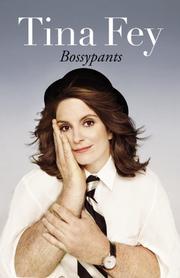
A comedian's life, from Pennsylvania and improv in Chicago to sketch comedy.
Recommended by: Sheryl Sandberg, Aileen Lee and 1 other
Californian design and its modernism, from mid-century decades.
Recommended by: Yves Béhar
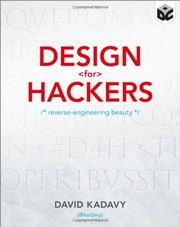
Principles of graphic and web design taught for programmers.
Recommended by: David Kadavy
How to design data visualisations as a sequence of learnable decisions.
Recommended by: Patrick Collison
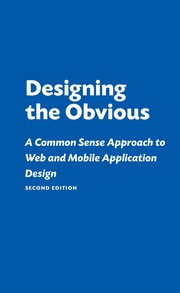
How to design web applications that are obvious to use.
Recommended by: Melanie Perkins
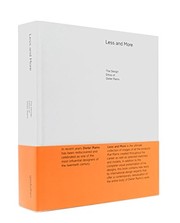
Dieter Rams' work at Braun and his ten rules of good design.
Recommended by: Patrick Collison
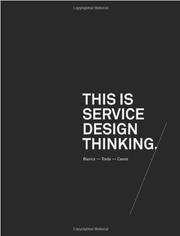
An introduction to service design and its methods for creative customer service.
Recommended by: Andy Budd
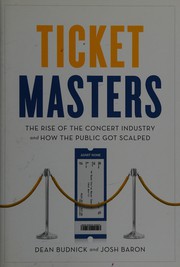
How Ticketmaster, Live Nation and others built the concert ticket business.
Recommended by: Mohnish Pabrai

The memoir of the lead singer of The Bags, an early punk band.
Recommended by: Audrey Gelman
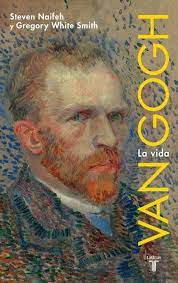
A detailed life of Vincent van Gogh, written with the Van Gogh Museum's help.
Recommended by: David Kadavy
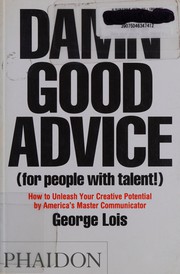
Lessons and advice on creativity from an advertising designer.
Recommended by: Matt Mullenweg
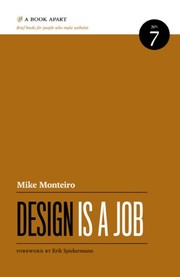
How designers do the job: contracts, selling design and working with clients.
Recommended by: Jordan Hughes
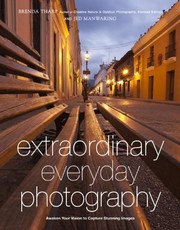
How to make strong photographs almost anywhere, without exotic places.
Recommended by: Nat Eliason
Using an "energy mind" to reach creativity without years of meditation.
Recommended by: Ev Williams
A comedian's affectionate portrait of the Irish mammy and her sayings.
Recommended by: Patrick Collison
How to apply lean methods to user experience design and product management.
Recommended by: Andy Budd, Sophie Bakalar

Lessons for interface design from the interfaces of science-fiction films and TV.
Recommended by: Andy Budd
Ten short lessons on creative work: nothing is original, so copy well.
“Short, inspiring insights into creativity and the creative life: the day job, the mindset, etc. Also read his other book “Show Your Work”.” — Derek Sivers
Source: Derek Sivers book notes (primary, rated list) · Rating: 8/10
Recommended by: Derek Sivers, Mohnish Pabrai, Alex and Books and 3 others
A hundred typefaces, each with its letters enlarged and its features annotated.
Recommended by: Jeremiah Shoaf
How leaders use visual tools to communicate and lead change.
Recommended by: Andy Budd
Why well-designed cities are the key to America's national challenges.
Recommended by: Patrick Collison
Over 500 site-specific artworks across the Americas, arranged by place.
Recommended by: Yves Béhar
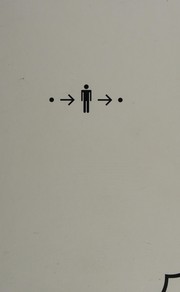
A story told entirely in pictograms and icons, with no words.
Recommended by: Patrick Collison

A survey of the logos and visual identity of terrorist and insurgent groups.
Recommended by: Patrick Collison
The business rules and professional practices design school does not teach.
Recommended by: Ran Segall, John D Saunders
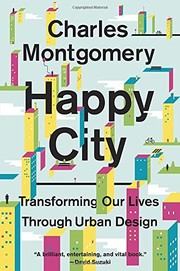
Whether dense city living can make people happier, and how cities can be designed.
Recommended by: Mr. Money Mustache

Methods for studying how people use city streets and public spaces.
Recommended by: Patrick Collison
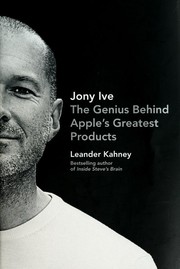
Jony Ive, Apple's chief designer, and the products he shaped.
Recommended by: Patrick Collison

A biography of Michelangelo across his long life as Italy's finest artist.
Recommended by: Mohnish Pabrai
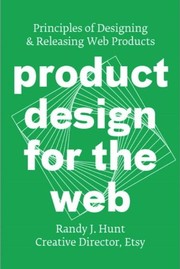
Principles for designing and releasing web products people come back to.
“Last week Fred Wilson wrote a post recommending two books including Randy Hunt’s Product Design for the Web: Principles of Designing and Releasing Web Products.” — Brad Feld
Source: Book: Product Design for the Web — Feld Thoughts
Recommended by: Brad Feld, Ron Conway
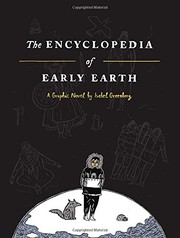
A graphic novel of a storyteller's tales on a quest for enlightenment and love.
Recommended by: Radhika Jones
How postmodern art and fiction undo structure, and what that says about society.
Recommended by: Patrick Collison
Glamour as a cultural force that shapes where people live, work, invest and vote.
Recommended by: Diana Kimball
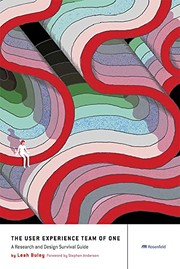
User experience methods that take less time and fewer resources.
Recommended by: Andy Budd
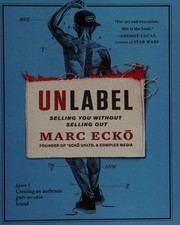
The founder of a clothing empire's formula for building an authentic brand.
Recommended by: Chase Jarvis
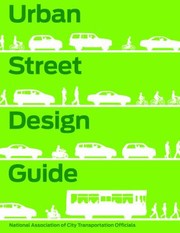
How streets can be redesigned to put transit, cycling, walking and public life first.
Recommended by: Patrick Collison
A guide to creativity: how to protect the living parts of your brain.
Recommended by: Naval Ravikant
A photographer's candid pictures from years behind the scenes at Cirque du Soleil.
Recommended by: Tim Ferriss
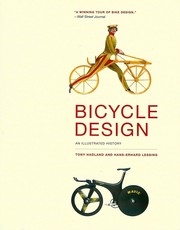
An illustrated history of bicycle design and its parts over two centuries.
Recommended by: Patrick Collison
Insights into creativity and the nature of inspiration.
Recommended by: Brené Brown, Mel Robbins, Zoë Foster Blake
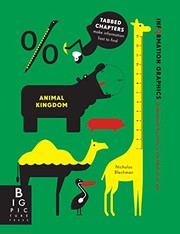
Information graphics for young readers, on animals and science.
Recommended by: Coleen Baik, Jessica Hische
The paintings, photographs and art with which one artist shaped surf culture.
Recommended by: Yves Béhar
How to write web copy that meets readers' needs and business goals, with examples.
Recommended by: Jan Losert
Personal essays on sex, menial jobs and missteps, offered so others learn from them.
Recommended by: Audrey Gelman
How to judge typefaces, work within technical limits and build web type systems.
Recommended by: Jeremiah Shoaf
A practical guide to why and how typographic designs work in their context.
Recommended by: Jeremiah Shoaf
How creative people can share their process to get found by an audience.
“Short inspiring book about sharing your work online. Really healthy perspective. Makes me want to do it much more.” — Derek Sivers
Source: Derek Sivers book notes (primary, rated list) · Rating: 7/10
Recommended by: Ali Abdaal, Derek Sivers, Chase Jarvis and 1 other
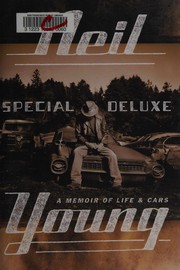
A rock musician's memoir told through the cars he has owned.
Recommended by: Marc Benioff
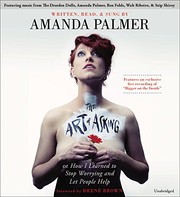
A musician and crowdfunding pioneer on learning to ask for and accept help.
Recommended by: Tim Ferriss

Fifty years of architecture and community at the Sea Ranch on California's coast.
Recommended by: Patrick Collison
Classic typographic form and structure applied to screens.
Recommended by: Jeremiah Shoaf
Interviews in which a film director discusses his whole career.
Recommended by: Patrick O'Shaughnessy
More than 600 women on the questions they ask themselves while getting dressed.
Recommended by: Audrey Gelman
A polar explorer and photographer's homage to the Arctic and the dangers it faces.
Recommended by: Richard Branson
A Pentagram partner on his graphic design work and how it was made.
Recommended by: Ran Segall
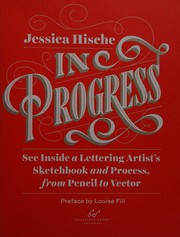
A hand-lettering designer's sketchbook, from rough sketches to finished work.
Recommended by: Jessica Hische
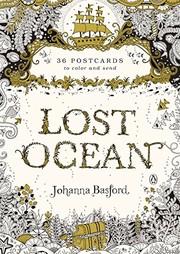
A colouring book of an underwater world drawn in intricate pen and ink.
Recommended by: Richard Branson
Why good design should remove screens and interfaces rather than add them.
Recommended by: George Hatzis
How doodling, a simple visual language, helps anyone think better.
Recommended by: Tony Hsieh
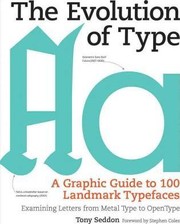
100 landmark typefaces, from Gutenberg's Bible type to digital fonts.
Recommended by: Jeremiah Shoaf
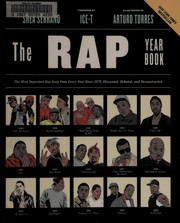
The most important rap song of each year since rap first won recognition.
Recommended by: Balaji S. Srinivasan

Designing with compassion for users who arrive under stress.
Recommended by: Johnnie Gomez

Twenty-six imaginative maps of New York City and the lives lived within it.
Recommended by: Laura R Walker
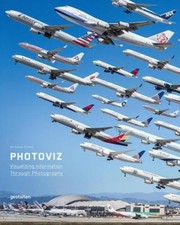
Photographs that visualise data, from Wi-Fi fields to many moments in one image.
Recommended by: Patrick Collison

A physicist and jazz musician on sound as a link between relativity and quanta.
Recommended by: Eric Weinstein
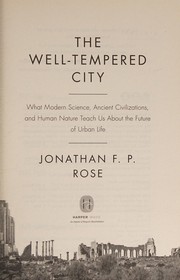
How cities can meet environmental, economic and social challenges.
Recommended by: Patrick Collison
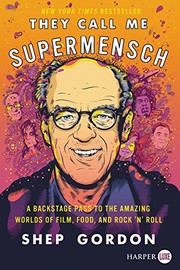
A manager's backstage memoir of film, food and rock music and the stars he knew.
Recommended by: David Cancel
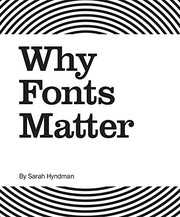
The science and art of how fonts affect what we read and the choices we make.
Recommended by: Jeremiah Shoaf
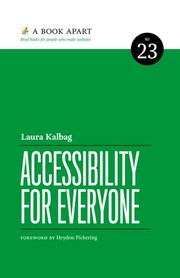
How to design websites that people with disabilities can use.
Recommended by: Johnnie Gomez

A comedian's memoir, from his childhood and street performing to world tours.
Recommended by: Bill Gates
Marvel and DC's fifty-year rivalry: stolen ideas, poached staff, spies, price wars.
Recommended by: Marc Andreessen
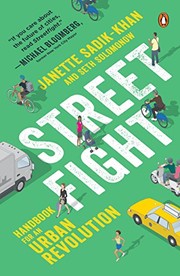
How New York's transport chief remade its streets for pedestrians and cyclists.
Recommended by: Patrick Collison
A chronological survey of more than 320 typefaces since movable type.
Recommended by: Jeremiah Shoaf
Leading architects' personal libraries and reading, in a series on thinkers' books.
Recommended by: Mohnish Pabrai
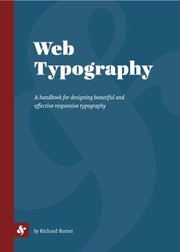
How to give text on the web a typographer's care.
Recommended by: Jeremiah Shoaf
Cartoons from fifteen years of marketing, from social media to personal branding.
Recommended by: Ann Handley
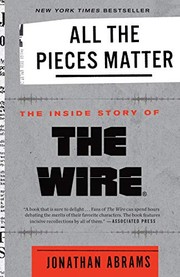
An oral history of the TV show The Wire, told by its actors, writers and directors.
Recommended by: Nick Crocker
Typography for web designers and developers: rhythm, scale and page composition.
Recommended by: Jeremiah Shoaf
A creative director's advice on inspiration, self-promotion and creative block.
Recommended by: Ran Segall
A graphic designer's career and work for clients such as Nike and Sports Illustrated.
Recommended by: Zack Onisko
Short stories told in a phonetic code of letters and numbers, one on each page.
Recommended by: Audrey Gelman
How typography changes on the web, where text must be prepared to set itself.
Recommended by: Jeremiah Shoaf
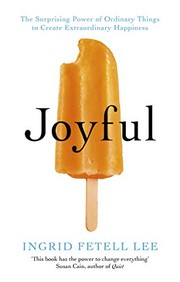
Why ordinary things such as confetti, blossoms and baby animals bring us joy.
Recommended by: Arianna Huffington
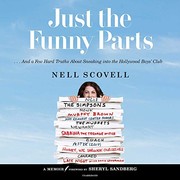
A television writer on Hollywood's sexual politics, from three decades of anecdotes.
Recommended by: Sheryl Sandberg
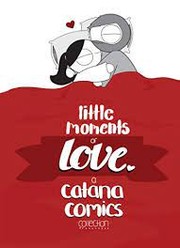
Comics about everyday moments of love, silliness and snuggling in a relationship.
Recommended by: Ryan Hoover
The brain science that matters to designers and how it shapes people's daily use.
Recommended by: Ryan Hoover
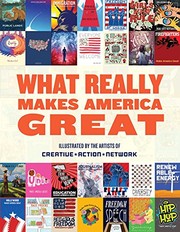
A collection of artwork honouring every side of America by many artists.
Recommended by: Guy Kawasaki
A road map for teams from a design sprint's ideas to real outcomes.
Recommended by: Jake Knapp
A jargon-free guide to creating a brand identity for a start-up.
Recommended by: Ran Segall
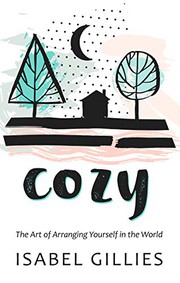
Coziness as knowing your innermost self and carrying it into the world.
Recommended by: Arianna Huffington
Design systems that keep products consistent yet leave room for creativity.
Recommended by: Johnnie Gomez
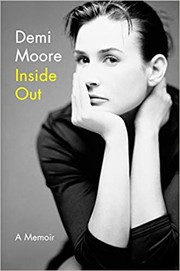
An actress's memoir of fame, film, relationships and her private struggles.
Recommended by: Arianna Huffington
Advice on staying creative and productive when the world seems out of control.
Recommended by: Ryan Holiday
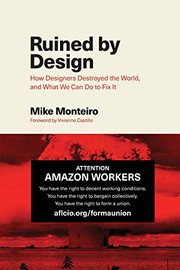
How designers built a harmful world, from engines to social media, and how to fix it.
Recommended by: Daniel Burka
The history, traits and uses of 48 major typefaces, from Garamond to Helvetica.
Recommended by: Jeremiah Shoaf
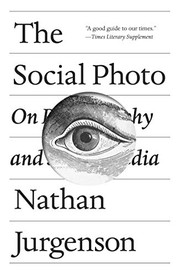
How photographs made for social media have changed what a photo is for.
Recommended by: Evan Spiegel
A visual history of typefaces from a Dutch collection of type specimen catalogues.
Recommended by: Jeremiah Shoaf
Short visual pieces on the main definitions, methods and techniques of UX design.
Recommended by: Ran Segall
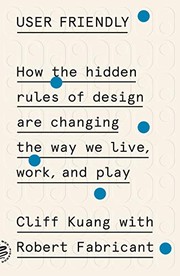
How user-experience design came to rule the way machines serve people.
Recommended by: Austen Allred, Jordan Hughes
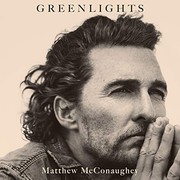
An actor's memoir told as stories, poems and life lessons, not a chronology.
Recommended by: Keith Wasserman, Ryan Holiday
Two decades of short reflections on entrepreneurship, creativity and philosophy.
Recommended by: Johnnie Gomez
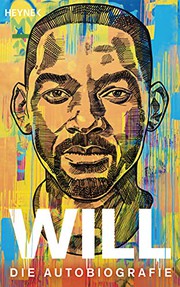
An actor, producer and musician's memoir of his insecurities, trauma and success.
“I loved this so much I couldn’t stop, and read in one sitting for 8 hours straight. I love autobiographies that distill lessons from their success. Similar to “Total Recall” by Schwarzenegger. I love reading the mindsets of the super-ambitious. Knowing Mark Manson’s writing so well, it’s fascinating to notice where it subtly changes voice from Will to Mark. Great insights. Really an ideal autobiography.” — Derek Sivers
Source: Derek Sivers book notes (primary, rated list) · Rating: 7/10
Recommended by: Derek Sivers, Jason Zweig, Alex Lieberman and 1 other
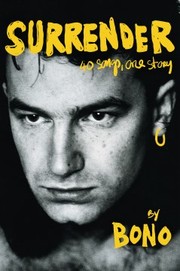
A rock singer's memoir of the people and places his songs only sketched.
Recommended by: Bill Gates
Twenty lessons on design, business and community from a co-founder of Dribbble.
Recommended by: Johnnie Gomez
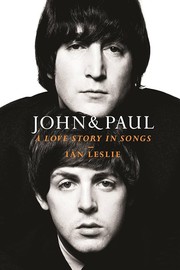
The relationship between John Lennon and Paul McCartney, told through their songs.
“Ian Leslie's wonderful new book about the relationship between John Lennon and Paul McCartney. If you're into The Beatles, or even just interested in how creativity happens, it's a great read.” — Andrew Wilkinson
Source: Essay
Recommended by: Andrew Wilkinson
A comprehensive history of graphic design.
Recommended by: Bret Victor
What makes games fun, and how designers can build fun into interactive products.
Recommended by: Patrick Collison
39 hand-printed alphabets from a designer's collection of wood-letter founts.
Recommended by: Jeremiah Shoaf
A songwriter's memoir of critical junctures in his life and career.
Recommended by: Bill Gurley
Applying product design methods to the way you organise your own work.
Recommended by: David Perell, Nat Eliason
Engineers' recommended practice for designing major urban streets for walking.
Recommended by: Patrick Collison
A guide for creatives to freelancing: branding, paperwork, clients and pricing.
Recommended by: Johnnie Gomez
Theatre improvisation in four parts: status, spontaneity, narrative skills and masks.
Recommended by: Patrick Collison
An essay on Japanese aesthetics through light and shadow, from buildings to food.
“But it's something you could read in an afternoon really easily. It's called In Praise of Shadows.” — Tim Ferriss
Source: The Tim Ferriss Show Transcripts: Gretchen Rubin (#290)
Recommended by: Tim Ferriss, Jason Fried
How scales relate to chords, and other basics for jazz and pop musicians.
Recommended by: Tim Ferriss
A Rolling Stones guitarist's memoir, from his love of the blues to founding the band.
Recommended by: Mohnish Pabrai
A Harlem designer's life, from a hungry boy to a pioneer of high-end streetwear.
Recommended by: Ben Horowitz
Large-format scenery and fashion photographs of Richard Branson's Caribbean island.
Recommended by: Richard Branson
A print magazine on how people shape technology and how technology shapes them.
Recommended by: John Maeda
Euclid's first six books, with diagrams and proofs drawn in bright coloured shapes.
Recommended by: Patrick Collison
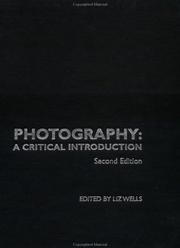
Photographs of how San Juan, Puerto Rico, has changed and stayed the same.
Recommended by: Mohnish Pabrai
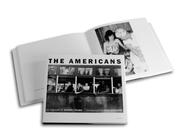
Photographs of every level of American society, taken on travels across the country.
Recommended by: Yves Béhar
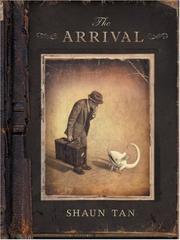
How infographics and editorial design help magazines tell stories.
Recommended by: Adam Ho
Photographs from an online community whose photos are free for anyone to use.
Recommended by: James Allworth, Paul Jarvis
How digital products from Google, Amazon and others take over daily life.
Recommended by: David Hellmann
The creative process, from interviews with 40 winners of MacArthur fellowships.
Recommended by: Guy Kawasaki
A typographer's own account of his path in typography, in 450 illustrations.
Recommended by: Jeremiah Shoaf

A musician's memoir of the stories she told herself growing up.
Recommended by: Zoë Foster Blake
 Walter Isaacsonwrote 1 book here
 David Kadavywrote 1 book here
 Jake Knappwrote 1 book here
 James Foxwrote 1 book here
 Jessica Hischewrote 1 book here
 Matej Latinwrote 1 book here
 Nir Eyalwrote 1 book here
 Stewart Brandwrote 1 book here
 Patrick Collisonrecommends 59 books here
 Mohnish Pabrairecommends 33 books here
 Ran Segallrecommends 15 books here
 Bret Victorrecommends 14 books here
 Derek Siversrecommends 12 books hereNir Eyalrecommends 11 books here
 Tim Ferrissrecommends 11 books here
 Johnnie Gomezrecommends 10 books hereDavid Kadavyrecommends 9 books here
 Jeff Atwoodrecommends 8 books here
Show all 130
 Nat Eliasonrecommends 8 books hereStewart Brandrecommends 8 books here
 Yves Béharrecommends 8 books here
 Paul Grahamrecommends 7 books here
 Marc Andreessenrecommends 6 books here
 Daniel Burkarecommends 6 books here
 Eric Weinsteinrecommends 6 books here
 Jim Collinsrecommends 5 books here
 Bill Gatesrecommends 5 books here
 David Cancelrecommends 5 books here
 Ev Williamsrecommends 5 books here
 Ryan Holidayrecommends 4 books here
 Arianna Huffingtonrecommends 4 books here
 Audrey Gelmanrecommends 4 books here
 John Maedarecommends 4 books here
 Matt Mullenwegrecommends 4 books here
 Naval Ravikantrecommends 4 books here
 Andrew Chenrecommends 3 books here
 Ann Handleyrecommends 3 books here
 Bill Gurleyrecommends 3 books here
 Caterina Fakerecommends 3 books here
 Chase Jarvisrecommends 3 books hereJessica Hischerecommends 3 books here
 John D Saundersrecommends 3 books here
 Jordan Hughesrecommends 3 books here
 Richard Bransonrecommends 3 books here
 Sheryl Sandbergrecommends 3 books here
 Michael Mauboussinrecommends 2 books here
 Brad Feldrecommends 2 books here
 Kevin Kellyrecommends 2 books here
 Guy Kawasakirecommends 2 books here
 Brian Armstrongrecommends 2 books here
 Daniel Ekrecommends 2 books here
 David Hellmannrecommends 2 books here
 Diana Kimballrecommends 2 books here
 Dustin Moskovitzrecommends 2 books here
 Garry Tanrecommends 2 books here
 George Hatzisrecommends 2 books here
 Jack Dorseyrecommends 2 books hereJake Knapprecommends 2 books here
 Jason Calacanisrecommends 2 books here
 Ron Conwayrecommends 2 books here
 Sam Altmanrecommends 2 books here
 Vinod Khoslarecommends 2 books here
 Zack Oniskorecommends 2 books here
 Zoë Foster Blakerecommends 2 books here
 Ben Horowitzrecommends 1 book here
 Ray Daliorecommends 1 book here
 Jason Zweigrecommends 1 book here
 Marc Benioffrecommends 1 book here
 Adam Gazzaleyrecommends 1 book here
 Aileen Leerecommends 1 book here
 Alexis Ohanianrecommends 1 book here
 Ana Fabregarecommends 1 book here
 Antonio García Martínezrecommends 1 book here
 Balaji S. Srinivasanrecommends 1 book here
 Bob Igerrecommends 1 book here
 Brené Brownrecommends 1 book here
 Brian Cheskyrecommends 1 book here
 Casey Neistatrecommends 1 book here
 Chris Dixonrecommends 1 book here
 Chris Saccarecommends 1 book here
 Daniel Petrerecommends 1 book here
 Ed Cookerecommends 1 book here
 Elon Muskrecommends 1 book here
 Evan Spiegelrecommends 1 book here
 James Allworthrecommends 1 book here
 James Altucherrecommends 1 book here
 Joe Gebbiarecommends 1 book here
 Joel Connollyrecommends 1 book here
 John Hendersonrecommends 1 book here
 Julie Zhuorecommends 1 book here
 Kevin Roserecommends 1 book here
 Laura R Walkerrecommends 1 book here
 Marie Forleorecommends 1 book here
 Marissa Mayerrecommends 1 book here
 Mark Zuckerbergrecommends 1 book here
 Marty Caganrecommends 1 book here
 Mel Robbinsrecommends 1 book here
 Melanie Perkinsrecommends 1 book here
 Michael Bloombergrecommends 1 book here
 Nick Crockerrecommends 1 book here
 Noah Kaganrecommends 1 book here
 Paul Jarvisrecommends 1 book here
 Satya Nadellarecommends 1 book here
 Susan J. Fowlerrecommends 1 book here
 Tony Hsiehrecommends 1 book here
 Tucker Maxrecommends 1 book here