100 Things Every Designer Needs to Know About People
Research on how people see, remember, decide and feel, applied to design.
Organized as short research-backed chapters on how people see, remember, decide, and feel, this is the most accessible bridge between cognitive science and design practice. The sections on peripheral vision, progressive disclosure, and intrinsic motivation are particularly applicable to interface work.
Who recommended it 3
Similar books 6
Chosen by shared topics, the entries that hold them, and the people who recommended both.
Web usability: why every page should be self-evident and how to test that it is.
“The classic book of web usability. Required reading for anyone who makes websites.” — Derek Sivers
Source: Derek Sivers book notes (primary, rated list) · Rating: 7/10
Recommended by: Brian Armstrong, Derek Sivers, Jeff Atwood and 8 others
Why objects confuse people, and how affordances, signifiers and feedback fix them.
“Designing software is difficult, to be sure, but designing a door is difficult too.” — Jeff Atwood
Source: Recommended Reading for Developers — Coding Horror
Recommended by: Andrew Chen, Jeff Atwood, Ran Segall and 10 others
A four-step model for habit-forming products: trigger, action, reward, investment.
Recommended by: David Cancel, Nat Eliason, Nir Eyal and 6 others
A five-day process for answering a business question by prototyping and testing.
Recommended by: Andy Budd, Jessica Hische, Marty Cagan and 1 other
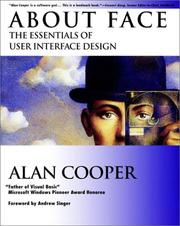
Goal-directed design and personas: fitting software to how users think it works.
Recommended by: Jeff Atwood, Patrick Collison
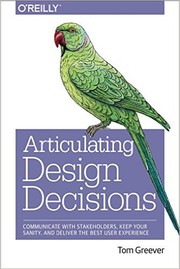
How designers persuade engineers, managers and executives that a design is right.