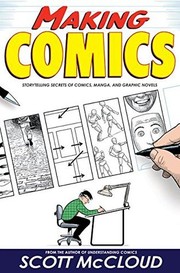
Making Comics
How to construct comics, taught in comic form.
Summary
Scott McCloud's guide to constructing comics is drawn as a comic itself, with McCloud's cartoon avatar, now 13 years older than in Understanding Comics, leading the reader through the pages. William Morrow published it in 2006 as the thematic sequel to Understanding Comics and Reinventing Comics, under the full title Storytelling Secrets of Comics, Manga, and Graphic Novels.
McCloud works through the processes behind storytelling, character design and the other problems particular to the medium, with examples taken from the history of comics. He boils complex questions down to a few principles: he sorts cartoonists into four types, for instance, and names six basic emotions for drawing faces. The Open Library record describes the book as instruction for aspiring cartoonists on capturing human experience through words and pictures in a spare style. McCloud dedicated it to Will Eisner.
Key takeaways 4
- McCloud teaches comics storytelling in comic form, as he did in Understanding Comics.
- He reduces character design and expression to a short set of principles, such as six basic emotions.
- He sorts cartoonists into four types by what they value in the work.
- His examples come from the history of comics, manga and graphic novels.
Who should read it
Aspiring cartoonists and graphic novelists who want a working method for telling stories in panels.
Who recommended it 2 · 1 direct
“The pedagogical potential of the comic form is vast and mostly untapped.”
Similar books 6
Chosen by shared topics, the entries that hold them, and the people who recommended both.
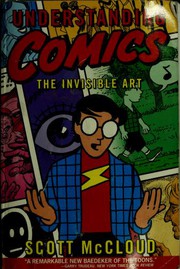
How comics work as an art form and how they are made.
“The pedagogical potential of the comic form is vast and mostly untapped.” — Bret Victor
Source: Links — Bret Victor (his five-star list)
Recommended by: Bret Victor, Patrick Collison, Daniel Burka and 1 other
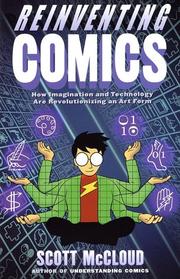
Twelve revolutions in how comics are made, published and read, digital ones included.
“The pedagogical potential of the comic form is vast and mostly untapped.” — Bret Victor
Source: Links — Bret Victor (his five-star list)
Recommended by: Bret Victor
A guide to creativity: how to protect the living parts of your brain.
Recommended by: Naval Ravikant
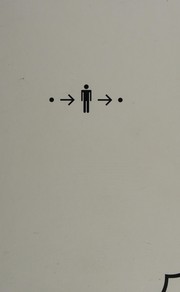
A story told entirely in pictograms and icons, with no words.
Recommended by: Patrick Collison
A surreal encyclopedia of an imaginary world, written in an invented script.
Recommended by: Patrick Collison