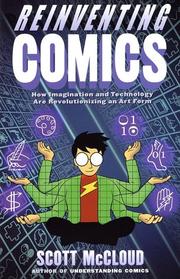
Reinventing Comics
Twelve revolutions in how comics are made, published and read, digital ones included.
Who recommended it 1 · 1 direct
“The pedagogical potential of the comic form is vast and mostly untapped.”
Similar books 6
Chosen by shared topics, the entries that hold them, and the people who recommended both.
A print magazine on how people shape technology and how technology shapes them.
Recommended by: John Maeda
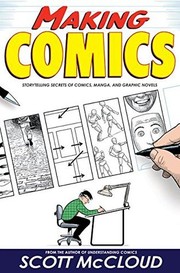
How to construct comics, taught in comic form.
“The pedagogical potential of the comic form is vast and mostly untapped.” — Bret Victor
Source: Links — Bret Victor (his five-star list)
Recommended by: Bret Victor, Kevin Kelly
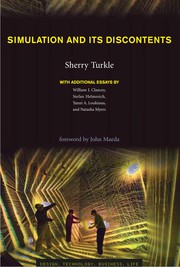
How simulation changed the way scientists and designers see the world.
Recommended by: Patrick Collison, Bret Victor
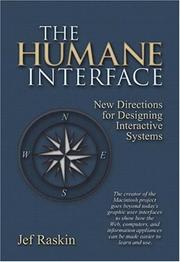
A guide to interactive system design that goes beyond today's widgets and habits.
“Another classic analytic look at interface design.” — Bret Victor
Source: Links — Bret Victor (his five-star list)
Recommended by: Bret Victor, Patrick Collison and 1 other

Why computerised products are hard to use, and how interaction design fixes it.
“This is probably my favorite book that I read all year. Alan Cooper's classic book that builds a business case on creating products from a user-centered view rather than business or technology. Introduces the definition of "interaction design" versus other design disciplines, the creation and use of personas, how engineers design software experiences, etc.” — Andrew Chen
Source: What I’m reading: Interaction design, Riddles, and more
Recommended by: Andrew Chen, Brian Armstrong, Jeff Atwood and 2 others
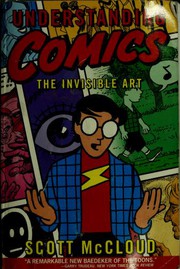
How comics work as an art form and how they are made.
“The pedagogical potential of the comic form is vast and mostly untapped.” — Bret Victor
Source: Links — Bret Victor (his five-star list)
Recommended by: Bret Victor, Patrick Collison, Daniel Burka and 1 other