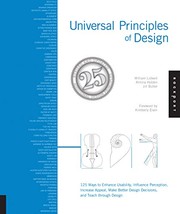
Universal Principles of Design
A cross-disciplinary reference of 125 design principles, each with examples.
A visual encyclopedia of 125 design principles from multiple disciplines — architecture, industrial design, psychology, communication. Not a cover-to-cover read but an essential reference for finding the principle name for something you already know intuitively, which matters when presenting to non-designers.
Who recommended it 1
Similar books 6
Chosen by shared topics, the entries that hold them, and the people who recommended both.
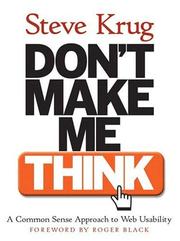
Web usability: why every page should be self-evident and how to test that it is.
“The classic book of web usability. Required reading for anyone who makes websites.” — Derek Sivers
Source: Derek Sivers book notes (primary, rated list) · Rating: 7/10
Recommended by: Brian Armstrong, Derek Sivers, Jeff Atwood and 8 others
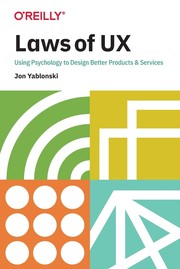
Psychology findings such as Fitts's and Hick's laws applied to interface design.
Recommended by: Ran Segall
Why objects confuse people, and how affordances, signifiers and feedback fix them.
“Designing software is difficult, to be sure, but designing a door is difficult too.” — Jeff Atwood
Source: Recommended Reading for Developers — Coding Horror
Recommended by: Andrew Chen, Jeff Atwood, Ran Segall and 10 others
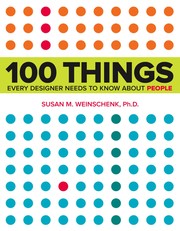
Research on how people see, remember, decide and feel, applied to design.
Recommended by: Jan Losert, Johnnie Gomez, Nir Eyal
Goal-directed design and personas: fitting software to how users think it works.
Recommended by: Jeff Atwood, Patrick Collison
How designers persuade engineers, managers and executives that a design is right.