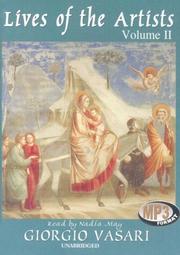
Lives of the Artists
Lives of the painters, sculptors and architects of the Italian Renaissance.
Vasari's lives; the origin of artistic reputation and its market
Summary
Vasari, a sixteenth-century Italian painter and architect, wrote a series of biographies of Italian Renaissance painters, sculptors and architects, often called the first important book of art history. He published two substantially different editions: two volumes in 1550 and three in 1568, the second being the one usually translated. The 1568 edition paid more attention to Venetian art, added woodcut portraits of the artists, some of them conjectural, and was dedicated to Cosimo I de' Medici and Pope Pius V.
The work opens with an introduction to the materials and techniques of architecture, sculpture and painting, a treatise valued in its own right, and then divides the lives into three parts, with dozens of biographies ranging from Botticelli and Paolo Uccello to Giorgione and Perino del Vaga. Vasari consistently favours his native Florence and credits Florentines with most new developments, the invention of engraving among them. Some stories are stock fictions, such as young Giotto painting a fly on a Cimabue panel that the master tried to brush away. Modern research has corrected many of his dates and attributions, yet the Lives remains the basis for the biographies of many artists, Leonardo da Vinci among them.
Key takeaways 4
- Much of what is known about early Renaissance Italian artists, especially Tuscans, comes from Vasari's biographies.
- Vasari's preference for Florence led him to credit Florentines with developments that began elsewhere.
- Several of his anecdotes are inherited fictions, so his dates and attributions need checking against modern research.
- An artist's reputation can be shaped for centuries by the first person to write their life.
Who should read it
Readers interested in the history of art and of artistic reputation, and collectors who want the source behind the standard stories about Renaissance artists.
Who recommended it 1 · 1 direct
“Vasari, Lives of the Artists”
Similar books 6
Chosen by shared topics, the entries that hold them, and the people who recommended both.
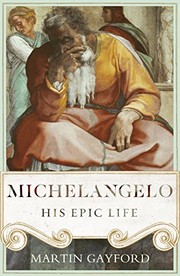
A biography of Michelangelo across his long life as Italy's finest artist.
Recommended by: Mohnish Pabrai
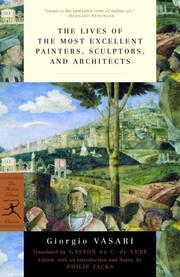
A Renaissance painter's lives of his fellow artists.
Recommended by: Ryan Holiday
Money and power inside New York's Metropolitan Museum of Art.
The rise of the mega-galleries and the money in the contemporary art market.
Fifteenth-century Italian painting, and reading social history from its style.
Recommended by: Paul Graham