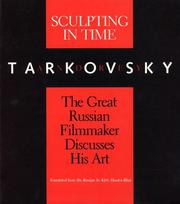
Sculpting in Time
A filmmaker's theory of the image as a vessel of time rather than information.
Tarkovsky's account of his own filmmaking is genuinely difficult, but it offers a theory of the image — as a vessel of time rather than a carrier of information — that no other book on this list attempts. Reading it alongside Murch shows how differently two master editors can conceive of what a film is.
Similar books 6
Chosen by shared topics, the entries that hold them, and the people who recommended both.
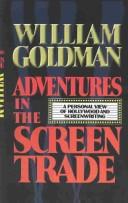
What it is like to write films for Hollywood, from a screenwriter's own career.
“William Goldman, Adventures in the Screen Trade: A Personal View of Hollywood and Screenwriting (New York: Warner Books, 1983), 39” — Michael Mauboussin
Source: Who Is On the Other Side? A Framework for Understanding Market (In)Efficiency
Recommended by: Michael Mauboussin, Tim Ferriss
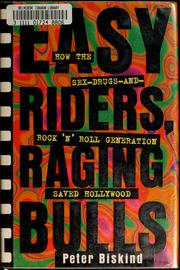
How young directors and drugs remade Hollywood in the 1970s, from Easy Rider on.
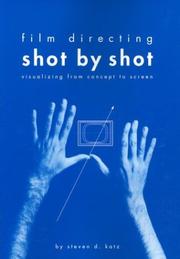
How storyboards become shots, and how shots are built into film sequences.
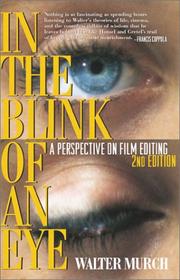
Film editing explained: why cuts work when they follow the rhythm of thought.
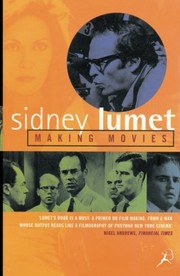
How a film comes together, from the first script reading to the final mix.
Directing as finding the simplest images that carry the story.